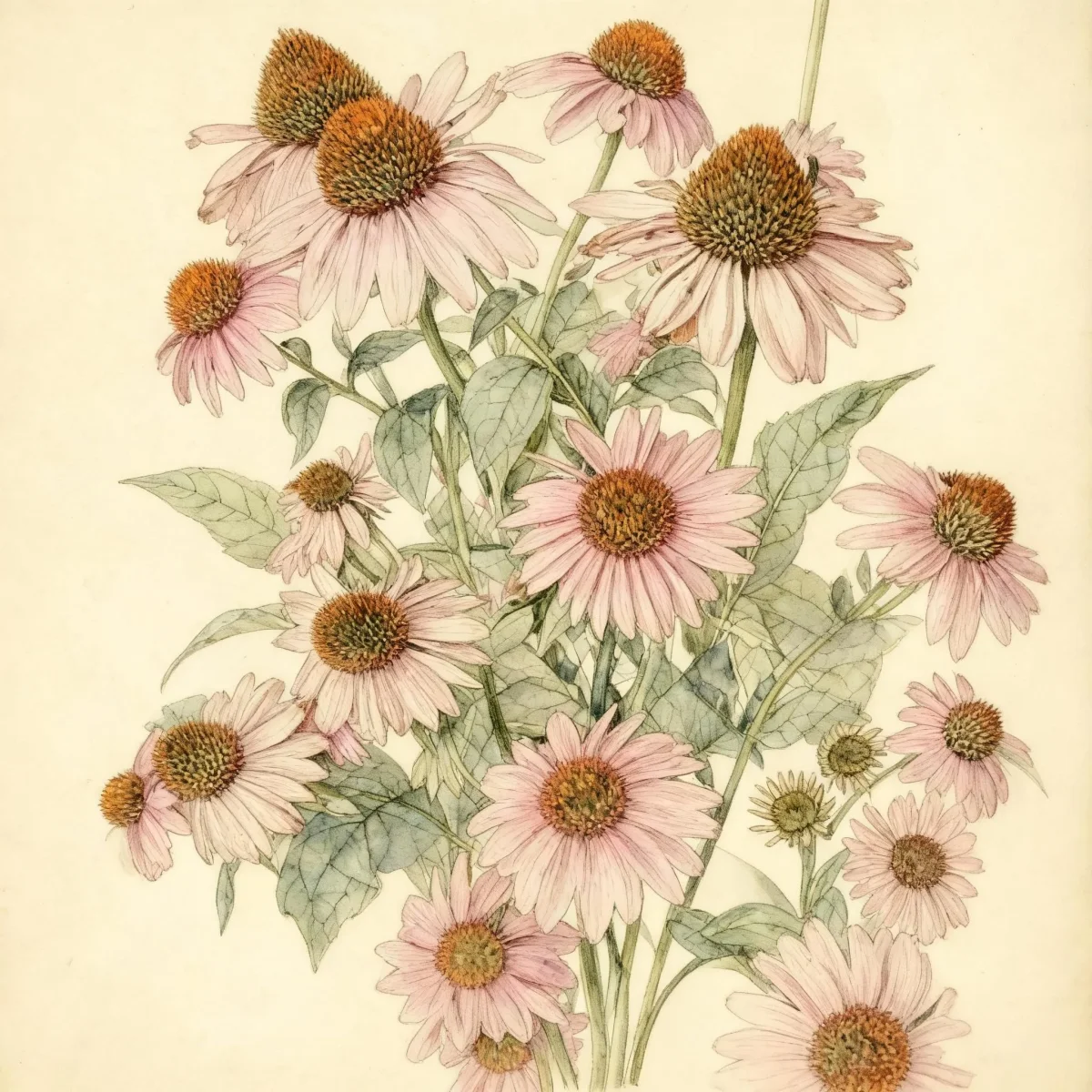
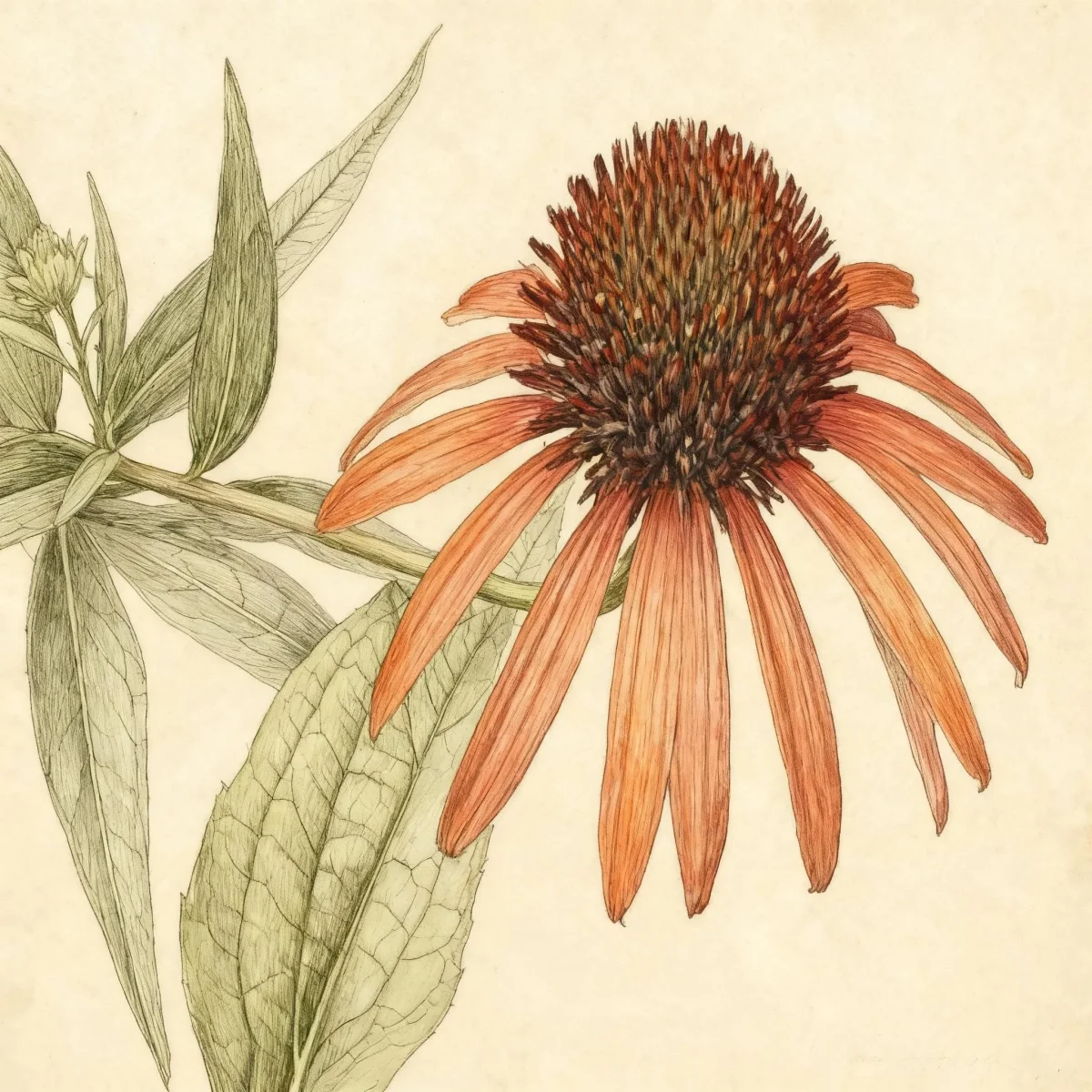
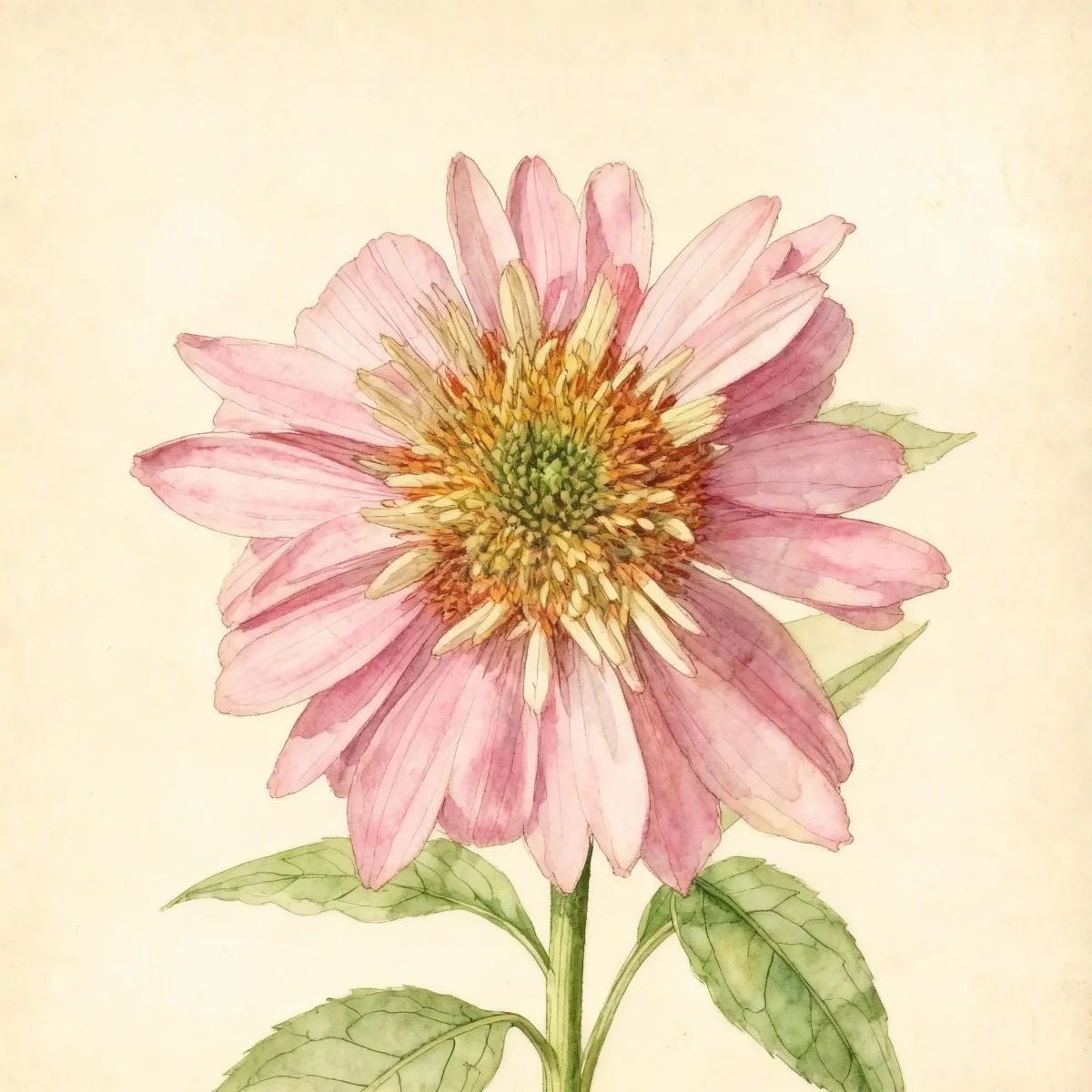
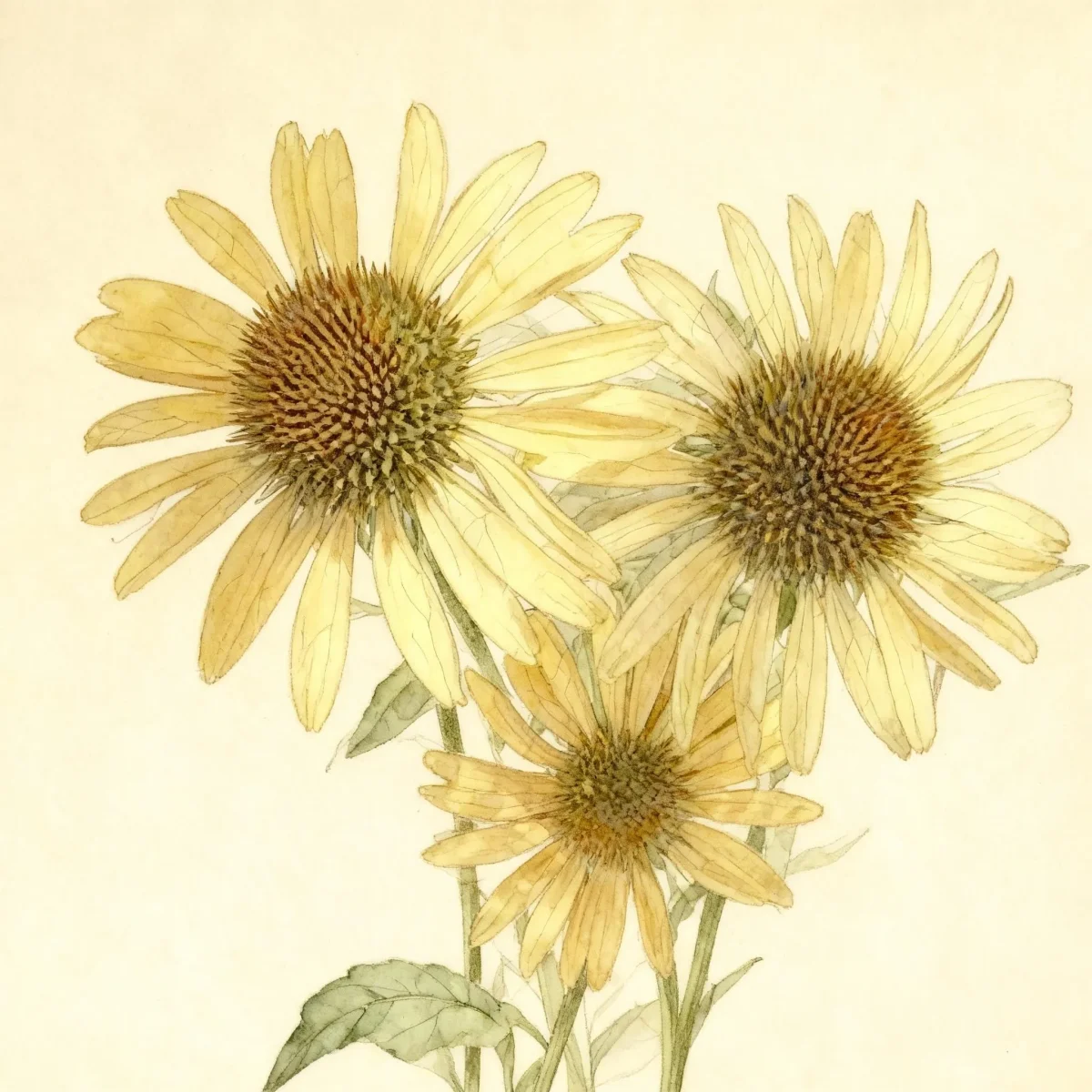
Coneflower (Echinacea 'The Price is White')
Echinacea 'The Price is White' Coneflower offers showy, fragrant white blooms from June to August. Low maintenance, ideal for drought and clay soil.
Scroll down to discover growing tips, care requirements, companion plants, and more
Complete Plant Information
Overview
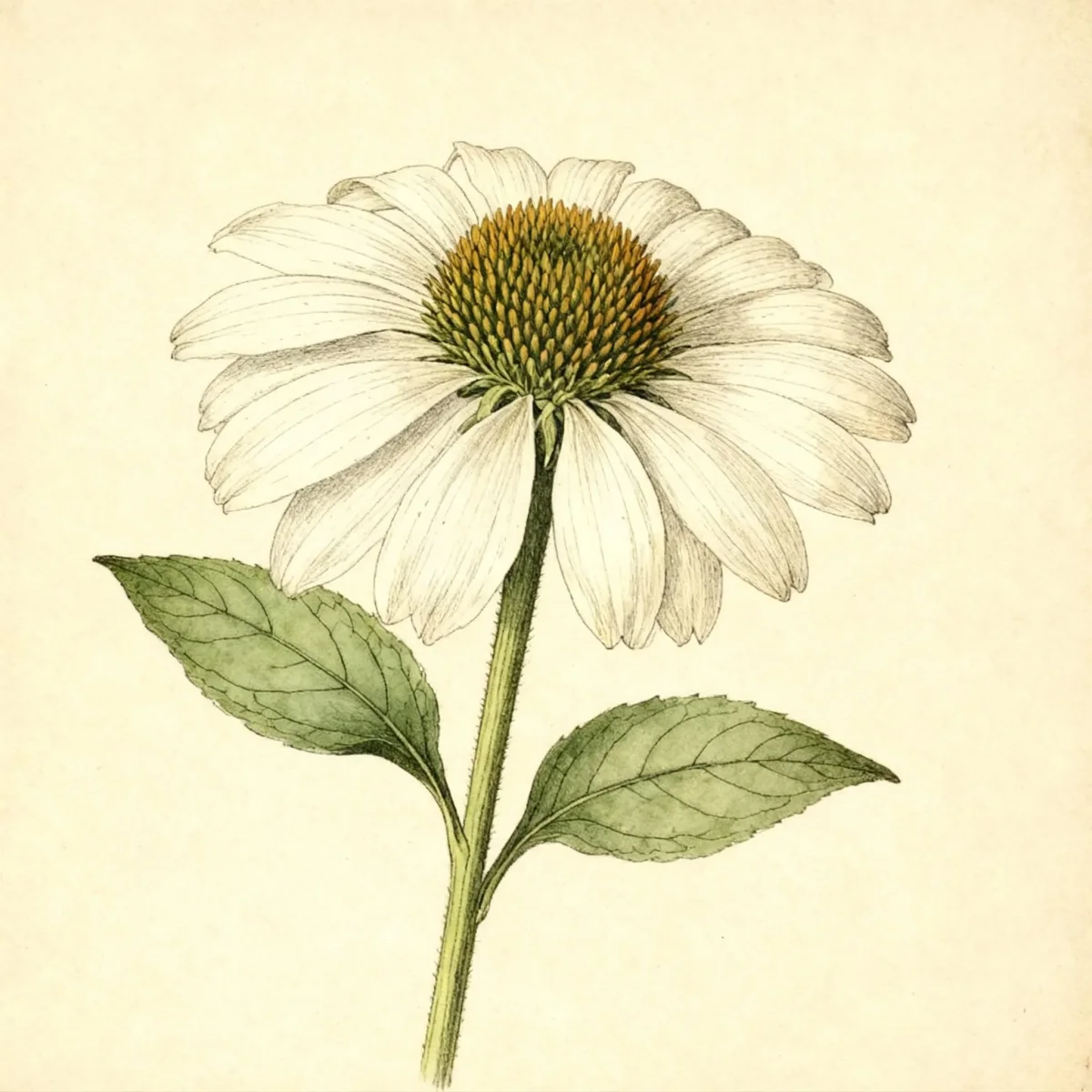
Echinacea ‘The Price is White’ is a highly desirable, compact cultivar of the North American Coneflower, prized for its substantial 5-inch, lightly fragrant white blooms. This hybrid cultivar brings bright color to the mid-summer garden while offering exceptional hardiness and adaptability, making it a reliable perennial choice. Gardeners value this Coneflower not only for its aesthetic contribution but also for its wildlife attraction and excellent performance in challenging soil conditions.
This herbaceous perennial thrives in full sun, though it can tolerate part shade, making it versatile across various garden settings. It matures to a tidy height between 1.5 and 1.75 feet, perfect for front-of-border plantings where larger cultivars might overwhelm neighboring plants. As an adaptable Echinacea, it handles heat, humidity, and poorer soil types with ease, requiring minimal fuss after establishment.
The appeal of Echinacea ‘The Price is White’ extends beyond the growing season; the persistent seed heads provide winter interest and crucial food sources for goldfinches. Whether used as a striking specimen accent or massed for high visual impact, this white Coneflower is a cornerstone of sustainable, low-input perennial gardening across USDA zones 4 through 8.
Fast Facts
- Plant Family: Asteraceae
- Plant Type: Herbaceous perennial
- Hardiness Zones: USDA Zones 4-8
- Size at Maturity:
- Height: 1.5-1.75 ft
- Spread: 1.25-1.5 ft
- Bloom Time: June to August
- Bloom Description: White
- Sun Exposure: Full sun to part shade
- Water Needs: Dry to medium
- Maintenance Level: Low
How to Grow
Optimal planting for Echinacea ‘The Price is White’ occurs in spring or early fall when the weather is mild. Choose a location offering full sun for the most prolific bloom display, though these Coneflowers tolerate part shade gracefully. The key to success is ensuring the soil is well-drained; while adaptable to clay and poor substrates, standing water must be avoided, particularly during winter dormancy.
Once established, this variety demonstrates remarkable resilience, tolerating drought, heat, and humid conditions exceptionally well. Water sparingly, allowing the soil to dry out between waterings, consistent with its ‘dry to medium’ water needs. Fertilizing is rarely necessary; over-fertilization can lead to weaker stems.
To maximize bloom longevity throughout June to August, prompt removal of spent flowers (deadheading) is recommended, although plants will rebloom adequately even without this intervention. For management, divide clumps every four years if they become overcrowded, typically done in early spring or autumn. This low-maintenance approach aligns perfectly with the needs of busy gardeners.
Landscape Uses
Echinacea ‘The Price is White’ shines when utilized near border fronts or in rock gardens where its neat, compact structure (1.5 to 1.75 feet tall) can be appreciated without dominating the view. It excels when treated as an attractive specimen or accent plant, breaking up masses of green foliage with its bright white flowers. For maximum effect, plant this Coneflower in thoughtful groups or massed displays rather than as solitary individuals.
This white-blooming variety pairs beautifully with late-summer prairie natives that require similar sun and drainage, such as Russian Sage or ornamental grasses like Little Bluestem. It is also suitable for the edge of open woodland gardens where dappled sunlight can filter through, offering contrast to darker foliage. Its clean appearance ensures the cultivar blends seamlessly into modern cottage gardens or traditional perennial borders.
Use the excellent cut flower quality of Echinacea ‘The Price is White’ in fresh arrangements. For dried arrangements, allow the central cones to fully mature on the stem before harvesting to preserve the structure that attracts winter birds.
Standout Features
Flower Qualities
- Showy
- Fragrant
- Good Cut
- Good Dried
Noteworthy Characteristics
The genus Echinacea encompasses seven species native to central and eastern North America, often recognized by their spiny central cones, which recall the Greek word echinos (hedgehog). ‘The Price is White’ is a modern cultivar that presents 5-inch white flowers on strong, well-branched stems, reaching their peak blooming period from June through August. These flowers are attractive to numerous insect pollinators, and the retained dried seed heads offer significant value to garden birds well into the winter months.
Tolerances
- Deer
- Drought
- Clay Soil
- Dry Soil
- Shallow-Rocky Soil
Potential Problems
All coneflowers, including Echinacea ‘The Price is White’, can occasionally suffer from aster yellows, a phytoplasma disease that causes stunting and yellowing of foliage and flower parts. Preventative measures include rejecting infected nursery stock and managing leafhoppers, which spread the disease. Fungal and bacterial leaf spots may also occur, often exacerbated by high humidity or poor air circulation; ensure adequate spacing between plants. Vigilance is also required against occasional pests like erythroid mites and Japanese beetles, though this variety’s hardiness often helps it shrug off minor infestations.
Frequently Asked Questions
What hardiness zones is Coneflower suitable for?
Echinacea ‘The Price is White’ is reliably hardy in USDA Zones 4 through 8.
How large does Coneflower grow?
Mature plants typically reach a height between 1.5 and 1.75 feet, with a spread of 1.25 to 1.5 feet.
What sun exposure does Coneflower need?
This plant performs best in Full sun to part shade conditions, requiring ample sunlight to produce the best flower display.
When does Coneflower bloom?
Echinacea ‘The Price is White’ features its showy white blooms throughout the primary summer season, generally from June to August.
Conclusion
Echinacea ‘The Price is White’ is an indispensable, low-maintenance perennial, offering reliable white blooms, excellent drought tolerance, and aesthetic appeal deep into the season. By incorporating this versatile Coneflower into your garden, you enhance biodiversity while enjoying blooms that transition beautifully from fresh cuts to dried accents. Before planting, confirm that your local garden falls within USDA Zones 4-8 to ensure the best performance for this striking white Echinacea.
Wildlife Benefits
The Coneflower genus is a powerful magnet for beneficial insects, and ‘The Price is White’ is no exception, serving as a preferred nectar source for butterflies and various other insect pollinators during the peak summer months. Planting this specific cultivar supports the local ecosystem by providing essential feeding opportunities when many other spring blooms have faded.
Beyond nourishing insects, the structure of the Coneflower is vital for avian wildlife. Allowing the flower heads to remain standing through fall and winter provides persistent food sources. Goldfinches, in particular, are frequently seen visiting the blackened cones to extract seeds, offering continuous visual interest to the winter landscape.
Companion Planting
Due to the dry-to-medium water requirements and need for full sun, Echinacea ‘The Price is White’ naturally pairs well with other robust, sun-loving perennials that resent wet feet. Consider combining it with plants native to similar prairie or open woodland settings for cohesive cultural requirements.
Excellent companions include various ornamental grasses, such as Schizachyrium scoparium (Little Bluestem), which offers contrasting fine texture and seasonal color. Catmint (Nepeta) or Russian Sage (Perovskia) create silvery, soft masses that contrast effectively with the sturdy, white, daisy-like flowers of the Coneflower.
Planting in drifts of three or five provides the massed color needed for the best impact while ensuring adequate air circulation around the base of the Echinacea plants, which helps mitigate potential humidity-related fungal issues.