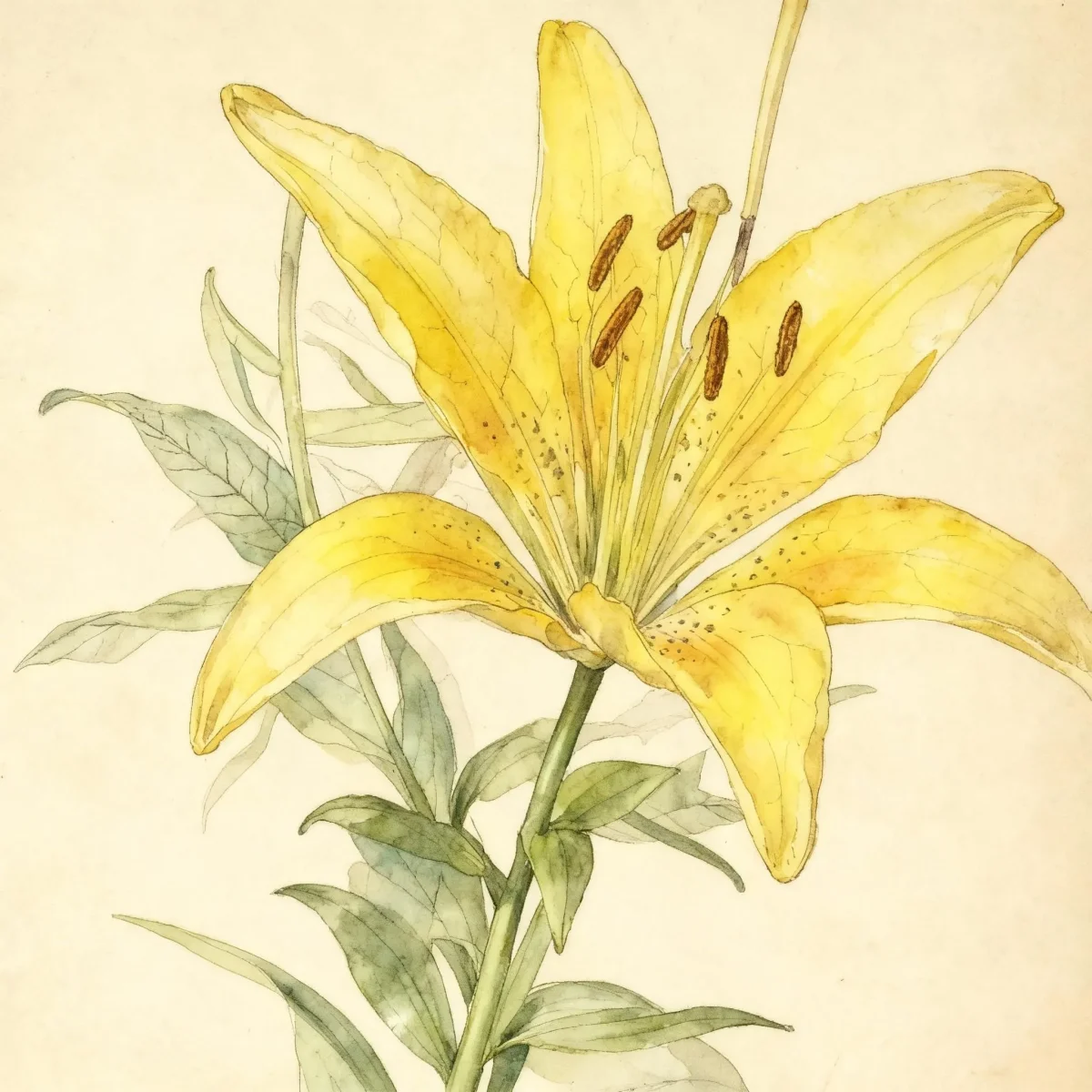
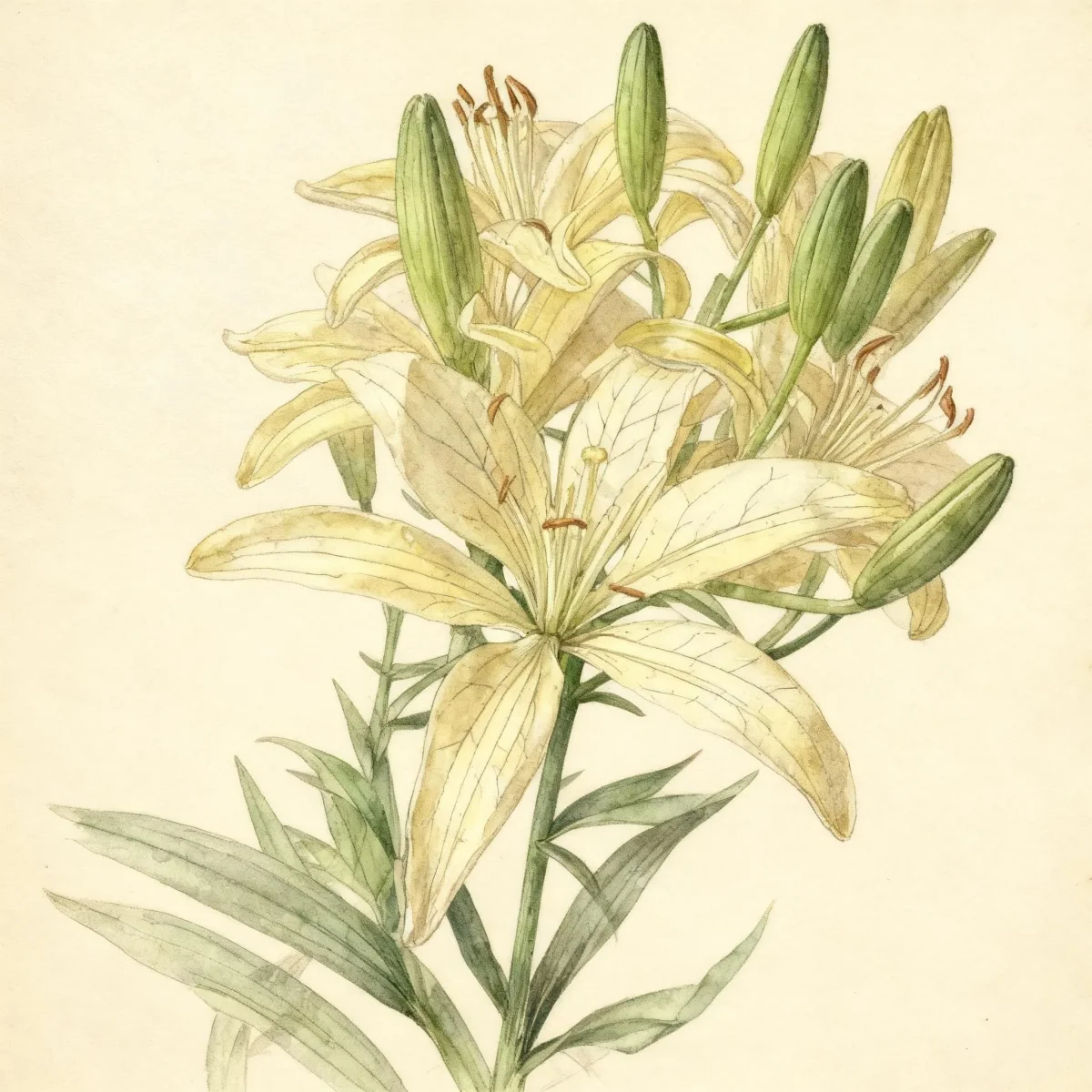
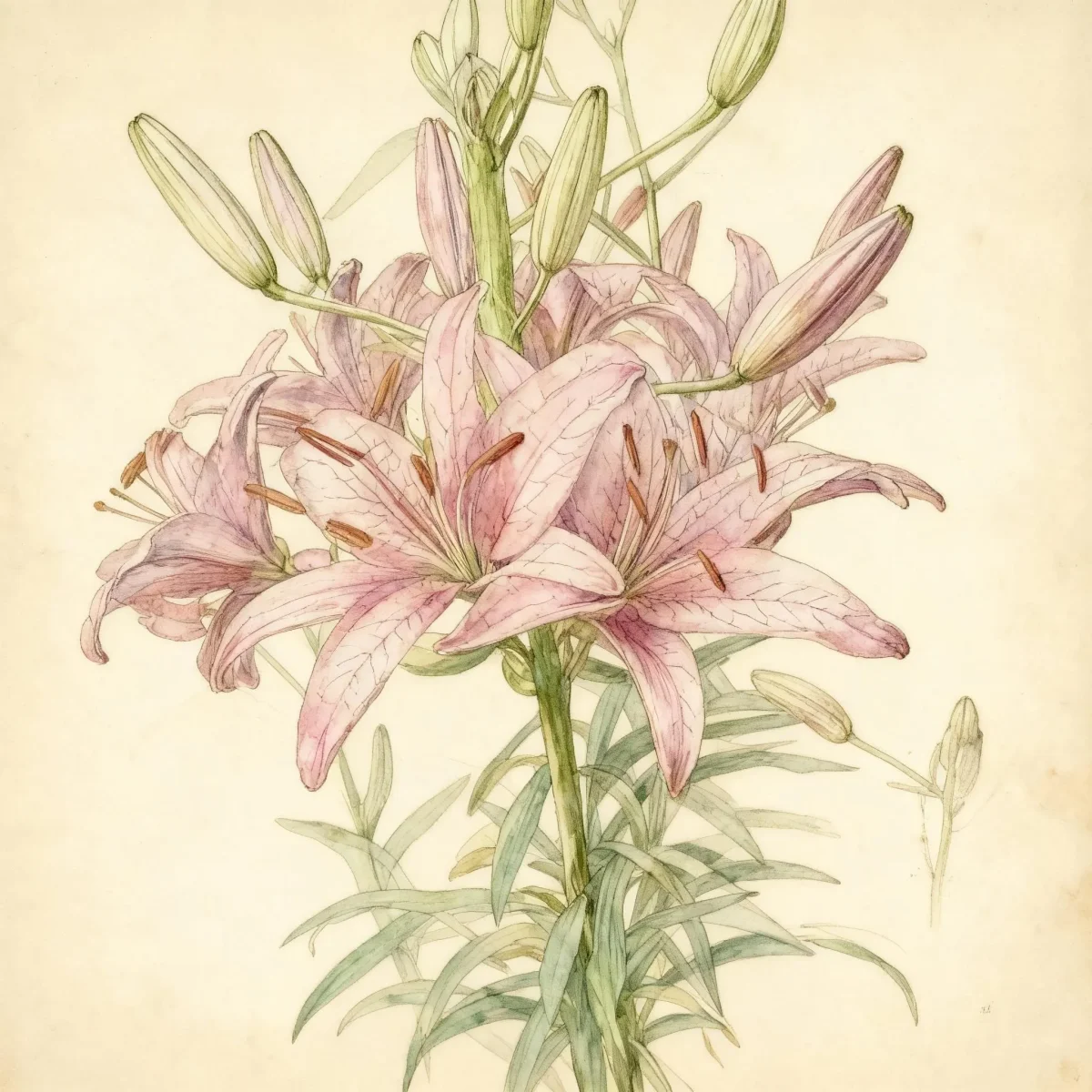
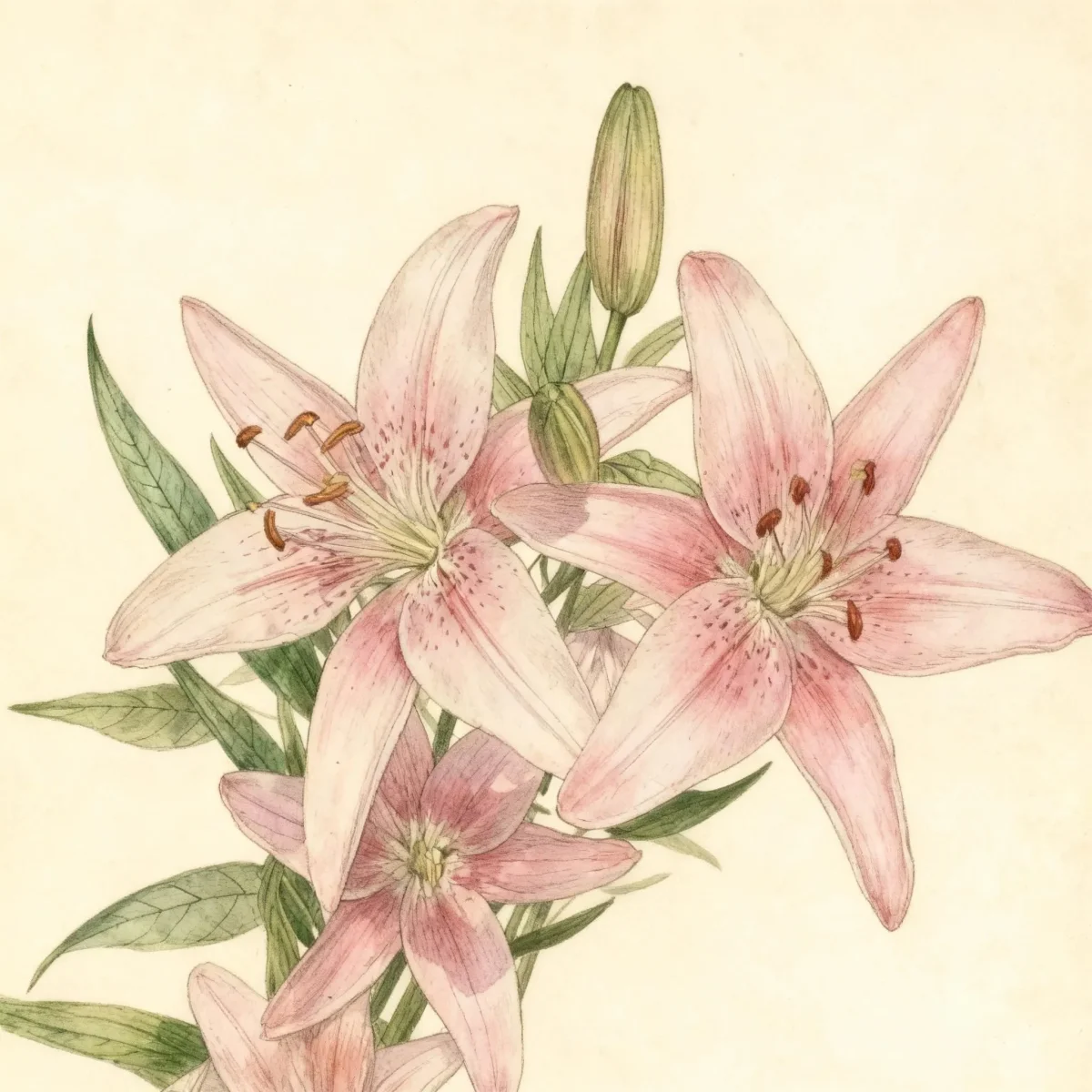
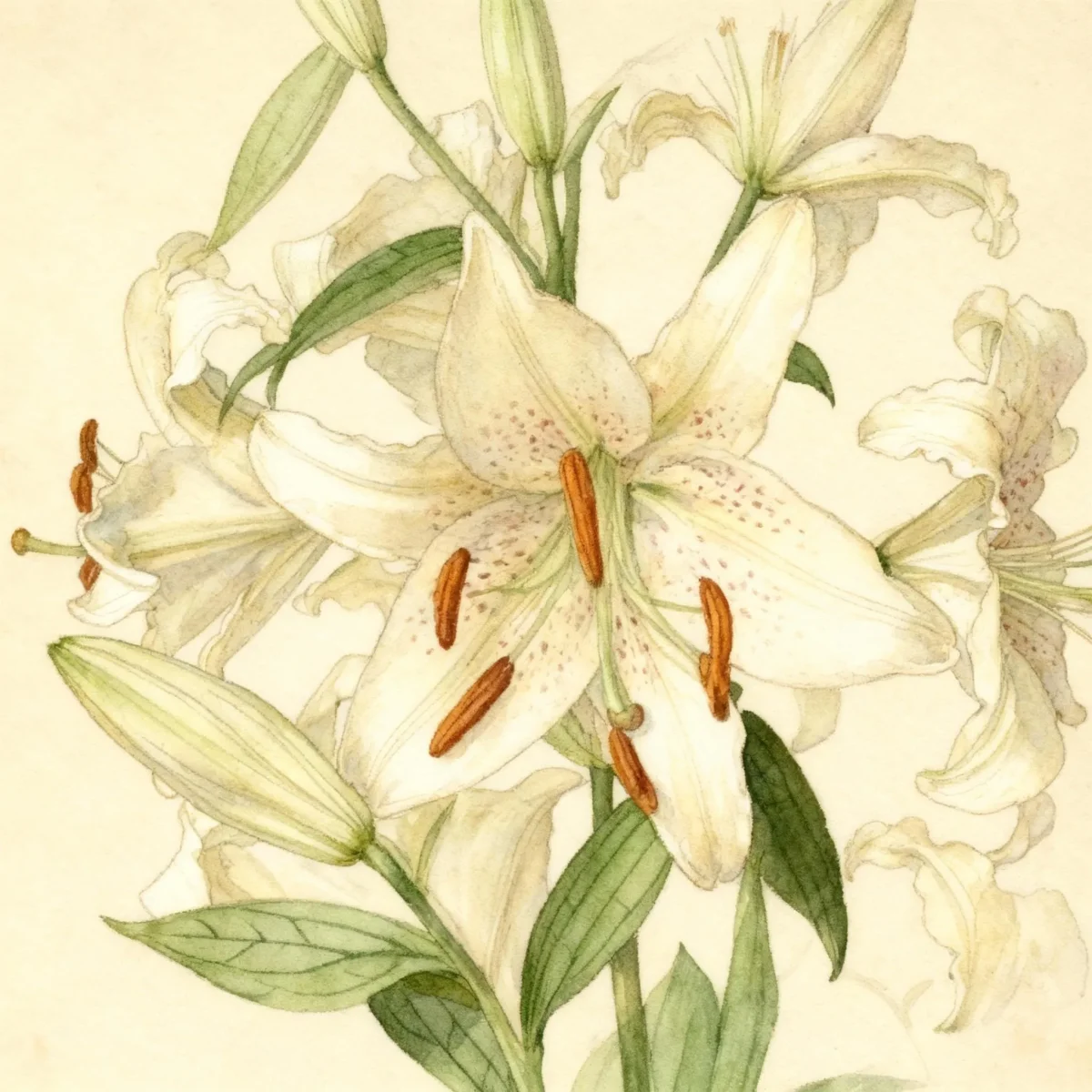
Cooper's African hyacinth (Ledebouria cooperi)
Discover Ledebouria cooperi, the distinctive Cooper's African hyacinth, prized for its purple-striped leaves and fragrant spring blooms.
Scroll down to discover growing tips, care requirements, companion plants, and more
Complete Plant Information
Overview
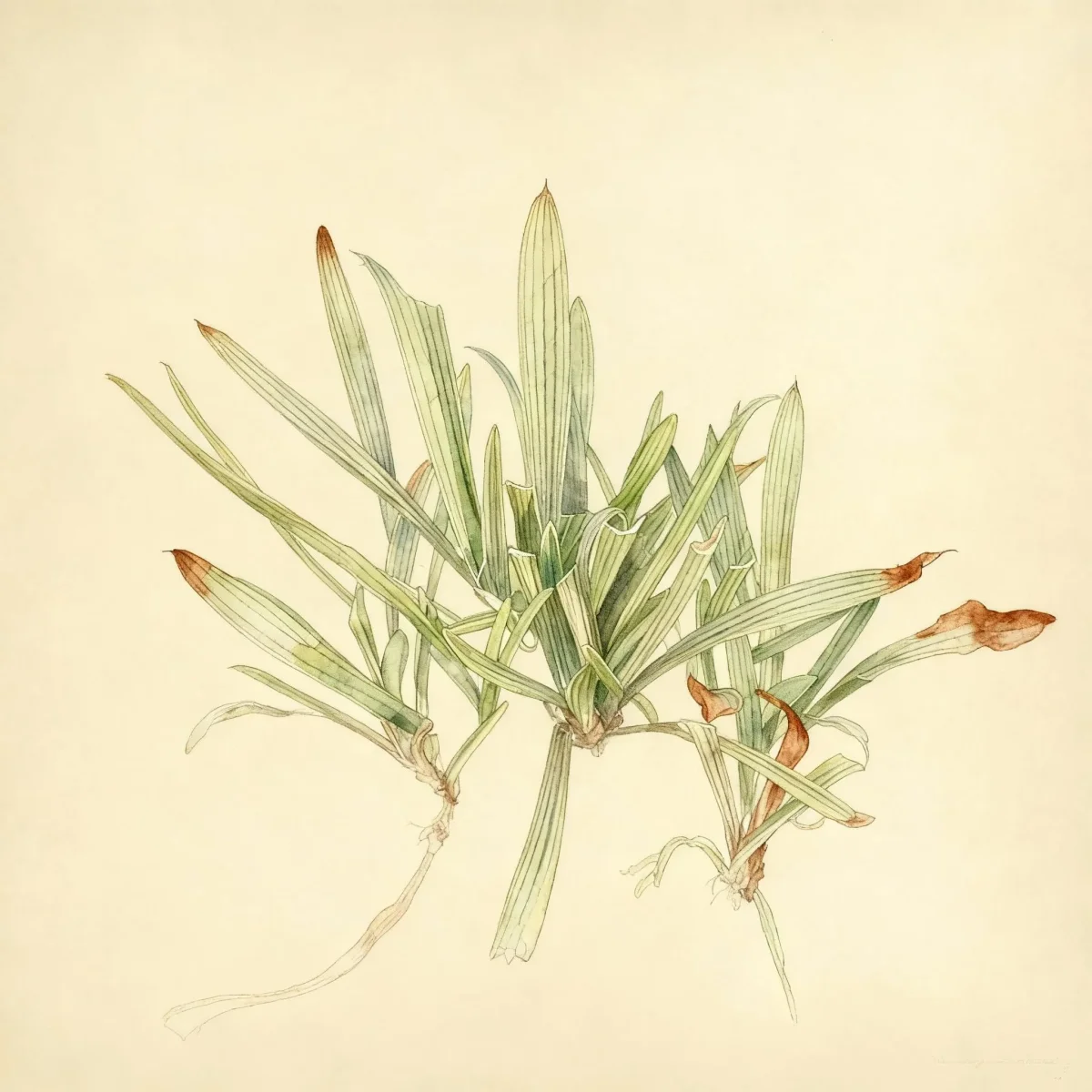
Ledebouria cooperi, commonly known as Cooper’s African hyacinth, is an excellent choice for gardeners seeking texture and subtle springtime color from a low-growing bulb. Its greatest appeal lies in its striking foliage: upright, lanceolate leaves distinctly detailed with purple vertical striations, often earning it the nickname Zebra’s quill. This South African native brings architectural interest even when not in bloom.
As a bulbous perennial, Ledebouria cooperi slowly forms small, attractive colonies via offsets, making it useful for naturalizing in the right environments. It is known for its low maintenance needs once established, thriving in conditions mirroring its native moist grasslands, provided the soil drains impeccably. The small but fragrant pink flowers appearing in spring add a delightful sensory element.
Gardeners appreciate Cooper’s African hyacinth for its reliable performance in USDA Zones 7 through 10. Successful cultivation relies heavily on managing moisture; these bulbs require consistent water during active growth but must dry out slightly to avoid rot during winter dormancy in cooler parts of its range. Consider adding this unique texture to rockeries or borders for year-round visual appeal.
Fast Facts
- Plant Family: Liliaceae
- Plant Type: Bulb
- Native Range: Central South Africa
- Hardiness Zones: USDA Zones 7-10
- Size at Maturity:
- Height: 0.5-0.75 ft
- Spread: 0.75-1 ft
- Bloom Time: April to May
- Bloom Description: Pink
- Sun Exposure: Full sun to part shade
- Water Needs: Medium
- Maintenance Level: Low
How to Grow
To successfully establish Ledebouria cooperi, focus primarily on soil preparation. This bulb thrives best when planted in evenly moist, rich, humusy, well-draining loams. While tolerant of varied soil types, drainage is non-negotiable; heavy, waterlogged soils must be avoided at all costs as they quickly lead to bulb rot. Plant bulbs in spring or fall, ensuring they are placed shallowly, as mature plants only reach about 6 to 9 inches tall.
During the active growing season (spring through fall), ensure your Cooper’s African hyacinth receives medium water amounts to keep the soil consistently moist. Once the plant enters its winter dormant period, significantly reduce supplemental watering. This reduced moisture intake during winter is critical for bulb survival, especially for plants grown near the cooler edge of Zone 7.
Maintenance for this plant is generally low. No significant pruning is required other than removing any spent flower scapes if desired. Fertilizing is rarely necessary if the base soil is rich and humusy. If propagation is desired, Ledebouria cooperi is easily multiplied via division of the offsets that form around the main bulb cluster.
Landscape Uses
Ledebouria cooperi offers fantastic versatility due to its compact size (under one foot tall) and beautiful foliage. It excels when used as an edging plant along pathways or the front row of taller mixed borders, allowing its striped leaves to be clearly visible. The small, early blooms provide a welcome touch of color before many other border plants wake up.
For specialized settings, this bulb is highly recommended for rock gardens and alpine gardens where sharp drainage is naturally achieved. Furthermore, the striking appearance of Cooper’s African hyacinth translates beautifully to containers, ceramic pots, or window boxes, offering movable bursts of texture in partial shade locations. Pair it with low-growing, non-competitive groundcovers whose textures contrast with its upright leaves.
Standout Features
Flower Qualities
- Showy
- Fragrant
Noteworthy Characteristics
Ledebouria cooperi, commonly called Cooper’s false squill, is a bulbous perennial native to wetland margins, moist grasslands, and other marshy habitats in southern Africa, mainly in eastern South Africa, Lesotho, and Eswatini. Mature plants can reach 6-10” tall and will slowly form small colonies through offsets, filling a 12” area. The upright, lanceolate leaves have distinct, purple, vertical striations. The inflorescences are racemes of small, fragrant, pink flowers held on curved scapes; the main bloom period is in spring. The common name Cooper’s false squill refers to the specific epithet of this species and its similar appearance to plants in the genus Scilla.
Tolerances
Potential Problems
The primary threat to healthy Ledebouria cooperi cultivation involves excess moisture, particularly during cool weather. Avoid heavy, poorly-drained soils and never allow the area around the bulbs to become soggy, especially during the winter dormant period, as this invariably leads to bulb rot. Otherwise, this plant is notably free of major pest or disease issues, making it a relatively straightforward choice when proper drainage is assured. Should minor pest problems occur, they are usually easily managed.
Frequently Asked Questions
What hardiness zones is Cooper’s African hyacinth suitable for?
Ledebouria cooperi is reliably hardy in USDA Zones 7 through 10, provided drainage conditions are met.
How large does Ledebouria cooperi grow?
Mature plants typically reach heights between 0.5 and 0.75 feet tall, spreading slightly wider with a spread of approximately 0.75 to 1 foot as the clumps expand.
What sun exposure does Ledebouria cooperi need?
This bulb performs best when situated in locations receiving full sun to light or partial shade.
When does Cooper’s African hyacinth bloom?
The bloom time for Ledebouria cooperi is typically from April into May, producing small but fragrant pink flowers.
Conclusion
For a dynamic accent plant that performs reliably with low input, Ledebouria cooperi is an outstanding selection, noted for its striped foliage and charmingly fragrant spring blossoms. Whether tucked into tricky rock garden niches or used as a textured edge, Cooper’s African hyacinth adds unique structural interest. Before planting, confirm your location falls within USDA Zones 7-10 and ensure your chosen spot allows for the excellent drainage this southern African native demands.
Propagation Tips
Propagation of Ledebouria cooperi is efficiently achieved through the division of its bulbs. As this plant matures, it naturally produces numerous offsets around the mother bulb. The best time to divide these is typically in early spring just as new growth begins to emerge, or in the fall after foliage has died back. Gently lift the clump, carefully tease apart the smaller bulbs, and immediately replant divisions at the appropriate depth. This method ensures the truest characteristics of the parent plant are maintained.
Companion Planting
When planning the garden setting for Cooper’s African hyacinth, select companions that share its love for well-draining soil but offer a counterpoint in texture or timing. Consider pairing it with drought-tolerant succulents or sedums that enjoy similar sun exposures once the Ledebouria cooperi enters dormancy. In spring, low-growing creeping thyme or creeping phlox provide a soft, colorful mat around the base of the upright striped foliage, contrasting beautifully with the pink blooms. Ensure that any neighbors planted near this bulb do not create persistently wet soil conditions throughout the year.