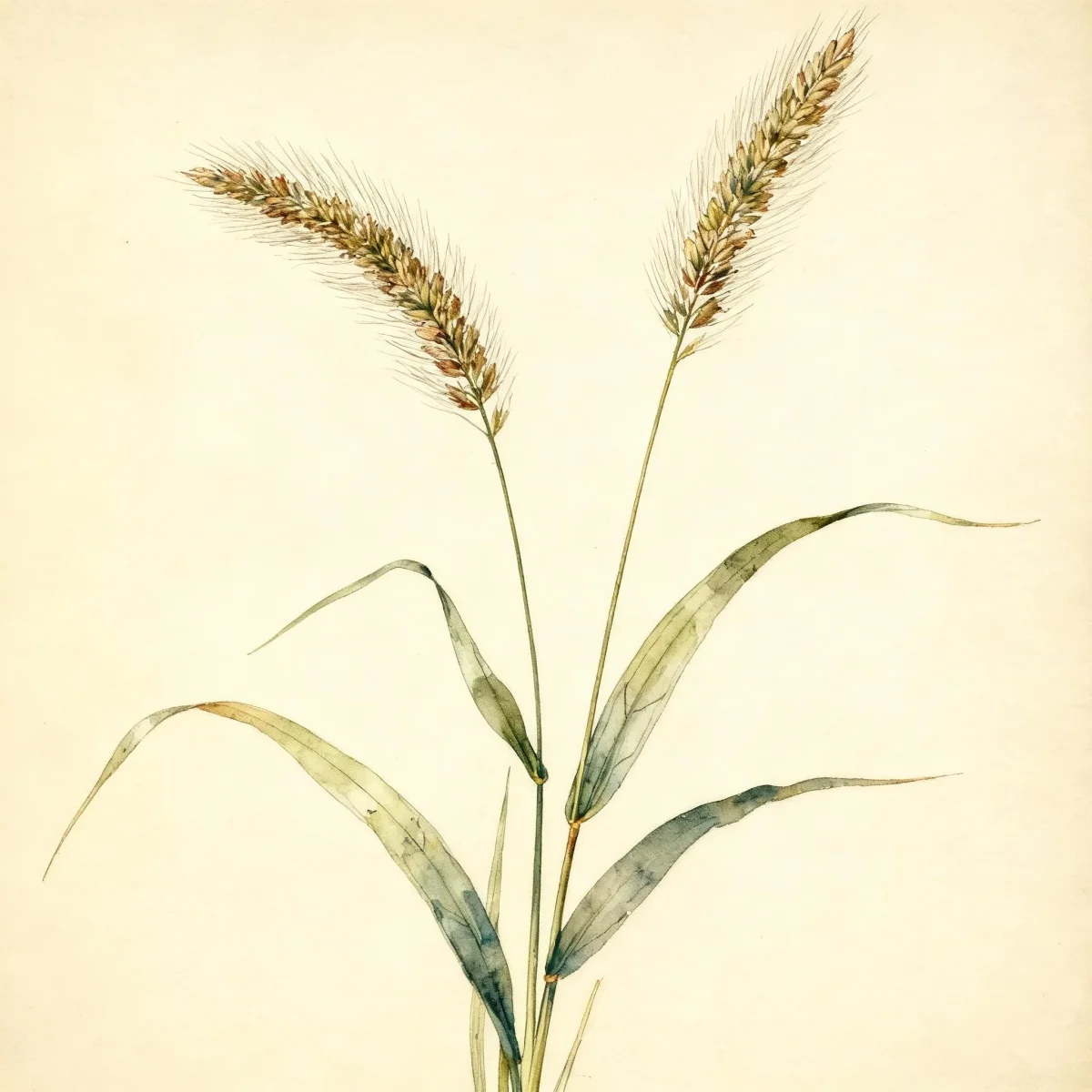
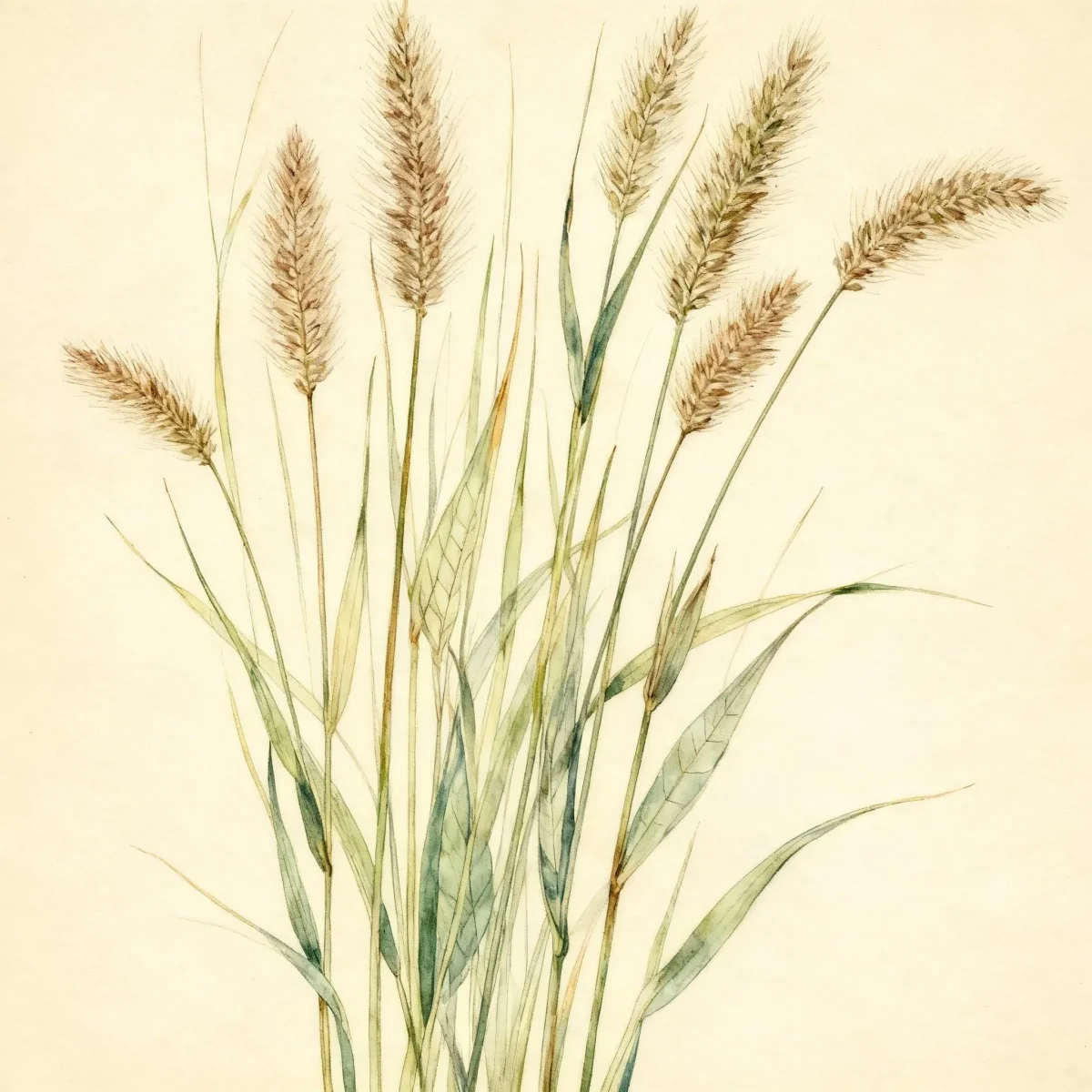
Fountain grass (Pennisetum alopecuroides 'Burgundy Bunny')
Pennisetum alopecuroides 'Burgundy Bunny' is a compact Fountain grass prized for burgundy tipping foliage and creamy white plumes. Low maintenance.
Scroll down to discover growing tips, care requirements, companion plants, and more
Complete Plant Information
Overview
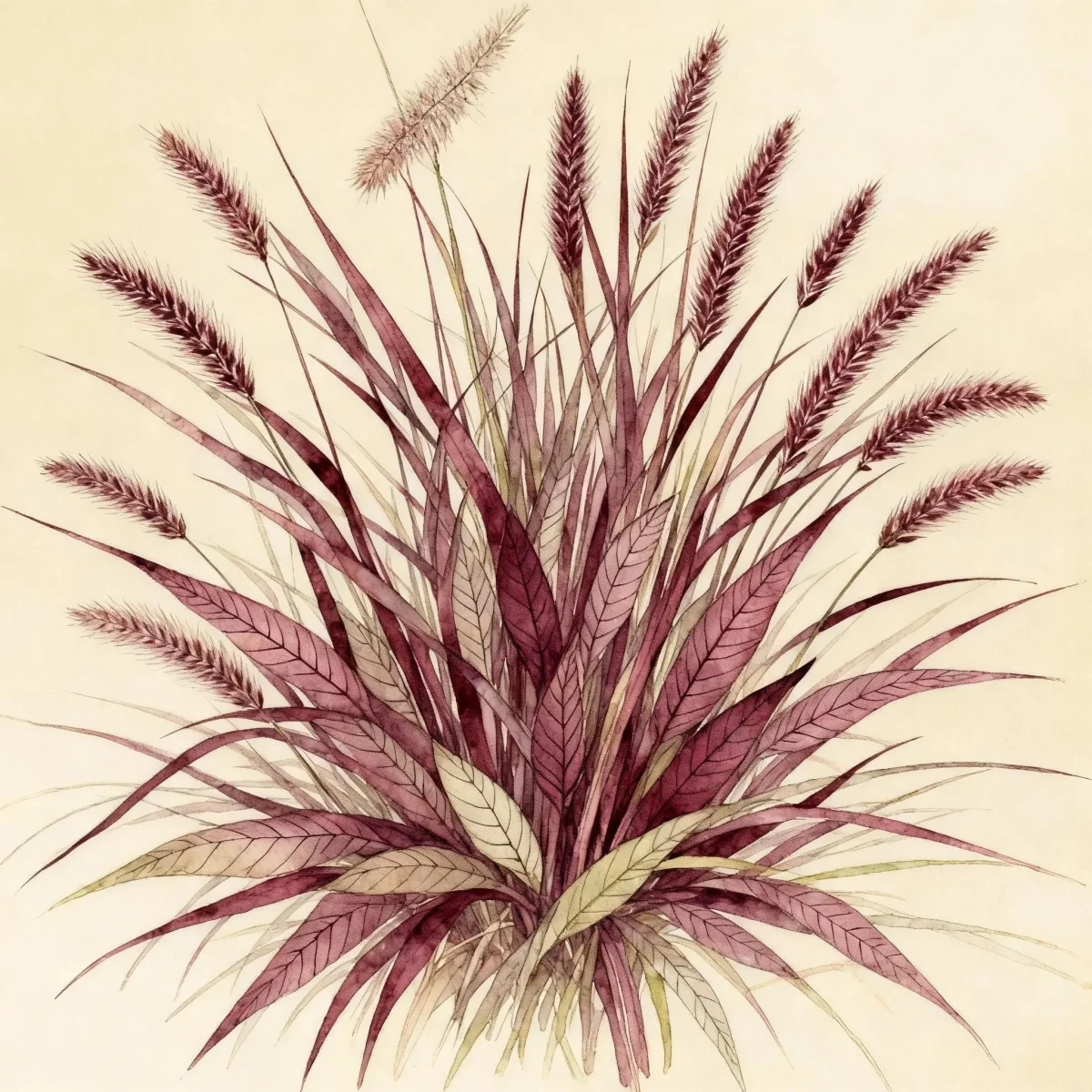
Pennisetum alopecuroides ‘Burgundy Bunny’, commonly known as Fountain grass, offers exceptional texture and dynamic color in a diminutive package perfect for smaller landscapes. This cultivar is highly valued because its foliage transitions dramatically, sporting deep burgundy tips in summer that intensify to a full, rich red by autumn. Its dense, clumping habit makes the structure of the garden highly appealing throughout the growing season.
Though related to the larger Fountain grass varieties, ‘Burgundy Bunny’ remains compact, rarely exceeding 1.25 feet tall and wide, giving it versatility where space is limited. It thrives in sunny exposures, producing elegant, light tan to creamy white flower spikes from late summer into fall, adding movement and softness to borders.
As a warm-season grass, this selection provides excellent architectural interest and color contrast among perennials. Its low maintenance needs coupled with its tolerance for varied conditions, including wet soil, make Pennisetum alopecuroides ‘Burgundy Bunny’ a dependable choice for modern, dynamic garden designs.
Fast Facts
- Plant Family: Poaceae
- Plant Type: Ornamental grass
- Hardiness Zones: USDA Zones 5-9
- Size at Maturity:
- Height: 1-1.25 ft
- Spread: 1-1.25 ft
- Bloom Time: August to October
- Bloom Description: Light tan to creamy white spikes
- Sun Exposure: Full sun to part shade
- Water Needs: Medium to wet
- Maintenance Level: Low
How to Grow
Planting Pennisetum alopecuroides ‘Burgundy Bunny’ is best achieved in spring after the danger of hard frost has passed, ensuring the soil has warmed slightly. This ornamental grass prefers average soils but performs well in consistently moist to wet conditions, making it ideal for rain gardens. Full sun exposure is highly recommended; while it tolerates partial shade, intense color development and robust flowering may be diminished if light is scarce.
Watering should remain consistent, especially during the first growing season to help the plant establish a deep, drought-tolerant root system. Once established, this Fountain grass is quite forgiving regarding moisture fluctuations, even tolerating periods of drought. Fertilization is usually unnecessary, as rich soils can lead to flopping; this plant thrives on modest conditions.
The most critical care step involves pruning. Cut the foliage down to the ground level in the late winter or very early spring before new shoots begin to emerge from the crown. This clean removal promotes fresh, unblemished growth for the coming season. Gardeners should note that while seed production occurs, named cultivars like ‘Burgundy Bunny’ do not come true if grown from seed.
Landscape Uses
The diminutive size of Pennisetum alopecuroides ‘Burgundy Bunny’ unlocks numerous design possibilities where standard fountain grass would dominate. Its structure, texture, and burgundy foliage provide powerful focal points in contemporary and cottage gardens alike. It excels when used as an edging plant along pathways or defining the front of mixed perennial borders, offering reliable year-round structure.
Consider massing groups of this compact grass near structures or foundations, where its upright form contrasts beautifully with broad-leaved shrubs or flat groundcovers. Because it tolerates wet soil, it is perfectly suited for planting along the gentle slopes or peripheries of water features, ponds, or streams, fulfilling its suggested use in rain gardens. The small footprint also makes Pennisetum alopecuroides ‘Burgundy Bunny’ an outstanding choice for container plantings on patios or decks.
Standout Features
Flower Qualities
- Showy
- Good Cut
- Good Dried
Noteworthy Characteristics
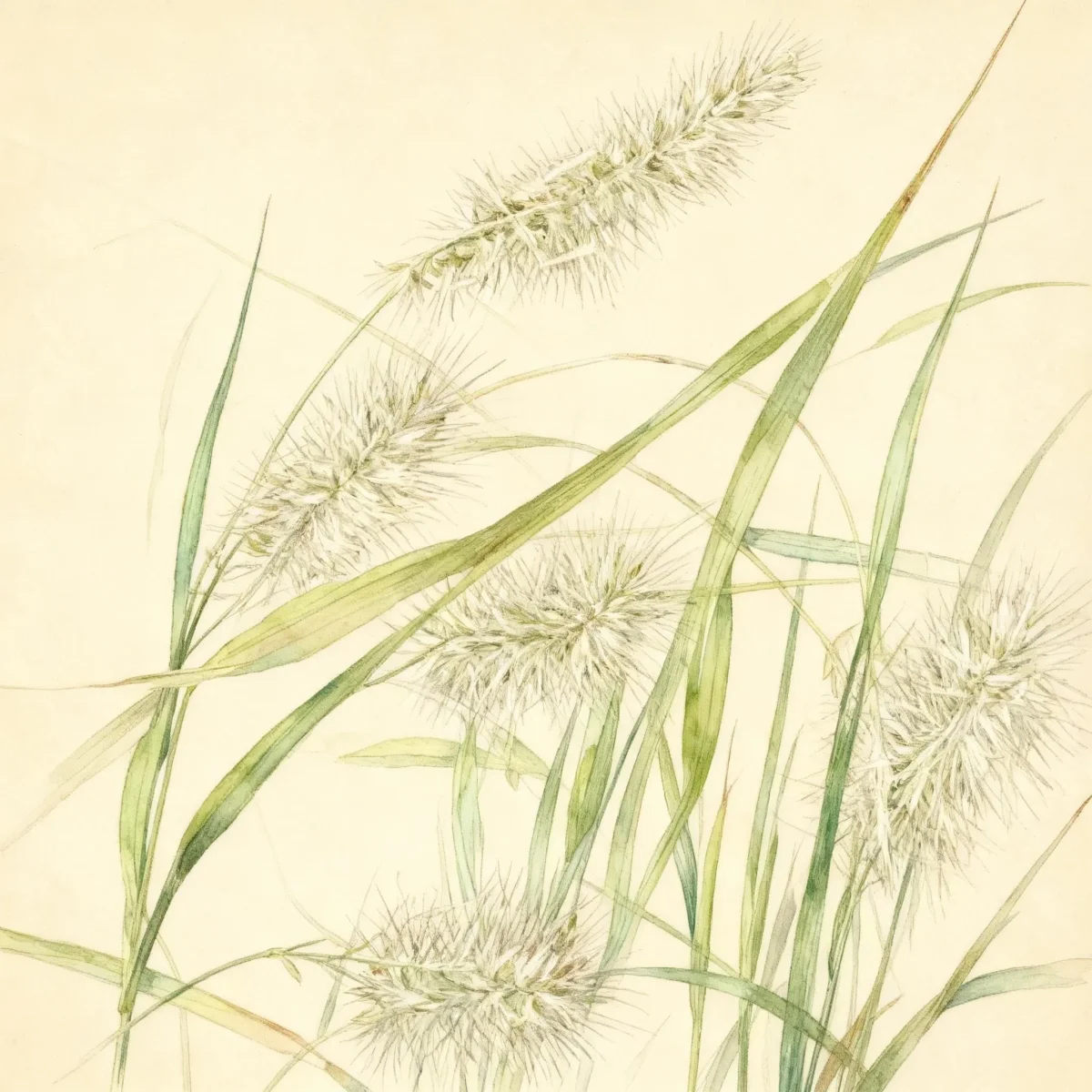
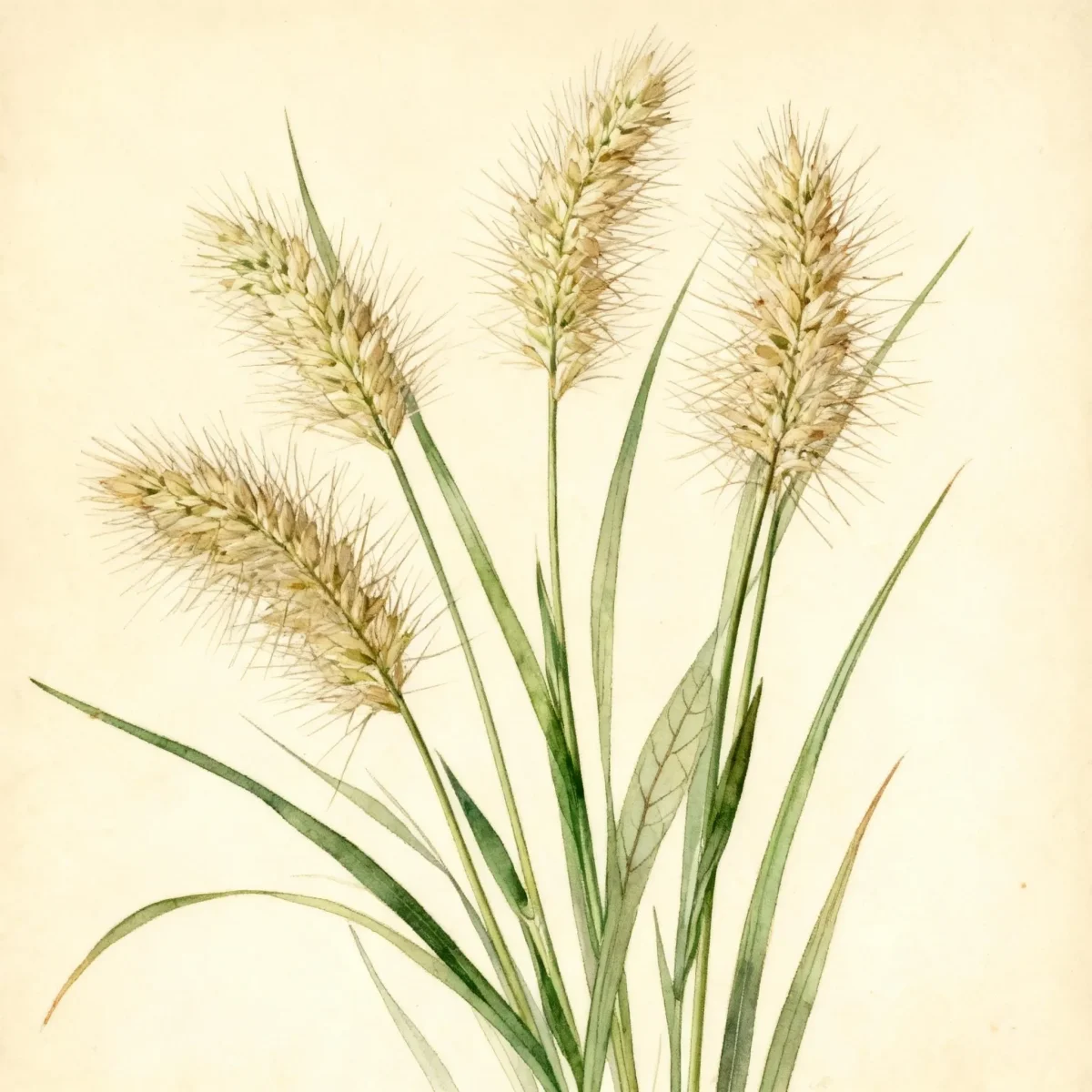
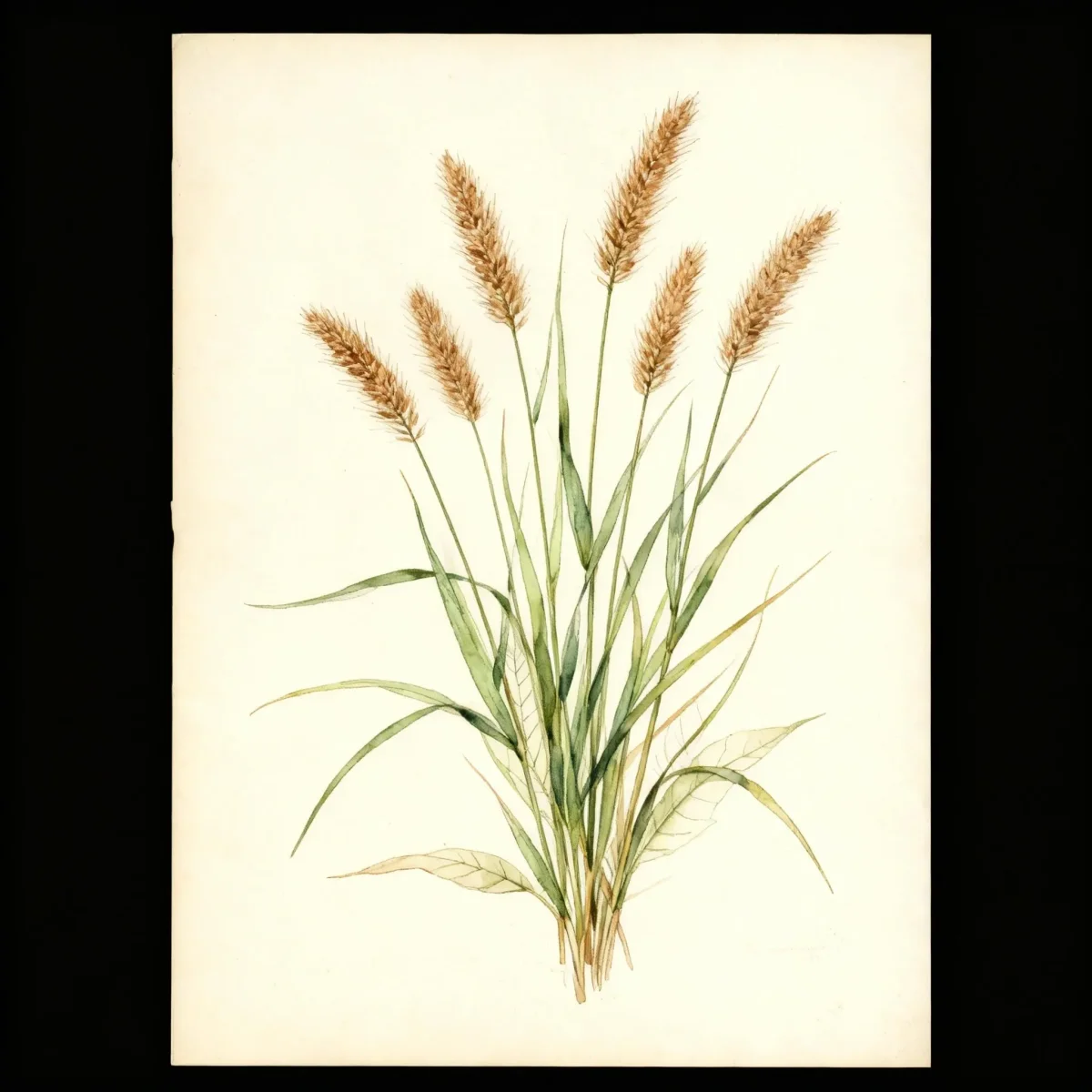
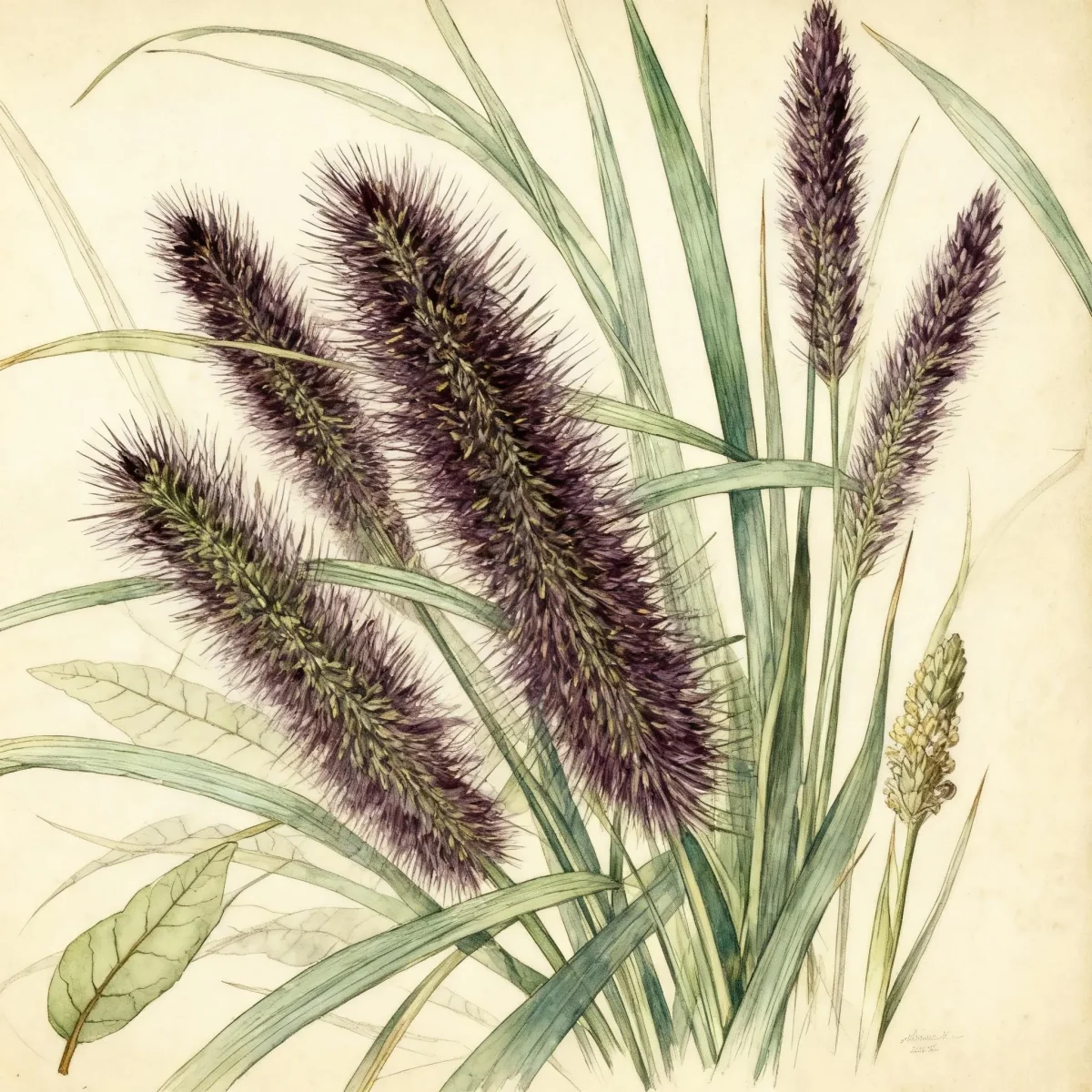
Pennisetum alopecuroides, commonly called fountain grass, is a warm season, clump-forming grass native to grassy hillsides, roadsides, and meadows in East Asia. ‘Burgundy Bunny’ is specifically a compact selection of fountain grass that features colorful foliage and light tan to creamy white flowering spikes, mature plants reaching 1-1.25’ tall. The foliage matures from green with burgundy red tips in the summer to completely deep red in the fall, providing excellent seasonal interest long before and after the showy blooms appear.
Tolerances
- Drought
- Erosion
- Wet Soil
- Black Walnut
- Air Pollution
Potential Problems
This variety of Fountain grass generally avoids serious insect or disease issues, making it a very reliable perennial structure plant. The primary concern for gardeners is potential aggressive self-seeding, although with patented cultivars, this is generally less of an issue than with the straight species. To ensure tidy growth and manage any potential seeding, consistent late winter cleanup is the best form of management.
Frequently Asked Questions
What hardiness zones is Fountain grass suitable for?
Pennisetum alopecuroides ‘Burgundy Bunny’ is reliably hardy in USDA Zones 5 through 9, though extra protection is advised for Zone 5 plantings.
How large does Pennisetum alopecuroides ‘Burgundy Bunny’ grow?
When mature, this compact ornamental grass typically reaches a height of 1 to 1.25 feet with a corresponding spread of about 1 to 1.25 feet, forming a neat tuft.
What sun exposure does Pennisetum alopecuroides ‘Burgundy Bunny’ need?
For the best performance, including excellent burgundy foliage color and plentiful blooms, this plant requires full sun, although it will tolerate a degree of part shade.
When does Fountain grass bloom?
The flowering period for this grass is late summer into early fall, specifically from August through October, displaying light tan to creamy white spikes.
Conclusion
Pennisetum alopecuroides ‘Burgundy Bunny’ delivers high ornamental impact in a small footprint, offering year-round structure and striking foliage color that intensifies as the season progresses. Integrating this compact Fountain grass into your planting plan introduces dynamic texture suitable for borders or containers. Before planting, confirm that your location falls within USDA Zones 5-9 and ensure it receives ample sunlight for the best results.
Companion Planting
When selecting companions for ‘Burgundy Bunny’, focus on plants that appreciate similar sun exposure and tolerate its preference for medium to wet soil, especially if you are utilizing it in a rain garden application. Plants with contrasting textures, such as broad-leaved Hostas or Sedums (in drier areas of the planting bed), create visual excitement against the fine blades of the grass. Pairing its late-season blooms with summer-blooming coneflowers (Echinacea) or black-eyed Susans (Rudbeckia) extends the interest period significantly.
Seasonal Care Calendar
For optimal health, manage your Fountain grass across the seasons. In spring, wait until late February or March, just before new growth begins, to cleanly shear the old foliage to the ground; this is vital for its appearance. Summer care focuses on ensuring adequate moisture, especially if the weather turns hot and dry initially while the roots are developing. In the fall, enjoy the persistence of the foliage and creamy white plumes; do not cut them back, as birds may utilize the seeds and the dried structure offers winter interest. Little to no intervention is required during winter dormancy unless snow loads are heavy enough to cause breakage in Zone 5.