Peony (Paeonia 'Cora Louise')
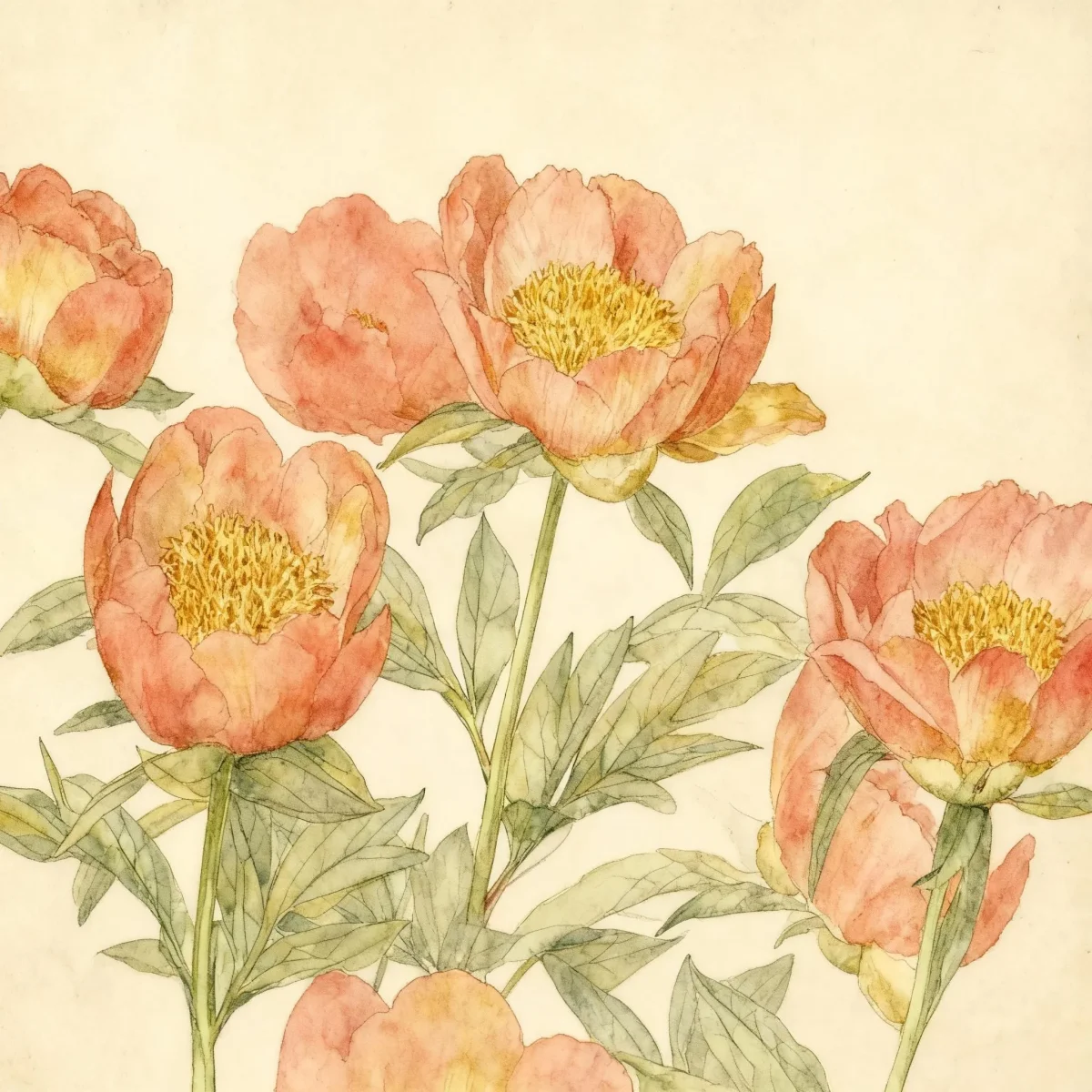
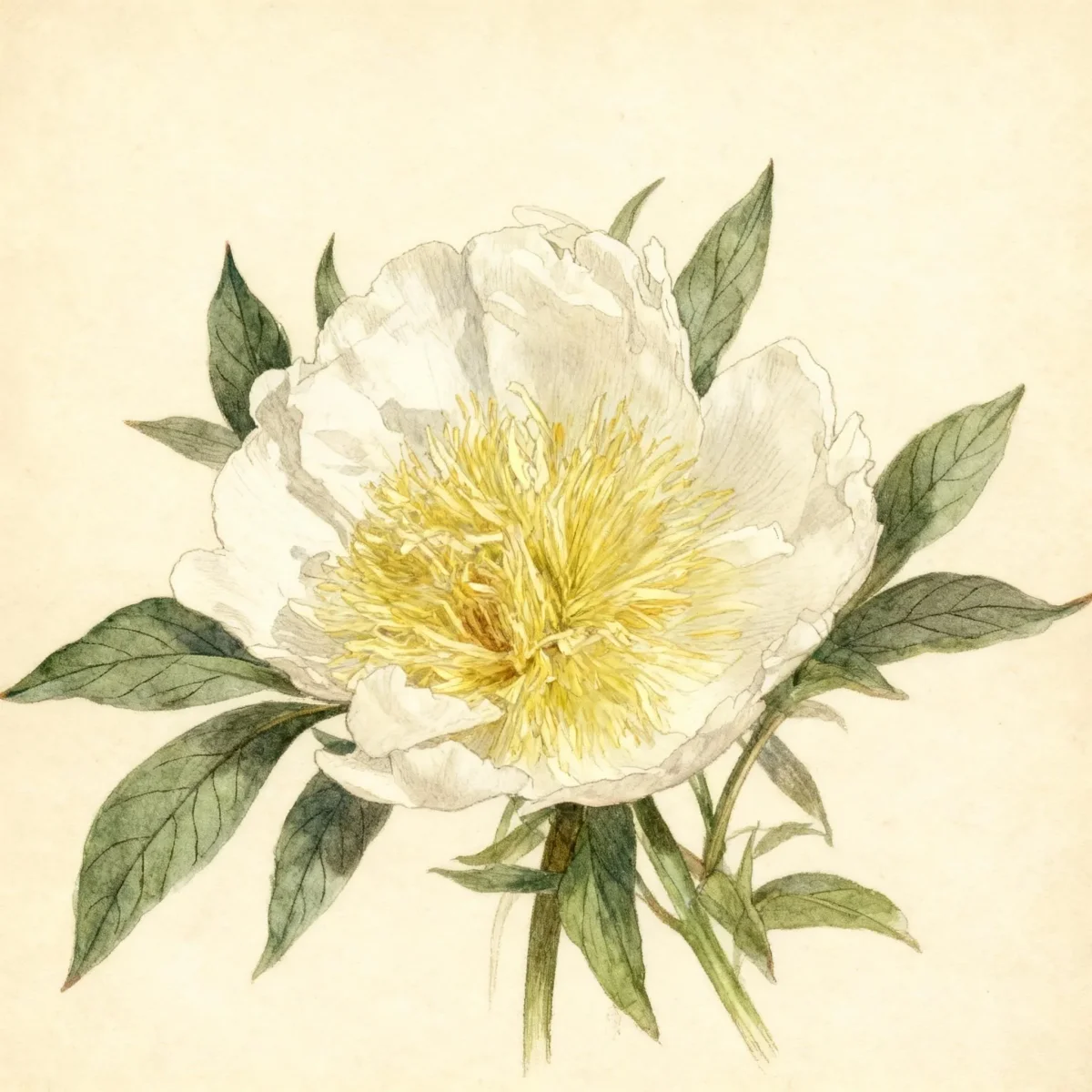
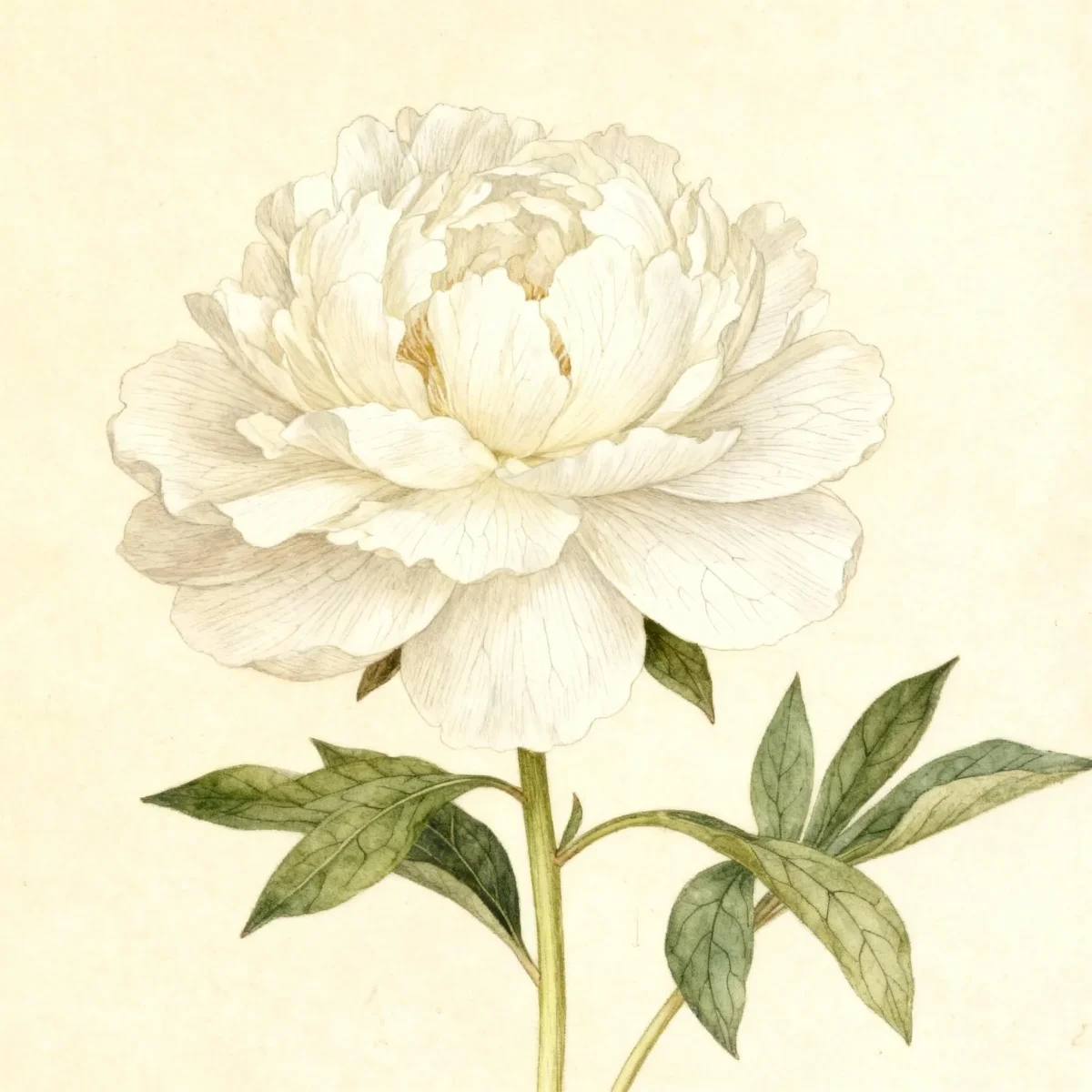
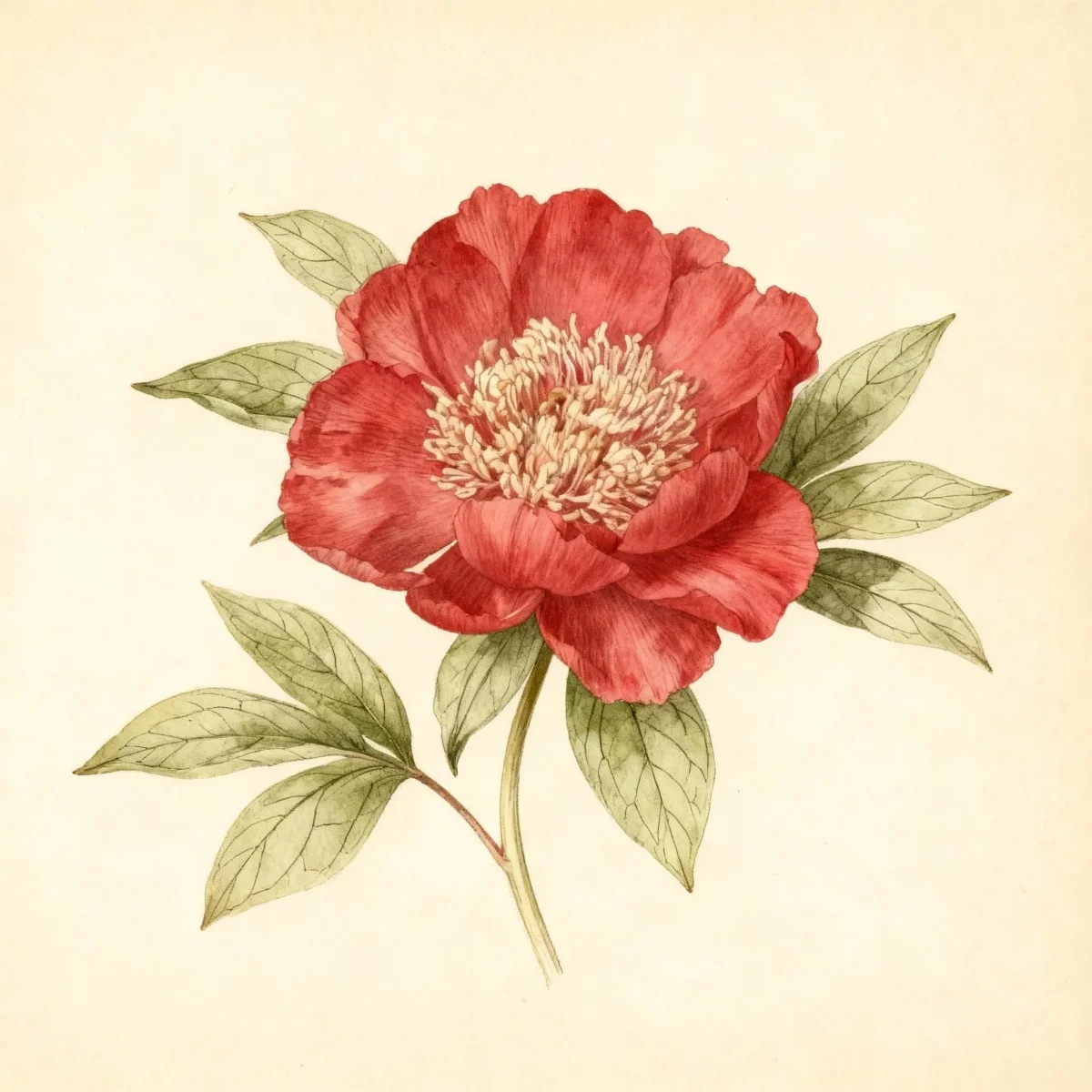
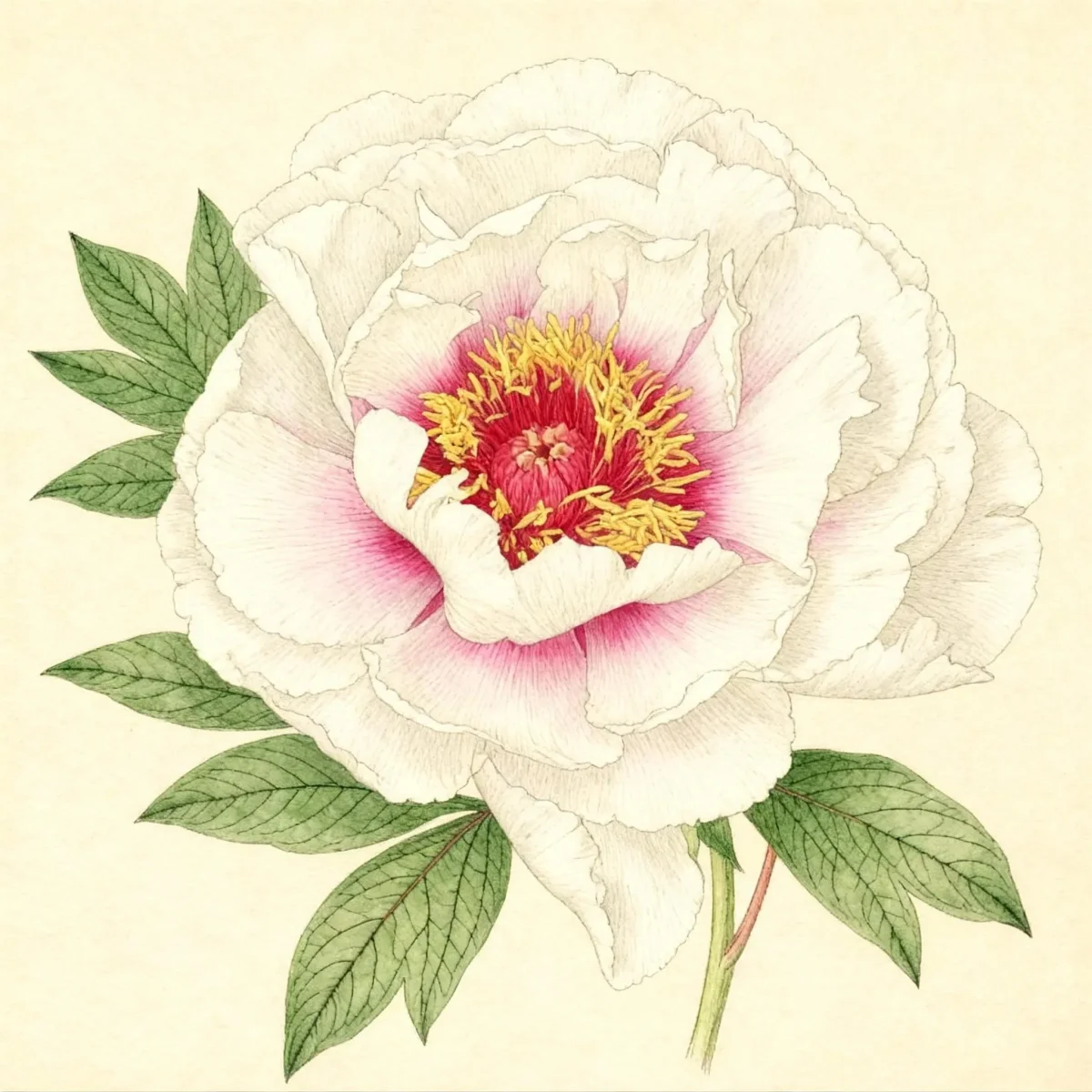
Paeonia 'Cora Louise' is a stunning Itoh Peony with large, semi-double white blooms featuring magenta-purple centers.
Scroll down to discover growing tips, care requirements, companion plants, and more
Complete Plant Information
Overview
Paeonia ‘Cora Louise’ represents the best of the Itoh (intersectional) hybrid peonies, successfully crossing the striking flower characteristics of tree peonies with the reliable herbaceous habit of garden types. This Peony offers gardeners massive, showy blooms that reach up to 8 inches wide, distinguishing it in late spring and early summer landscapes. Its sturdy stems, a hallmark of Itoh hybrids, help keep the large flowers upright, although support is sometimes beneficial.
This robust herbaceous perennial is valued for its long lifespan and its attractive foliage that remains viable throughout the growing season before dying back after the first hard frost. The foliage itself is deeply divided and remains neat, providing texture even outside the blooming period when this magnificent Peony is showcasing its colors. Paeonia ‘Cora Louise’ brings elegance and powerful fragrance to any garden space it occupies.
Gardeners will appreciate the relatively easy culture of Paeonia ‘Cora Louise’, provided it receives adequate sun and rich, well-drained soil. As a mid-season bloomer, it helps bridge the gap between early and late peonies, ensuring a spectacular floral display during the transition from spring to early summer.
Fast Facts
- Plant Family: Paeoniaceae
- Plant Type: Herbaceous perennial
- Hardiness Zones: USDA Zones 4-8
- Size at Maturity:
- Height: 2-2.5 ft
- Spread: 2-3 ft
- Bloom Time: May to June
- Bloom Description: White with magenta-purple
- Sun Exposure: Full sun to part shade
- Water Needs: Medium
- Maintenance Level: Medium
How to Grow
The ideal time to establish your Paeonia ‘Cora Louise’ is in the fall, allowing the perennial ample time to settle its roots before facing summer heat or winter cold. Locate plants where they receive full sun to light afternoon shade, ensuring at least six hours of direct light for the best flowering performance. Soil preparation is critical; ensure the site has rich, fertile, well-drained soil, incorporating plenty of compost before planting.
Water needs are medium; established plants require consistent moisture, especially during dry spells, but they absolutely must not sit in waterlogged soil, which can lead to root issues. Avoid the temptation to fertilize heavily; peonies thrive on consistency rather than excessive inputs. A light application of balanced fertilizer in early spring, or supplementing with compost annually, is usually sufficient.
Maintenance generally centers around cleanup. Always remove spent flowers immediately after blooming concludes to redirect energy back to root development. Crucially, once the foliage has been killed by the fall frost, cut all stems down to the ground and remove the debris from the garden to minimize overwintering fungal spores. Paeonia ‘Cora Louise’ is long-lived and typically requires no division.
Landscape Uses
Peonies are foundational elements in classic perennial borders, serving equally well as bold specimens or grouped enchantments. Paeonia ‘Cora Louise’ works beautifully as an accent plant positioned near walkways or patios where its showy, fragrant blossoms can be fully appreciated up close. Its sturdy two-to-three-foot height makes it perfect for structuring the middle layer of a garden bed, backed by shrubs or taller perennials.
The attractive deep green foliage of this Peony variety provides excellent texture and substance from spring until fall, acting as a robust frame for shorter, later-blooming perennials. Consider pairing the white and magenta blooms with cool-toned companions like blue Salvias or silver Lamb’s Ears for a sophisticated contrast.
This Peony also excels as an impromptu herbaceous hedge along fences or driveways, creating a formal line punctuated by spectacular, large flowers. Furthermore, ‘Cora Louise’ is renowned as an excellent cut flower, bringing its size and fragrance indoors effortlessly.
Standout Features
Flower Qualities
- Showy
- Fragrant
- Good Cut
Noteworthy Characteristics
Paeonia is a genus of about 30 species, and Itoh peonies, such as ‘Cora Louise’, are specialized hybrids derived from crossing tree and garden types. This heritage bestows the large, decadent flowers historically associated with tree peonies onto plants with the desirable herbaceous growth habit. The 8-inch wide, semi-double flowers display luminous white petals accented by striking splashes of deep magenta-purple at the center. Foliage on this variety remains an asset throughout the growing season, only dying back after the autumn frost.
Tolerances
- Rabbit
- Deer
Potential Problems
Peonies are generally viewed as relatively pest-free plants, which adds to their appeal. The most common issues tend to be fungal diseases like Botrytis blight or phytopthora blight, often managed by ensuring good air circulation and diligent fall cleanup, as recommended cultural practice dictates removing all debris. Seeing ants crawling on the flower buds is normal and harmless; they are attracted to the nectar and do not damage the bloom.
Flowering failure in Paeonia ‘Cora Louise’ is usually attributable to planting depth—ensure the eyes (pink growth points) are no more than 1-2 inches below the soil surface. If the plant has been recently moved or is still young, it may take several years to establish enough energy reserves to produce a full flush of flowers. While older garden peonies often require staking, the strong stems inherent to this Itoh Peony selection mean staking is usually unnecessary unless heavy rain and wind combine to weigh down the exceptionally large blooms.
Frequently Asked Questions
What hardiness zones is Peony suitable for?
Paeonia ‘Cora Louise’ is best grown in USDA Hardiness Zones 4 through 8.
How large does Peony grow?
This herbaceous perennial typically reaches a height between 2 and 2.5 feet, spreading to occupy an area between 2 and 3 feet wide at maturity.
When does Peony bloom?
This cultivar of Peony blooms from May into June, featuring large, semi-double flowers described as white flushed with magenta-purple centers.
What sun exposure does Paeonia ‘Cora Louise’ need?
This plant performs best when situated in locations receiving full sun to light part shade throughout the day.
Conclusion
Paeonia ‘Cora Louise’ is a premier choice for gardeners seeking the dramatic impact of a hybrid Peony without the fragility sometimes associated with traditional cultivars. Its combination of large, fragrant flowers, sturdy structure, and reliable herbaceous habit makes it a long-term garden asset. Before planting, confirm your location falls within USDA Zones 4-8, and always prioritize rich, well-drained soil to ensure this spectacular Peony thrives for decades.
Companion Planting
Selecting appropriate companions ensures a continuous display and helps minimize competition for resources around your Paeonia ‘Cora Louise’. Since this Peony enjoys full sun and medium moisture, choose other perennials that share similar cultural needs and bloom times, or those that offer summer interest once the Peony’s May/June window closes. Spring-blooming bulbs planted nearby will emerge and fade before the Peony foliage fills in completely.
Consider planting silvery-leaved foliage like Lamb’s Ears (Stachys byzantina) or low-growing ornamental grasses that offer strong textural contrast to the broad peony leaves. For late-season color that complements the Peony’s structure when it’s resting, try Sedum ‘Autumn Joy’ or Russian Sage (Perovskia atriplicifolia), provided these placements do not shade the Peony during its bloom period.
Seasonal Care Calendar
Spring care for your Paeonia ‘Cora Louise’ should begin as soon as the new shoots emerge from the ground in early spring. At this stage, gently incorporate compost around the base and apply a balanced, slow-release fertilizer if desired, avoiding direct contact with the new growth. Deadhead spent flowers promptly after blooming finishes in early summer to encourage better root development for the following year.
Summer maintenance is primarily focused on watering, ensuring the soil remains consistently medium moist, especially if you experience dry spells during the heat. Keep the area weed-free, taking care not to disturb the shallow roots of this important Peony variety when cultivating. Resist the urge to cut the foliage back during summer, as this tissue is necessary for photosynthesis and energy storage.
Prepare Paeonia ‘Cora Louise’ for winter dormancy by waiting until the foliage has browned or turned black following the first hard frost. At this point, cut all stems back to ground level and remove all plant debris immediately from the garden bed to maintain sanitation. Leave the area uncovered for winter protection, as heavy mulching can sometimes encourage rot.