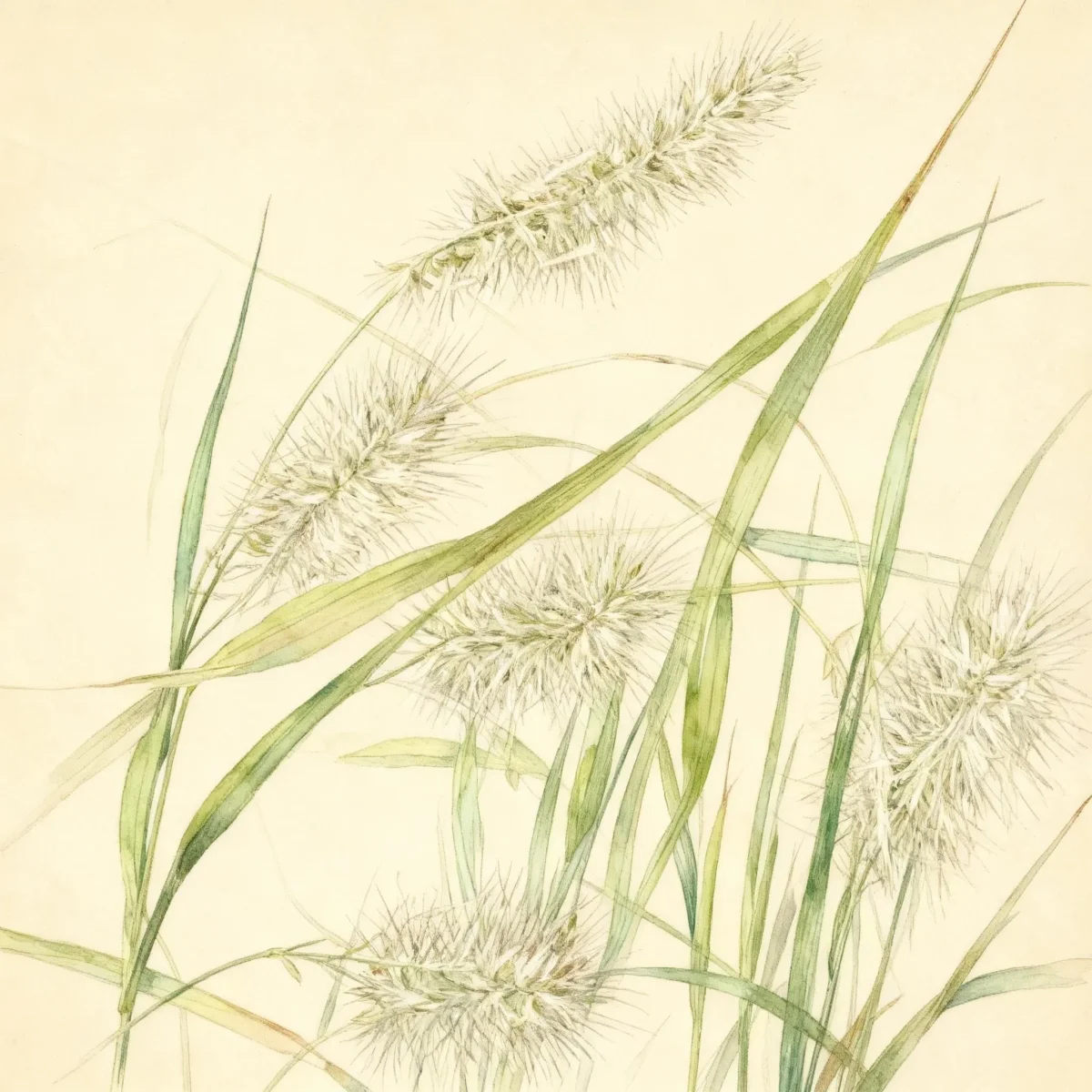
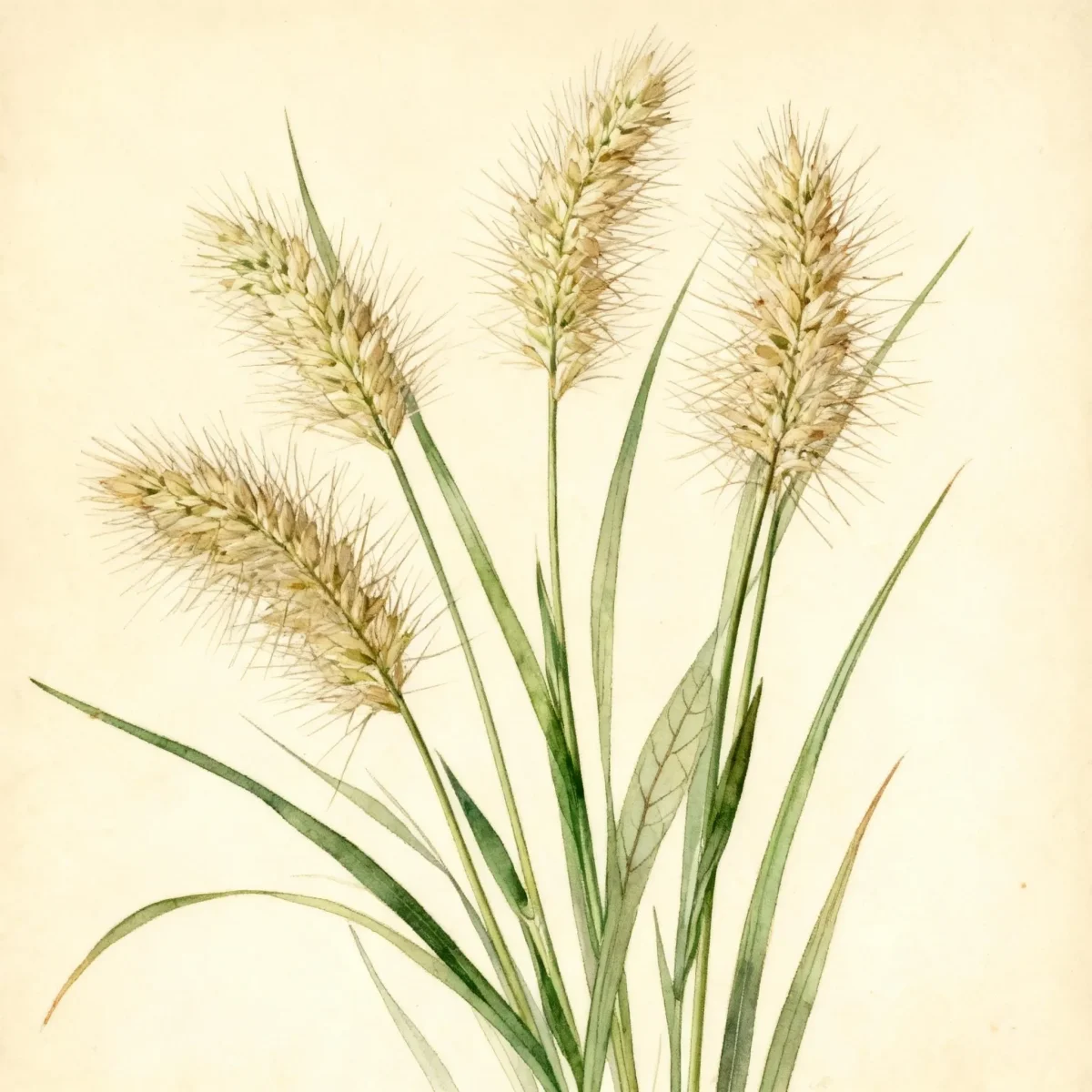
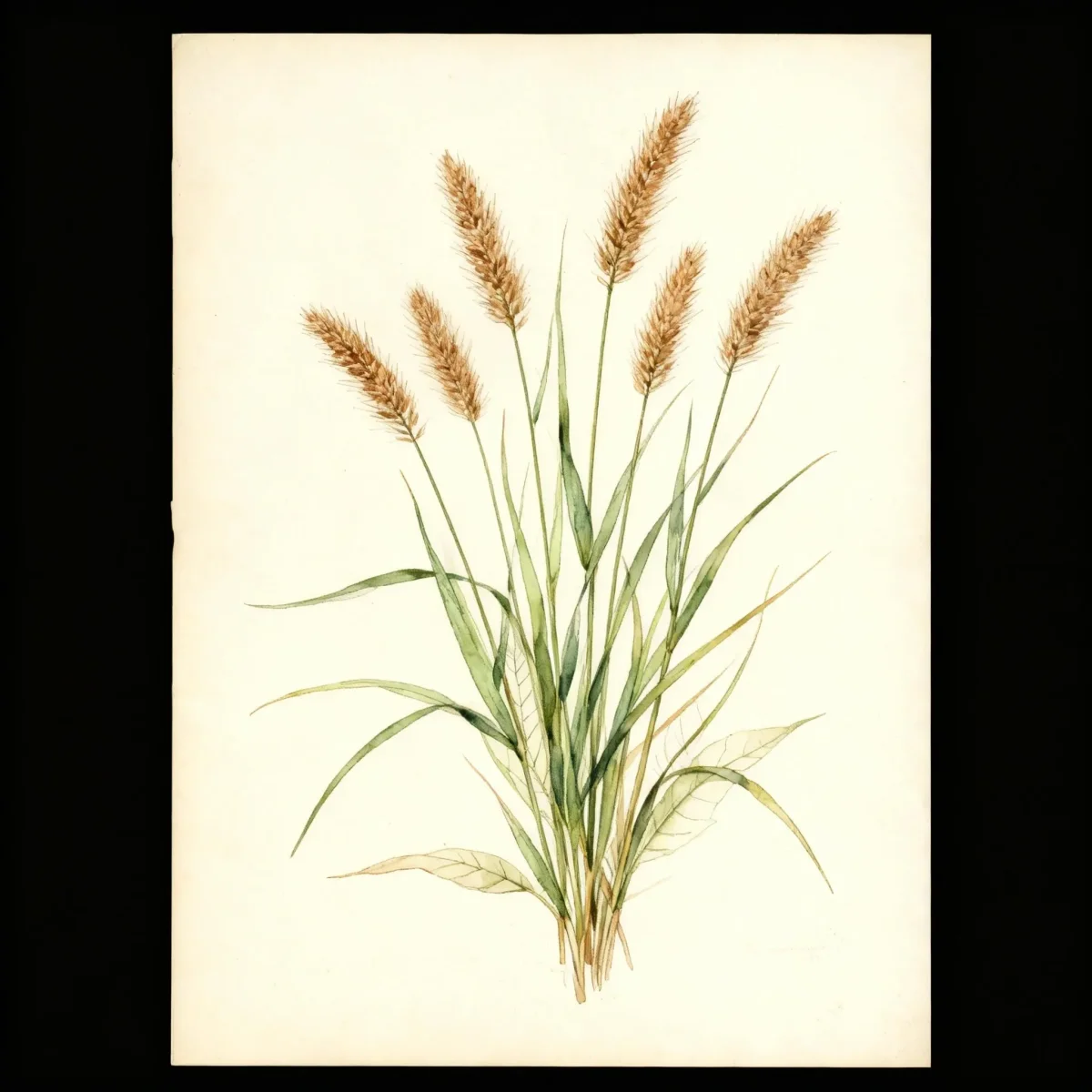
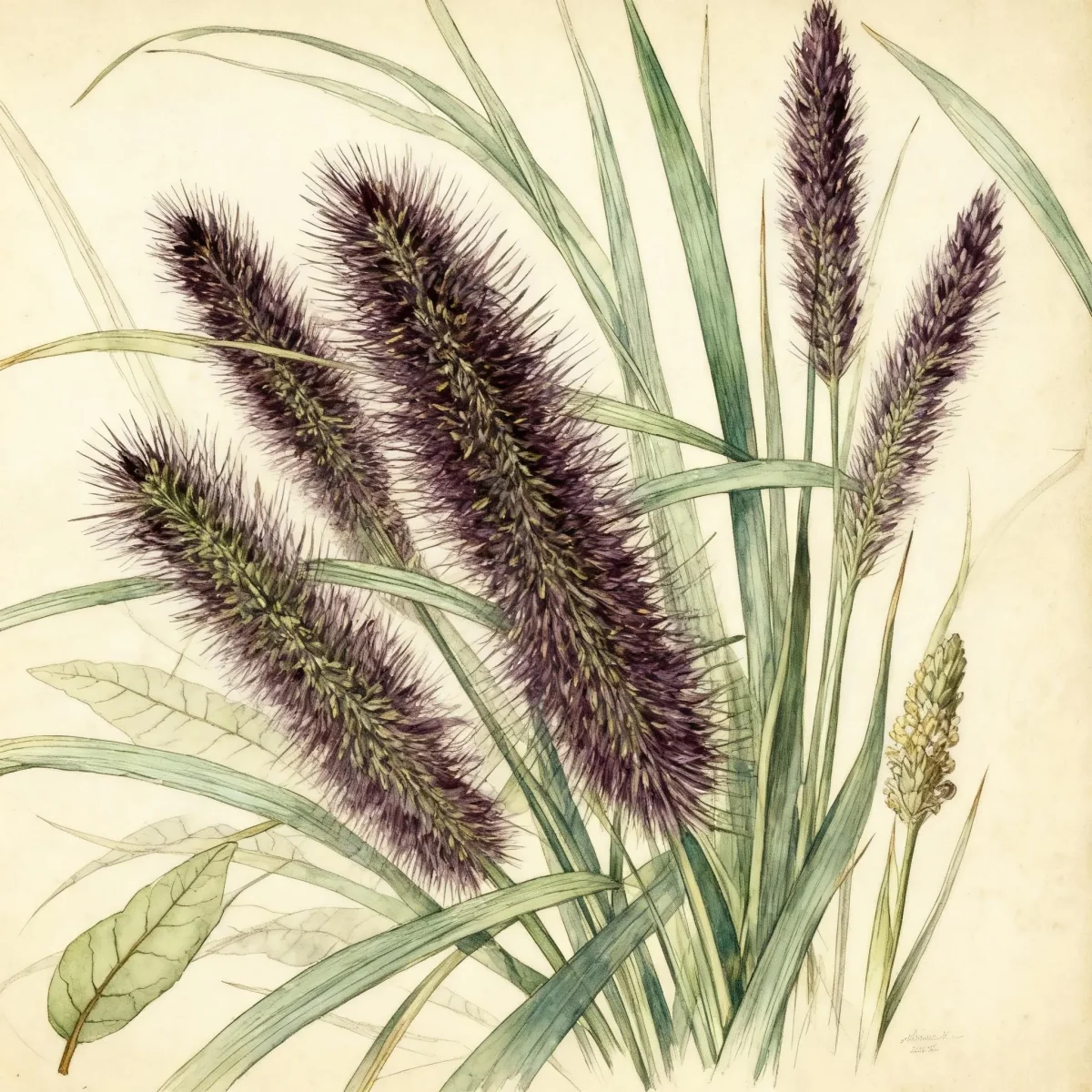
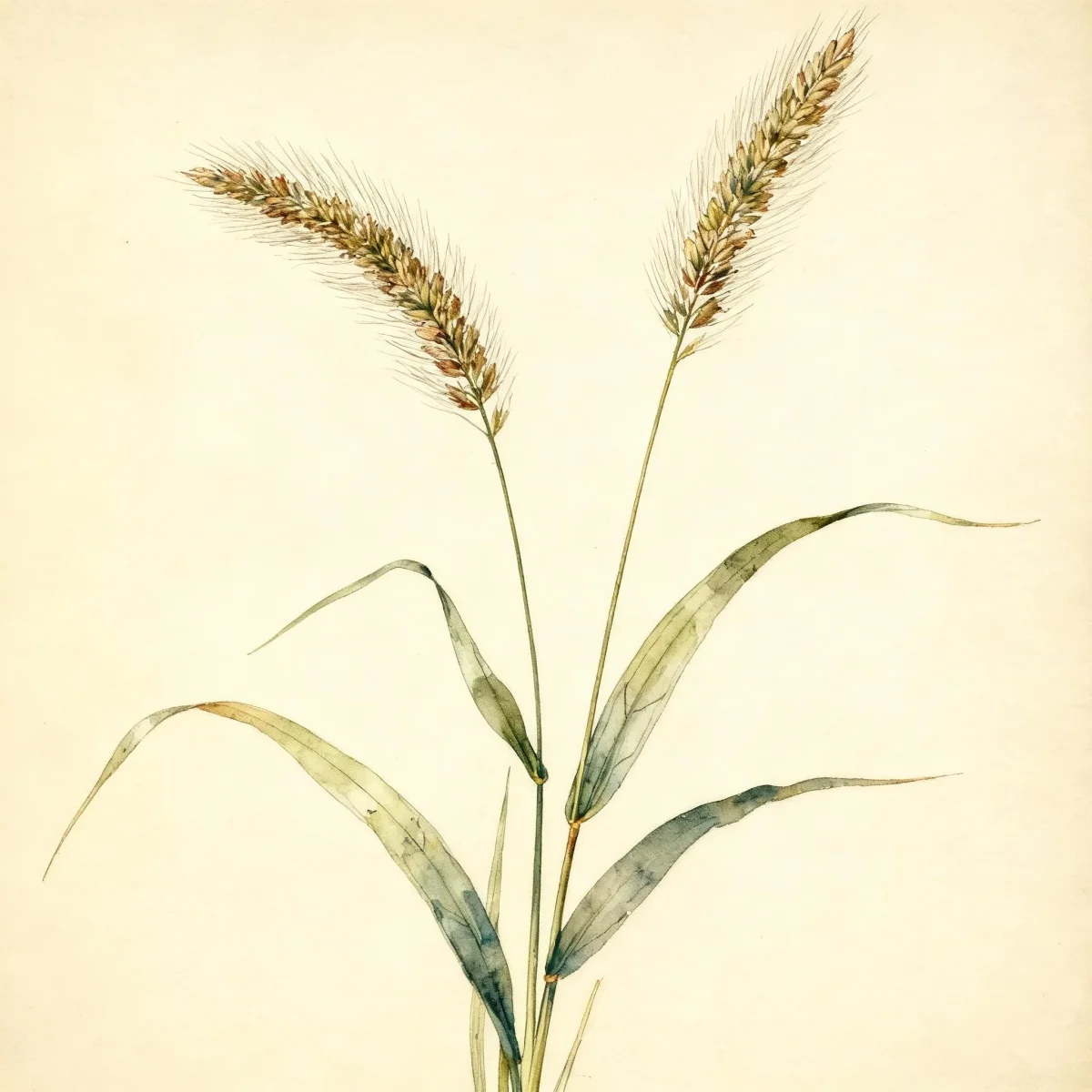
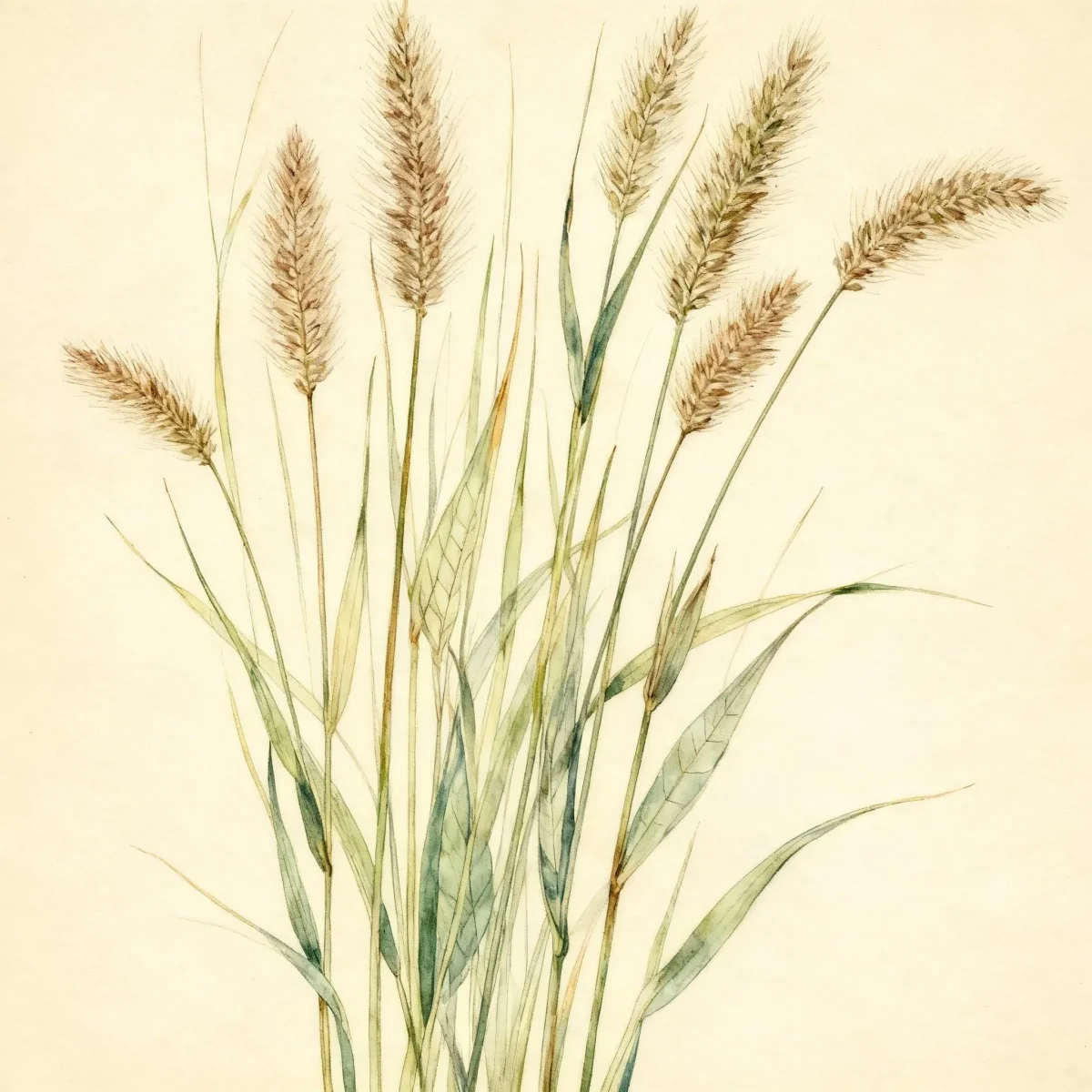
Fountain grass (Pennisetum alopecuroides HUSH PUPPY)
Pennisetum alopecuroides HUSH PUPPY is low-maintenance Fountain grass with showy, light pink blooms from late summer through fall.
Scroll down to discover growing tips, care requirements, companion plants, and more
Complete Plant Information
Overview
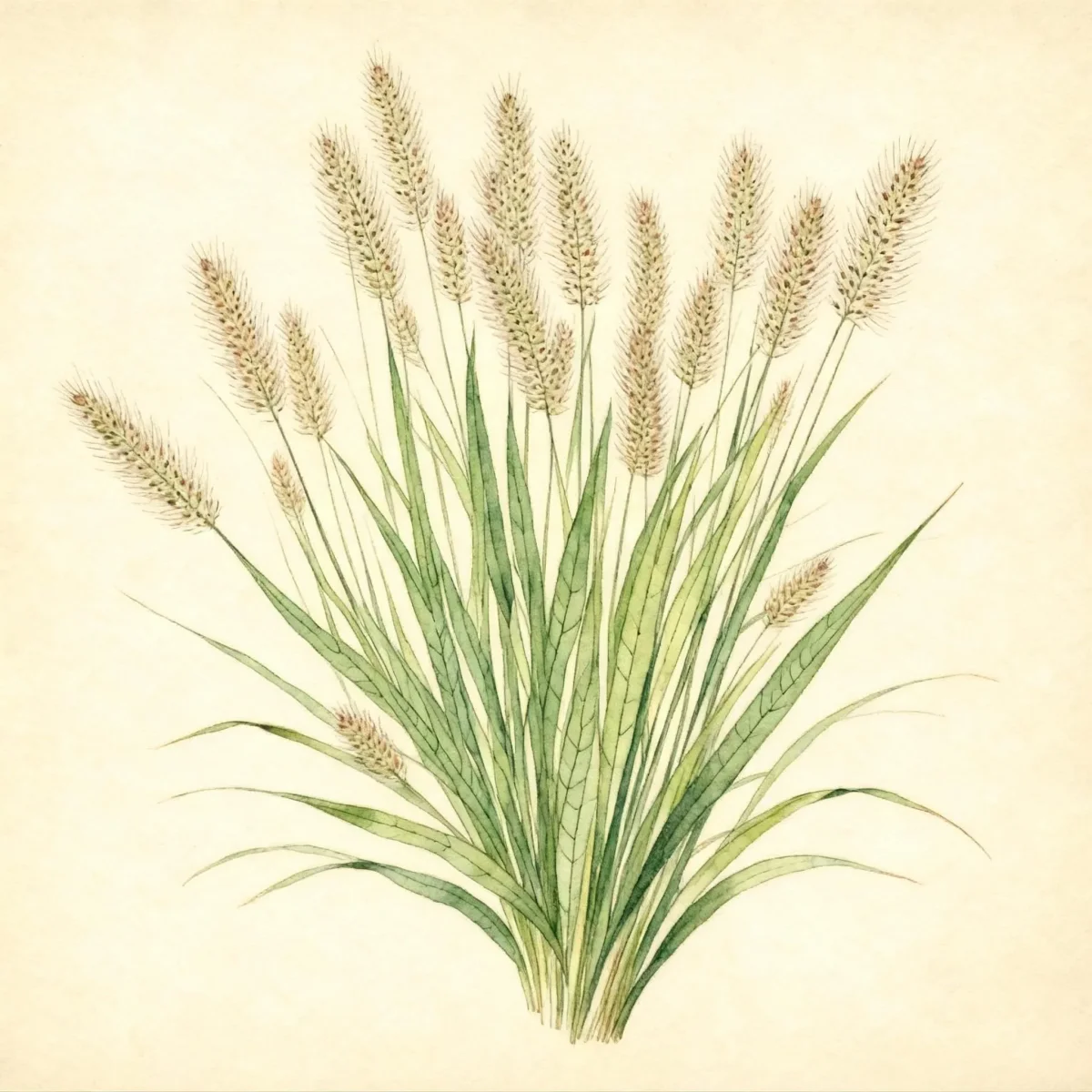
The Pennisetum alopecuroides HUSH PUPPY, widely recognized as a superior cultivar of Fountain grass, offers gardeners a reliable source of late-season texture and color. This clump-forming ornamental grass is valued for its narrowly lanceolate foliage topped by long-lasting, showy, light pink flowerheads held upright above the mound. As a warm-season grass native to East Asia, this variety brings an elegant, arching silhouette to the landscape, resembling water spraying from a fountain.
This Pennisetum alopecuroides HUSH PUPPY cultivar is relatively carefree. It thrives in average soil conditions, provided it receives adequate moisture, although it exhibits tolerance once established in drier spells. Its manageable height and spread make it an excellent structural element for borders or specimen planting, especially where contrasting textures are desired.
Gardeners appreciate the low maintenance required by Fountain grass, which generally only needs cutting back in late winter. While many forms of this genus self-seed, the Pennisetum alopecuroides HUSH PUPPY is specifically noted as being sterile, ensuring controlled spread in the garden beds.
Fast Facts
- Plant Family: Poaceae
- Plant Type: Ornamental grass
- Hardiness Zones: USDA Zones 5-9
- Size at Maturity:
- Height: 2.5-3 ft
- Spread: 3-4 ft
- Bloom Time: August to October
- Bloom Description: Light pink
- Sun Exposure: Full sun to part shade
- Water Needs: Medium to wet
- Maintenance Level: Low
How to Grow
Planting Pennisetum alopecuroides HUSH PUPPY is best done in spring after the danger of frost has passed, ensuring the soil has warmed up. It performs best in full sun but will tolerate part shade, though flowering may be reduced in shadier spots. Average, well-draining soil that maintains medium moisture is ideal, but this Fountain grass handles wet locations well, making it suitable near water features.
Maintenance for this ornamental grass is minimal. Watering should be consistent, especially during establishment, moving towards medium needs once mature. Due to its low maintenance profile, regular fertilization is rarely necessary. The key annual task involves cutting the old foliage down to the ground in late winter or very early spring just before new green shoots begin to emerge.
Tolerant of drought once its root system is developed, Pennisetum alopecuroides HUSH PUPPY still appreciates consistent moisture, particularly in hot, dry climates. When planting in Zone 5, site the plant in a protected location to maximize winter survival rates. Avoid amending the soil too richly if you are attempting to control its growth habit, although this specific cultivar should not aggressively self-seed like some others.
Landscape Uses
The primary appeal of Pennisetum alopecuroides HUSH PUPPY lies in its fantastic texture and movement throughout the growing season. It excels as a specimen plant, drawing the eye with its arching form and delicate pink plumes. Grouping several shrubs together creates a soft, flowing mass effect ideal for foundation plantings or softening the edges of hardscaping.
This Fountain grass also integrates seamlessly into mixed perennial borders, providing vertical contrast against broad-leafed plants or mounding shrubs. Because it handles moist conditions, consider placing it near the periphery of ponds or water gardens, where the foliage can cascade slightly toward the edge. Furthermore, its drought and erosion tolerance makes it practical for stabilizing gentle slopes where turf grass struggles.
The light pink flower spikes are wonderful for providing contrast against purple foliage plants or alongside silver-leafed companions. While Fountain grass is typically grown as a perennial in warmer zones, it is often treated as an annual in colder areas, making it a reliable, temporary feature for summer containers or seasonal displays.
Standout Features
Flower Qualities
- Showy
Noteworthy Characteristics
Pennisetum alopecuroides, commonly called fountain grass, is a warm season, clump-forming grass native to grassy hillsides, roadsides, and meadows in East Asia. Features narrow, medium to deep green leaves that turn golden yellow in fall before fading to beige. Showy, silvery to pinkish-white, bristly, bottle brush-like flower spikes arch outward from the clump in late summer like water spraying from a fountain. HUSH PUPPY is a fountain grass cultivar that features a long-lasting display of showy, light pink flowerheads held above the narrowly, lanceolate foliage from late summer into fall.
Tolerances
- Drought
- Erosion
Potential Problems
This Fountain grass cultivar generally exhibits no serious insect or disease problems, contributing significantly to its low maintenance rating. Gardeners should be aware that while the HUSH PUPPY cultivar is reportedly sterile, other types of fountain grass can self-seed aggressively under optimum growing conditions; therefore, vigilance against potential spreading volunteers from nearby plants may be necessary. Proper pruning in late winter prevents excessive dead debris buildup at the base.
Frequently Asked Questions
What hardiness zones is Pennisetum alopecuroides HUSH PUPPY suitable for?
Pennisetum alopecuroides HUSH PUPPY performs reliably in USDA Zones 5 through 9. Gardeners in Zone 5 should ensure planting in a protected location for the best winter hardiness.
How large does Fountain grass grow?
Mature Pennisetum alopecuroides HUSH PUPPY plants typically reach a height between 2.5 to 3 feet tall, spreading to a width of 3 to 4 feet, forming an elegant clump.
What sun exposure does Pennisetum alopecuroides HUSH PUPPY need?
This ornamental grass prefers full sun to achieve the best flowering display, though it will tolerate receiving light to partial shade throughout the day.
When does Pennisetum alopecuroides HUSH PUPPY bloom?
The attractive, light pink flower spikes appear reliably from August and continue to provide visual interest well into October.
Conclusion
The Pennisetum alopecuroides HUSH PUPPY stands out as a robust, architecturally pleasing Fountain grass that offers season-long structure. Its low maintenance needs, combined with beautiful pink blooms, make it an outstanding choice for texture and movement in nearly any landscape setting. Before planting, confirm USDA Zone compatibility to ensure this beautiful ornamental grass thrives for many seasons to come.
Companion Planting
When selecting companions for Pennisetum alopecuroides HUSH PUPPY, focus on plants that contrast well with its fine texture and have similar cultural needs regarding sun and moisture. Since this grass prefers medium to wet soil, consider pairing it with moisture-loving perennials like Siberian Iris (Iris sibirica) or Astilbe, which offer contrasting bloom shapes and colors. For sunny, dry-tolerant groupings once established, switch to drought-tolerant companions such as Sedum, Russian Sage (Perovskia atriplicifolia), or Rudbeckia, as the grass handles dryness well after acclimation.
Design Ideas for HUSH PUPPY
Utilizing Fountain grass in modern landscape design involves leveraging its clean lines and persistent winter form. Consider using groupings of three or five specimen plants along a walkway to create a rhythmic, welcoming entrance. In contemporary settings, let the Pennisetum alopecuroides HUSH PUPPY stand alone in an architectural gravel bed; its strong verticality contrasts beautifully against hard, angular materials like poured concrete or weathered steel edging. For a softer, cottage-garden feel, intersperse bulbs in the fall so that when the grass foliage dies back, early spring color emerges from the same location.