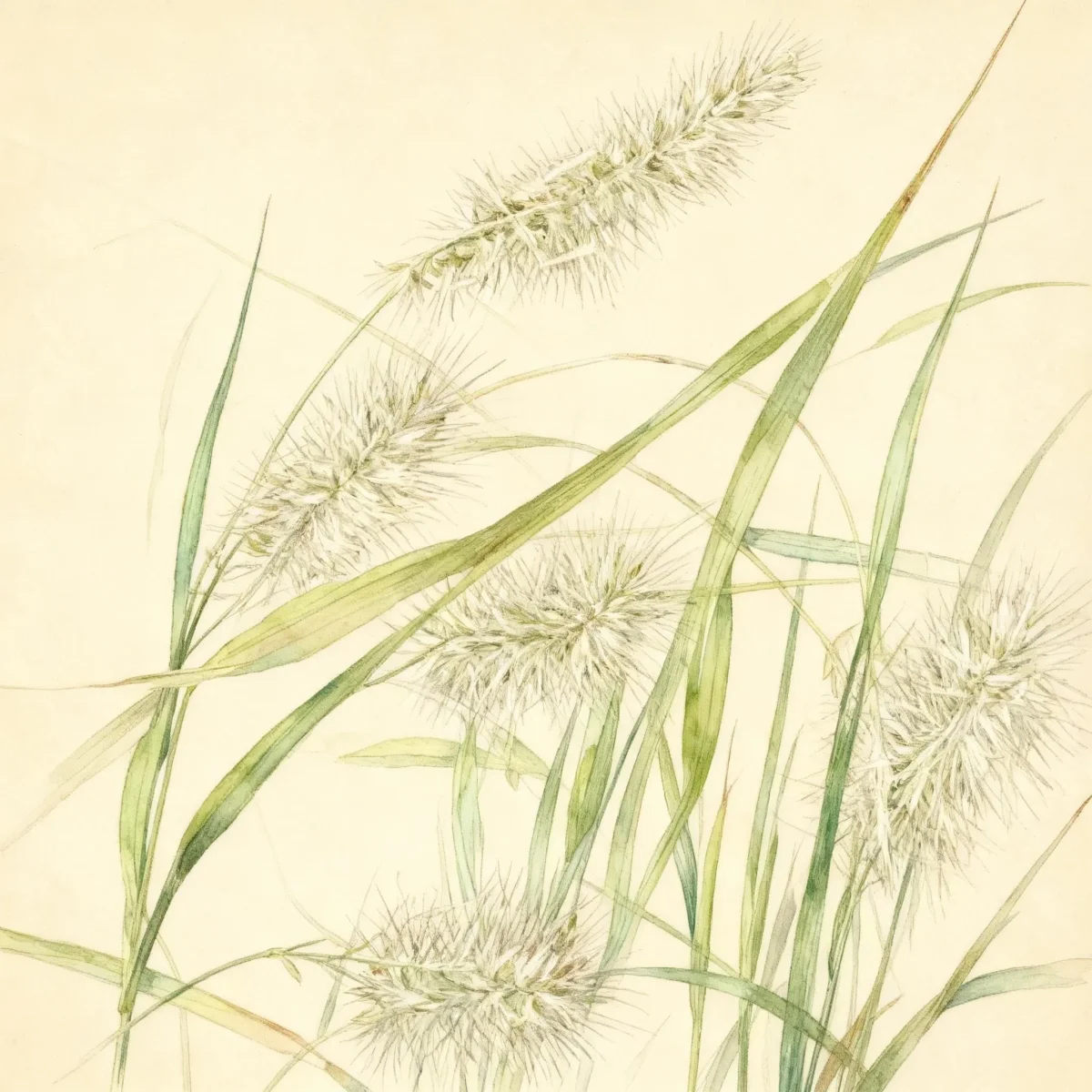
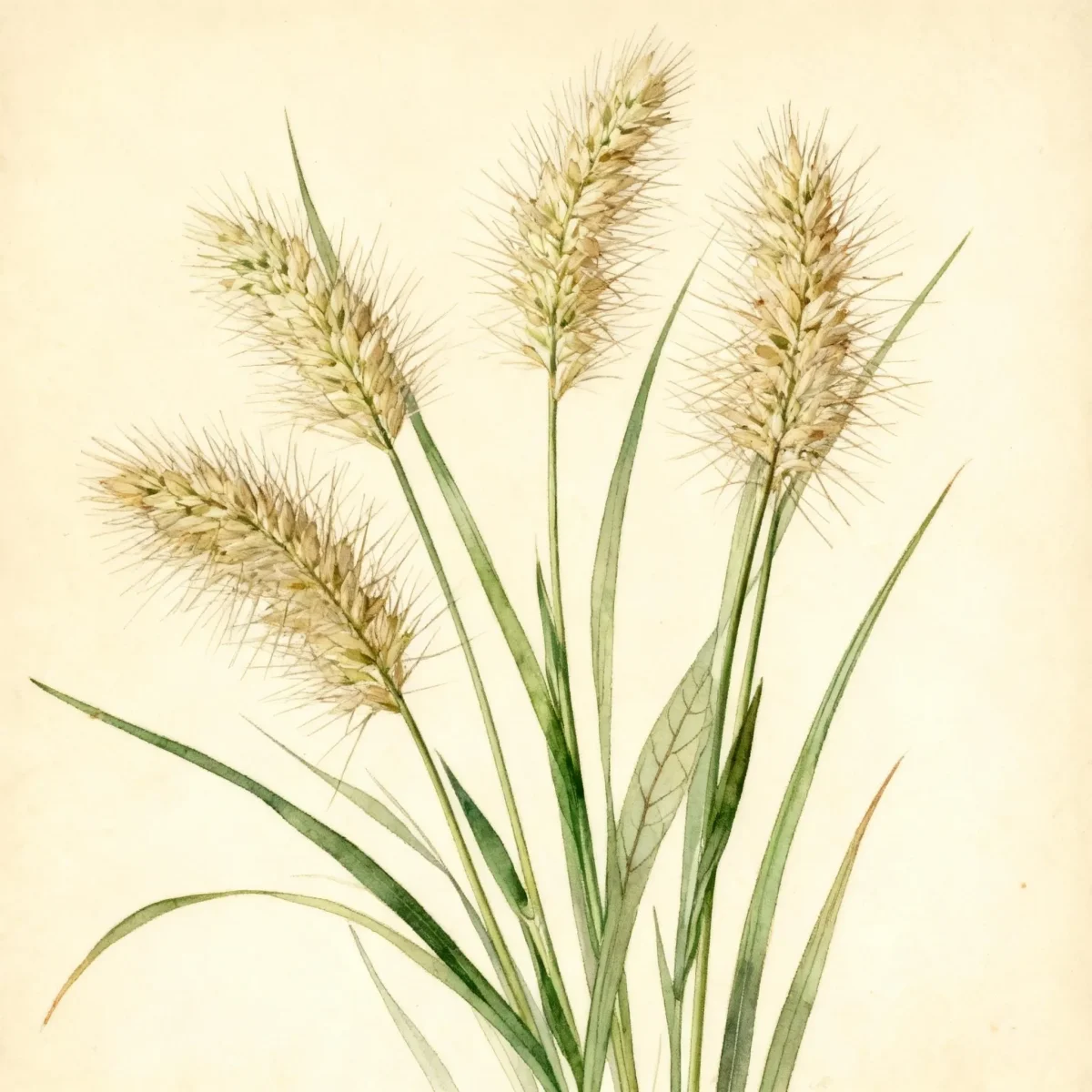
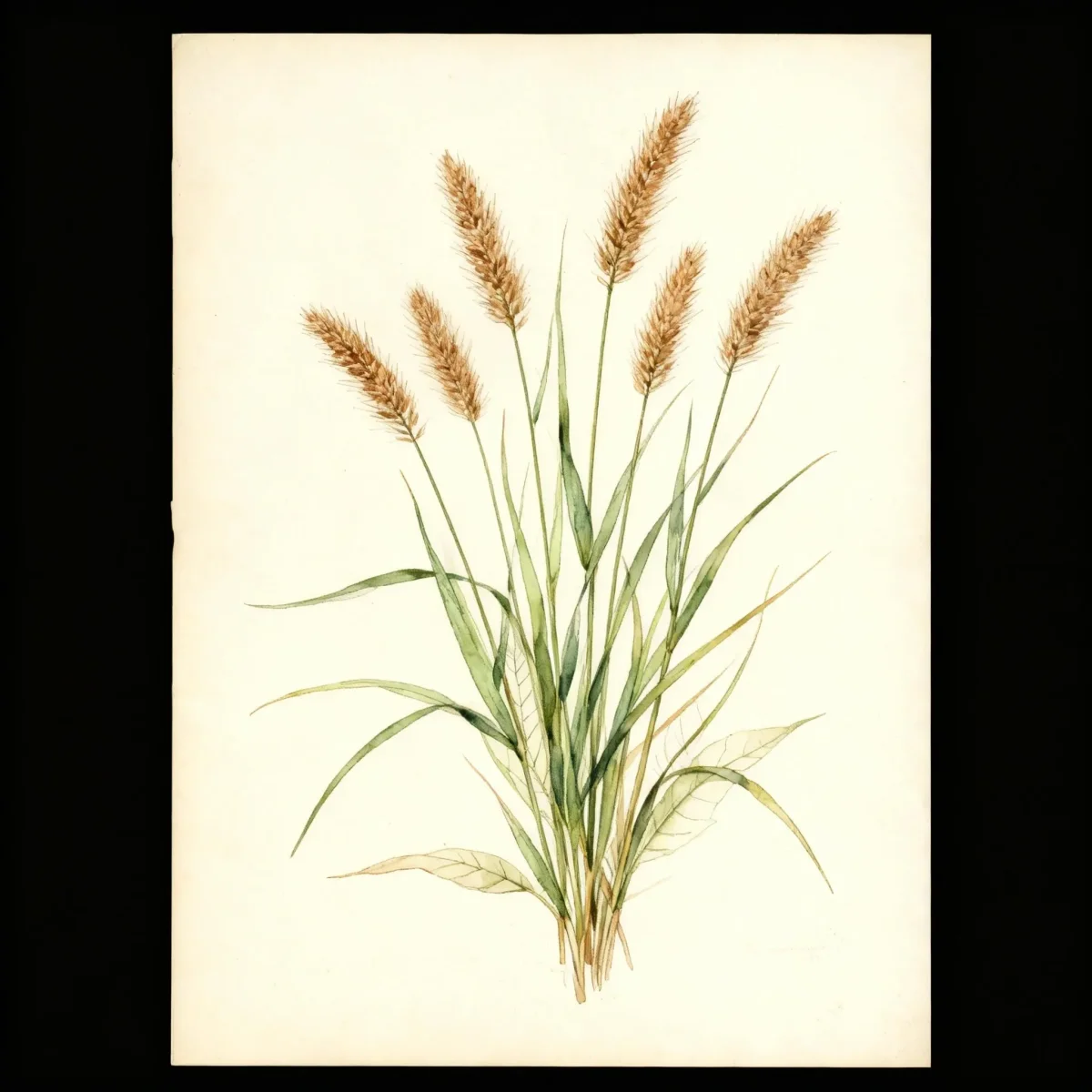
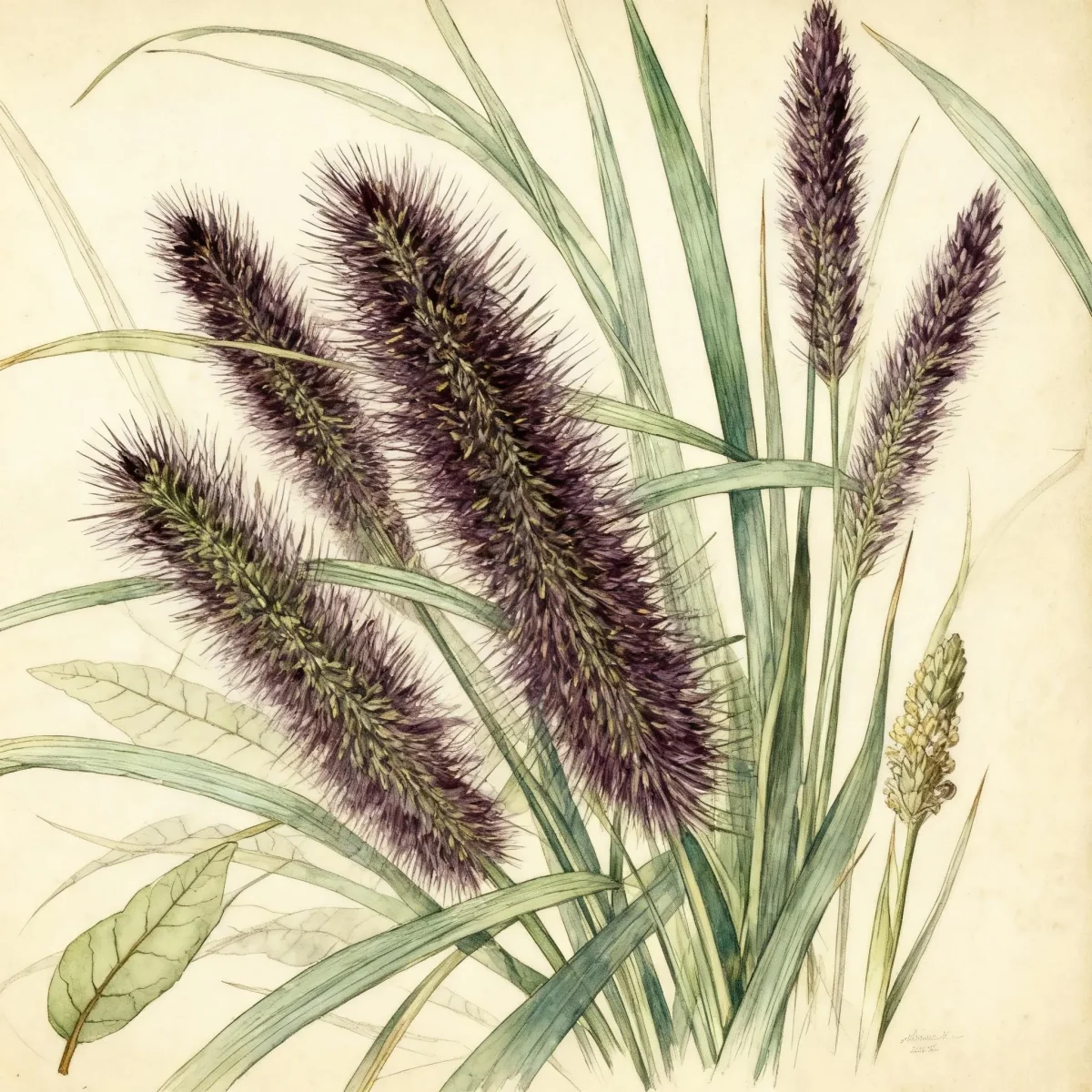
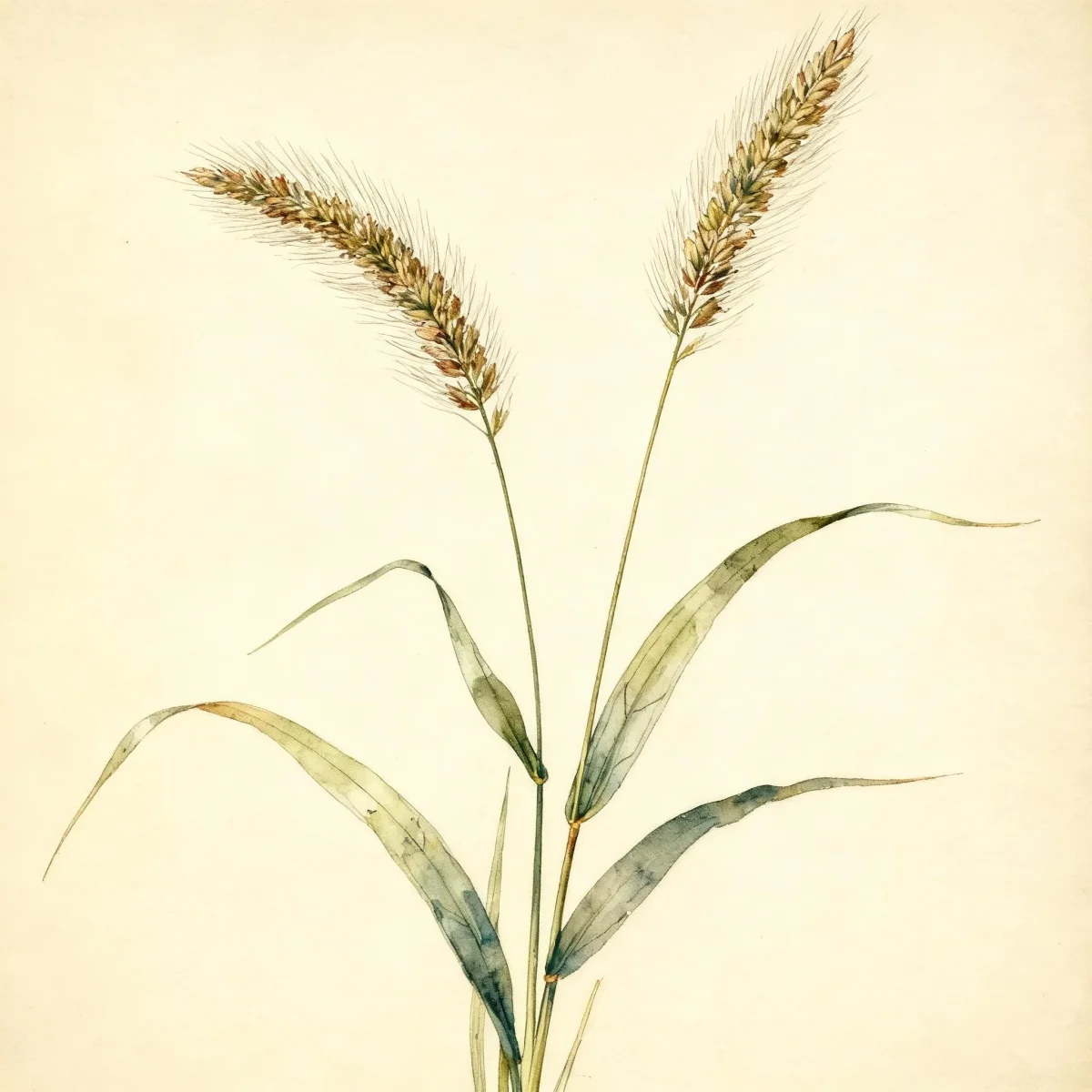
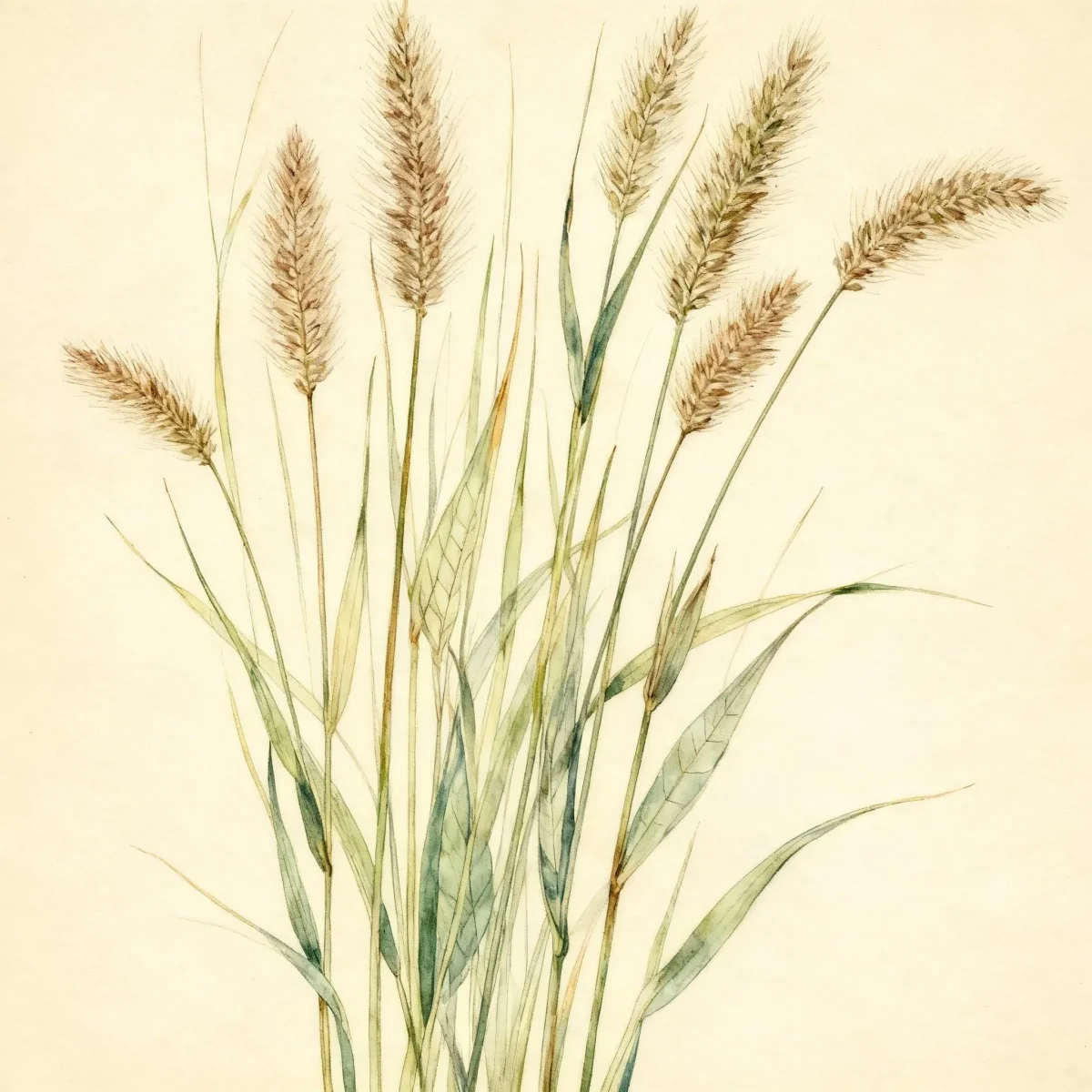
Fountain grass (Pennisetum alopecuroides 'Red Head')
Pennisetum alopecuroides 'Red Head' is a stunning, low-maintenance ornamental grass known for its distinctive pale pink flower spikes.
Scroll down to discover growing tips, care requirements, companion plants, and more
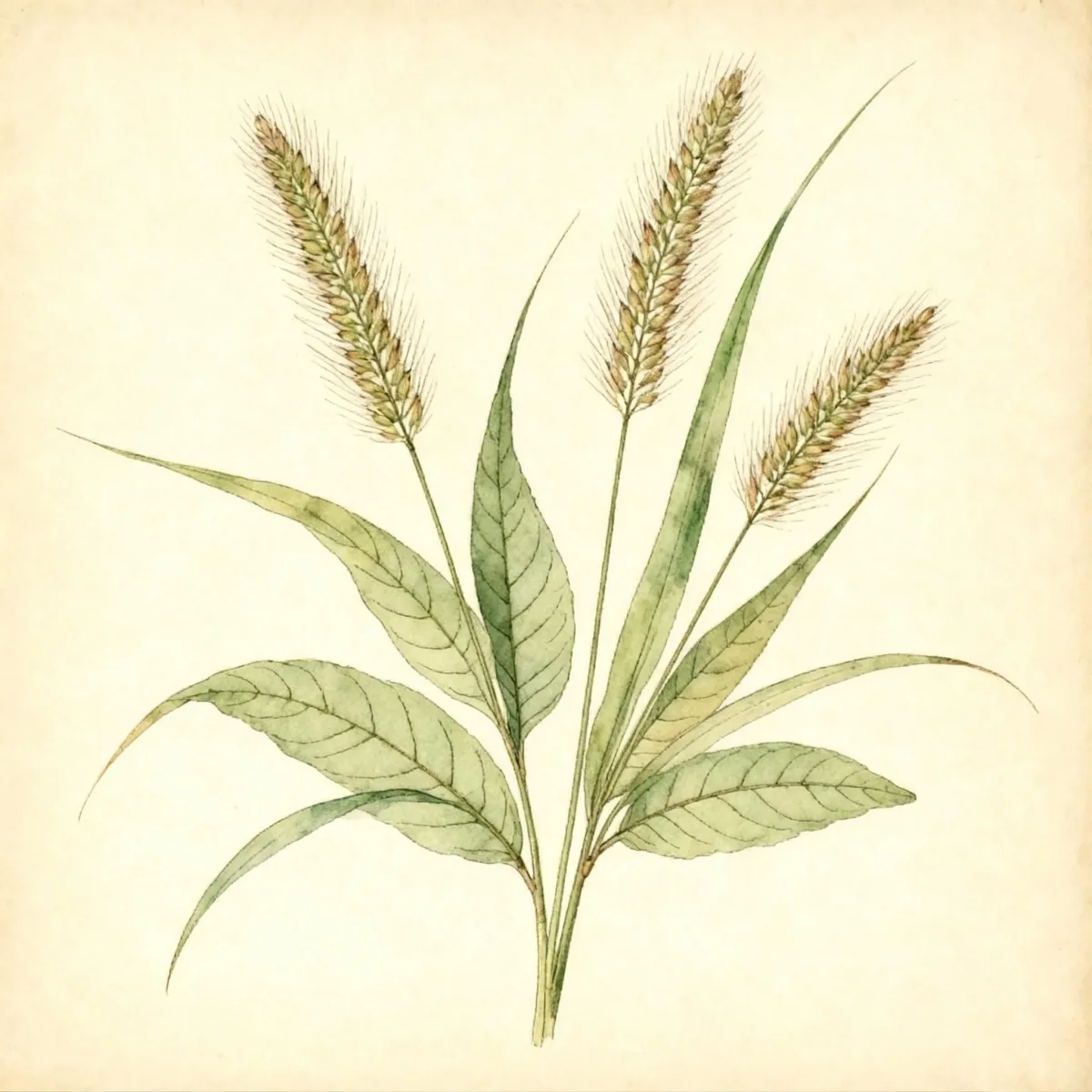
Complete Plant Information
Overview
Pennisetum alopecuroides ‘Red Head’, commonly known as Fountain grass, offers exceptional structural interest and late-season color, making it highly desirable for modern landscapes. This cultivar selection is noted for its early blooming habit and large, showy flowerheads that arch gracefully over the foliage clump. As a warm-season grass, it provides texture and movement throughout the summer, transitioning beautifully into fall.
Once established, this variety of Fountain grass demonstrates remarkable resilience, handling soil inconsistency and low maintenance demands well. Gardeners appreciate the dramatic fountain-like display of its silvery to pinkish-white plumes from mid-summer into early fall. Pennisetum alopecuroides ‘Red Head’ thrives in full sun exposure, though it can tolerate some light shade, rewarding the gardener with reliable performance and excellent texture contrast against broadleaf plants.
With its medium size, reaching around 4 feet tall and 3 feet wide, this ornamental grass is versatile for various garden roles, from specimen planting to massing in open areas. Its deer resistance and drought tolerance add significant practical value, securing its place as a staple in easy-care perennial borders.
Fast Facts
- Plant Family: Poaceae
- Plant Type: Ornamental grass
- Hardiness Zones: USDA Zones 5-9
- Size at Maturity:
- Height: 3-4 ft
- Spread: 2-3 ft
- Bloom Time: July to September
- Bloom Description: Pale pink
- Sun Exposure: Full sun to part shade
- Water Needs: Medium to wet
- Maintenance Level: Low
How to Grow
For Pennisetum alopecuroides ‘Red Head’ to establish successfully, aim to plant in spring after the danger of frost has passed. This ornamental grass performs best when situated in full sun, which maximizes flower production, although it tolerates a degree of part shade. Plant in average soil that offers medium to wet moisture levels; while it prefers consistent moisture, it benefits from being drought tolerant once established.
Watering should be regular, especially during the first season, to encourage deep root growth, adhering to its medium to wet preference. Fertilization is generally unnecessary due to its low maintenance requirements. The most important cultural task involves pruning: cut all the faded foliage close to the ground late in the winter before new spring shoots begin to emerge.
Be mindful that while this plant can self-seed, gardeners purchasing the ‘Red Head’ cultivar should know that plants grown from seed may not breed true to the desired characteristics. For gardeners in Zone 5, providing some winter protection or choosing a slightly sheltered site can enhance reliability during colder months.
Landscape Uses
The cascading, attractive flower spikes and fine-textured foliage of Fountain grass offer outstanding aesthetic benefits in structural plantings. Pennisetum alopecuroides ‘Red Head’ excels when used as a specimen plant to anchor a border or when massed to create a soft, flowing screen. Its arching form contrasts beautifully against static, formal hedges or bold, structural perennials.
This grass performs admirably in moist environments; therefore, consider placing it near the edges of water features, ponds, or rain gardens where it can utilize the higher moisture levels. Furthermore, its clumping nature and dense growth make it a practical selection for stabilizing slopes, offering effective erosion control while adding seasonal interest. Consider pairing it with sturdy, drought-tolerant perennials that bloom earlier in the season to ensure continuous garden interest.
Standout Features
Flower Qualities
- Showy
Noteworthy Characteristics
Pennisetum alopecuroides, commonly called fountain grass, is a warm season, clump-forming grass native to grassy hillsides, roadsides, and meadows in East Asia. Features narrow, medium to deep green leaves that change to golden yellow in fall, offering persistent winter interest. The showy, bottle brush-like flower spikes arch outward in late summer, giving the plant its fountain namesake. ‘Red Head’ is specifically known for its early-blooming, large, pale pink flowerheads (8-10 inches long) held above foliage that turns yellow in autumn.
Tolerances
- Deer
- Drought
- Erosion
Potential Problems
This ornamental grass generally suffers from no serious insect or disease issues, making it a robust choice for most gardens. The primary concern to monitor with Pennisetum alopecuroides ‘Red Head’ is its tendency to self-seed aggressively under optimum growing conditions, potentially spreading beyond its intended location. While cultivars are generally less prone to this than the species, be prepared to remove fading seed heads if you wish to minimize spontaneous reproduction the following season.
Frequently Asked Questions
What hardiness zones is Fountain grass suitable for?
Pennisetum alopecuroides ‘Red Head’ is reliably hardy in USDA Zones 5 through 9.
How large does Pennisetum alopecuroides ‘Red Head’ grow?
Mature plants reach heights between 3 and 4 feet, with a spread generally ranging from 2 to 3 feet wide, forming a dense clump.
What sun exposure does Fountain grass need?
This plant performs best in full sun, though it can tolerate part shade; however, excessive shade may reduce its desirable flower production.
When does Pennisetum alopecuroides ‘Red Head’ bloom?
This early-blooming selection of fountain grass typically displays its pale pink, showy flower spikes from July through September.
Conclusion
Pennisetum alopecuroides ‘Red Head’ delivers high visual impact with low effort, combining dependable structure with beautiful, arching plumes late in the growing season. Its tolerance for drought and deer makes this Fountain grass a highly practical addition to borders and foundation plantings. Before planting, ensure your area falls within USDA Zones 5-9 and plan for a hard prune in late winter to keep your specimen looking its best.
Design Ideas
Consider using Fountain grass in contemporary, mixed perennial borders where its fine texture provides necessary contrast against heavier foliage plants like Sedum or Hostas. The movement created by the airy plumes acts as an excellent visual transition between hardscape elements and softer plantings. Its resilience in moist soil also makes it ideal for softening the hard edges surrounding manufactured ponds or retention basins.
Companion Planting
Due to the medium to wet water needs of Pennisetum alopecuroides ‘Red Head’, look for companion plants that share cultural requirements or appreciate similar drainage patterns. Excellent pairings include Siberian Iris, Joe Pye Weed (Eupatorium), or Astilbe, especially in slightly wetter garden pockets. If planting in drier, full-sun areas where drought tolerance is key, native coneflowers (Echinacea) or Black-Eyed Susans (Rudbeckia) make good neighbors, though you may need to supplement water initially for the grass until established.