Laurustinus (Viburnum tinus 'Spring Bouquet')
Viburnum tinus 'Spring Bouquet' is a compact, evergreen shrub noted for fragrant winter blooms. Ideal for hedges in Zones 7-9.
Scroll down to discover growing tips, care requirements, companion plants, and more
Complete Plant Information
Overview
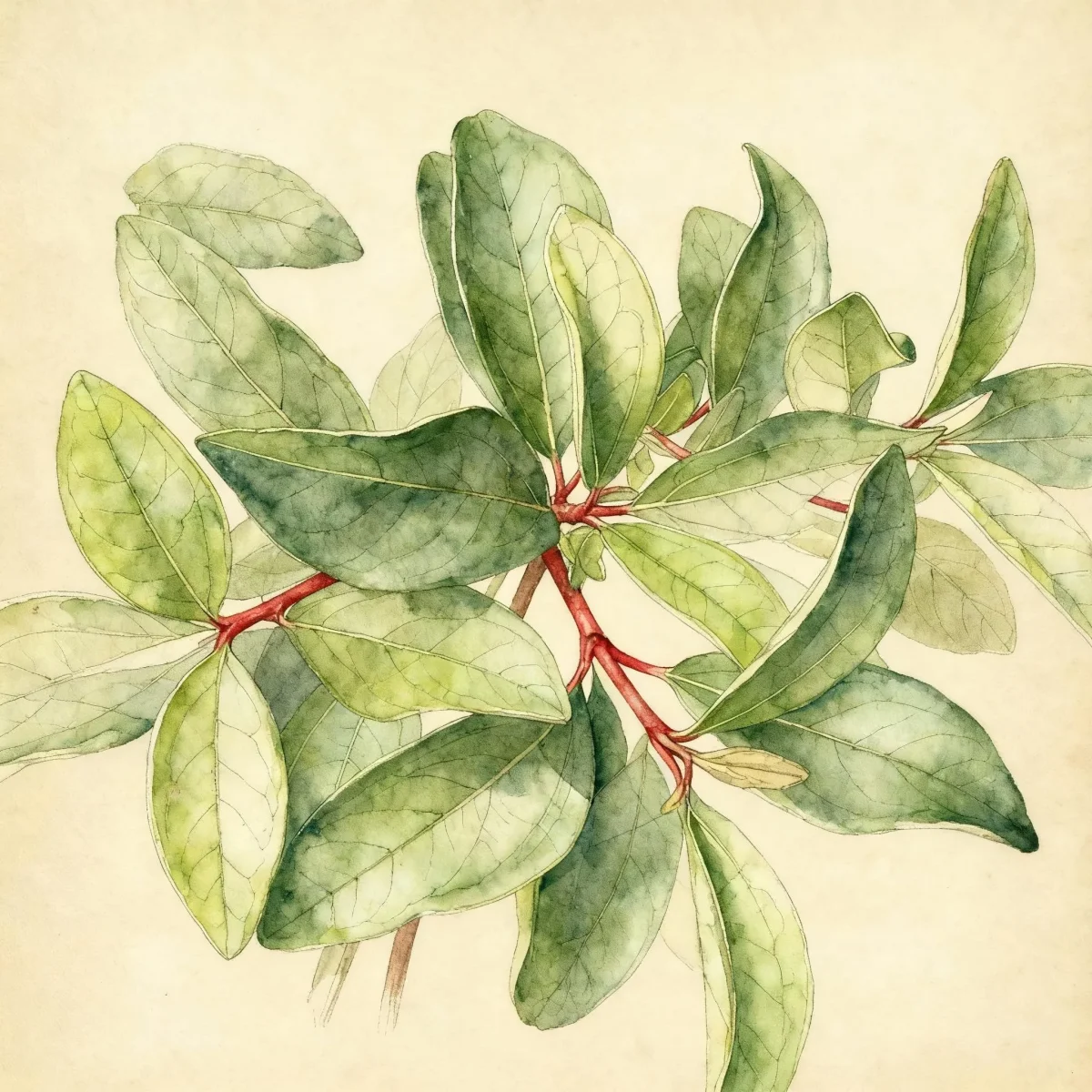
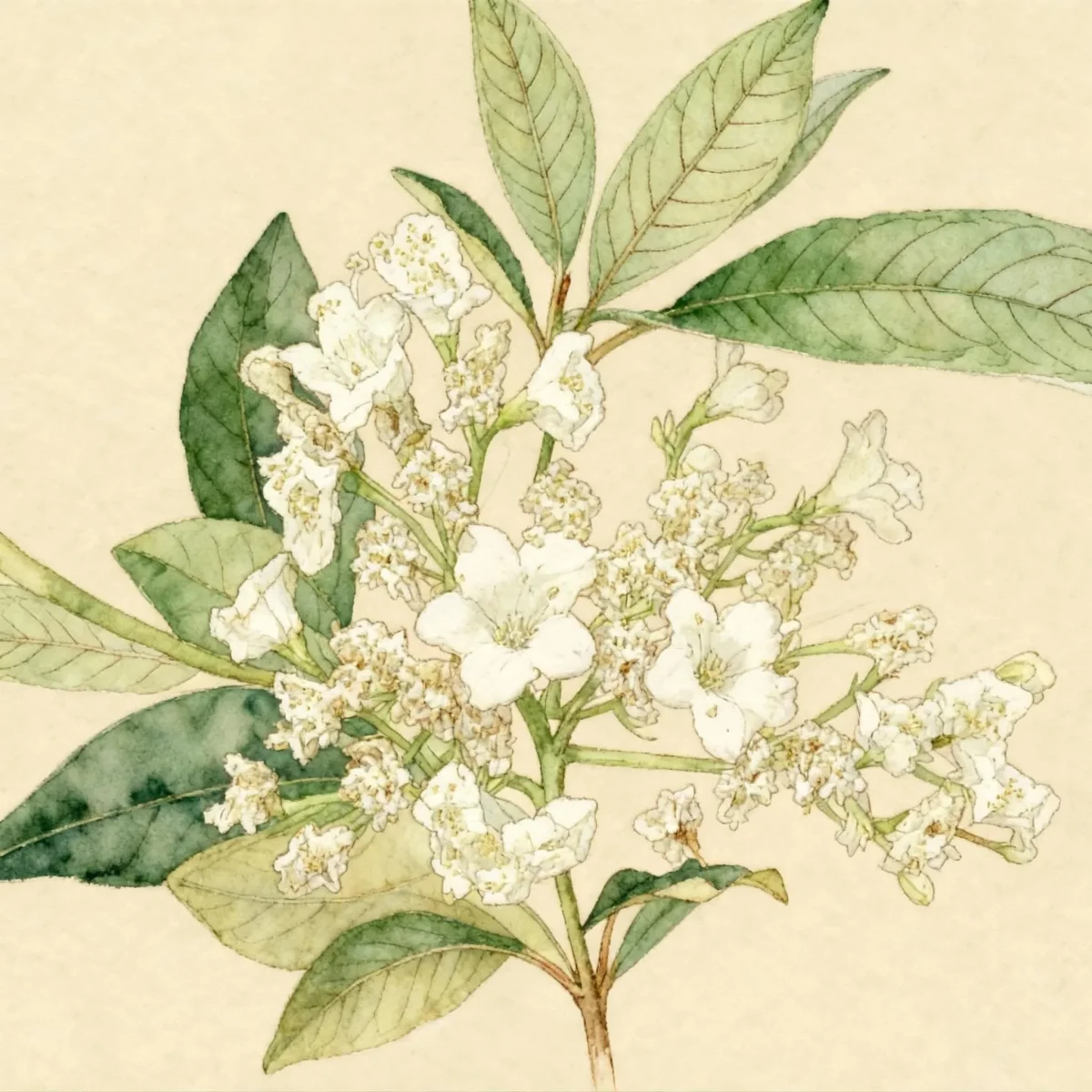
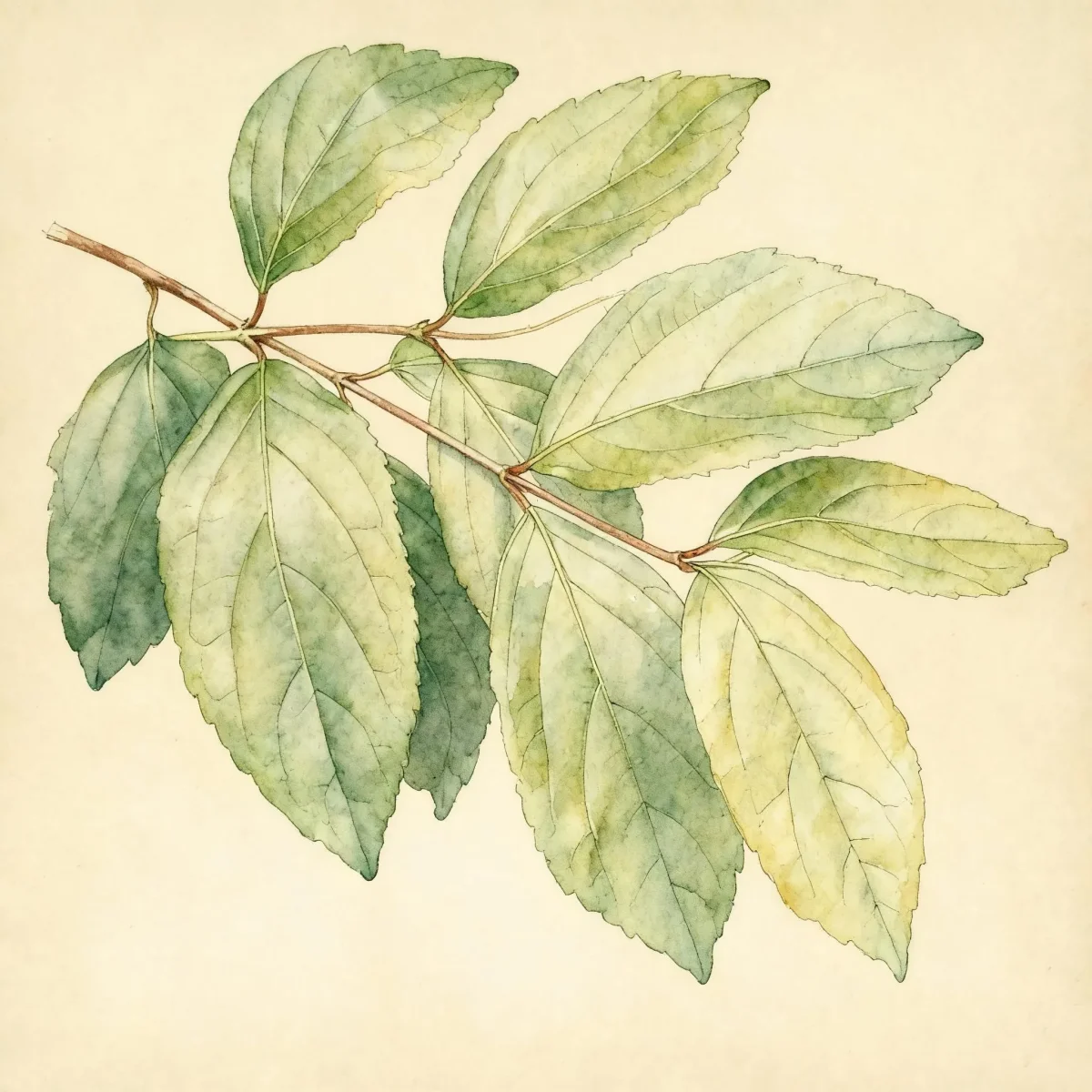
The Laurustinus, specifically the compact cultivar Viburnum tinus ‘Spring Bouquet’, offers essential evergreen structure and welcome color during the late winter and early spring months. This shrub is highly valued for its dense, glossy, dark green foliage that provides year-round screening capability, making it a superb choice for foundational planting or low border work. Its main garden appeal rests in the profusion of flower clusters that emerge from February through April, often providing a welcome burst of fragrance when most other plants are dormant.
Viburnum tinus ‘Spring Bouquet’ maintains a manageable, rounded habit, rarely exceeding six feet in height and spread, which distinguishes it from its larger species relatives. Despite its diminutive size for a laurustinus, this cultivar delivers impactful floral displays, softening the winter landscape with white to pale pink blooms. It is a resilient broadleaf evergreen, capable of handling various conditions common in USDA Zones 7 through 9.
This selection of Viburnum tinus is increasingly popular for gardeners seeking low-maintenance structure that performs well in both full sun and partial shade conditions. Its versatility allows it to serve functional roles as a neat screen or hedge while simultaneously offering ornamental interest with its persistent foliage and early flowering schedule.
Fast Facts
- Plant Family: Adoxaceae
- Plant Type: Broadleaf evergreen
- Hardiness Zones: USDA Zones 7-9
- Size at Maturity:
- Height: 4-6 ft
- Spread: 4-6 ft
- Bloom Time: February to April
- Bloom Description: White to pale pink
- Sun Exposure: Full sun to part shade
- Water Needs: Medium
- Maintenance Level: Medium
How to Grow
Planting the Viburnum tinus ‘Spring Bouquet’ is best accomplished in spring or early fall, allowing the roots time to establish before facing seasonal extremes. It thrives best in consistently moist, well-draining soil, though it shows good tolerance for clay soils provided drainage is not perpetually waterlogged. While it prefers deep, rich loam, the established plant exhibits drought tolerance, making it dependable once settled into its location.
Medium water requirements mean consistent irrigation is necessary during the first growing season, especially if planted in full sun. After establishment, supplemental watering during extended dry spells should suffice. This shrub requires relatively little fuss; only perform pruning lightly in the early summer months to tidy the shape or remove any errant, overly vigorous growth.
Protecting this variety of Laurustinus from the harshest northern winter winds is beneficial, especially as early emerging flower buds are susceptible to damage from late frosts. Gardeners in Zone 7 should ensure optimal site selection to minimize this risk, favoring sheltered spots where the plant can confidently deliver its early seasonal display of Viburnum tinus ‘Spring Bouquet’.
Landscape Uses
The compact size and dense branching habit of Viburnum tinus ‘Spring Bouquet’ make it exceptionally suitable for formal hedging applications where height control is critical. Its evergreen nature ensures that boundaries remain defined throughout the year, offering excellent contrast against deciduous shrubs or lighter-colored hardscapes. It excels in its suggested use as a screen, providing privacy without overwhelming smaller garden spaces.
Beyond its role as a hedge, this Laurustinus performs beautifully as an accent specimen positioned near an entryway or path where its winter blooms can be easily appreciated. It integrates seamlessly within mixed shrub borders, providing consistent green mass that supports the color shifts of spring bulbs and summer perennials. Consider planting multiple units close together to enhance overall berry set, as the plant benefits from cross-pollination for optimal fruit production.
Standout Features
Flower Qualities
- Showy
Fruit Qualities
- Showy
Noteworthy Characteristics
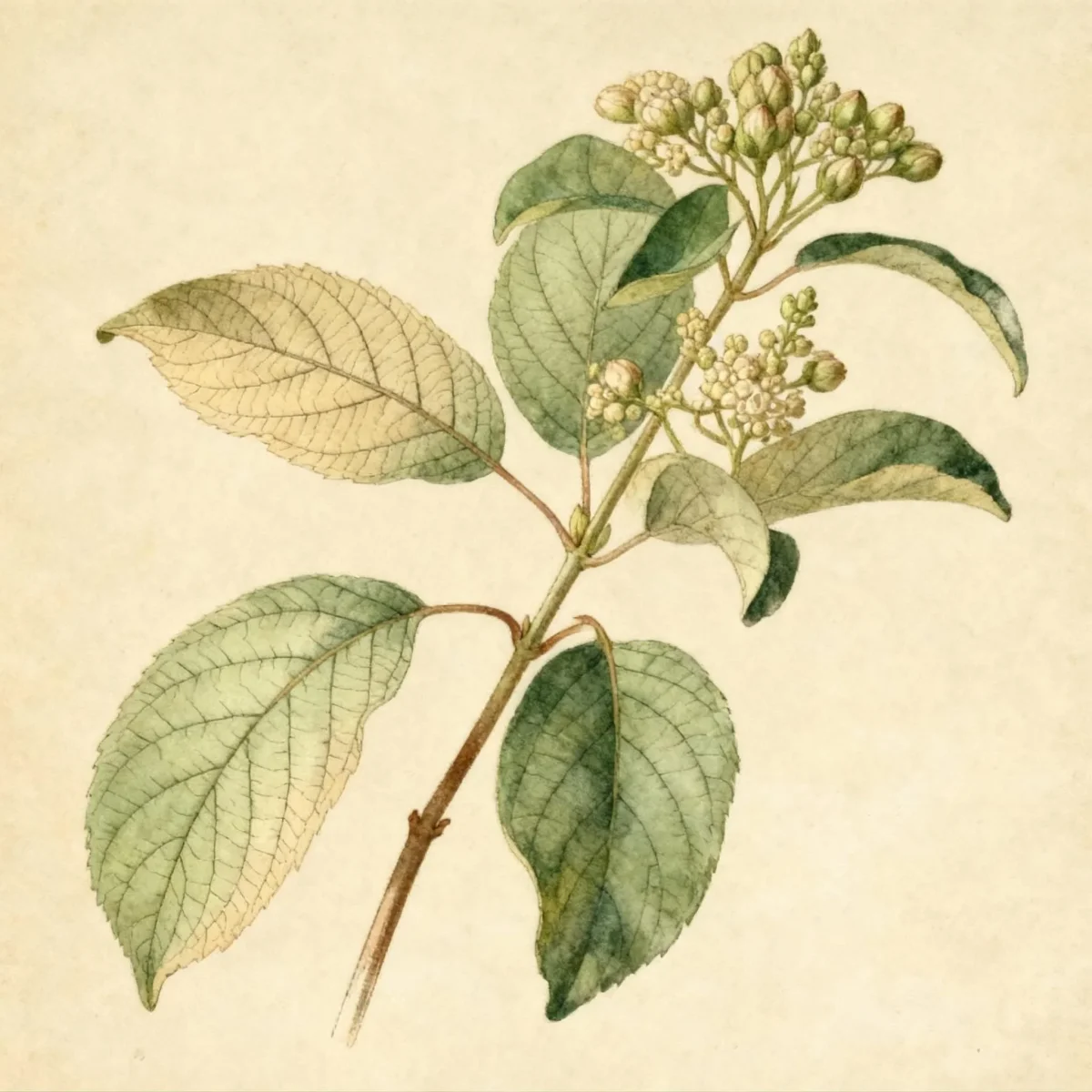
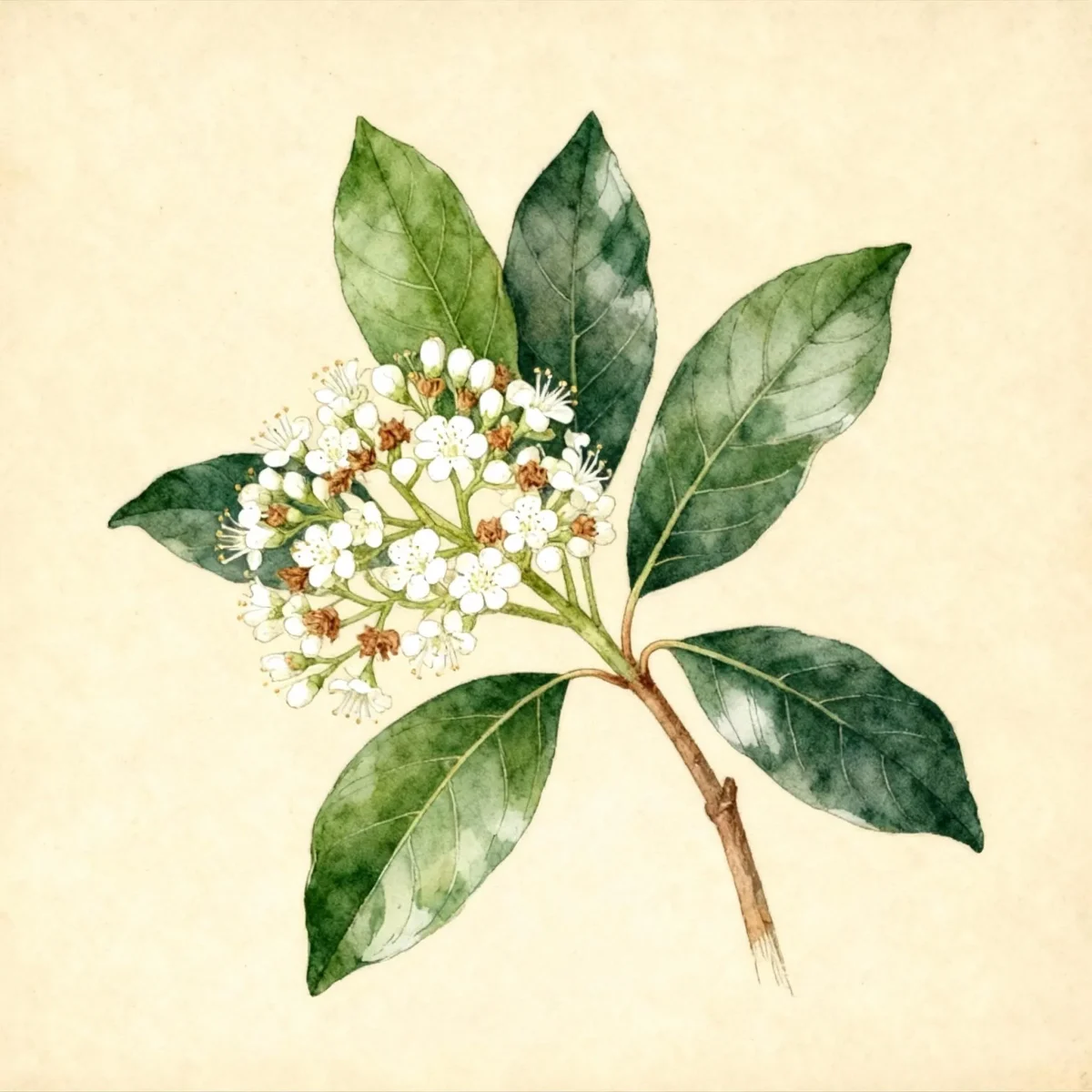
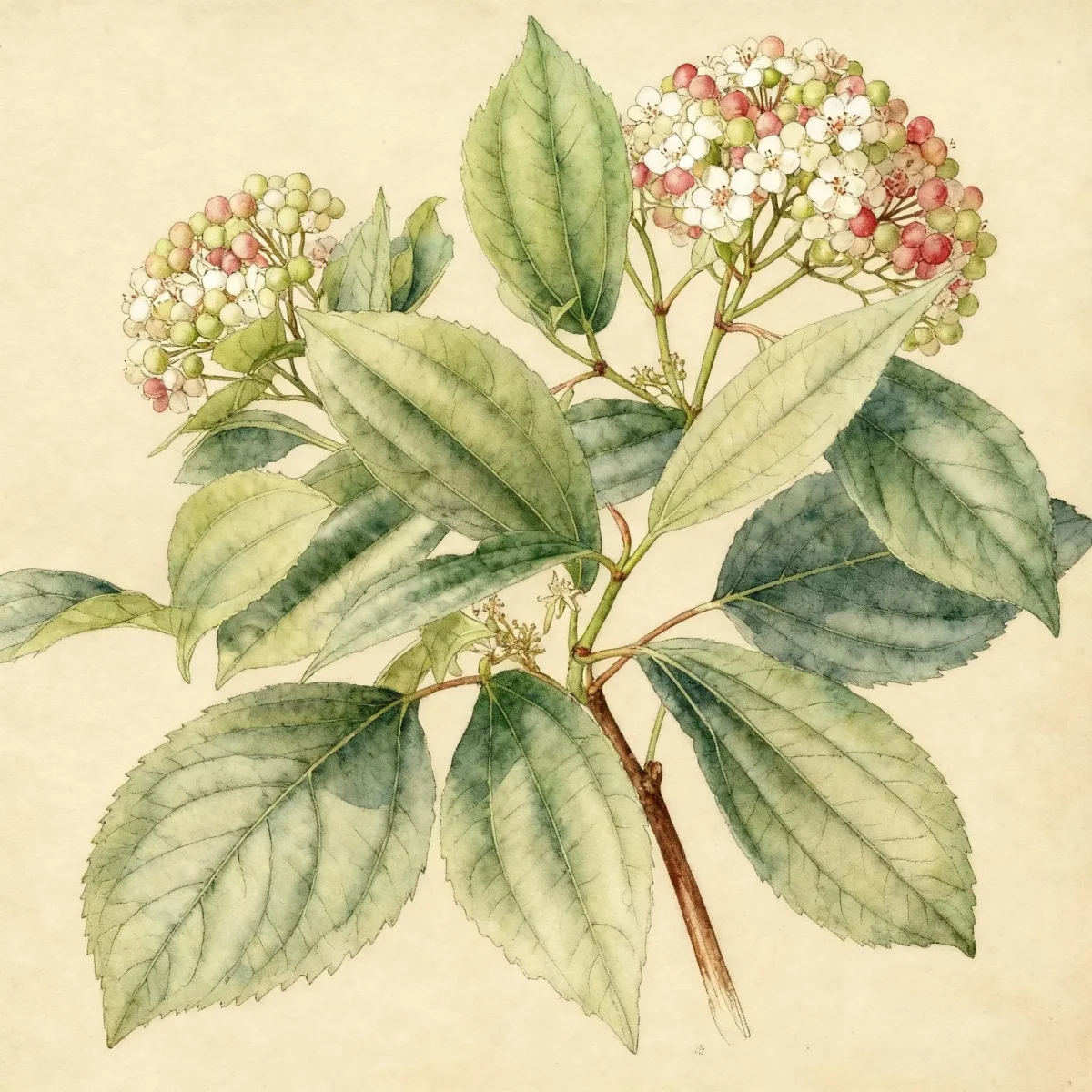
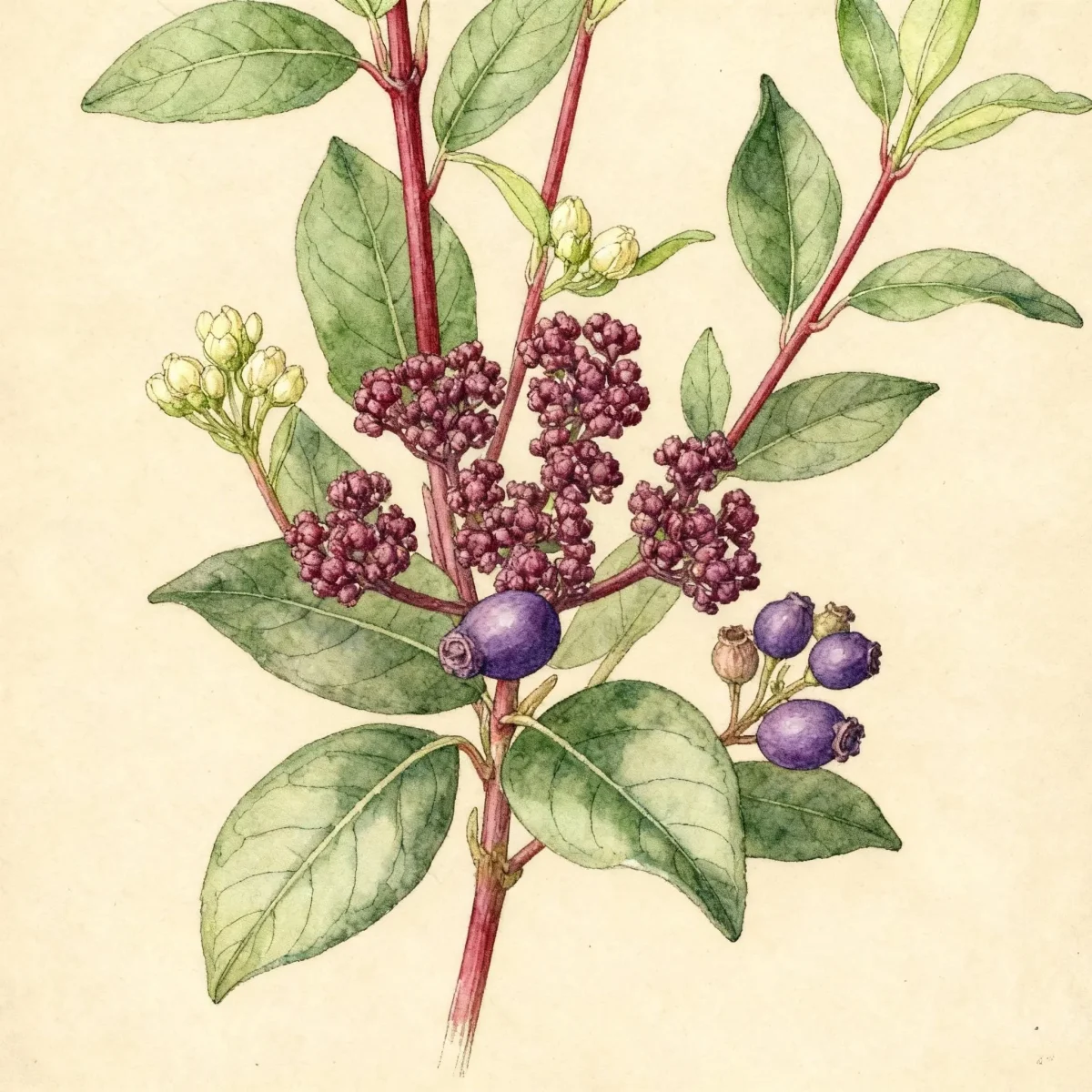
Viburnum tinus, commonly called laurustinus, is a large, evergreen shrub or small tree native to shrubland and wooded, rocky slopes of the Mediterranean region of Europe and northern Africa. The dark green, glossy foliage is ovate and contrasted by fragrant flowers that are pink in bud before opening white in terminal clusters. The blooms are followed by dark, metallic blue, ovoid drupes. The cultivar ‘Spring Bouquet’ is a compact selection, maintaining a manageable 4-6’ stature while retaining the attractive floral display characteristic of the species.
Tolerances
- Drought
- Clay Soil
Potential Problems
Generally, Viburnum tinus ‘Spring Bouquet’ is quite resistant to serious pest and disease issues, contributing to its low maintenance appeal. However, gardeners should monitor for common issues such as aphids, mites, thrips, and scale insects, treating promptly with horticultural oils or insecticidal soap if populations surge. Fungal problems like mildew or leaf spot can occasionally appear, usually indicating poor air circulation or overly damp conditions. The most critical cultural risk is root rot, which is usually fatal and occurs when the soil remains excessively wet or poorly drained, leading to stressed plants susceptible to other issues.
Frequently Asked Questions
What hardiness zones is Laurustinus suitable for?
The Viburnum tinus ‘Spring Bouquet’ is reliably hardy in USDA Zones 7 through 9. Ensure your planting site is not exposed to extreme northern winds where late frosts might damage twig tips.
How large does Laurustinus grow?
This compact cultivar typically reaches a mature height between 4 and 6 feet, with an equivalent spread of 4 to 6 feet, making it an excellent choice for defined landscape placements.
When does Viburnum tinus ‘Spring Bouquet’ bloom?
This shrub provides early interest, blooming consistently from February through April. The flowers start pink in bud before opening to a clear white.
What sun exposure does Viburnum tinus ‘Spring Bouquet’ need?
It is flexible, performing well in locations receiving full sun or partial shade. For the most abundant flowering on your Viburnum tinus ‘Spring Bouquet’, prioritize sites receiving more direct light.
Conclusion
The Viburnum tinus ‘Spring Bouquet’ offers exceptional year-round value through its dense evergreen foliage and its critical winter-to-spring floral performance. As a durable, medium-sized shrub that tolerates clay and some drought, the Laurustinus is an invaluable workhorse for structure in temperate gardens. Before planting, confirm that your local conditions fall within USDA Zones 7-9 to ensure this excellent evergreen thrives.
Companion Planting
When designing borders utilizing Viburnum tinus ‘Spring Bouquet’, select companions that either require similar cultural conditions (medium water, sun/part shade tolerance) or those that offer seasonal contrast. Early flowering bulbs like Crocus or Snowdrops are excellent foreground plantings, as they bloom just as or before the Laurustinus begins flowering, adding low-level interest near the base. For summer contrast, consider pairing it with perennials that offer fine texture or golden foliage, offsetting the dark, glossy leaves of the evergreen shrub during the warmer months when the Viburnum enters its fruiting stage.
Design Ideas
Because of its strong hedging capability, ‘Spring Bouquet’ excels in creating low, defined property lines or separating functional zones within a larger garden layout. Use it to anchor foundation plantings next to structures, where its consistent texture provides a reliable backdrop for seasonal annual displays. In contemporary designs, its dark green gloss works exceptionally well when juxtaposed against silvery artemisia or light-colored gravel pathways, emphasizing clean lines and evergreen structure through winter.