Christmas berry (Photinia 'Parsur' RED FURY)
The evergreen Photinia 'Parsur' RED FURY, or Christmas berry, offers stunning new red growth, making it ideal for screens and hedges.
Scroll down to discover growing tips, care requirements, companion plants, and more
Complete Plant Information
Overview
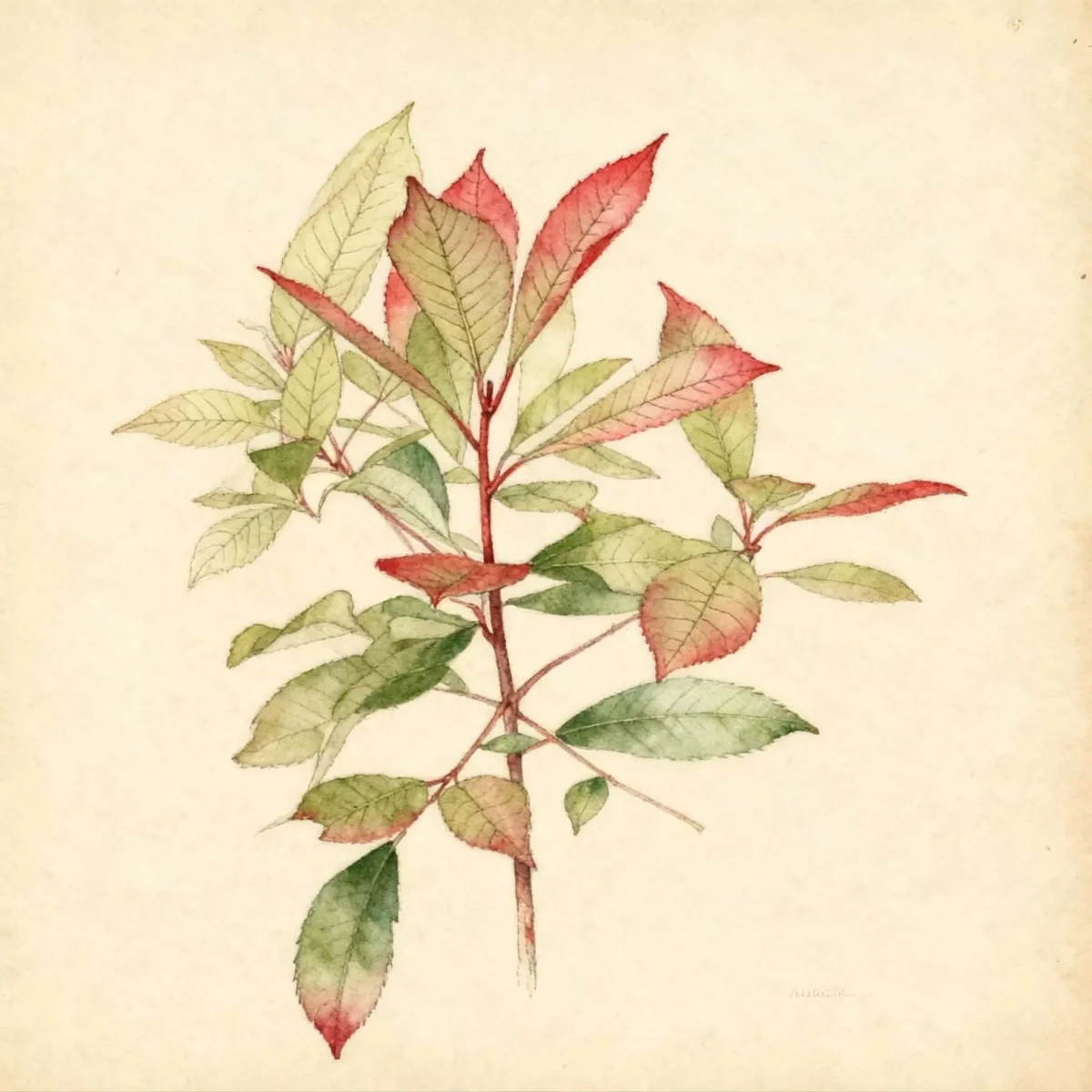
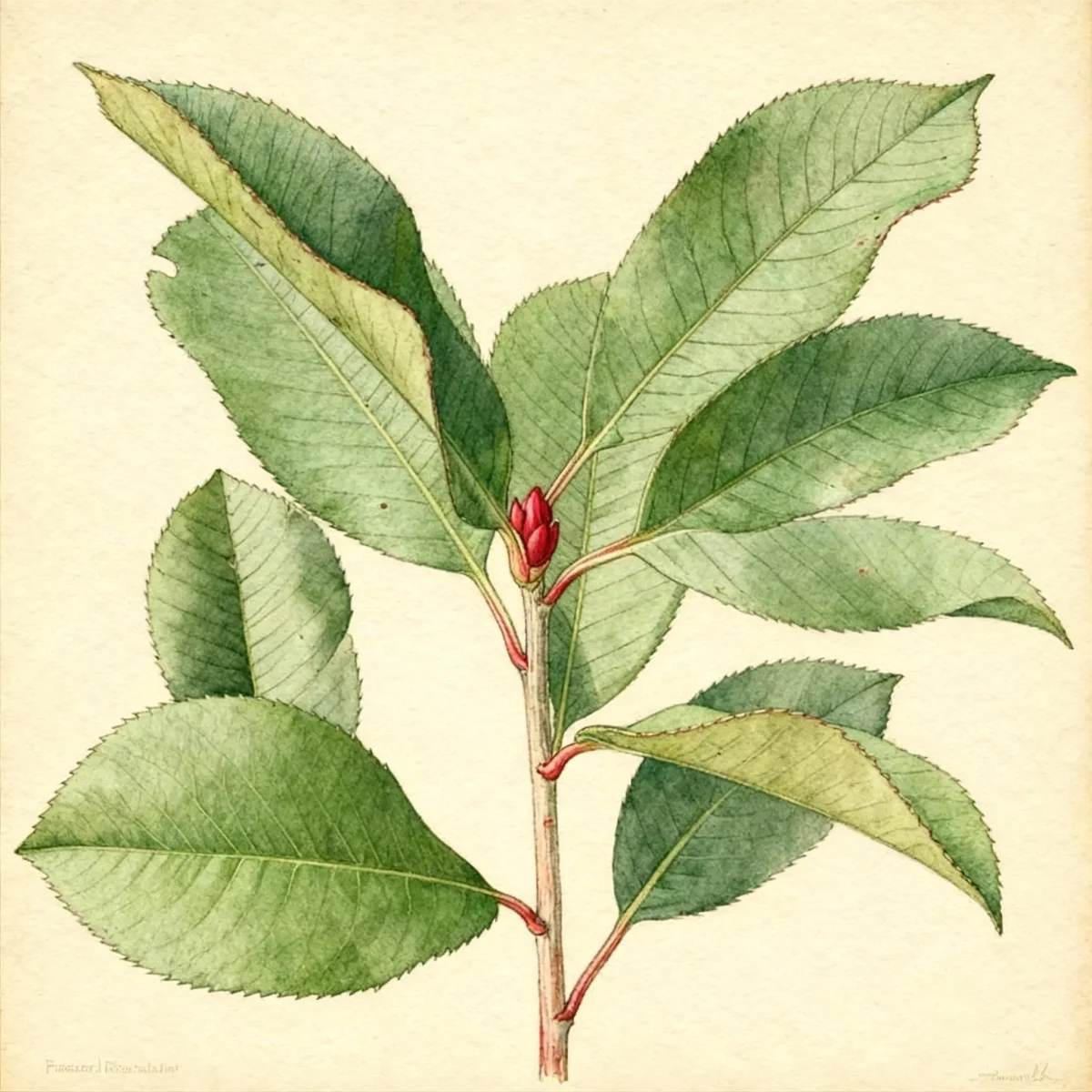
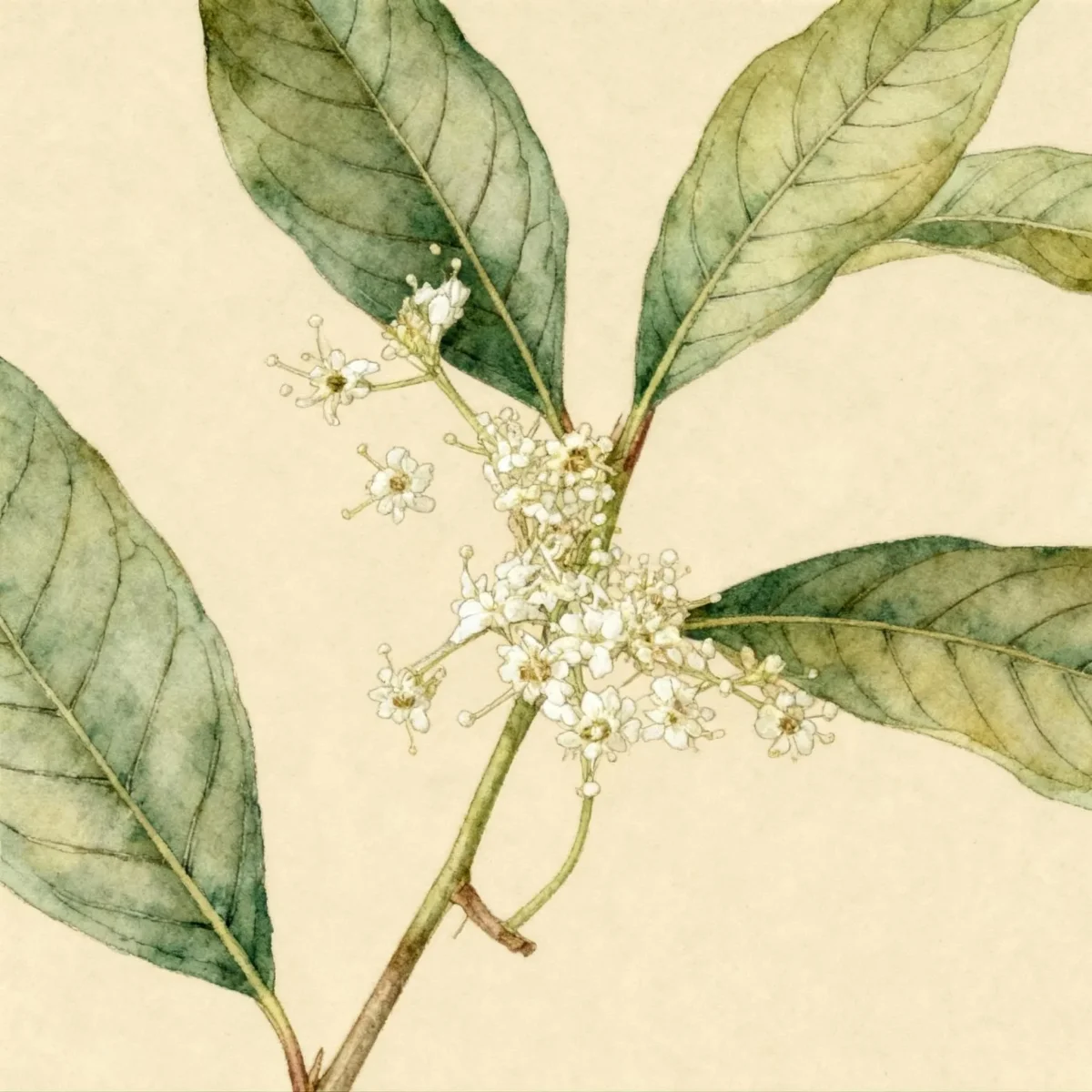
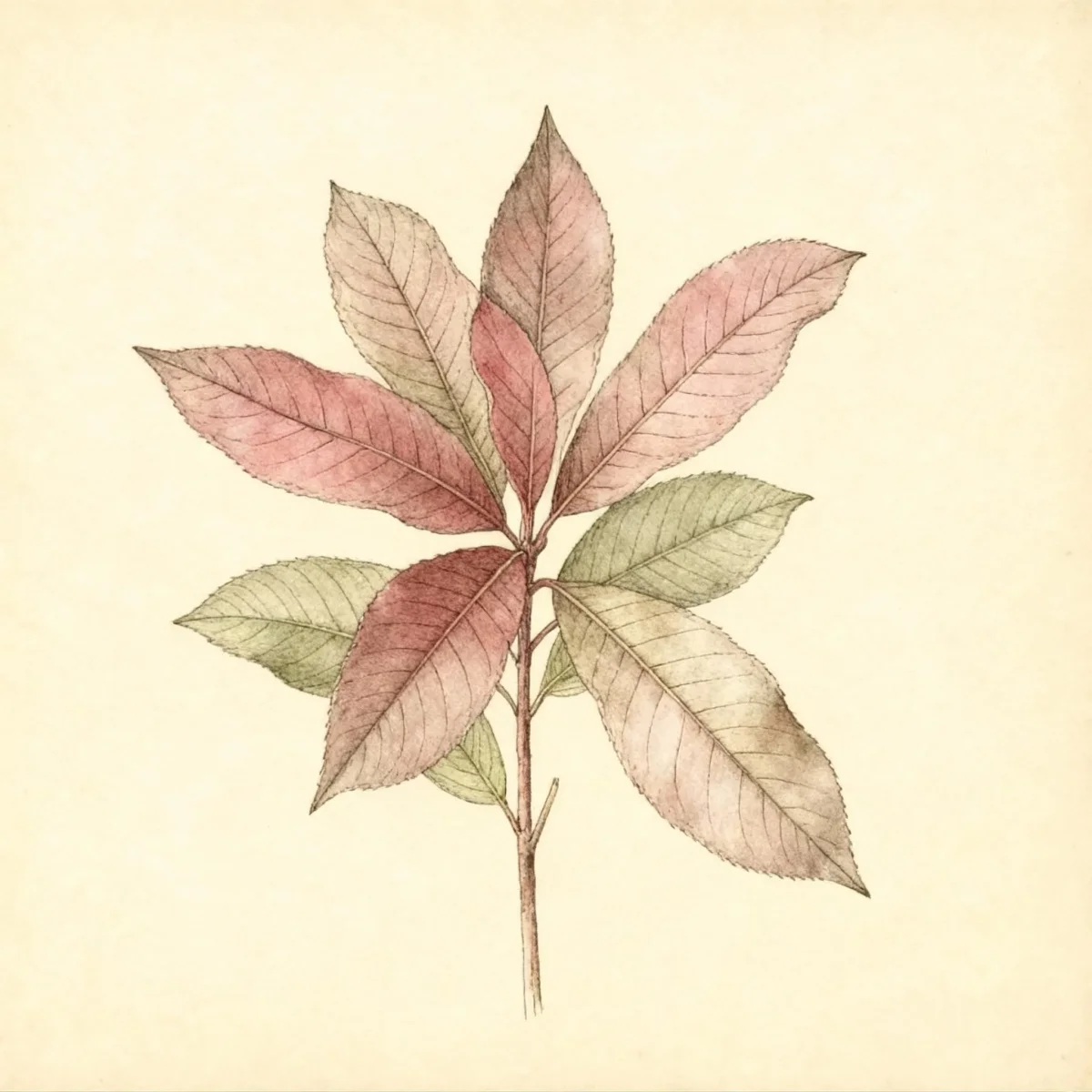
The Photinia ‘Parsur’ RED FURY, commonly known in some regions as the Christmas berry, is a celebrated broadleaf evergreen prized for its dynamic seasonal color. This upright shrub provides exceptional visual interest as its young foliage emerges with rich, defiant red-brown tones before softening into a glossy, dark green canopy. Gardeners value Photinia ‘Parsur’ RED FURY for its vigorous growth habit, making it a superior choice for creating structured screens or formal hedging.
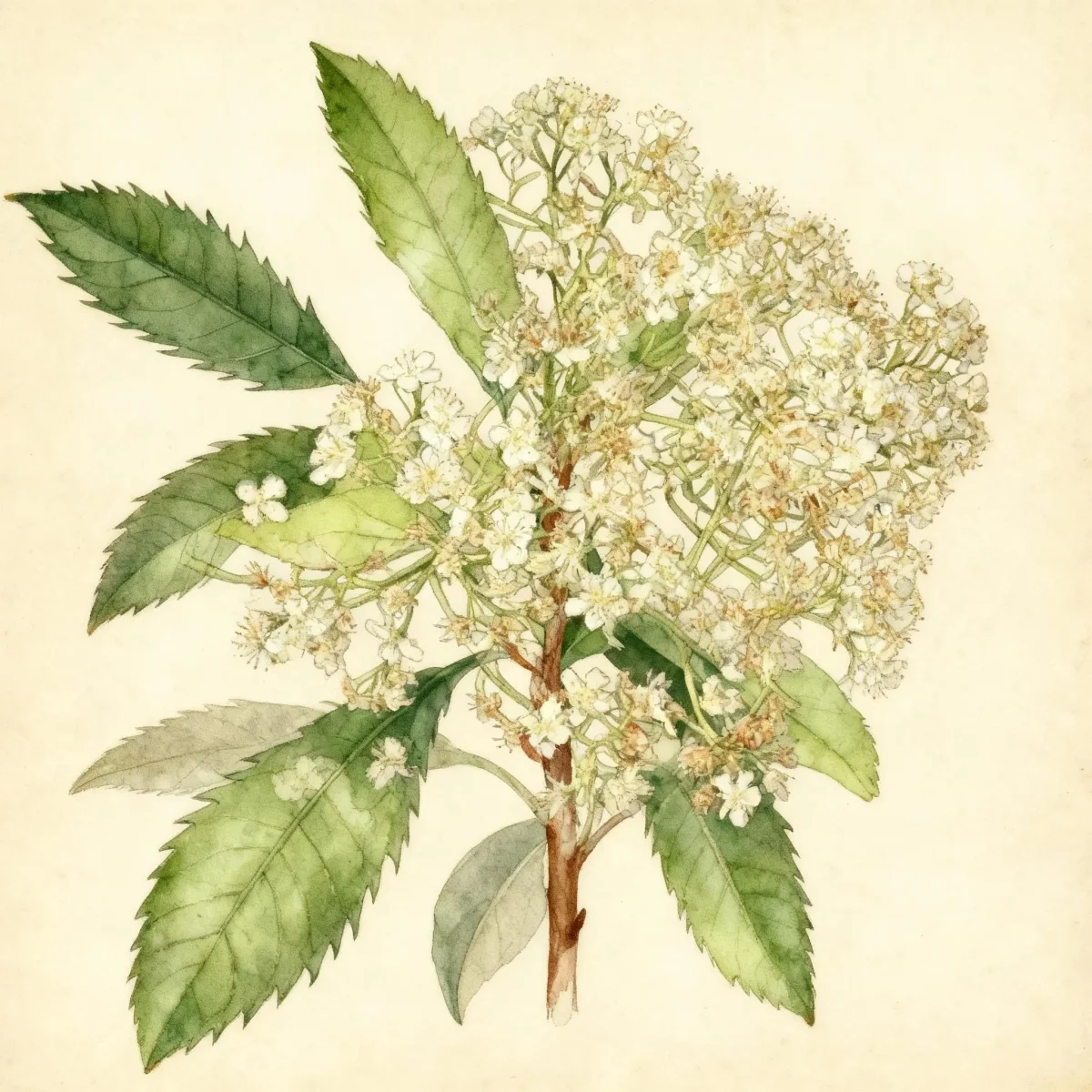
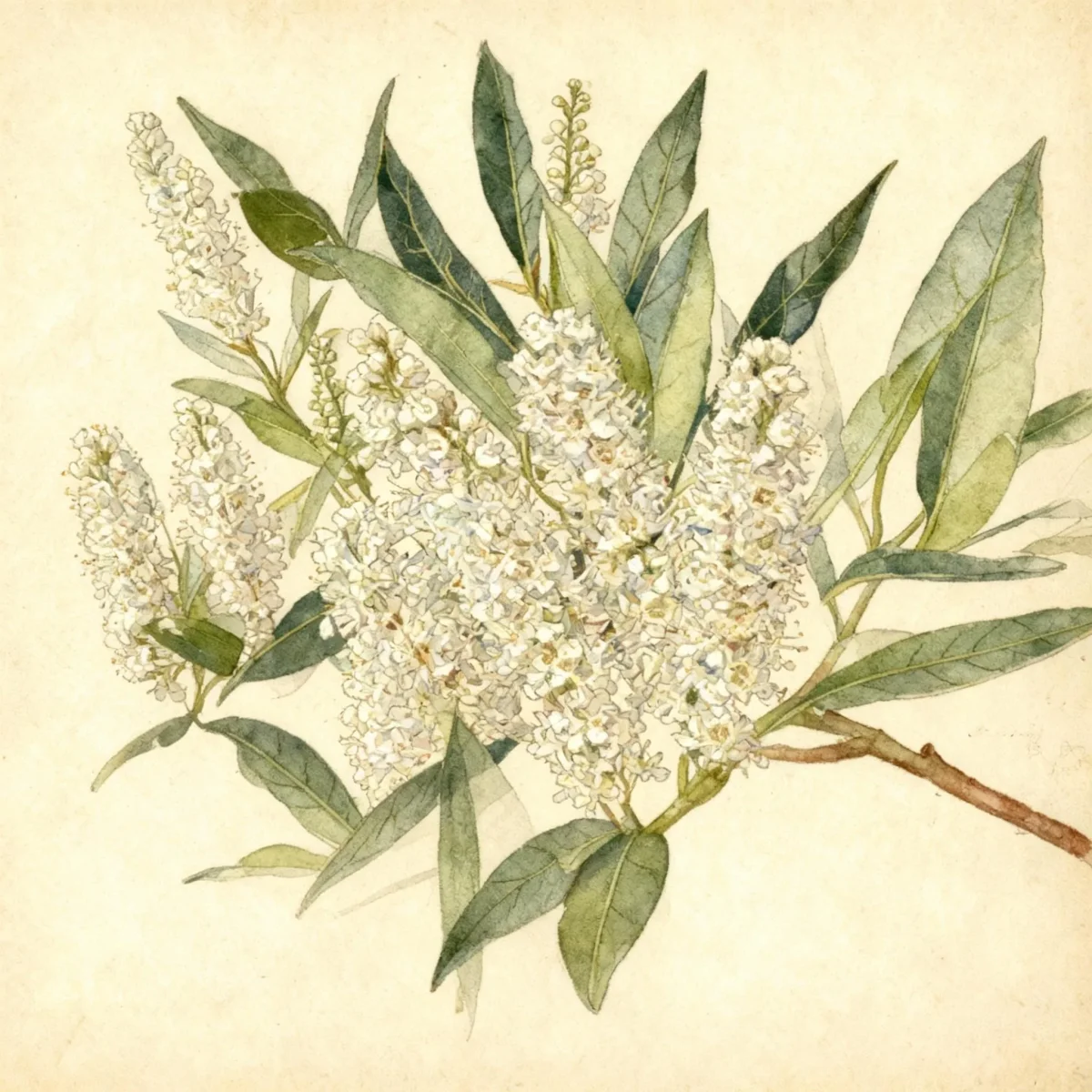
Hardy across USDA Zones 7 to 9, this selection offers improved heat tolerance, though it thrives best when sited away from harsh winter winds. Expect terminal clusters of small white flowers to appear briefly between April and May, often followed by persistent small fruits. Its evergreen nature ensures that the structural element provided by Photinia ‘Parsur’ RED FURY remains consistent throughout the year.
For reliable performance, ensure the plant receives consistent moisture in rich, well-draining soil. While it requires medium maintenance, the annual reward of its brilliant new spring growth validates the care required for this robust ornamental shrub.
Fast Facts
- Plant Family: Rosaceae
- Plant Type: Broadleaf evergreen
- Hardiness Zones: USDA Zones 7-9
- Size at Maturity:
- Height: 8-10 ft
- Spread: 5-6 ft
- Bloom Time: April to May
- Bloom Description: White
- Sun Exposure: Full sun to part shade
- Water Needs: Medium
- Maintenance Level: Medium
How to Grow
Planting Photinia ‘Parsur’ RED FURY is best accomplished in the early spring or fall when temperatures are mild, allowing the root system to establish before extreme heat or cold stress. Select a location that provides full sun to partial shade, ensuring the site is protected from cold, drying winter winds. Critical to success is soil preparation: amend the planting area well, as this evergreen requires rich, well-draining soil to prevent root saturation.
Water needs for this plant are medium; maintain evenly moist soil, especially during the first few growing seasons. While establishing, deep, infrequent watering is preferable to shallow daily sprinkles. Fertilization should be done sparingly, usually in early spring with a balanced, slow-release fertilizer, focusing on supporting healthy foliage development.
Pruning is most often required to maintain formal hedge shapes or to control height and spread. The best time to shape Photinia ‘Parsur’ RED FURY is right after the spring bloom finishes. Avoid heavy pruning late in the season, as new growth initiated too close to winter can be damaged by frost.
Landscape Uses
The upright and consistent structure of Photinia ‘Parsur’ RED FURY makes it an indispensable plant for functional landscaping designs. It excels when utilized as a formal hedge, providing year-round screening due to its evergreen foliage. If you require significant vertical interest, consider using it as an accent specimen where its colorful new growth can be fully admired against a neutral background.
Beyond hedging, this Christmas berry works well integrated into mixed shrub borders, offering contrasting texture and color against fine-textured evergreens or deciduous plants. Foundation plantings benefit from its clean, ovate leaves and ability to reach heights of 8 to 10 feet, creating a substantial backdrop for smaller perennials and annuals near the structure of a home.
Standout Features
Flower Qualities
- Showy
Noteworthy Characteristics
Photinia is a genus of around 60 species of shrubs and medium sized trees native to warm, temperate regions of Asia, Central America, and Mexico. Several species and hybrids are grown as ornamentals but some have escaped cultivation and are considered naturalized in parts of North America, Europe, Australia, and New Zealand. They are mainly cultivated for their showy corymbs or umbels of white flowers and small, round, persistent fruits. Genus name comes from the Greek word photeinos meaning shining in reference to the shiny leaves of some species. ‘Parsur’ is an upright, vigorous selection of photinia that features colorful new foliage. Mature shrubs will reach up to 10’ tall and 6’ wide. The young leaves emerge in spring with red-brown tones before maturing to glossy, dark green.
Tolerances
- Susceptible to photinia leaf spot disease, a serious fungal infection that can lead to partial or complete defoliation, as well as powdery mildew and fire blight. Watch for scale
Potential Problems
The primary concern when growing Photinia ‘Parsur’ RED FURY is susceptibility to photinia leaf spot disease. This serious fungal infection, often appearing as small, dark spots on the leaves, can cause severe defoliation, drastically reducing the aesthetic value, especially on a plant valued for its evergreen cover. Good air circulation is paramount in preventing this issue; avoid planting too closely together.
Alongside leaf spot, watch for signs of powdery mildew, particularly in humid, shaded conditions, and fire blight, a bacterial infection that causes scorched-looking wilting tips. Implementing proper cultural care, especially ensuring rich, well-draining soil and avoiding overhead watering during humid periods, significantly mitigates these risks associated with the Christmas berry.
Frequently Asked Questions
What hardiness zones is Photinia ‘Parsur’ RED FURY suitable for?
The Photinia ‘Parsur’ RED FURY is reliably hardy in USDA Zones 7 through 9.
How large does Christmas berry grow?
Mature specimens typically reach 8 to 10 feet in height, with a spread ranging between 5 and 6 feet wide.
What sun exposure does Photinia ‘Parsur’ RED FURY need?
This plant performs best when situated in full sun to areas receiving partial shade.
When does Christmas berry bloom?
Expect the small white flowers of the Christmas berry to appear seasonally during April to May.
Conclusion
The Photinia ‘Parsur’ RED FURY is a robust, easy-to-manage broadleaf evergreen that consistently delivers stunning seasonal impact with its emerging red foliage. Its reliable size and function as a screen or backdrop make the Christmas berry a landscape staple when planned correctly. Assess your microclimate to ensure it falls within Zones 7-9 and provide that crucial protection from harsh winter winds before planting.
Design Ideas
When planning an area for Photinia ‘Parsur’ RED FURY, think vertically and texturally. Its large, glossy leaves and vibrant red spring flush contrast beautifully with finer-textured evergreens like certain junipers or dwarf conifers, creating a tapestry of texture. Position it against structures painted in muted tones—like soft gray or cream—to let the deep green and bright red foliage truly pop during the growing season.
For dramatic effect near a patio or high-visibility area, consider planting a row of these shrubs along a property line to create an informal yet dense screen. While the Christmas berry naturally forms a dense mass, thoughtful shaping can transform it into formal evergreen hedges that require regular shearing but offer unparalleled year-round privacy.
Seasonal Care Calendar
Spring is the most critical time for managing Photinia ‘Parsur’ RED FURY. As the weather warms, apply a slow-release fertilizer just as new growth begins to break. This is also the ideal window for your primary pruning, either shaping hedges or removing any winter-damaged stems before the flush of red color appears.
Summer care revolves around consistent moisture management. Since the plant prefers evenly moist soil, monitor rainfall and supplement irrigation during dry spells, focusing water at the root zone. Good air movement during the summer helps deter fungal issues like powdery mildew, so avoid overcrowding.
In the fall, cease fertilizing. The most important final step is ensuring the plant is well-watered before the ground freezes. Protecting the base with a layer of mulch helps insulate the roots against fluctuating winter temperatures common in the northern edges of its hardiness range.