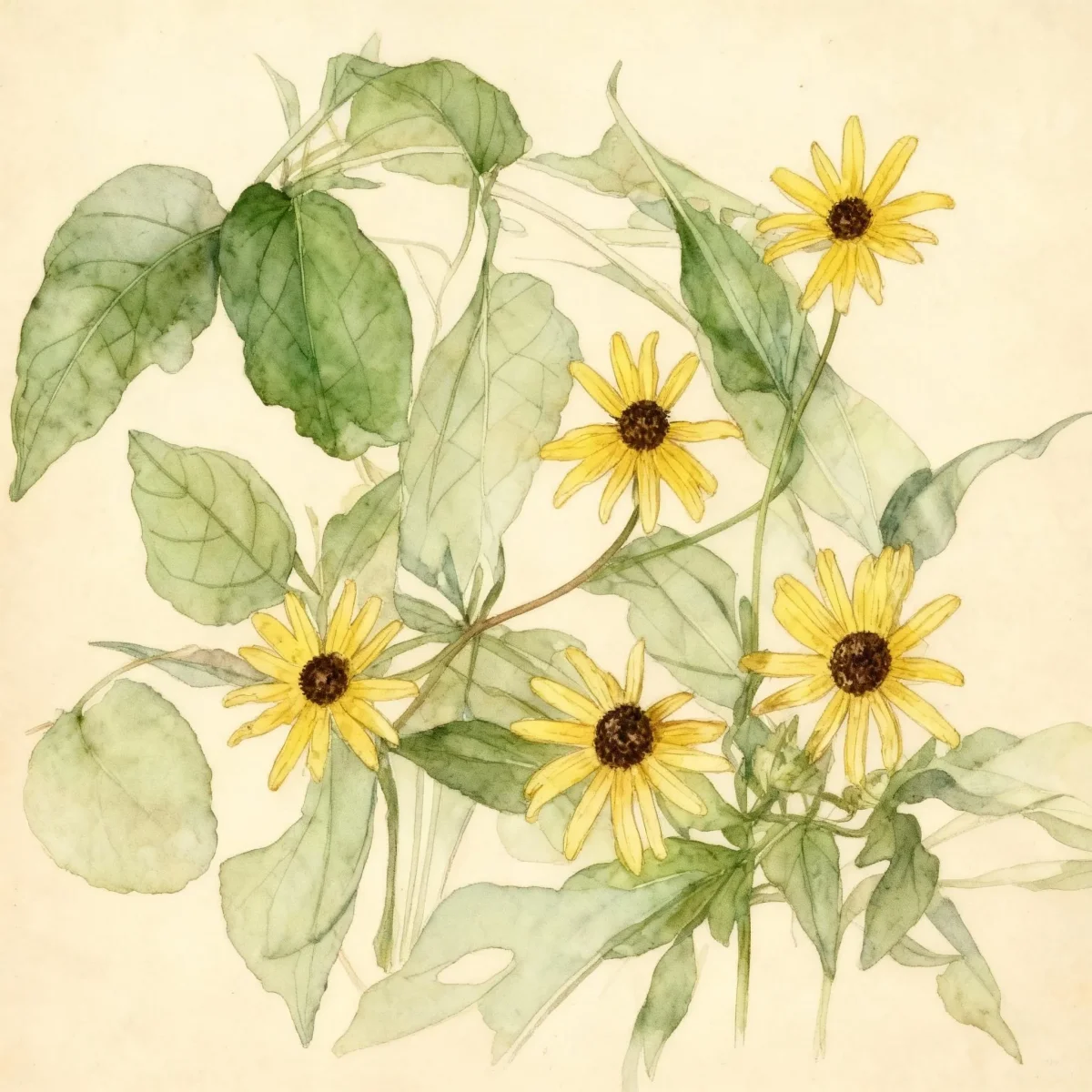
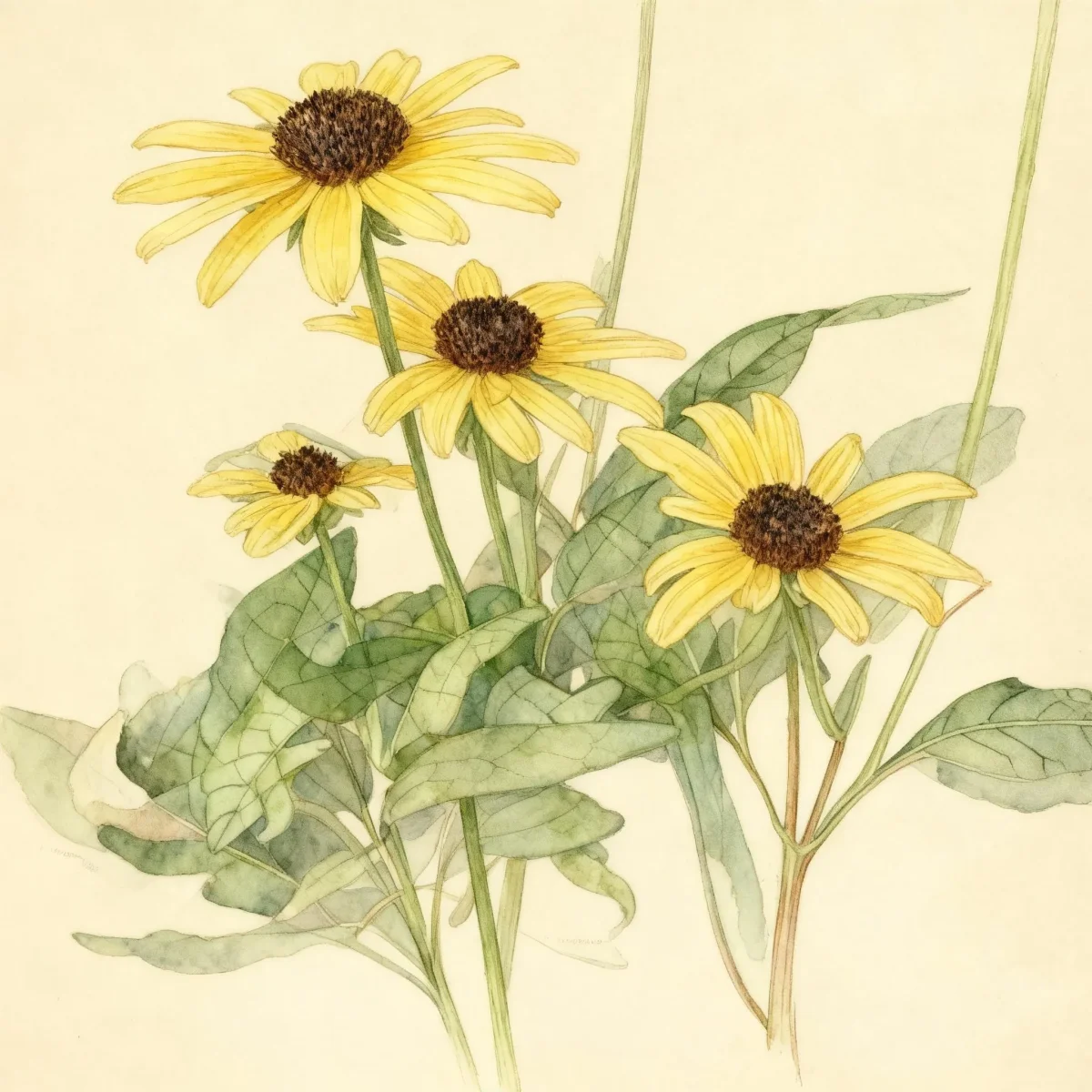
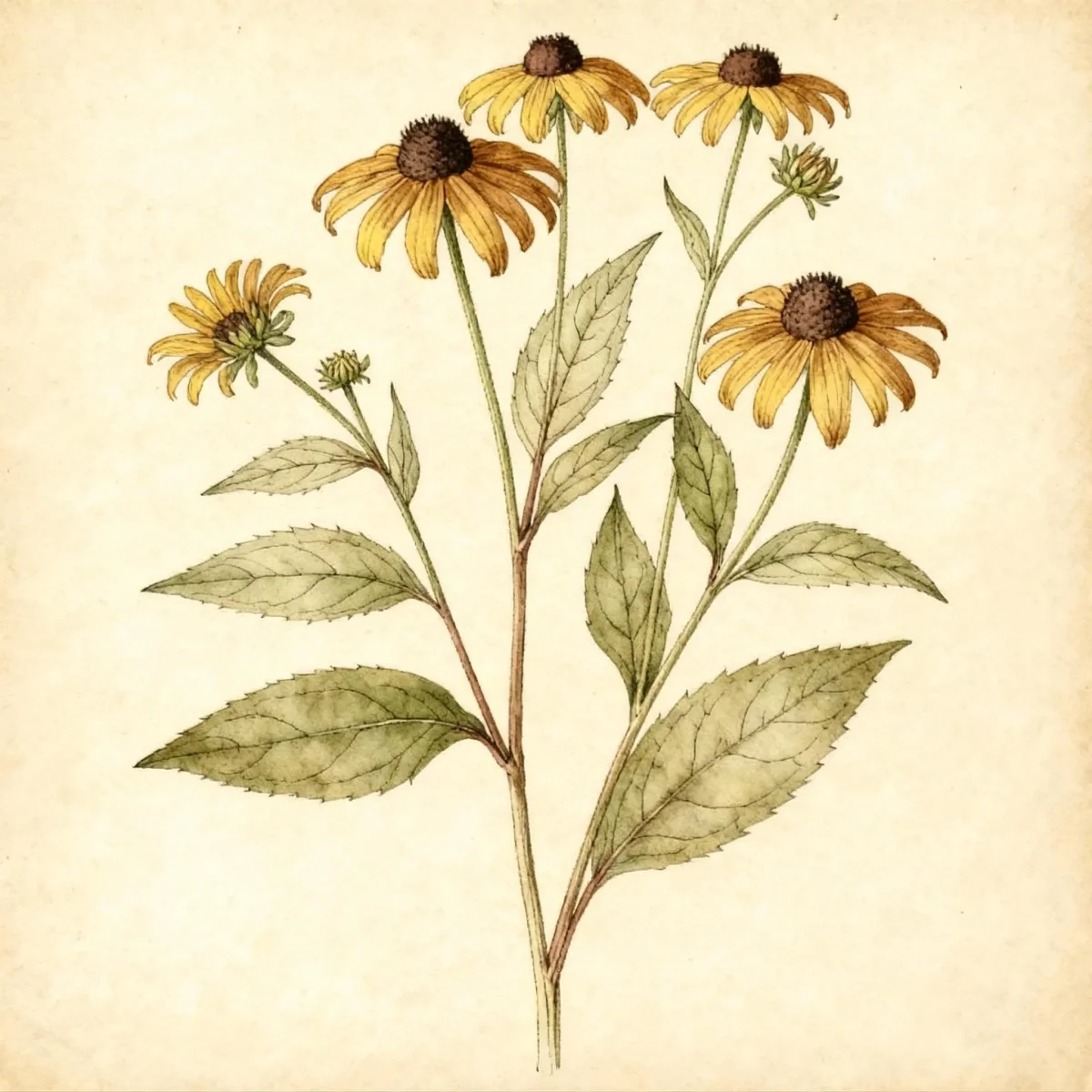
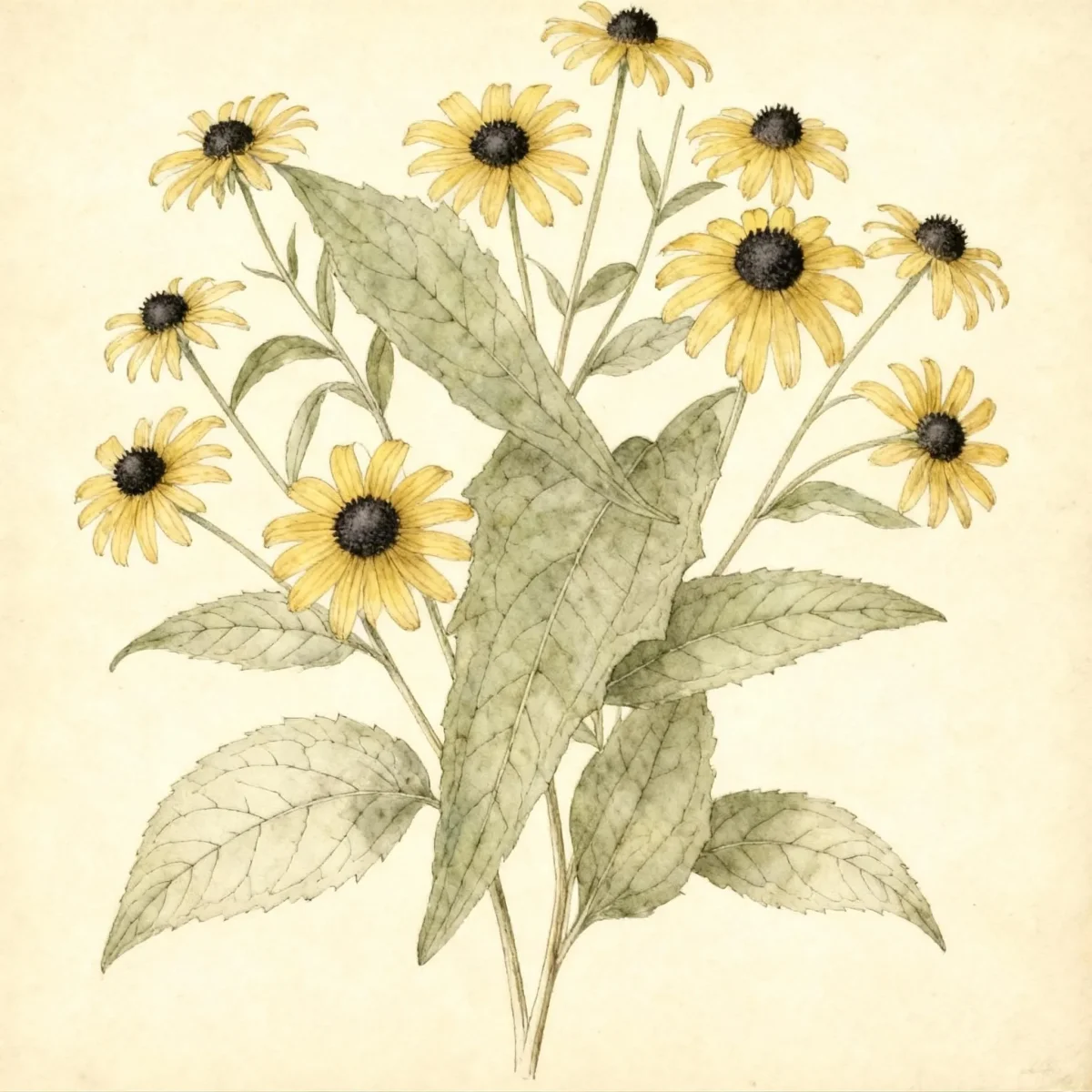
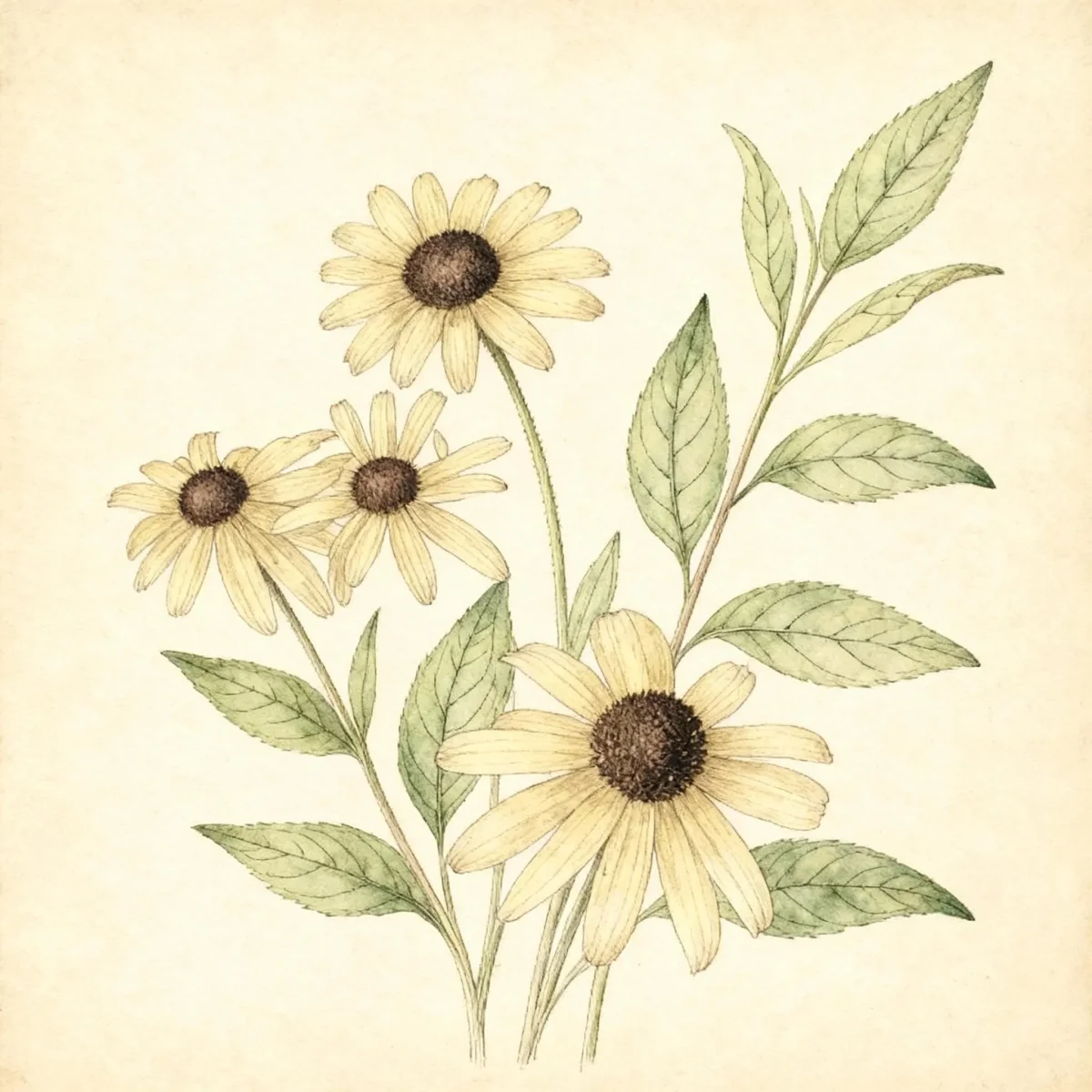
Black-eyed Susan (Rudbeckia fulgida 'Little Goldstar')
Rudbeckia fulgida 'Little Goldstar' offers low-maintenance, showy golden blooms from July to September, perfect for Full sun gardens.
Scroll down to discover growing tips, care requirements, companion plants, and more
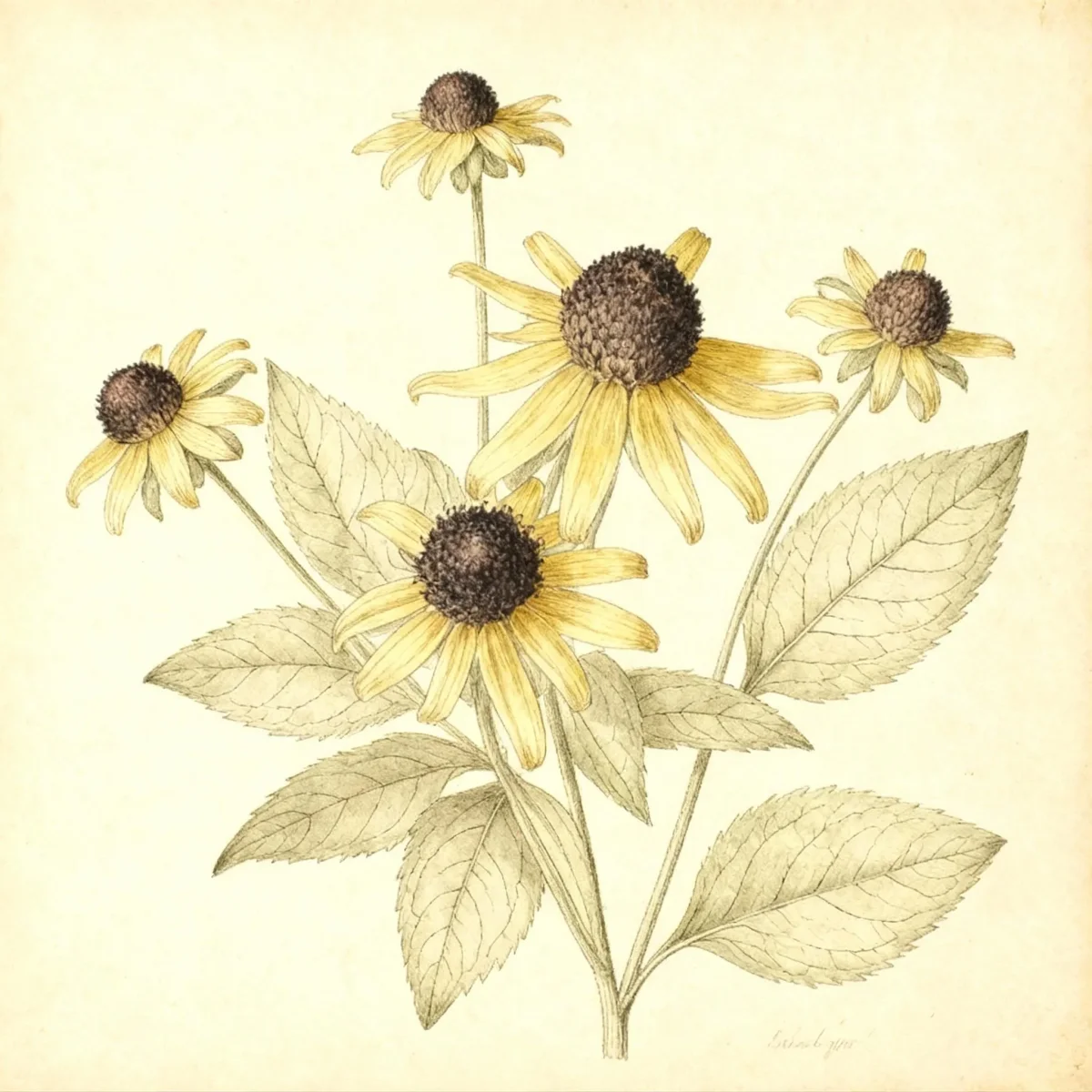
Complete Plant Information
Overview
Rudbeckia fulgida ‘Little Goldstar’ is a highly valued, compact cultivar of the popular Black-eyed Susan, bringing reliable, long-lasting summer color to the landscape. This herbaceous perennial distinguishes itself with dense production of cheerful golden-yellow, daisy-like flowers set against dark, green foliage. Its small stature makes it incredibly versatile, fitting seamlessly into borders where its larger relatives might overwhelm the space.
This variety thrives under relatively easy care, naturally forming neat clumps via rhizomes that maintain a tidy profile throughout the season. It presents significant aesthetic benefits, blooming prolifically from mid-summer well into fall, providing essential color when many spring bloomers are fading. The flowers are particularly attractive to vital pollinators.
For gardeners seeking resilience, Rudbeckia fulgida ‘Little Goldstar’ is an excellent choice as it tolerates poor soil conditions, including clay and drought once established. This robust nature, combined with its low maintenance demands, solidifies its status as a garden workhorse, ensuring bright, dependable color year after year.
Fast Facts
- Plant Family: Asteraceae
- Plant Type: Herbaceous perennial
- Hardiness Zones: USDA Zones 3-9
- Size at Maturity:
- Height: 1-1.25 ft
- Spread: 1-2 ft
- Bloom Time: July to September
- Bloom Description: Golden yellow with dark brown center cone
- Sun Exposure: Full sun
- Water Needs: Dry to medium
- Maintenance Level: Low
How to Grow
The best time to establish Rudbeckia fulgida ‘Little Goldstar’ is during the spring or fall when soil temperatures are moderate. Plant these Black-eyed Susans in a location receiving full sun for the absolute best flower performance, though they can tolerate a slight amount of afternoon shade. They perform well in organically rich, average, or even clay-heavy, well-drained soils.
Once planted, ‘Little Goldstar’ requires minimal supplemental watering, especially after its first year when it develops drought tolerance. While consistent moisture aids overall vigor, avoid overwatering, which can encourage disease. Fertilizing is rarely necessary; healthy plants grown in average garden soil rarely require amendments.
To maintain peak blooming performance and a tidy shape, deadhead spent flowers regularly throughout the summer season. This simple act prompts the plant to produce more flower buds rather than dedicating energy to seed production. In the late fall or early spring, clean up old foliage. The rhizomatous clumping nature means the plant may slowly spread, but it is not aggressively invasive.
Landscape Uses
Rudbeckia fulgida ‘Little Goldstar’ excels when planted in bold drifts, creating masses of vivid color perfect for the perennial border or cottage garden setting. Its compact nature makes it an ideal mid-border plant that won’t shade out shorter neighbors. It is highly recommended for naturalized areas and meadows due to its native lineage and resilience.
Furthermore, this Black-eyed Susan is extremely functional in functional landscapes. It thrives in the conditions often associated with a rain garden, tolerating occasional wet periods while also managing dry spells. Its enduring, cheerful blooms provide excellent late-season structure and appeal to butterflies.
As a good cut flower, incorporating Rudbeckia fulgida ‘Little Goldstar’ into kitchen gardens or cutting patches is worthwhile. Its long vase life and vibrant, classic daisy shape pair wonderfully with ornamental grasses or rich purple companions like Russian Sage for dynamic late-summer displays.
Standout Features
Flower Qualities
- Showy
- Good Cut
Noteworthy Characteristics
Rudbeckia fulgida is a herbaceous perennial native to the eastern United States which occurs in both dry and moist soils in open woods, glades and thickets. An upright, rhizomatous, clump-forming, free-blooming coneflower which typically grows to 3’ tall, often forming colonies in the wild. The cultivar ‘Little Goldstar’ is a compact, floriferous, clump-forming black-eyed Susan that features dark green foliage and 2-2.5” wide, golden yellow blooms from mid-summer to early fall. Genus name honors Olof Rudbeck (1630-1702) Swedish botanist and founder of the Uppsala Botanic Garden in Sweden where Carl Linnaeus was professor of botany.
Tolerances
- Deer
- Drought
- Clay Soil
- Dry Soil
- Air Pollution
Potential Problems
This variety is generally robust, exhibiting no serious insect or disease problems when grown in ideal conditions. However, gardeners should remain vigilant for common issues affecting many Asteraceae family members. Aphids can occasionally colonize new growth, while environmental stress—such as poor air circulation or high humidity—may encourage fungal issues like powdery mildew or downy mildew.
In rare instances, the plant may be affected by aster yellows, which distorts growth and flower color. Proper spacing to ensure good air circulation when planting Rudbeckia fulgida ‘Little Goldstar’ is the best preventative cultural practice. For minor aphid infestations, a strong spray of water is often sufficient treatment.
Frequently Asked Questions
What hardiness zones is Black-eyed Susan suitable for?
Rudbeckia fulgida ‘Little Goldstar’ is a tough perennial suitable for USDA Hardiness Zones 3 through 9, offering wide adaptability across the country.
How large does Rudbeckia fulgida ‘Little Goldstar’ grow?
This Black-eyed Susan reaches a compact height between 1 and 1.25 feet tall, spreading outward to occupy a 1 to 2-foot area.
When does Black-eyed Susan bloom?
This species puts on a spectacular show from July through September, featuring characteristic golden yellow blooms crowned with a dark brown center cone.
What sun exposure does Black-eyed Susan need?
For optimal flowering and a low-maintenance experience, plant Rudbeckia fulgida ‘Little Goldstar’ in full sun.
Conclusion
The resilience and brilliant, long-lasting color provided by Rudbeckia fulgida ‘Little Goldstar’ make it an indispensable element in any sunny border or naturalized area. This compact Black-eyed Susan successfully combines beauty with exceptional low-maintenance gardening needs. Before planting, confirm that your local USDA hardiness zone falls between 3 and 9 to ensure years of reliable golden performance.
Wildlife Benefits
The vivid, daisy-like flowers of the Black-eyed Susan are magnets for local insect life. The prominent central cone is rich in nectar and pollen, drawing in numerous species of butterflies throughout the late summer and early fall season, providing a critical late-season food source.
Beyond pollinators, the dried seed heads left standing through winter offer valuable sustenance for small birds. Allowing the structure of Rudbeckia fulgida ‘Little Goldstar’ to remain standing past the first frost contributes habitat and food well into the colder months, supporting local fauna.
Companion Planting
Given its preference for full sun and tolerance for dry to medium soils, this Rudbeckia pairs beautifully with other drought-tolerant prairie natives. Consider planting alongside ornamental grasses such as Little Bluestem (Schizachyrium scoparium) to add texture and movement that contrasts with the stiffness of the coneflower.
For color contrast, aim for companions that bloom concurrently but feature cooler tones, such as the deep purples of Russian Sage (Perovskia atriplicifolia) or various Sedum cultivars. These combinations leverage shared cultural needs while creating visually exciting late-summer perennial beds.