Zabelia (Zabelia tyaihyonii)
Zabelia tyaihyonii is a low-maintenance, fragrant deciduous shrub offering pinkish-white blooms from May to June in zones 5-9.
Scroll down to discover growing tips, care requirements, companion plants, and more
Complete Plant Information
Overview
The Zabelia, scientifically known as Zabelia tyaihyonii, is a highly valuable addition to temperate gardens, prized for its early-season fragrance and excellent hardiness compared to many related abelias. This deciduous shrub forms a rounded, multi-stemmed silhouette, offering visual interest even outside the blooming period. Gardeners appreciate the fragrant, pinkish-white flowers that appear consistently from May into June.
Native to North and South Korea, this particular species of Zabelia exhibits notable resilience, often tolerating colder conditions (down to USDA Zone 4) than expected for this group of plants. Beyond its aesthetic appeal, Zabelia tyaihyonii features glossy green foliage that develops attractive orange-red tones in the fall, providing multi-season structure.
Functionally, the Zabelia serves well as a specimen plant or incorporated into relaxed borders and low hedges. Its low maintenance requirements and resistance to major pest issues make it an easy choice for gardeners seeking dependable beauty with minimal fuss.
Fast Facts
- Plant Family: Caprifoliaceae
- Plant Type: Deciduous shrub
- Native Range: North and South Korea
- Hardiness Zones: USDA Zones 5-9
- Size at Maturity:
- Height: 4-6 ft
- Spread: 4-6 ft
- Bloom Time: May to June
- Bloom Description: Pinkish-white
- Sun Exposure: Full sun to part shade
- Water Needs: Medium
- Maintenance Level: Low
How to Grow
Planting your Zabelia tyaihyonii is best achieved in the spring or fall, allowing the root system time to establish before periods of extreme heat or cold. Ensure the location provides full sun to light part shade, as this supports the best flowering performance. This shrub thrives in average, moist, acidic, well-drained soils. Good drainage is paramount for the long-term health of the Zabelia.
Once established, Zabelia tyaihyonii requires medium water, benefiting from consistent moisture but tolerating slight dryness better than overly saturated conditions. Fertilization is usually unnecessary if the soil is reasonably fertile, but a light, balanced feed in early spring can support robust growth. These plants are noted for their low maintenance profile.
Pruning should be approached carefully. Since this deciduous abelia blooms on old wood, the optimal time to shape or reduce size is immediately after the spring bloom finishes in early summer. Avoid heavy pruning in late summer or fall, as removing the previous season’s growth will eliminate the next year’s flowers. While Zone 5 hardy, note that in the hottest, most humid parts of Zones 7-9, performance may decline.
Landscape Uses
The versatility of the Zabelia makes it adaptable for numerous landscape applications. As an excellent choice for foundation plantings, it provides a reliable, medium-height green presence near structures. Its naturally rounded, multi-stemmed habit is ideal when used as a soft-edged formal hedge or a low screen where taller privacy barriers are unwelcome.
For a more integrated garden bed, consider using Zabelia tyaihyonii as an informal border accent. Its spring fragrance also makes it an exceptional specimen plant placed near entryways, patios, or seating areas where its perfume can be easily enjoyed. Pair this shrub with late-season bloomers or plants that offer contrasting foliage textures to extend visual interest beyond its own May-to-June flowering period.
Standout Features
Flower Qualities
- Showy
- Fragrant
Noteworthy Characteristics
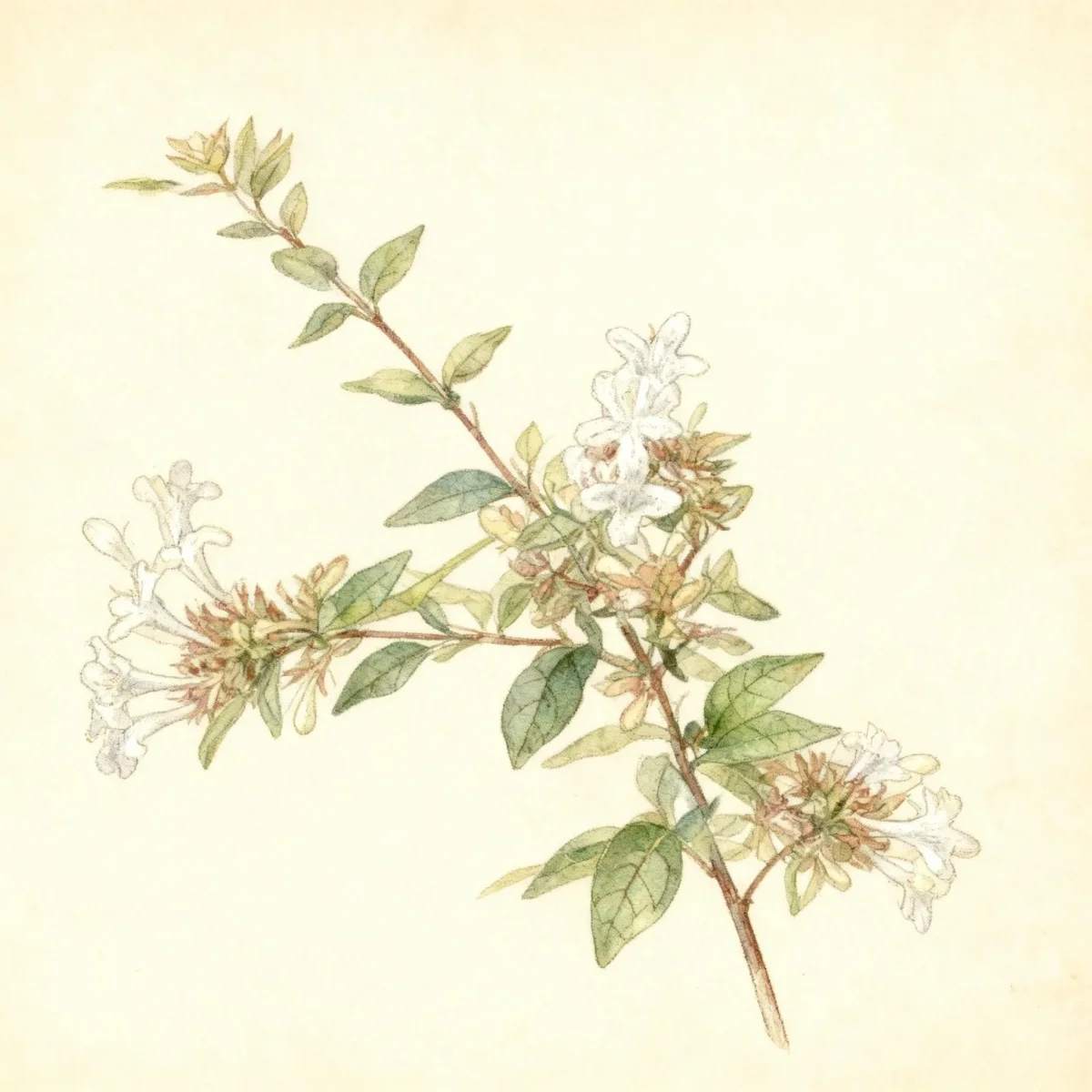
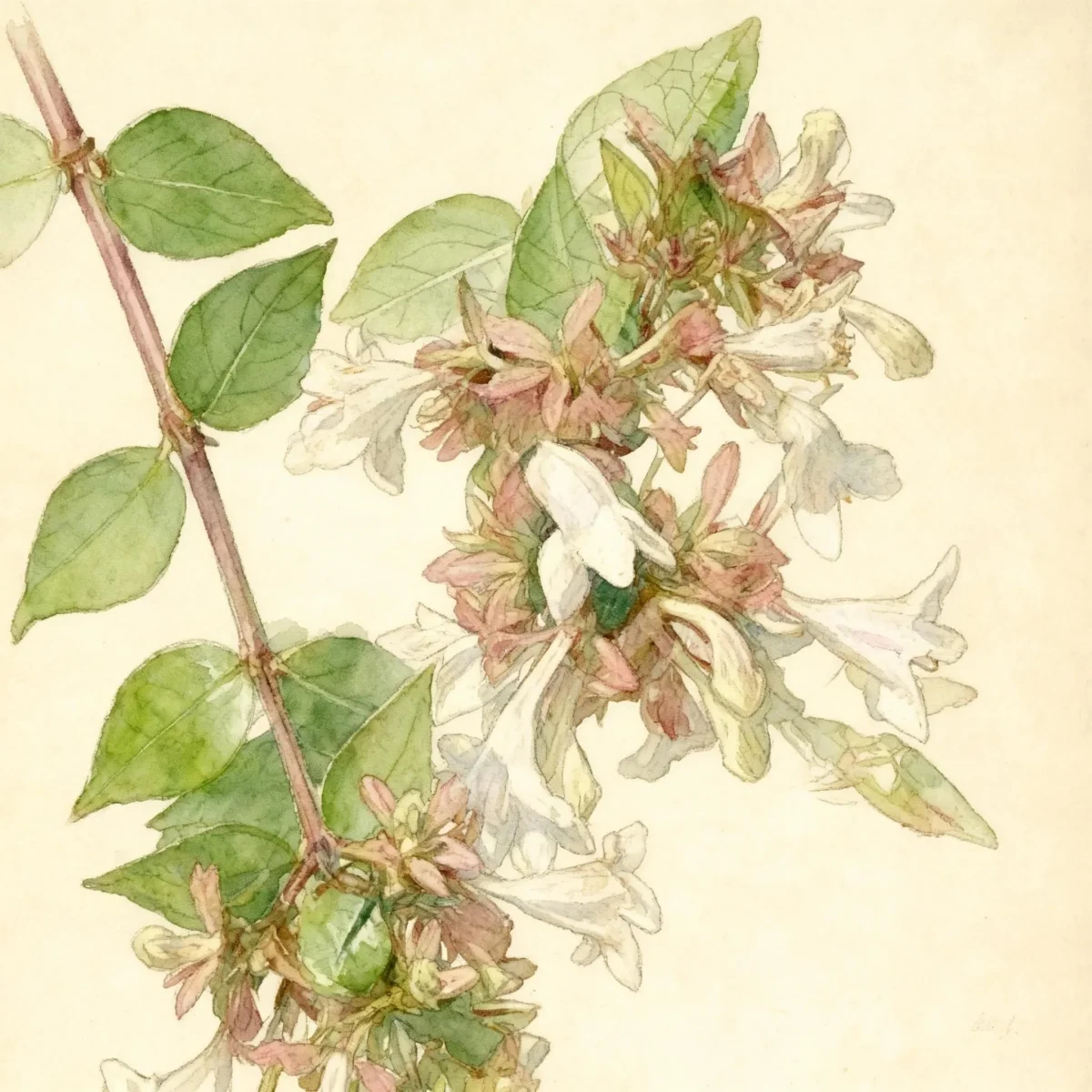
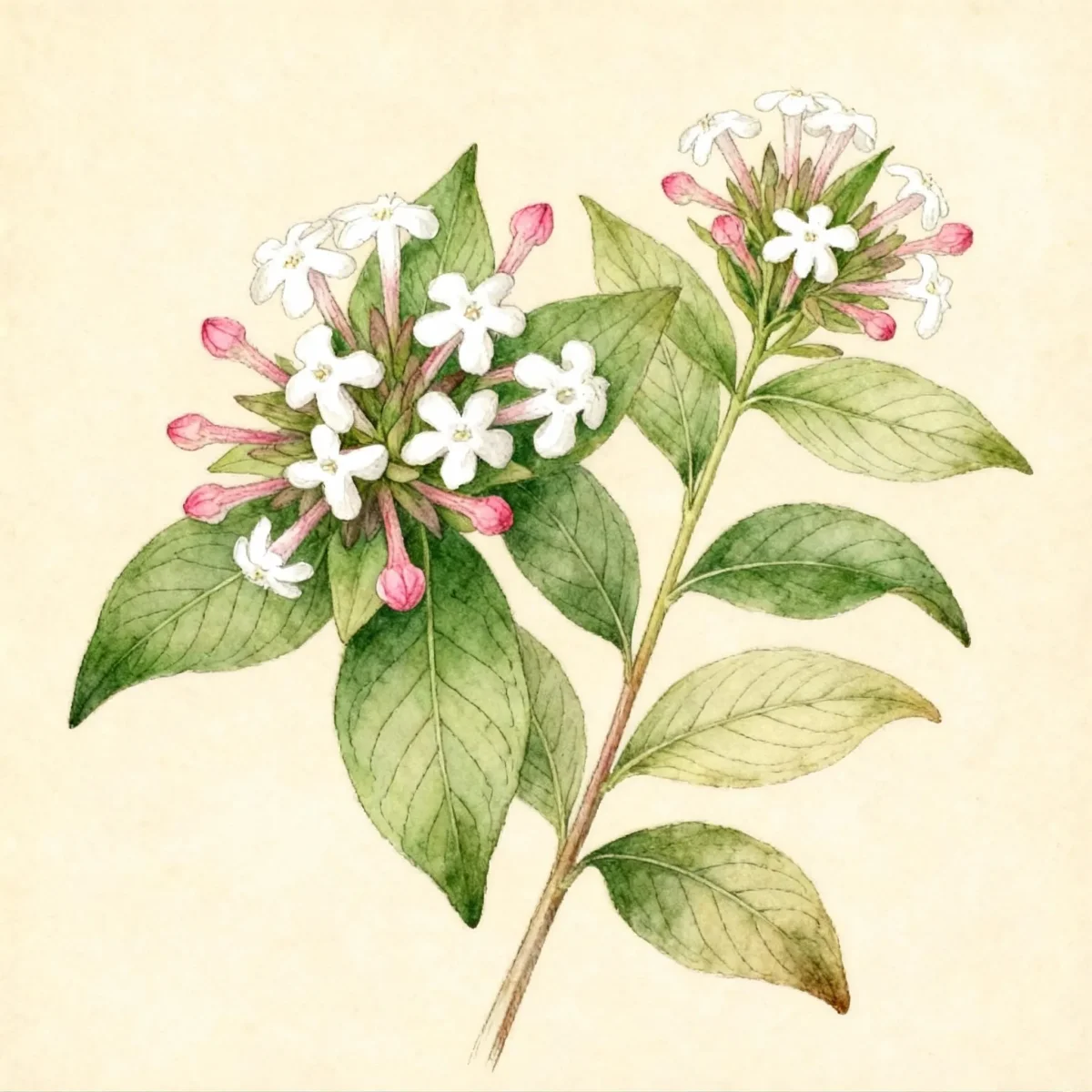
Zabelia tyaihyonii, commonly known as fragrant abelia or Korean abelia, is a rounded, multi-stemmed, deciduous shrub with loose upright-arching stems that typically grows to 4-6’ tall and as wide. Pink buds open to extremely fragrant, tubular, pinkish-white flowers which bloom in spring, making them attractive to butterflies. The species enjoys glossy green foliage that transforms to orange-red hues in the fall, and it is notably synonymous with Abelia mosanensis.
Tolerances
- Deer tend to avoid this plant
Potential Problems
Growers will be relieved to know that Zabelia tyaihyonii generally faces no serious insect or disease problems in cultivation. This robust nature significantly contributes to its low maintenance rating. Deer browsing is also not a concern, allowing for safer placement in landscapes where wildlife pressure is present. If you notice issues, ensure the plant has adequate drainage, as overly wet feet are the most common cause of abiotic stress.
Frequently Asked Questions
What hardiness zones is Zabelia tyaihyonii suitable for?
This versatile shrub is proven hardy across USDA Zones 5 through 9, offering a wide range of planting possibilities across various climates.
How large does Zabelia grow?
When mature, the Zabelia typically reaches a height between 4 and 6 feet, spreading to a similar width of 4 to 6 feet, forming a dense, rounded shape.
When does Zabelia bloom?
The fragrant display of Zabelia occurs during the late spring and early summer months, specifically from May to June, producing lovely pinkish-white flowers.
What sun exposure does Zabelia need?
For optimal performance, Zabelia tyaihyonii prefers full sun but will also tolerate partial shade conditions quite well.
Conclusion
Zabelia tyaihyonii presents a fantastic low-effort gardening option, delivering reliable spring fragrance, attractive foliage color, and superior cold tolerance compared to similar shrubs. Its low maintenance profile and pleasing structure make it a standout choice for borders and hedges alike. Before planting, confirm that your site falls within USDA Zones 5-9 and plan your pruning schedule immediately following the May-June bloom time.
Companion Planting
When integrating Zabelia into your landscape design, select companions that share similar needs for medium moisture and acidic, well-drained soil. Consider planting structural evergreens nearby, such as dwarf Boxwood (Buxus) cultivars, which provide a dark green contrast to the Zabelia’s lighter spring/summer foliage and help anchor the winter view.
For seasonal color that overlaps or follows the May to June bloom, consider late-blooming Hydrangeas or Rhododendrons if your soil is sufficiently acidic. These offer varying forms and textures that complement the loose, multi-stemmed habit of Zabelia tyaihyonii without competing aggressively for resources.
Design Ideas
Utilize this Zabelia species near paths or walkways where its extremely fragrant spring flowers can be fully appreciated during daily passage. Its 4-6 foot mature height makes it perfect for the middle layer of a layered border, sitting comfortably in front of taller screening trees yet providing enough height to anchor low groundcovers.
For modern or minimalist designs, use several Zabelia shrubs planted in an informal, repeating rhythm. Because they perform well as a low hedge, this repetition creates a soft, undulating line that is less formal and stiff than traditional evergreen hedging, aligning perfectly with its natural, upright-arching growth habit.