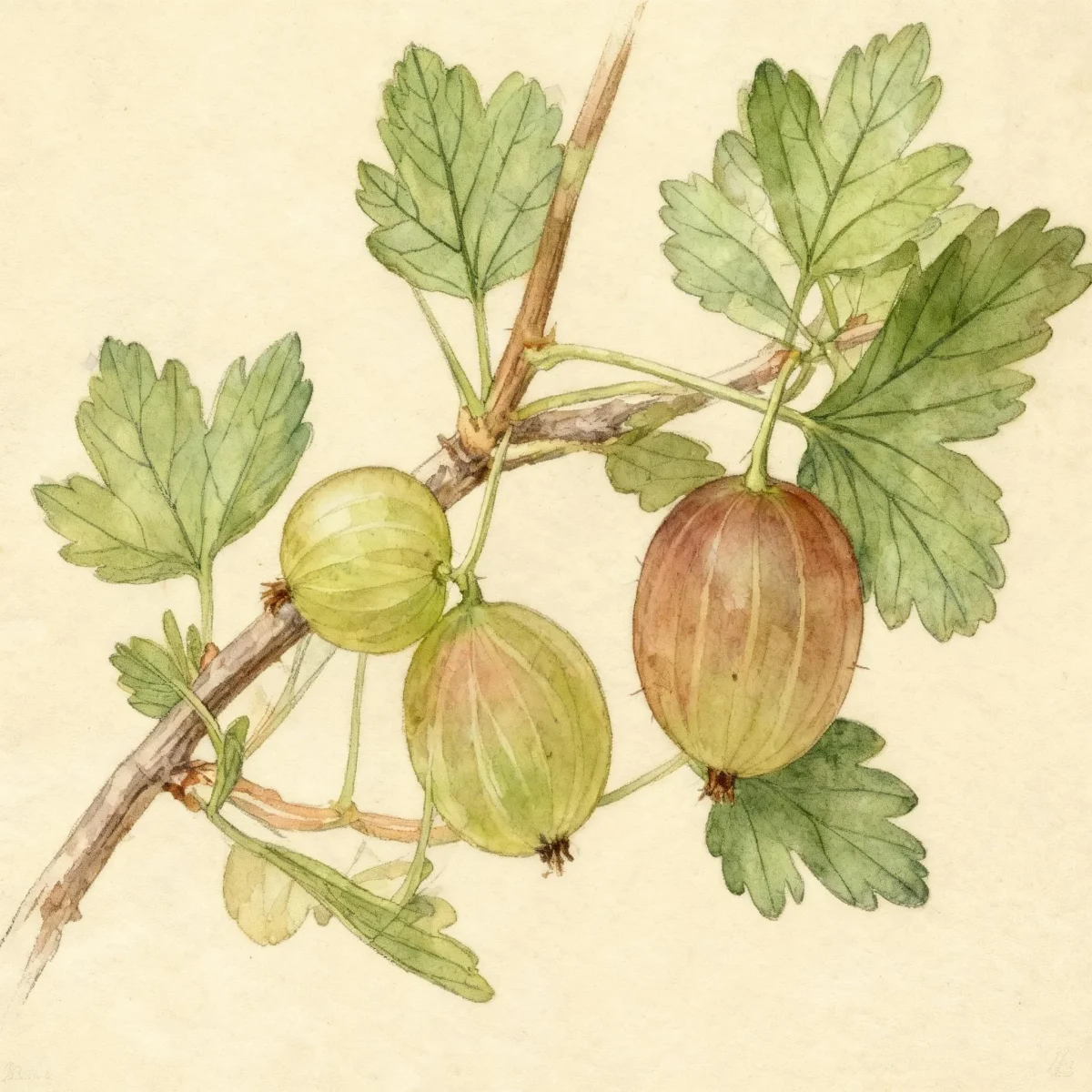
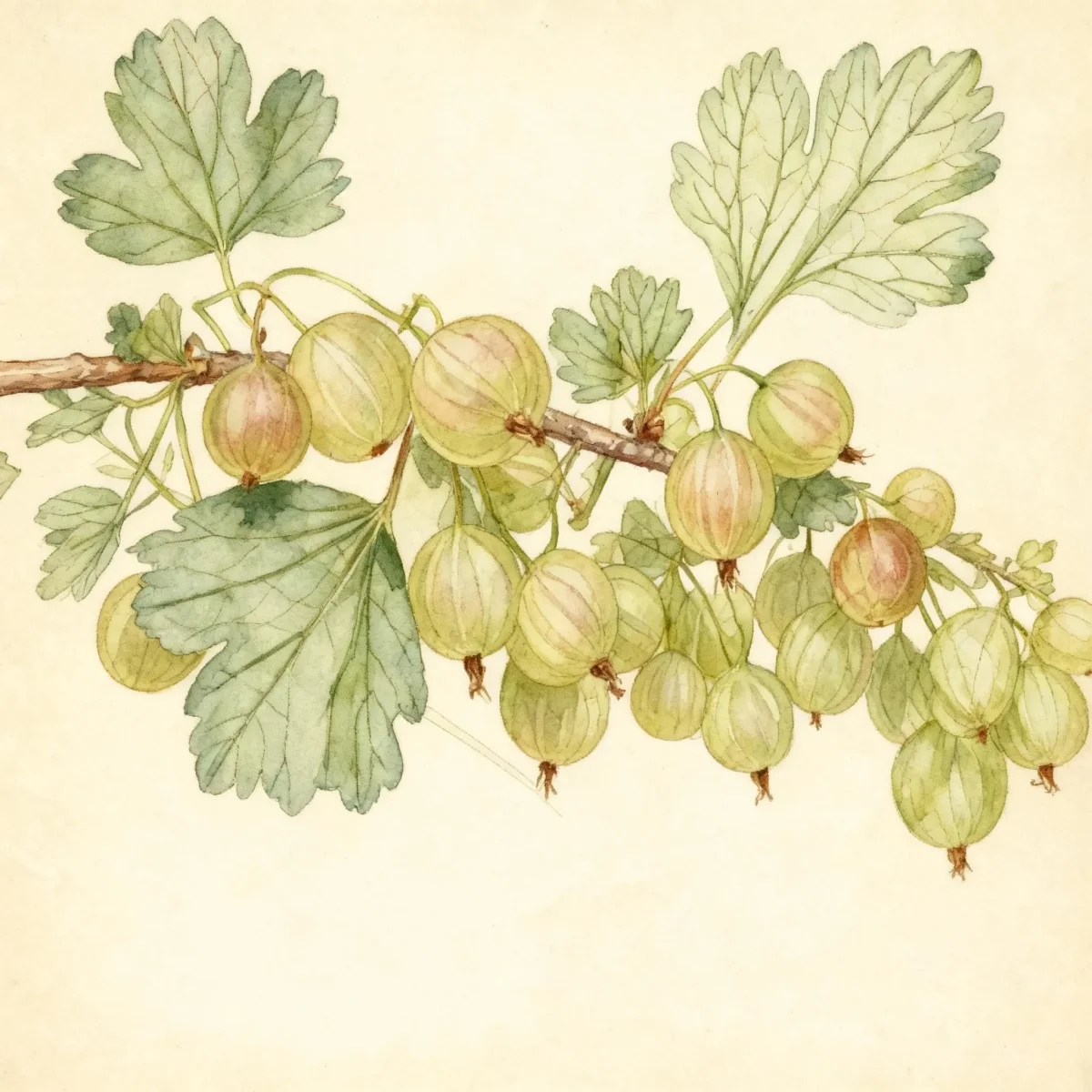
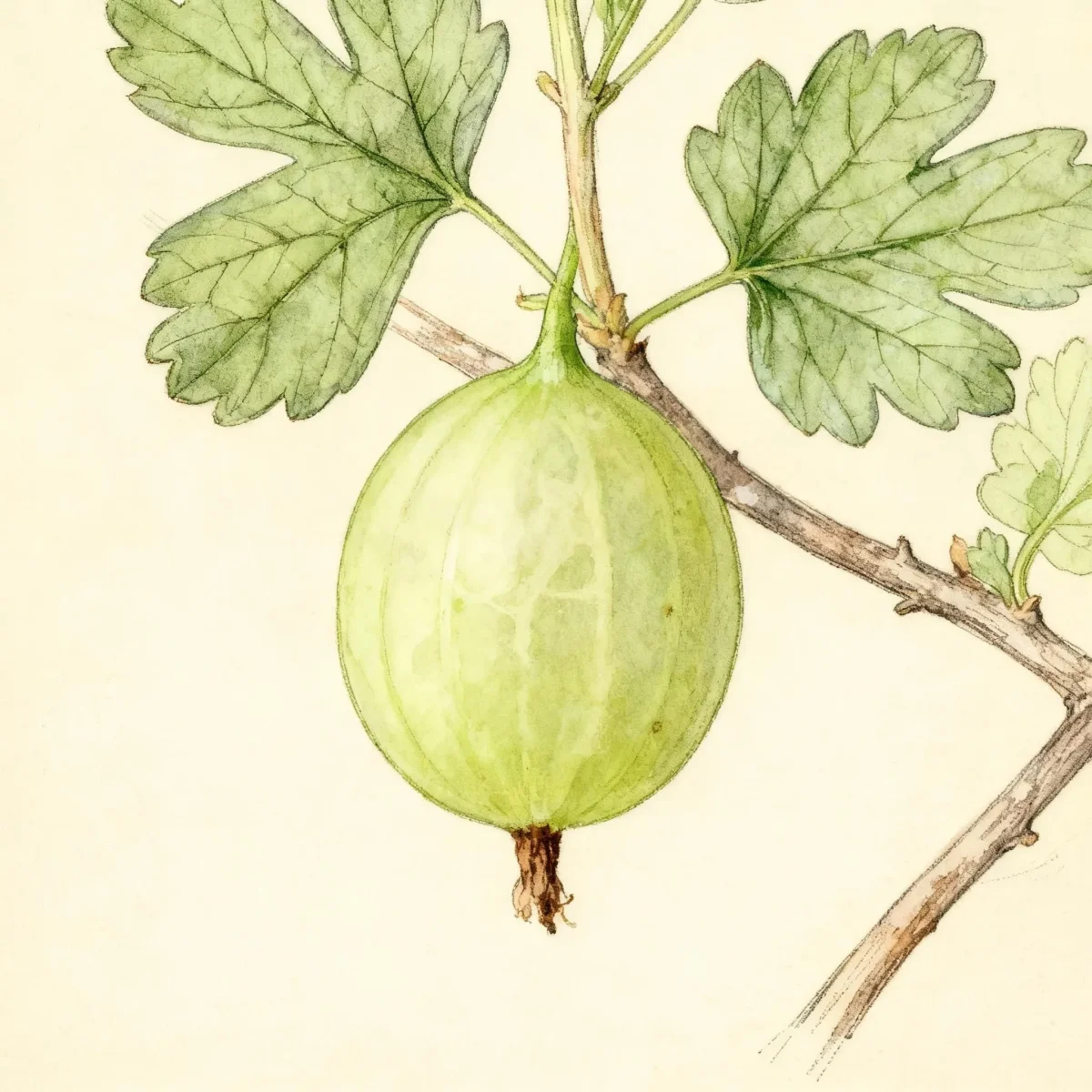
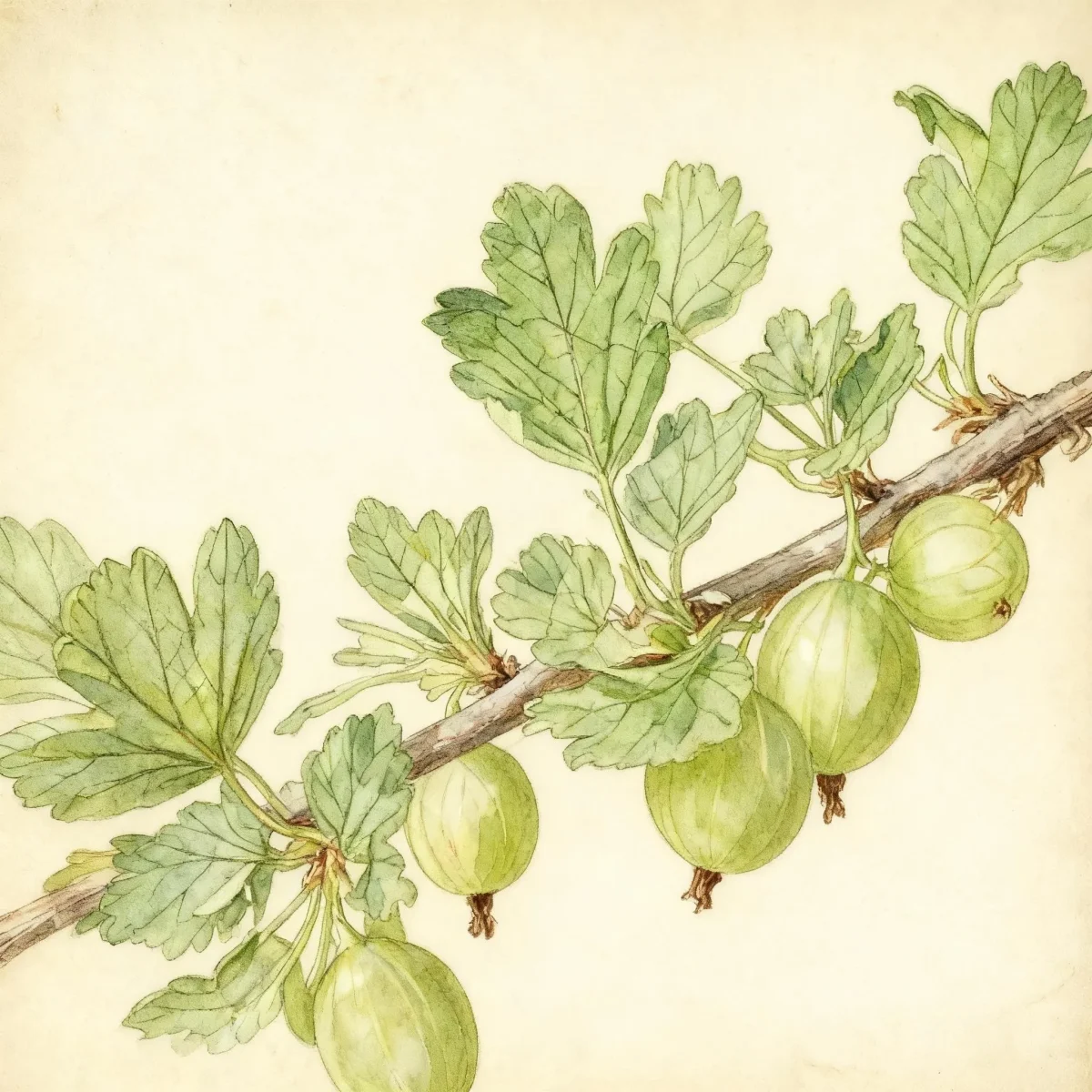
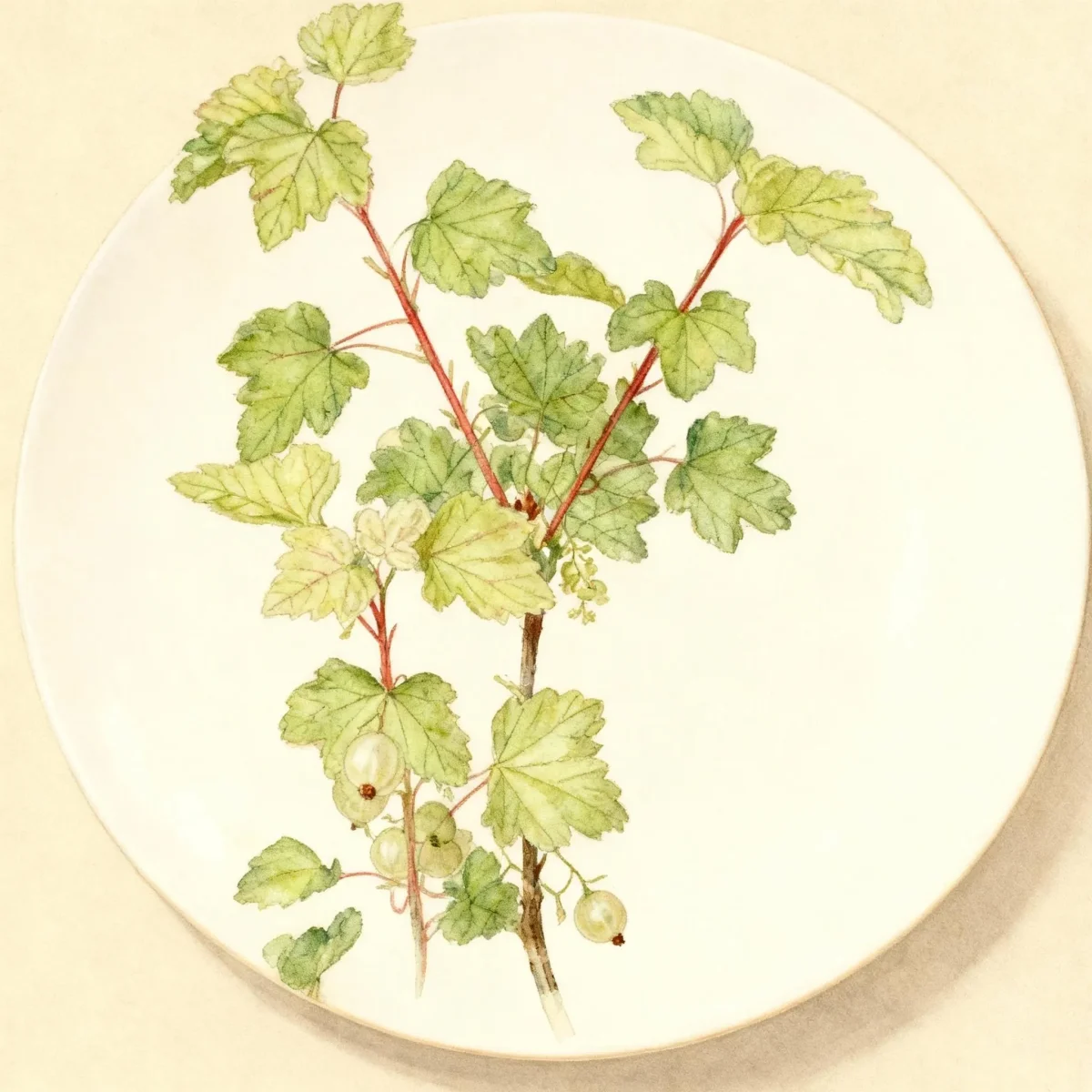
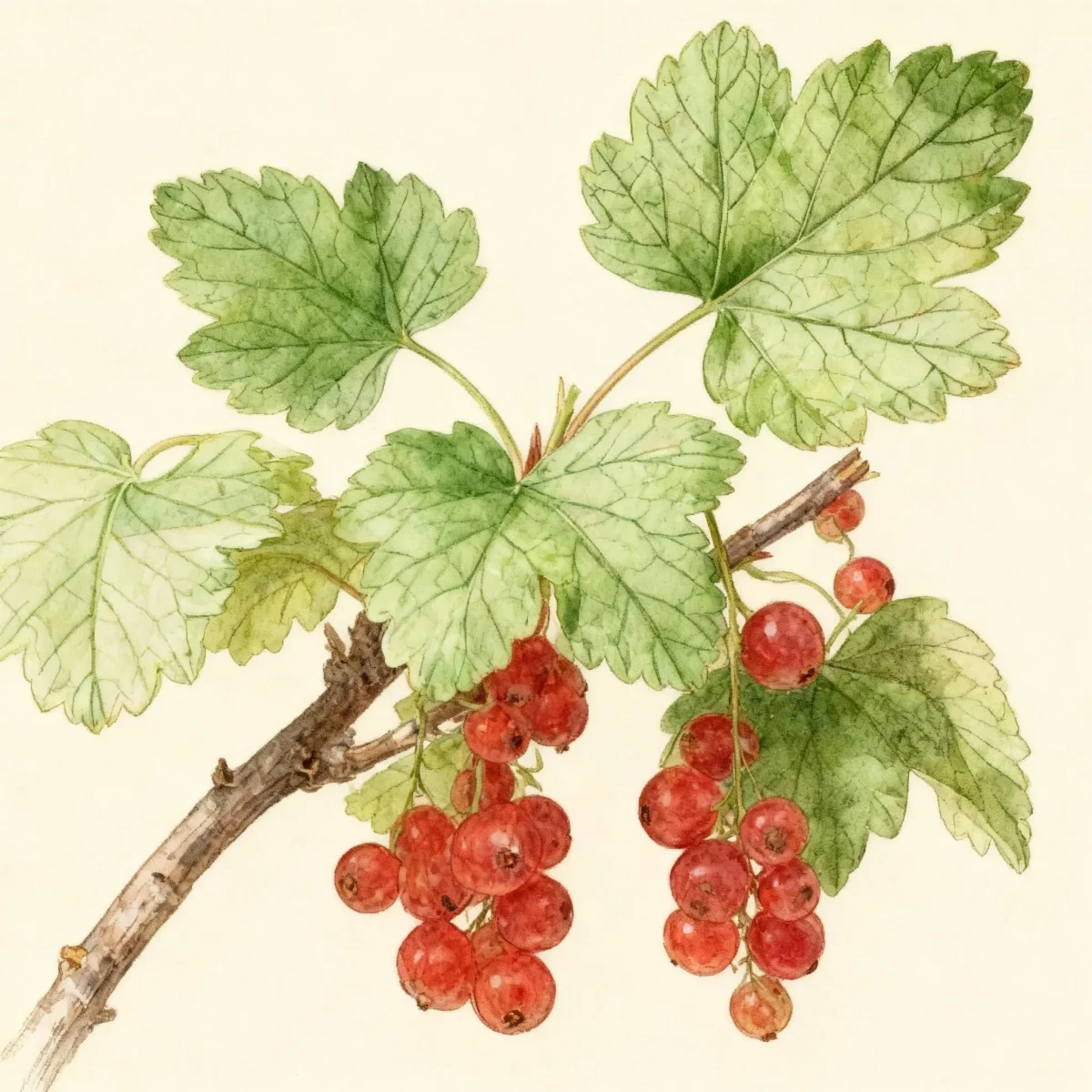
Jostaberry (Ribes × nidigrolaria)
The thornless Jostaberry (Ribes × nidigrolaria) is a vigorous hybrid offering edible, tart fruit with excellent disease resistance. Grow in Zones 3-8.
Scroll down to discover growing tips, care requirements, companion plants, and more
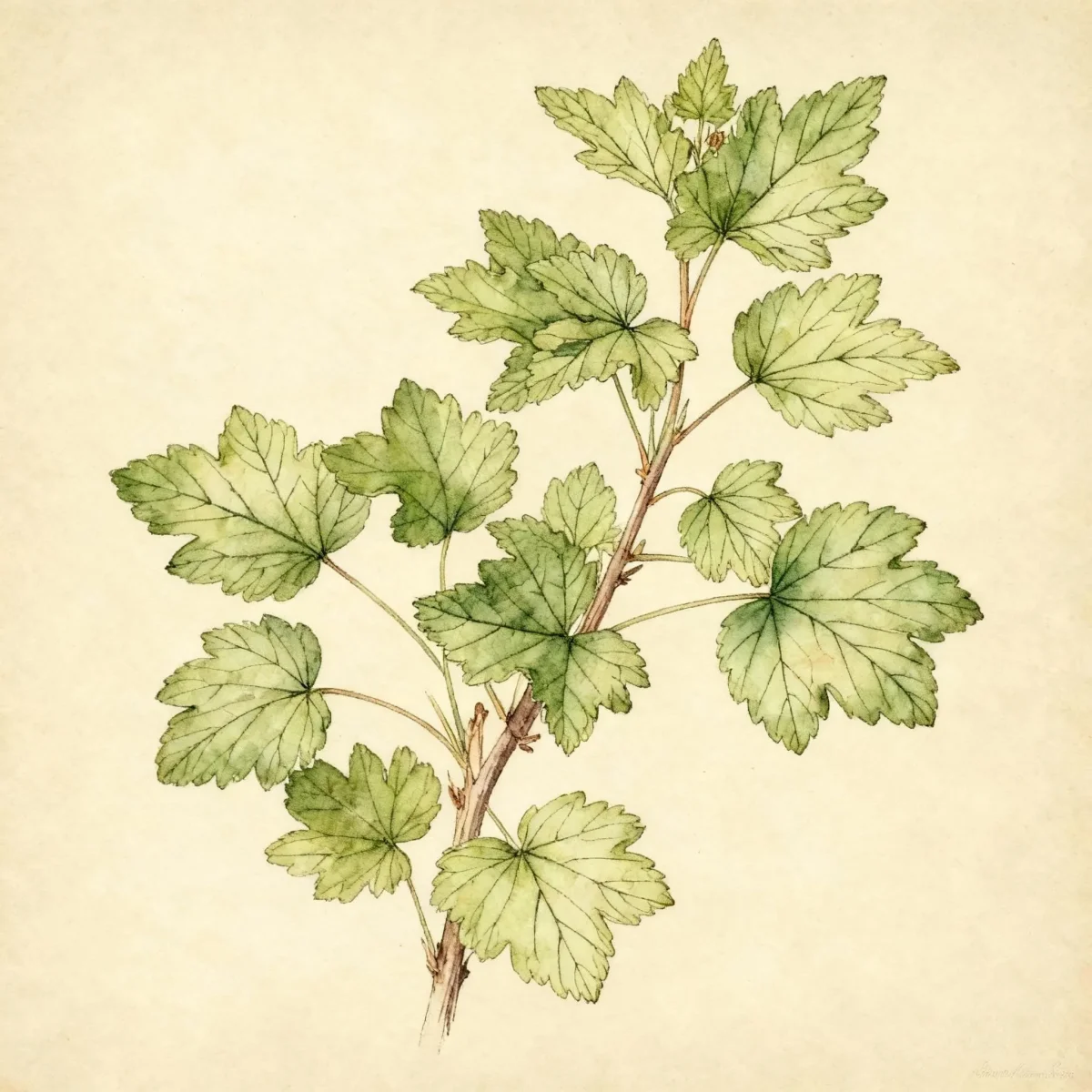
Complete Plant Information
Overview
The Jostaberry, scientifically known as Ribes × nidigrolaria, is a highly valued hybrid shrub prized for its robust nature and delicious yield. This fruit combines the best traits from its currant and gooseberry parents, resulting in a vigorous plant perfect for fruit production in diverse climates. Gardeners appreciate Ribes × nidigrolaria for its notable lack of thorns, making harvesting significantly easier than traditional gooseberries.
Developed in Germany, this deciduous fruit producer reaches a manageable size, typically 5 to 6 feet tall and wide. It adapts well to various conditions, though optimal fruiting occurs when it receives full sun, especially in cooler summer regions. Its attractive spring blossoms give way to edible berries that mature in mid-summer, providing a sweet yet distinctly tart flavor profile.
The Jostaberry offers practical benefits far beyond aesthetics; it boasts significant genetic resistance to common diseases like powdery mildew and white pine blister rust. For those seeking a reliable, lower-maintenance berry crop that incorporates traits from both currants and gooseberries, Ribes × nidigrolaria is an excellent choice for the home garden.
Fast Facts
- Plant Family: Grossulariaceae
- Plant Type: Fruit
- Native Range: Garden origin
- Hardiness Zones: USDA Zones 3-8
- Size at Maturity:
- Height: 5-6 ft
- Spread: 5-6 ft
- Bloom Time: April to May
- Bloom Description: Maroon-pink and creamy white
- Sun Exposure: Full sun to part shade
- Water Needs: Medium
- Maintenance Level: Medium
How to Grow
Plant the Jostaberry during the dormant season, either in fall or early spring, ensuring it establishes roots before summer heat or deep winter freezes arrive. The ideal location provides full sun for the best fruit set, though it tolerates partial shade, especially where summers are intensely hot. Ribes × nidigrolaria thrives best in rich, evenly moist, well-draining, sandy loam soils.
Maintain consistent moisture levels, classifying its water needs as medium. Apply a layer of organic mulch thickly around the base in spring; this is crucial for keeping the shallow roots shaded and cool throughout the summer months. While this hybrid is self-fertile, achieving maximum productivity is best managed by planting two or more individual shrubs near each other to encourage better cross-pollination.
Pruning should be performed annually while the shrub is dormant, removing any crossing or dead branches to maintain an open structure that promotes air circulation. This improves vigor and management of the disease-resistant Ribes × nidigrolaria. Where summers are harsh, ensure afternoon shade protection is available to prevent leaf scorch and stress.
Landscape Uses
The robust, multi-stemmed habit of the Jostaberry makes it versatile in landscape design. While its primary role is often in the dedicated fruit or vegetable garden, it functions excellently grown as an informal hedge, providing a functional, edible screen that requires minimal fuss once established. It can also serve as a sturdy specimen shrub, showcasing its unique foliage and spring blooms.
Because of its exceptional disease resistance compared to its parent stocks, you can plant the Jostaberry with confidence nearby other sensitive fruit crops without undue worry about cross-contamination of common fungal issues. Its 5–6-foot mature size fits well into mixed borders, providing textural contrast against woody perennials or ornamental grasses.
The harvested fruit, which offers a unique sweet-tart flavor, is highly adaptable. Beyond simply eating fresh berries right off the branch, they are superb for baking—think pies, crumbles, and muffins—or processing into jams, chutneys, rich liqueurs, or clarifying into juice.
Standout Features
Flower Qualities
- Showy
Fruit Qualities
- Showy
- Edible
Noteworthy Characteristics
Ribes × nidigrolaria, commonly called jostaberry, is a hybrid, deciduous, fruiting shrub resulting from a complex cross between two hybrid Ribes: a powdery mildew resistant selection of R. Divaricatum (spreading gooseberry or coastal black gooseberry) × R. Nigrum (black current), and the white pine blister rust resistant R. Uva-crispa (European gooseberry) × R. Nigrum. This hybrid was developed by Dr. Rudolf Bauer in Cologne, Germany and introduced in the 1970s. Mature plants will reach around 6’ tall with a similar width and take on a broadly spreading, multi-stemmed, vigorous growth habit, noted for having thornless stems.
Tolerances
- Resistant to black currant leaf spot
- Resistant to white pine blister rust
- Resistant to powdery mildew
- Resistant to black current gall mites
Potential Problems
The Jostaberry offers significantly improved pest and disease resistance compared to the species it was derived from, handling black currant leaf spot, powdery mildew, and black currant gall mites well. However, the history related to white pine blister rust resistance warrants caution. Although Ribes × nidigrolaria is generally not considered a host for the rust, some regions maintain strict bans on the planting of all Ribes species.
It is crucial to contact your local Extension Service to verify if Ribes plants, including the Jostaberry, are permitted in your specific area, particularly if you live near large white pine stands in the eastern US. Regardless of rust restrictions, garden crops, including these excellent berries, usually require protection from birds using fine netting or suitable enclosures before harvest time.
Frequently Asked Questions
What hardiness zones is Jostaberry suitable for?
The Jostaberry (Ribes × nidigrolaria) is remarkably hardy, thriving across USDA Zones 3 through 8.
How large does Jostaberry grow?
Mature Ribes × nidigrolaria typically develops a vigorous habit, reaching heights and spreads between 5 and 6 feet wide.
What sun exposure does Jostaberry need?
For the best fruiting performance, plant the Jostaberry where it will receive full sun, though it tolerates partial shade, especially in warmer climates.
When does Jostaberry bloom?
This shrub produces clusters of maroon-pink and creamy white bi-color flowers from April through May.
Conclusion
The Jostaberry (Ribes × nidigrolaria) provides gardeners with a rare combination of high productivity, delicious fruit, and exceptional thornless convenience. Its inherent resistance to several common Ribes diseases makes it a dependable investment for home fruit production. Before planting this robust hybrid, ensure you confirm local regulations regarding Ribes cultivation, and then plan to plant in rich, moist soil during the cool season for the best harvest next summer.
Companion Planting
When planning your fruit garden layout near the Jostaberry, consider pairing it with plants that share similar soil moisture and sun requirements. Asparagus often appreciates the partial shade protection offered by taller shrubs in the hottest part of the day, which Ribes × nidigrolaria can provide later in the season. Blueberries, which also prefer acidic, well-drained soils, are excellent neighbors, provided you manage the soil pH appropriately for both.
For pest management synergy, consider planting strongly aromatic herbs like rosemary or chives nearby. While the Jostaberry is highly resistant, companion planting herbs can help deter opportunistic minor pests. Avoid planting potatoes or tomatoes close by, as they may compete heavily for nutrients or attract similar pests in certain regional growing conditions.
Design Ideas
Utilize the upright, spreading form of the Jostaberry to create effective, living screen borders within the edible landscape. Because it matures to a consistent 5–6 feet, a row of Ribes × nidigrolaria provides excellent backdrop screening for shorter vegetables or annual herbs. For a cottage garden aesthetic, intersperse the shrubs among flowering perennials like peonies or irises, allowing their dense foliage to hide the slightly less ornamental summer foliage between fruit harvests.
If space is limited, the vigor of this hybrid allows for container culture, though you must select a very large pot (at least 15-20 gallons) to accommodate its extensive root system potential. Ensure containers are placed where they receive adequate afternoon sun and are sheltered from drying winds, facilitating easier watering during the active growth period.