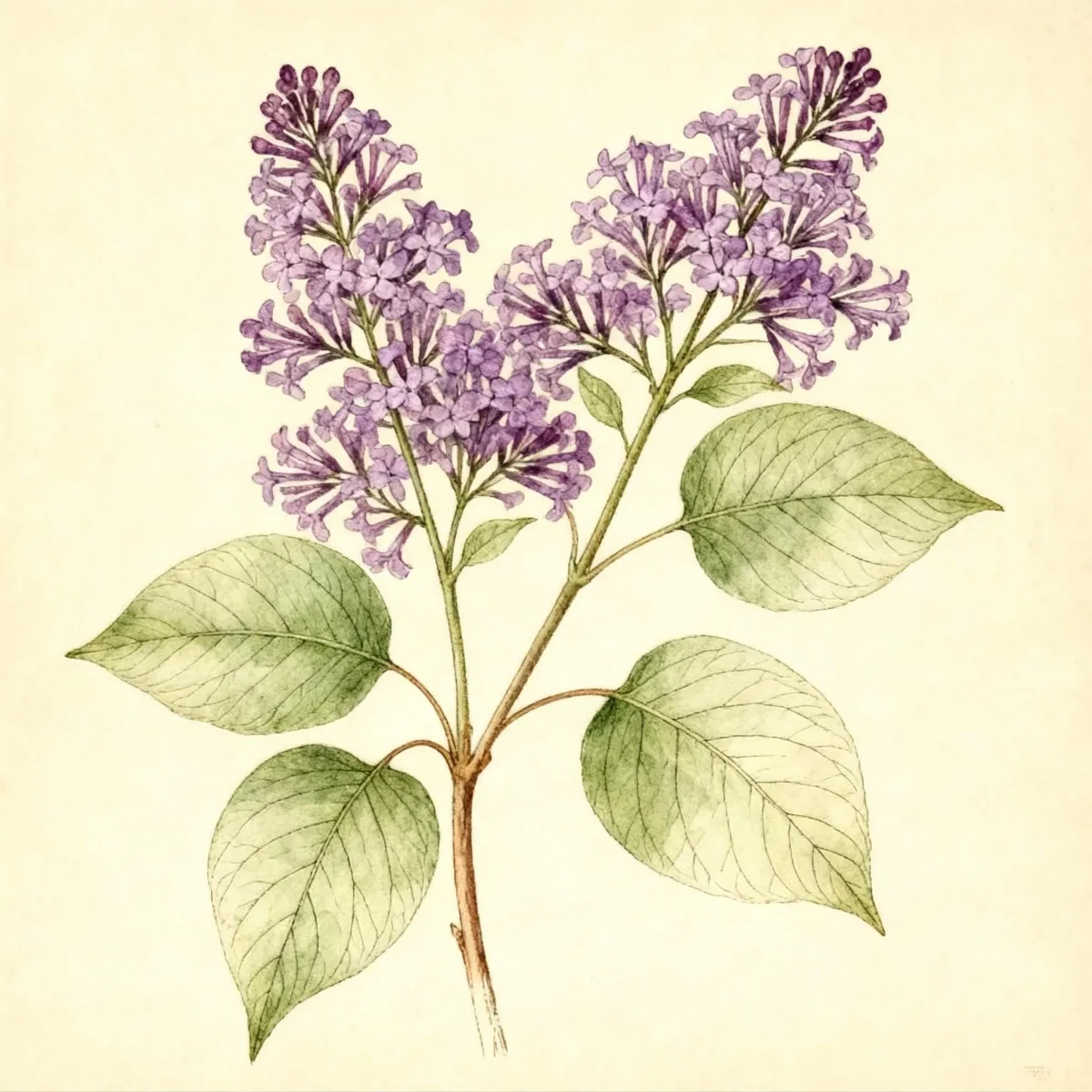
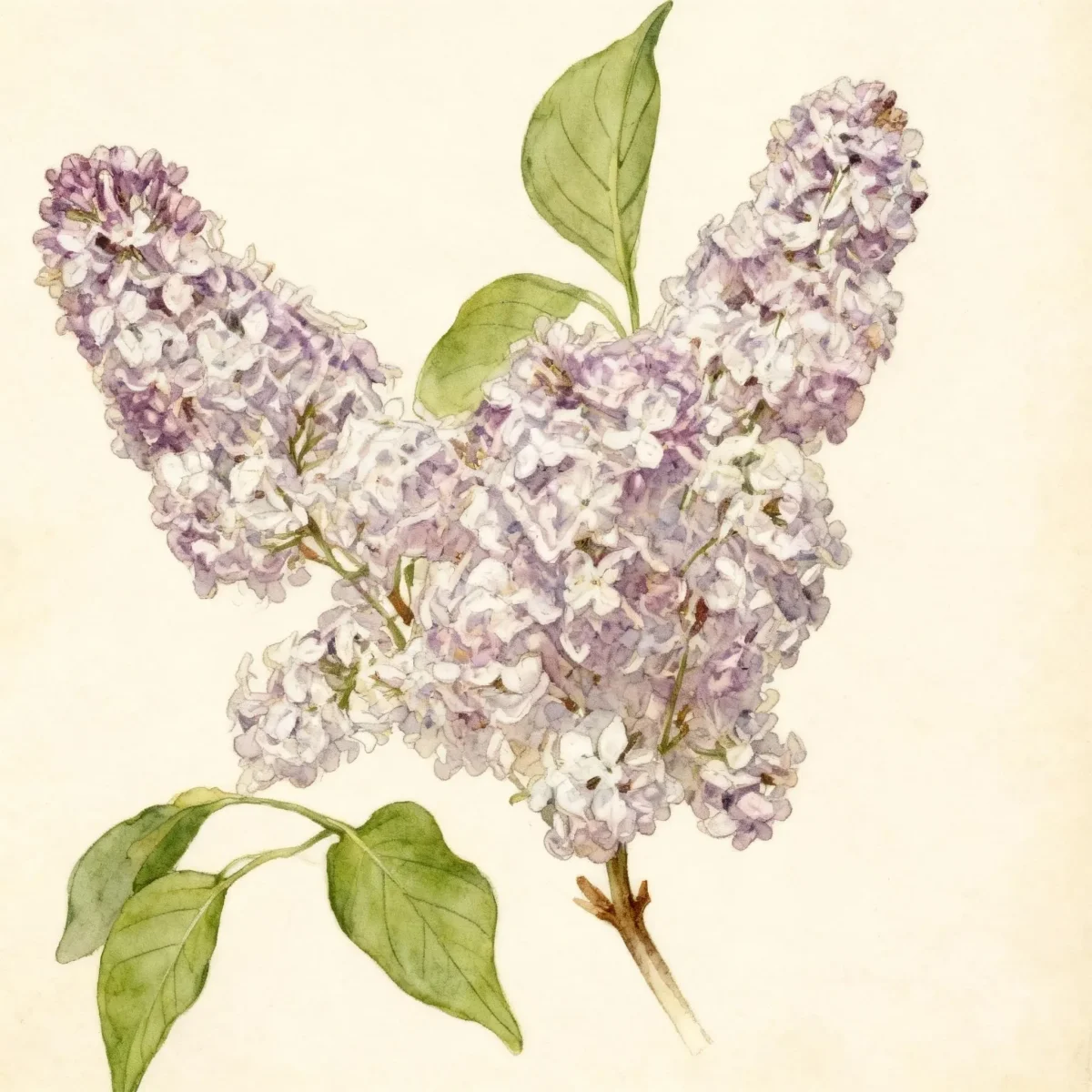
Lilac (Syringa × hyacinthiflora 'SMNSHSO' SCENTARA PURA)
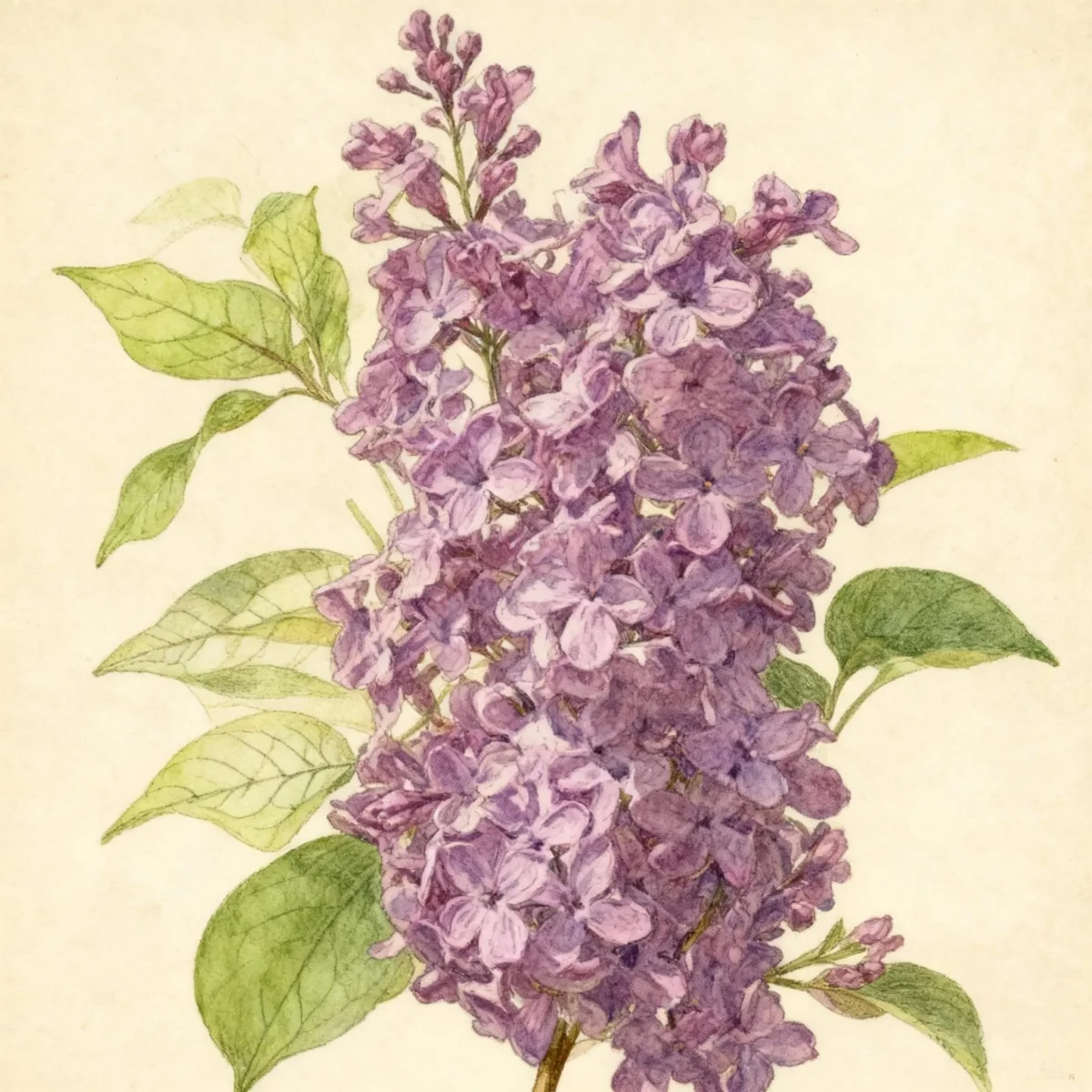
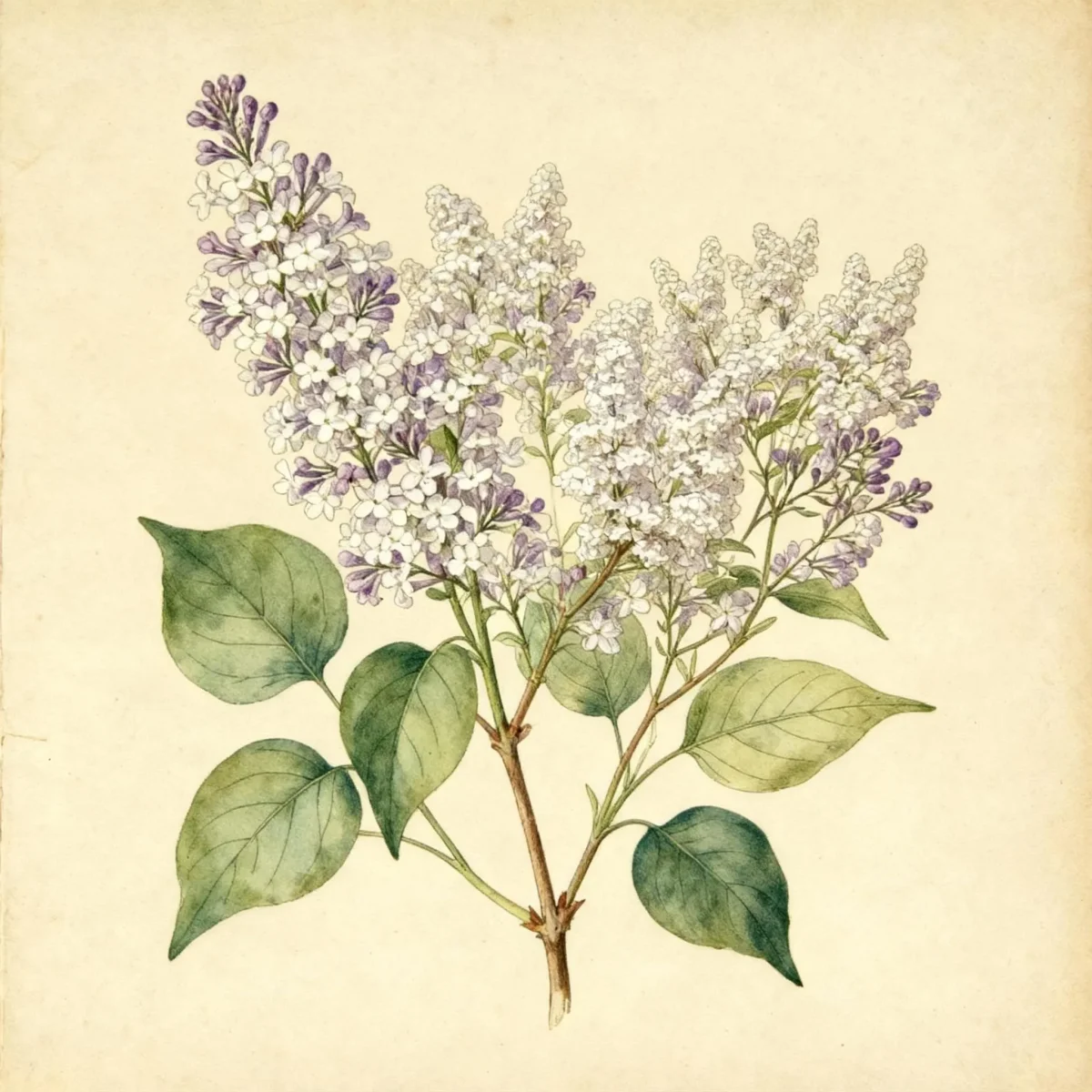
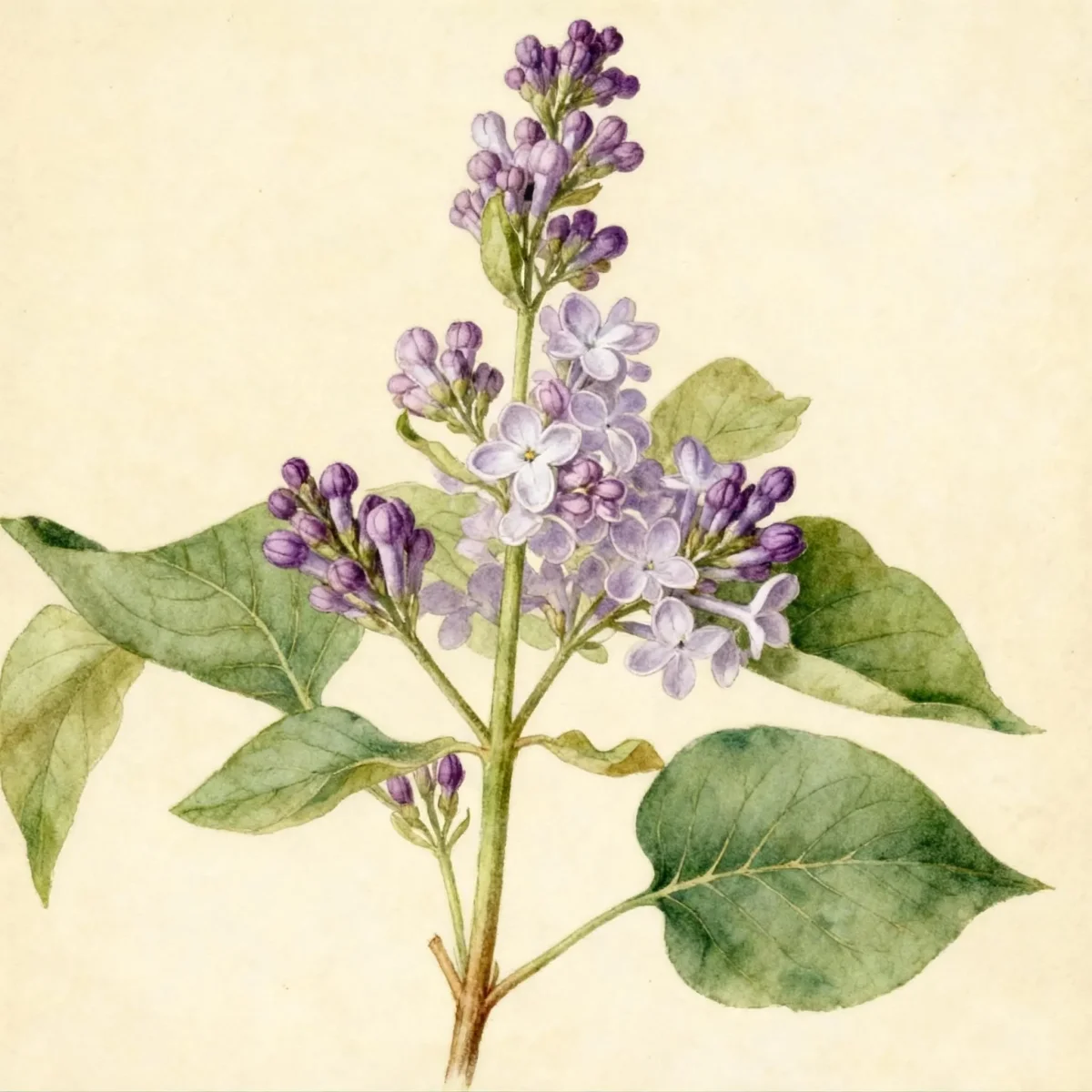
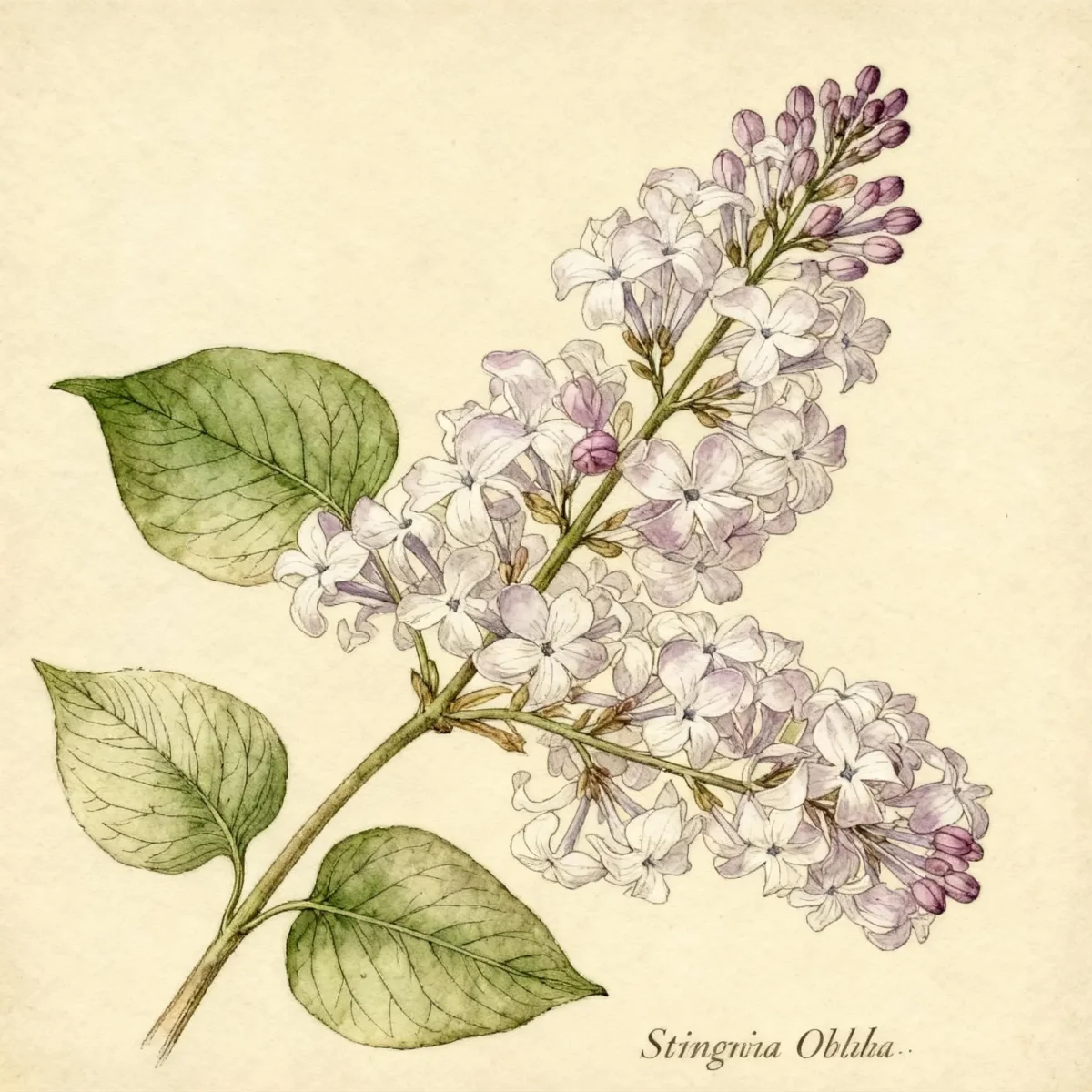
The Syringa × hyacinthiflora 'SMNSHSO' SCENTARA PURA Lilac offers fragrant, pale lavender blooms early in spring. Hardy and relatively easy care.
Scroll down to discover growing tips, care requirements, companion plants, and more
Complete Plant Information
Overview
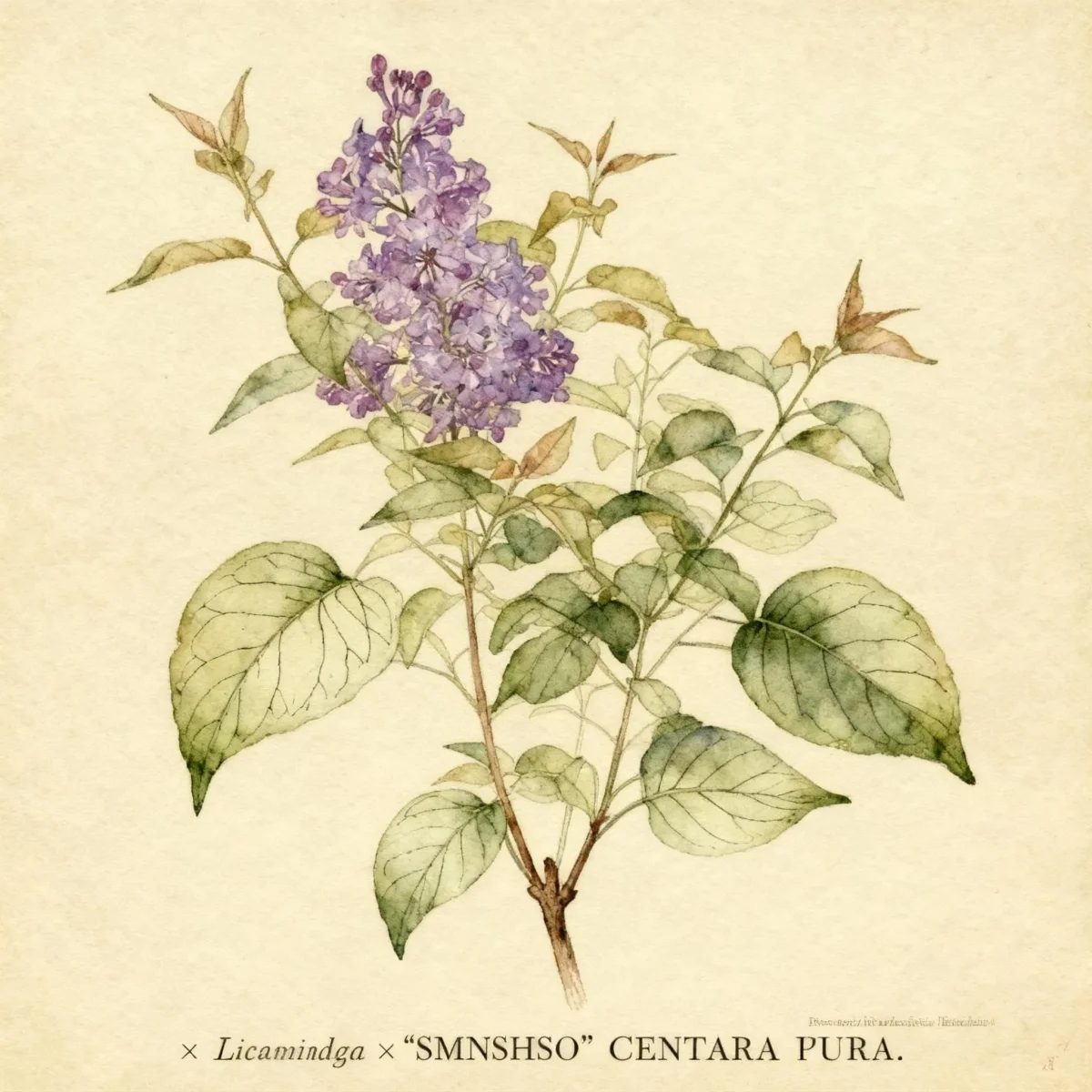
The Syringa × hyacinthiflora ‘SMNSHSO’ SCENTARA PURA is a highly desirable modern hybrid Lilac, prized for bringing reliable, early spring fragrance to the landscape. This particular cultivar is a vigorous, semi-dwarf selection known for its beautiful, pale lavender blooms that often appear just before the common lilac begins flowering. As a hybrid cross between S. Oblata and S. Vulgaris, it combines vigor with excellent garden performance.
Gardeners value the Syringa × hyacinthiflora ‘SMNSHSO’ SCENTARA PURA for its manageable stature, typically reaching only 4 to 6 feet tall and wide, making it suitable for smaller yards or defined borders. Beyond its aesthetic appeal, this Lilac exhibits improved cold tolerance compared to some older varieties, fitting well into USDA Zones 2 through 8. Its fragrant flowers make it a wonderful addition near patios or walkways where the scent can be fully appreciated.
This deciduous shrub provides both seasonal interest and functional screening, thriving in locations that receive consistent bright light. While it carries the classic charm of the Lilac, the ‘SMNSHSO’ SCENTARA PURA cultivar delivers modern reliability, offering gardeners an enhanced experience with its manageable size and improved resistance characteristics.
Fast Facts
- Plant Family: Oleaceae
- Plant Type: Deciduous shrub
- Hardiness Zones: USDA Zones 2-8
- Size at Maturity:
- Height: 4-6 ft
- Spread: 4-6 ft
- Bloom Time: April to May
- Bloom Description: Pale lavender
- Sun Exposure: Full sun
- Water Needs: Medium
- Maintenance Level: Medium
How to Grow
For optimal flowering and health, plant this Lilac in a location receiving full sun, which is crucial for abundant bloom production. The Syringa × hyacinthiflora ‘SMNSHSO’ SCENTARA PURA adapts well to various soil types, performing best in evenly moist, well-draining media. Notably, it shows tolerance for clay soils, provided they do not remain soggy long-term.
Watering should be consistent, aiming for medium moisture, especially while the shrub establishes its root system. Once mature, it is moderately drought-tolerant but benefits from deep watering during extended dry spells. Fertilization is generally not required if the soil quality is adequate, avoiding excessive nitrogen which can encourage leaf growth over flowers.
Pruning is essential for maintaining vigor and shape, as the stems can become leggy without intervention. Diligent pruning is recommended following the bloom period; remove approximately one-third of the stems after the flowers fade to encourage strong new growth and guarantee prolific blooming the following spring. This specific hybrid, Syringa × hyacinthiflora ‘SMNSHSO’ SCENTARA PURA, also requires a shorter chilling period than classic types for successful flowering.
Landscape Uses
The refined size of the Syringa × hyacinthiflora ‘SMNSHSO’ SCENTARA PURA makes it incredibly versatile in landscape design. It is highly effective when used as a specimen plant to anchor a corner or featured entry walk, allowing its pale lavender spring display to take center stage. Its upright, spreading habit also makes it an excellent choice for mass planting or utilizing as a formal or informal hedge.
Consider positioning this Lilac near foundation plantings, though ensure adequate airflow is maintained, as dense placement can increase humidity and susceptibility to fungal issues. For cut flower enthusiasts, the fragrant bloom clusters are superb for indoor arrangements, so plan its placement near entertaining areas. Companion planting suggestions include early-blooming bulbs below (like tulips or daffodils) or later-season perennials that can take over the visual interest once the Lilac finishes its show.
Standout Features
Flower Qualities
- Showy
- Fragrant
- Good Cut
Noteworthy Characteristics
Syringa × hyacinthiflora is a hybrid lilac produced by crossing S. Oblata and S. Vulgaris that was developed by French plant breeder Victor Lemoine (1823-1911). They are characterized by their early flowering habit, bronze-tinted new growth, and fragrant blooms. The hybrid name hyacinthiflora refers to the flower clusters of this hybrid which are reminiscent of hyacinth blooms. ‘SMNSHSO’ is a vigorous, semi-dwarf, hybrid lilac with fragrant, pale lavender blooms in spring, commonly sold as SCENTARA PURA.
Tolerances
- Deer
- Clay Soil
Potential Problems
Like most hybrid Lilacs, this plant can be susceptible to common lilac pests and diseases, including powdery mildew, leaf spot, and occasional borers. Management often involves ensuring good air circulation through proper pruning, especially targeting the removal of older, dense wood to reduce humidity that favors fungal development. While older lilacs frequently struggled with powdery mildew, the ‘SMNSHSO’ cultivar reportedly offers improved resistance, which is a significant benefit. If pests like scale or caterpillars are noticed, targeted dormant oil applications or timely manual removal can manage outbreaks. Deer usually avoid browsing on the foliage of this Lilac.
Frequently Asked Questions
What hardiness zones is Lilac suitable for?
The Syringa × hyacinthiflora ‘SMNSHSO’ SCENTARA PURA is hardy across USDA Zones 2 through 8.
How large does Lilac grow?
This semi-dwarf variety matures to a height between 4 and 6 feet, with a similar spread of 4 to 6 feet.
When does Lilac bloom?
This fragrant Lilac offers its bloom display in mid-spring, typically from April to May, featuring pale lavender coloration.
What sun exposure does Lilac need?
For best results, ensure your Syringa × hyacinthiflora ‘SMNSHSO’ SCENTARA PURA receives full sun exposure daily.
Conclusion
The Syringa × hyacinthiflora ‘SMNSHSO’ SCENTARA PURA stands out as a premium Lilac choice, offering excellent fragrance, beautiful pale lavender spring flowers, and robust hardiness across a wide range of climates. Its improved resistance profile and manageable size enhance its value for modern gardeners looking for classic beauty without overwhelming maintenance. Before planting, confirm that USDA Zones 2-8 suitability matches your region and plan for necessary post-bloom pruning to ensure next year’s spectacular show.
Companion Planting
Choosing appropriate companions ensures that the area surrounding your Syringa × hyacinthiflora ‘SMNSHSO’ SCENTARA PURA thrives under similar conditions. Since this Lilac requires full sun and tolerates clay, select perennials that also prefer well-draining, slightly alkaline soil and bright light. Spring bulbs such as Daffodils (Narcissus) or Alliums are excellent partners, as they bloom before or concurrently with the Lilac and die back before competing heavily for summer resources.
For summer structure after the fragrant blooms fade, consider pairing the Lilac with plants that value medium moisture but don’t mind drying out slightly, such as Russian Sage (Perovskia atriplicifolia) or certain Hardy Geranium cultivars. Avoid placing moisture-loving bog plants directly adjacent, as the roots of the Lilac need consistent drainage to prevent rot, particularly in heavy clay soils.
Seasonal Care Calendar
Spring preparation involves lightly cleaning up winter debris and applying a balanced, slow-release fertilizer if soil tests indicated nutrient deficiencies, applied early in the season before active growth starts. The most critical seasonal task is pruning, which must be completed immediately after the flowers fade in late spring; this shapes the shrub and initiates blooming wood for the following year.
Summer care centers on monitoring moisture levels precisely, especially during establishment or periods of drought, ensuring the medium stays consistently moist but never waterlogged. This is also the time to scout for early signs of powdery mildew, although the Syringa × hyacinthiflora ‘SMNSHSO’ SCENTARA PURA shows better natural resistance than older types. Minimal intervention is usually required during the summer heat aside from deep supplemental watering if necessary.
In the fall and winter, avoid heavy pruning, as late cuts can stimulate tender growth that winter dieback will destroy. Allow the foliage to mature and drop naturally; no major winterizing efforts are typically needed for this hardy shrub unless planted in the most extreme northern edges of Zone 2.