Eubotrys (Eubotrys racemosa)
Eubotrys racemosa is a low-maintenance, suckering deciduous shrub boasting fragrant white flowers and vibrant fall color. Ideal for moist, acidic sites in Zones 5-9.
Scroll down to discover growing tips, care requirements, companion plants, and more
Complete Plant Information
Overview
Eubotrys racemosa, often referred to by its common name Eubotrys, is a highly desirable deciduous shrub native to the damp woodlands of the Southeastern United States. This plant earns its place in the landscape through its appealing seasonal displays, particularly the fragrant, bell-shaped white flowers that emerge in late spring and early summer. Gardeners appreciate its adaptability to moist soil conditions where many other shrubs struggle.
As a suckering shrub, Eubotrys racemosa naturally forms loose colonies, making it excellent for stabilizing banks or creating informal hedges. Beyond its spring blooms, this species provides key textural and color contrast with glossy green foliage that transitions into attractive yellow, orange, and red hues as autumn progresses. The low maintenance requirements of Eubotrys further cement its status as a valuable woodland garden specimen.
This plant thrives where consistent moisture is available, mirroring its requirements along streambanks and swamp peripheries in its native habitat. Successful cultivation of Eubotrys racemosa relies on providing ample water and avoiding exposure to harsh winds, ensuring this beautiful native shrub performs reliably year after year.
Fast Facts
- Plant Family: Ericaceae
- Plant Type: Deciduous shrub
- Native Range: Southeastern United States
- Hardiness Zones: USDA Zones 5-9
- Size at Maturity:
- Height: 3-8 ft
- Spread: 2-4 ft
- Bloom Time: May to June
- Bloom Description: White
- Sun Exposure: Part shade
- Water Needs: Medium to wet
- Maintenance Level: Low
How to Grow
Planting Eubotrys racemosa is best achieved in spring or fall when conditions are cooler, allowing the flexible root system to establish without heat stress. This shrub demands well-drained soils that remain consistently moist—medium to wet soils are ideal. Ensure the location you choose offers part shade, as while it can tolerate full sun, it absolutely requires guaranteed moisture retention if sited in brighter exposures.
Routine care for Eubotrys is minimal once established, reflecting its low maintenance rating. Water deeply and regularly, especially during dry spells, as this species does not tolerate drought well. While fertilization is often unnecessary in rich, damp woodland settings, an application of acidifying fertilizer in spring can benefit the plant if soils are not naturally acidic enough.
Winter preparation is crucial for success in the cooler end of its range, particularly in Zone 5. In areas like St. Louis, gardeners should ensure Eubotrys racemosa is planted in a protected spot and given a heavy layer of winter mulch. Pruning is rarely needed, but any required shaping should be done immediately after flowering concludes to avoid removing next season’s flower buds.
Landscape Uses
The spreading habit of Eubotrys makes it an outstanding choice for addressing challenging landscape areas, particularly slopes and banks where erosion control is a priority. Its ability to sucker helps hold soil in place while simultaneously creating a naturalized, informal border or screen. Use this species to soften the foundation lines of buildings, especially where moisture tends to collect.
For a classic woodland garden effect, plant Eubotrys racemosa alongside other acid-loving plants such as Rhododendrons, Azaleas, or various ferns that share similar moisture and sun requirements. When used as a hedge component, allow the shrub room to spread gently to achieve a soft, relaxed outline rather than a rigidly formal shape. Its seasonal interest ensures the border remains engaging from spring bloom through fall color.
Standout Features
Flower Qualities
- Showy
- Fragrant
Noteworthy Characteristics
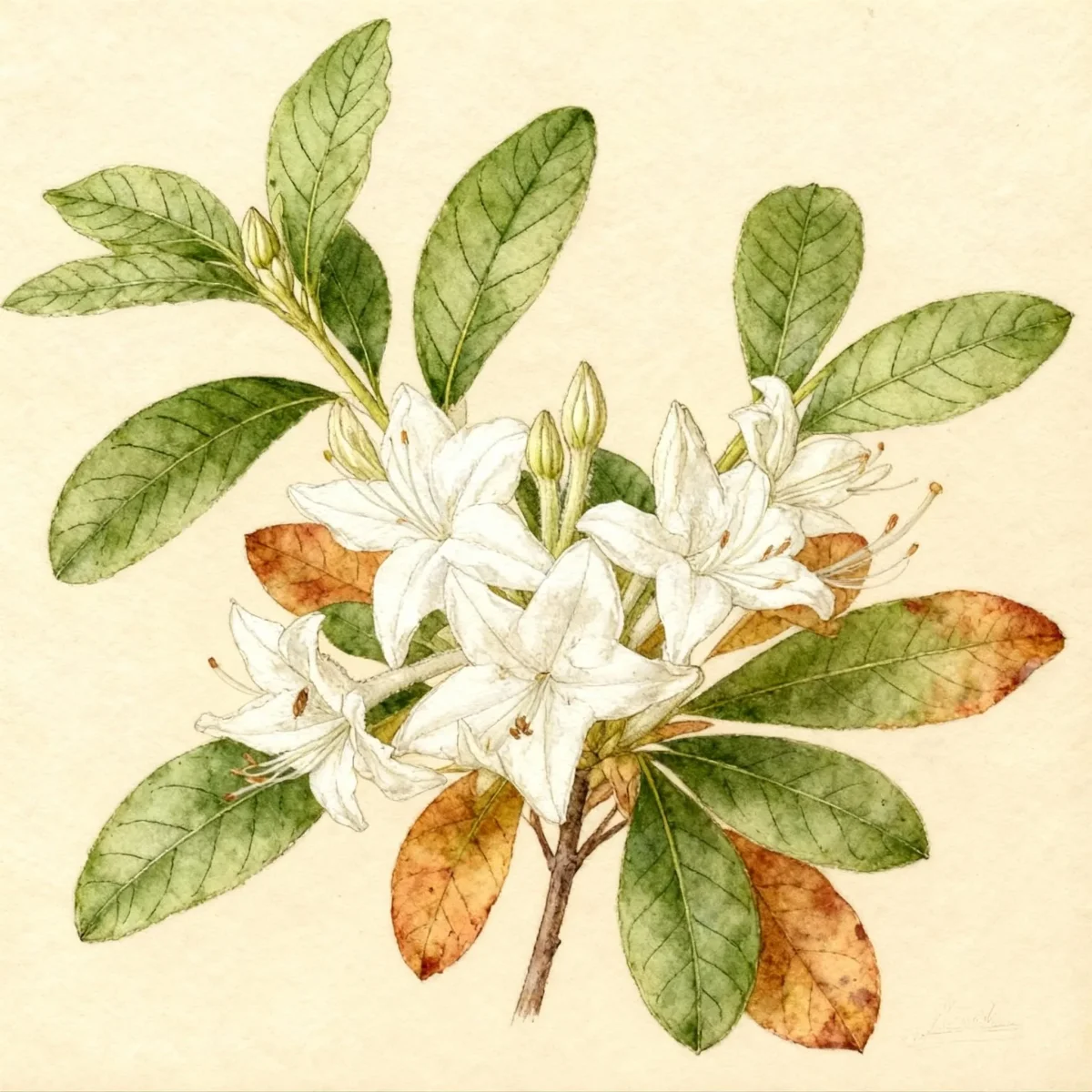
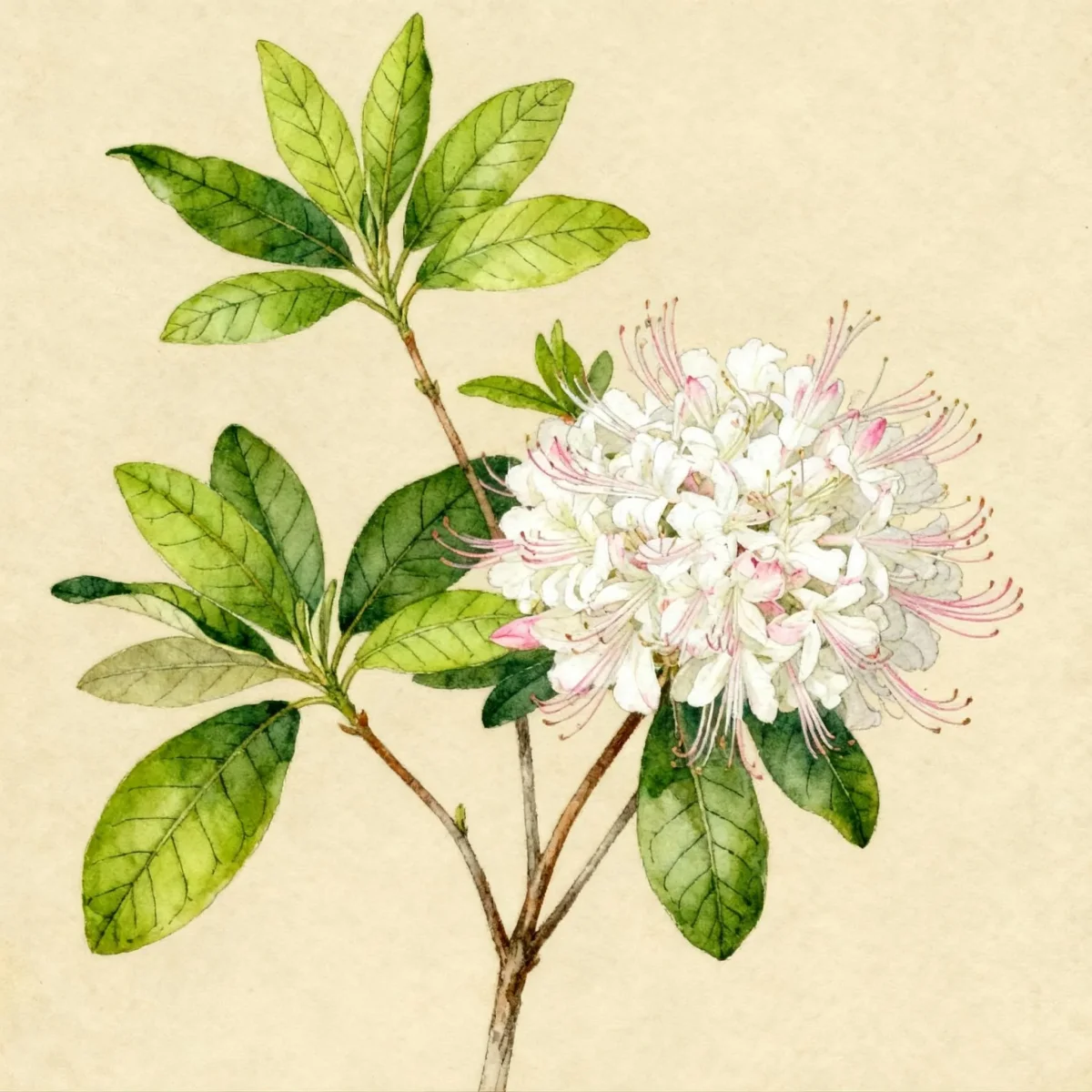
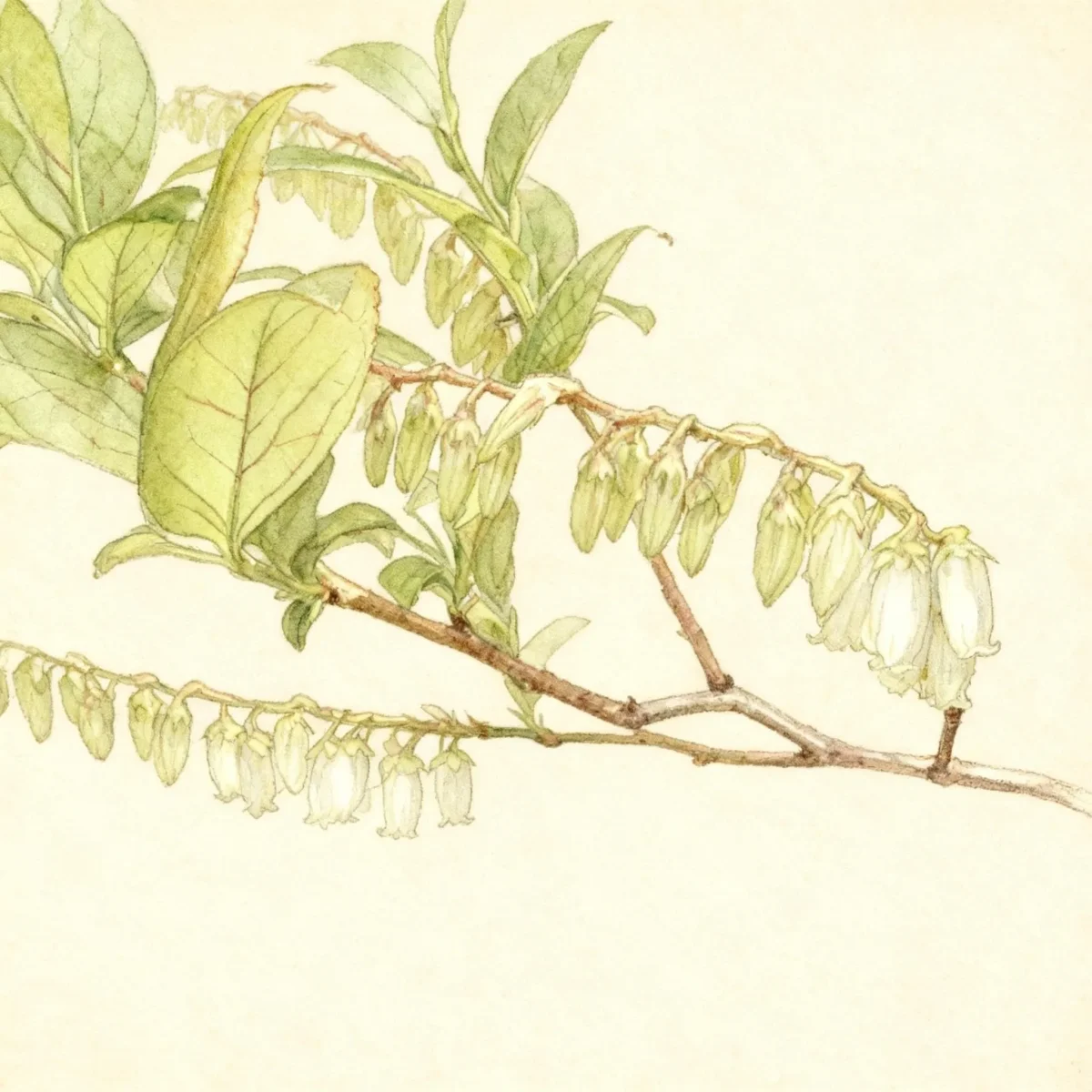
Eubotrys racemosa, commonly called fetter bush or sweetbells leucothoe, is a deciduous suckering shrub that is native to damp woodland soils along streambanks, pond peripheries and swamps from Massachusetts to Florida to Louisiana. It typically grows to 3-8’ tall and bears fragrant, bell-shaped, white flowers (to 1/3”) in racemes (to 4” long) in spring and summer. Pointed, oblong to elliptic, glossy green leaves have serrate margins and turn attractive shades of yellow, orange, and red in fall.
Tolerances
- Erosion
Potential Problems
Eubotrys racemosa is generally resistant to serious insect or disease issues when grown in appropriate conditions. The primary cultural problems to monitor are root rot and leaf spot, both stemming from overly saturated or poorly draining soil conditions. To prevent root rot, ensure excellent drainage, even when providing the necessary medium-to-wet access this Eubotrys prefers. Inspect foliage periodically for spotting, especially in humid weather, and prune lower growth for better air circulation if persistent mildews or spots develop.
Frequently Asked Questions
What hardiness zones is Eubotrys suitable for?
Eubotrys racemosa is reliably hardy across USDA Zones 5 through 9, though Zone 5 growers should ensure planting in a protected site with good winter mulch.
How large does Eubotrys grow?
This deciduous shrub typically reaches a mature height between 3 to 8 feet tall, with a corresponding spread of 2 to 4 feet wide.
When does Eubotrys bloom?
The plant displays its fragrant, white flowers from May through June, adding significant late-spring interest to the landscape.
What sun exposure does Eubotrys racemosa need?
The ideal requirement for optimal health is part shade, although it tolerates full sun provided that excellent and consistent moisture retention is maintained.
Conclusion
The Eubotrys shrub offers gardeners a unique blend of fragrance, vibrant fall color, and functional performance in moist environments. Its low maintenance needs and effectiveness as an erosion control plant make Eubotrys racemosa a smart choice for difficult naturalized areas. Before planting, confirm your local USDA zone falls between 5 and 9 and prepare your soil to match its preference for cool, acidic, and consistently moist substrates.
Companion Planting
When designing a grouping around Eubotrys, focus on other plants that share its affinity for acidic, moist soils and part-shade conditions. Ferns are excellent companions, providing fine texture against the broad leaves of the shrub; consider large varieties like Ostrich Fern or Lady Fern. Other robust woodland natives such as various species of native Iris (e.g., Iris versicolor) pair well, as they enjoy similar wet conditions during the growing season.
Seasonal Care Calendar
Spring is the critical time for Eubotrys racemosa preparation. Apply a layer of acidic mulch around the base to help keep the soil cool and maintain perennial moisture levels. Monitor newly emerged foliage for pests, though problems are rare. In summer, focus solely on watering; if rainfall is insufficient, supplement to ensure the soil remains continuously moist, especially if the plant is sited near the sunnier edge of its tolerance range. Fall is when the foliage provides its ornamental reward before winter dormancy begins.