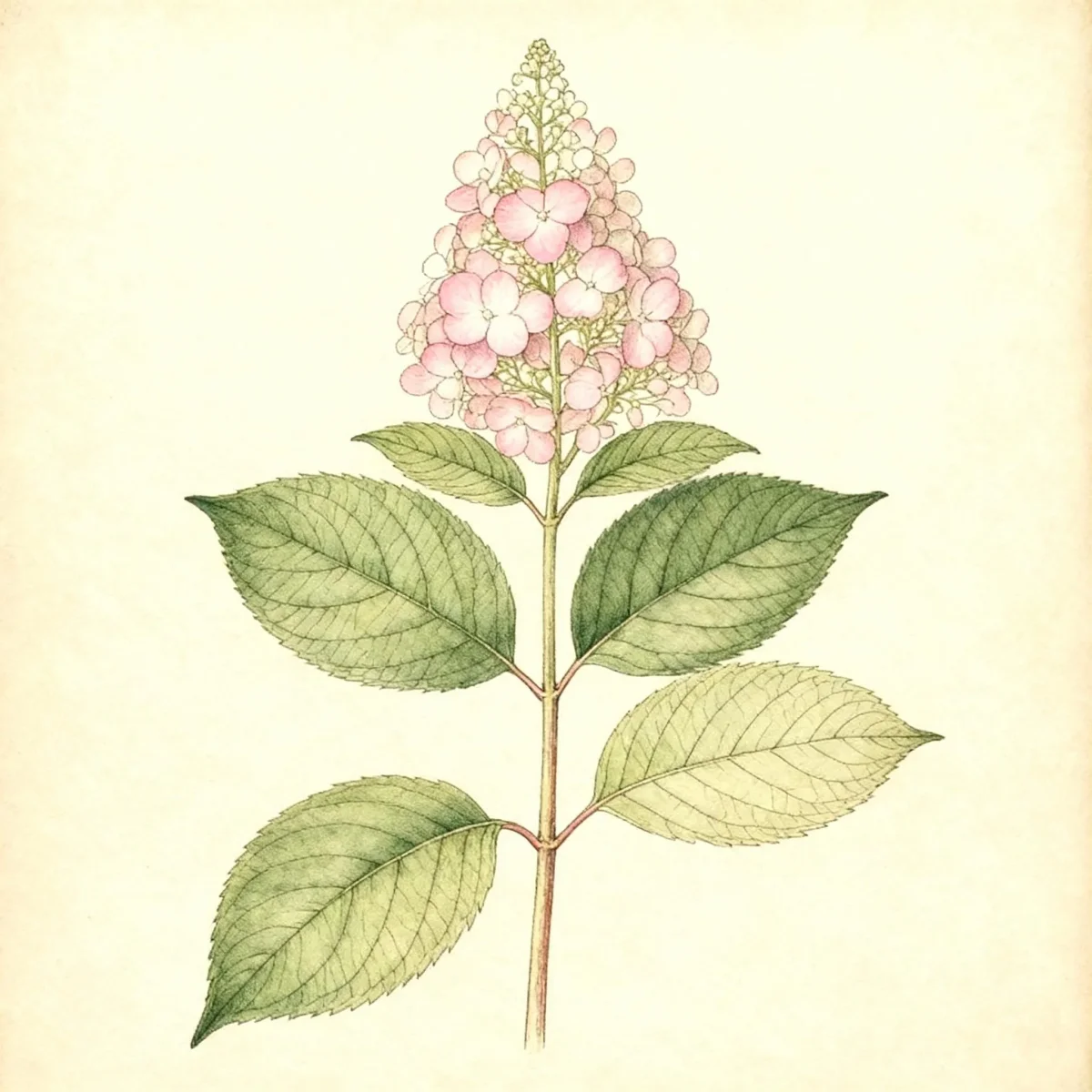
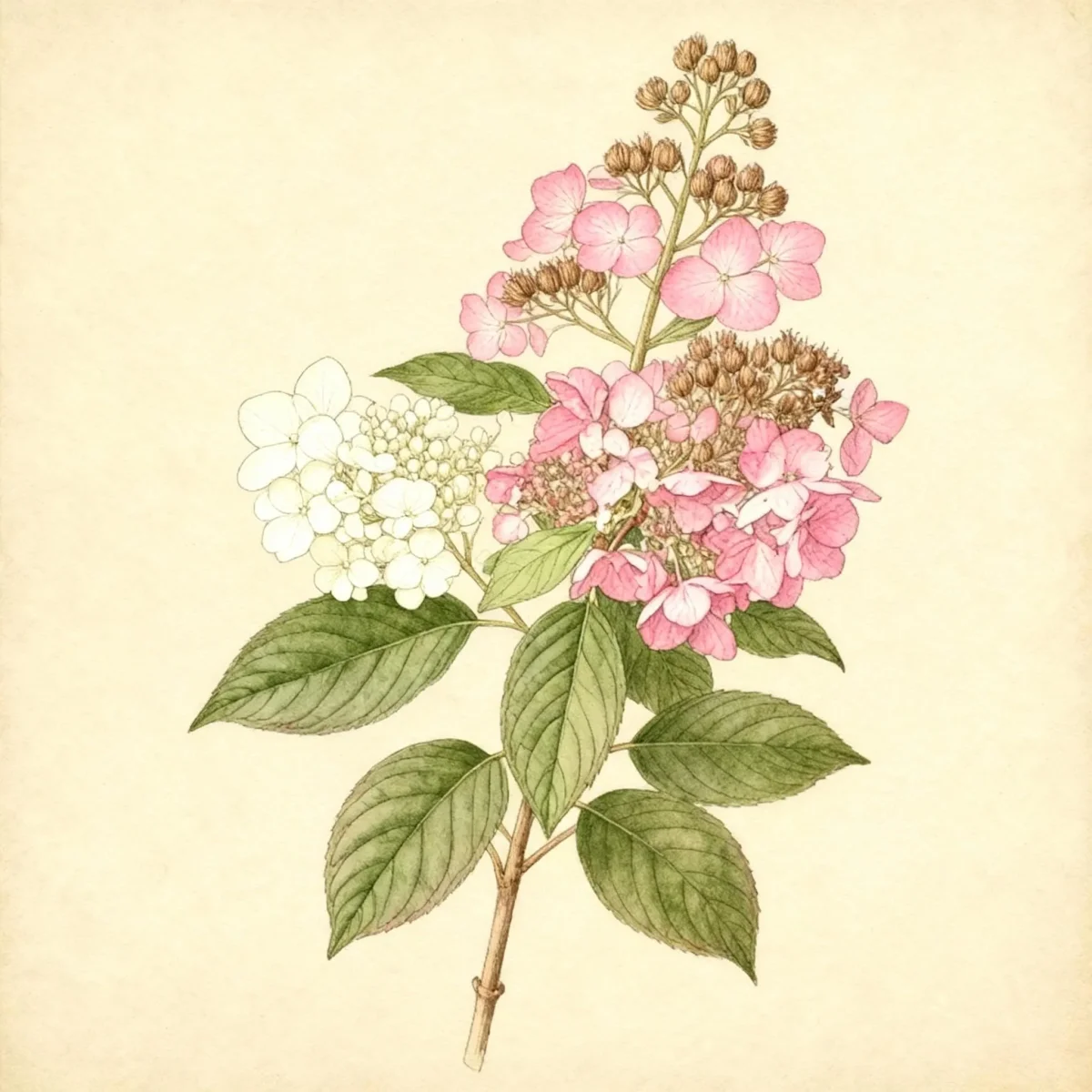
Panicle hydrangea (Hydrangea paniculata 'SMNHPPH' LIMELIGHT PRIME)
Hydrangea paniculata 'SMNHPPH' LIMELIGHT PRIME is a compact Panicle hydrangea blooming early with creamy white to pink cones. Zones 3-8.
Scroll down to discover growing tips, care requirements, companion plants, and more
Complete Plant Information
Overview
The Hydrangea paniculata ‘SMNHPPH’ LIMELIGHT PRIME, commonly known as Panicle hydrangea, is a highly valued addition to contemporary landscapes, known for its robust nature and reliably showy blooms. This cultivar stands out by offering a more compact growth habit compared to some older varieties, making it perfectly suited for smaller gardens or defined borders. Gardeners appreciate its vigorous growth and the stunning transition of its flower heads.
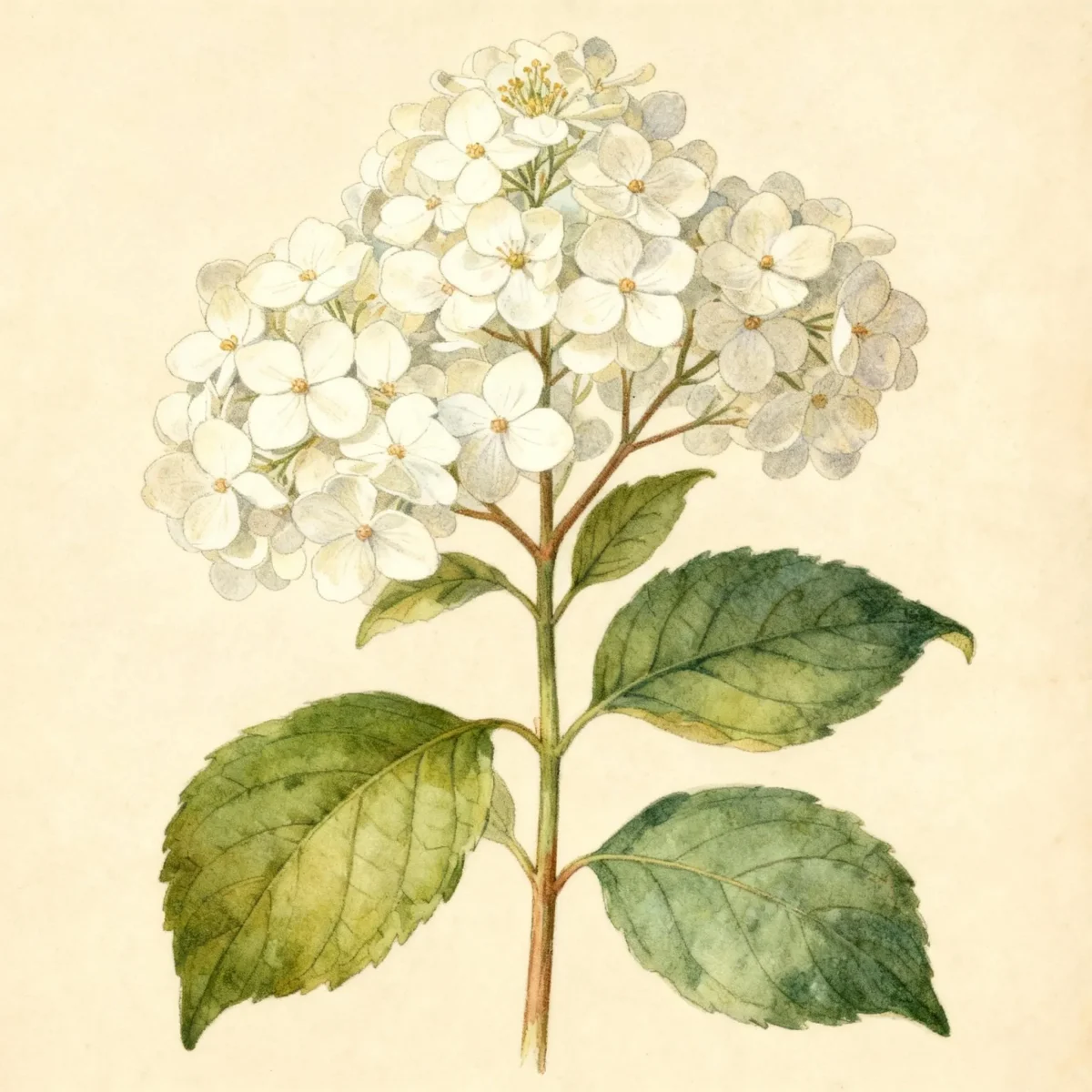
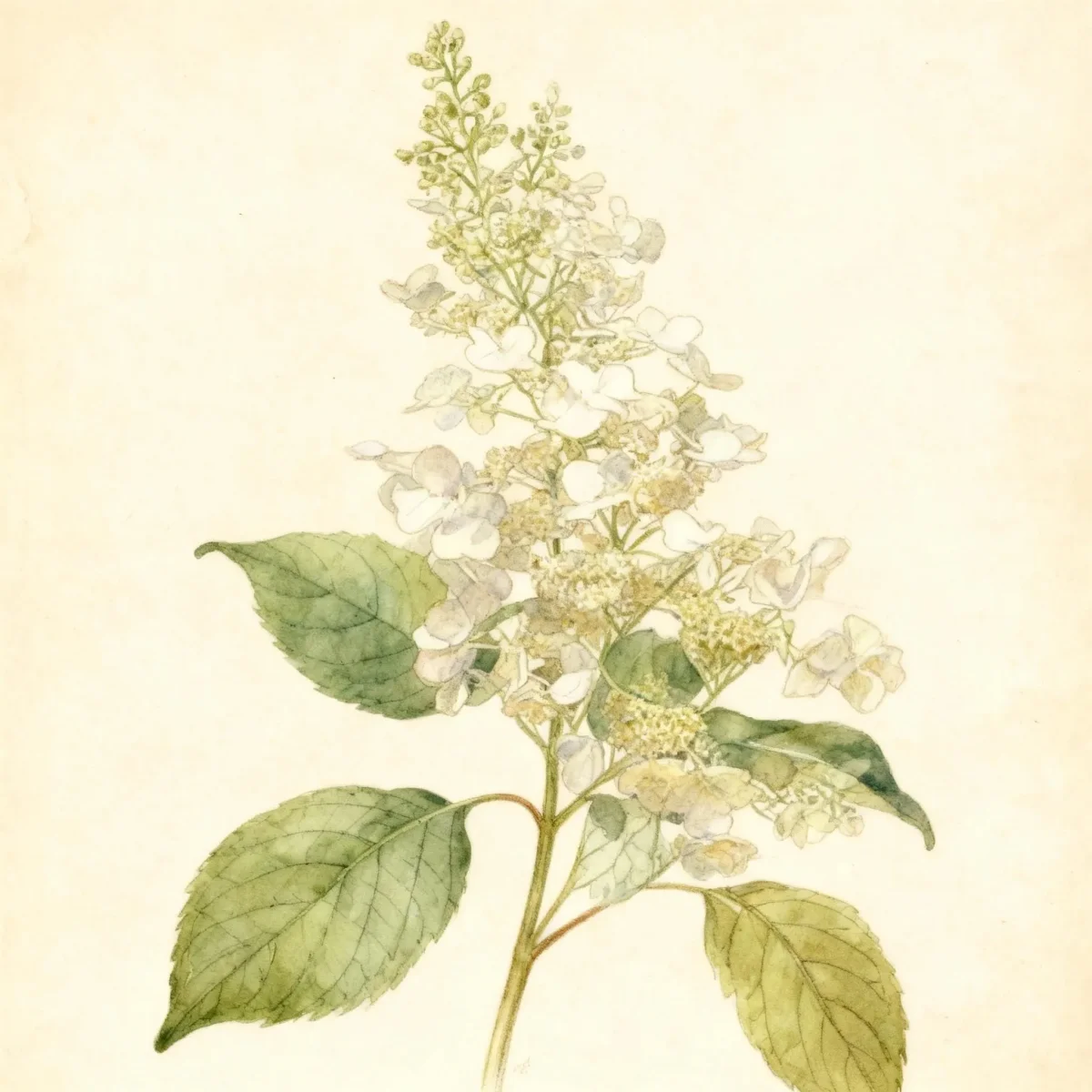
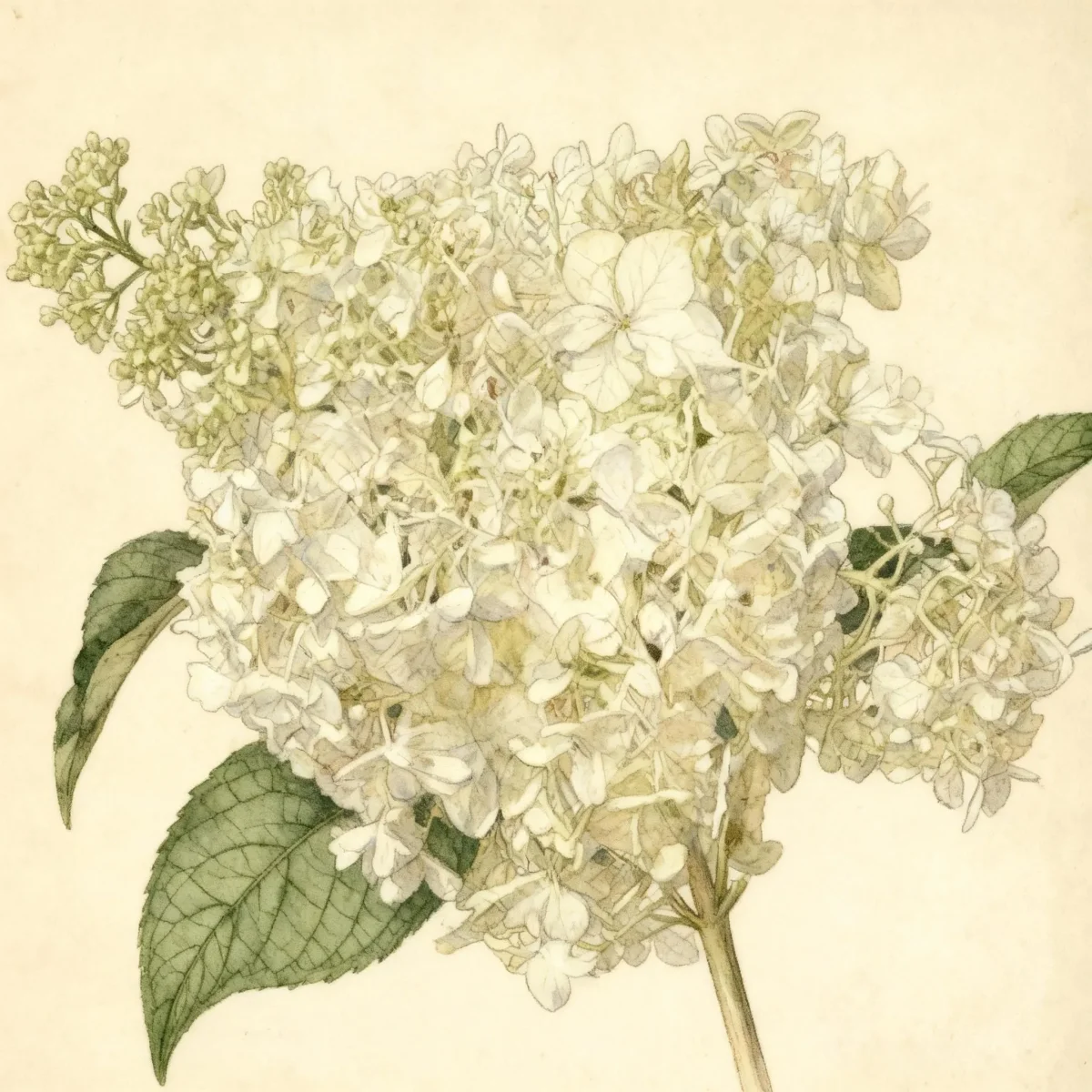
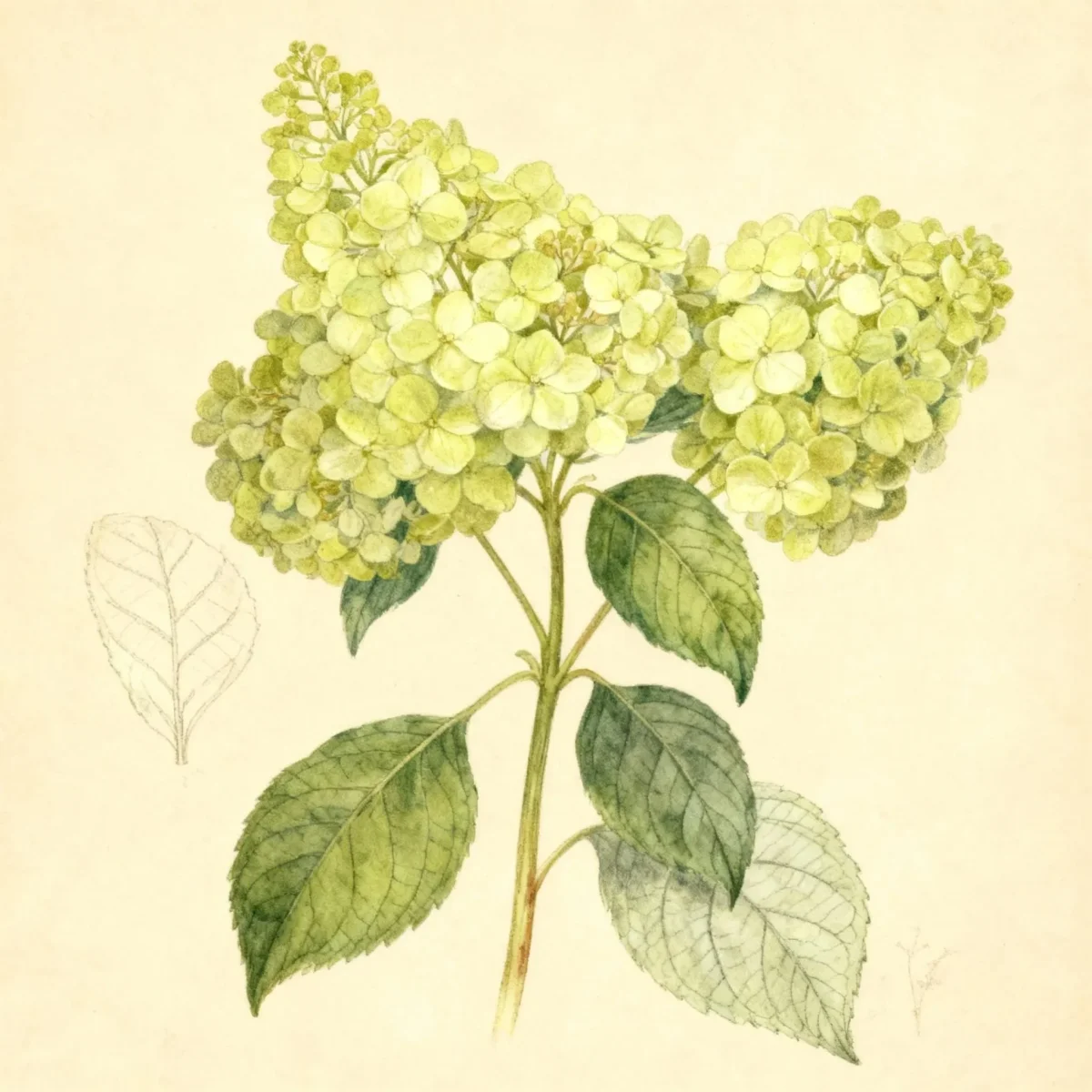
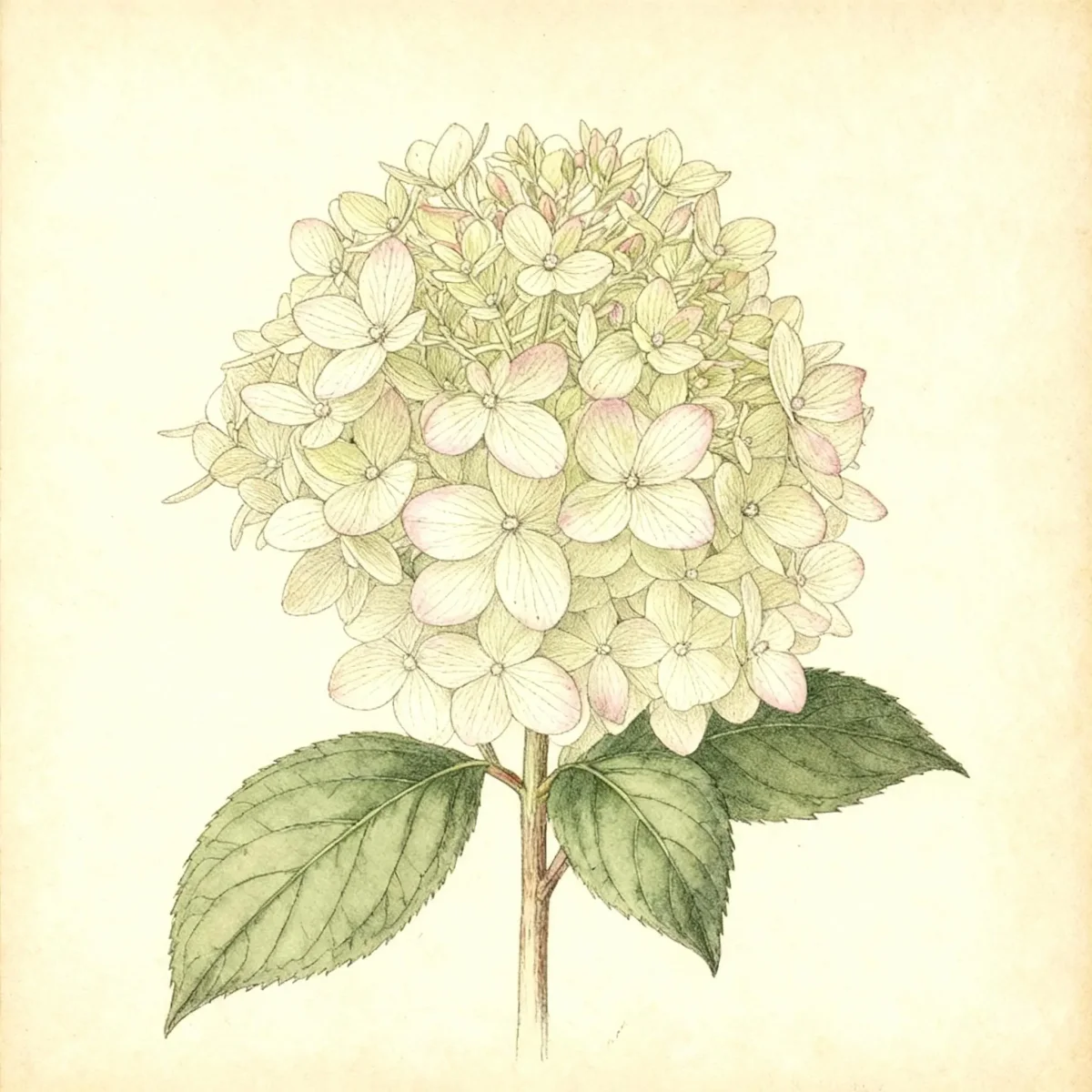
This specific selection of Panicle hydrangea features dark green, glossy foliage that provides an excellent backdrop for the dense, cone-shaped flowerheads. Beginning in mid-summer, the blooms emerge creamy white to pale green before gracefully aging to rich, dark pink tones by early fall, extending the season of interest significantly. This reliable flowering on new wood ensures consistent performance year after year.
As one of the most winter-hardy hydrangeas available, Hydrangea paniculata ‘SMNHPPH’ LIMELIGHT PRIME offers dependable beauty even in colder climates. It easily thrives in urban environments and maintains an attractive stature, whether kept as a multi-stemmed shrub or carefully trained as a small specimen tree.
Fast Facts
- Plant Family: Hydrangeaceae
- Plant Type: Deciduous shrub
- Hardiness Zones: USDA Zones 3-8
- Size at Maturity:
- Height: 4-6 ft
- Spread: 4-6 ft
- Bloom Time: July to September
- Bloom Description: Creamy white to pale green maturing to dark pink
- Sun Exposure: Full sun to part shade
- Water Needs: Medium
- Maintenance Level: Medium
How to Grow
For optimal establishment, plant your Hydrangea paniculata ‘SMNHPPH’ LIMELIGHT PRIME in spring or fall when temperatures are moderate. Give this Panicle hydrangea a location that offers organically rich, medium-moisture, well-drained soil. While it tolerates part shade, it performs best and develops the densest blooms when situated where it receives several hours of direct sun daily.
Watering is crucial during the first year to establish a deep root system; maintain consistent moisture until established. Although it requires only medium water levels afterward, avoid letting the soil dry out completely, especially during peak summer heat. This cultivar thrives in urban conditions and is notably winter hardy.
Pruning should be done in late winter or early spring, as blooms occur on current season’s growth. To encourage a robust shrub form reaching 6 to 10 feet tall, regular annual pruning is beneficial. For superior flower panicle size, thin the plant back to only 5 to 10 primary shoots before new growth begins.
Be aware that when fully loaded with blooms, the weight of the developing flower panicles on the Hydrangea paniculata ‘SMNHPPH’ LIMELIGHT PRIME will naturally cause the branches to arch gracefully outward, creating a desirable weeping effect.
Landscape Uses
The compact size and extended bloom time of this Panicle hydrangea make it remarkably versatile in landscape designs. It excels when massed or grouped in mixed shrub borders, providing substantial mid-to-late summer color when many other woody plants are finished flowering. It also functions beautifully as a stand-alone accent plant against lighter-colored architecture or hedging.
Its reliable texture and late-season color also make it an excellent choice for softening modern foundations or providing structure in an open woodland garden setting. The strong stems and manageable dimensions mean the Hydrangea paniculata ‘SMNHPPH’ LIMELIGHT PRIME can anchor seasonal displays with minimal fuss.
Beyond its use in the garden bed, the flowers of this shrub are highly prized. They are suitable for fresh-cut arrangements while showing color, and they dry beautifully for everlasting floral crafts, adding utility to their aesthetic appeal.
Standout Features
Flower Qualities
- Showy
- Good Cut
- Good Dried
Noteworthy Characteristics
Hydrangea paniculata, commonly called panicle hydrangea, is a vigorous, upright, rapid-growing, somewhat coarsely textured, deciduous shrub that is native to China and Japan. The cultivar ‘SMNHPPH’ is a panicle hydrangea selection that features dark green, glossy foliage and dense, cone-shaped flowerheads on upright stems that bloom starting in mid-summer. Mature plants reach around 4-6’ tall with a similar spread, and its terminal panicles mature to dark pink by early fall, offering a more compact alternative to the standard ‘Limelight’.
Potential Problems
This shrub generally exhibits low susceptibility to serious issues, but gardeners should monitor for occasional pest and disease activity.
Common concerns include some susceptibility to:
- Bud blight
- Bacterial wilt
- Leaf spot
- Rust and mildew
Occasional insect visitors may include aphids and mites. Proactive care, such as ensuring air circulation through proper spacing and pruning, helps mitigate fungal issues like mildew, while monitoring foliage can catch pest problems early.
Frequently Asked Questions
What hardiness zones is Panicle hydrangea suitable for?
This variety, Hydrangea paniculata ‘SMNHPPH’ LIMELIGHT PRIME, is highly durable and suitable for USDA Hardiness Zones 3 through 8.
How large does Hydrangea paniculata ‘SMNHPPH’ LIMELIGHT PRIME grow?
At maturity, this compact Panicle hydrangea typically reaches a height between 4 and 6 feet, with a similar spread of 4 to 6 feet.
When does Panicle hydrangea bloom?
This shrub provides continuous bloom from July through September, with the flower heads starting creamy white to pale green and ripening to an attractive dark pink hue.
What sun exposure does Hydrangea paniculata ‘SMNHPPH’ LIMELIGHT PRIME need?
It performs best in sites receiving full sun to part shade, ensuring it receives enough light to produce the most robust flower panicles.
Conclusion
The Hydrangea paniculata ‘SMNHPPH’ LIMELIGHT PRIME brings dependable color, superior winter hardiness, and a manageable stature to nearly any landscape setting, making it an essential Panicle hydrangea for modern gardening. With blooms lasting from mid-summer well into fall, its visual impact is significant. Ensure you plan your planting location considering its full sun to part shade requirements and prune in late winter to maximize next season’s flowering performance.
Companion Planting
Selecting appropriate companions enhances the beauty and health of your Hydrangea paniculata ‘SMNHPPH’ LIMELIGHT PRIME. Because this shrub prefers rich, well-drained soil and medium moisture, pair it with other plants sharing similar cultural needs. Consider using low-growing perennials like Hostas or Astilbe in the partial shade areas, which appreciate similar soil conditions but offer contrasting foliage texture.
For sunny borders where your Panicle hydrangea will receive full sun, consider pairing it with late-season bloomers that complement its white-to-pink color shift. Russian Sage (Perovskia atriplicifolia) or Coneflowers (Echinacea) provide spikier, contrasting forms and attract pollinators without competing heavily for nutrients.
When designing a mixed border, remember that the Hydrangea paniculata ‘SMNHPPH’ LIMELIGHT PRIME eventually achieves a height of 4 to 6 feet. Place taller, late-season grasses behind it or use low-mounding groundcovers in front to create pleasing layers that highlight its arching habit when in full bloom.
Seasonal Care Calendar
Taking care of your Panicle hydrangea across the seasons ensures consistent performance and spectacular blooms. Focus your major cultural inputs around pruning and watering schedules.
In late winter or very early spring, focus on structure. This is the ideal time to prune the Hydrangea paniculata ‘SMNHPPH’ LIMELIGHT PRIME, as flowers appear on the current year’s wood. Remove any dead or crossing branches, and reduce the overall height if desired; thinning to 5 to 10 primary stems will yield the largest flower heads.
Summer is the time for maintenance related to moisture and pests. Because this shrub requires medium water, check soil moisture regularly, especially during heat waves, watering deeply rather than frequently. Inspect the glossy foliage for any signs of mites or leaf spot and treat preventsatively if necessary, maintaining good airflow around the shrub.
Fall and early winter are best for admiring the color transformation and preparing for dormancy. The flowers will transition from pale green to deep pink, providing excellent seasonal interest. After the leaves drop, the plant is generally left alone until reawakening in spring, benefiting from its high winter hardiness.