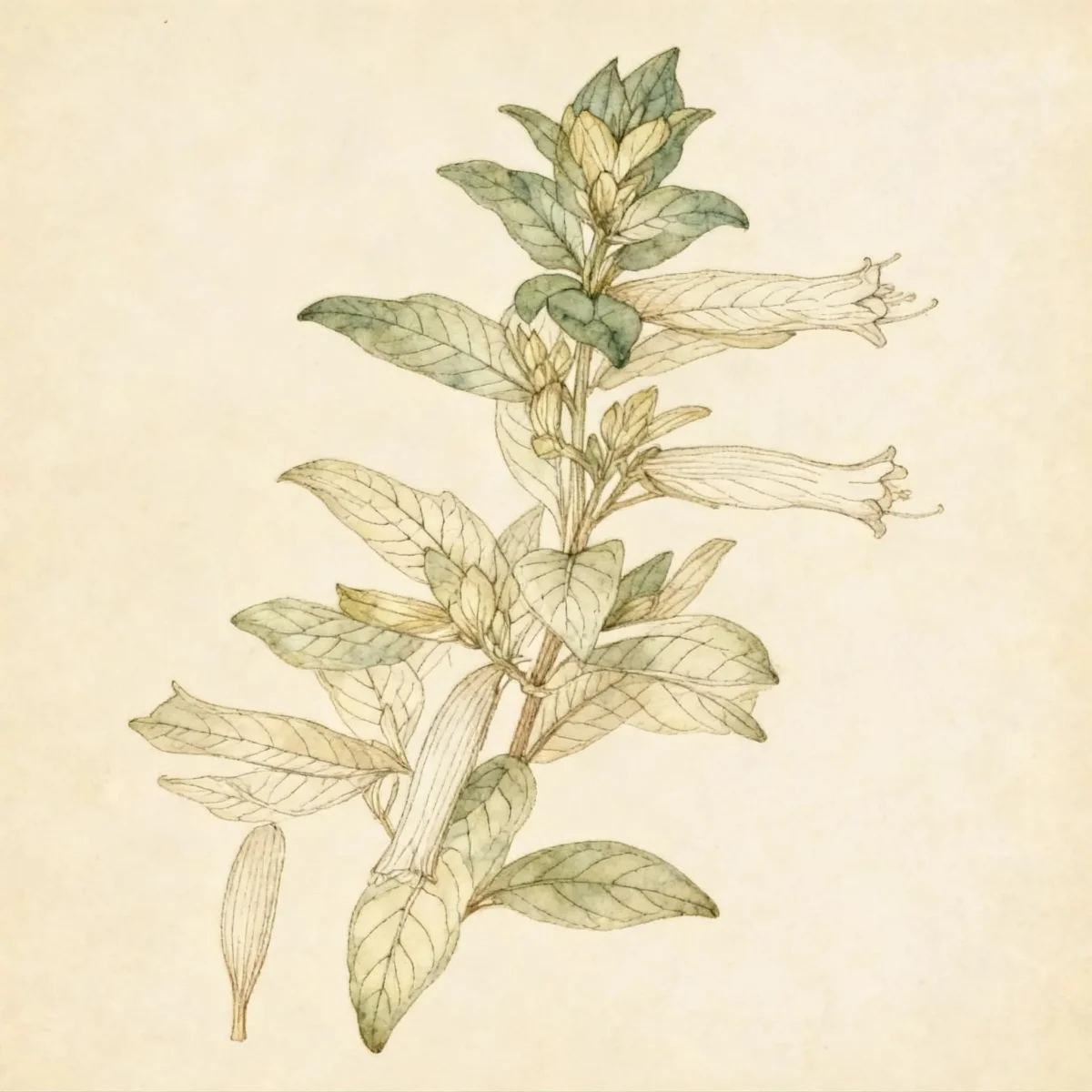
Rice-paper plant (Tetrapanax papyrifer)
The Rice-paper plant (Tetrapanax papyrifer) is a unique, fast-growing evergreen with huge, bold leaves ideal for tropical effects. Hardy in Zones 8-10.
Scroll down to discover growing tips, care requirements, companion plants, and more
Complete Plant Information
Overview
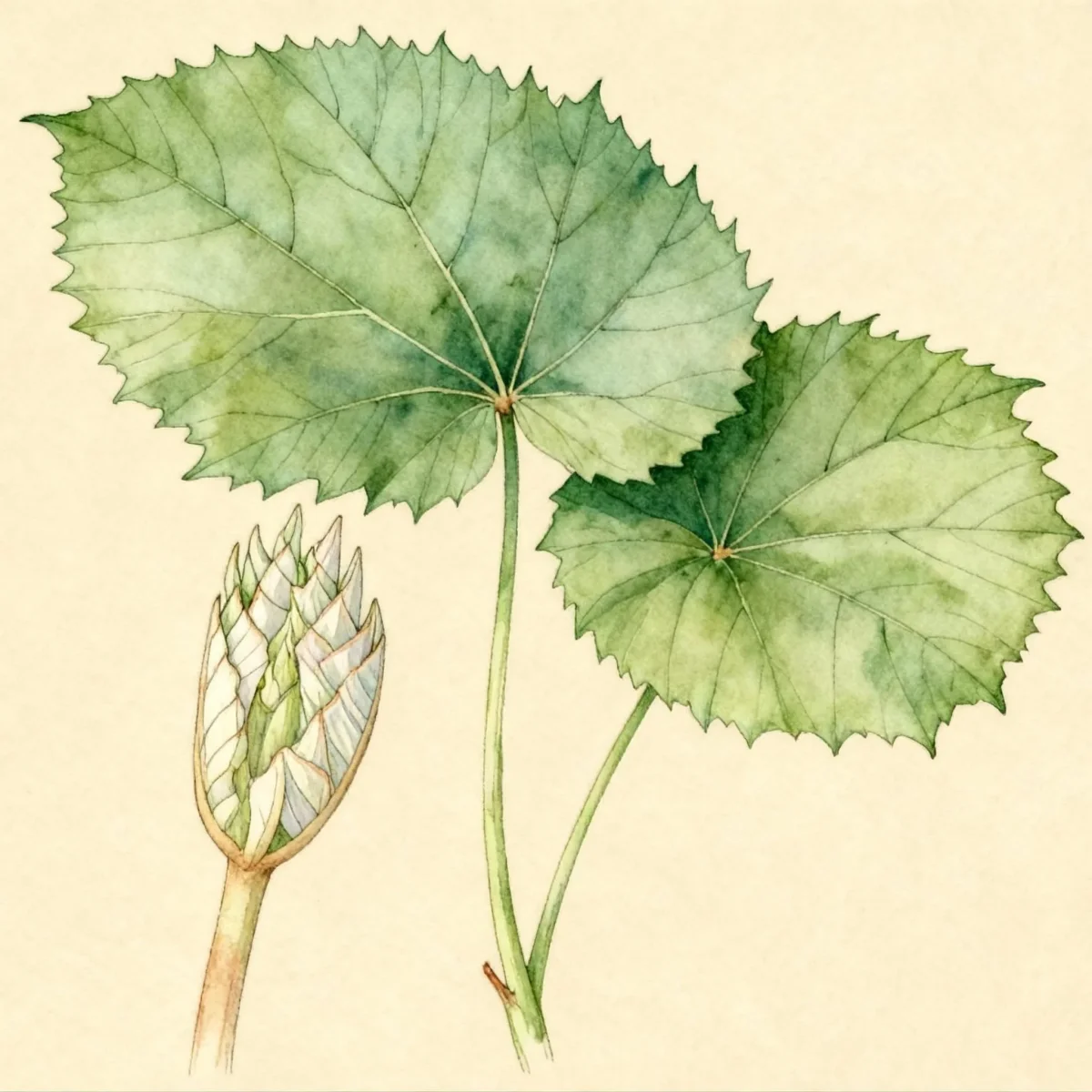
The Rice-paper plant, scientifically known as Tetrapanax papyrifer, is an arresting specimen valued for its dramatically large, deeply lobed, gray-green foliage. This suckering evergreen shrub or small tree establishes an immediate, bold tropical presence in temperate and warmer gardens. It is native to the lush environments of China and Taiwan, bringing an exotic atmosphere wherever it thrives.
This plant offers substantial ornamental value, often growing quickly to form an impressive architectural feature. While the leaves—which can reach up to 15 inches wide—are its main draw, fall brings creamy white flower panicles followed by small black fruit, adding seasonal interest. Gardeners growing Tetrapanax papyrifer should be prepared for its tendency to spread via suckers, a characteristic that requires active management but also allows for naturalizing in large areas.
Despite its exotic appearance, maintenance for the Rice-paper plant is generally low once established in the correct environment. It requires well-drained soil and consistent moisture. Site selection is key, focusing on protected locations to shield the large leaves from damaging winds. For a truly striking impact, this species fills gaps where large-scale texture is needed.
Fast Facts
- Plant Family: Araliaceae
- Plant Type: Broadleaf evergreen
- Native Range: China, Taiwan
- Hardiness Zones: USDA Zones 8-10
- Size at Maturity:
- Height: 4-12 ft
- Spread: 3-8 ft
- Bloom Time: September
- Bloom Description: White
- Sun Exposure: Full sun
- Water Needs: Medium
- Maintenance Level: Low
How to Grow
Planting Tetrapanax papyrifer is best done in spring after the danger of severe frost has passed, allowing it time to establish roots before winter. Locate this plant where soil is organically rich, consistently medium moist, and particularly well-drained, as poor drainage can lead to root issues. While it prefers full sun, gardeners in very hot climates should provide some afternoon shade to prevent leaf scorch.
Ongoing care involves managing its vigorous nature. Tetrapanax papyrifer spreads primarily through root suckers; these must be promptly removed if you wish to control the plant’s spread and prevent it from forming dense colonies. Ensure the planting location is relatively protected from strong winds, which can easily tear the large leaves. Watering should remain consistent to keep the soil evenly moist but never waterlogged.
For gardeners in cooler parts of its range, specifically USDA Zone 8, be aware that plants may suffer dieback to the ground during harsh winters. Fortunately, the Rice-paper plant typically rebounds vigorously with new growth emerging from the root system in spring. In marginal areas, considering growing the plant in containers is an excellent strategy, allowing tropical specimens to be overwintered indoors, away from freezing temperatures.
Landscape Uses
The primary appeal of the Rice-paper plant lies in its large decorative leaves, which provide unmatched architectural interest in the landscape. It serves excellently as a bold specimen plant, drawing attention instantly due to its dramatic texture and scale, contrasting beautifully with finer-textured perennials or smaller shrubs. Its height potential also makes it suitable near the transition points between walls or fences and lower plantings.
Due to its suckering nature and size, it works well for filling large, semi-wild spaces where its colonial spread can be utilized for coverage or quick screening. However, its versatility extends to smaller spaces; consider growing Tetrapanax papyrifer in large containers. Containing the roots prevents unwanted spread while allowing you to showcase its tropical aesthetic on patios or decks.
For companions, look for plants that thrive under similar medium moisture and partial shade conditions, such as hostas, ferns, or hardy Fatsia japonica, to enhance the lush, woodland-edge theme this plant evokes. The sheer size of the foliage ensures this plant remains a focal point from spring until fall dormancy or frost-induced dieback.
Standout Features
Flower Qualities
- Showy
Fruit Qualities
- Showy
Noteworthy Characteristics
Tetrapanax papyriferum, commonly called rice-paper plant, is a suckering, evergreen shrub or small tree of the Ginseng family native to southern China and Taiwan. Its defining feature is its huge, deeply serrated, gray-green leaves, often reaching 10-15 inches wide, which give it immense ornamental impact. In the fall, it produces loose panicles of small white flowers.
Tolerances
No specific tolerance data provided beyond general cultural requirements like sun and water needs.
Potential Problems
Serious insect or disease problems are rare for the Rice-paper plant. The main consideration for gardeners is personal sensitivity; contact with the leaves can cause skin rashes in some individuals. Always handle the plant with gloves, especially during pruning or cleanup, until you verify your personal reaction. Monitoring for environmental stress is more critical than treating pests.
Frequently Asked Questions
What hardiness zones is Rice-paper plant suitable for?
The Rice-paper plant (Tetrapanax papyrifer) is suitable for gardeners in USDA Hardiness Zones 8 through 10.
How large does Rice-paper plant grow?
This species typically reaches a mature height between 4 to 12 feet tall, with a spread ranging from 3 to 8 feet wide.
What sun exposure does Tetrapanax papyrifer need?
Tetrapanax papyrifer generally prefers full sun exposure, though it appreciates a bit of afternoon shade when grown in the hottest climates.
When does Rice-paper plant bloom?
The characteristic white flowers of the Rice-paper plant appear in September, blooming in large, loose panicles late in the season.
Conclusion
The Rice-paper plant (Tetrapanax papyrifer) delivers unmatched architectural drama for gardeners seeking a bold, tropical feel with relatively low maintenance needs. Its huge foliage ensures year-round structure, even if the top growth suffers minor winter damage in Zone 8. Assess your local hardiness zone and ensure you have rich, well-drained soil before planting this unique specimen.
Companion Planting
To complement the massive leaves and general requirements of the Rice-paper plant, focus on plants that appreciate similar growing conditions—rich, moist soil and protection from harsh summer afternoon sun. Fine-textured ferns, such as Japanese Painted Ferns (Athyrium niponicum) or Autumn Ferns (Dryopteris erythrosora), create a stunning textural contrast against the broad, lobed leaves of Tetrapanax papyrifer.
Consider using bolder, but distinctly different, foliage plants nearby, such as hardy bananas (Musa basjoo) or large Elephants Ears (Colocasia species) in slightly more protected spots. These combinations enhance the jungle aesthetic that the Rice-paper plant is known for, creating deep layers of tropical appeal within the garden bed.
Propagation Tips
The easiest method for propagating the Rice-paper plant is through division of its root system, directly tied to its natural suckering habit. To create a new perennial specimen, carefully dig around the base of a mature plant when it is dormant or just beginning active growth in early spring. Look for a runner or developing sucker that shows signs of having its own root structure.
Sever the sucker cleanly from the main root system, making sure to minimize damage to both the parent and the new plant. Transplant the separated piece immediately into a prepared spot with rich, amended soil. Keep the newly planted Tetrapanax papyrifer consistently moist for several weeks to mitigate transplant shock and encourage establishment.