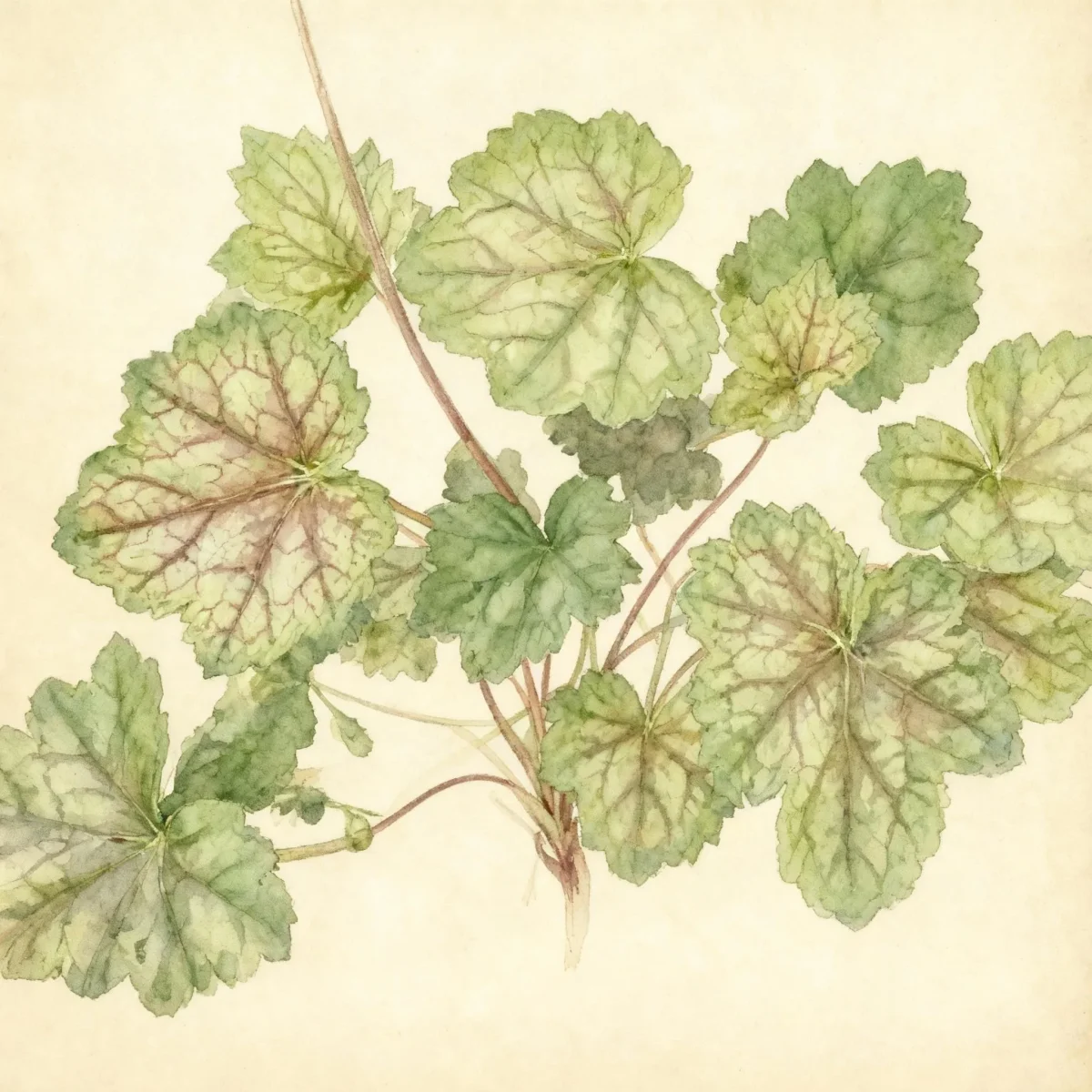
Coral bells (Heuchera 'Black Forest Cake')
Heuchera 'Black Forest Cake' coral bells offer deep purple-brown foliage and bright pink-red blooms in zones 4-9.
Scroll down to discover growing tips, care requirements, companion plants, and more
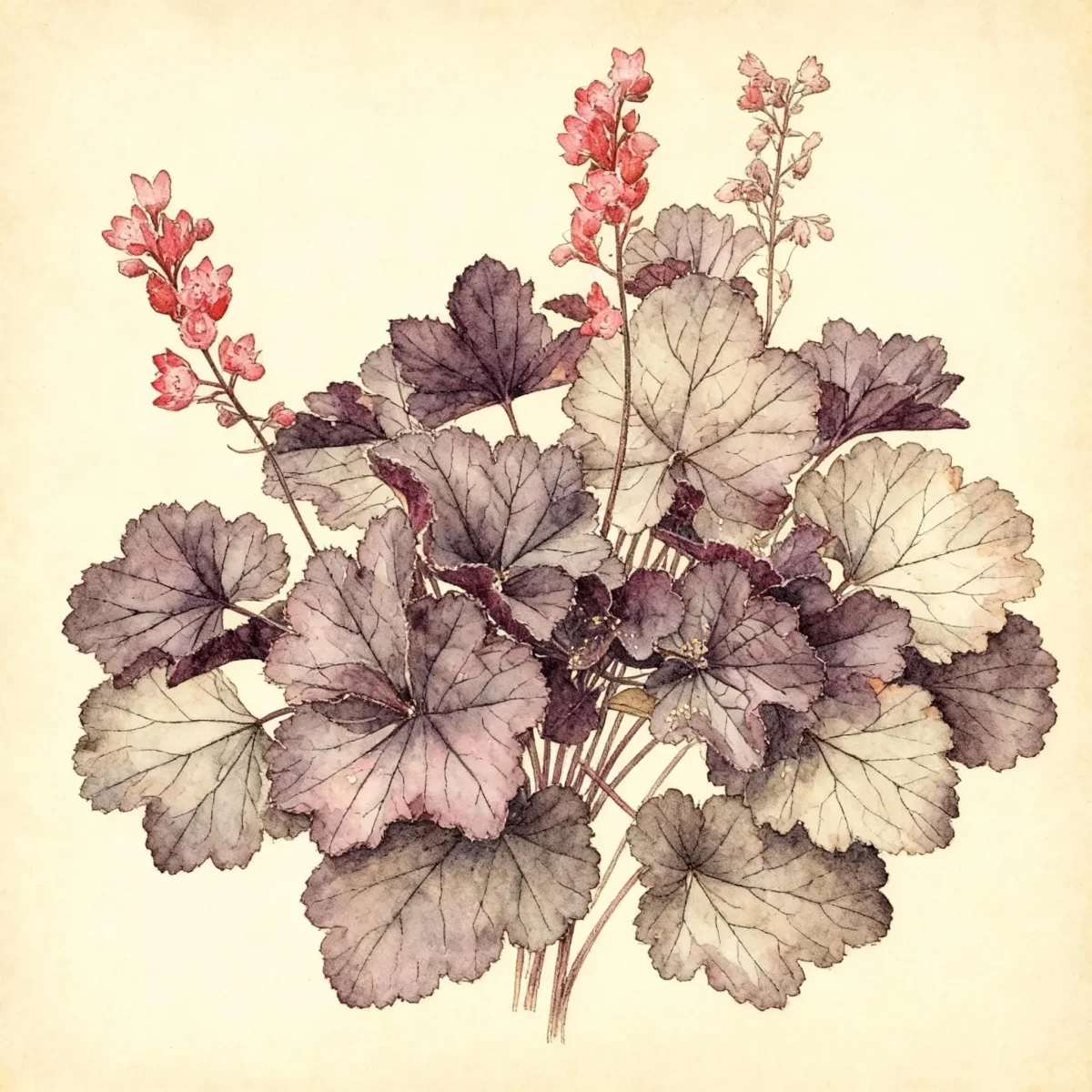
Complete Plant Information
Overview
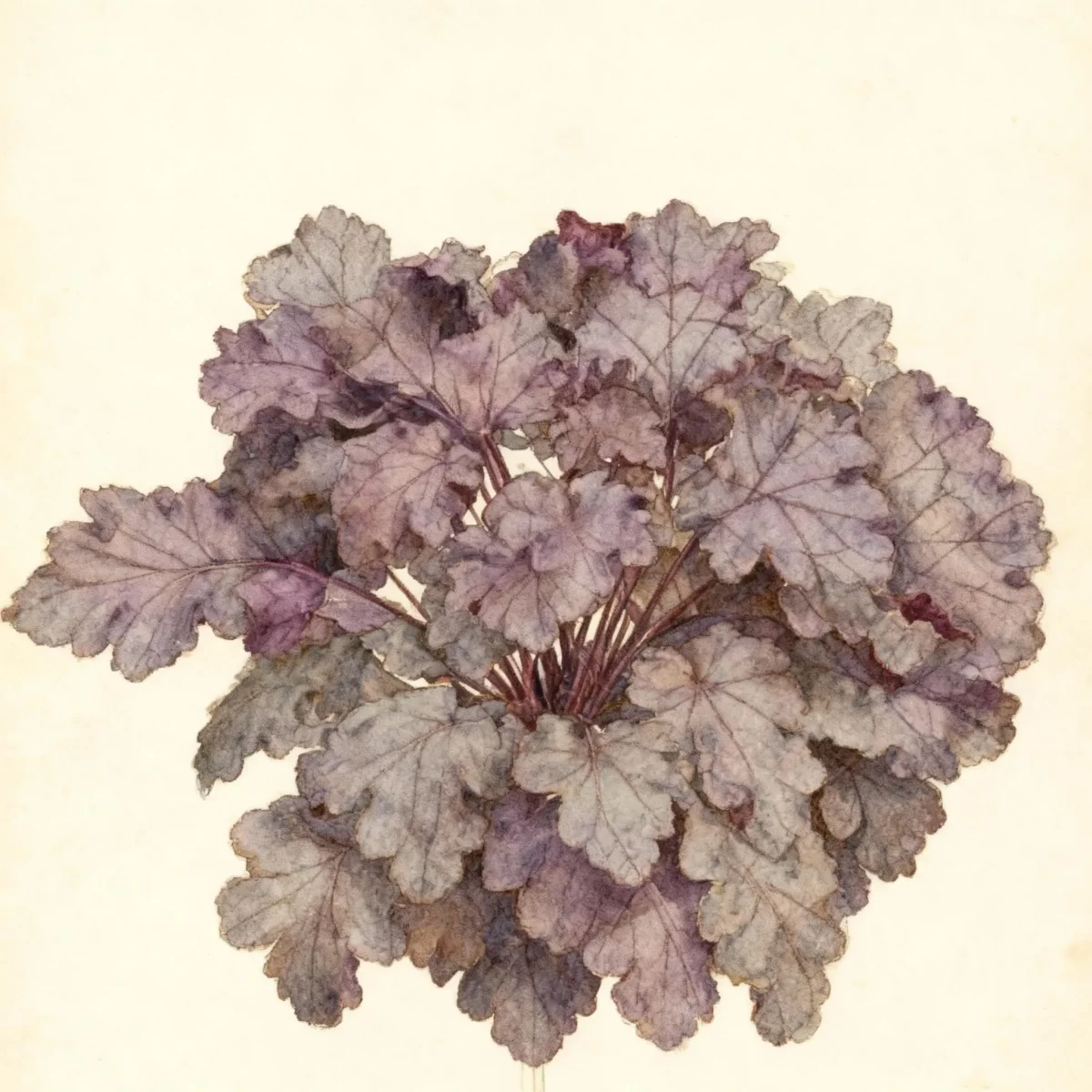
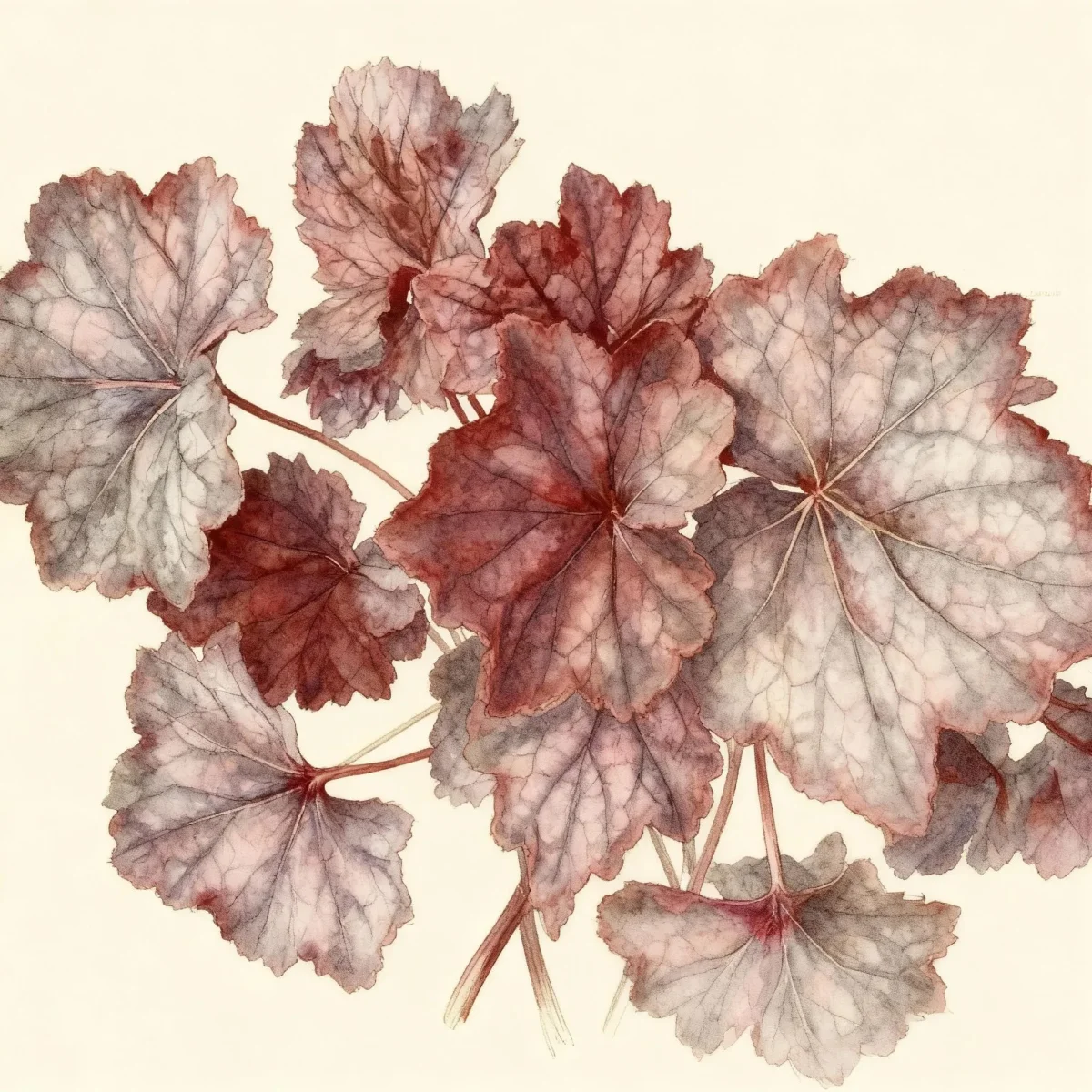
Heuchera ‘Black Forest Cake’, a stunning selection of Coral bells, is prized primarily for its exceptionally dark foliage, which presents as deep purple-brown to nearly black. This cultivar provides rich, contrasting texture and color interest essential for lifting darker corners of the garden space throughout the growing season. Supported by its tough herbaceous perennial nature, this variety reliably forms neat mounds reaching about six inches tall.
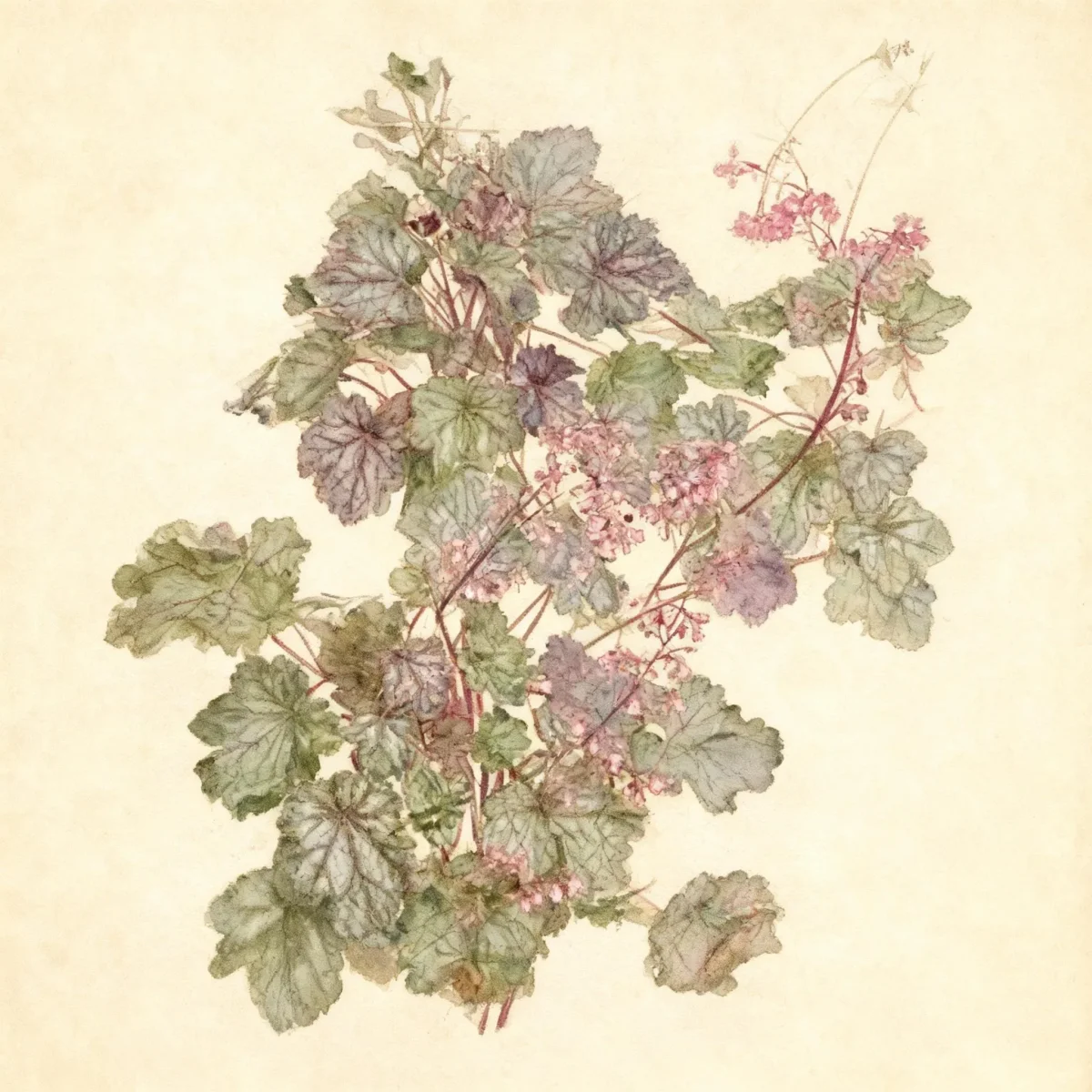
In late spring to early summer, Heuchera ‘Black Forest Cake’ offers a delicate but showy display of bright pink-red flowers held above the dense foliage. While the flowers contribute seasonal charm, the primary ornamental appeal rests in the year-round dark coloring of the leaves, especially in areas where the foliage remains semi-evergreen through warmer winters. Gardeners often rely on Coral bells for consistent color that bridges gaps between dominant seasonal blooms.
This selection thrives best with consistent cultural care, preferring rich, well-draining soil and protection from the harshest afternoon sun, though its specific needs can vary based on local climate severity. Successfully cultivating Heuchera ‘Black Forest Cake’ establishes a low-growing specimen perfect for edging, mass planting, or brightening shaded borders.
Fast Facts
- Plant Family: Saxifragaceae
- Plant Type: Herbaceous perennial
- Hardiness Zones: USDA Zones 4-9
- Size at Maturity:
- Height: 0.5-1 ft
- Spread: 0.75-1 ft
- Bloom Time: May to June
- Bloom Description: Pink-red
- Sun Exposure: Full sun to part shade
- Water Needs: Medium
- Maintenance Level: Medium
How to Grow
Planting Coral bells, including Heuchera ‘Black Forest Cake’, is best done when the risk of hard frost has passed, ensuring the soil is amended with ample organic matter. These plants demand organically rich, humusy, medium moisture, well-drained soils. While many hybrids tolerate full sun, especially in cooler northern climates, provide afternoon shade in hotter regions to prevent foliage scorch and decline. Consistent moisture is crucial if placed in sunnier locations.
Watering should be consistent to maintain even moisture, avoiding both waterlogging and full drying out, which stresses the plant. Fertilization is generally unnecessary if the soil is rich, but a light spring application of balanced fertilizer can support robust growth. Deadheading faded flower stems encourages the plant to put energy back into leaf production, maximizing the display of the dark foliage of Heuchera ‘Black Forest Cake’.
In cold winter areas, protect the roots by applying a compost mulch only after the ground has frozen solid to prevent damaging winter root heaving. In spring, clean up any lingering old foliage. To maintain vigor and prevent overcrowding, plan to divide mature clumps every three to four years during the spring season.
Landscape Uses
Heuchera ‘Black Forest Cake’ is exceptionally versatile, providing near-black structure in mixed plantings where many perennials fade to green. Its mounding habit makes it an effective edger, cleanly defining pathways or the front of perennial borders without sprawling excessively. Grouping Coral bells together in drifts, rather than planting singles, maximizes the visual impact of the dark foliage mound.
Consider utilizing Heuchera ‘Black Forest Cake’ in rock gardens, where their compact size and tolerance for varied light levels shine. They also perform admirably in open woodland garden settings, complementing taller ferns and hostas. The contrast between its nearly black leaves and lighter green or silver-leaved companions creates dramatic focal points throughout the garden design.
Standout Features
Flower Qualities
- Showy
Noteworthy Characteristics
Heuchera, commonly called coral bells or alumroot, is a genus consisting of about 55 species of evergreen to semi-evergreen herbaceous perennials which are all native to North America. Hybrid plants feature leaves in an expanded variety of colors including violet, purple, maroon, bronze, and silver-black, often with streaked or marbled variegation. ‘Black Forest Cake’ is a dark-leaved heuchera selection with a showy floral display, featuring mounds of dark purple-brown to nearly black foliage reaching about 6” tall with a 12” spread. Bright pink-red flowers bloom in loose clusters held on thin stems about 6” above the foliage clumps from late spring to early summer.
Tolerances
- Foliage is essentially evergreen in warm winter climates.
Potential Problems
Frost heaving of roots is a key concern during seasons with fluctuating winter temperatures, which can lift the root ball out of the soil. To avoid this, apply a winter compost mulch only after the ground freezes hard. Disease issues can include powdery mildew, fungal rust, and bacterial leaf spot, usually resulting from poor air circulation or excessive humidity. Management involves ensuring good site drainage and avoiding overhead watering when possible. Watch out for common insect pests like weevils and foliar nematodes, treating them promptly if infestations become severe. Taking proactive steps described in the culture section helps keep your Heuchera ‘Black Forest Cake’ healthy.
Frequently Asked Questions
What hardiness zones is Coral bells suitable for?
Heuchera ‘Black Forest Cake’ Coral bells are suitable for USDA Zones 4 through 9.
How large does Heuchera ‘Black Forest Cake’ grow?
This cultivar typically reaches a height between 0.5 and 1 foot, with a spread between 0.75 and 1 foot.
What sun exposure does Coral bells need?
Coral bells require a location receiving full sun to part shade; afternoon shade is often beneficial, especially in warmer climates.
When does Heuchera ‘Black Forest Cake’ bloom?
This plant blooms generally from May to June, featuring pink-red flowers.
Conclusion
Heuchera ‘Black Forest Cake’ offers unparalleled value through its dramatic, dark foliage that anchors any shaded or partially sunny perennial bed. Successfully growing this cultivar depends on providing consistent moisture in well-drained, rich soil. Before planting your Coral bells, confirm that your site falls within USDA Zones 4-9 and plan for protection against harsh winter temperature swings.
Companion Planting
Selecting companions that share the preference for well-drained soil and dappled light will ensure a cohesive planting scheme. Hostas work wonderfully alongside Heuchera ‘Black Forest Cake’, especially varieties with bright green or blue foliage, to amplify the depth of the dark purple leaves. Ferns, such as Japanese Painted Ferns or Autumn Ferns, also provide excellent textural contrast without competing heavily for soil nutrients.
Consider using groundcovers like creeping thyme or low-growing sedges in full to partial sun areas, or rely on woodland ephemerals for late spring interest before the Coral bells fully establish dominance. The low-growing structure of Heuchera makes it an excellent filler plant between larger shrubs or around the base of small ornamental trees.
Design Ideas for Dark Foliage
The nearly black leaves of Heuchera ‘Black Forest Cake’ function as a dark anchor or contrasting backdrop in garden design. Use this plant near lighter-colored hardscaping, such as pale gravel or light gray stone paths, to make the foliage color “pop” visually. In containers, combine it with silvery foliage plants like Lamium or trailers such as ‘Sweet Caroline Purple’ sweet potato vine for a sophisticated, moody arrangement.
When planting masses of this cultivar, ensure a slight size variation in the planting area to avoid a monotonous look. Placing smaller, brighter Heuchera varieties or plants with chartreuse leaves adjacent to the dark mounds of ‘Black Forest Cake’ accentuates the depth of the purple, preventing the dark color from reading as merely brown or muddy.