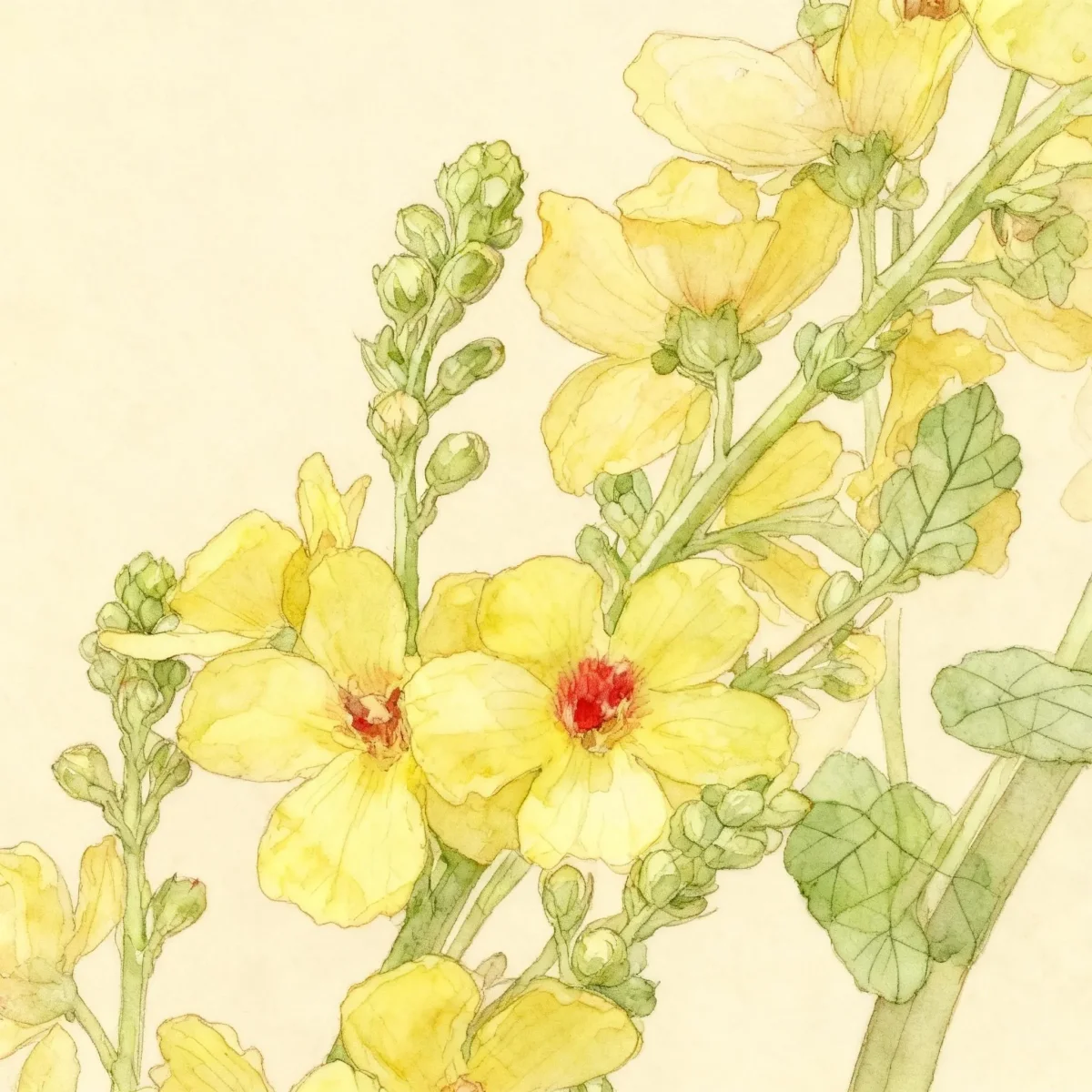
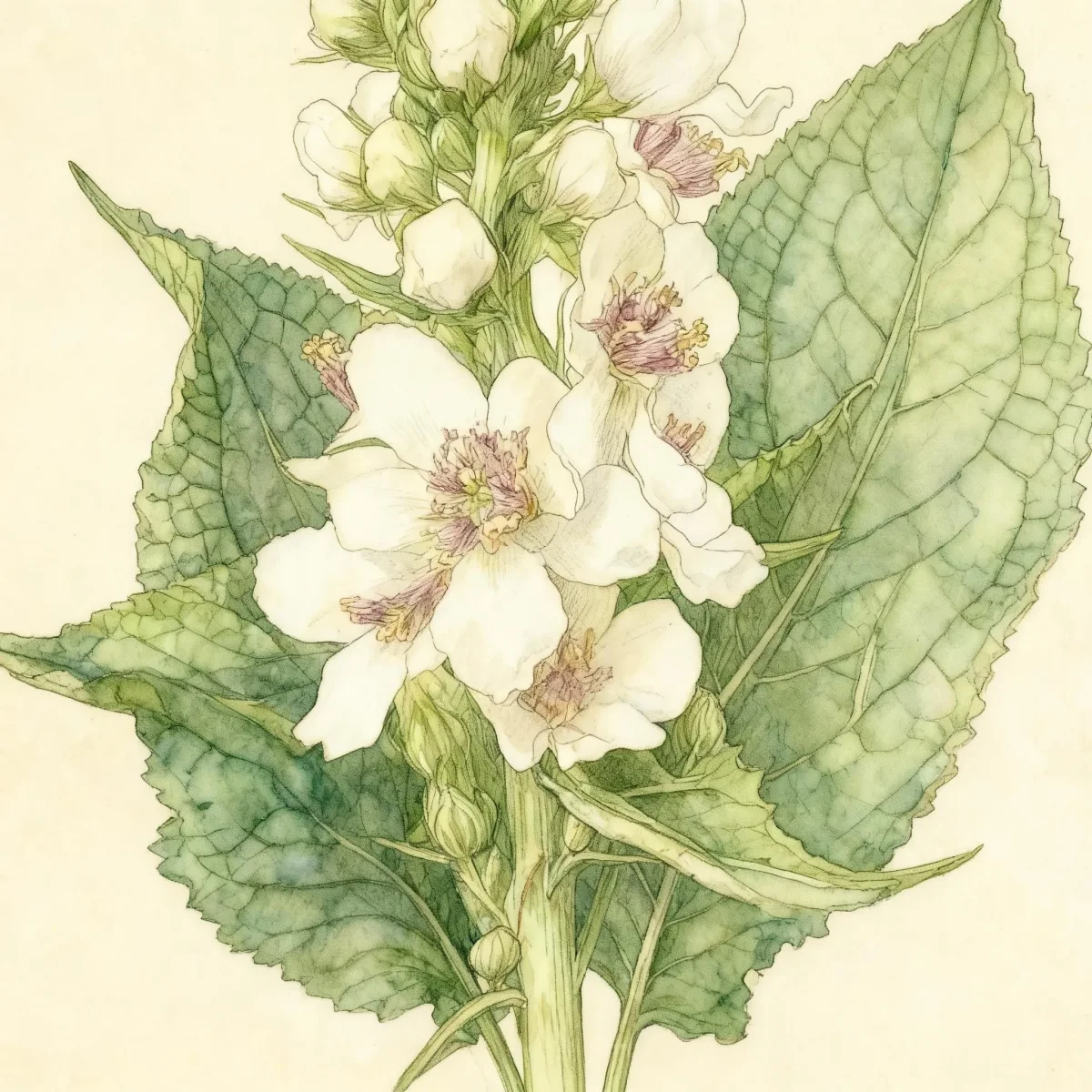
Verbascum (Verbascum 'Lavender Lass')
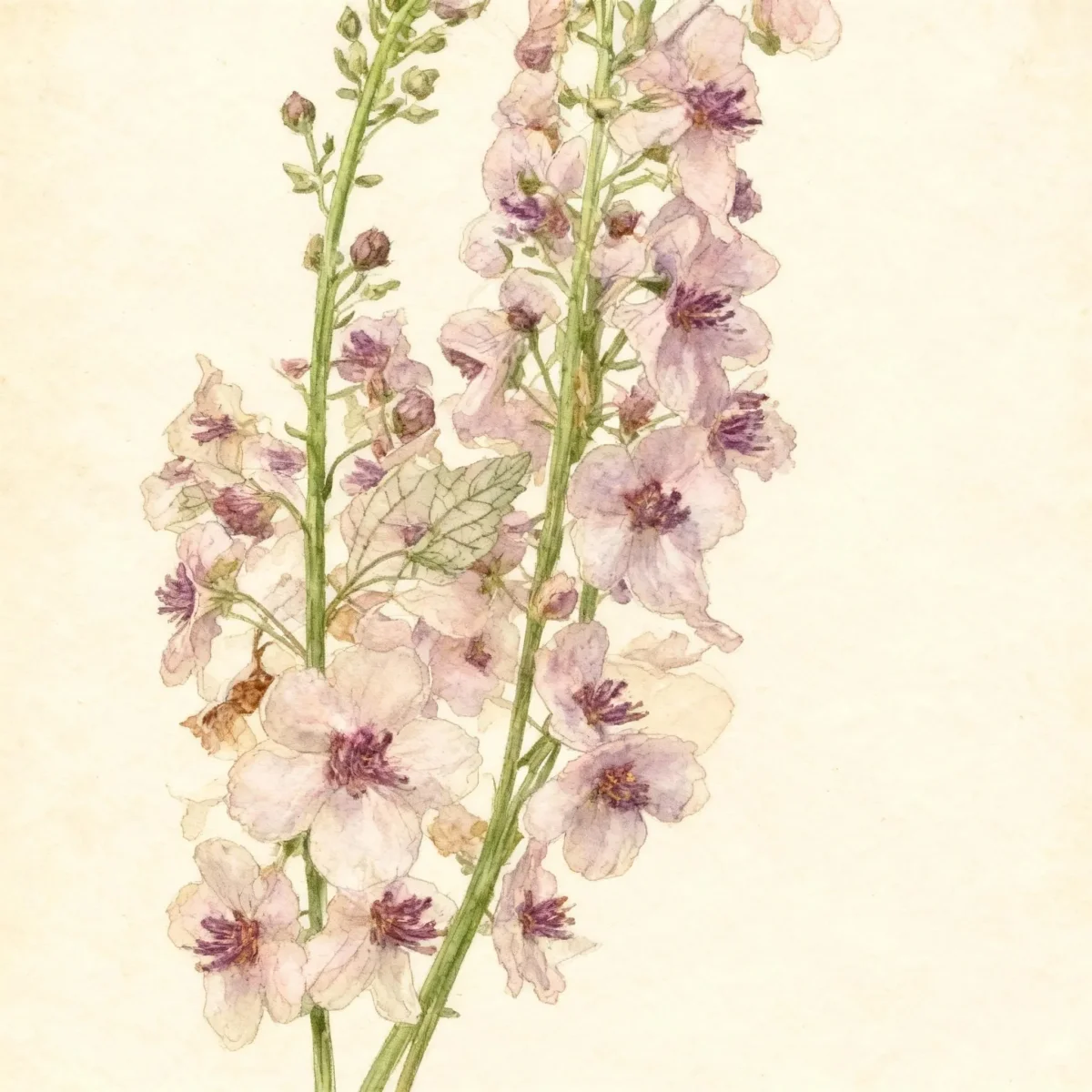
Verbascum 'Lavender Lass' offers showy, lavender-pink spikes in early summer. Low maintenance, drought-tolerant perennial for sunny borders.
Scroll down to discover growing tips, care requirements, companion plants, and more

Complete Plant Information
Overview
Verbascum ‘Lavender Lass’ is a cherished cultivar known for its abundant display of soft lavender-pink blooms rising above textured basal foliage clumps. This Mullein variety brings excellent vertical structure and vibrant color contrast to sunny garden spaces throughout late spring and early summer. As a member of the Verbascum genus, it embodies hardiness and ornamental appeal, particularly valued for its low cultural demands.
This herbaceous perennial thrives even in challenging conditions, tolerating poor soils where many other plants struggle. Its mature height of up to 2 feet makes it perfect for adding mid-layer drama to borders without overwhelming surrounding plants. Gardeners appreciate the low maintenance required to keep Verbascum ‘Lavender Lass’ looking excellent.
The aesthetic contribution of Verbascum ‘Lavender Lass’ lies in its upright flowering stalks, which offer a striking silhouette against the backdrop of cottage gardens or gravelly naturalized areas. Its drought tolerance ensures reliability, making it an excellent choice for water-wise landscaping plans.
Fast Facts
- Plant Family: Scrophulariaceae
- Plant Type: Herbaceous perennial
- Hardiness Zones: USDA Zones 5-9
- Size at Maturity:
- Height: 0.75-2 ft
- Spread: 1-1.25 ft
- Bloom Time: May to July
- Bloom Description: Lavender-pink
- Sun Exposure: Full sun
- Water Needs: Dry to medium
- Maintenance Level: Low
How to Grow
Planting Verbascum ‘Lavender Lass’ is simplest in the spring after the danger of hard frost has passed, though fall planting also works well in milder zones. These plants require full sun for the best performance, though they tolerate light afternoon shade. The most crucial factor for success is excellent soil drainage; they thrive in average to dry, well-drained soils and will suffer greatly in wet spots.
Maintenance for Verbascum is exceptionally low. Water sparingly once established, as they are highly drought-tolerant. Avoid rich, heavily fertilized soils, as this can lead to floppier growth, potentially necessitating staking for taller spikes.
Deadheading spent flower spikes before seeds fully mature can encourage the plant to produce extra blooms, stimulating its perennial tendencies. However, the plant often behaves as a biennial or short-lived perennial, so allowing some spikes to go to seed is recommended to ensure natural reseeding maintains your planting of Verbascum ‘Lavender Lass’. If necessary, propagation can also be achieved via root cuttings taken in early spring.
Landscape Uses
Verbascum ‘Lavender Lass’ shines when used in cottage gardens, creating beautiful vertical accents among softer, mounding companions. Its robust nature makes it ideal for naturalizing areas, dry slopes, or scree gardens where the soil is lean and drainage is sharp. Due to its compact size relative to some other Mulleins, this cultivar also performs admirably as a colorful addition to containers.
Use the upright spikes of lavender-pink flowers to break up the horizontal texture of low-growing perennials or groundcovers. They pair wonderfully with Mediterranean herbs, Sedum, or silver foliage plants that share similar preferences for dry, sunny conditions. Integrating this Verbascum ensures season-long interest from its foliage right through its summer floral display.
Standout Features
Flower Qualities
- Showy
Noteworthy Characteristics
Verbascum is a genus of about 350 species of mostly biennial plants but also some annuals, perennials and sub-shrubs. They are native from Europe to North Africa to Western and Central Asia. They are grown for their attractive flower spikes.The genus name Verbascum comes from the Latin word barbascum which means “bearded”, in reference to the hairy stamen filaments of some species.‘Lavender Lass’ features an abundant display of 1.75” wide, lavender-pink blooms on compact, upright flowering stalks. This cultivar resulted from a purposeful cross of Verbascum ‘Jackie’ and a pink flowering selection of V. Phoeniceum. Mature plants will reach 2’ tall with a 1.25’ spread. The flowering stalks rise above 8” tall clumps of highly textured, basal foliage from late spring into summer. This plant is protected by patent number PP16658.
Tolerances
- Deer
- Drought
Potential Problems
While generally tough, Verbascum ‘Lavender Lass’ does have a few susceptibilities. Be vigilant for spider mites, particularly during periods of intense, dry heat; regular spraying with insecticidal soap can mitigate infestations. Taller Mullein varieties sometimes require staking if grown in overly rich soil or exposed to heavy winds, though this variety is relatively compact. The single most often fatal issue is poor soil drainage; avoid planting in areas that retain water after heavy rains, as wet, poorly drained soils are usually fatal to this drought-loving beauty. Deer tend to avoid this plant, offering a bonus protection in deer-prone areas.
Frequently Asked Questions
What hardiness zones is Verbascum ‘Lavender Lass’ suitable for?
Verbascum ‘Lavender Lass’ is reliably hardy in USDA Zones 5 through 9.
How large does Verbascum grow?
Mature plants typically reach a height between 0.75 and 2 feet tall, maintaining a spread of 1 to 1.25 feet.
When does Verbascum bloom?
Expect the showy, lavender-pink blooms of Verbascum ‘Lavender Lass’ to appear reliably from May through July.
What sun exposure does Verbascum need?
This plant requires full sun for optimal flowering, though it will tolerate partial shade.
Conclusion
Verbascum ‘Lavender Lass’ offers exceptional architectural interest and reliable summer color with minimal input from the gardener, thanks to its drought tolerance and low needs. Incorporating this hardy Mullein into your sunny borders guarantees vertical accents that thrive in lean soils. Check your local hardiness zone compatibility and plan to plant this season for summer enjoyment.
Propagation Tips
While Verbascum ‘Lavender Lass’ may act as a short-lived perennial, it readily ensures its presence through reseeding. To maximize the number of plants, allow some of the central flower spikes to mature and drop seed naturally in late summer or fall. If you wish to preserve the exact characteristics of this cultivar, hand-pollination or collecting seeds immediately upon drying is necessary, as natural self-seeding may revert traits. Alternatively, successful propagation can be achieved through root cuttings taken in the early spring before new growth emerges, offering a reliable method for cloning this specific pink-flowering type.
Companion Planting
Companion planting for Verbascum benefits from selecting species that enjoy similar dry, sunny conditions and lean soils. Integrate plants such as drought-tolerant ornamental grasses, Lavender (Lavandula), or hardy Sedums for textural contrast. The vertical lines of the Mullein spikes serve as an excellent foil for billowing plants like Russian Sage (Perovskia), creating a classic cottage garden tapestry that requires consistent sun exposure across the board.