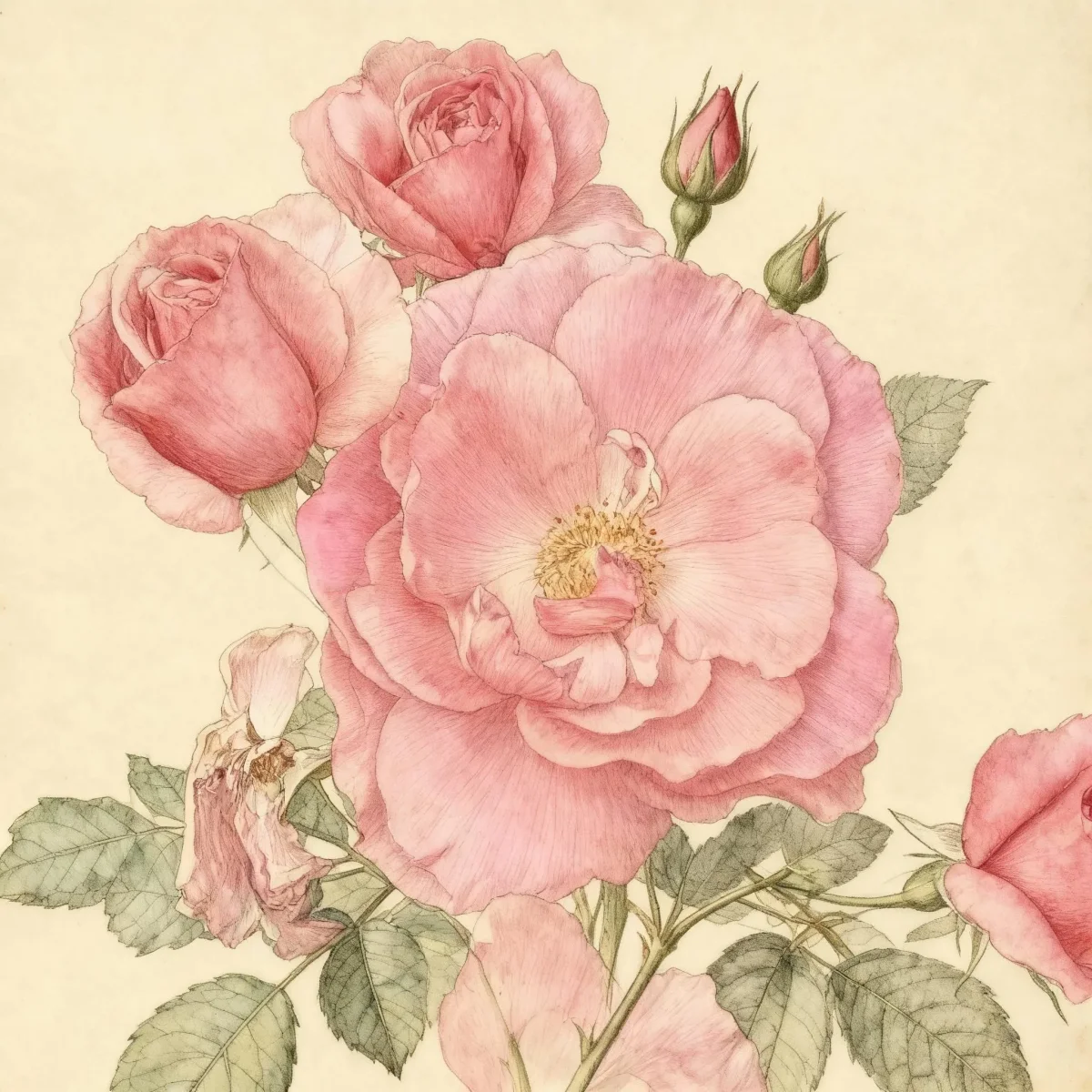
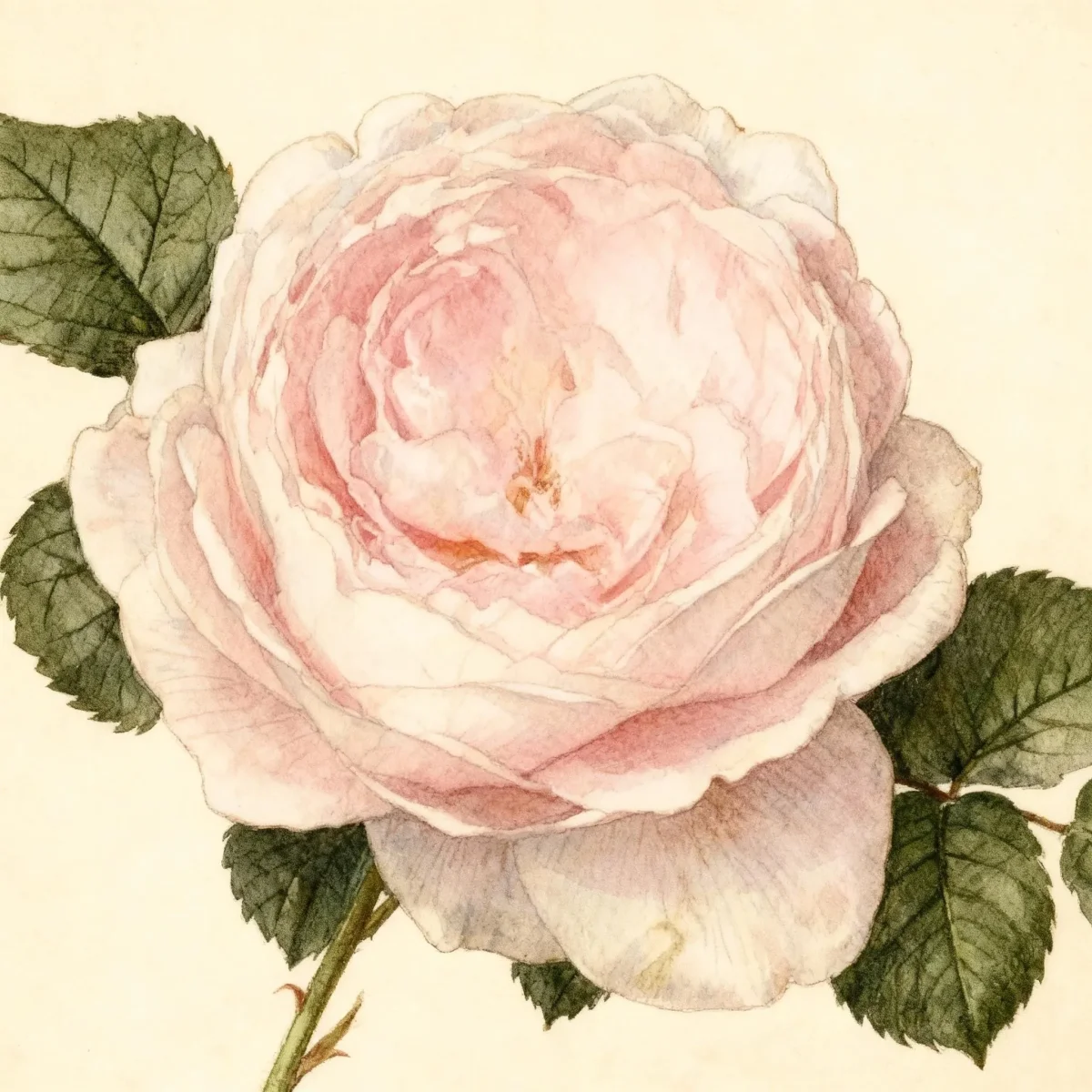
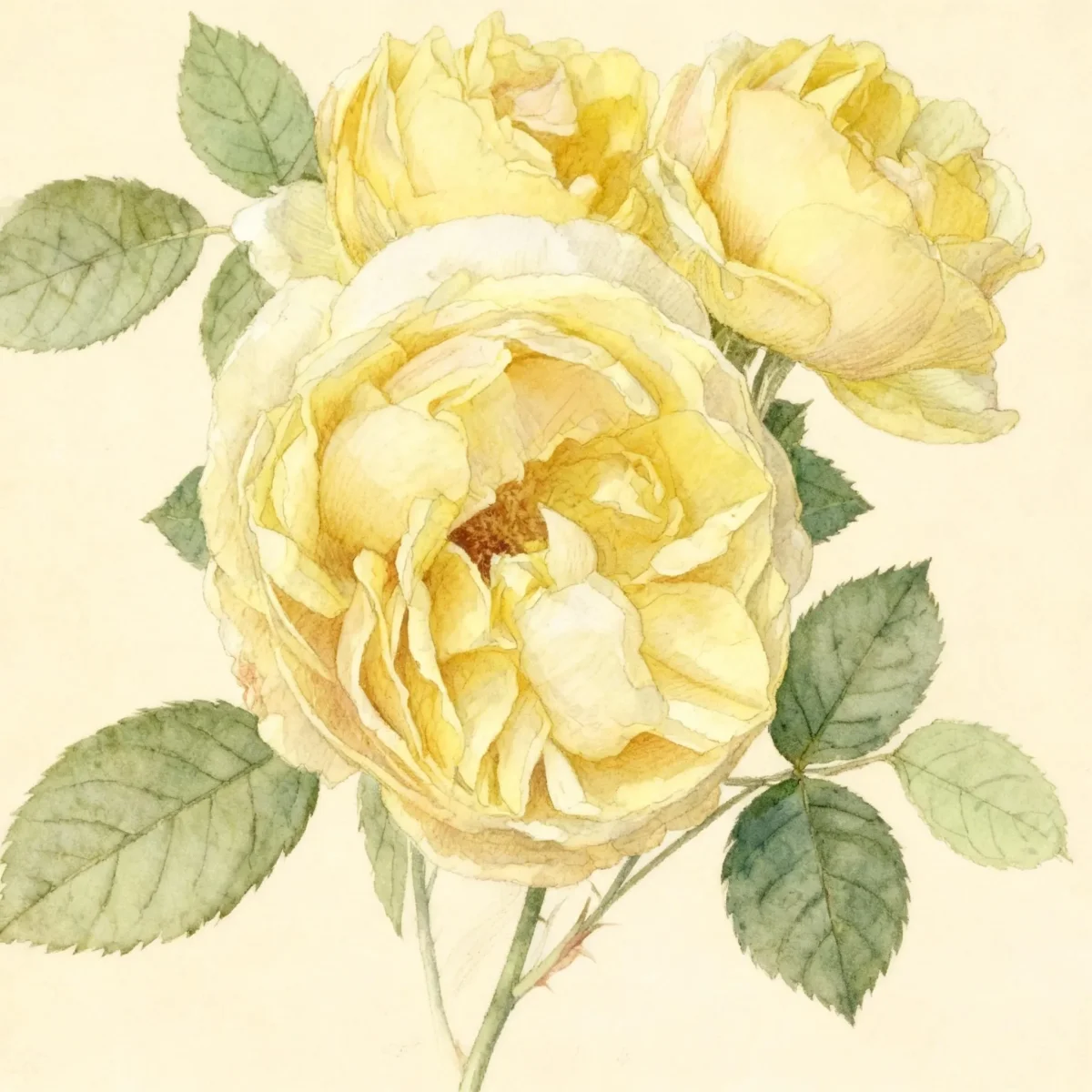
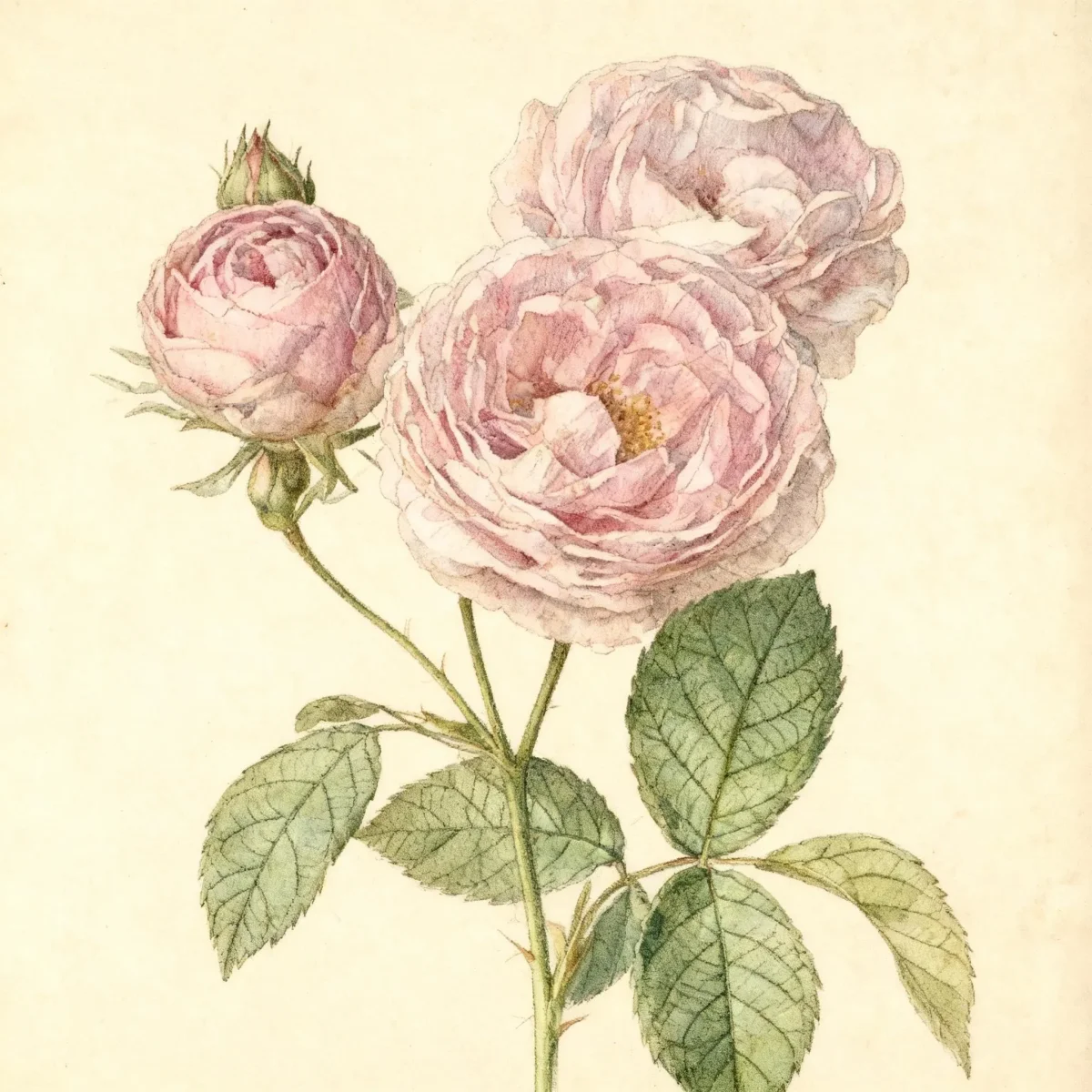
Shrub rose (Rosa 'Ausursula' THE LARK ASCENDING)
Rosa 'Ausursula' THE LARK ASCENDING is a vigorous Shrub rose offering fragrant, apricot-pink blooms from May to frost, ideal for borders.
Scroll down to discover growing tips, care requirements, companion plants, and more
Complete Plant Information
Overview
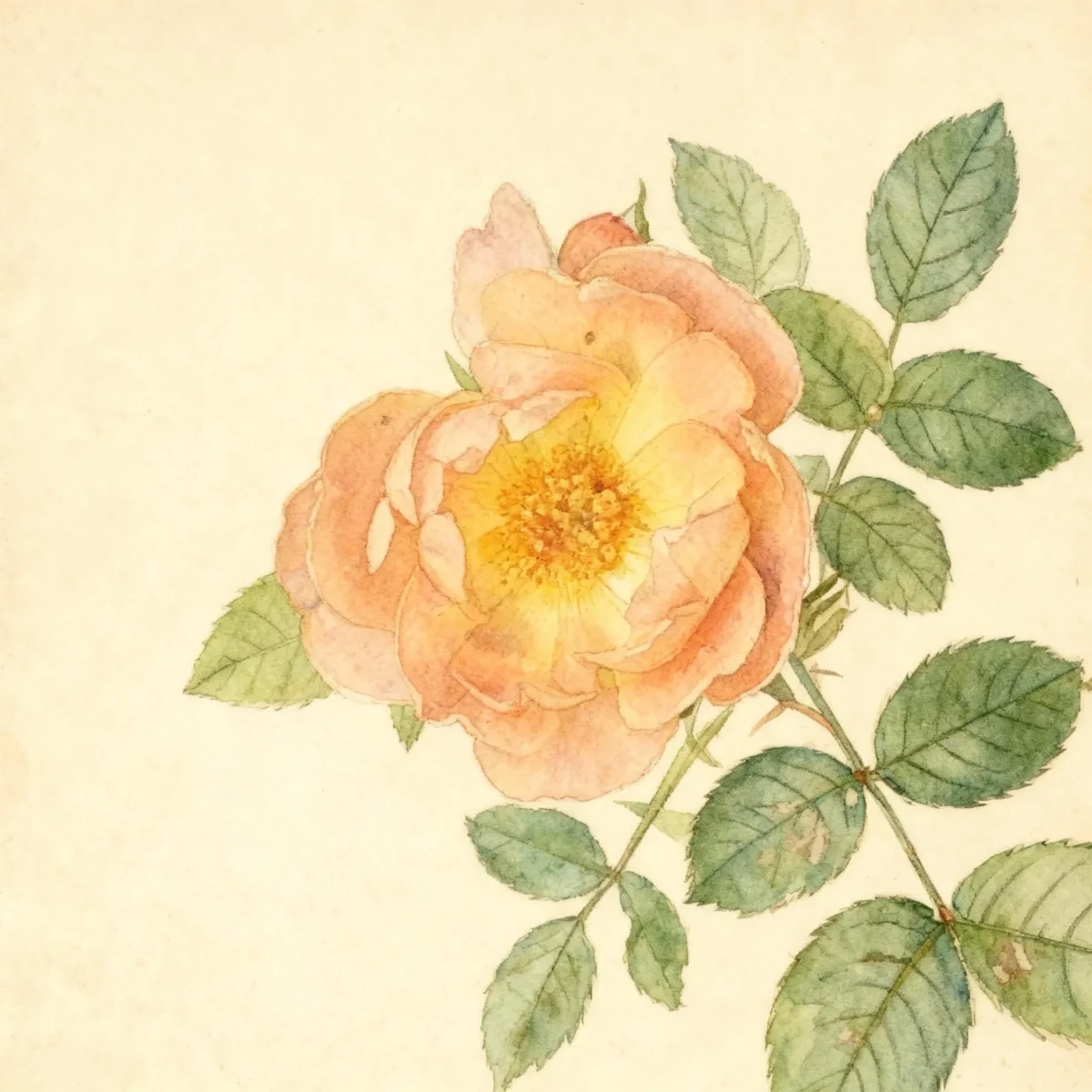
Rosa ‘Ausursula’ THE LARK ASCENDING, commonly recognized as a Shrub rose, brings exceptional value to the garden through its repeat blooming nature and attractive foliage. This variety develops lightly fragrant, semi-double blooms featuring apricot-pink petals highlighted by warm golden centers, making it a stunning focal point. As a robust hybrid English shrub rose, it forms an upright, vigorous bush between 4 and 5.5 feet tall, ensuring significant presence in the landscape from early summer until the first hard frost.
The reliable performance and beautiful coloration set Rosa ‘Ausursula’ THE LARK ASCENDING apart, rewarding gardeners with season-long interest. It thrives best when provided with adequate sun exposure, which also aids in maintaining good disease resistance typical of high-quality Shrub roses. Successful cultivation requires medium water input and moderate maintenance, aligning well with gardeners seeking both beauty and reliable structure in their outdoor spaces.
Consider incorporating Rosa ‘Ausursula’ THE LARK ASCENDING into mixed borders or as an elegant specimen planting where its fragrance and continuous show of color can be fully appreciated throughout the growing season by all who view it.
Fast Facts
- Plant Family: Rosaceae
- Plant Type: Deciduous shrub
- Hardiness Zones: USDA Zones 5-9
- Size at Maturity:
- Height: 4-5.5 ft
- Spread: 4-5.5 ft
- Bloom Time: May to frost
- Bloom Description: Orange-pink with yellow centers
- Sun Exposure: Full sun
- Water Needs: Medium
- Maintenance Level: Medium
How to Grow
The ideal planting time for Rosa ‘Ausursula’ THE LARK ASCENDING is generally late winter to early spring when the plant is dormant, though container-grown specimens can be planted throughout the active season. These Shrub roses perform best when established in well-drained garden loams that are slightly acidic. While they tolerate partial shade, maximizing flowering potential and ensuring superior disease resistance for Rosa ‘Ausursula’ THE LARK ASCENDING requires placement in full sun.
Consistent care is crucial for the health of this repeat bloomer. Water deeply and regularly, ensuring the application is done in the mornings to allow foliage to dry before evening. Good air circulation is essential; avoid overhead watering which can promote leaf spot diseases. Incorporate summer mulch to manage soil temperature and moisture levels, which the plant appreciates, as it prefers medium moisture.
Routine deadheading—removing spent flowers—will significantly encourage the plant to set subsequent flushes of blooms until the season concludes. In colder reaches of its zone range (such as Zone 5 winters), providing winter protection for the crowns is recommended. Late winter or early spring is the correct time to perform necessary pruning, focusing on shaping and removing crossing branches. Following pruning, always clean up and destroy fallen debris to minimize the overwintering of fungal spores.
Landscape Uses
This versatile Shrub rose excels when utilized as a striking specimen plant, drawing the eye with its vigorous habit and continuous blooms. Rosa ‘Ausursula’ THE LARK ASCENDING fits perfectly within traditional cottage gardens, blending beautifully with classic perennials that share similar sun and soil needs. Alternatively, use mature plants to define borders or soften large foundation plantings, offering height and structure.
For structural applications, this variety also proves effective when planted closely together to form an informal hedge, providing a fragrant, flowering screen that is softer than formal hedging materials. When selecting companions, look toward plants that appreciate excellent drainage and full sun, such as catmint, hardy geraniums, or lavender, ensuring your entire planting scheme shares similar cultural requirements to support the needs of this beautiful rose.
Standout Features
Flower Qualities
- Showy
- Fragrant
Noteworthy Characteristics
Rosa ‘Ausursula’ THE LARK ASCENDING is classified as a repeat blooming, hybrid, English shrub rose. Its mature size is reliably around 5.5 feet tall with a similar spread, exhibiting an upright yet somewhat loose growth habit suitable for substantial garden presence. Gardeners often seek this cultivar specifically because it is commonly sold commercially under the popularized name THE LARK ASCENDING.
Potential Problems
Roses, including this vigorous Shrub rose, are prone to several common issues, most notably black spot, powdery mildew, and rust. The first and most important control measure is excellent cultural practice, such as ensuring proper spacing for air movement and avoiding wet foliage late in the day. In humid regions, preventative applications of fungicides throughout the active growing season are often necessary to maintain clear leaves. Common pests include aphids sucking on new growth, spider mites which thrive in hot, dry conditions, and borers targeting woody stems; regular inspection allows for early, targeted treatment. Proper cleanup of fallen leaves in the fall is essential to reduce fungal disease sources for the following year.
Frequently Asked Questions
What hardiness zones is Shrub rose suitable for?
Rosa ‘Ausursula’ THE LARK ASCENDING is reliably hardy in USDA Zones 5 through 9.
How large does Rosa ‘Ausursula’ THE LARK ASCENDING grow?
Mature plants typically reach a height between 4 and 5.5 feet, with a similar spread of 4 to 5.5 feet wide.
When does Shrub rose bloom?
This variety displays its beautiful, apricot-pink blooms beginning in May and continues flushing with flowers until the first frost arrives.
What sun exposure does Rosa ‘Ausursula’ THE LARK ASCENDING need?
For the best flowering and disease resistance, this Shrub rose requires full sun exposure in the garden.
Conclusion
Rosa ‘Ausursula’ THE LARK ASCENDING stands out as a rewarding Shrub rose, offering abundant, fragrant blooms from May through frost with a manageable maintenance profile. Its substantial size and repeat flowering make it a cornerstone for any garden design seeking classic structure and excellent color saturation. Before planting, confirm your USDA hardiness zone compatibility and ensure you select a site that provides the necessary full sun for optimal performance of this splendid rose.
Design Ideas for THE LARK ASCENDING
Selecting appropriate companions can elevate the presence of Rosa ‘Ausursula’ THE LARK ASCENDING in the landscape. Ideal partners are robust, mid-height perennials that offer contrasting textures or cool-toned blooms to balance the warm apricot-pink flowers. Consider planting silvery foliage like Lamb’s Ear (Stachys byzantina) near the base to visually anchor the shrub and protect the cooler soil base it prefers.
For a classic English garden feel, intersperse this Shrub rose with deep purple or blue flowering plants such as Russian Sage (Perovskia atriplicifolia) or tall varieties of Catmint (Nepeta). These companions thrive in similar sunny, well-drained conditions and their cooler hues allow the vibrant bloom of Rosa ‘Ausursula’ THE LARK ASCENDING to truly pop visually across the garden space.
Companion Planting Considerations
Since Rosa ‘Ausursula’ THE LARK ASCENDING demands good air circulation to mitigate foliar diseases, avoid overcrowding it with dense, clumping foliage that traps humidity around the stems. Focus garden design on low-growing groundcovers or edging plants that do not physically touch the lower leaves of the rose bush. This proactive spacing strategy plays a vital role in cultural management, especially in humid climates where this Shrub rose can be more susceptible to common fungal issues.