Climbing hydrangea (Hydrangea barbara)
Hydrangea barbara, the climbing hydrangea, is a vigorous vine for deep shade. Requires medium to wet soils, offering low maintenance.
Scroll down to discover growing tips, care requirements, companion plants, and more
Complete Plant Information
Overview
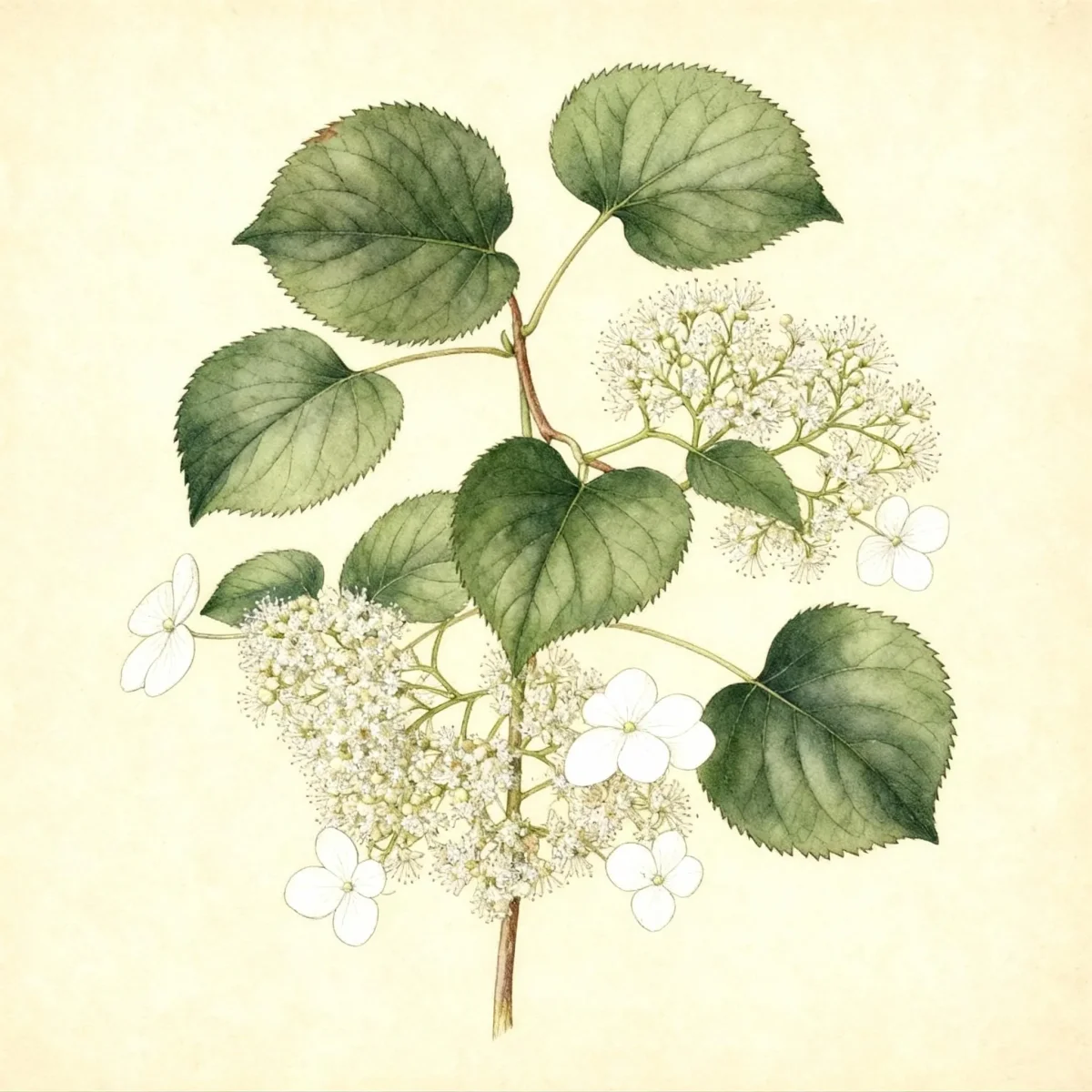
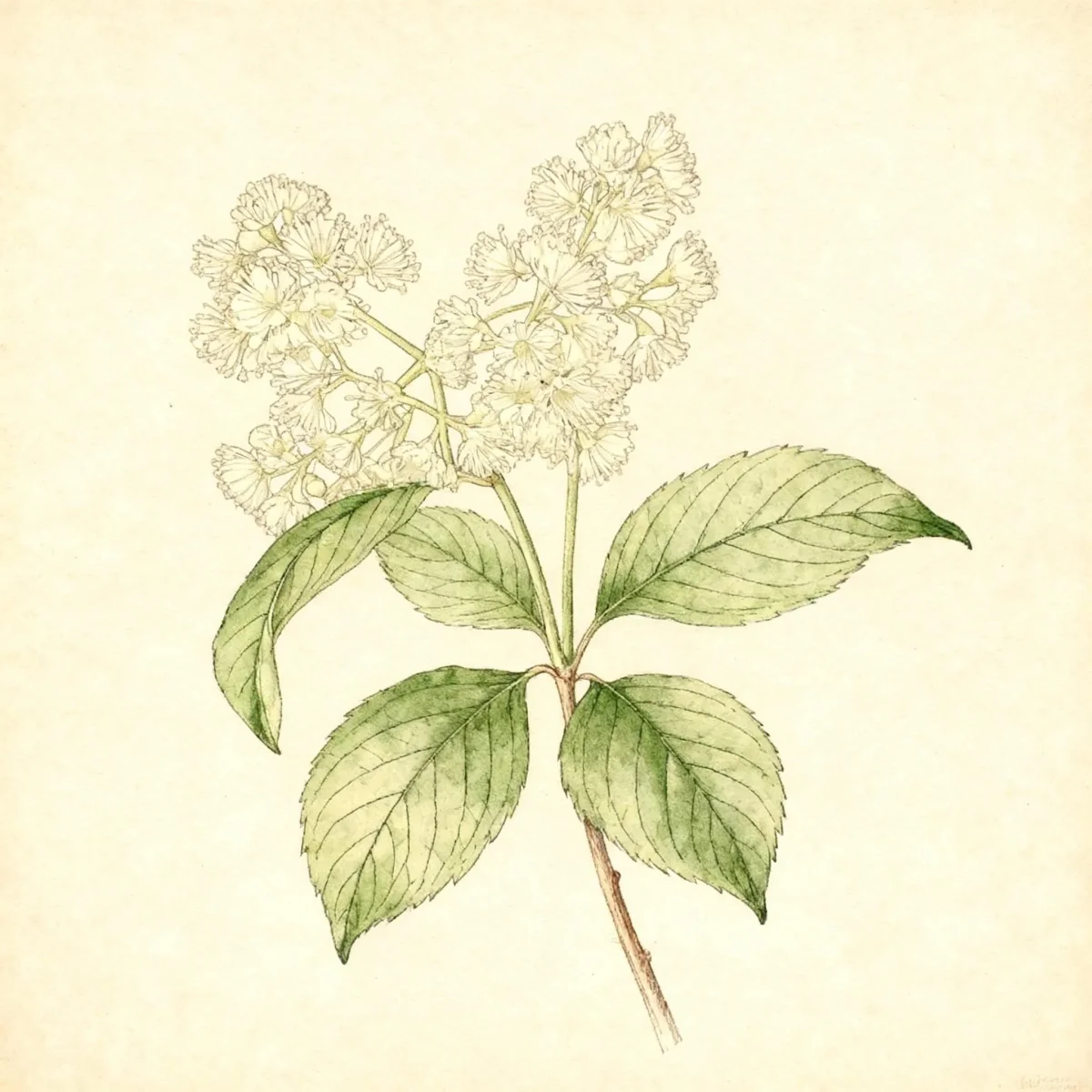
The Climbing hydrangea, Hydrangea barbara, is a distinctive woody vine prized for its ability to thrive in shady, moist environments where many other ornamentals fail. Native to the wet bottomlands of the Southeastern United States, this vigorous grower secures itself to supports using adventitious roots, creating dramatic vertical interest. This Hydrangea barbara offers dense, glossy green foliage that contrasts beautifully with its flat-topped clusters of small white flowers appearing in late spring.
As a Climbing hydrangea, it is naturally adapted to clinging to established trees, walls, fences, or trellises, reaching heights up to 30 feet. Its low maintenance needs and tolerance for wet soil make it an exceptional choice for challenging areas like rain gardens or deeply shaded slopes. Gardeners seeking native, vigorous coverage should highly consider the capabilities of Hydrangea barbara.
Fast Facts
- Plant Family: Hydrangeaceae
- Plant Type: Vine
- Native Range: Southeastern United States
- Hardiness Zones: USDA Zones 6-8
- Size at Maturity:
- Height: 15-30 ft
- Spread: 1-3 ft
- Bloom Time: May to June
- Bloom Description: White
- Sun Exposure: Part shade to full shade
- Water Needs: Medium to wet
- Maintenance Level: Low
How to Grow
The ideal culture for Hydrangea barbara requires evenly moist to wet, rich, humusy soils that are moderately acidic. Planting should occur where the vine receives plenty of filtered sunlight; avoid harsh, direct afternoon sun, as this can scorch the foliage. While this species tolerates occasional inundation, consistent moisture is key for robust growth throughout the season.
Watering needs are medium to wet, reflecting its preference for streambanks and swamps in the wild. Once established, the Climbing hydrangea is generally self-sufficient, but supplemental water during dry spells is crucial, especially while it establishes its extensive root system. Fertilization is rarely required if the native soil mimics rich woodland conditions.
This species blooms reliably on old wood, meaning pruning timing is critical. Prune Hydrangea barbara only as needed to control size or shape, and always complete this task immediately after the flowering period concludes in early summer. Softwood cuttings are the recommended method for propagation in the growing season.
Landscape Uses
Hydrangea barbara excels as a vertical accent, skillfully using its aerial roots to grip rough surfaces like mature trees, brick walls, arbors, and sturdy fences. Its ability to cover large structures in deep shade makes it invaluable for softening hardscape elements or masking unattractive utility features. The dark green, glossy leaves provide excellent texture, making the clusters of white flowers truly stand out against the summer backdrop.
Due to its native habitat in wet woodland areas, the Climbing hydrangea is perfectly suited for rain gardens or bordering stream banks where consistent moisture is guaranteed. When intentionally allowed to trail rather than climb, it functions effectively as a handsome ground cover. However, it is important to note that only climbing vines, reaching vertical support, will reward the gardener with blooms; ground-trailing vines often fail to flower.
Flower Qualities
- Showy
Noteworthy Characteristics
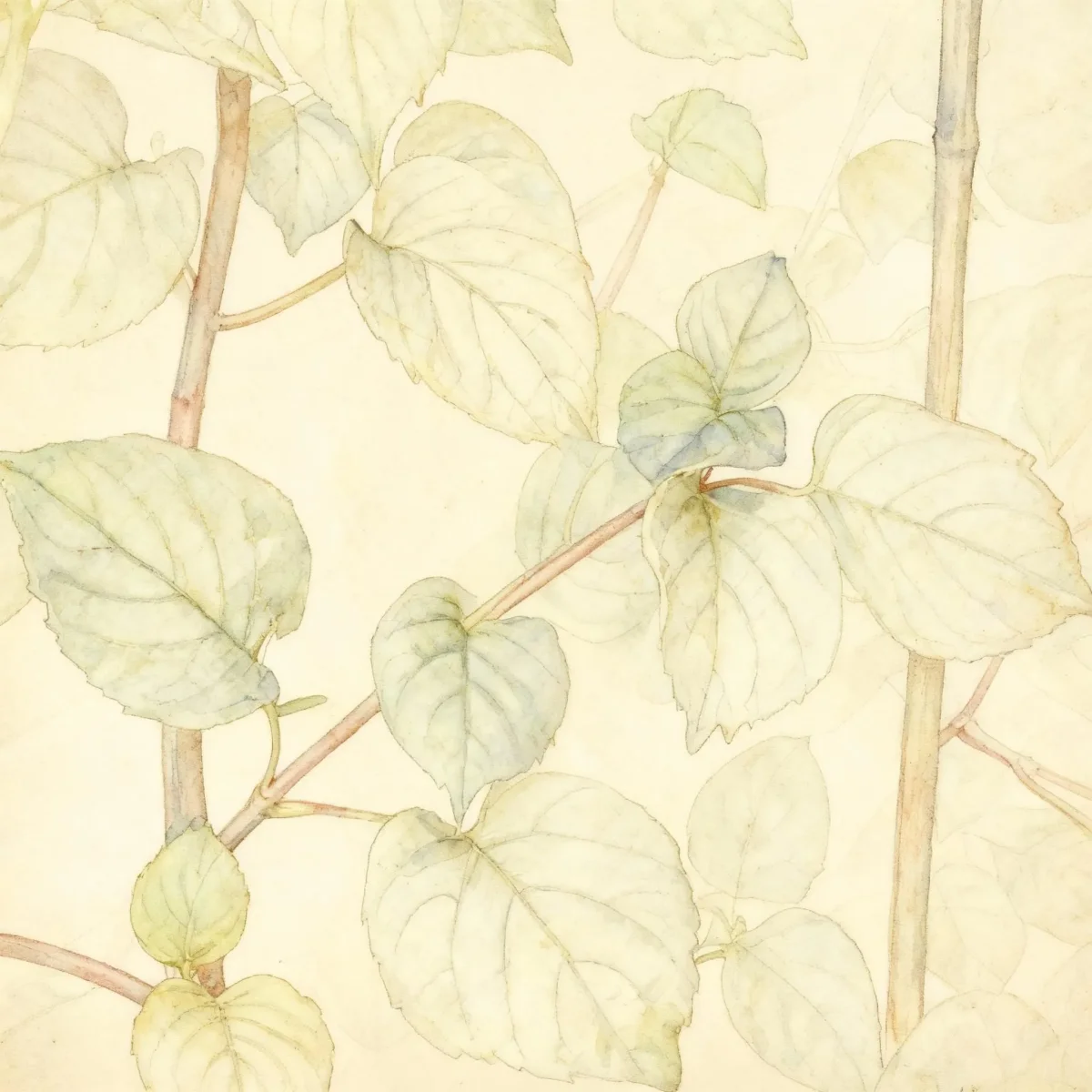
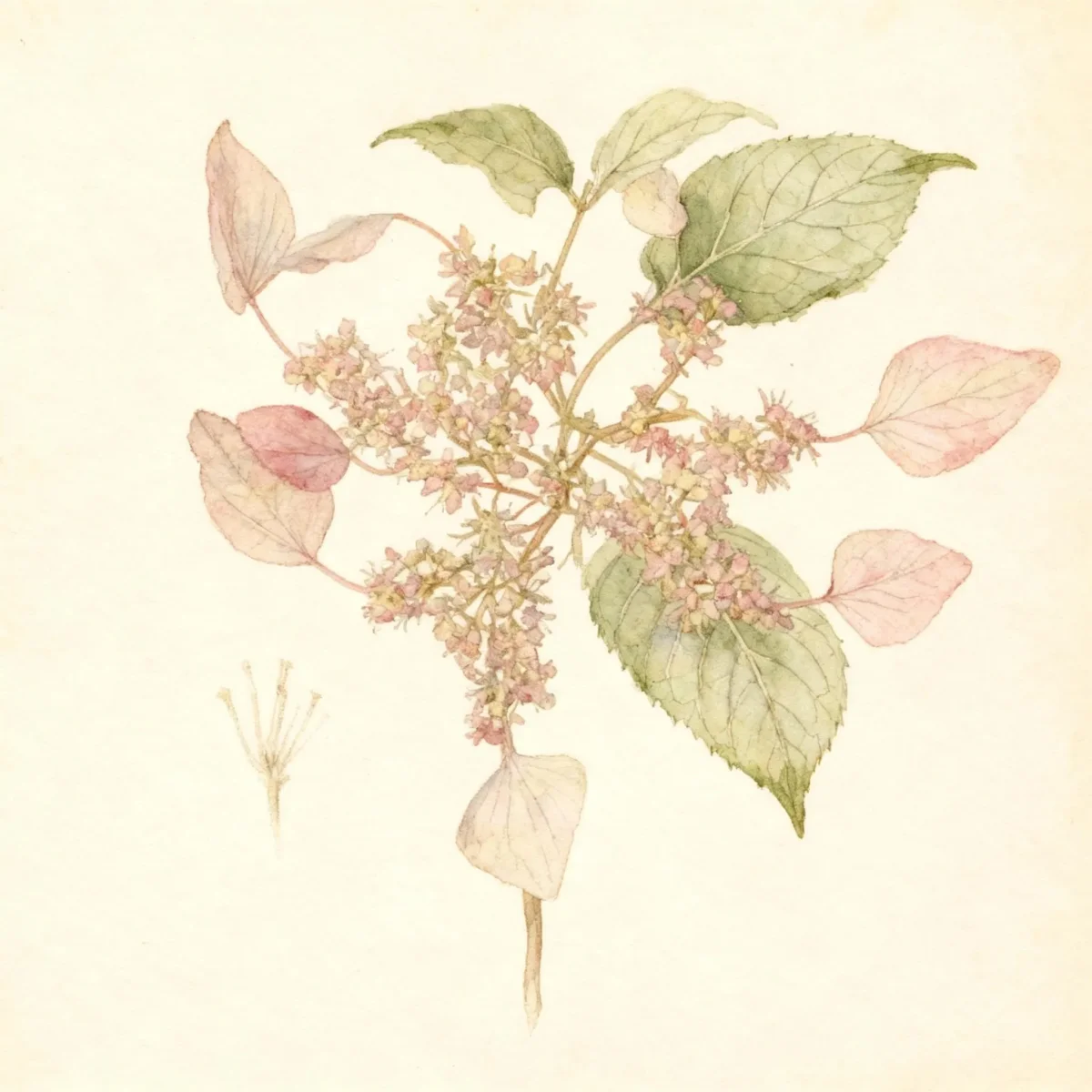
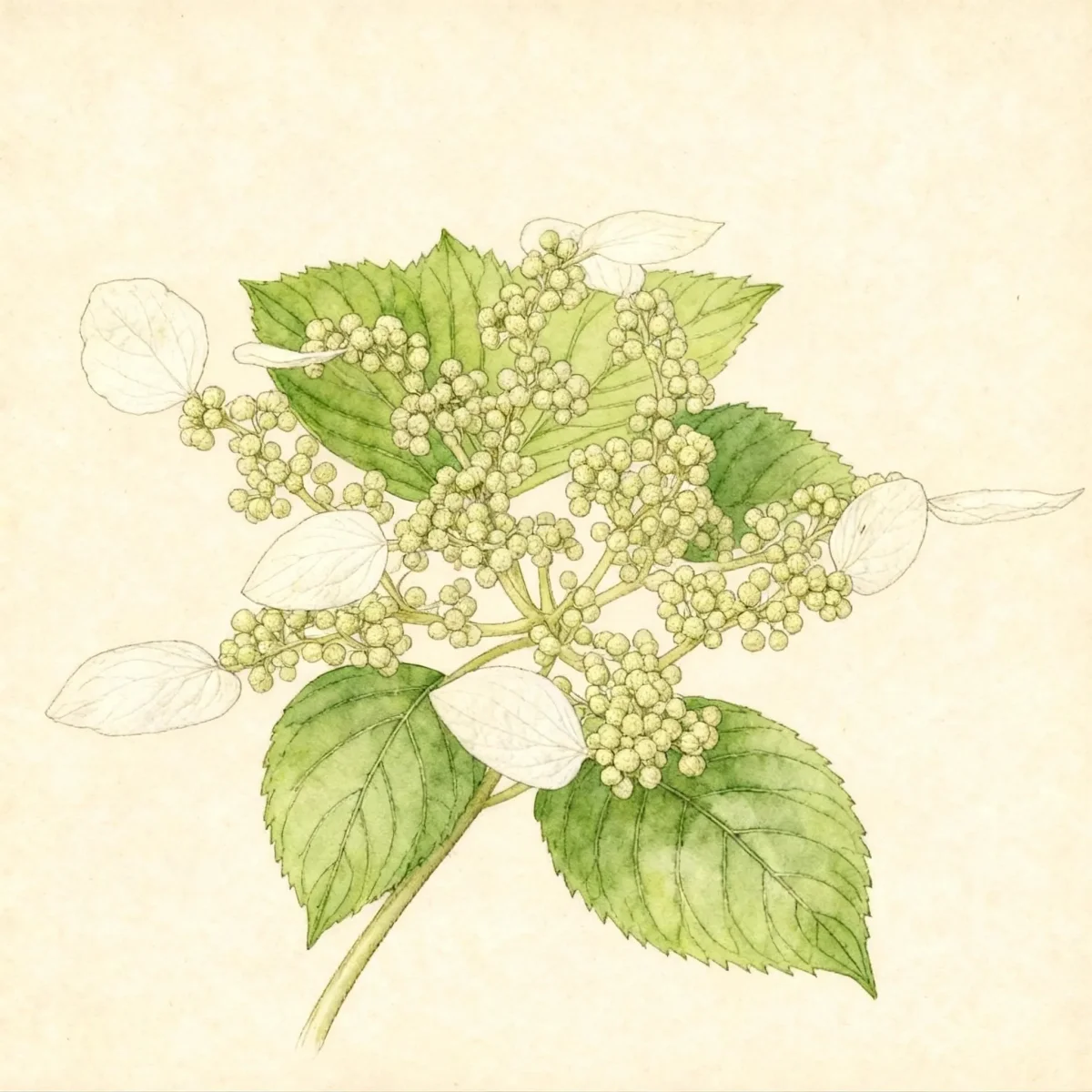
Hydrangea barbara, commonly called climbing hydrangea is a woody, deciduous to semi-evergreen climbing vine native to rich, wet woods, forested swamps, stream banks, and bottomlands on the Atlantic Coastal Plain of the southern United States. Mature vines can climb up around 32’ tall and create a canopy of foliage around 3’ wide. The stems have adventitious roots that cling to the surface they are climbing. The dark green, glossy, ovate to oblong leaves are oppositely arranged and can reach up to 4.75” long and 3” wide. Dense, flat-topped, 2-4” wide, terminal clusters of small, white flowers bloom in late spring and early summer. The flowers are attractive to butterflies and other insect pollinators. The genus name Hydrangea comes from hydor meaning “water” and aggeion meaning “vessel”, in reference to the cup-like capsular fruit. The specific epithet barbara means “of Barbary”, a name once used for the northern coast of Africa. When Linnaeus assigned this plant its Latin binomial he had only seen it in cultivation in Europe and was unsure of its origin, postulating that it was native to northern Africa.
Tolerances
- Wet Soil
Potential Problems
One major advantage of growing Hydrangea barbara is its robust nature; it generally experiences no major pest or disease problems of note. This low susceptibility makes it an excellent choice for organic gardening practices or gardeners desiring minimal intervention. Should any issues arise, it is usually related to improper cultural conditions, such as insufficient water or too much direct, intense sun exposure.
If the plant begins to show signs of leaf spot or pest activity, first reassess the sunlight and moisture levels, as stressed plants are more vulnerable. Healthy plants in their preferred shady, moist conditions demonstrate excellent resilience, keeping maintenance requirements reliably low.
Frequently Asked Questions
What hardiness zones is Climbing hydrangea suitable for?
Hydrangea barbara is hardy and reliable across USDA Zones 6 through 8.
How large does Hydrangea barbara grow?
This vigorous vine typically reaches heights between 15 and 30 feet tall, while spreading relatively narrow, only about 1 to 3 feet wide.
What sun exposure does Climbing hydrangea need?
It thrives best in part shade to full shade conditions, requiring protection from harsh afternoon sun exposure.
When does Hydrangea barbara bloom?
You can expect the white flower clusters of your Climbing hydrangea to appear during the late spring and early summer months, specifically from May to June.
Conclusion
The Climbing hydrangea, Hydrangea barbara, brings unmatched substance and texture to shaded landscapes, fulfilling the role of a tough, low-maintenance vertical accent. Its preference for consistent moisture and adaptation to deep shade makes it a gardener’s secret weapon for tough spots. Before planting your Hydrangea barbara, confirm that your site aligns with USDA Zones 6-8 and offers the required medium to wet soil conditions.
Companion Planting
Because Hydrangea barbara prefers filtered light and rich, wet soil, companion planting should focus on species that share similar moisture and shade tolerances. Consider pairing it with other shade-loving natives like Virginia sweetspire (Itea virginica) or various ferns that enjoy consistently damp footing. In areas where the soil stays very wet, consider adding moisture-loving ground covers that won’t compete aggressively with the vine’s base.
Design groupings of Climbing hydrangea near native rhododendrons or azaleas, as these groups share the requirement for acidic, humus-rich soil, creating a cohesive woodland scene. Ensure companions are not overly vigorous climbers themselves, preventing competition for the structure the Hydrangea barbara needs to establish its mature form.
Propagation Tips
Propagating the Climbing hydrangea is straightforward, relying primarily on softwood cuttings taken during the growing season. Select healthy, non-flowering stems that are pliable but still somewhat green—typically late spring or early summer aligns well with taking these cuttings. Dip the base of the cutting in rooting hormone for best results before placing them into a moist, sterile rooting medium, like a mix of peat and perlite.
Ensure the cuttings are kept consistently moist and placed in a warm area, though protection from direct sun is necessary to prevent desiccation before roots develop. Successfully rooted Hydrangea barbara can be transplanted outdoors or into individual pots once a decent root mass has formed. This vine is notably hardy once established, making propagation a rewarding endeavor for enthusiastic gardeners.