Corn (Zea mays 'Hopi Turquoise')
Grow Zea mays 'Hopi Turquoise' Corn for its heat and drought tolerance, yielding unique blue-grey to turquoise flour corn kernels.
Scroll down to discover growing tips, care requirements, companion plants, and more
Complete Plant Information
Overview
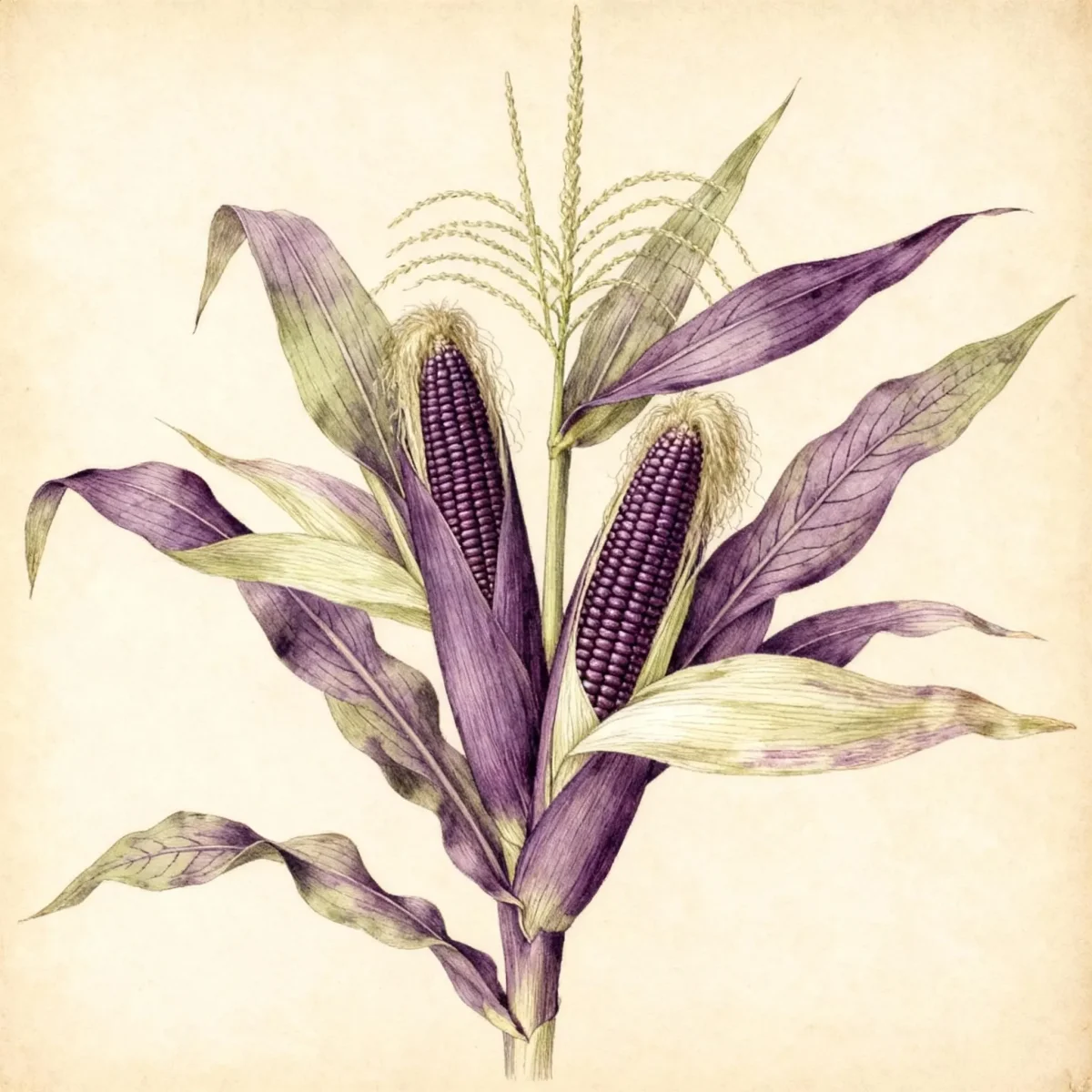
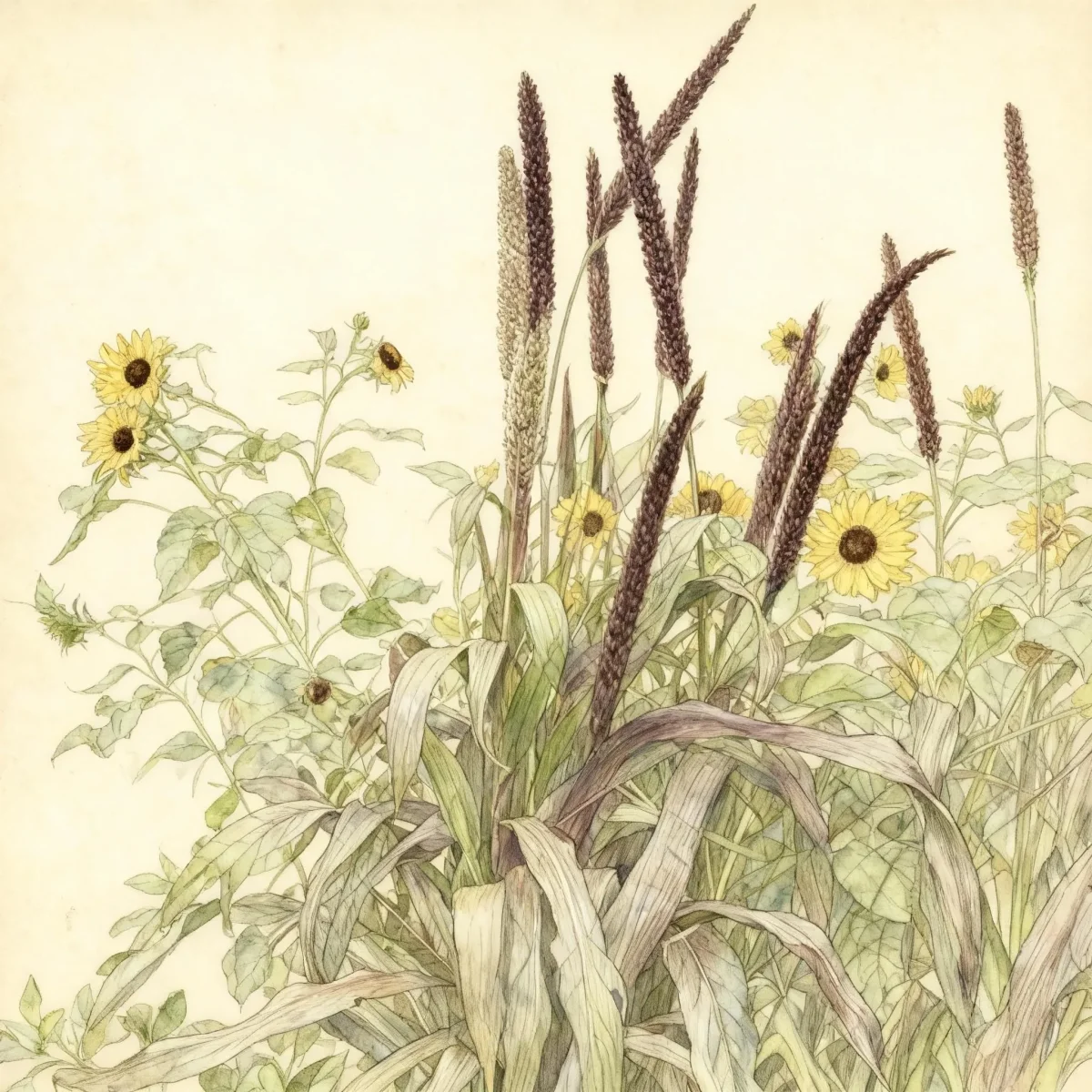
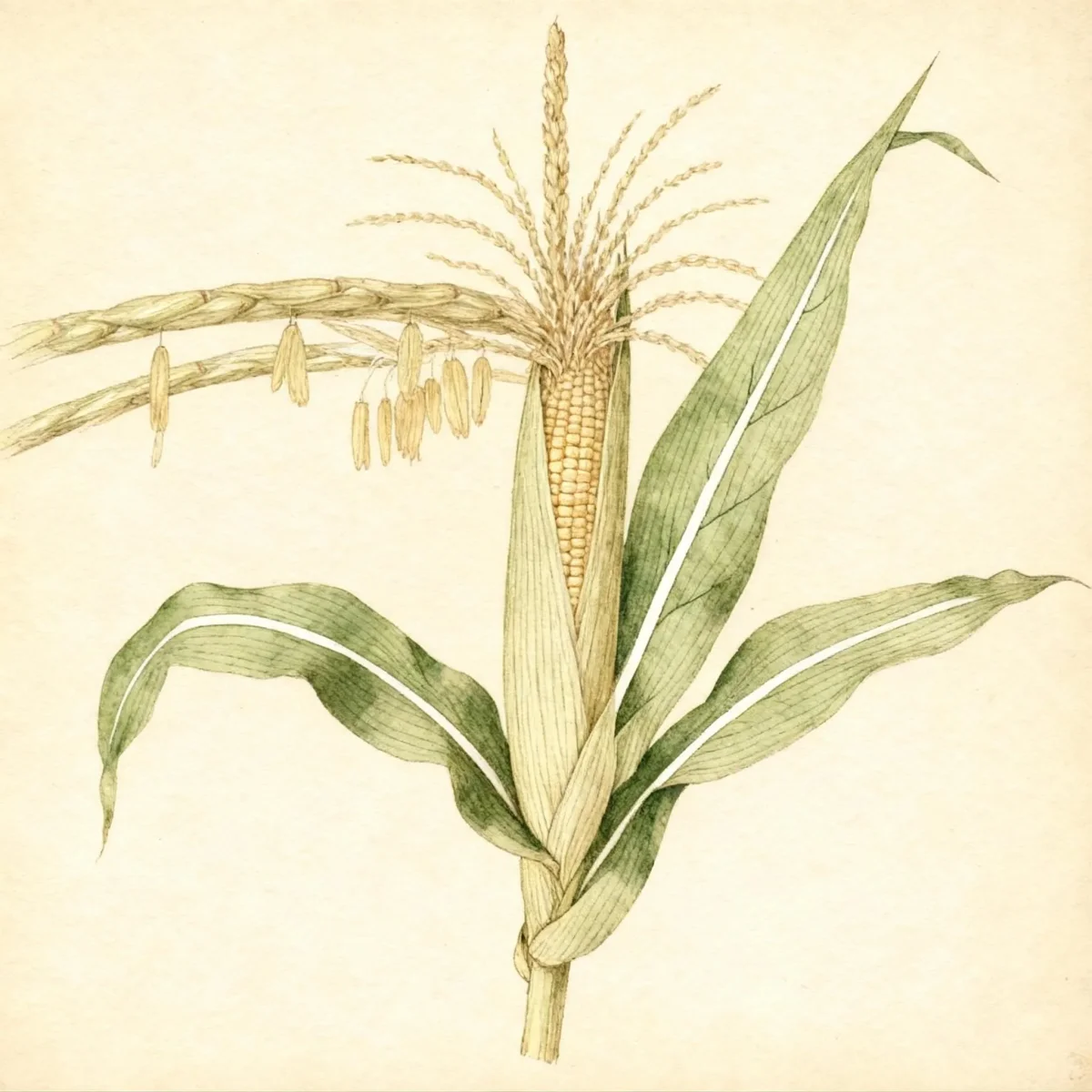
Zea mays ‘Hopi Turquoise’ is a distinctive flour corn variety cherished not only for its edible yield but also for its unique aesthetic appeal. This specific selection of Corn offers cobs reaching 8-10 inches lined with kernels displaying a spectrum from creamy white to deep, dark turquoise, tinged with purple and blue-grey. Gardeners value Zea mays ‘Hopi Turquoise’ particularly for its robust nature, demonstrating excellent tolerance to periods of heat and drought, as well as suboptimal soil conditions.
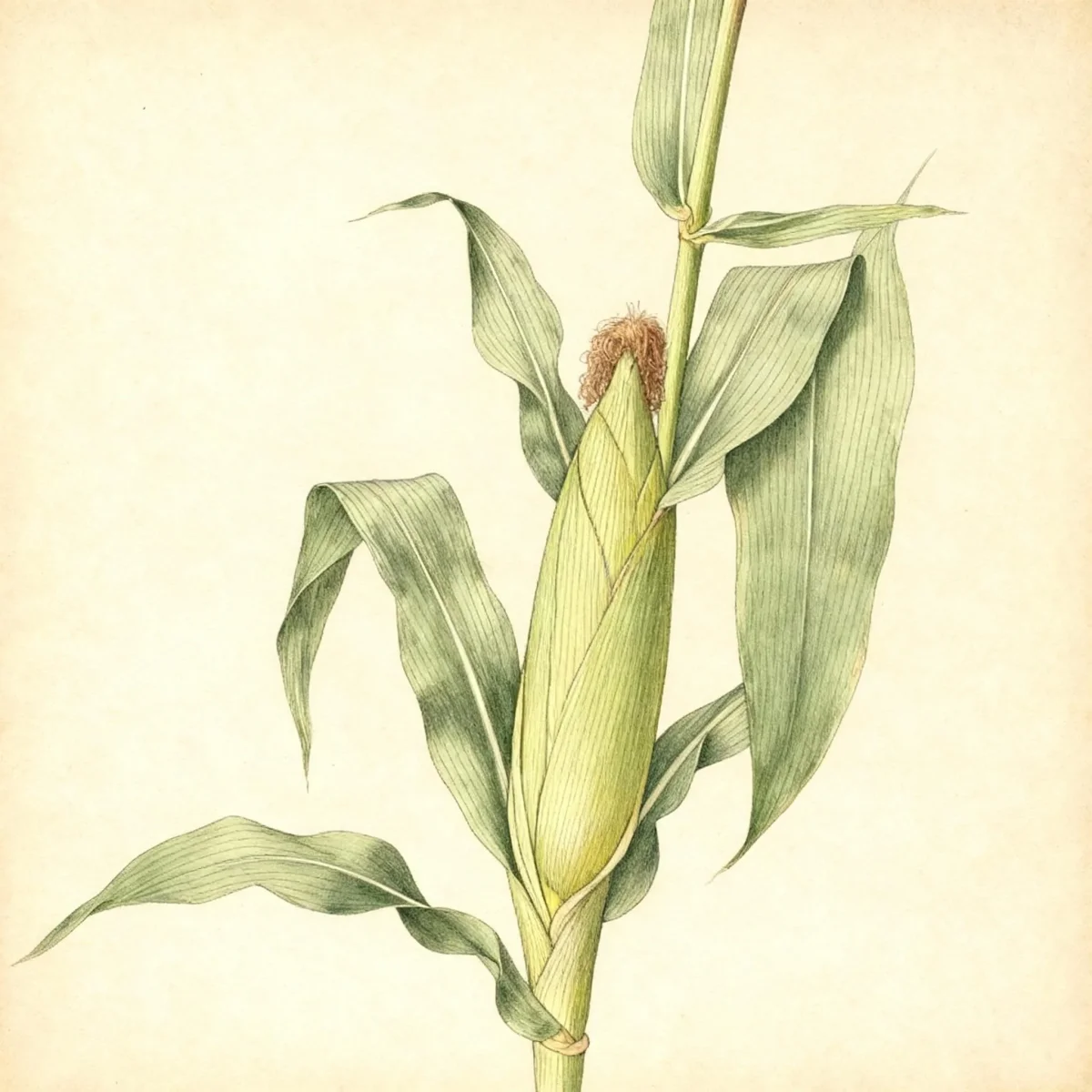
As an upright annual grass, this Corn requires thoughtful placement to avoid shading smaller companion plants, typically reaching heights between 4 and 6 feet. While grown primarily as a vegetable, the historic importance and striking kernel colors allow the Zea mays ‘Hopi Turquoise’ to serve dual decorative and culinary functions in the home garden setting. Success relies on understanding its cultural needs as a warm-season heavy feeder that demands precise pollination techniques.
Fast Facts
- Plant Family: Poaceae
- Plant Type: Annual
- Hardiness Zones: USDA Zones 2-11
- Size at Maturity:
- Height: 4-6 ft
- Spread: 1-2 ft
- Bloom Time: Flowers not showy
- Sun Exposure: Full sun
- Water Needs: Medium
- Maintenance Level: Medium
How to Grow
Corn is strictly a warm-weather crop; planting should be postponed until the soil temperature consistently reaches $60^{\circ}$ F. Select a location that receives full sun throughout the day, where the taller stature of the Zea mays ‘Hopi Turquoise’ will not shade neighboring, shorter crops. This variety performs best in fertile, well-drained soil, though it is known for handling poorer conditions better than many other types of Corn.
Successful pollination is the most critical step for a productive harvest. Because Corn is wind-pollinated, planting in a single, long row is highly discouraged. Instead, sow seeds in blocks or squares, aiming for a minimum of 12 plants in a tight grouping to maximize pollen transfer between tassels and silks.
Zea mays ‘Hopi Turquoise’ is a heavy feeder requiring consistent nitrogen and moisture, especially as silks appear. Water deeply at the base of the plant, ensuring the soil receives the moisture, not the emerging silks, which could impede pollination efforts. Be cautious when managing weeds near established Corn; roots are shallow and easily damaged. If thinning seedlings is necessary, cut excess sprouts at the soil line rather than pulling them to disturb the root systems as little as possible.
Mulching established plants helps suppress weeds without the risk of root damage from cultivation. While some sweet corns are susceptible to cross-pollination from dissimilar types nearby, flour corn like Zea mays ‘Hopi Turquoise’ is generally less sensitive regarding pollen contamination for kernel quality, though following specific cultivar directions is always prudent.
Landscape Uses
The primary recommendation for any Corn variety, including Zea mays ‘Hopi Turquoise’, is in the vegetable patch where its superior flavor and interesting kernel colors can be appreciated. Plant in blocks to ensure high yields of this unique flour corn, which can then be dried for grinding or saved for seed saving purposes. Beyond edibles, its impressive vertical growth makes it an excellent, temporary textural element in the garden.
Consider using this Corn as a dramatic, living screen or backdrop planting in a highly visible area, provided it does not overshadow smaller flowering perennials or herbs. Because it grows quickly and provides vertical structure, it pairs well with sprawling companion plants such as squash or beans—the traditional Three Sisters method, which benefits many corn varieties. The unique coloration of the mature ‘Hopi Turquoise’ ears also adds an unexpected ornamental flourish to late-season displays.
Standout Features
Flower Qualities
- Insignificant
Fruit Qualities
- Edible
Noteworthy Characteristics
This cultivar, Zea mays ‘Hopi Turquoise’, is a flour corn known for its bushy growth habit and striking, multi-hued kernels ranging from blue-grey to dark turquoise. Evolving from wild teosinte through ancient human selection, modern Corn remains a globally vital cereal crop. Notably for gardeners, this selection boasts a higher protein content compared to many other flour corn cultivars.
Tolerances
- Black Walnut
Potential Problems
Gardeners should remain vigilant against common Corn pests such as the European corn borer, the fall army worm, and cutworms, which attack stems and developing ears. Fungal issues like rusts and corn smut, along with various leaf blights, can also pose threats to your Zea mays ‘Hopi Turquoise’ stand. Employing clean garden practices, rotating where you plant Corn each season, and scouting diligently are the best preventative measures against disease pressure.
Once the ears begin to fill out, animal pests like raccoons, squirrels, and deer often become significant threats, consuming the developing product. Protecting mature crops often requires netting or physical barriers installed before the ears are fully formed.
Frequently Asked Questions
What hardiness zones is Corn suitable for?
Zea mays ‘Hopi Turquoise’ is remarkably adaptable, thriving in USDA Hardiness Zones 2 through 11.
How large does Corn (Zea mays ‘Hopi Turquoise’) grow?
This annual Corn typically matures to a height between 4 and 6 feet, with a relatively narrow spread of 1 to 2 feet.
What sun exposure does Corn need?
This crop requires full sun exposure to develop properly and produce high yields of its distinctive kernels.
When does Corn bloom?
The blooming phase of Zea mays ‘Hopi Turquoise’ is characterized by flowers that are not considered showy.
Conclusion
Zea mays ‘Hopi Turquoise’ offers gardeners a reliable, heat-tolerant annual crop that provides exceptional edible returns alongside unique visual interest provided by its deep turquoise kernels. By adhering to strict planting patterns for wind pollination and ensuring consistent feeding, you can secure a successful harvest of this historic Corn. Before planting, confirm your local frost dates to ensure the soil is adequately warm for this sensitive warm-season vegetable.
Companion Planting
When planning your garden layout around Zea mays ‘Hopi Turquoise’, utilize the benefits of companion planting to improve soil health and deter pests. Its significant vertical profile makes it an ideal central element. Beans, which climb the stout stalks of the Corn, benefit from the height, while vining squash planted at the base acts as a living mulch, suppressing weeds and keeping the soil cool around the Corn’s relatively shallow roots.
This block planting method maximizes the efficiency of the wind pollination necessary for producing a full crop of kernels. Furthermore, while the plant itself is noted to tolerate Black Walnut proximity, careful placement near herbs that repel common army worms or borers can further reduce insecticide needs in your organic growing space dedicated to this beautiful Corn.
Seasonal Care Calendar
For spring preparation, ensure beds for Zea mays ‘Hopi Turquoise’ are well-amended, as nitrogen needs are high. Once all danger of frost has passed and soil temperatures are stable above $60^{\circ}$ F, sow seeds directly outside in block formations. Throughout the summer, consistent, deep watering is crucial, especially during dry spells, focusing moisture strictly on the soil.
As tasseling and silking occur during mid-summer, monitor closely for early signs of insect activity; immediate treatment of pests like corn earworm will protect the developing ears. In early autumn, once the ears of this flour corn have hardened and dried sufficiently on the stalk, harvest should be completed before heavy rains or animal pressures increase. Clean up all remaining stalks immediately after the final harvest to reduce overwintering sites for pests and diseases.