Corn (Zea mays 'Hopi Purple')
Grow Zea mays 'Hopi Purple' Corn for edible, purple-kernelled flour corn. This annual thrives in full sun across zones 2-11.
Scroll down to discover growing tips, care requirements, companion plants, and more
Complete Plant Information
Overview
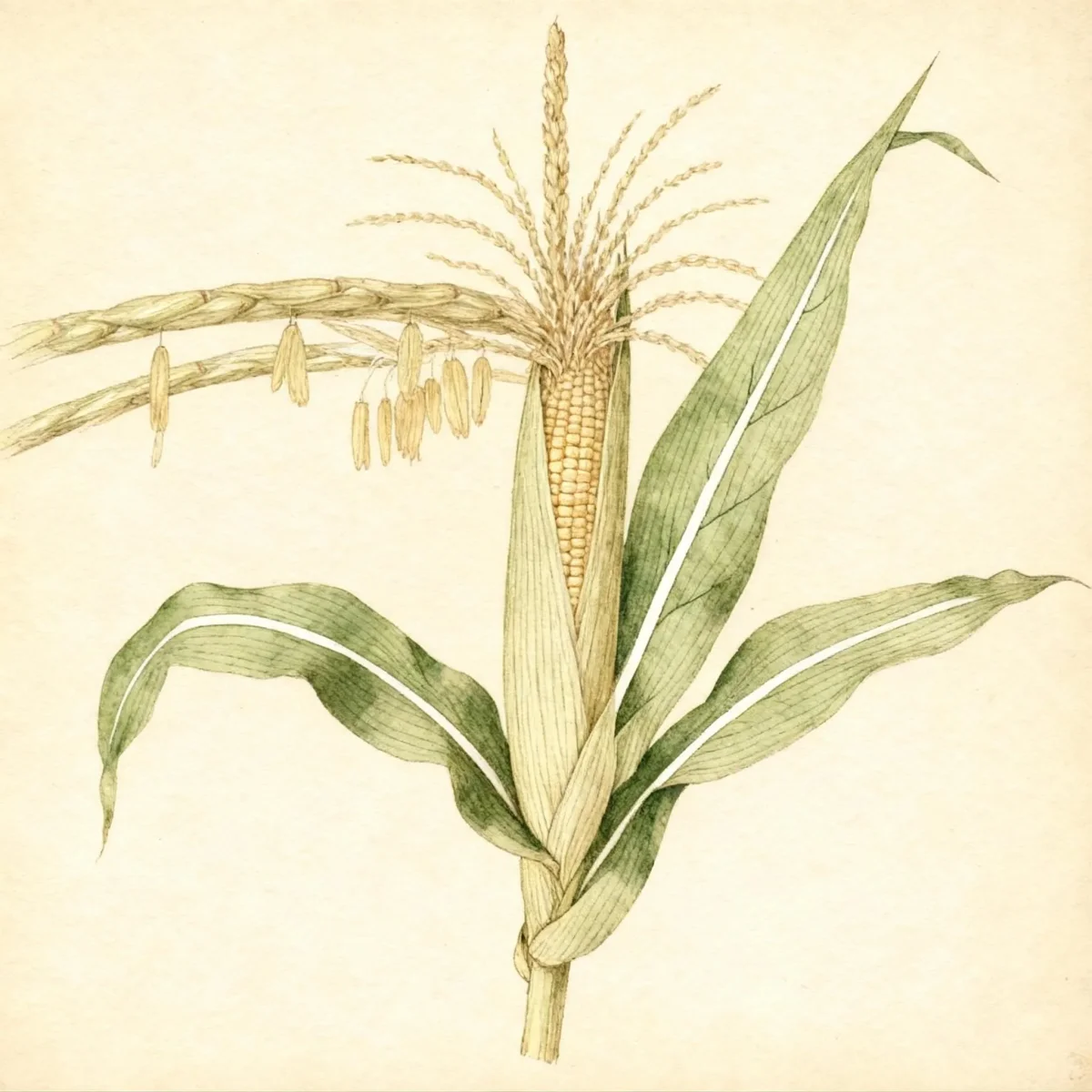
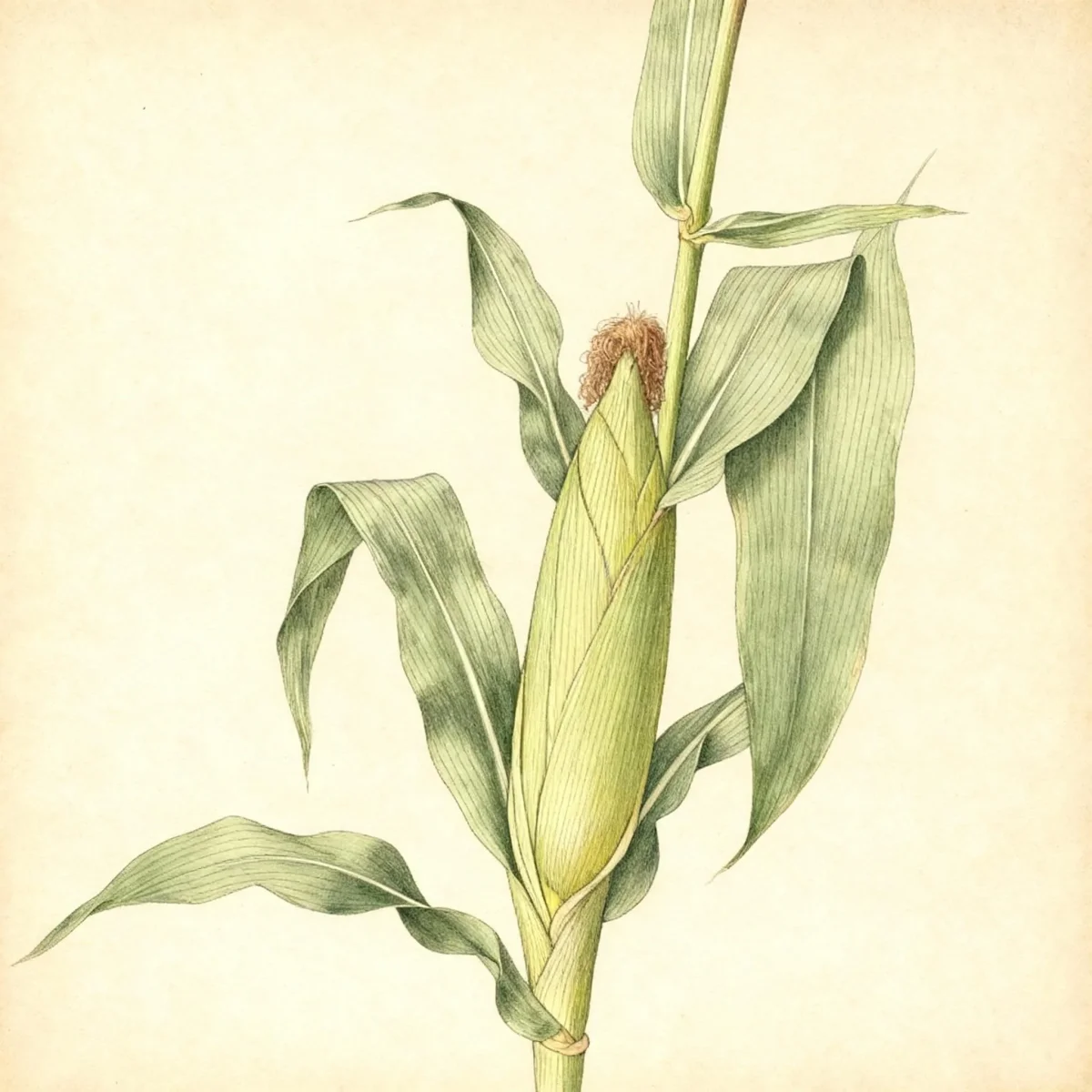
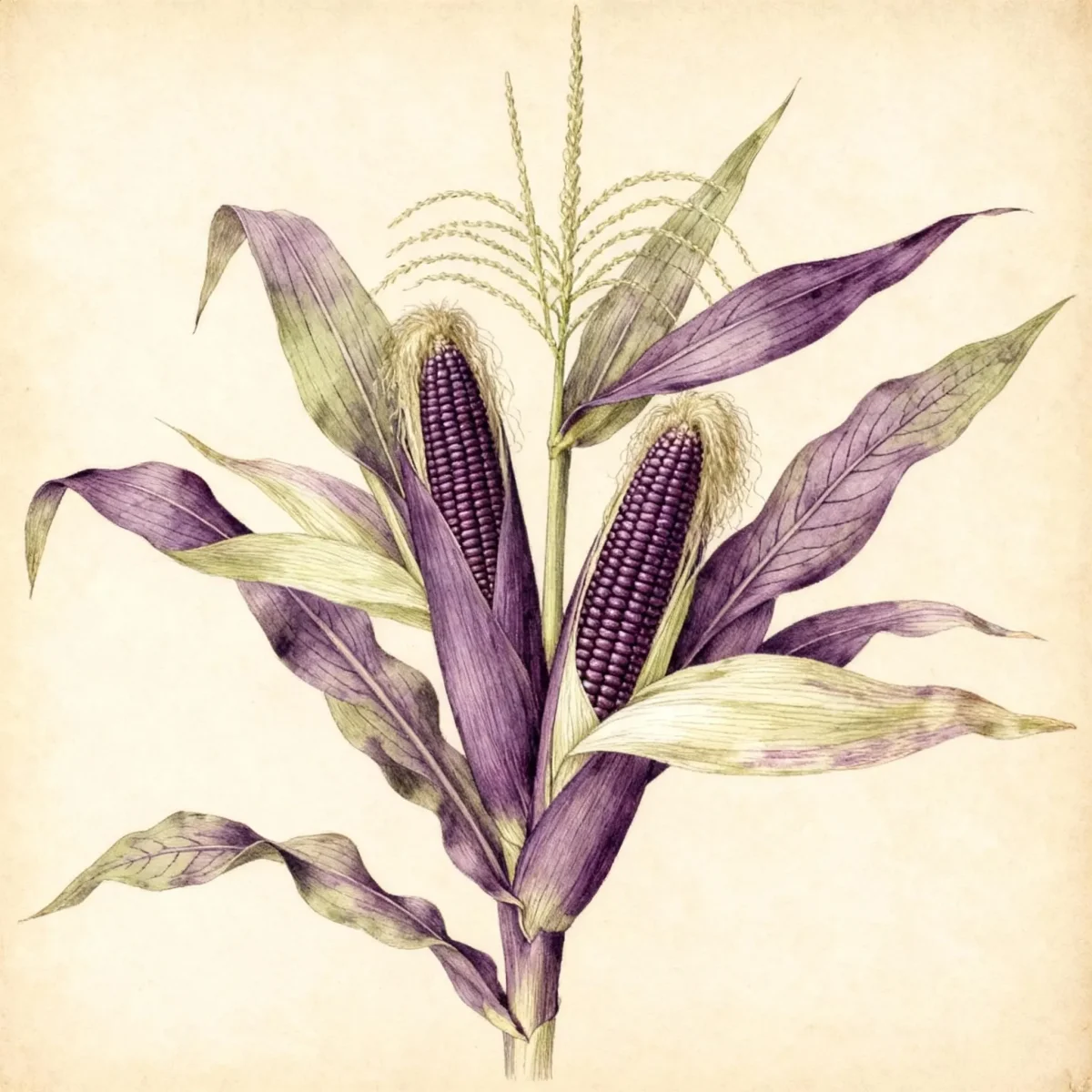
Zea mays ‘Hopi Purple’ is a distinctive flour corn valued in home gardens not only for its heritage status but also for its rugged adaptability. This specific cultivar produces substantial, bushy plants bearing 8-inch long cobs filled with pinkish-purple kernels, noted for having a higher protein content than many other flour corn varieties. Gardeners choose this Corn for its unique culinary potential and striking visual interest when dried for seasonal decoration.
As a warm-weather annual, successful cultivation of Zea mays ‘Hopi Purple’ relies heavily on timing and specialized planting techniques crucial for wind-pollinated crops. This variety exhibits noteworthy tolerance to heat, drought conditions, and poorer soils, making it a reliable choice where other specialty corns might struggle. Proper spacing and attentive watering are key to maximizing the yield of this historically significant cereal crop.
The cultivation of this Corn extends deep into human history, tracing its ancestry back to the wild grass teosinte. Planting Zea mays ‘Hopi Purple’ allows modern gardeners to connect with ancient Mesoamerican agricultural practices while enjoying superior flavor compared to commercially processed maize products. Ensure adequate space and proper wind pollination to secure a healthy harvest of this unique purple corn.
Fast Facts
- Plant Family: Poaceae
- Plant Type: Annual
- Hardiness Zones: USDA Zones 2-11
- Size at Maturity:
- Height: 4-6 ft
- Spread: 1-2 ft
- Bloom Time: Flowers not showy
- Sun Exposure: Full sun
- Water Needs: Medium
- Maintenance Level: Medium
How to Grow
Planting Zea mays ‘Hopi Purple’ must wait until the last frost has passed and the soil temperature consistently reaches 60° F. Due to its height (4–6 ft), strategically position corn where it will not cast significant shade onto shorter garden vegetables. The soil should be fertile, well-drained, and amended to ensure heavy feeders like Corn receive the necessary nutrients from the start.
Wind pollination demands specific spatial arrangement for successful kernel development; avoid planting in a single, long row. Instead, sow seeds in several short, blocky rows or in tight circles on hills, ensuring a minimum of 12 plants are present to facilitate adequate pollen transfer. Once established, regular watering is vital—focus irrigation directly on the soil, avoiding wetting the developing silks, which can inhibit pollination.
Zea mays ‘Hopi Purple’ is a heavy feeder, requiring consistent nitrogen throughout its growth cycle. When thinning seedlings, use snips to cut the weaker sprouts at the soil surface rather than pulling them, as Corn roots strongly resent disturbance. After the plant is established, heavy mulching is the best defense against weeds, protecting the vulnerable root systems from cultivation damage.
Landscape Uses
While primarily grown as a crucial vegetable crop, the towering stalks and unique kernel color of Zea mays ‘Hopi Purple’ offer significant ornamental value. Use blocks of this Corn as a dramatic, temporary screen or backdrop in the vegetable patch, achieving height that mimics formal hedges without the permanent commitment. The pinkish-purple ears, once dried, are highly prized for autumnal decorations and crafts, transitioning the plant from edible harvest to seasonal décor.
When planning companion plantings, consider the high nitrogen demands of Corn. Pairing it near legumes, such as beans (traditional Three Sisters companions), can help naturally replenish soil nutrients. The height of the Zea mays ‘Hopi Purple’ also provides midday dappled shade beneficial for less sun-tolerant lettuce or greens planted to the north side of the corn block.
Standout Features
Flower Qualities
- Insignificant
Fruit Qualities
- Edible
Noteworthy Characteristics
Botanists trace modern Corn back to the wild grass teosinte, selected by humans over millennia into vital food sources like this Zea mays ‘Hopi Purple’. This variety is specifically a bushy, flour corn type, known for its 8-inch cobs containing desirable pinkish-purple kernels, which historically served as an important element in Mesoamerican culture and diet. Its documented tolerance for heat and drought makes it an exceptional choice for challenging summer gardens.
Tolerances
- Black Walnut
Potential Problems
Gardeners growing Corn must remain vigilant against common insect pests, including the European corn borer, the notorious corn earworm, and various army worms. Fungal issues like rusts, anthracnose, and corn smut pose risks, alongside potential viral leaf blights. The best defense involves diligent clean garden practices, consistent crop rotation to break disease cycles, and utilizing resistant strains when available. Be especially mindful of animals like squirrels and deer, which target developing ears shortly before harvest.
Frequently Asked Questions
What hardiness zones is Corn suitable for?
Zea mays ‘Hopi Purple’ is remarkably versatile, thriving in USDA Hardiness Zones 2 through 11.
How large does Zea mays ‘Hopi Purple’ grow?
This annual typically reaches a mature height between 4 and 6 feet, spreading about 1 to 2 feet wide.
What sun exposure does Corn need?
For optimal yield and robust stalk development, Corn requires full sun exposure throughout the growing season.
When does Zea mays ‘Hopi Purple’ bloom?
This variety is noted for having inconspicuous flowers; they are considered not showy in the landscape.
Conclusion
The Zea mays ‘Hopi Purple’ offers gardeners a robust, historically rich annual crop with the added benefits of drought and heat tolerance. Cultivating this specific Corn variety ensures a supply of unique, high-protein flour corn while admiring its distinct purple kernels. Before planting, confirm your local soil temperatures have reached 60° F to guarantee a strong start for this spectacular, yet demanding, warm-season staple.
Companion Planting
Effective companion planting maximizes health for heavy feeders like Corn. Pairing Zea mays ‘Hopi Purple’ with nitrogen-fixing plants is highly beneficial for maintaining nutrient levels throughout the growing season. Traditional Native American agriculture utilized the “Three Sisters” method, pairing corn with beans (for nitrogen) and squash/pumpkins (for ground cover).
Beans twine up the sturdy stalks of the Corn, utilizing the vertical space efficiently, while the squash leaves shade the soil beneath. This shading provided by the squash dramatically reduces moisture evaporation and suppresses competing weeds, which aligns perfectly with the Corn’s need for consistent, un-disturbed moisture management. This integrated system reduces overall maintenance requirements.
If you opt not to use the Three Sisters model, ensure that any plant you place near your blocks of Zea mays ‘Hopi Purple’ does not create dense shade, as the corn must receive uninterrupted full sun to perform best. Focus on low-growing, quick-harvesting crops that occupy the space without competing aggressively for the root zone.
Seasonal Care Calendar
Managing Zea mays ‘Hopi Purple’ involves key checkpoints tied directly to its rapid growth cycle. Spring preparation is crucial; ensure deep tilling and incorporate compost or aged manure before the required 60° F soil temperature is met for sowing seeds in blocks. Avoid planting until warmth is certain.
As mid-summer approaches and the plant enters its heavy-feeding stage, mid-season fertilization focusing on nitrogen is critical for developing those purple ears. Continue consistent, deep watering directly to the soil base, especially during dry spells, as drought stress impacts pollination and kernel set significantly.
In the fall, once harvest time is approaching for this hard corn variety, allow the ears to fully dry on the stalk, as dictated by the specific needs of the variety. Once dry, Husking and storage of the pinkish-purple kernels should occur in a cool, dry place to preserve their quality for the next growing season or for decorative use.