Corn (Zea mays 'Fisher's Earliest')
Zea mays 'Fisher's Earliest' is an early-ripening annual Corn, providing sweet golden kernels in full sun. Easy to grow with medium care.
Scroll down to discover growing tips, care requirements, companion plants, and more
Complete Plant Information
Overview
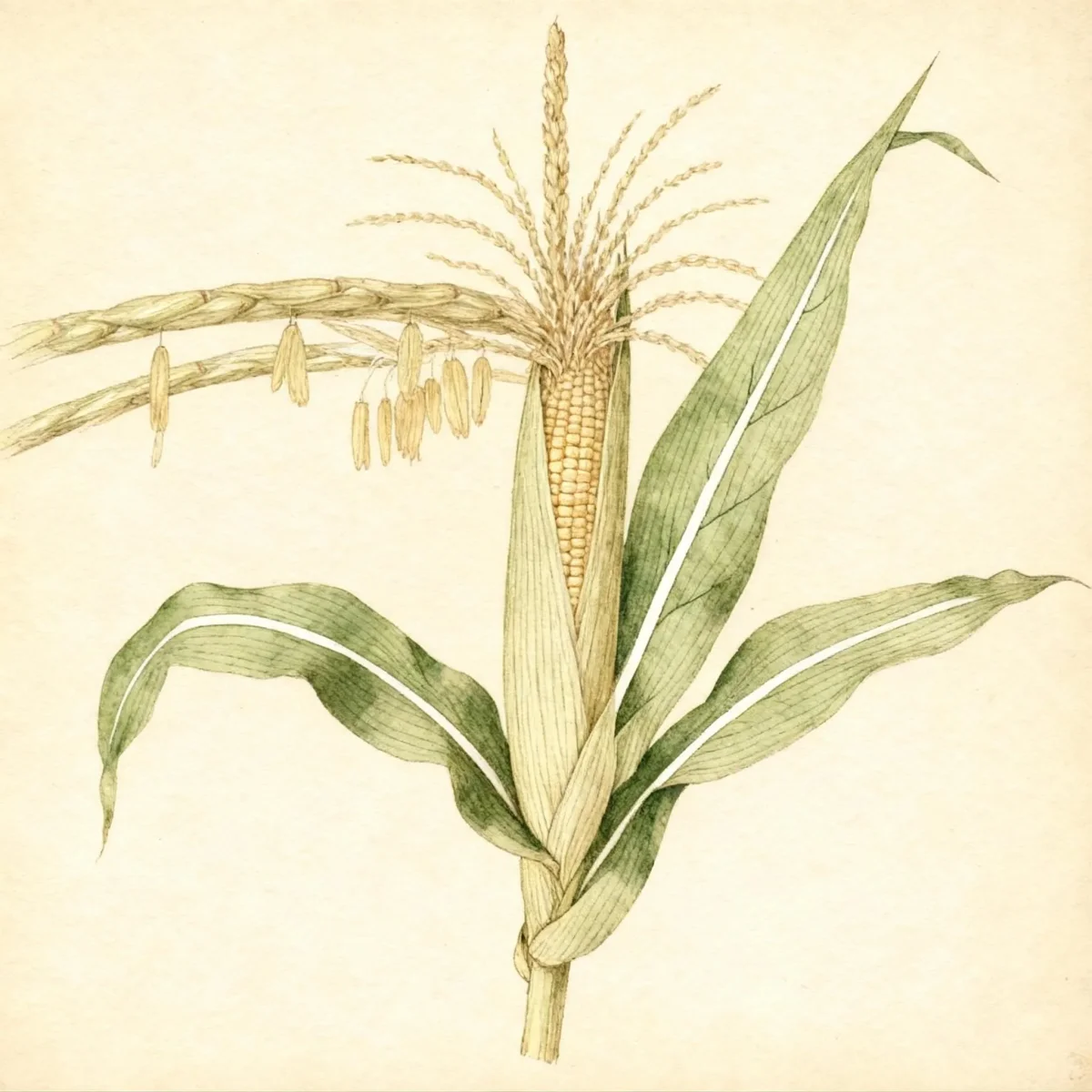
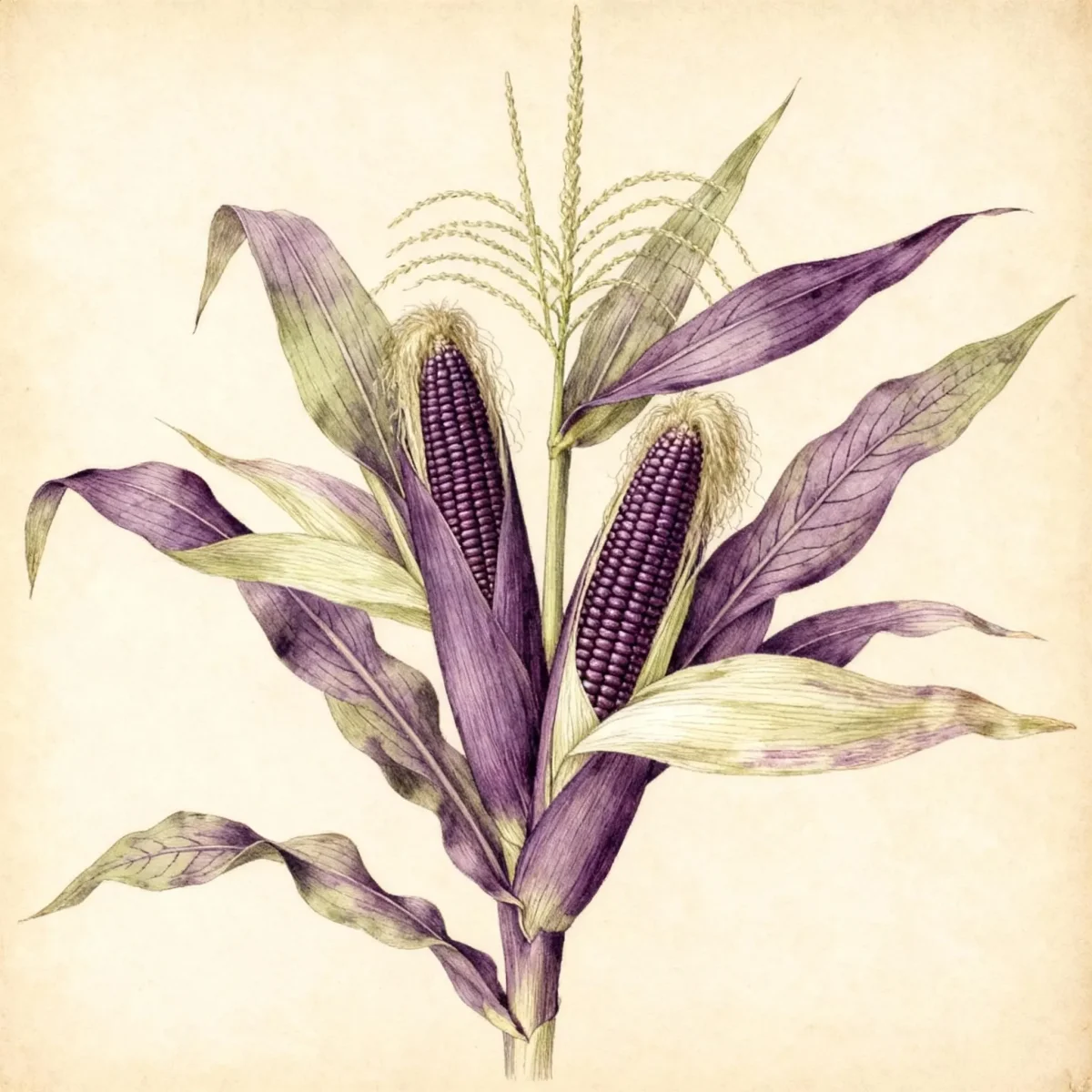
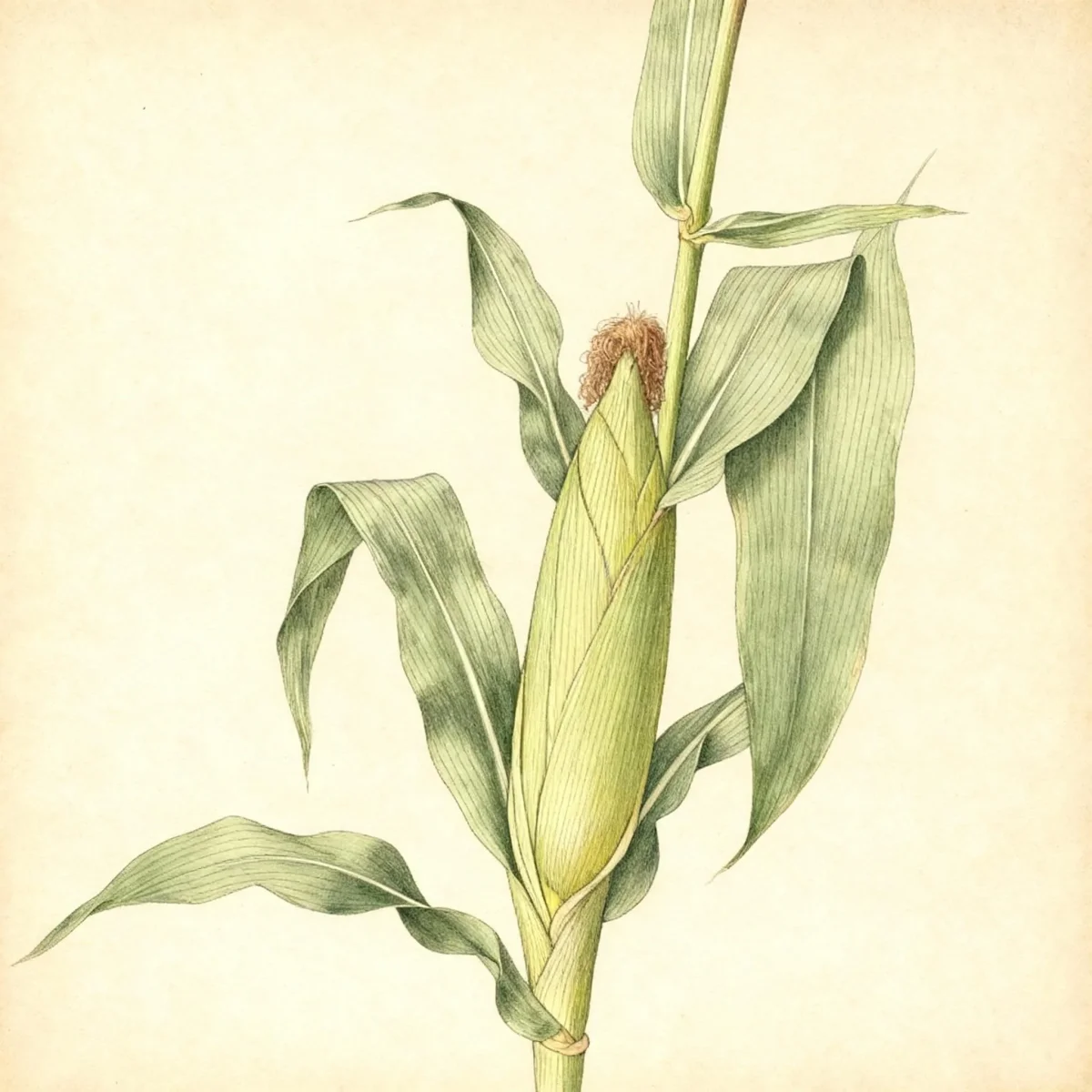
Zea mays ‘Fisher’s Earliest’ is a highly valued early-ripening sweet Corn variety, offering gardeners the desirable flavor of homegrown sweet corn much sooner than many competitors. This annual grass matures into impressive stalks, reaching five to six feet tall, and is primarily cultivated for its edible product. Successfully growing this type of Corn requires understanding its specific cultural needs, particularly concerning timing and pollination management.
As a dedicated warm-weather crop, Zea mays ‘Fisher’s Earliest’ demands patience until soil temperatures moderate, but rewards attentive cultivation with 10-12 rows of beautiful golden kernels. While it functions excellently as a straightforward annual vegetable, its height also gives structure to the summer garden design.
For optimal yields of this high-quality Corn, gardeners must ensure abundant sunlight, rich soil, and meticulous attention to wind pollination techniques, which are crucial for setting a good harvest of Zea mays ‘Fisher’s Earliest’.
Fast Facts
- Plant Family: Poaceae
- Plant Type: Annual
- Hardiness Zones: USDA Zones 2-11
- Size at Maturity:
- Height: 5-6 ft
- Spread: 1-2 ft
- Bloom Time: Flowers not showy
- Sun Exposure: Full sun
- Water Needs: Medium
- Maintenance Level: Medium
How to Grow
Planting Corn, including the Zea mays ‘Fisher’s Earliest’ variety, should wait until the soil reliably warms to 60° F, as it is strictly a warm-weather crop. Locate your planting area where these moderately tall plants will receive full sun and will not shade out shorter neighbors. Fertility is paramount; prepare the site with very fertile, well-drained soil.
Care for Corn revolves around two critical factors: consistent nutrition and proper pollination. This crop is a heavy feeder and requires ample nitrogen and consistent moisture throughout its rapid growth phase. Always water the soil directly, avoiding wetting the tassels, as this can severely impair wind pollination—a necessary mechanism for kernel development.
When thinning seedlings of Zea mays ‘Fisher’s Earliest’, always cut the unwanted sprouts rather than pulling them, as the roots are sensitive to disturbance. Continue this root protection mindset by mulching heavily once established to suppress weeds, avoiding cultivation near the base of the plant. Furthermore, avoid cross-pollination issues by following cultivar directions precisely, especially if growing other corn types nearby.
Landscape Uses
The primary recommended use for Zea mays ‘Fisher’s Earliest’ is, unsurprisingly, food production, valued highly in the home garden for its superior, immediate sweetness compared to store-bought alternatives. However, the uniform height and strong vertical lines of established sweet corn stalks also offer functional structure in the edible landscape.
Consider planting rows of Zea mays ‘Fisher’s Earliest’ in temporary backdrops or hedges within an evolving vegetable garden layout. While it provides great culinary returns, remember that pollination success depends on grouping plants closely together—sow seeds in blocks or squares rather than long singles rows.
Though not primarily ornamental, the textural contrast provided by the broad leaves in summer, followed by harvest time, can offer seasonal interest before winter cleanup.
Standout Features
Flower Qualities
- Insignificant
Fruit Qualities
- Edible
Noteworthy Characteristics
Botanists trace modern Corn back to the wild grass teosinte, suggesting domestication occurred between 13,000 and 6,000 BC by Mesoamerican peoples. Zea mays ‘Fisher’s Earliest’ stands out as an early ripening sweet corn, developing 10-12 rows of golden kernels, typically producing one choice ear per stalk maturing at 5-6 feet. This variety must be cooked soon after harvest to lock in its peak sweetness.
Tolerances
- Black Walnut
Potential Problems
Corn faces threats from several insect pests, including the European corn borer, corn earworm, fall army worm, and various beetles. Disease pressure can also mount from conditions like corn smut, rusts, and leaf blights. The best mitigation strategy involves maintaining diligent clean garden practices and utilizing crop rotation yearly.
Animal pests pose a significant threat once the ears begin to fill out; squirrels, raccoons, and deer are often motivated to raid the mature patch. Protecting your developing crop of Zea mays ‘Fisher’s Earliest’ may require netting or physical barriers as harvest time approaches.
Frequently Asked Questions
What hardiness zones is Corn suitable for?
Zea mays ‘Fisher’s Earliest’ is remarkably adaptable, thriving across USDA Zones 2 through 11.
How large does Corn grow?
Mature plants are relatively tall, typically reaching heights between 5 and 6 feet, with a narrow spread of 1 to 2 feet between individual plants after thinning.
What sun exposure does Zea mays ‘Fisher’s Earliest’ need?
This vigorous annual crop requires full sun conditions to ensure robust growth and adequate kernel development.
When does Corn bloom?
The blooming process for Zea mays ‘Fisher’s Earliest’ involves flowers that are effectively not showy, focusing its energy on fruit production rather than elaborate display.
Conclusion
Zea mays ‘Fisher’s Earliest’ remains a cornerstone edible crop, rewarding the gardener with superior-tasting sweet corn when grown according to specific needs, particularly intense feeding and block planting for pollination. By respecting its soil temperature requirements and protecting the developing ears, you ensure a successful harvest of this early season Corn. Plan your planting dates carefully based on local frost-free climates to maximize the growing time for Zea mays ‘Fisher’s Earliest’.
Companion Planting
Selecting appropriate neighbors is key when planting Corn as a heavy feeder that also requires excellent wind exposure. Traditionally, three inseparable crops—corn, beans, and squash—form the “Three Sisters.” The beans climb the stalks of the Corn, providing necessary vertical structure, while the squash spreads out below, acting as a living mulch to suppress weeds and retain soil moisture.
Beans also offer a crucial nitrogen-fixing benefit to the soil, which helps replenish the heavy nutrient load demanded by the Corn throughout its growing season. Avoid planting near potatoes or tomatoes, as they can share similar soil-borne diseases or compete heavily for nutrients without offering complementary benefits in return.
Seasonal Care Calendar
For early season Corn varieties like Zea mays ‘Fisher’s Earliest’, spring preparation is crucial. Warm the soil early by covering the area with black plastic a week or two before planting, ensuring it hits that 60° F threshold. Once planted, maintain consistent, deep watering, especially during the tasseling and silking stages—this is non-negotiable for kernel set.
Mid-summer requires vigilance against pests, particularly earworms, and consistent fertilization emphasizing nitrogen side-dressings as the stalks gain height. Stop overhead watering once silks appear to protect pollination success.
As late summer approaches, monitor maturity carefully; remember that sweet corn must be cooked quickly after harvest to preserve its sugar content. Do not delay harvesting fully developed ears of Zea mays ‘Fisher’s Earliest’.