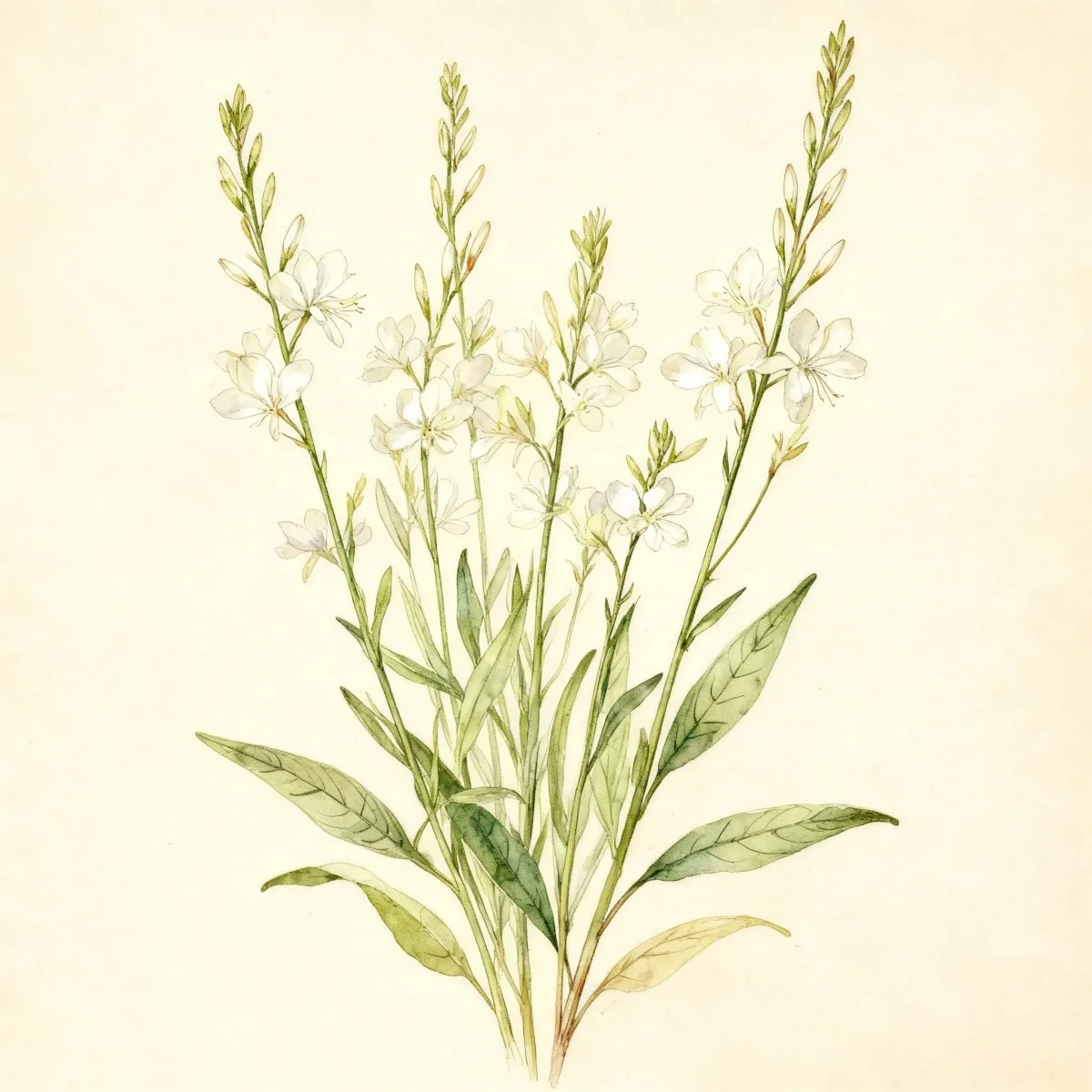
Lindheimer's beeblossom (Oenothera lindheimeri)
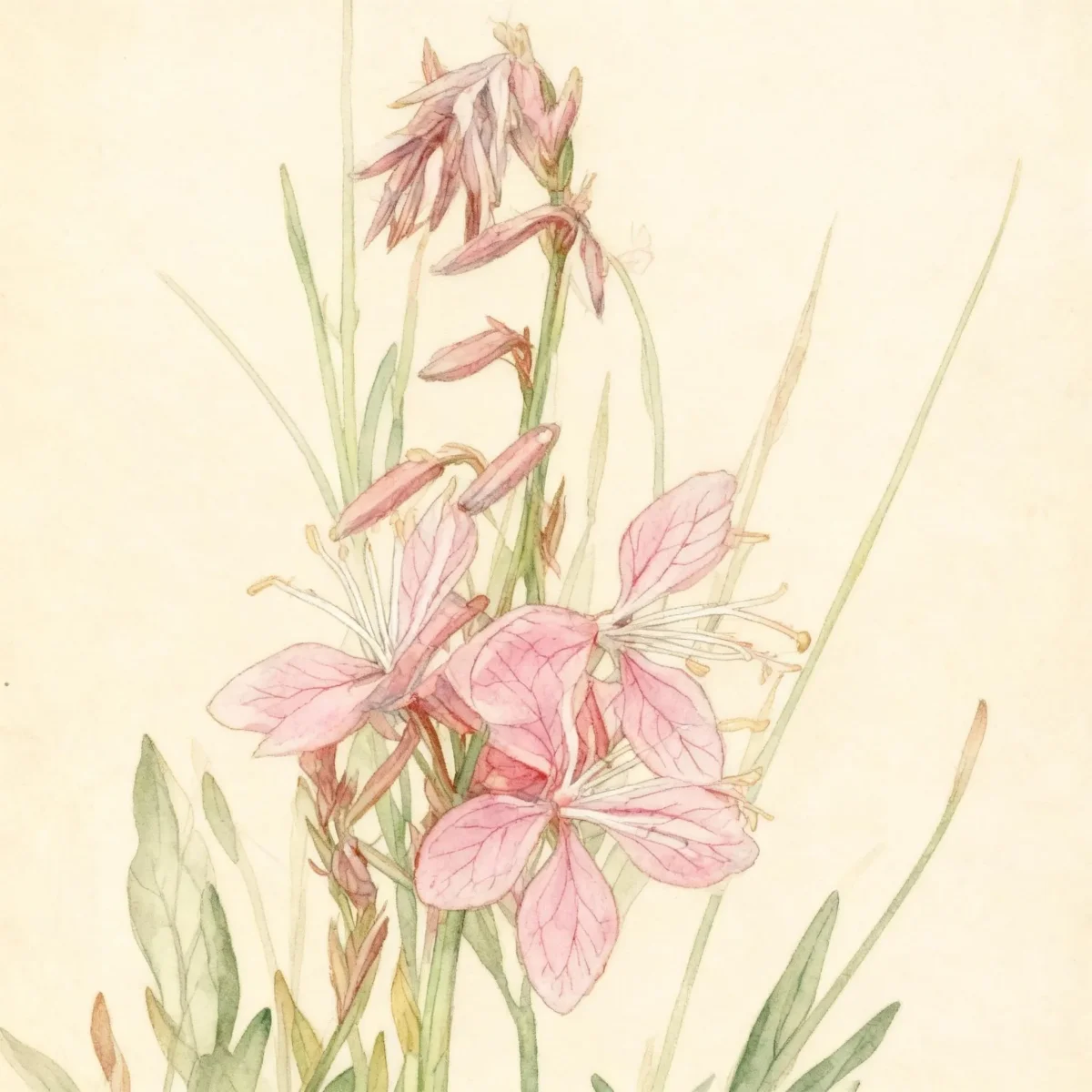
Lindheimer's beeblossom (Oenothera lindheimeri) is a heat-tolerant, clump-forming perennial blooming white fading to pink from August to October.
Scroll down to discover growing tips, care requirements, companion plants, and more
Complete Plant Information
Overview
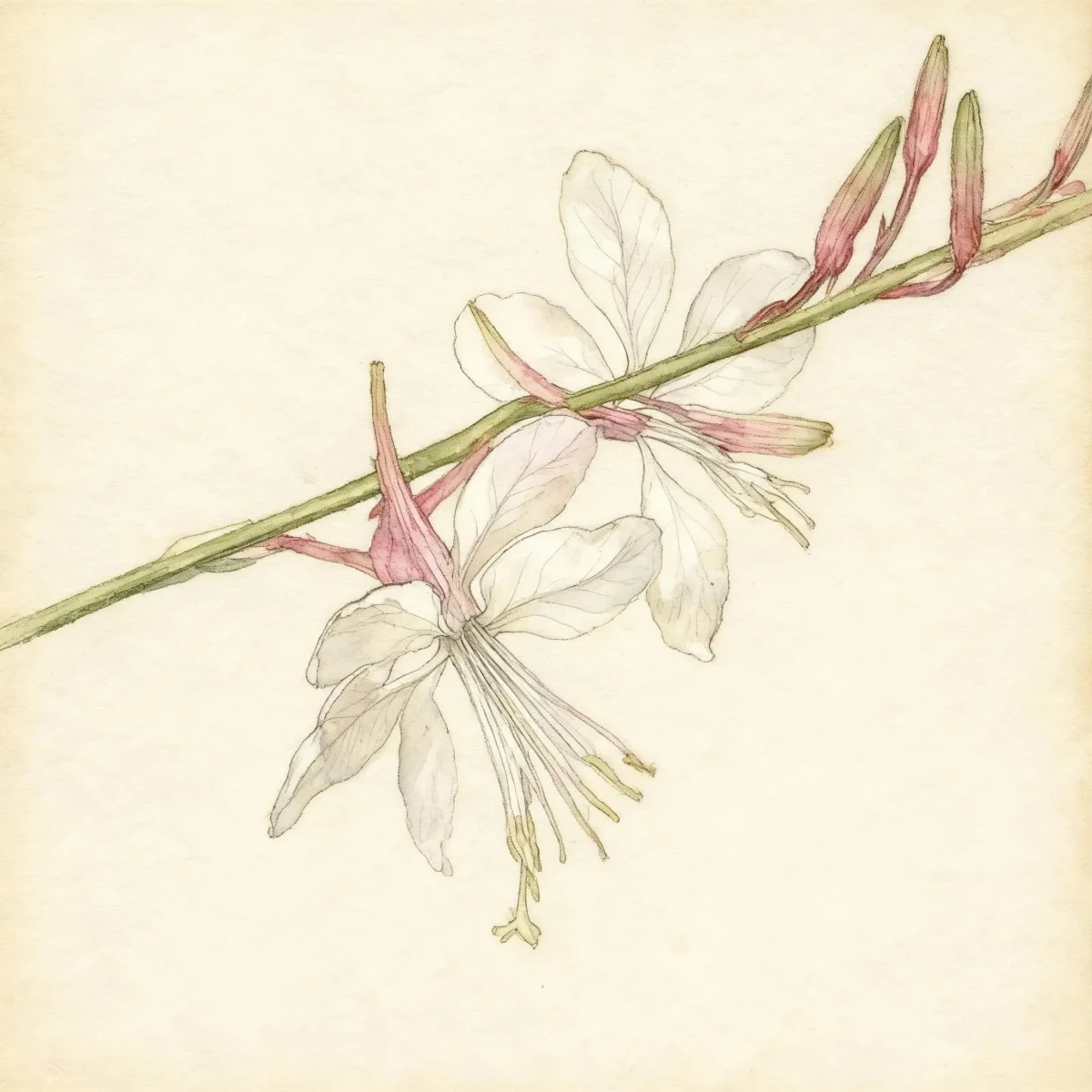
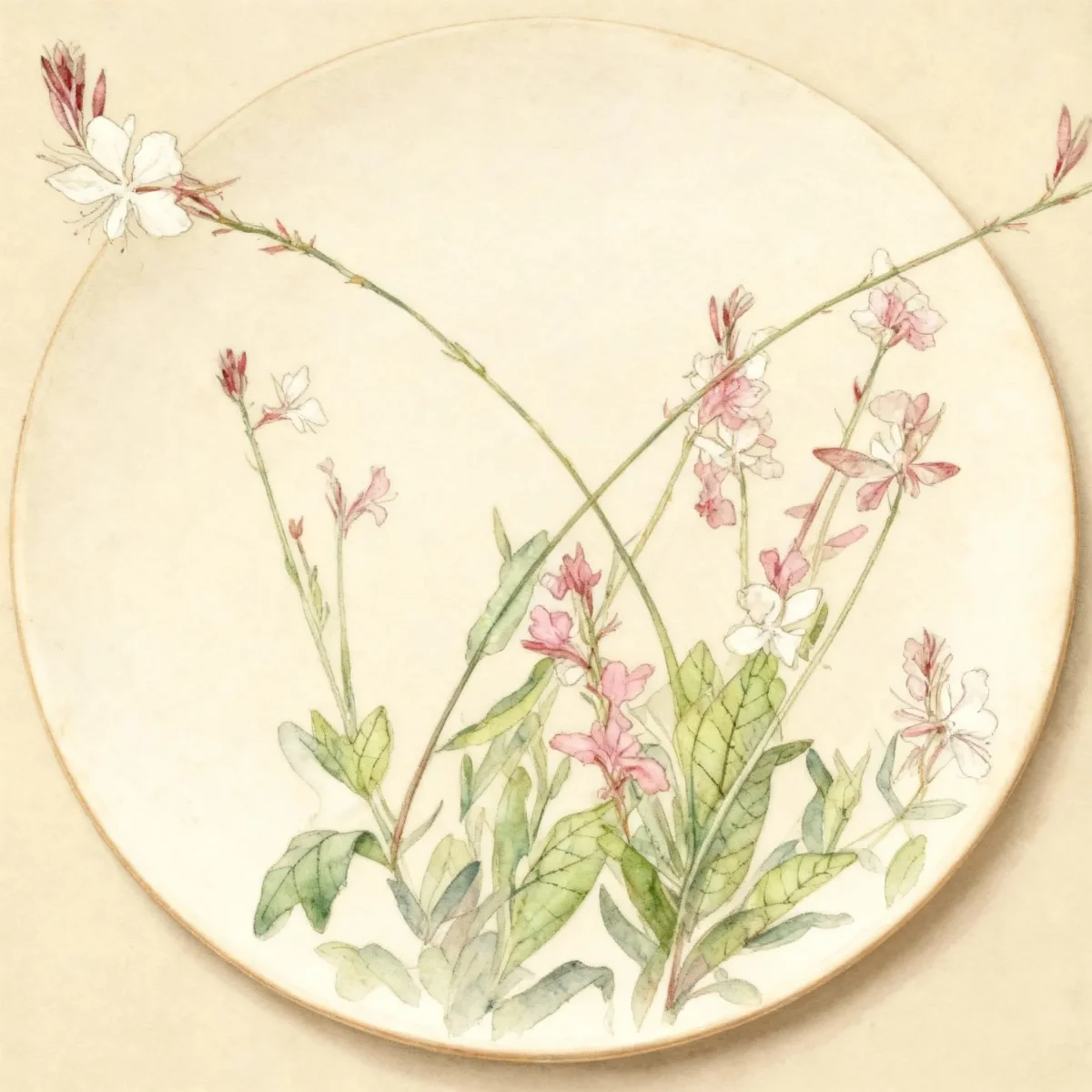
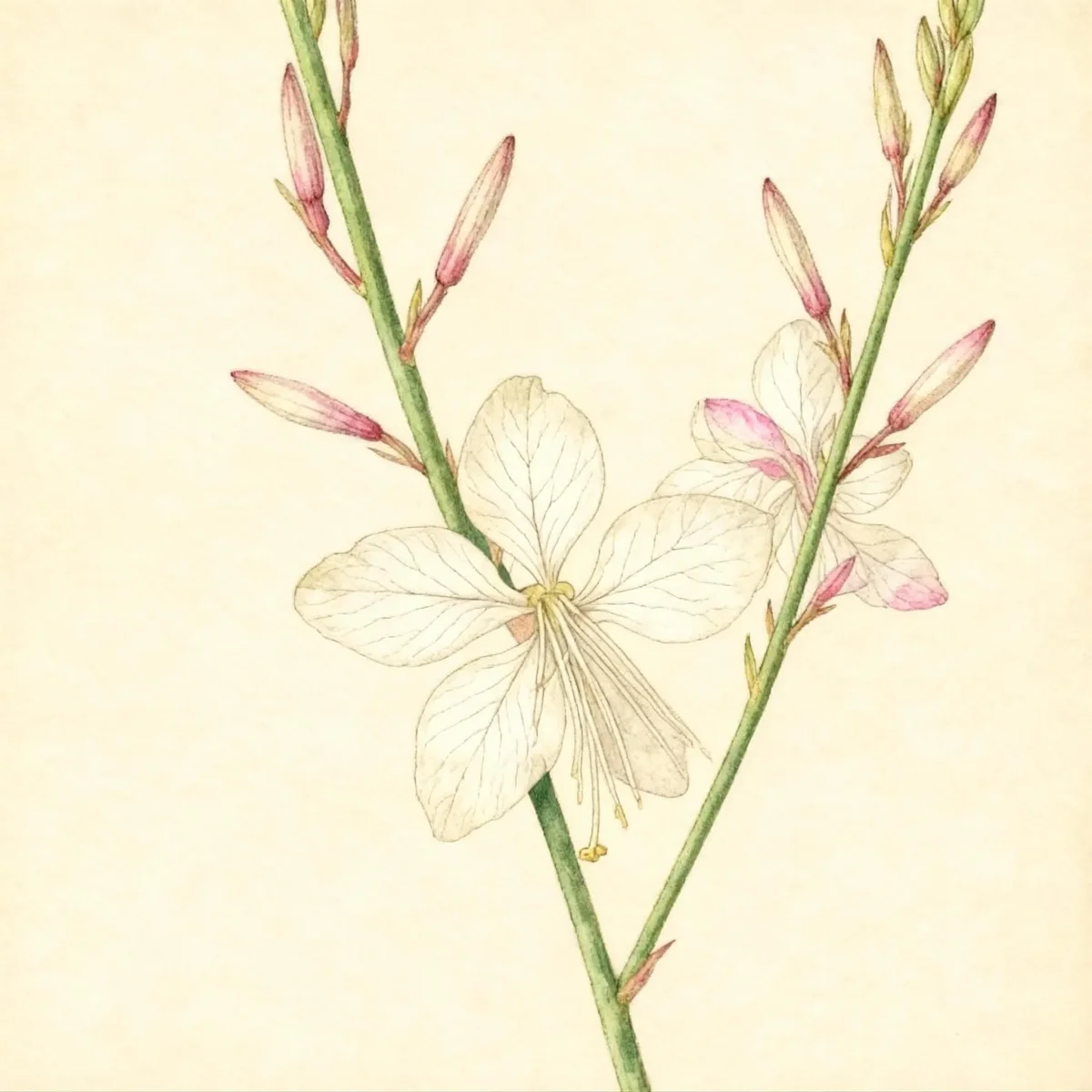
Lindheimer’s beeblossom, scientifically known as Oenothera lindheimeri, is a highly valued herbaceous perennial celebrated for its airy structure and extended bloom time. Native to the Gulf Coast states of Texas and Louisiana, this plant brings elegant height to the late-season garden. Its wiry stems produce pinkish buds that open into delicate white flowers, slowly transitioning to soft pink hues as they mature.
This clump-forming perennial exhibits excellent tolerance for heat and humidity once established, making Oenothera lindheimeri a reliable choice for challenging summer gardens. Its airy presence contrasts beautifully with denser foliage plants, offering movement and texture throughout late summer and early fall. Gardeners appreciate Lindheimer’s beeblossom for its relatively low demands when site conditions are correct.
For sustainable landscape design, consider using this native species to fill sunny borders or allow it to naturalize in native plant meadows. The structure provided by the tall wands of Oenothera lindheimeri draws the eye upward, providing superb vertical interest well into autumn.
Fast Facts
- Plant Family: Onagraceae
- Plant Type: Herbaceous perennial
- Native Range: Louisiana, Texas
- Hardiness Zones: USDA Zones 5-9
- Size at Maturity:
- Height: 3-5 ft
- Spread: 1-2 ft
- Bloom Time: August to October
- Bloom Description: White/pink
- Sun Exposure: Full sun
- Water Needs: Medium
- Maintenance Level: Medium
How to Grow
The success of Lindheimer’s beeblossom relies heavily on proper drainage. Best grown in sandy, loamy, well-drained soils in full sun. Good drainage is absolutely essential; root rot is the primary concern in heavy, moist ground. Planting should occur in spring after the threat of frost has passed, allowing the taprooted plant time to establish before the summer heat arrives.
Watering needs are generally medium, but once established, this plant exhibits tolerance for some drought due to its deep taproot. Fertilization is rarely necessary; rich soils often lead to weak, floppy stems. To encourage a denser habit and prolong the bloom period, remove spent flower spikes regularly.
If stems become too leggy and begin to flop—a common occurrence, especially if grown in overly rich soil—consider planting them closely together or providing light support from adjacent, sturdier perennials. For overall size control, particularly on taller specimens, plants may be cut back by half in late spring. Be aware that Oenothera lindheimeri may self-seed if old flower stems are left standing through the winter.
Landscape Uses
Oenothera lindheimeri excels in sunny borders where its graceful, wand-like structure can be appreciated. It is highly effective when planted in groups or massed together, creating shimmering clouds of white and pink that attract pollinators. While it can be successfully grown in containers, ensure the container has excellent drainage to prevent moisture buildup around the roots.
It is an ideal component for wildflower gardens or native plant landscapes where a slightly wilder, more naturalized look is desired, allowing the plant to sprawl gently. Pair Lindheimer’s beeblossom with shorter, sturdy perennials that share its full sun requirement, such as coneflowers or black-eyed Susans, which can help support the somewhat delicate stems.
Standout Features
Flower Qualities
- Showy
Noteworthy Characteristics
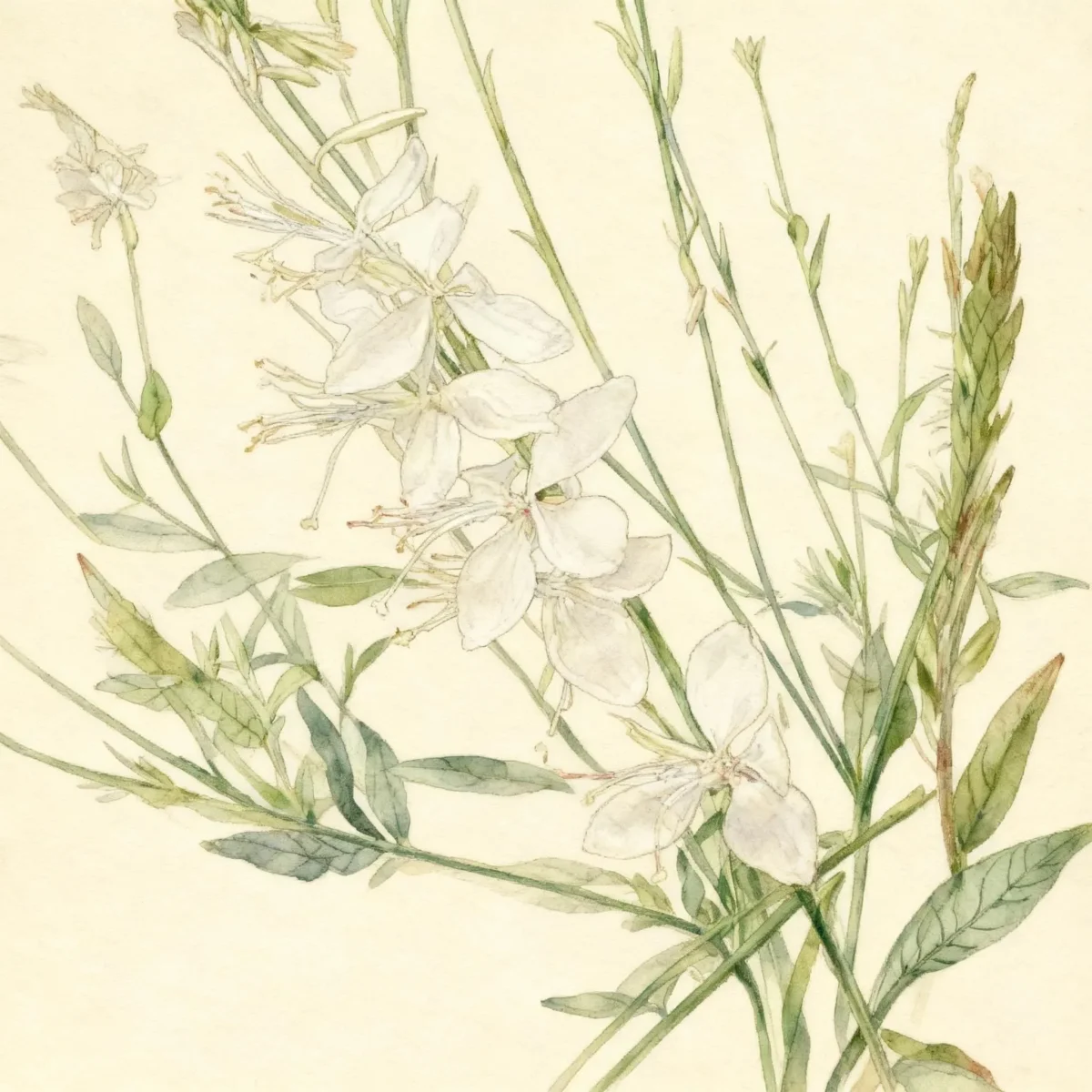
Gaura lindheimeri, commonly called gaura, is a herbaceous clump-forming perennial that is native to Texas and Louisiana. It grows to as much as 5’ tall on stems clad with spoon-shaped to lanceolate leaves (to 3” long). Pinkish buds along wiry, erect, wand-like stems open to white flowers which slowly fade to pink. The specific epithet honors Ferdinand Jacob Lindheimer (1801-1879), a noted Texas plant collector.
Tolerances
No specific listed tolerances were provided for environmental factors outside of native range drought/heat tolerance.
Potential Problems
Root rot is a significant risk if Oenothera lindheimeri is situated in heavy or poorly drained soils. Good horticultural practice demands amending garden beds to ensure superior drainage prior to planting. Fungal issues such as rust and powdery mildew may occasionally develop, often aggravated by overcrowding or high humidity. Monitor the foliage closely during damp periods for signs of these diseases. Pest pressure is generally low, but watch for common summer pests like aphids, whitefly, and flea beetles, treating only when infestations become severe.
Frequently Asked Questions
What hardiness zones is Lindheimer’s beeblossom suitable for?
Oenothera lindheimeri is reliably hardy across USDA Zones 5 through 9, offering versatility across a wide range of climates.
How large does Lindheimer’s beeblossom grow?
This perennial typically reaches a height between 3 to 5 feet tall, with a relatively narrow spread ranging from 1 to 2 feet wide.
What sun exposure does Lindheimer’s beeblossom need?
This plant thrives best when situated in an area receiving full sun exposure throughout the day for optimal flowering.
When does Lindheimer’s beeblossom bloom?
Lindheimer’s beeblossom provides late season color, blooming reliably from August all the way through October, featuring flowers that shift from white to pink.
Conclusion
The airy grace and remarkable tolerance to heat make Lindheimer’s beeblossom an invaluable addition to any sunny border or native landscape. Utilizing Oenothera lindheimeri ensures you receive continuous, delicate blooms deep into the fall season. Before planting, confirm your local hardiness zone and verify that your soil drains rapidly to ensure the long-term success of this superb native perennial.
Companion Planting
Selecting appropriate neighbors helps manage the somewhat leggy structure of Oenothera lindheimeri. Plants that offer contrasting texture and lower growth habits work beautifully near this taller member of the Onagraceae family. Consider partnering it with drought-tolerant perennials that prefer full sun, such as Salvia species, or sturdy structural plants like ornamental grasses or compact Sedum varieties. These companions can anchor the base of the beeblossom, hiding any lower foliage issues and offering support if the stems become top-heavy later in the season.
Wildlife Benefits
The open structure and long bloom period of Oenothera lindheimeri make it an excellent resource for late-season pollinators. While the flowers open briefly, they provide nectar and pollen when many other summer bloomers start fading. Planting this species contributes directly to local biodiversity, providing necessary support for bees and butterflies seeking fuel before cooler weather sets in. Its status as a Texas and Louisiana native ensures it is perfectly adapted to support local insect populations.