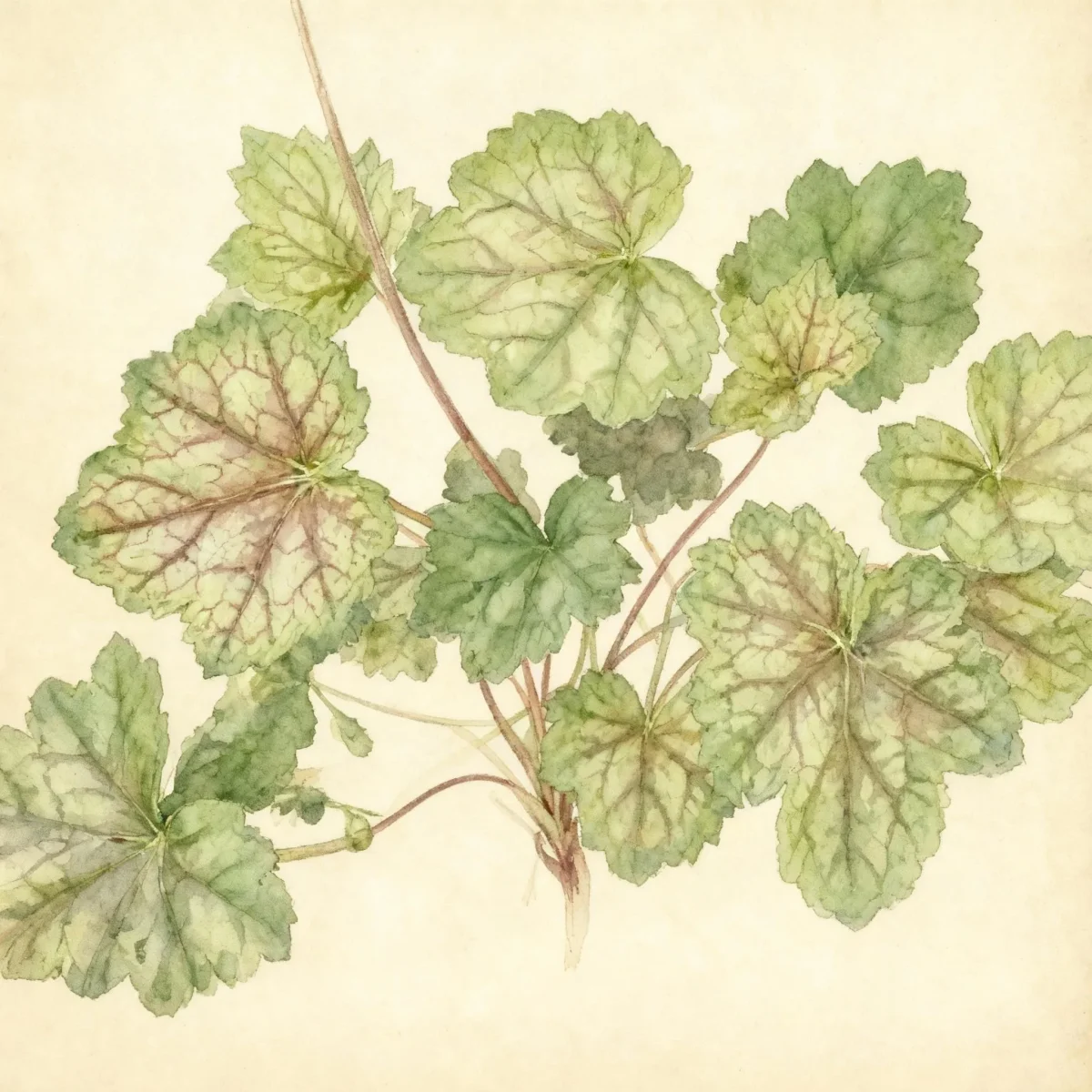
Coral bells (Heuchera 'TNHEUFR' FOREVER RED)
Heuchera 'TNHEUFR' FOREVER RED Coral bells offer vibrant red foliage and white blooms, ideal for zones 4-9. A medium-maintenance perennial.
Scroll down to discover growing tips, care requirements, companion plants, and more
Complete Plant Information
Overview
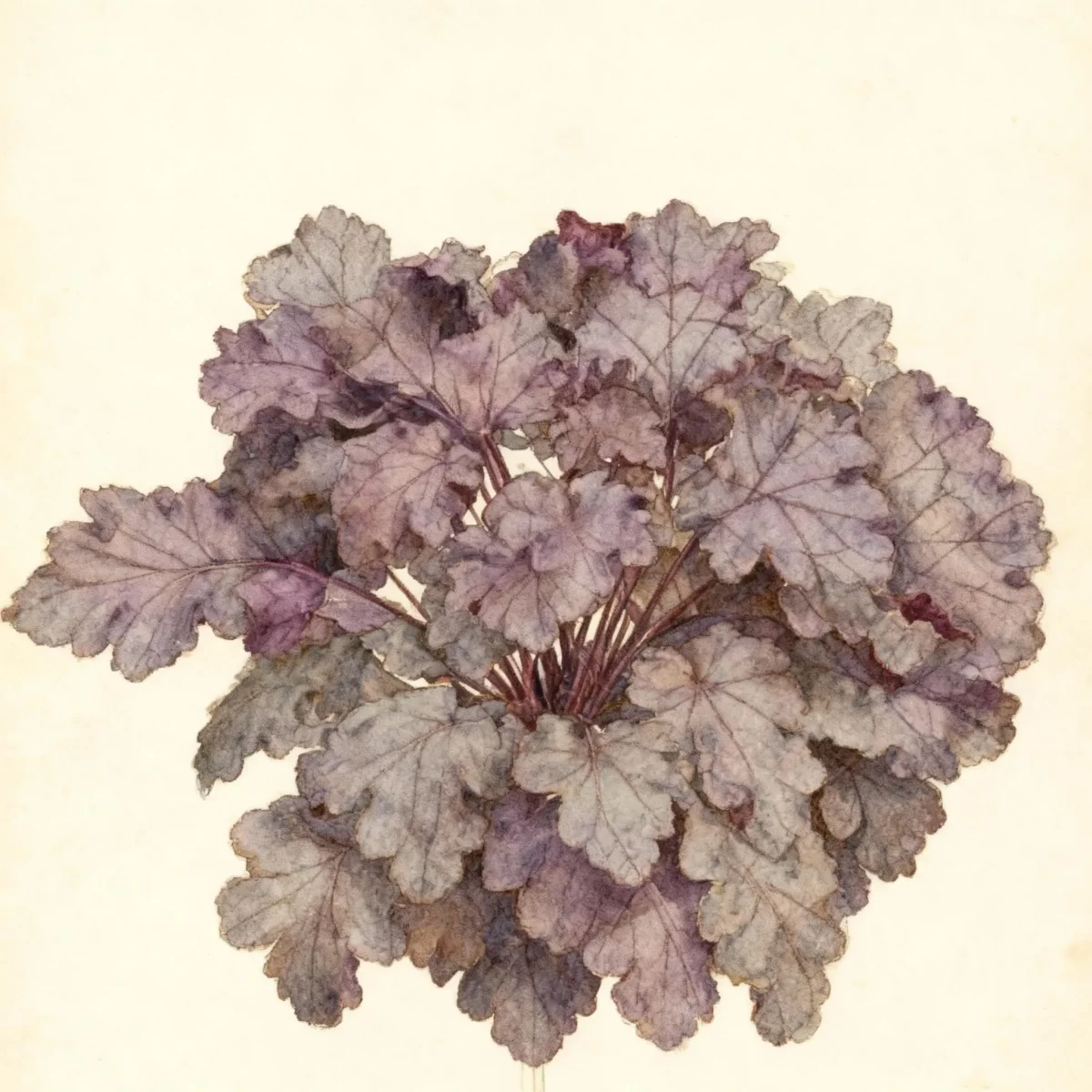
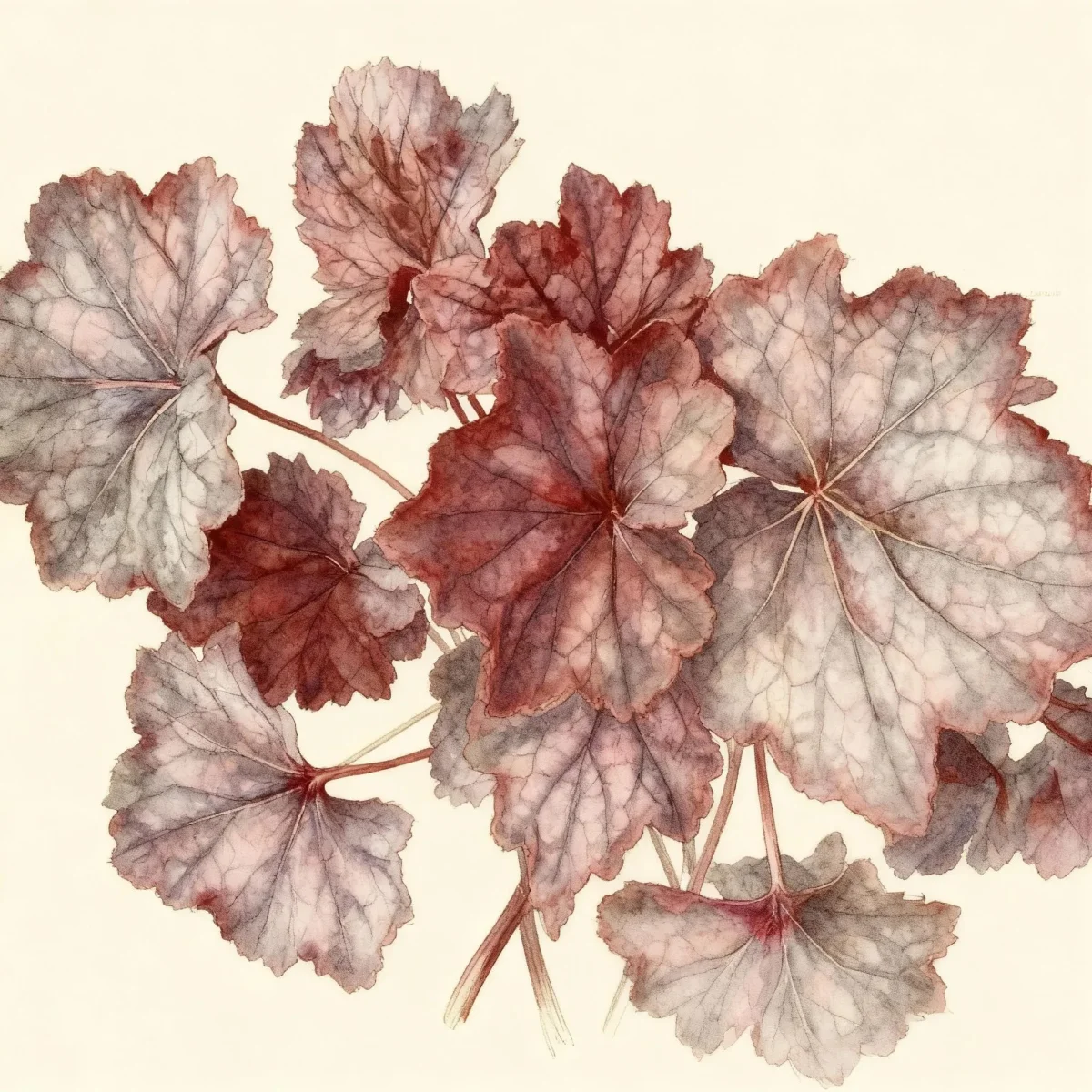
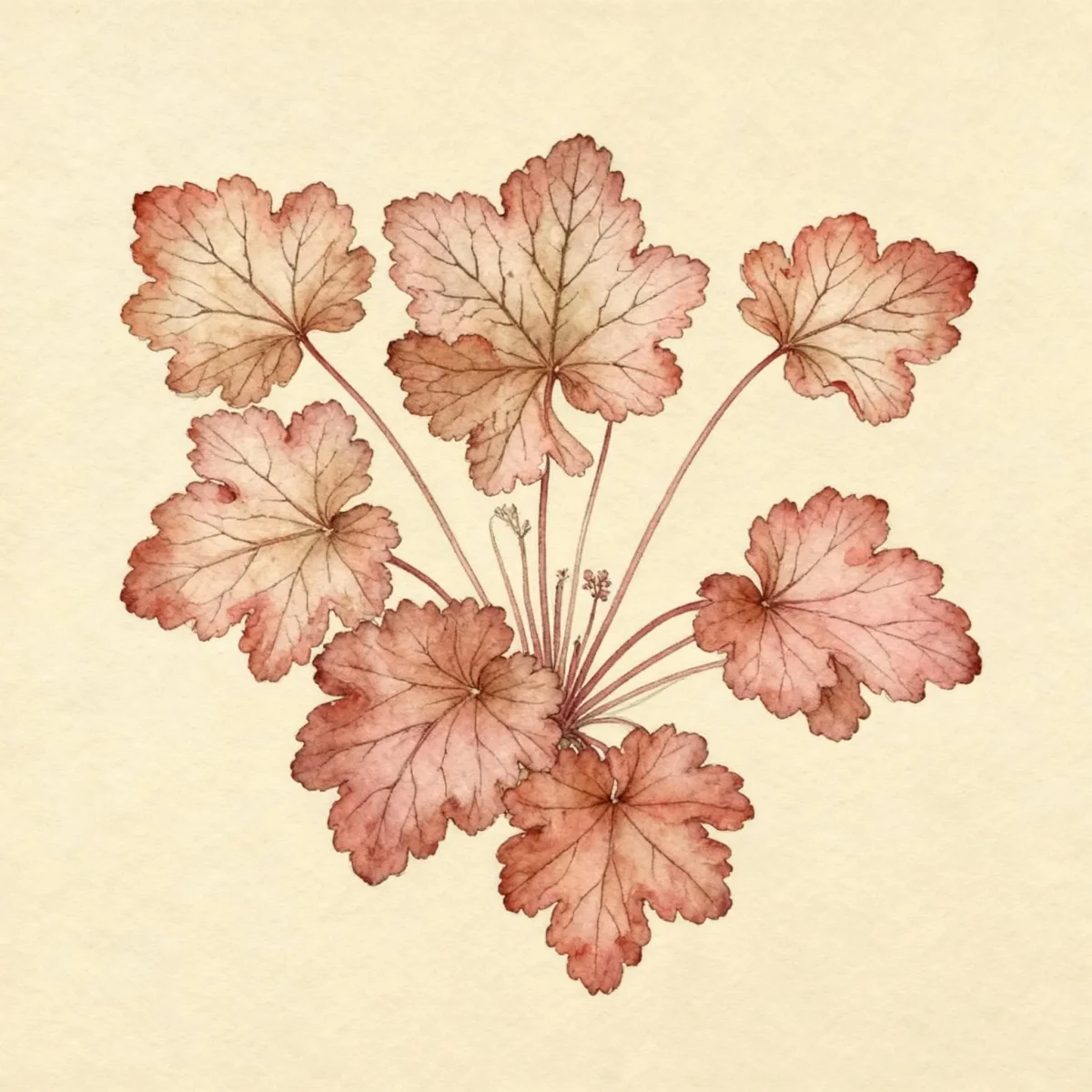
Heuchera ‘TNHEUFR’ FOREVER RED, commonly known as Coral bells, is a stunning hybrid valued for its vigorous, dense clumping habit and deeply colored foliage. This specific cultivar, Heuchera ‘TNHEUFR’ FOREVER RED, maintains bright red basal leaves whose deepest intensity appears during the cooler springs and falls. As a hybridized Alum root, it brings reliable texture and rich color to garden beds across a wide range of climates.
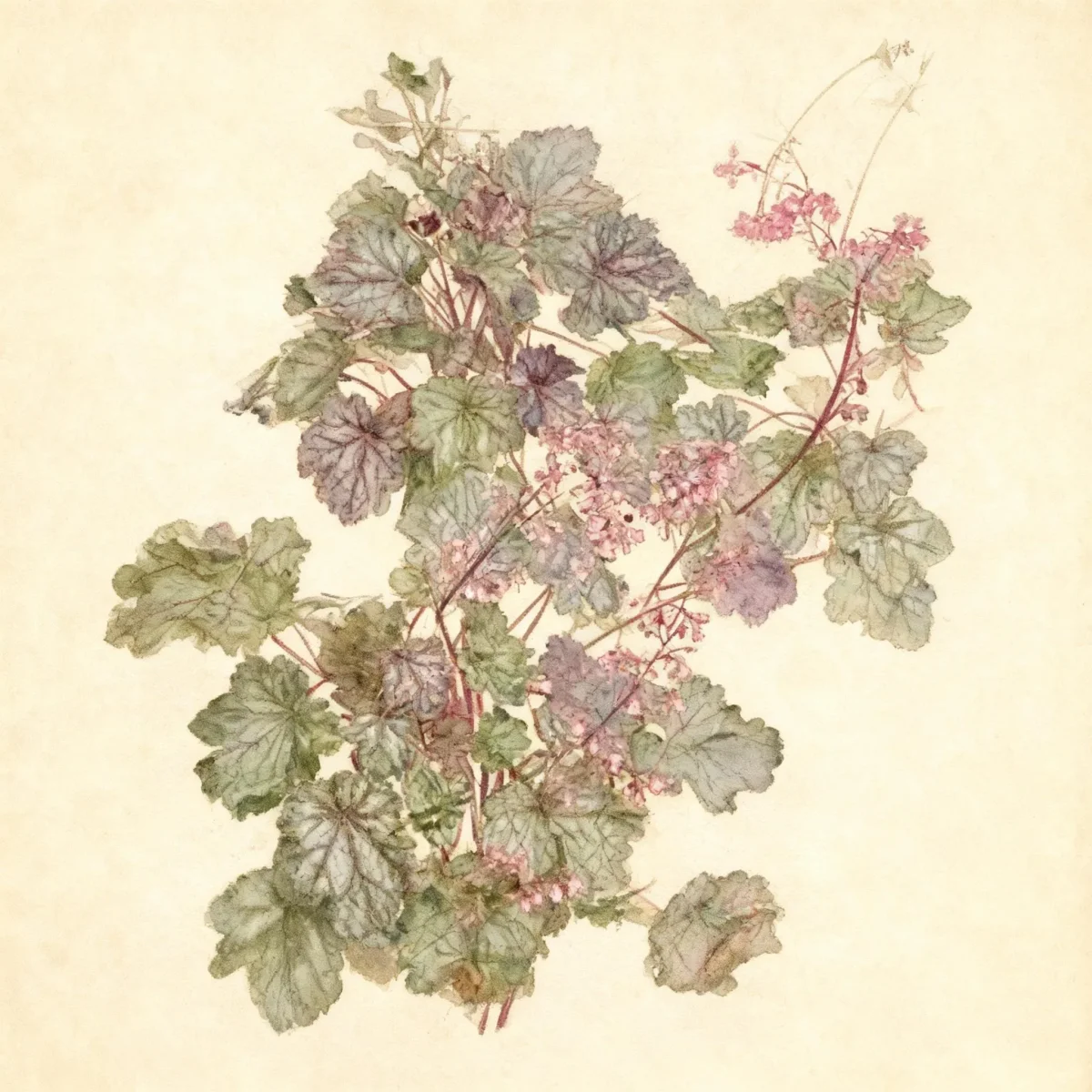
This herbaceous perennial offers aesthetic appeal from spring through winter, especially in warmer regions where it remains evergreen. While it displays small white flowers in late summer, gardeners primarily choose Heuchera ‘TNHEUFR’ FOREVER RED for its dependable foliage performance. It is generally adaptable, though specific placement depends heavily on local summer intensity.
Its mature size is manageable, rarely exceeding three-quarters of a foot in height with a spread around 1.25 feet, making it excellent for edging and close grouping. Integrating Heuchera ‘TNHEUFR’ FOREVER RED into your landscape design provides year-round structure and color impact requiring only medium attention.
Fast Facts
- Plant Family: Saxifragaceae
- Plant Type: Herbaceous perennial
- Hardiness Zones: USDA Zones 4-9
- Size at Maturity:
- Height: 0.5-0.75 ft
- Spread: 1-1.25 ft
- Bloom Time: August to September
- Bloom Description: White
- Sun Exposure: Full sun to part shade
- Water Needs: Medium
- Maintenance Level: Medium
How to Grow
Planting Coral bells is best achieved when the soil is workable, ensuring they settle in before intense summer heat arrives. Heucheras thrive in organically rich, humusy soils that maintain medium moisture but drain impeccably well. While many parent species prefer deeper shade, Heuchera ‘TNHEUFR’ FOREVER RED shows good tolerance for full sun, particularly in northern zones. However, even this sun-tolerant variety benefits significantly from afternoon shade in hot, humid southern summers to prevent potential leaf scorch.
Consistent moisture is crucial, especially if grown in full sun conditions, as allowing the soil to dry out can lead to foliage decline. Minimal fertilization is usually required if the soil is rich; otherwise, a light feeding in spring suffices. Deadheading, or removing faded flower stems, can sometimes encourage a secondary, though usually smaller, wave of bloom in late summer.
In cold winter climates, apply a layer of compost mulch only after the ground has frozen solid; this prevents damaging root heaving during freeze-thaw cycles. Foliage generally persists through winter in warmer zones, but tidying up any damaged or unsightly leaves can be done in early spring. To maintain vigor and appearance, plan to divide your clumps of Heuchera ‘TNHEUFR’ FOREVER RED every three to four years during the spring season.
Landscape Uses
Coral bells provide exceptional structural interest, making them highly versatile in landscape design. They shine when massed together to create a unified river of strong red color, or planted in thoughtful groups to highlight pathways and borders. Their compact size and vibrant foliage make Heuchera ‘TNHEUFR’ FOREVER RED an effective, low-growing edger along walkways where their color contrast can be fully appreciated.
These perennials integrate seamlessly into rock gardens or open woodland settings, mimicking their diverse native habitats. Consider pairing them with contrasting textures like fine-leaved ornamental grasses or broad-leaved hostas. The intensity of the red foliage also pops beautifully alongside silver-leaved accents or plants featuring cool blue or deep purple flowers, creating dynamic temperature contrast throughout the growing season.
Standout Features
Flower Qualities
- Showy
Noteworthy Characteristics
Heuchera, commonly called coral bells or alumroot, is a genus of evergreen to semi-evergreen herbaceous perennials native across North America, varying widely in size and habitat. Hybrid varieties, like Heuchera ‘TNHEUFR’ FOREVER RED, boast expanded leaf color palettes not seen in species plants. ‘Forever Red’ specifically is characterized by bright red, slightly ruffled basal foliage contrasting with small, white summer flowers held on tall spikes, reaching about 8 inches tall and spreading to roughly 14 inches wide. This particular cultivar is protected under patent PP29644, confirming its unique status.
Tolerances
- Frost heaving of roots may occur when winter temperatures fluctuate widely.
Potential Problems
The most common cultural hazard for Coral bells is frost heaving, caused by repeated thawing and freezing in late winter or early spring, which can push roots out of the soil. To mitigate this, delay applying winter mulch until after the ground freezes, ensuring the root zone remains insulated and stable.
Disease potential includes common fungal issues like powdery mildew, rust, and bacterial leaf spot, often exacerbated by poor air circulation or persistently wet foliage. Ensure adequate spacing between plants and water the soil directly rather than the leaves. Pest concerns are generally minor but can include weevils and foliar nematodes, which may require targeted treatments if infestations become severe.
Frequently Asked Questions
What hardiness zones is Coral bells suitable for?
Heuchera ‘TNHEUFR’ FOREVER RED Coral bells are reliably hardy in USDA Zones 4 through 9.
How large does Coral bells grow?
Mature clumps typically reach heights between 0.5 and 0.75 feet, spreading out to occupy a space of 1 to 1.25 feet wide.
What sun exposure does Coral bells need?
This variety performs best in full sun to part shade. In very hot climates, protection from the hottest afternoon sun is strongly recommended.
When does Coral bells bloom?
This particular Coral bells cultivar produces its white flowers from August into September.
Conclusion
The Heuchera ‘TNHEUFR’ FOREVER RED is an outstanding choice for gardeners seeking reliable, intensely colored foliage that remains attractive through multiple seasons. Its moderate size and adaptability, especially its improved sun tolerance, make this cultivar of Coral bells a perennial staple in mixed borders and containers. Before planting, confirm that your USDA hardiness zone falls between 4 and 9 and ensure you provide the medium, well-drained moisture it requires to truly shine.
Companion Planting
Selecting appropriate companions enhances the visual appeal and health of your Heuchera ‘TNHEUFR’ FOREVER RED planting. Because Coral bells appreciate rich, well-drained soil and generally prefer relief from harsh afternoon sun, contrast them with plants that have complementary texture but similar cultural needs. Consider pairing the deep red foliage with softer, silver-leaved Artemisia varieties or the upright spires of Salvia, which enjoy similar drainage profiles.
For areas receiving partial shade, ferns offer beautiful, fine texture that contrasts nicely with the broader leaves of the Coral bells. In sunnier spots where you protect your Heuchera from peak heat, low-growing Sedums or creeping Thyme make excellent groundcovers that won’t outcompete the crowns of the Alum root specimens.
Design Ideas for Evergreen Color
Heuchera ‘TNHEUFR’ FOREVER RED excels as an anchor plant in foundation plantings where year-round color is desired. Its uniform, mounding habit makes it perfect for separating taller shrubs from lawn areas, providing a neat, colorful transition layer. Use planting ratios of 3:1 or 5:1, grouping several red clumps together for maximum effect rather than scattering individuals throughout the bed.
In modern, structured landscapes, use Heuchera ‘TNHEUFR’ FOREVER RED in geometric patterns along structural hardscaping like retaining walls or patio edges. The vibrant red color acts as a warm focal point, especially effective when viewed against gray stone or dark mulch. For container gardening, utilize the plant as a “spiller” or “filler” alongside upright architectural plants to maintain high-impact color throughout the entire growing season.