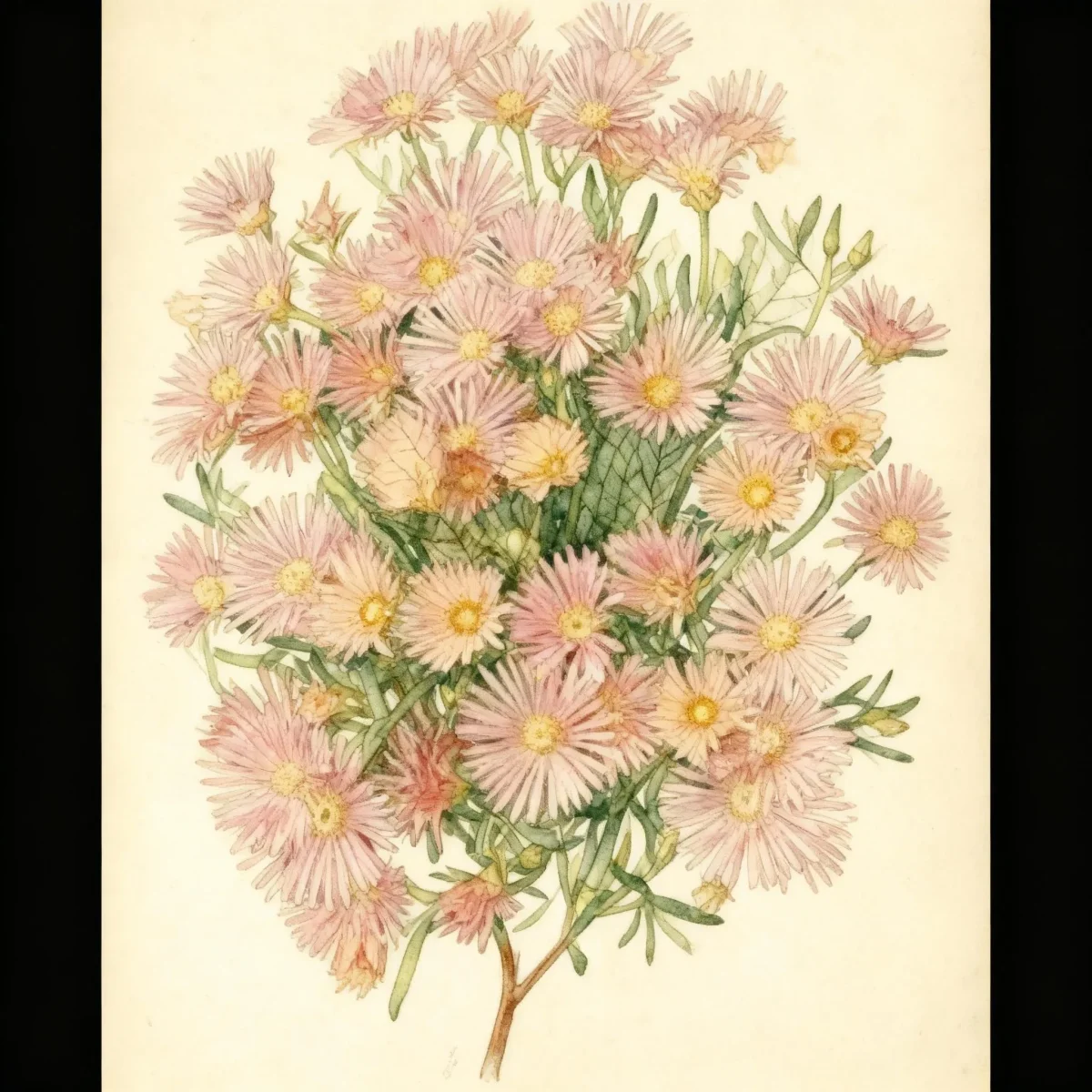
Heartleaf iceplant (Mesembryanthemum cordifolium 'Mesbicla' MEZOO TRAILING RED)
Mesembryanthemum cordifolium 'Mesbicla' MEZOO TRAILING RED, or Heartleaf iceplant, is a low-maintenance succulent groundcover offering brilliant red blooms.
Scroll down to discover growing tips, care requirements, companion plants, and more

Complete Plant Information
Overview
The Mesembryanthemum cordifolium ‘Mesbicla’ MEZOO TRAILING RED, widely known as Heartleaf iceplant, is a fantastic choice for gardeners seeking vibrant color and rugged drought tolerance. This succulent perennial forms a dense, matting groundcover, prized for its trailing habit and vigorous spreading nature, making it excellent for covering bare spots quickly. Its cheerful blooms appear consistently from early summer straight through fall, offering reliable visual interest across hot, dry landscapes.
As a tender perennial, the Heartleaf iceplant thrives best in USDA Zones 9 and 10, offering superb heat tolerance once established. In cooler regions, it performs admirably as an annual or can be easily brought indoors to overwinter, ensuring you don’t lose the lush foliage and brilliant red flowers of Mesembryanthemum cordifolium ‘Mesbicla’ MEZOO TRAILING RED. Its success is tied directly to ample sunlight and excellent soil drainage, rewarding the gardener with minimal care requirements.
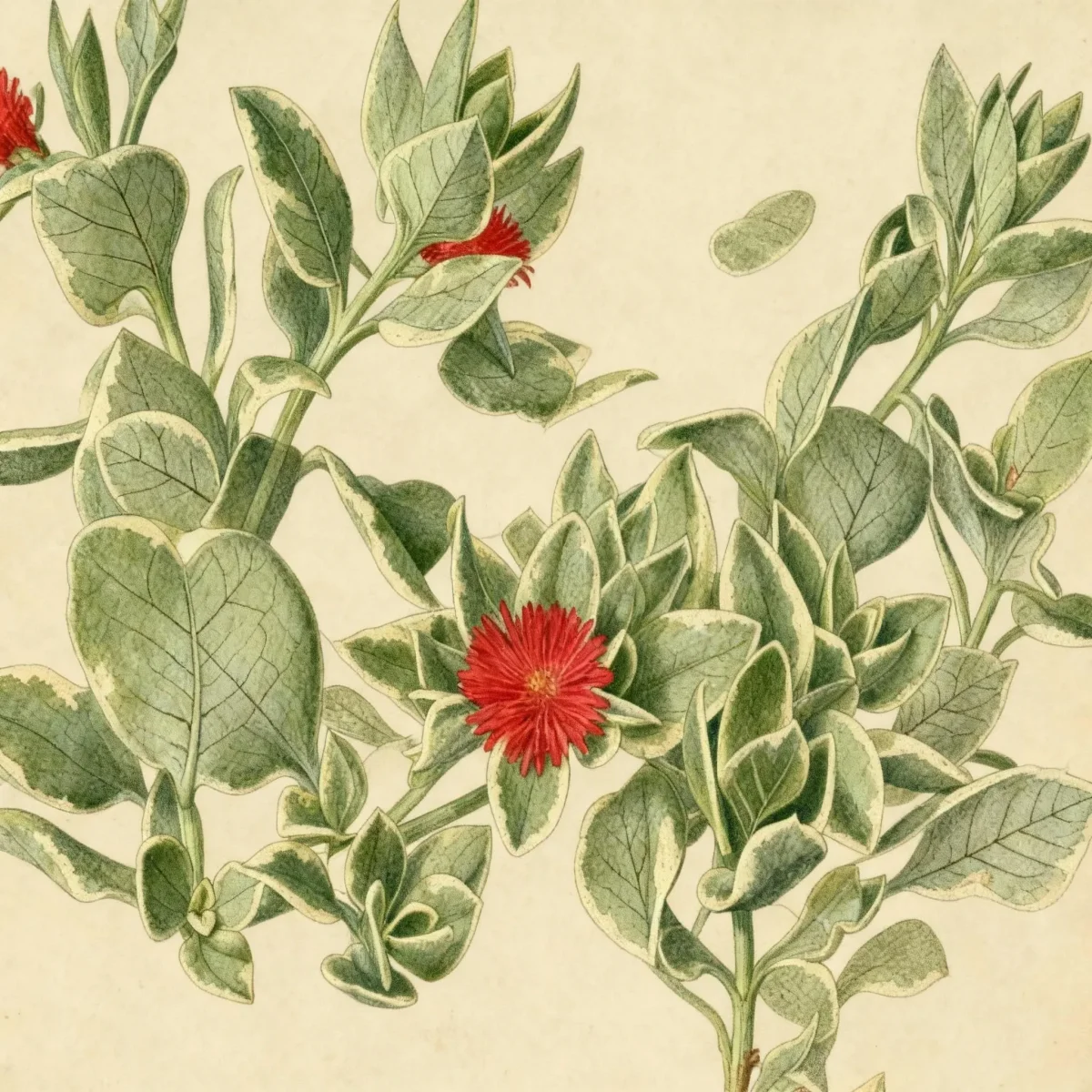
This specific cultivar, often sold as MEZOO TRAILING RED, is noted for its variegated foliage edged in white, providing contrast even when not in bloom. The glossy, heart-shaped leaves are thick and succulent, helping the plant endure periods of dryness. Utilizing Mesembryanthemum cordifolium ‘Mesbicla’ MEZOO TRAILING RED effectively creates a durable, sparkling green carpet accented by the striking rose-red flowers.
Fast Facts
- Plant Family: Aizoaceae
- Plant Type: Herbaceous perennial
- Hardiness Zones: USDA Zones 9-10
- Size at Maturity:
- Height: 0.5-0.75 ft
- Spread: 1-2 ft
- Bloom Time: June to October
- Bloom Description: Red
- Sun Exposure: Full sun
- Water Needs: Dry to medium
- Maintenance Level: Low
How to Grow
For optimal establishment of Heartleaf iceplant, plant in spring after the danger of frost has passed, especially if growing as an annual outside of hardiness zones 9-10. This plant demands full sun exposure to achieve its densest growth and best flowering performance. Regarding soil, prioritize loose, well-drained conditions; this species prefers sandy or gravelly textures and tolerates average moisture but fails quickly in soggy ground. Good drainage is perhaps the most critical factor in successfully growing Mesembryanthemum cordifolium ‘Mesbicla’ MEZOO TRAILING RED.
Maintenance for this groundcover is generally low. Watering should be infrequent once the plant is established, favoring deep, infrequent watering over light, shallow sprinklings—remember, it endures drought well. Fertilizing requirements are minimal; feed lightly in the spring if desired, but heavy feeding often results in too much soft, floppy leaf growth rather than controlled spreading. Pruning is rarely needed, though you may trim stems back in early spring to maintain shape or tidy up any winter damage if overwintering indoors.
If starting from seed to achieve the summer bloom period (June to October), begin sowing indoors 10 to 12 weeks before your area’s last spring frost date. Although it is a short-lived perennial, its rapid coverage capabilities make it an outstanding summer annual. Keep in mind that the blooms tend to close up overnight or during heavily overcast days, typical of many sun-loving ice plants.
Landscape Uses
The dense, spreading habit of Heartleaf iceplant makes it an unbeatable choice for ground cover applications, rapidly filling in areas where turf grass struggles due to heat or poor soil. It excels beautifully in hot, dry locations, acting as a living mulch that suppresses weeds beneath its foliage blanket. Consider using Mesembryanthemum cordifolium ‘Mesbicla’ MEZOO TRAILING RED along border fronts where its low stature won’t obscure taller plantings, or use it to soften the harsh edges of foundations and retaining walls.
This succulent variety is also perfectly suited for rock gardens, cascading over stones with its trailing stems and offering a jewel-toned display when flowering. Furthermore, its drought tolerance makes it an excellent candidate for sunny containers or mixed succulent arrangements where it can spill over the edges. When using Heartleaf iceplant in the garden, pair it with other sun-lovers that also appreciate dry soil, such as Sedums or various ornamental grasses.
Standout Features
Noteworthy Characteristics
Mesembryanthemum cordifolium, commonly called heartleaf iceplant or baby sun-rose, is a succulent mat-forming tender perennial/annual that is endemic to the eastern coastal region of South Africa, from Eastern Cape to KwaZulu-Natal. It is noted for its dense, prostrate, free-branching, spreading form and showy bloom display, with glossy, succulent, cordate or ovate leaves that store water. The common name heartleaf iceplant refers to the heart-shaped leaves which can sparkle in the sun due to water-storing papillae on their surface. The specific Mesembryanthemum cordifolium ‘Mesbicla’ MEZOO TRAILING RED cultivar features distinctive variegated light green leaves edged with white, setting off its rose-red blooms beautifully.
Tolerances
- Good tolerance for drought and heat.
Potential Problems
Insect and disease issues are generally minimal for this tough succulent, contributing to its low maintenance appeal. However, growers should remain vigilant for potential sporadic infestations of mealybugs or scale insects. These sucking pests tend to hide on the stems or leaf axils, especially on plants grown in slightly less than ideal conditions or while overwintering indoors. Regular observation and prompt treatment with horticultural oil or insecticidal soap are effective management strategies if pests appear.
Frequently Asked Questions
What hardiness zones is Heartleaf iceplant suitable for?
Mesembryanthemum cordifolium ‘Mesbicla’ MEZOO TRAILING RED is winter hardy in USDA Zones 9 through 10.
How large does Heartleaf iceplant grow?
This cultivar typically reaches heights around 0.5 to 0.75 feet tall, spreading broadly to cover an area between 1 and 2 feet wide or more.
What sun exposure does Mesembryanthemum cordifolium ‘Mesbicla’ MEZOO TRAILING RED need?
This plant thrives best when provided with full sun exposure daily to ensure robust growth and abundant flowering.
When does Heartleaf iceplant bloom?
The blooms on this variety typically appear throughout the summer and into the fall, from June to October, displaying a striking red color.
Conclusion
The Heartleaf iceplant, particularly the variegated Mesembryanthemum cordifolium ‘Mesbicla’ MEZOO TRAILING RED, offers exceptional value as a tough, water-wise groundcover that delivers consistent, vibrant color. Its preference for heat, sun, and dry conditions makes preparing your garden for summer simple and rewarding. Ensure your site has excellent drainage before planting to guarantee the health and longevity of this spectacular trailing succulent.
Companion Planting
When selecting companions for Mesembryanthemum cordifolium ‘Mesbicla’ MEZOO TRAILING RED, focus on species that share its love for full sun and dry, well-drained soils. Succulents are natural partners; consider pairing the spreading habit of Heartleaf iceplant with upright, structural plants like certain varieties of Aloe or Yucca for vertical contrast. For seasonal color beneath taller shrubs or near walls, low-growing aromatic herbs such as Thyme or Oregano also thrive in similar xeriscapic conditions and complement the succulent texture beautifully.
Propagation Tips
Propagation of Heartleaf iceplant is refreshingly simple, primarily relying on stem cuttings rather than relying solely on seeds. Because it is a fast-growing, mat-forming plant, taking cuttings is the preferred method for quick area coverage or replacing damaged patches. Simply snip segments of stem that are a few inches long, ensuring they have several leaves attached, and allow the cut ends to dry for a day or two until a slight callus forms over the wound. These cuttings can then be placed directly onto dry soil in spring or early summer, or rooted in water, where they will quickly establish roots and begin spreading.