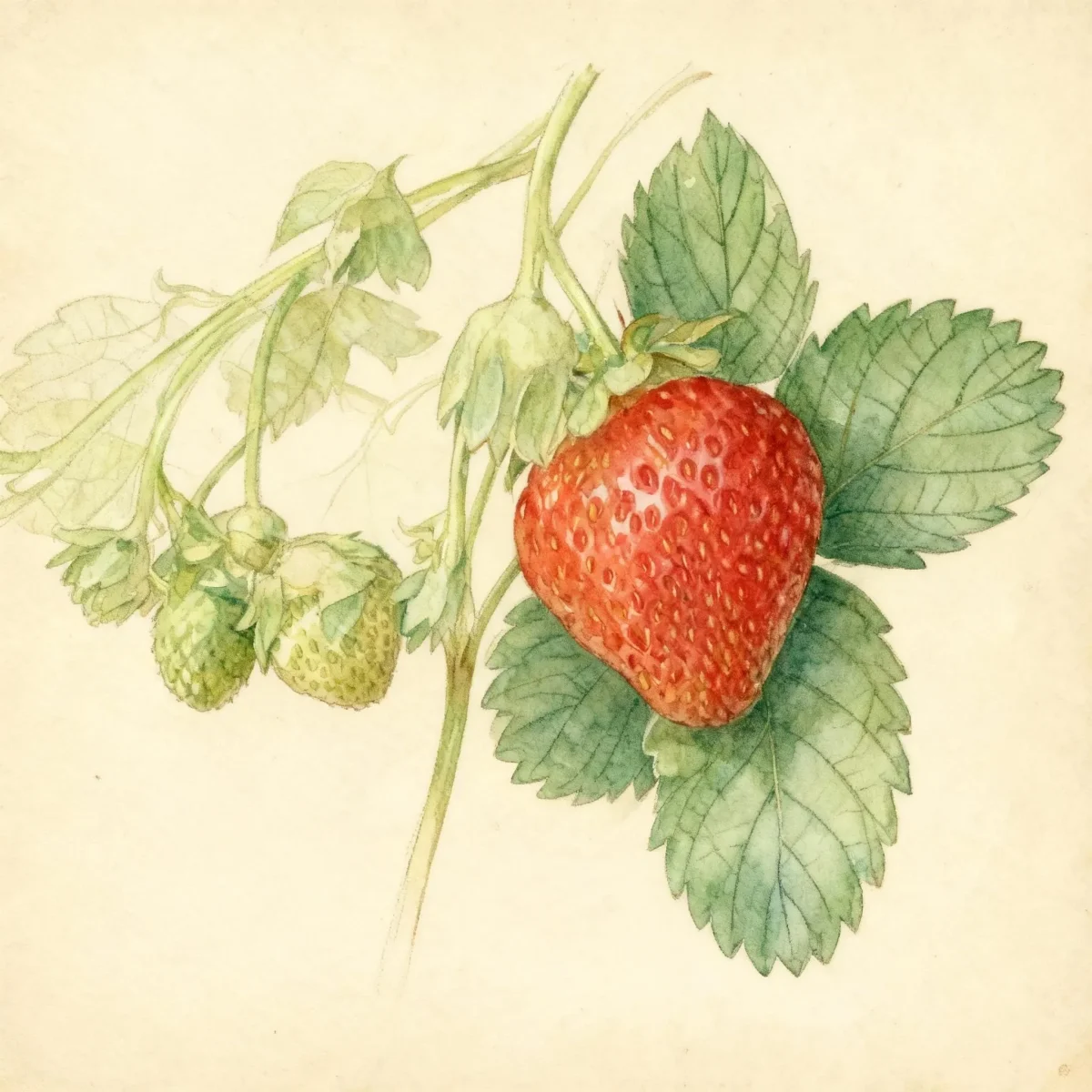
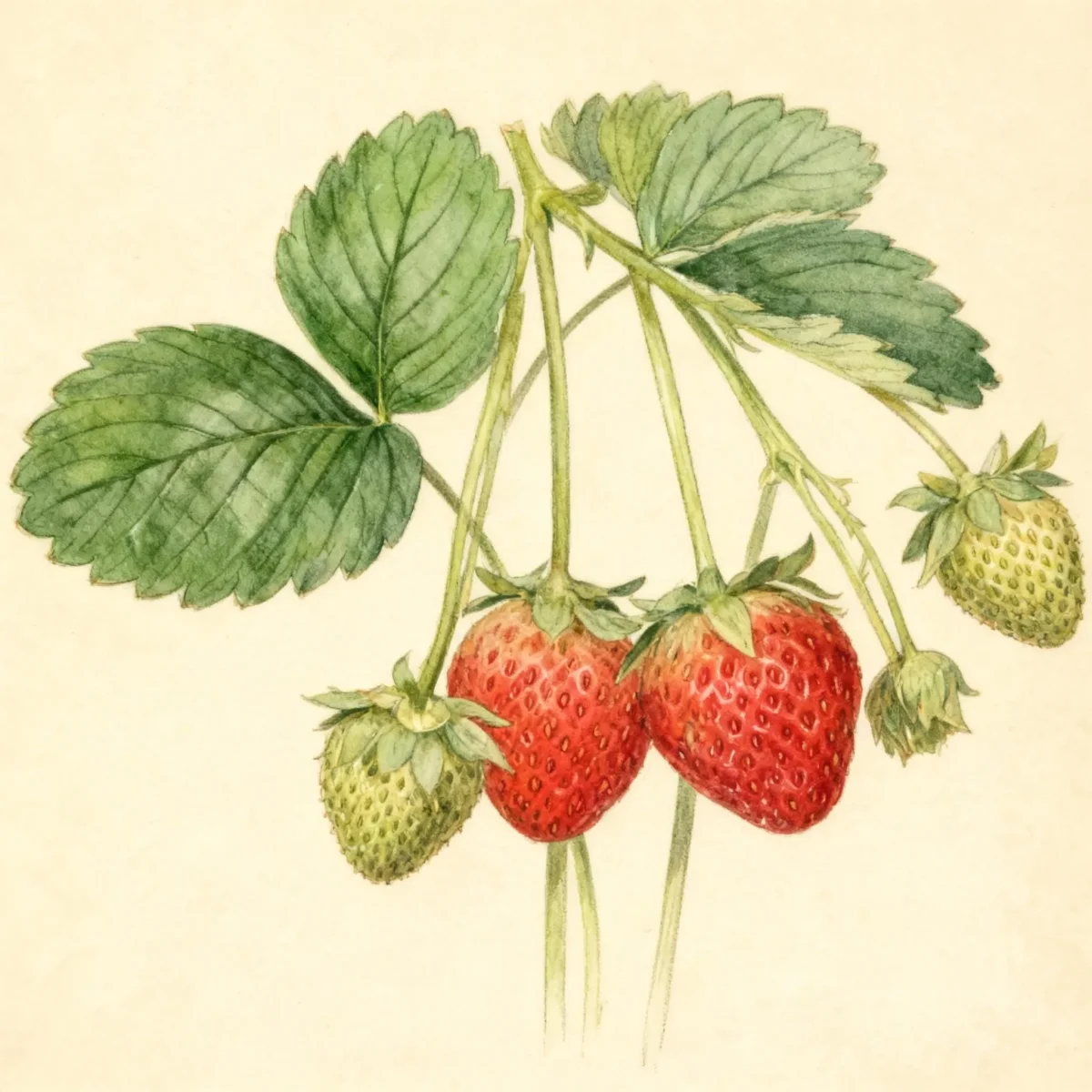
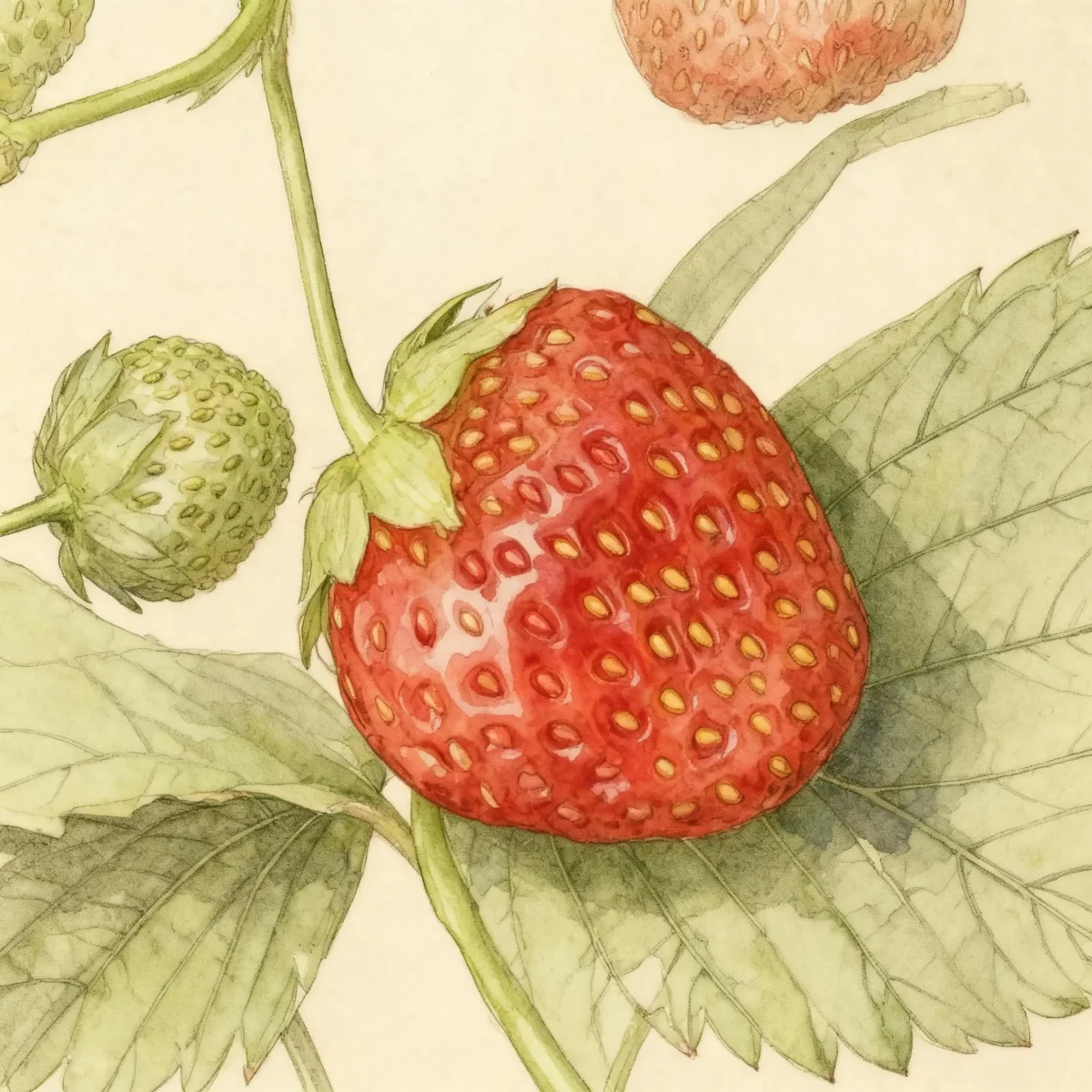
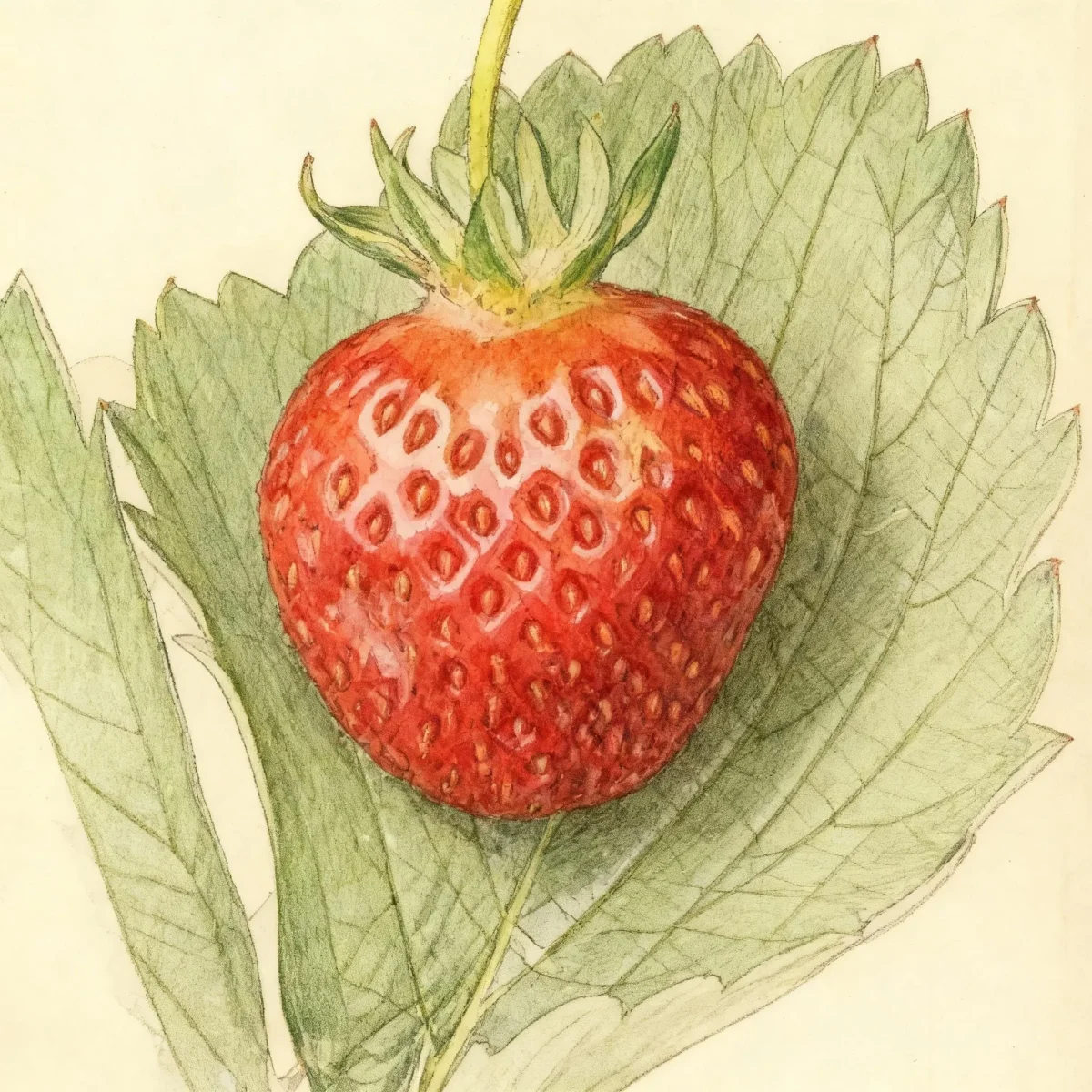
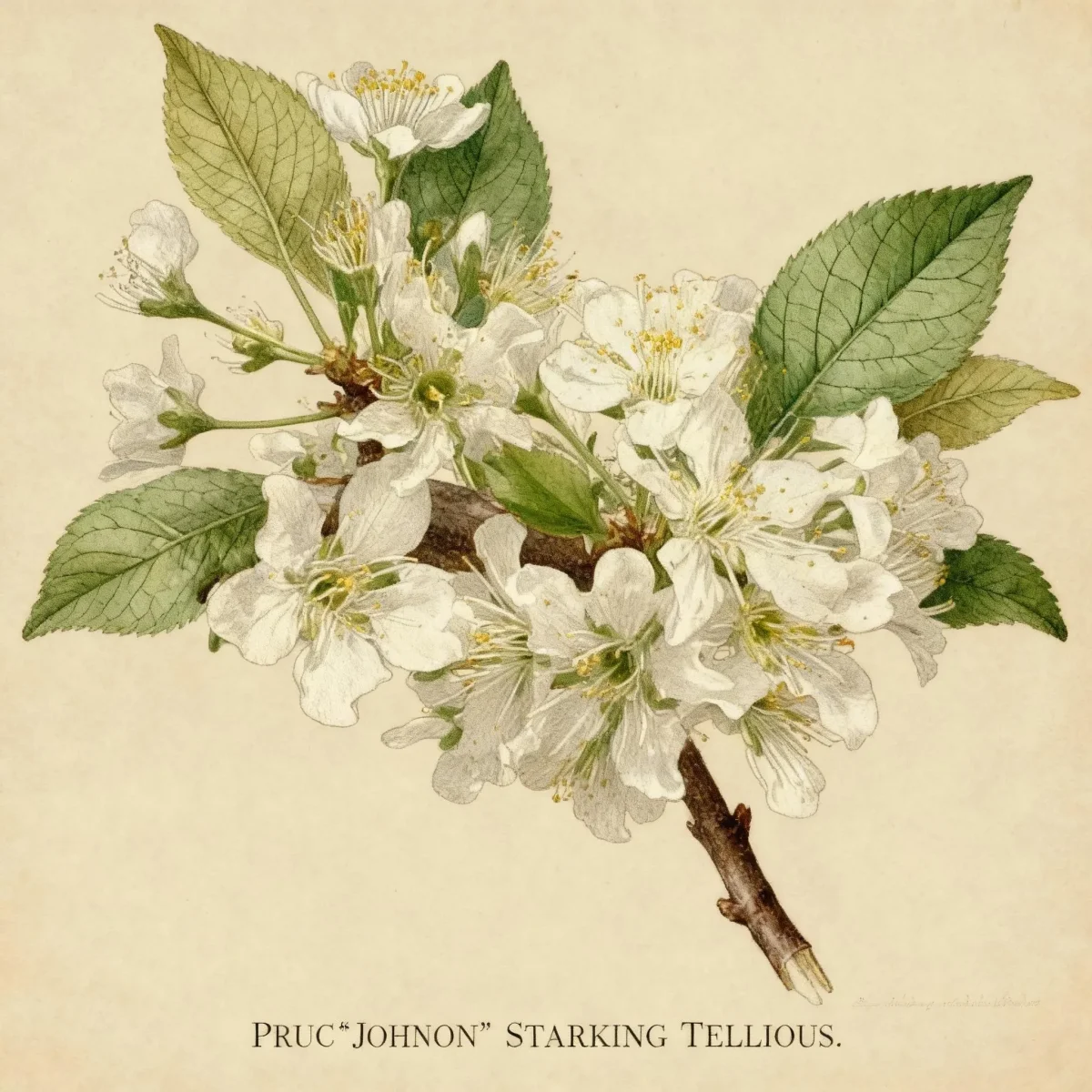
Dwarf plum (Prunus 'Johnson' STARKING DELICIOUS)
Prunus 'Johnson' STARKING DELICIOUS is a Dwarf plum ideal for small spaces, offering showy, fragrant blooms and edible late-summer fruit.
Scroll down to discover growing tips, care requirements, companion plants, and more
Complete Plant Information
Overview
Prunus ‘Johnson’ STARKING DELICIOUS is a highly valuable addition to the home orchard, renowned as a Dwarf plum variety that manages to produce substantial, sweet fruit while occupying a smaller footprint than standard stone fruit trees. Gardeners appreciate this selection for its dual aesthetic and culinary benefits, highlighted by beautiful spring flowers followed by reliable harvests. This cultivar, often sold under the trade name STARKING DELICIOUS, tends to begin bearing edible plums within 3 to 4 years of planting, offering an early reward for dedicated growers.
As a deciduous fruit tree, the Dwarf plum offers visual interest throughout the season, beginning with its initial bloom in early spring. While it retains the classic beauty of the Prunus genus, gardeners must understand that maintaining optimal structure and yield for Prunus ‘Johnson’ STARKING DELICIOUS requires dedicated attention. Its high maintenance requirement often relates to necessary pest management and ensuring proper fruit set.
The characteristic clingstone plums feature attractive red skins and deep red flesh, making them excellent choices when fresh eating is the goal. Furthermore, the selection’s size, especially when grown on dwarf rootstock, makes the Dwarf plum perfectly suited for smaller yards or large containers where space optimization is key.
Fast Facts
- Plant Family: Rosaceae
- Plant Type: Fruit
- Hardiness Zones: USDA Zones 5-9
- Size at Maturity:
- Height: 8-10 ft
- Spread: 8-10 ft
- Bloom Time: April
- Bloom Description: White
- Sun Exposure: Full sun
- Water Needs: Medium
- Maintenance Level: High
How to Grow
The best time to plant the Dwarf plum is typically in early spring or fall, ensuring the tree is established before extreme weather hits. Select a site that receives consistent full sun exposure, as this maximizes flowering and fruit production, though Prunus ‘Johnson’ STARKING DELICIOUS can tolerate light shade. Ideal soil conditions involve moist, moderately fertile, well-drained loams. Excellent drainage is crucial to prevent root stress and associated diseases.
Watering should remain consistent, maintaining medium moisture levels, especially during fruit development in the summer months. Fertilization should follow standard guidelines for stone fruit, focusing on balanced nutrition supplied in early spring. Pruning is best carried out immediately following the conclusion of the bloom period in April, mainly to maintain shape and remove crossing or dead wood; generally, extensive pruning is not required afterward.
A critical cultural requirement for Prunus ‘Johnson’ STARKING DELICIOUS is cross-pollination. This tree needs another suitable Japanese/Asian plum cultivar planted nearby to ensure a robust fruit set each season. Neglecting to provide a pollinator partner will result in significantly reduced or absent harvests.
Landscape Uses
The manageable height of 8 to 10 feet makes the Dwarf plum an excellent specimen for inclusion in smaller ornamental landscapes or as an accent tree where standard fruit trees would overwhelm the space. As a Flowering Tree, it contributes significant early-season visual appeal with its masses of white blossoms.
For functional beauty, utilize the Prunus ‘Johnson’ STARKING DELICIOUS near patios or kitchen gardens, keeping the delicious, edible fruit within easy reach for late summer picking. Moreover, certain dwarf rootstocks make this cultivar a fantastic option for large container gardening, allowing mobility if microclimates shift unexpectedly. Due to its pollination needs, plan adjacent plantings around companion plum varieties that bloom concurrently.
Standout Features
Flower Qualities
- Showy
- Fragrant
Fruit Qualities
- Showy
- Edible
Noteworthy Characteristics
Prunus is a genus of about 200 species of deciduous and evergreen trees and shrubs found in north temperate areas, the Andes of South America and in mountainous areas of Southeast Asia. Some are grown for their showy flowers, colorful foliage and/or attractive bark; and others for fruit, which includes cherry, plum, apricot, nectarine and peach.Genus name from Latin means plum or cherry tree.‘Johnson’ is a plum selection sold under the trade name of STARKING DELICIOUS. It was discovered as a chance seedling and has unknown parentage, though it shares fruiting and pollination characteristics with Japanese/Asian plum cultivars. This selection is typically grafted to one of several different rootstocks which can control the size of the tree (tree height in parenthesis): standard (15-20’), semi-dwarf (12-15’) and dwarf (8-10’). White flowers appear in early spring followed by clingstone plums which feature red skins and red flesh, and which ripen in late summer. Trees usually will begin to bear fruit in 3-4 years. US patent PP1064 applies to this plant
Tolerances
Potential Problems
Prunus ‘Johnson’ STARKING DELICIOUS is prone to several common insect pests and fungal diseases that challenge growers, necessitating a robust management plan for this high-maintenance fruit tree. Potential diseases requiring vigilance include leaf spot, die back, leaf curl, powdery mildew, root rot, and the highly destructive fireblight. Early identification and treatment are essential for tree health.
Insect threats are numerous and include common orchard nuisances such as aphids, scale, borers, leafhoppers, various caterpillars, and the pervasive Japanese beetles. Spider mites can also become problematic, especially during hot, dry spells. Proactive integrated pest management (IPM) strategies, including dormant oil applications and timely sprays targeted to specific pest life cycles, are necessary for successful cultivation of this Dwarf plum.
Frequently Asked Questions
What hardiness zones is Dwarf plum suitable for?
The Prunus ‘Johnson’ STARKING DELICIOUS Dwarf plum is hardy and best grown in USDA Zones 5 through 9.
How large does Prunus ‘Johnson’ STARKING DELICIOUS grow?
This selection typically matures to a size of 8 to 10 feet in both height and spread, especially when grafted onto dwarf rootstock, making it excellent for smaller gardens.
What sun exposure does Dwarf plum need?
For optimal flowering and fruit production, Prunus ‘Johnson’ STARKING DELICIOUS requires full sun exposure throughout the growing season.
When does Dwarf plum bloom?
The beautiful white blossoms of the Dwarf plum typically appear in April.
Conclusion
The Prunus ‘Johnson’ STARKING DELICIOUS offers gardeners a wonderful opportunity to enjoy large, sweet, edible plums despite space constraints, thanks to its desirable dwarf habit. Its showy, fragrant bloom adds significant spring value to the landscape, but remember that its high maintenance level requires dedicated care, particularly regarding pest control and ensuring adequate cross-pollination. Before planting, confirm that your location falls within USDA Zones 5-9 and plan to install a compatible pollinator nearby to guarantee a fruitful season for your new Dwarf plum.
Companion Planting Suggestions
When planning the garden around your Prunus ‘Johnson’ STARKING DELICIOUS, consider companion plants that share similar needs for sun and well-drained soil while potentially offering complementary pest deterrence. Low-growing herbs like chives or garlic can be planted near the base, as their strong scents can help confuse certain boring insects that target stone fruits. Avoid planting nightshades nearby, as they can share susceptibility to similar soil-borne issues.
Flowering annuals or perennials that do not aggressively compete for surface moisture can also enhance the aesthetic appeal during the summer when the tree is fruiting. Since good airflow is essential for minimizing fungal diseases like powdery mildew, ensure that companion plantings do not create dense, humid zones around the lower canopy of the Dwarf plum.
Seasonal Care Calendar
Early spring, just as buds begin to swell, is the ideal time to apply dormant oils to suppress overwintering insect eggs and mites before the new foliage emerges. Once the showy white flowers have finished in April, perform any necessary structural pruning to open the canopy to light and air circulation. Summer is critical for monitoring water needs, especially as the red-skinned plums swell; provide consistent, deep watering, avoiding overhead sprinkling if possible.
Fall maintenance focuses on cleanup and soil health; removing fallen leaves promptly helps prevent overwintering fungal spores from reinfecting the tree next spring. If pest pressure was high during the growing season, consider a preventative fungicide application in late fall or early winter, depending on regional climate guidelines for your Prunus ‘Johnson’ STARKING DELICIOUS.