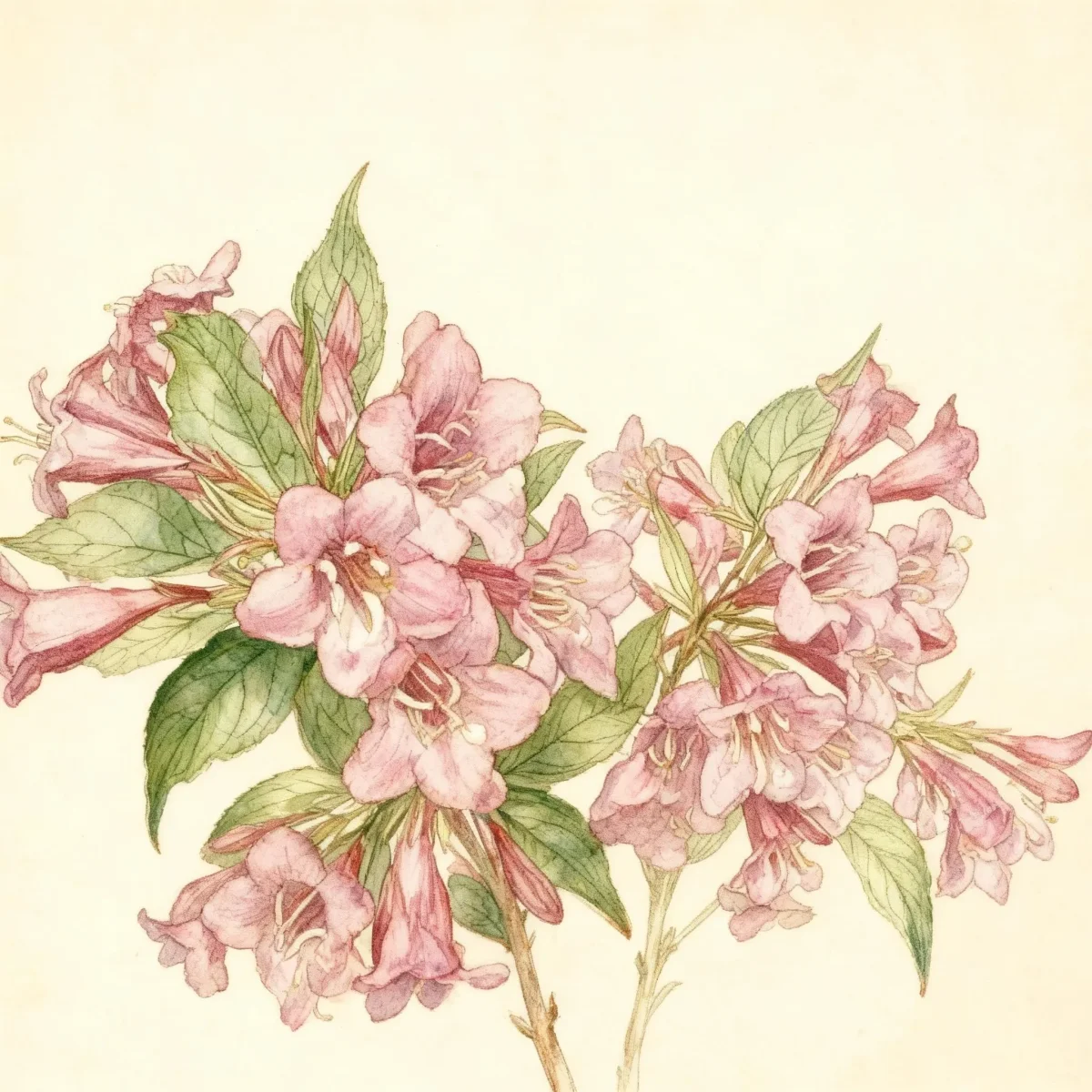
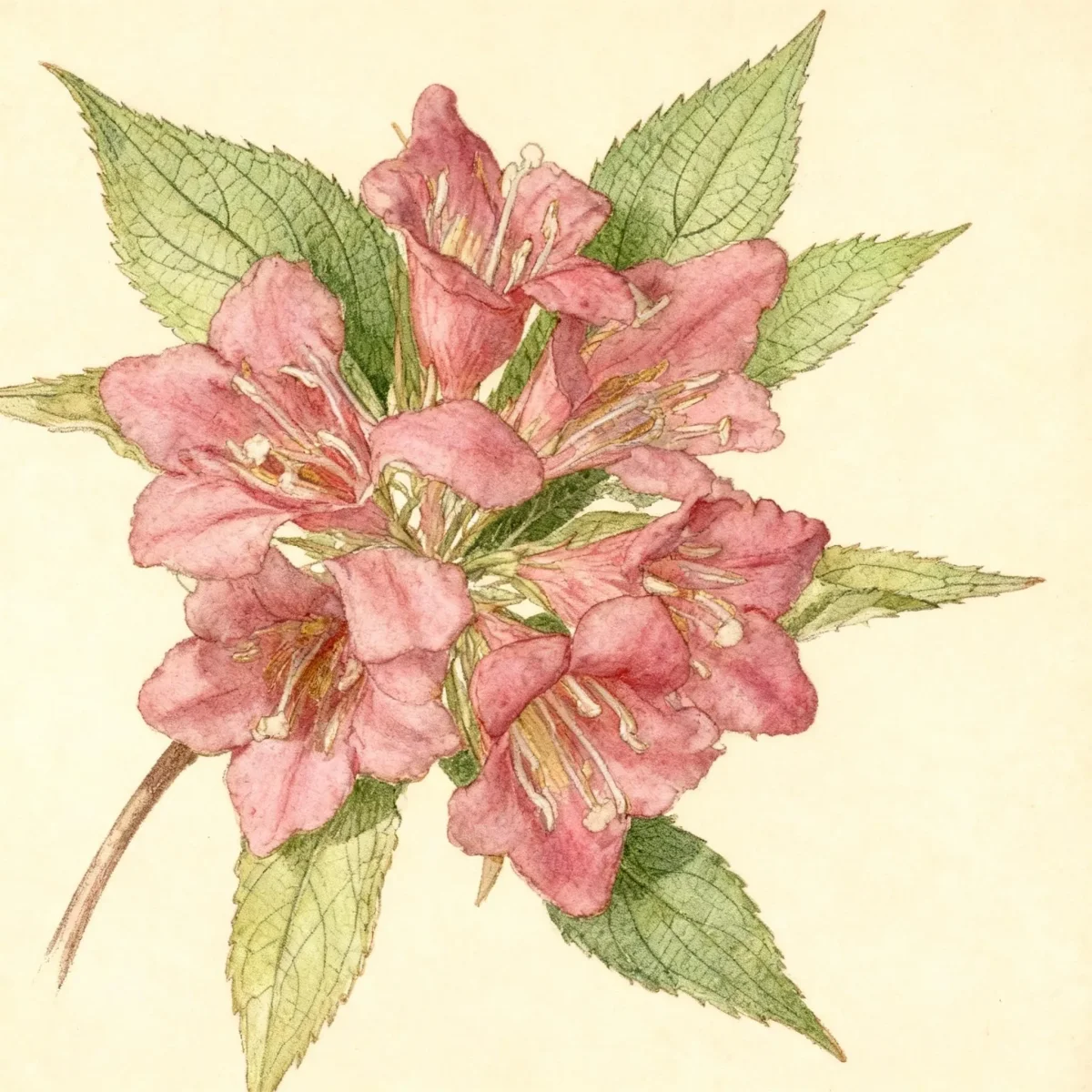
Weigela (Weigela 'Korean Sunrise')
The Weigela 'Korean Sunrise' is a low-maintenance deciduous shrub known for showy, fragrant pink spring flowers and excellent texture.
Scroll down to discover growing tips, care requirements, companion plants, and more
Complete Plant Information
Overview
The Weigela ‘Korean Sunrise’ is a highly valued deciduous shrub that brings vibrant color to the spring landscape. This cultivar is appreciated for its prolific bloom display and relatively compact, rounded habit, making it a versatile choice for many garden settings. Gardeners seeking reliable performance and straightforward care will find Weigela ‘Korean Sunrise’ an excellent specimen.
This variety of Weigela typically achieves a manageable size, reaching 4 to 5 feet tall and wide, suitable for use in shrub borders or mass plantings. Its success is largely dependent on receiving ample sunshine, which promotes the densest flowering and best foliage presentation throughout the season. The genus Weigela itself is known primarily for these beautiful spring flowers.
Beyond its aesthetic appeal, the Weigela ‘Korean Sunrise’ offers exceptional practicality. It requires low maintenance once established and provides dependable structure in the garden year after year. Whether used as an informal hedge or a focal accent, this shrub contributes rich texture and bright pink blooms reliably in early to mid-spring.
Fast Facts
- Plant Family: Caprifoliaceae
- Plant Type: Deciduous shrub
- Hardiness Zones: USDA Zones 5-8
- Size at Maturity:
- Height: 4-5 ft
- Spread: 4-5 ft
- Bloom Time: April to May
- Bloom Description: Pink
- Sun Exposure: Full sun
- Water Needs: Medium
- Maintenance Level: Low
How to Grow
The Weigela ‘Korean Sunrise’ thrives when planted in early spring or fall, allowing it time to establish roots before extreme weather hits. Choose a site that receives full sun exposure, as this is critical for robust flowering and maintaining compact growth; however, the plant will tolerate very light shade, though blooming may be diminished. It performs best in average soils that are medium in moisture content and, crucially, well-drained. Avoid areas where water pools after rain.
Watering should be consistent, meeting its medium water needs, especially during the first growing season and in times of drought. Fertilization is rarely necessary if the soil is decent, but a balanced, slow-release fertilizer applied in early spring can boost vigor. The most important cultural task for this Weigela is pruning.
Prune Weigela ‘Korean Sunrise’ immediately after the spring bloom concludes. This timing ensures you remove spent flowers without sacrificing next year’s flower buds, which form on old wood over the summer. Heavy shaping is best done right after flowering; severe rejuvenation can be done in late winter, but be prepared for a reduction in early spring color. This low-maintenance shrub doesn’t typically suffer from serious pest or disease issues, simplifying seasonal cleanup.
Landscape Uses
The versatility of the Weigela ‘Korean Sunrise’ makes it an excellent choice for various landscape designs. It functions wonderfully as a standalone specimen, drawing attention in a focal point location, or when grouped to create a rich, textural mass planting. Its uniform, upright-rounded shape makes it perfectly suited for use as an informal hedge, providing soft screening or border definition.
This adaptable shrub also integrates well into mixed shrub borders, pairing nicely with later-flowering perennials that can take over the display once the Weigela finishes its spring show. Due to its attractive foliage and manageable size, incorporating Weigela ‘Korean Sunrise’ into a foundation planting can soften hard architectural lines, provided it has enough sun exposure. Consider pairing it with evergreens for winter contrast.
Standout Features
Flower Qualities
- Showy
- Fragrant
Noteworthy Characteristics
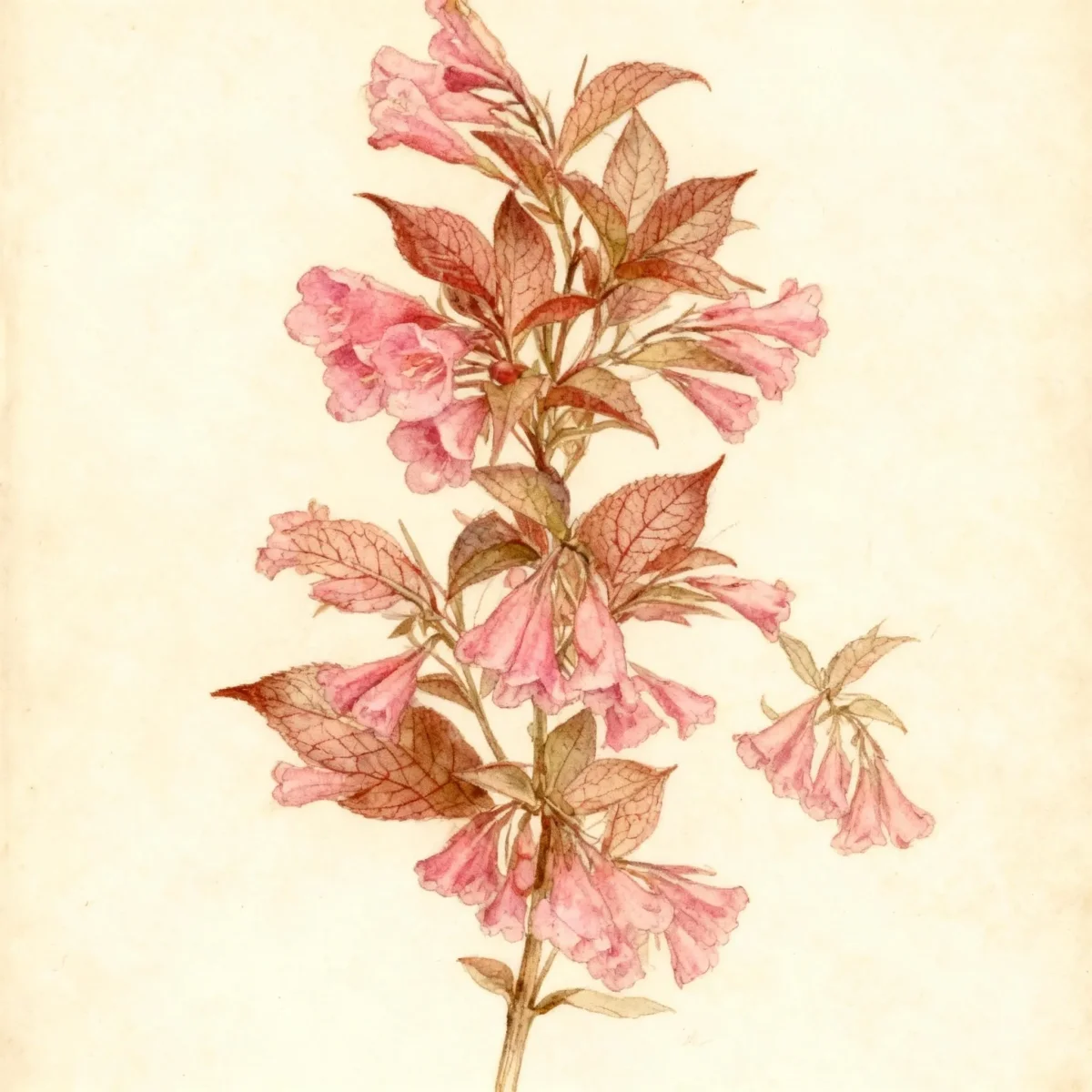
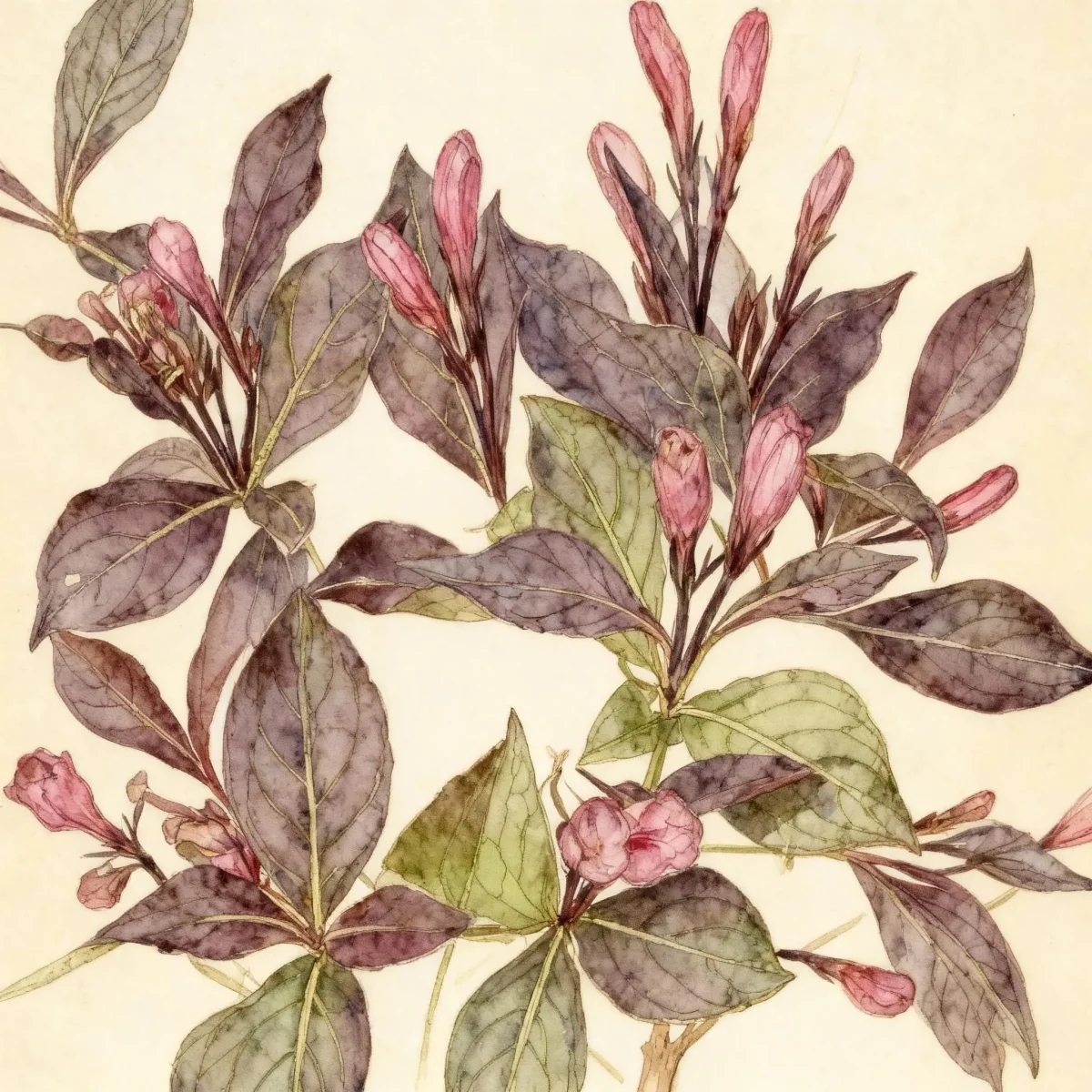
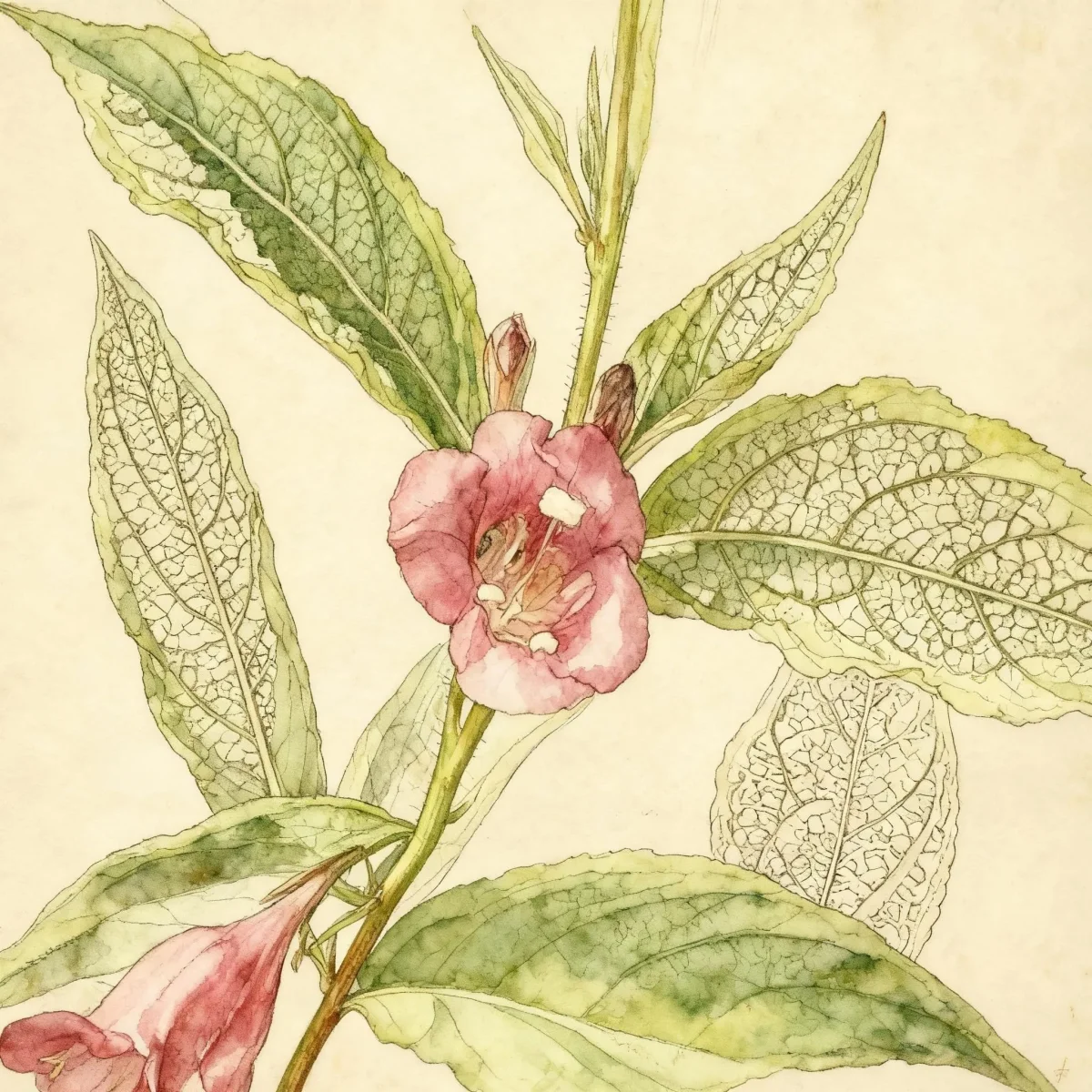
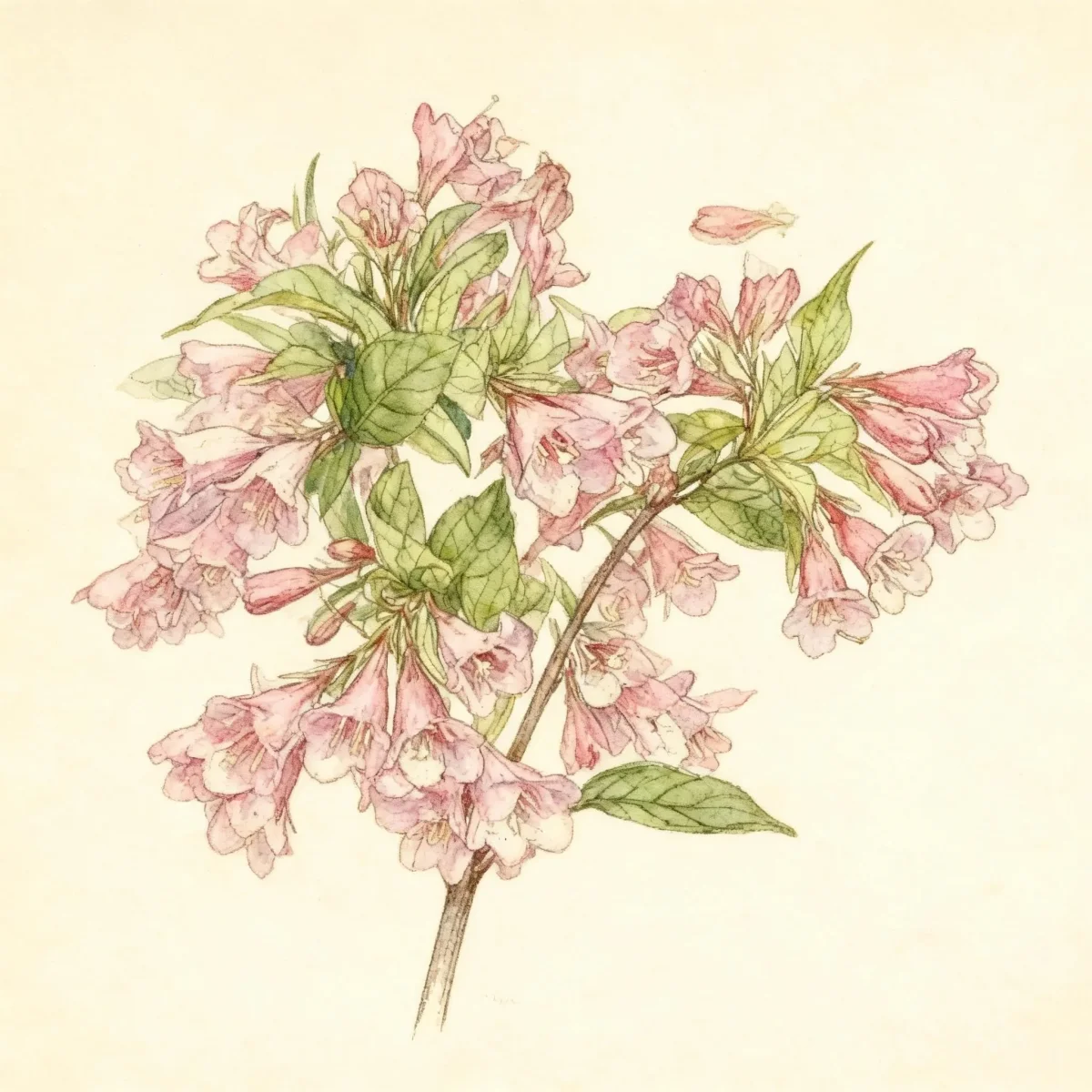
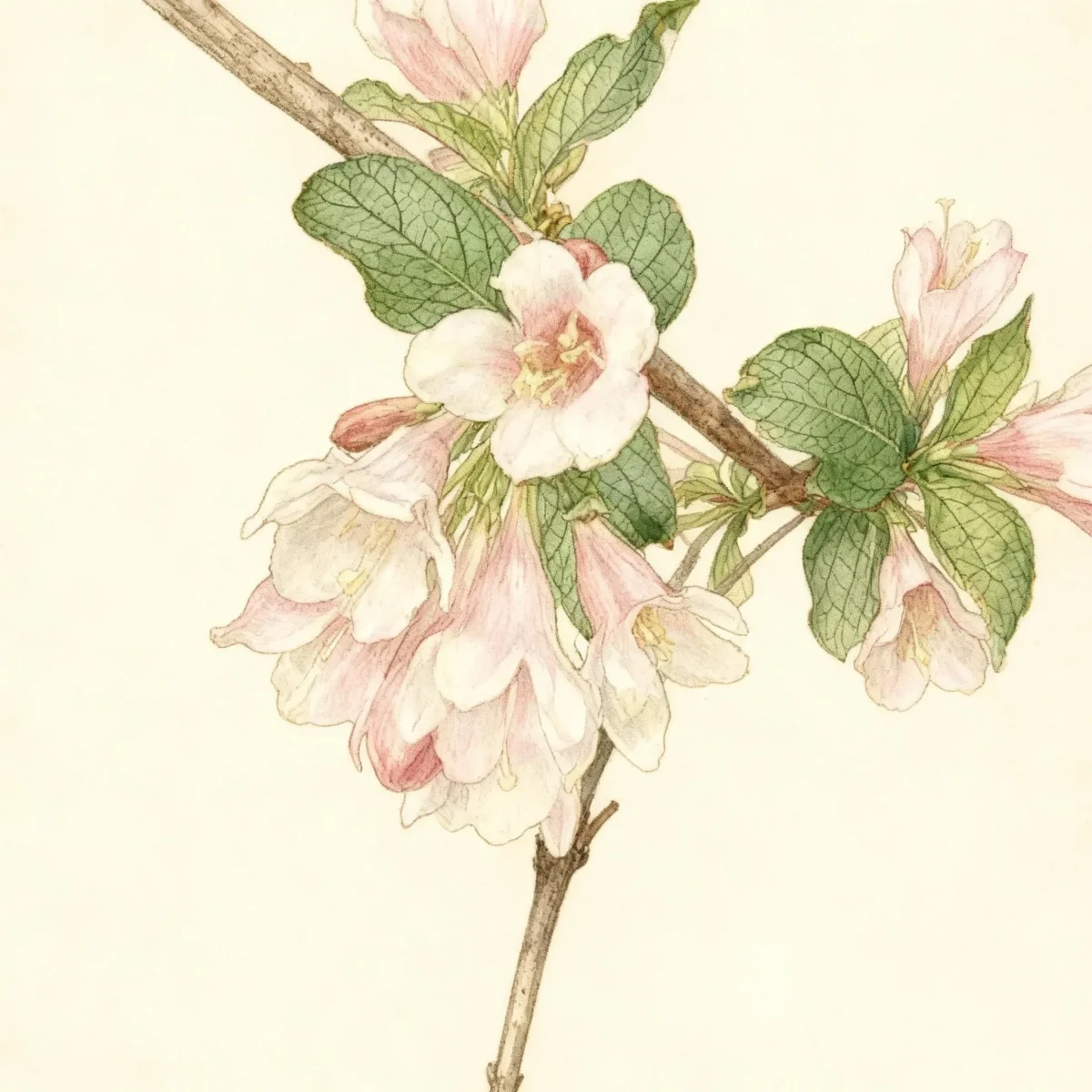
The genus Weigela comprises about 12 species of deciduous shrubs originating from East Asia, famous for their stunning spring flowers. The cultivar ‘Korean Sunrise’ features oval, dark green leaves and produces clusters of pink flowers, each about 1 1/4 inches long, appearing in corymbs on the previous season’s wood during early to mid-spring. The genus name honors Christian Ehrenfried Weigel (1748-1831), a German professor.
Tolerances
No tolerance data was provided.
Potential Problems
The Weigela ‘Korean Sunrise’ generally exhibits excellent resistance to common garden ailments, boasting no serious insect or disease problems. This low susceptibility contributes significantly to its reputation as a low-maintenance plant. Gardeners should primarily focus on providing the correct cultural conditions—especially adequate sun and proper drainage—to ensure continued vigor and prevent stress, which can sometimes invite opportunistic pests.
Frequently Asked Questions
What hardiness zones is Weigela ‘Korean Sunrise’ suitable for?
The Weigela ‘Korean Sunrise’ is hardy and reliably grown in the USDA hardiness zones 5 through 8.
How large does Weigela grow?
This shrub typically matures to a height between 4 and 5 feet, with a spread that is comparable, usually between 4 and 5 feet wide, forming an upright-rounded shape.
When does Weigela bloom?
The spectacular bloom time for Weigela ‘Korean Sunrise’ is generally from April to May, presenting showy pink flowers.
What sun exposure does Weigela need?
For the best flowering performance and foliage color on your Weigela ‘Korean Sunrise’, full sun exposure is strongly recommended, although it can tolerate a small amount of light shade.
Conclusion
The Weigela ‘Korean Sunrise’ offers gardeners a fantastic combination of low maintenance requirements coupled with spectacular spring beauty through its showy, fragrant pink blooms. Its reliable growth habit and excellent hardiness make it a staple deciduous shrub for borders and hedges. Before planting, confirm your site falls within USDA Zones 5-8 and ensure it receives plenty of direct sunlight to maximize its ornamental impact.
Companion Planting
When selecting companions for Weigela ‘Korean Sunrise’, focus on shrubs or perennials that thrive in similar sun/water conditions (Full Sun, Medium Water) and bloom at different times to provide season-long interest. Since the Weigela peaks in spring, pairing it with late-summer bloomers like Coneflowers (Echinacea) or Black-Eyed Susans (Rudbeckia) will bridge the gap beautifully. Contrast its rounded mounding form with upright plants such as Tall Garden Phlox (Phlox paniculata) or structural evergreens like Dwarf Blue Spruce.
Seasonal Care Calendar
Spring preparation for your Weigela involves an application of balanced fertilizer in early spring just as new growth begins, followed immediately by pruning to shape the shrub after the April to May bloom period is over. Summer care is minimal, focusing only on supplemental watering during extended dry spells to meet its medium water needs. In late fall or winter, you can perform necessary structural pruning to remove any damaged or crossing branches, but avoid heavy pruning during dormancy to preserve next year’s flower wood.