String of pearls (Curio rowleyanus)
Curio rowleyanus, or String of pearls, features unique water-storing leaves and trails beautifully. Ideal for hanging baskets in dry regions.
Scroll down to discover growing tips, care requirements, companion plants, and more
Complete Plant Information
Overview
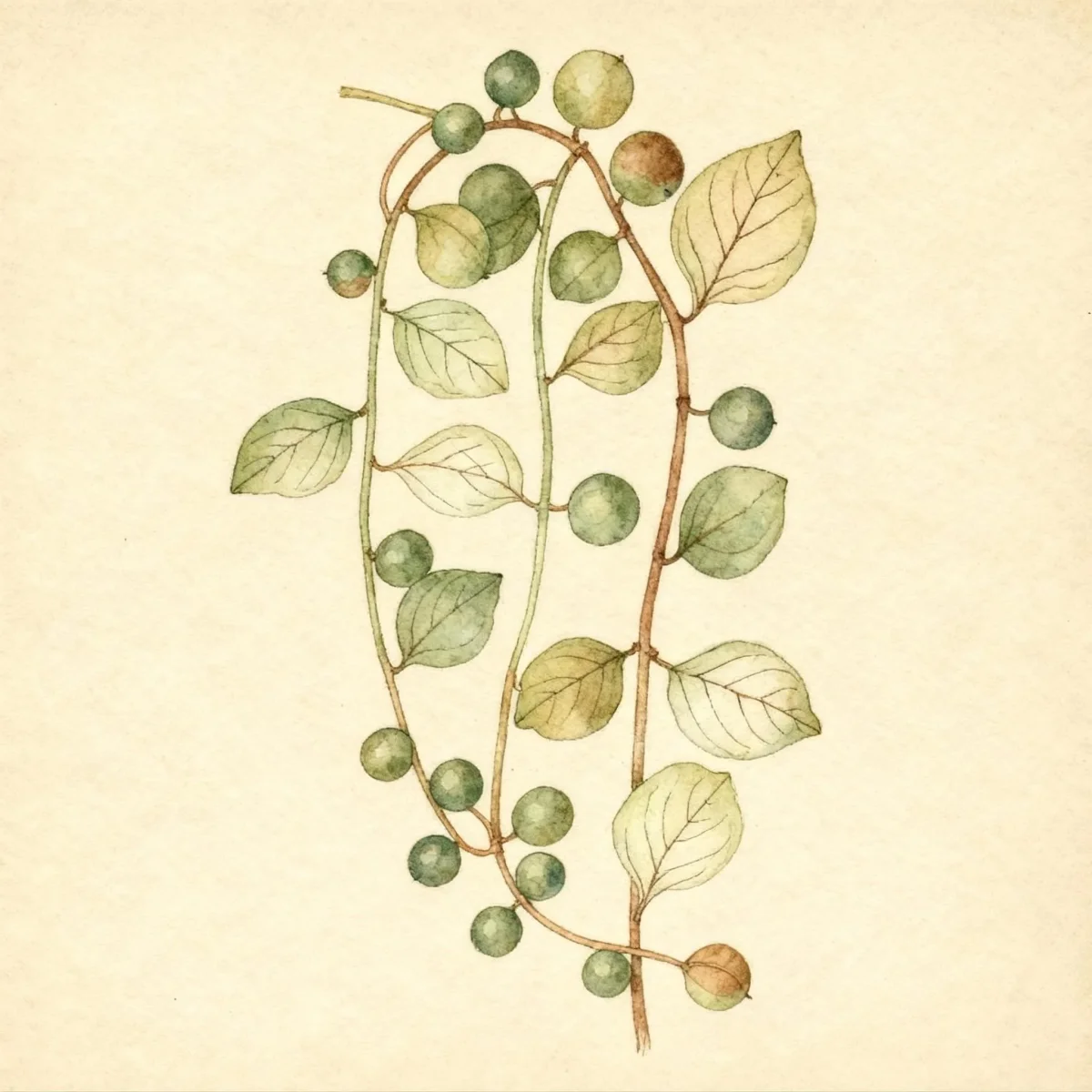
The String of pearls, scientifically known as Curio rowleyanus, is a highly sought-after succulent prized for its unique architectural form. Its stems cascade downward, covered in tiny, spherical, pea-shaped leaves that function as efficient water storage units, perfectly adapted for arid native environments. This distinctive trailing habit makes the Curio rowleyanus an exceptional choice for showcasing its intricate textures in elevated containers.
Native to the dry regions of Southern Africa, this vine thrives under conditions that mimic its natural habitat, demanding excellent drainage and infrequent watering. While its maintenance level is considered high due to its specific watering needs, the payoff is a stunning display of foliage that requires minimal attention once its precise cultural requirements are met.
Gardeners value the String of pearls primarily for its ornamental splash in containers or as delicate ground cover where temperatures remain warm. It offers a striking contrast to more conventional foliage, bringing sculptural interest and exotic texture to sunny patios or bright indoor spaces, particularly when grown as a hanging specimen showcasing the pendant stems.
Fast Facts
- Plant Family: Asteraceae
- Plant Type: Vine
- Native Range: Southern Africa
- Hardiness Zones: USDA Zones 9-12
- Size at Maturity:
- Height: 1-2 ft
- Spread: 1-2 ft
- Bloom Time: Seasonal bloomer
- Bloom Description: White
- Sun Exposure: Full sun to part shade
- Water Needs: Dry
- Maintenance Level: High
How to Grow
Curio rowleyanus demands gritty, fast-draining soil—think cactus mix—to prevent fatal root rot. Planting should occur in spring or summer when temperatures are warm, ensuring the location receives bright, indirect light or morning sun transitioning to part shade in intense afternoon heat. Proper soil aeration is non-negotiable for the health of the String of pearls.
Watering is the most critical element of care for this succulent. Allow the potting mix to dry out completely between irrigations; shriveled pearls are a key indicator that the plant needs replenishment, though overwatering leads to the same symptom followed rapidly by stem mush. It highly tolerates drought once established, reflecting its desert origins. In regions colder than Zone 9, plants must be treated as annuals or brought indoors well before the first fall frost.
For optimal growth, aim for daytime temperatures between 70-80°F, cooling to 50-60°F at night during winter. While plants are unaffected by high humidity, avoid consistently damp conditions. Repotting is best done every spring. As these vining succulents often decline after several successful years, plan to propagate new plants from stem cuttings regularly to maintain a vigorous collection.
Landscape Uses
The trailing nature of the String of pearls makes it an unparalleled ornamental for hanging baskets, allowing the cascading stems of gray-green strands to spill dramatically over the edge. This application perfectly highlights the plant’s unique spherical foliage, making it a focal point on porches or near patios.
When utilizing Curio rowleyanus as a ground cover, ensure it is planted in well-draining, sandy soil where it can naturally root along the nodes as stems spread. It works beautifully cascading over retaining walls or along the edges of rock gardens where the trailing habit is emphasized. Pair it with other slow-growing, drought-tolerant succulents like Sedum or low-growing Sempervivum that share similar low-water requirements.
Standout Features
Flower Qualities
- Showy
Noteworthy Characteristics
Senecio rowleyanus, commonly known as string-of-pearls or string-of-beads, is a leafy succulent vine of the aster family. It is native to dry areas of southwest Africa where its stems typically trail along the ground to 2-3’ long or more, rooting at the nodes to form a dense creeping ground cover. It is particularly noted for its unique, almost spherical, tiny pea-shaped modified leaves (each to 1/4” diameter) which store water, minimize water consumption and generally facilitate plant survival in dry climates. White, daisy-like flowers with the aroma of cinnamon appear on stalks in the summer.
Tolerances
- Drought
- Dry Soil
Potential Problems
The String of pearls can be quite sensitive to incorrect care, often signaling distress through its distinctive foliage. Watch for aphids and mealybugs, treating minor infestations immediately with insecticidal soap or rubbing alcohol applied directly to the pests. The most common issues arise from improper watering or light—both overwatering and underwatering cause the pearls to shrivel. Ensure you provide bright light without harsh afternoon scorching, adjust watering frequency based on soil dryness, and you will keep your Curio rowleyanus looking plump and healthy.
Frequently Asked Questions
What hardiness zones is String of pearls suitable for?
The String of pearls is winter hardy to USDA Zones 9 through 12 and cannot tolerate frost.
How large does String of pearls grow?
This plant typically achieves a height between 1 to 2 feet and spreads between 1 to 2 feet across the surface when trailing.
What sun exposure does String of pearls need?
Curio rowleyanus prefers a spot that receives full sun to part shade, leaning toward afternoon shade in the hottest climates.
When does String of pearls bloom?
It is a seasonal bloomer, displaying small, daisy-like white flowers typically during the summer months.
Conclusion
The captivating appearance of the String of pearls, thanks to its unique spherical foliage, makes Curio rowleyanus an indispensable collector’s plant for succulent enthusiasts. Mastering its dry, bright culture rewards the gardener with stunning trailing displays perfect for elevated containers. Before planting, confirm your native hardiness zone aligns with USDA 9-12 or be prepared to provide warm, frost-free overwintering indoors.
Companion Planting Guide
Since Curio rowleyanus requires dry, sandy, well-drained conditions and bright light, excellent companions are other popular arid succulents. Consider planting near Echeveria, Haworthia, or Gasteria species, as they share similar low-water needs and aesthetic appeal. Grouping plants with similar cultural requirements minimizes the risk of accidentally overwatering neighboring species while developing the basket or dish garden.
Propagation Tips
Propagation of the String of pearls is remarkably simple and highly recommended for maintaining a fresh supply, especially since established plants may eventually decline. The easiest method is using stem cuttings. Simply take strands of the vine, ensuring each segment has a few pearls attached, and place the cut ends directly onto dry, sandy potting mix. Avoid watering until new roots begin to form, which usually occurs after several weeks, establishing a new, robust specimen quickly.