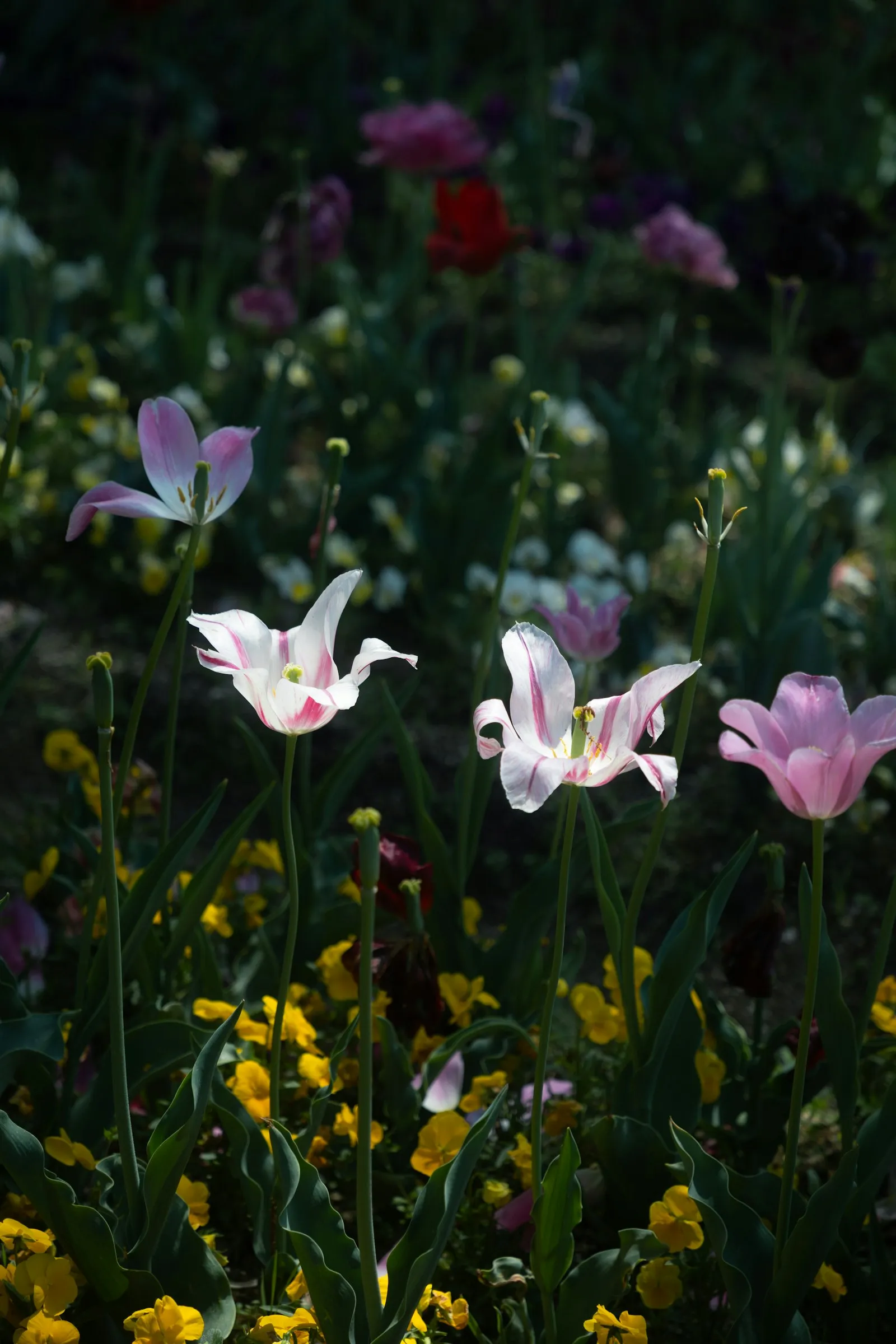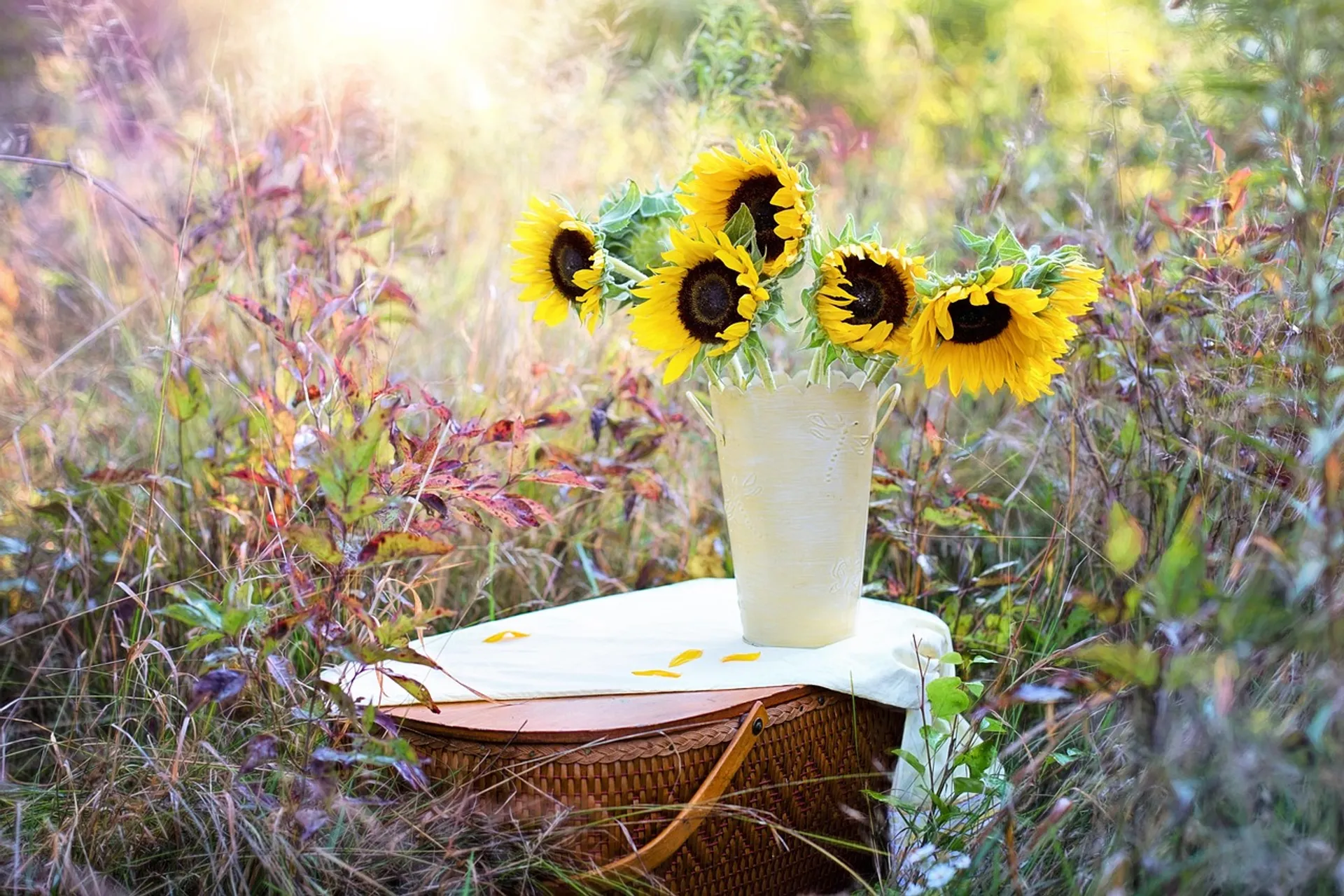
Designing Flower Color: How Science Is Helping Us Grow More Beautiful Gardens
Learn why flower color changes with pigments, light, foliage, and plant health, then use a simple field test to build a garden palette that holds together.
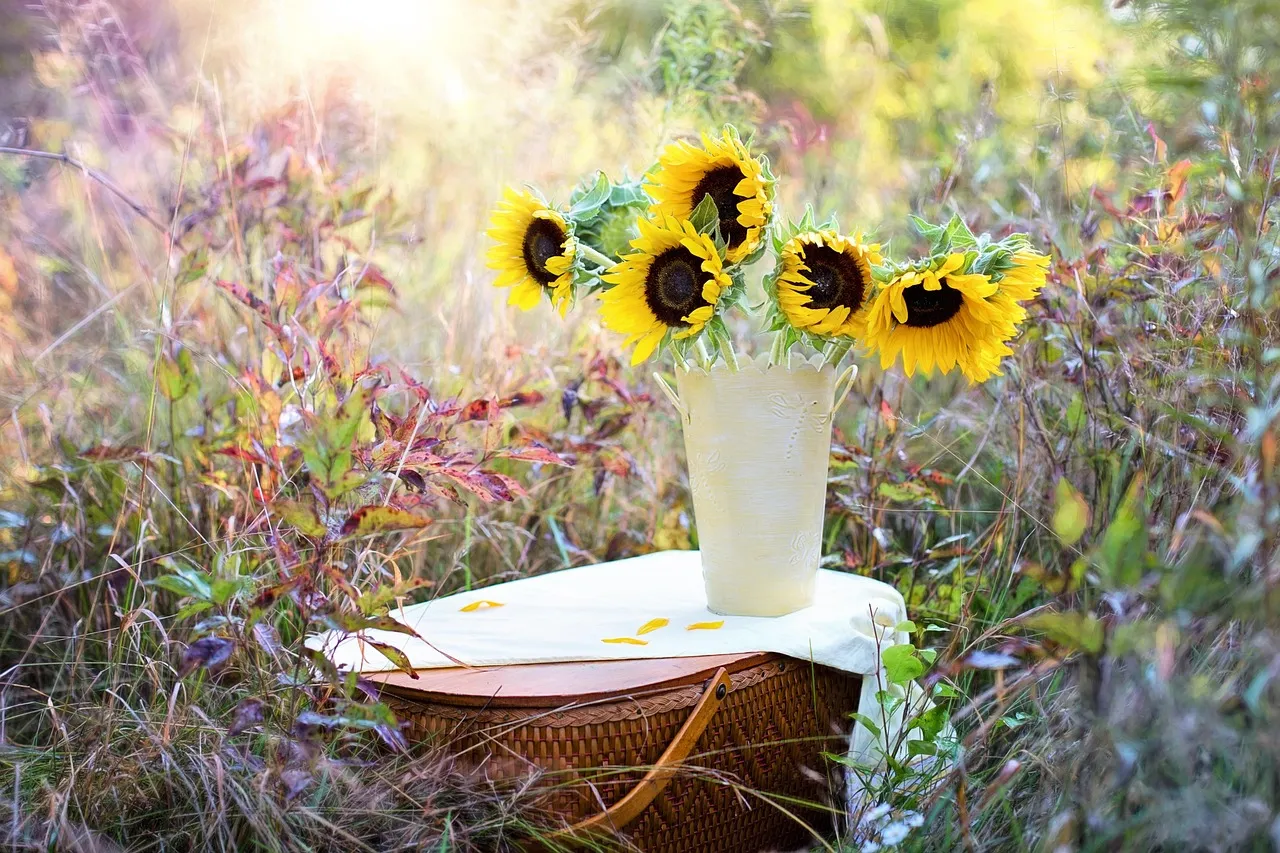
A flower label can name a color, but it cannot show exactly how that color will behave in your garden. A bloom described as purple may look blue beside yellow-green foliage, warmer against brick, or washed out in hard afternoon sun. The plant may also flower for less time than the photograph suggests if the site is too hot, dry, or shady.
Color still begins with biology. A 2025 study in Horticulture Research changed pigment production in rapeseed (Brassica napus) flowers and showed how the petal’s existing color affected the result. The experiment was about plant breeding, not a backyard technique, but it offers gardeners a useful principle: a flower color never works alone.
What Gives a Petal Its Color?
Several pigment groups contribute to flower color. Carotenoids commonly produce yellows and oranges. Anthocyanins contribute many reds, pinks, purples, and blues. Betalains create vivid reds and yellows in certain plant families.
In the rapeseed study, researchers added a betalain-producing pathway. Yellow petals shifted toward orange because the new pigment appeared over the flower’s existing carotenoids. White petals produced deeper red tones because there was less yellow underneath. The researchers also used a petal-specific genetic switch so the new color appeared mainly in flowers rather than leaves.
The practical lesson is not that gardeners can engineer a new flower shade. It is that the starting material matters. Petal pigments, foliage, neighboring plants, background surfaces, and light all influence the color you perceive.
Test Color Where You Will Actually See It
Before repeating a new plant through a border, buy one or place its nursery pot in the intended spot. Look at it in morning light, at midday, and near sunset. View it from the window, path, or chair you use most—not only from a foot away.
Then ask:
- Does the color stay distinct against the house, fence, or mulch?
- Does nearby foliage sharpen it or muddy it?
- Is the flower visible at the time of day you use the garden?
- Does the plant remain healthy in that exposure?
A white ‘Jeanne d’Arc’ spring crocus can brighten a dark early-spring edge, while the silver-blue foliage of ‘Beyond Blue’ blue fescue works as a neutral that separates stronger flower colors. These plants also need very different placement and care, which is why color should follow site suitability rather than lead it.
Build a Small Palette and Repeat It
Start with two main colors, one supporting color, and a foliage neutral such as green, silver, burgundy, cream, or blue-gray. You do not need equal amounts of each. Let one color dominate, use the second in smaller groups, and reserve the supporting shade for transitions or seasonal accents.
Repeat at least one color or foliage texture in several places. Repetition lets the eye connect separate beds and makes mixed plantings feel intentional. Repeating an exact cultivar is one method, but repeating a color family can be more resilient when different parts of the garden have different light or moisture.
If you are planning across the year, use the garden bloom-season guide to identify likely gaps. A simple calendar helps prevent the common problem of buying everything while the garden center is full in May, then having little color in August or October.
Plant Health Is Part of the Palette
A stressed plant rarely delivers its label-photo promise. Too little light can reduce flowering. Heat can shorten a bloom. Irregular watering can damage buds, and excess nitrogen may favor leafy growth over flowers. None of this means every shade is unstable; it means color performance depends on choosing a plant for the site.
Find your climate range with the USDA hardiness zone map, then consider sun, summer heat, drainage, and water. Hardiness describes winter cold tolerance, not every condition a plant needs. Use the plant collection to narrow choices by those practical requirements before comparing colors.
A One-Bed Color Experiment
For a low-risk test, choose two cultivars in the same color family and grow them in similar light and soil. Photograph them from the same viewpoint once a week while they bloom. Note the first flower, peak display, fading, weather, and any care you provided.
At the end of the season, keep the cultivar that held its color and shape in your conditions. This small record is more useful than trying to remember whether “the pink one” looked better three months ago. It also turns color planning into an observation rather than a shopping guess.
The best palette is not the one with the most unusual hue. It is the one that suits the site, repeats clearly, and gives you something worth seeing across more than a single week.
Study referenced
Zheng Y., Shi R., Chen W., Wang X., Dun X., Wang H., Deng J. “Precise pigment biosynthesis for flower color design in Brassica napus.” Horticulture Research 12(10): uhaf193 (2025). DOI: 10.1093/hr/uhaf193.