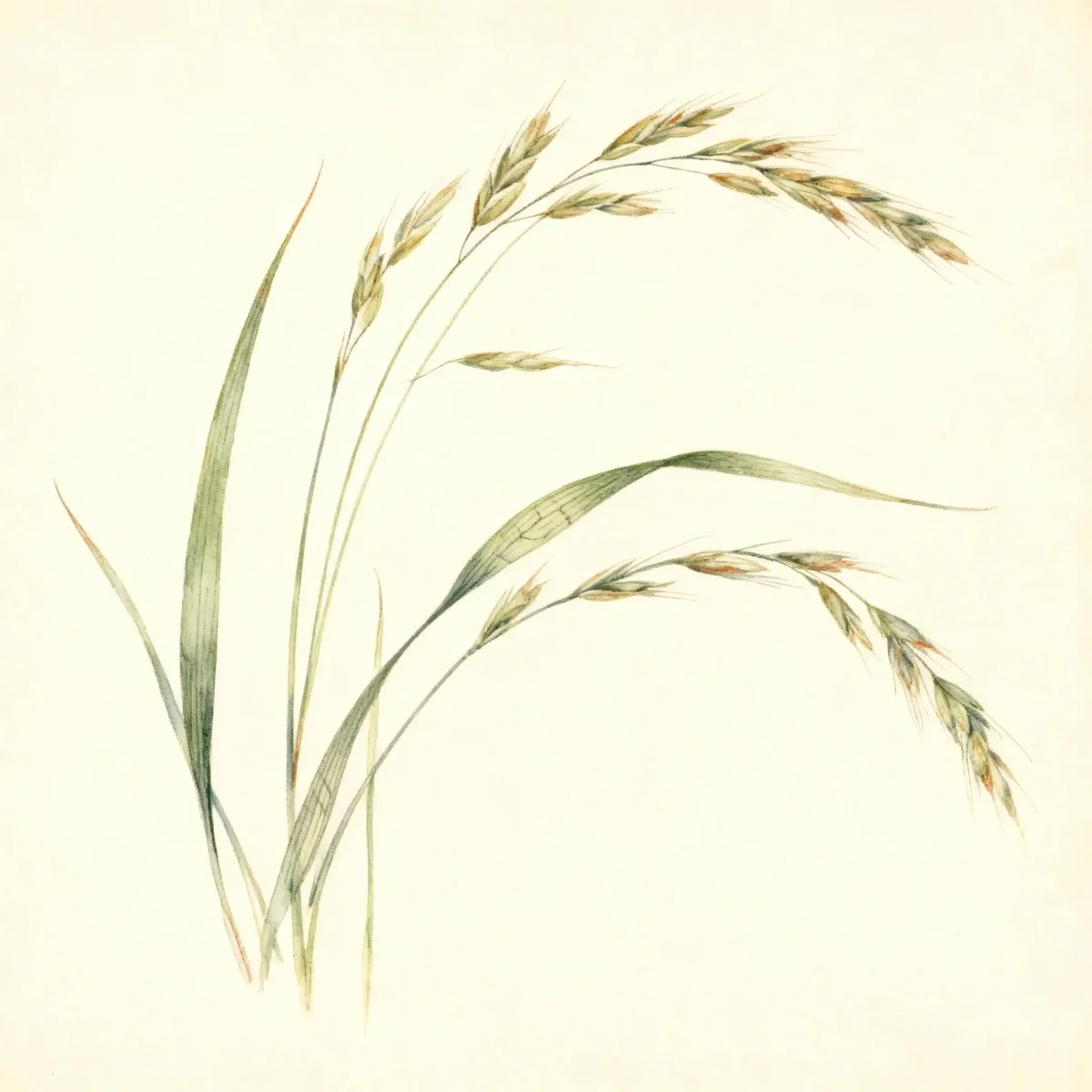
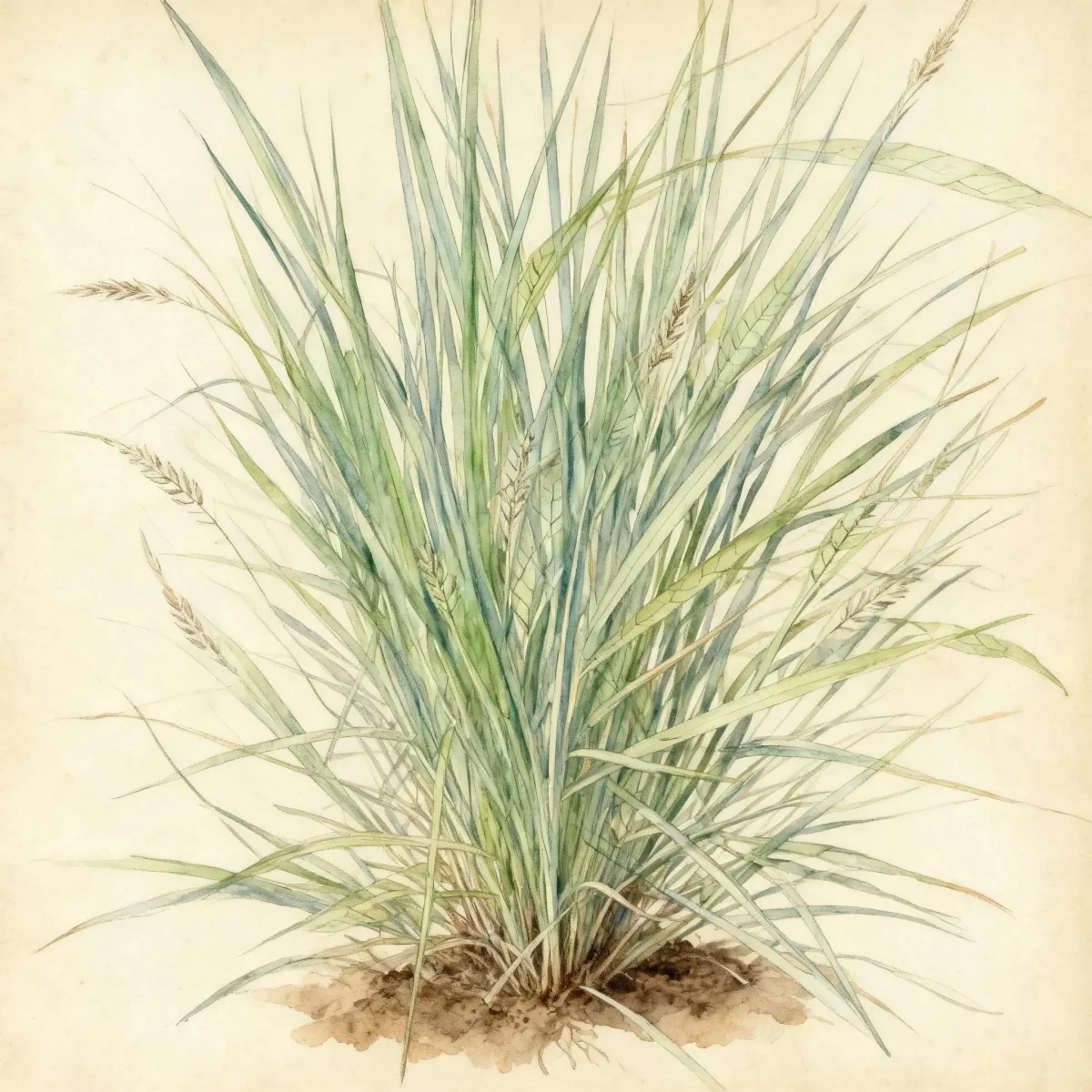
Blue fescue (Festuca glauca 'Elijah Blue')
Discover Festuca glauca 'Elijah Blue', a striking ornamental grass noted for its glaucous, blue-gray foliage, perfect for borders.
Scroll down to discover growing tips, care requirements, companion plants, and more
Complete Plant Information
Overview
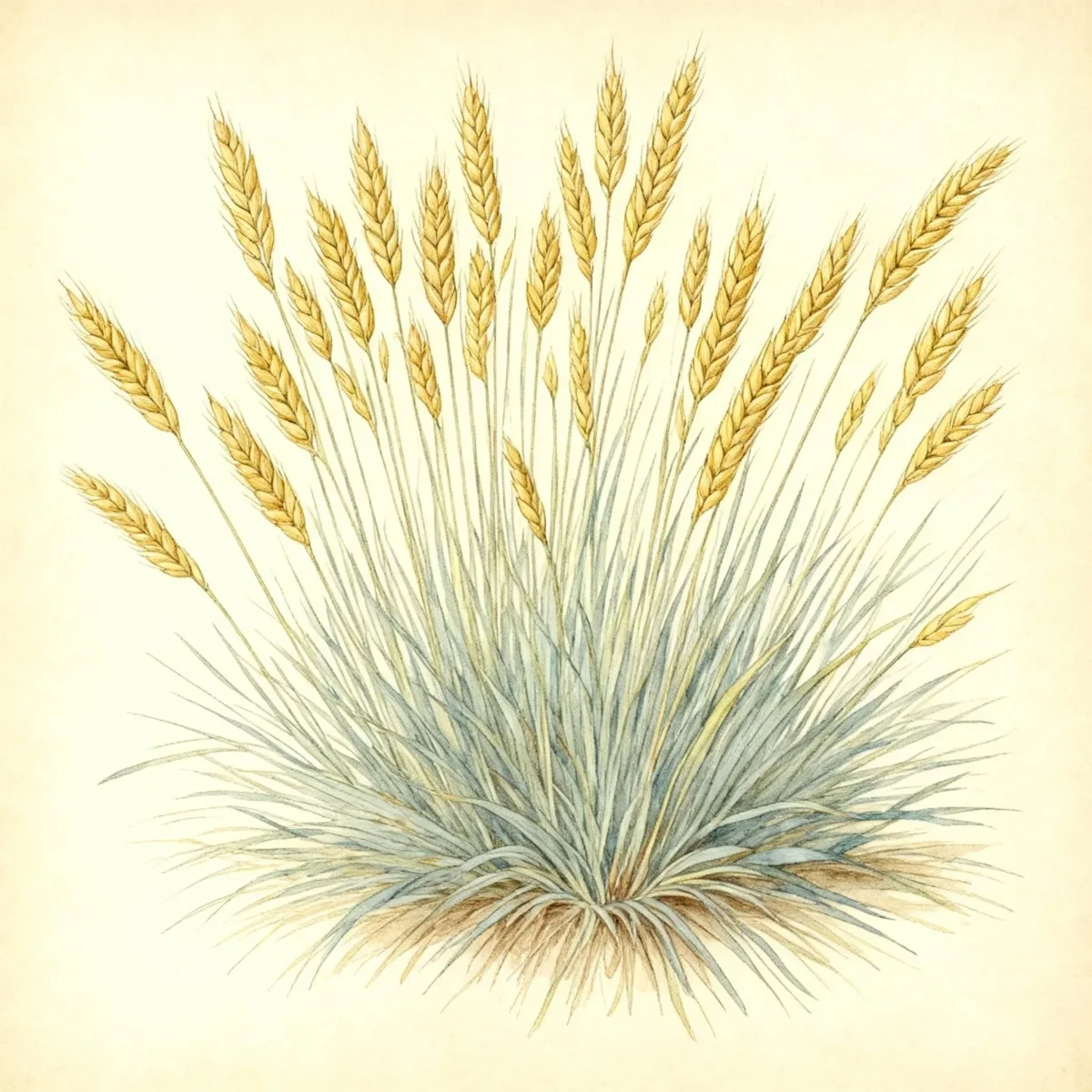
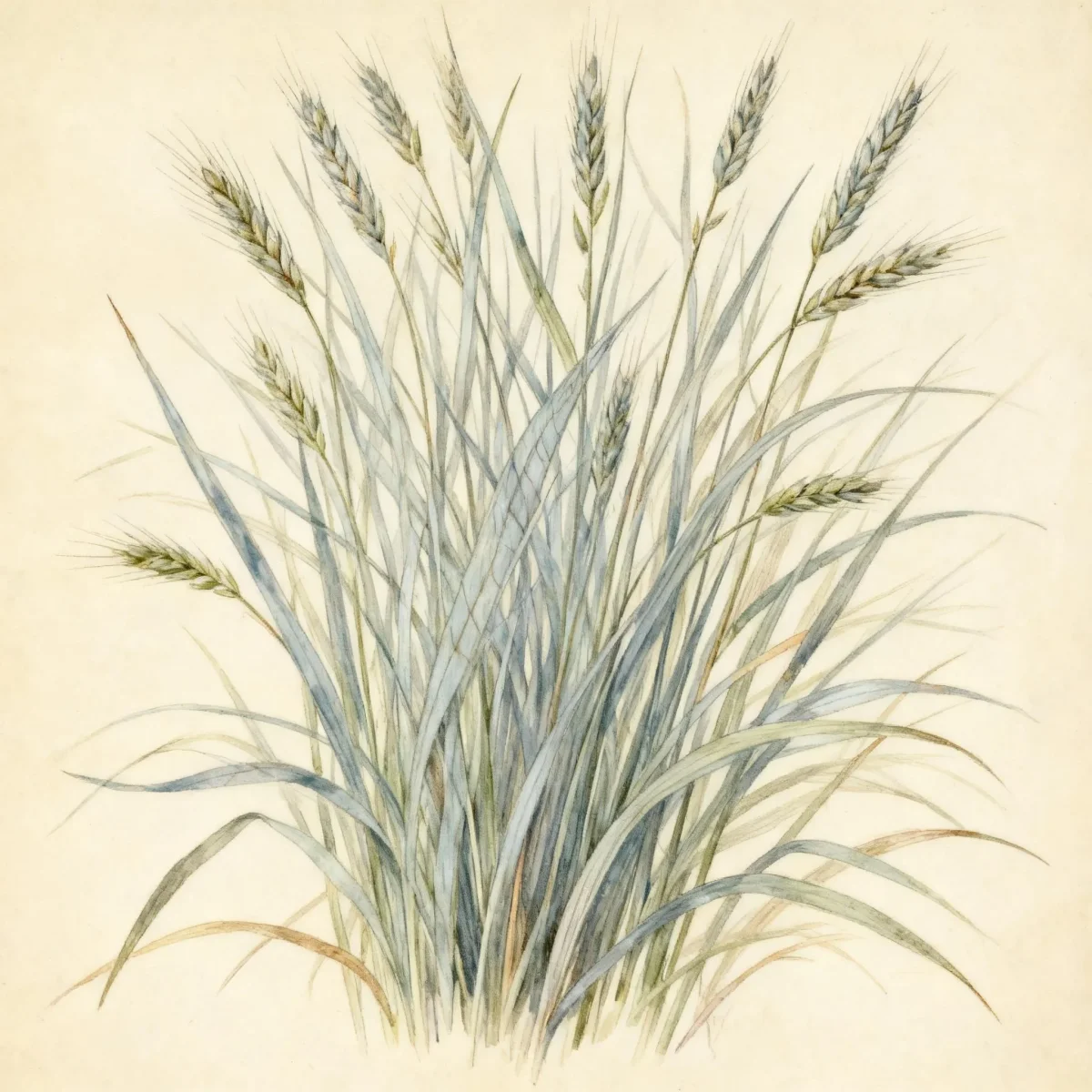
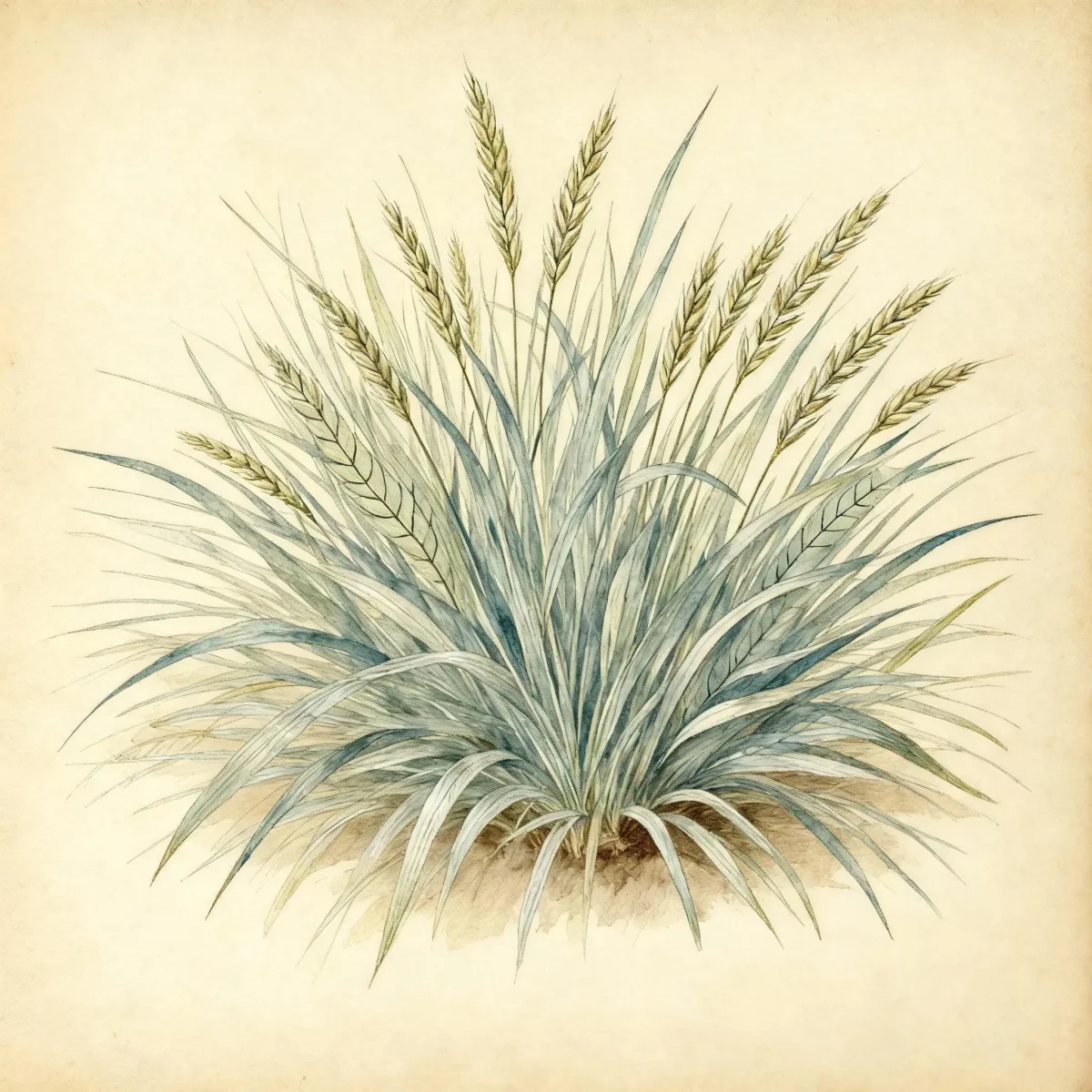
Festuca glauca ‘Elijah Blue’, commonly known as blue fescue, is highly valued in the landscape for its intensely glaucous, finely-textured, blue-gray foliage. This low-growing, clump-forming ornamental grass creates dense, dome-shaped tufts that provide year-round architectural interest, even when dormant. Its striking color contrasts beautifully against green or variegated plantings, making the blue fescue a fantastic specimen for edging or mass planting.
While prized for its color, remember that Festuca glauca ‘Elijah Blue’ requires specific care; it has a relatively short lifespan and needs division every few years to maintain vigor. It thrives best in full sun, which intensifies the blue hue, and prefers leaner, well-drained soils where it will remain tidy. The overall effect of masses of Festuca glauca ‘Elijah Blue’ offers superb texture and cool color across the garden season.
Fast Facts
- Plant Family: Poaceae
- Plant Type: Ornamental grass
- Hardiness Zones: USDA Zones 4-8
- Size at Maturity:
- Height: 0.75-1 ft
- Spread: 0.5-0.75 ft
- Bloom Time: June to July
- Bloom Description: Green with purple tinge
- Sun Exposure: Full sun
- Water Needs: Dry to medium
- Maintenance Level: High
How to Grow
Blue fescue is easily established in average, dry to medium, well-drained soils. For the most intense blue foliage color, ensure it receives full sun exposure, although it will tolerate light shade. It is notably tolerant of drought and poor soils, making it suitable for difficult areas. Avoid planting in locations where soil stays wet, as Festuca glauca ‘Elijah Blue’ is intolerant of poorly-drained conditions.
Maintenance for this grass is considered high primarily due to its short lifespan and clumping habit. Clumps tend to die out in the center and must be divided and replanted or replaced every two to three years to maintain a neat appearance. In early spring, cut back the foliage to about 3–4 inches high to clean up the clump and allow new blades to emerge cleanly for the season.
If planted densely (8–10 inches apart) as a ground cover, be aware that the clumps do not spread aggressively outward, meaning weeding between plants can become necessary if spacing is too open. In hot, humid summers, the foliage may decline, requiring a mid-season cutback to refresh the plant.
Landscape Uses
The compact stature and evergreen-to-semi-evergreen nature of blue fescue make it incredibly versatile. It serves exceptionally well as a formal edging plant along paths or borders, providing a crisp, neat line of cool color. Consider using Festuca glauca ‘Elijah Blue’ as an accent in rock gardens or at the front of mixed perennial borders, contrasting its fine texture with broader-leaved companions like Sedums or Lamb’s Ears.
When used as a ground cover, mass planting is recommended to ensure good coverage, as it does not colonize aggressively. Its striking color ensures it also looks excellent when mixed with other ornamental grasses that offer contrasting forms or colors, such as taller Miscanthus varieties or fountain grasses.
Standout Features
Flower Qualities
- Insignificant
Noteworthy Characteristics
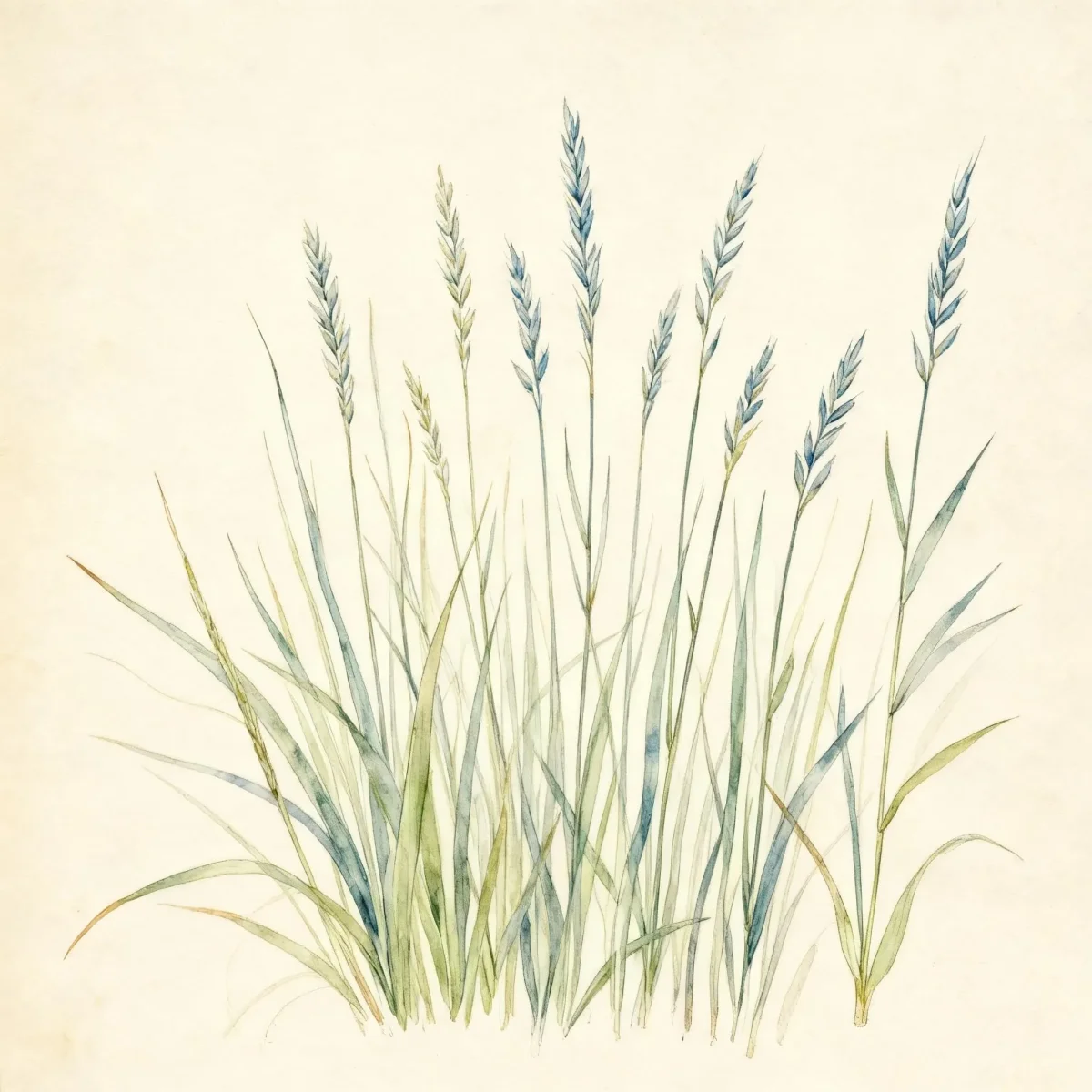
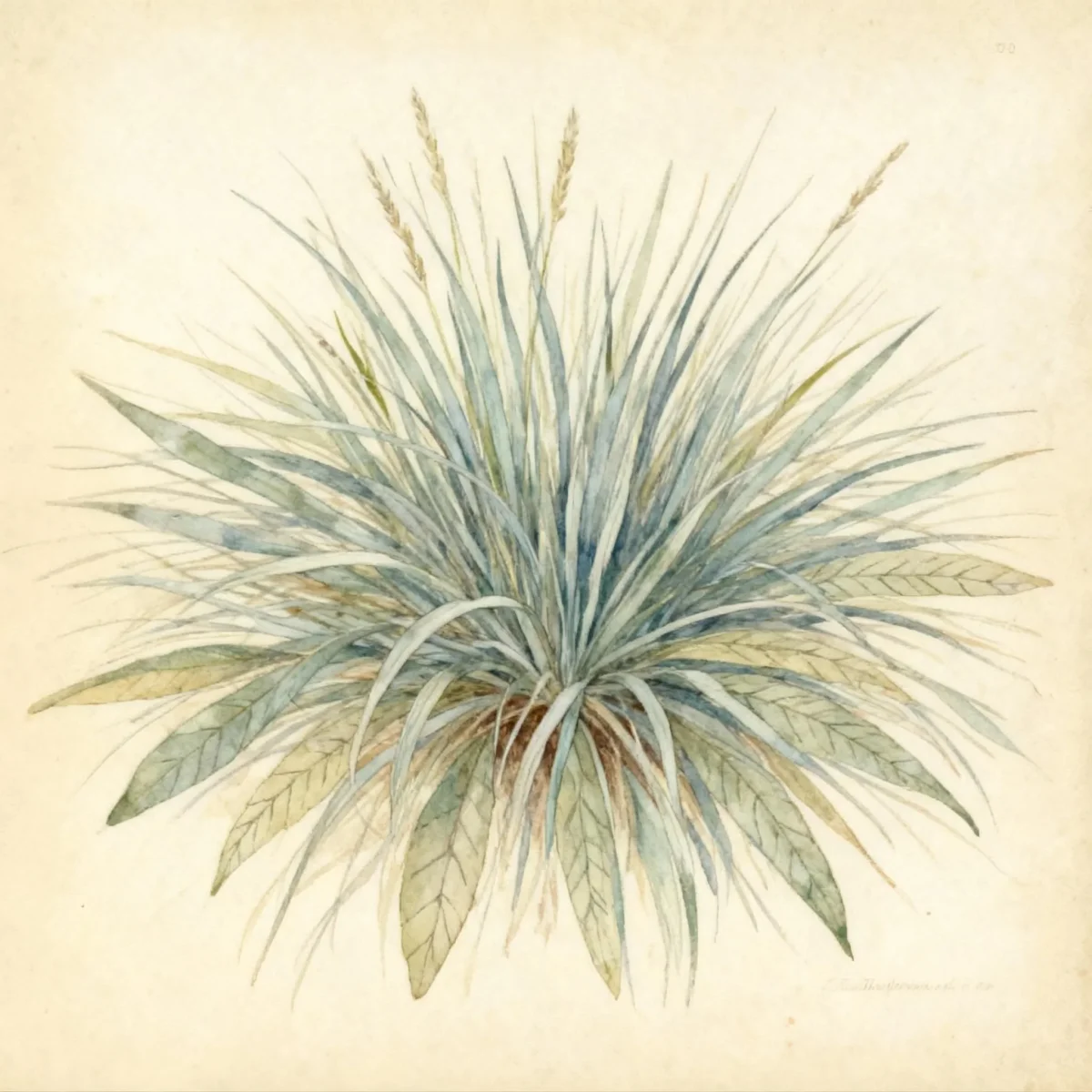
Festuca glauca, commonly called blue fescue, is a short-lived, low-growing, semi-evergreen, clump-forming ornamental grass noted for its glaucous, finely-textured, blue-gray foliage. Foliage forms a dome-shaped, porcupine-like tuft of erect to arching, needle-like blades radiating upward and outward to a height of 6-8” (inflorescences typically bring total clump height to 10-14”). Light green flowers with a purple tinge appear in terminal panicles atop stems rising above the foliage in late spring to early summer, but inflorescences are not very showy. ‘Elijah Blue’ is one of the best of the blue fescues.
Tolerances
- Drought
- Dry Soil
- Shallow-Rocky Soil
- Black Walnut
- Air Pollution
Potential Problems
The primary concern with blue fescue is its tendency to be short-lived, necessitating frequent division or replacement every 2–3 years to maintain landscape appeal. Clumps decline naturally over time, resulting in a dead or thinning center. Furthermore, plant foliage can decline considerably in stressful, hot, and humid summers, even when properly cared for. Managing these issues requires diligent annual grooming and timely division practices.
Frequently Asked Questions
What hardiness zones is Blue fescue suitable for?
Blue fescue, or Festuca glauca ‘Elijah Blue’, is suitable for USDA Hardiness Zones 4 through 8.
How large does Festuca glauca ‘Elijah Blue’ grow?
This ornamental grass typically reaches a mature height between 0.75 and 1 foot tall, spreading between 0.5 and 0.75 feet wide.
What sun exposure does Blue fescue need?
Festuca glauca ‘Elijah Blue’ requires full sun for the best foliage color, though it tolerates light shade.
When does Blue fescue bloom?
Blooms occur from June through July, producing flower spikes that are green with a purple tinge.
Conclusion
The intense, cool blue coloration offered by Festuca glauca ‘Elijah Blue’ makes it an indispensable architectural accent, perfect for defining borders or adding texture to dry, sunny spaces. While its maintenance level is high due to required division, the aesthetic payoff is substantial. Before planting, confirm your hardiness zone is within USDA 4-8 and ensure you plan for its division schedule to keep your patches of Blue fescue brilliantly blue year after year.
Companion Planting
When selecting companions for Festuca glauca ‘Elijah Blue’, focus on species that share its preference for well-drained soil and full sun, while providing textural contrast. Plants with larger leaves, such as various Sedums (like Sedum ‘Autumn Joy’), Hostas with substantial foliage in the partial shade margins, or Daylilies create excellent visual balance against the fine blades. Avoid mixing with plants that require constant moisture, as this will compromise the health of your blue fescue.
Propagation Tips
While Festuca glauca ‘Elijah Blue’ can technically be grown from seed, the general advice is to avoid this, as significant variations in foliage color often occur, meaning you may lose the signature ‘Elijah Blue’ hue. The most reliable form of propagation is division. Perform this task in early spring before new growth significantly emerges, or in early fall if the weather is mild. Dig up the entire clump, gently tease apart sections ensuring each new piece has a healthy root system, and immediately replant the divisions to their desired locations.