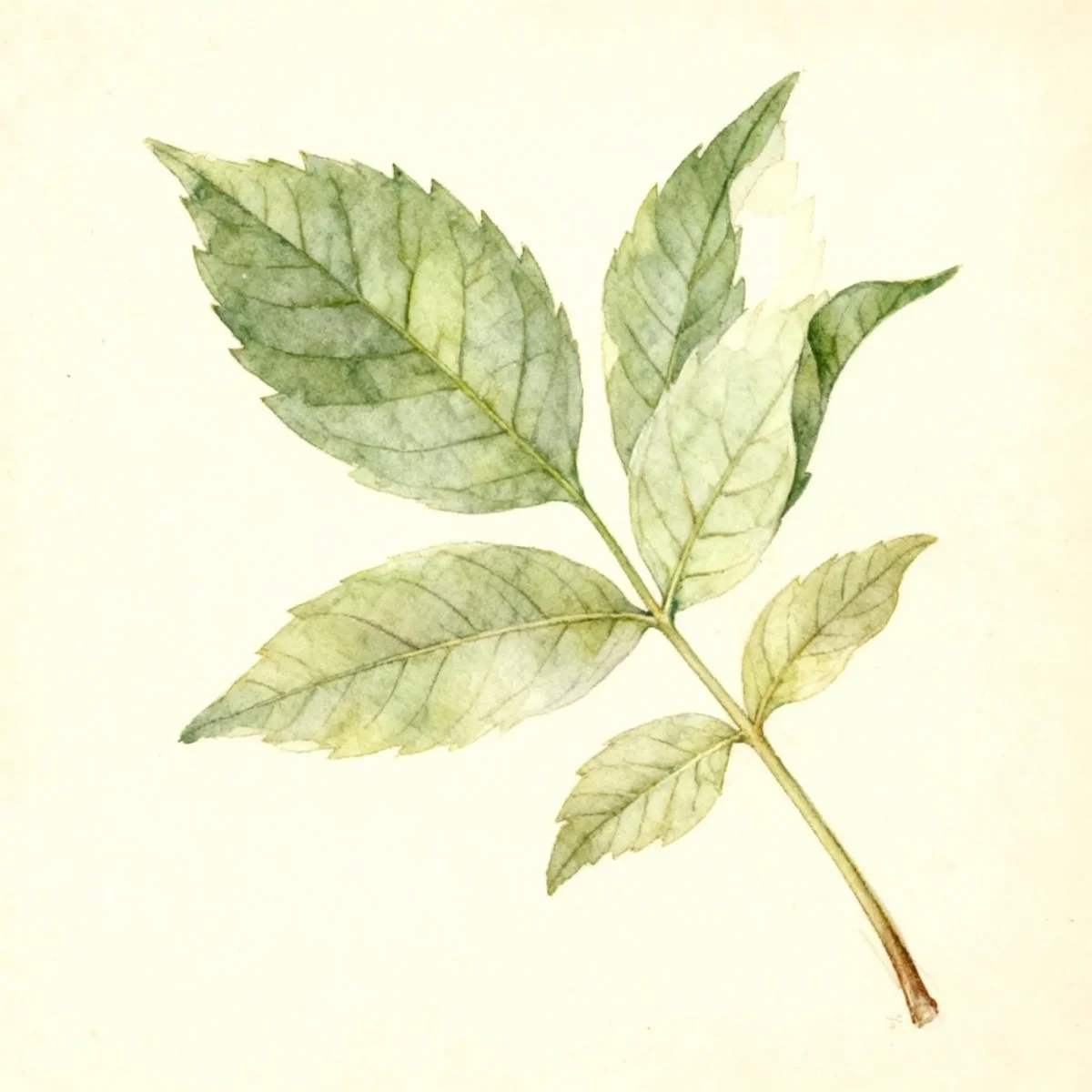
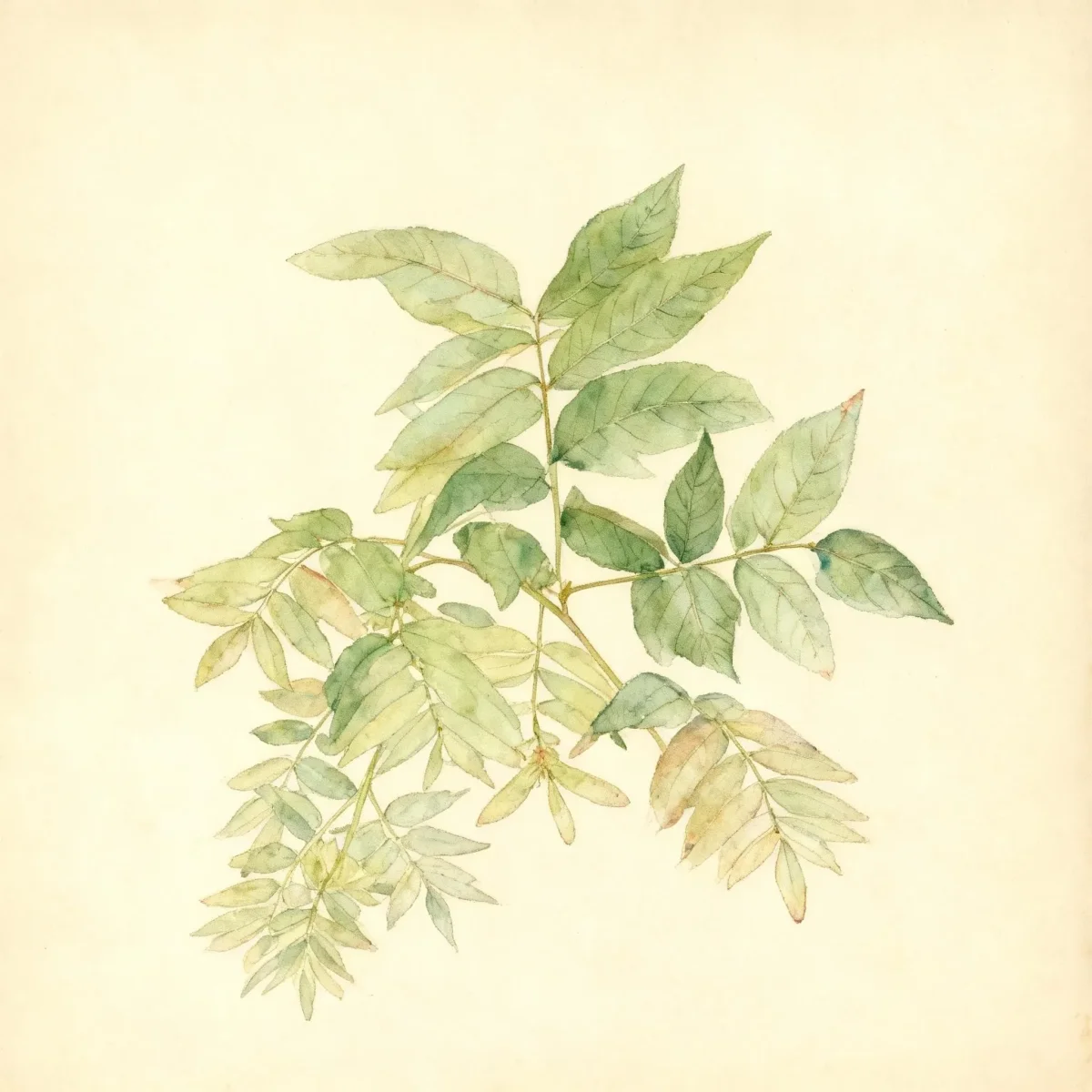
Green ash (Fraxinus pennsylvanica 'Patmore')
Fraxinus pennsylvanica 'Patmore' is a medium-sized, vigorous Green ash cultivar known for its consistent pyramid shape and hardiness.
Scroll down to discover growing tips, care requirements, companion plants, and more
Complete Plant Information
Overview
Fraxinus pennsylvanica ‘Patmore’ is a highly vigorous, male cultivar of the Green ash, prized for maintaining a strong central leader and a neat, symmetrical, rounded crown as it matures. This tree offers dependable shade and structure, historically making it a foundation plant in urban and suburban landscapes across many regions. As a selection of Fraxinus pennsylvanica, it shares adaptability but avoids the seeding issues common to female Green ash specimens.
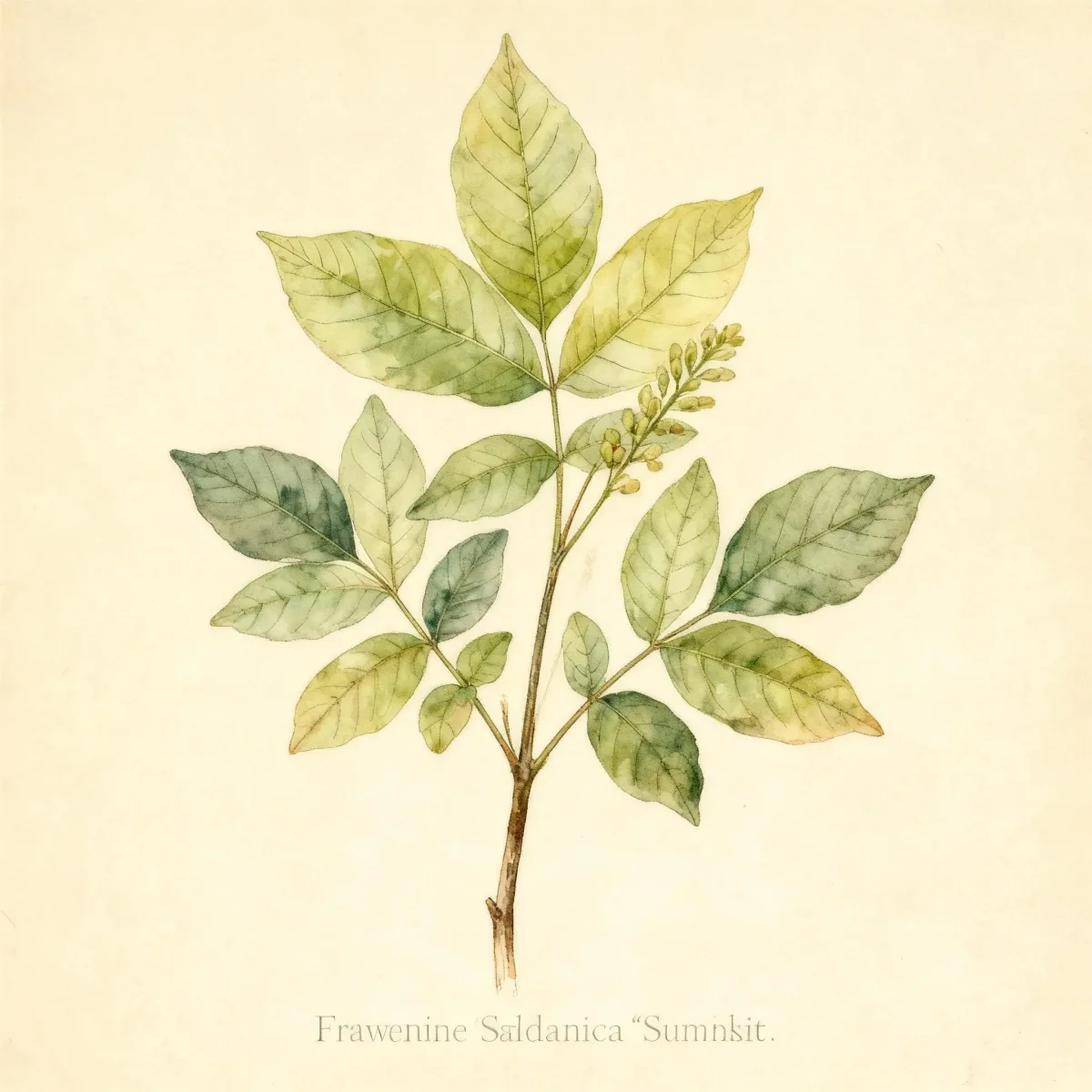
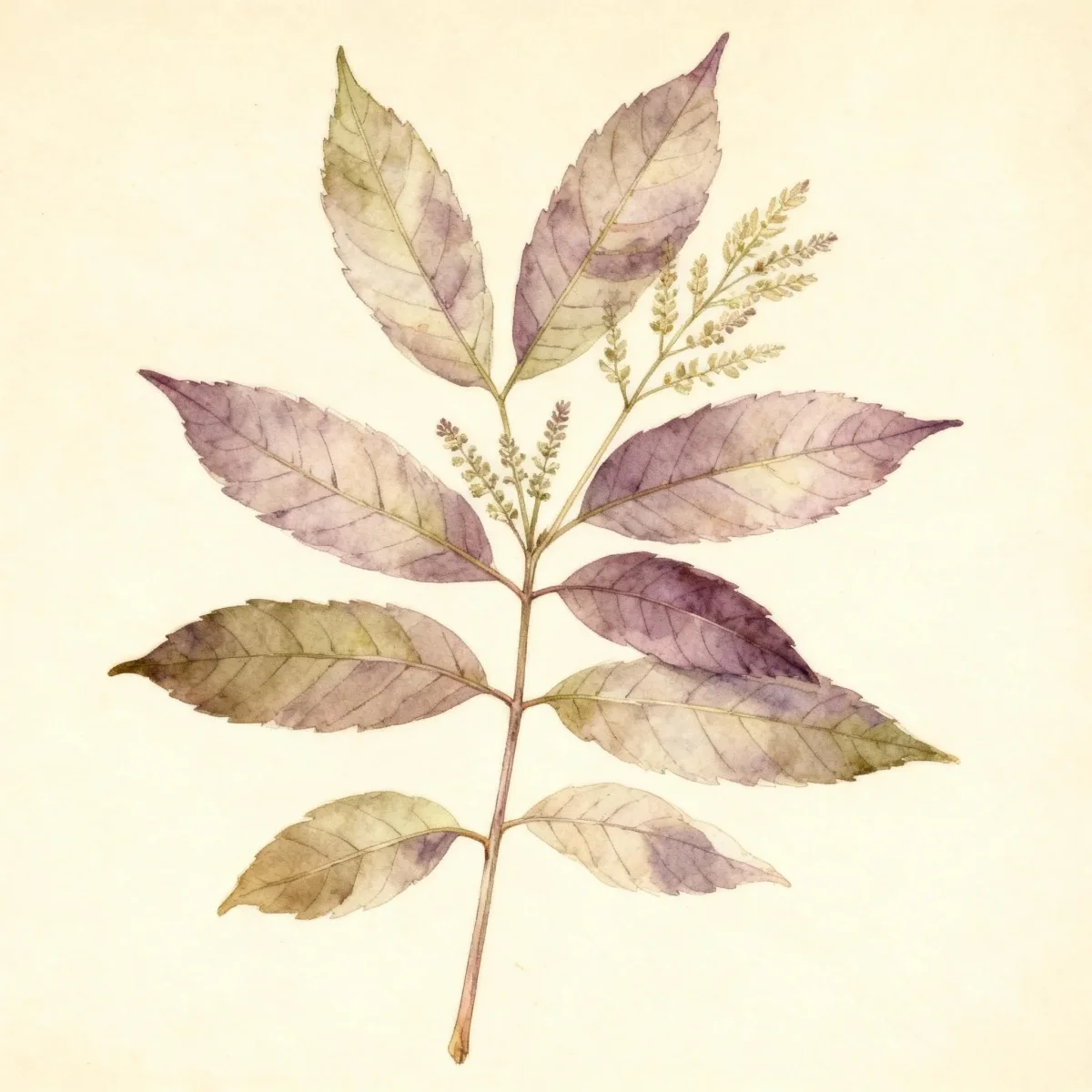
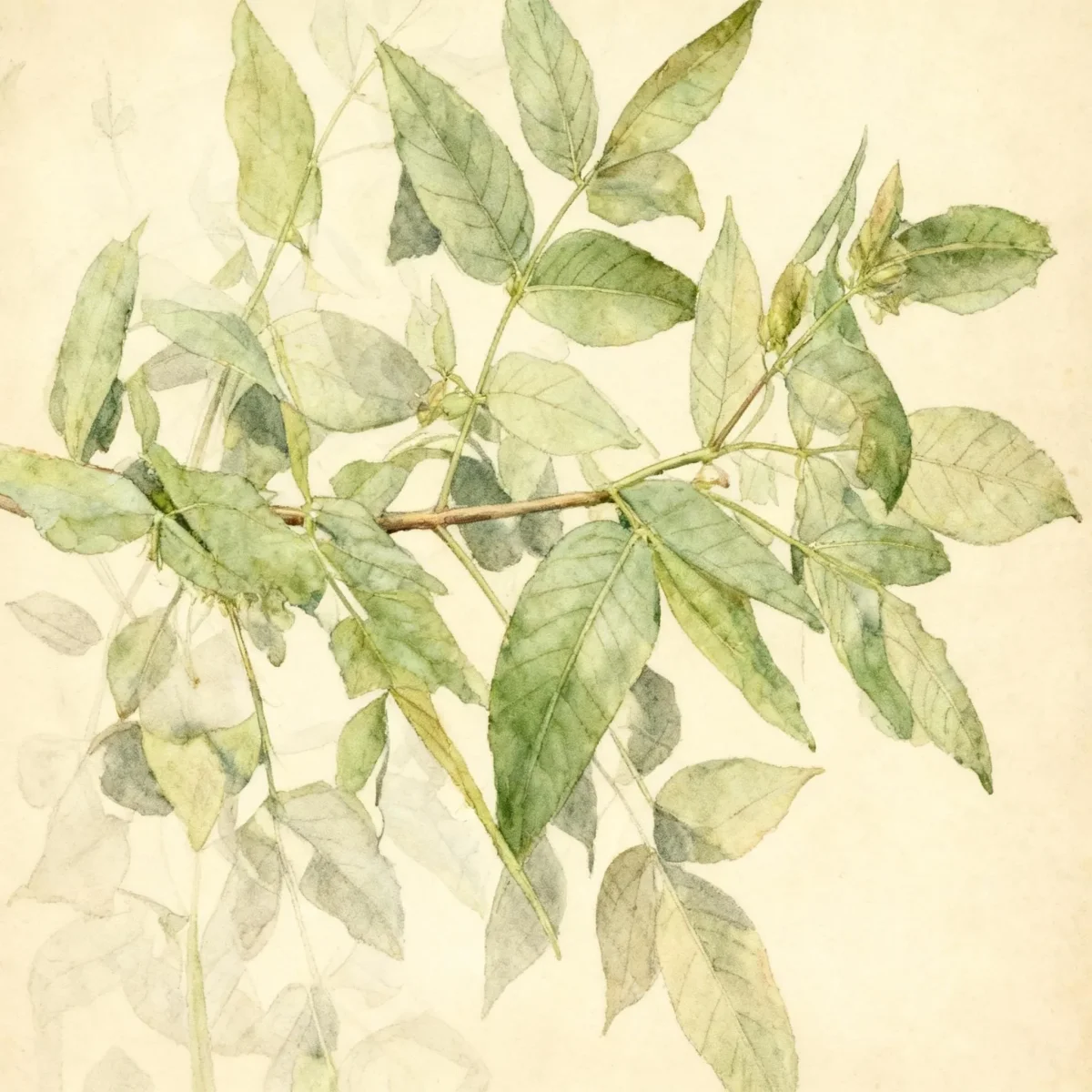
Native ashes like this one boast one of the largest growing ranges among North American trees, thriving even where conditions are less than ideal. The foliage presents as odd-pinnate compound leaves with 5-9 leaflets, offering dependable green color that often transitions to yellow in the fall. While established trees exhibit great adaptability, the primary concern for any ash planting today relates to devastating invasive pests.
This specific cultivar, ‘Patmore’, was discovered as a desirable mutation in Canada and offers the classic upright profile desired for large shade applications. Gardeners seeking reliable height and dense coverage appreciate the predictable growth habit of Fraxinus pennsylvanica ‘Patmore’. Always verify local pest statuses before planting new specimens of Green ash.
Fast Facts
- Plant Family: Oleaceae
- Plant Type: Tree
- Hardiness Zones: USDA Zones 4-9
- Size at Maturity:
- Height: 50-70 ft
- Spread: 35-45 ft
- Bloom Time: April to May
- Bloom Description: Greenish-purple
- Sun Exposure: Full sun
- Water Needs: Medium
- Maintenance Level: Medium
How to Grow
Planting Green ash, including the ‘Patmore’ cultivar, should ideally occur in the early spring or late fall when temperatures are moderate, allowing the extensive root system time to establish. This tree tolerates a wide array of soils but performs best in average, medium to wet, well-drained loams rich in humus. Ensure the planting site receives full sun exposure for optimal development and canopy density.
Established trees require medium watering, especially during prolonged dry spells, though they demonstrate robust adaptability once roots penetrate the surrounding landscape. Maintenance is generally moderate; young trees may benefit from structural pruning to reinforce the dominant central leader, which is a key feature of the ‘Patmore’ selection. Avoid heavy fertilization unless soil tests indicate a deficiency, as excessive inputs can sometimes lead to softer growth susceptible to wind damage.
Be aware that while female Green ash trees can produce abundant, persistent seed crops, this specific cultivar, Fraxinus pennsylvanica ‘Patmore’, is male and thus seedless. This removal of reproductive effort means less cleanup in the landscape, allowing you to focus on structural health through the seasons.
Landscape Uses
Historically, Green ash trees were mainstays for providing broad, cooling shade across lawns and open areas, thriving as an excellent shade tree. Their upright, strong branching habit also made them highly suitable for buffering streets and parking lots, serving admirably as a traditional street tree where overhead clearance permits. Due to current pest threats, planting new specimens is often discouraged, but where already established, they continue to deliver significant environmental benefits.
When incorporating older or resistant specimens into modern designs, consider their substantial mature size when planning proximity to structures or utility lines. While their formal structure works well in expansive settings, they pair effectively with lower-growing, drought-tolerant shrubs near their base that do not require extensive soil disturbance near the trunk.
Standout Features
Flower Qualities
- Insignificant
Noteworthy Characteristics
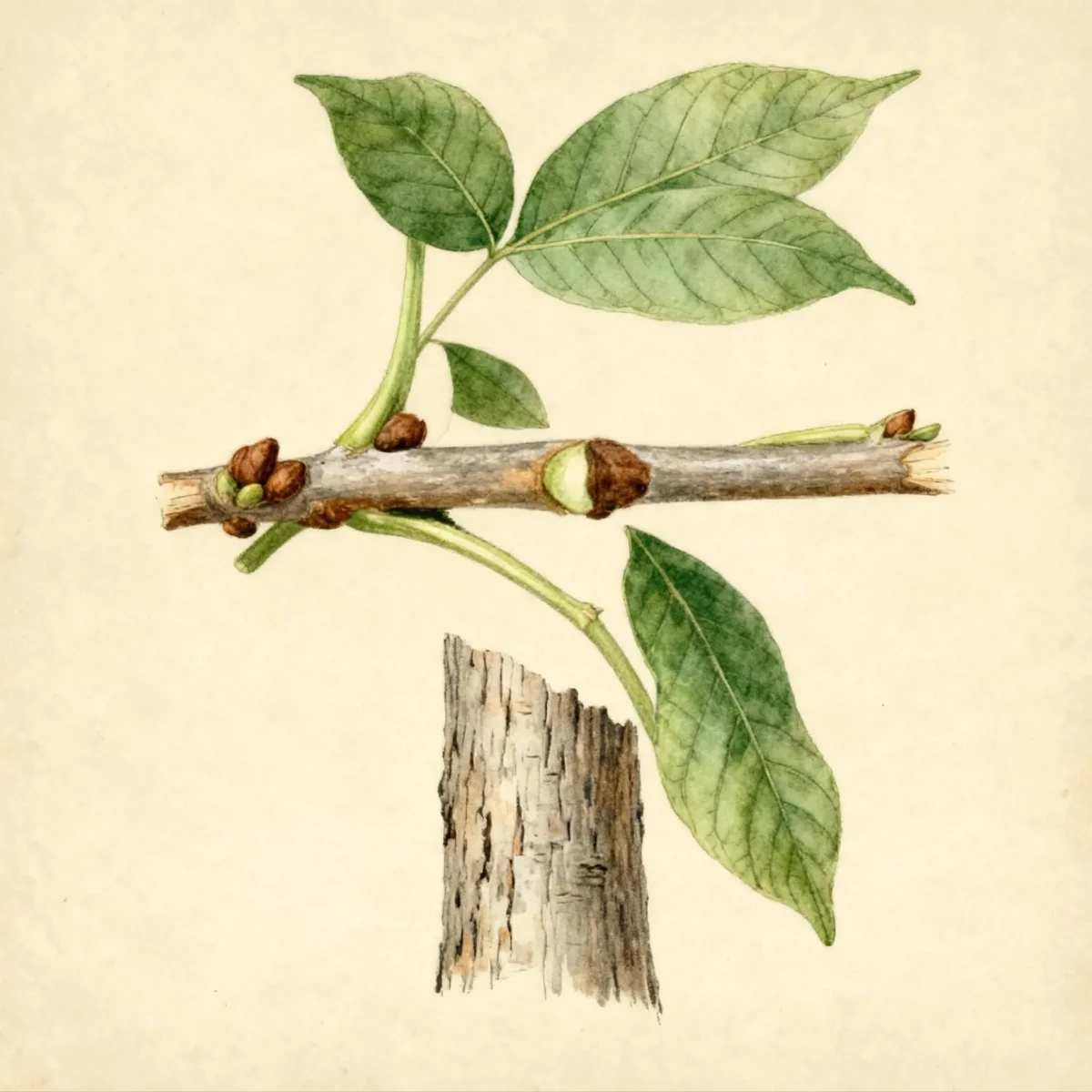
Fraxinus pennsylvanica, commonly called green ash, has the largest growing range of any of the native ashes, extending from Nova Scotia to Alberta south to Florida and Texas. This is a lowland species that is commonly found throughout the State of Missouri in low woods, floodplains and along streams, ponds and sloughs (Steyermark). ‘Patmore’ is a vigorous, pyramidal tree with a strong central leader, ascending branches and a symmetrical, rounded crown, maintaining better form than many seedling green ash selections.
Tolerances
- Air Pollution
Potential Problems
The primary and most critical problem facing Fraxinus pennsylvanica ‘Patmore’ and all other ash species today is the Emerald Ash Borer (EAB). This invasive Asian beetle rapidly kills infested trees, typically within three to five years after the initial attack, by feeding beneath the bark. Management requires vigilance, proactive insecticide treatments, or tree removal; once heavy infestation occurs, eradication is extremely difficult.
In addition to EAB, Green ash trees can experience issues from other pests like the lilac borer and scale insects, as well as various fungal diseases such as leaf spot and anthracnose. Furthermore, the wood is somewhat brittle, making branches susceptible to breakage during severe ice or wind storms. Always inspect foliage and bark closely for early signs of infestation.
Frequently Asked Questions
What hardiness zones is Green ash suitable for?
Fraxinus pennsylvanica ‘Patmore’ is hardy throughout USDA Zones 4 through 9, offering wide adaptability across temperate North America.
How large does Green ash grow?
This cultivar of Green ash typically reaches a mature height between 50 and 70 feet, with a substantial spread ranging from 35 to 45 feet wide.
What sun exposure does Fraxinus pennsylvanica ‘Patmore’ need?
This tree flourishes when situated in a location receiving full sun throughout the day.
When does Green ash bloom?
Bloom time for this Green ash selection is generally from April to May, producing unassuming, greenish-purple flowers.
Conclusion
The predictability and dependable stature of Fraxinus pennsylvanica ‘Patmore’ made it an extremely popular and useful specimen tree for maximizing shade coverage in challenging environments. Despite historical widespread use, serious consideration must be given presently to management protocols concerning the Emerald Ash Borer before establishing any new Green ash. Always check with local extension offices regarding current pest status before deciding on planting any ash cultivar.
Companion Planting Considerations
When designing landscapes that include established Green ash trees, select companion plants whose needs align with partial shade (under the canopy) and medium moisture levels. Hostas, ferns, and shade-tolerant groundcovers benefit from the filtered light cast by the mature canopy of Fraxinus pennsylvanica ‘Patmore’. Since ashes are often used as specimen trees in open areas, integrating native woodland edge plants like foamflower (Tiarella cordifolia) can enhance aesthetics while respecting the tree’s drier root zone once established.
Seasonal Care Calendar
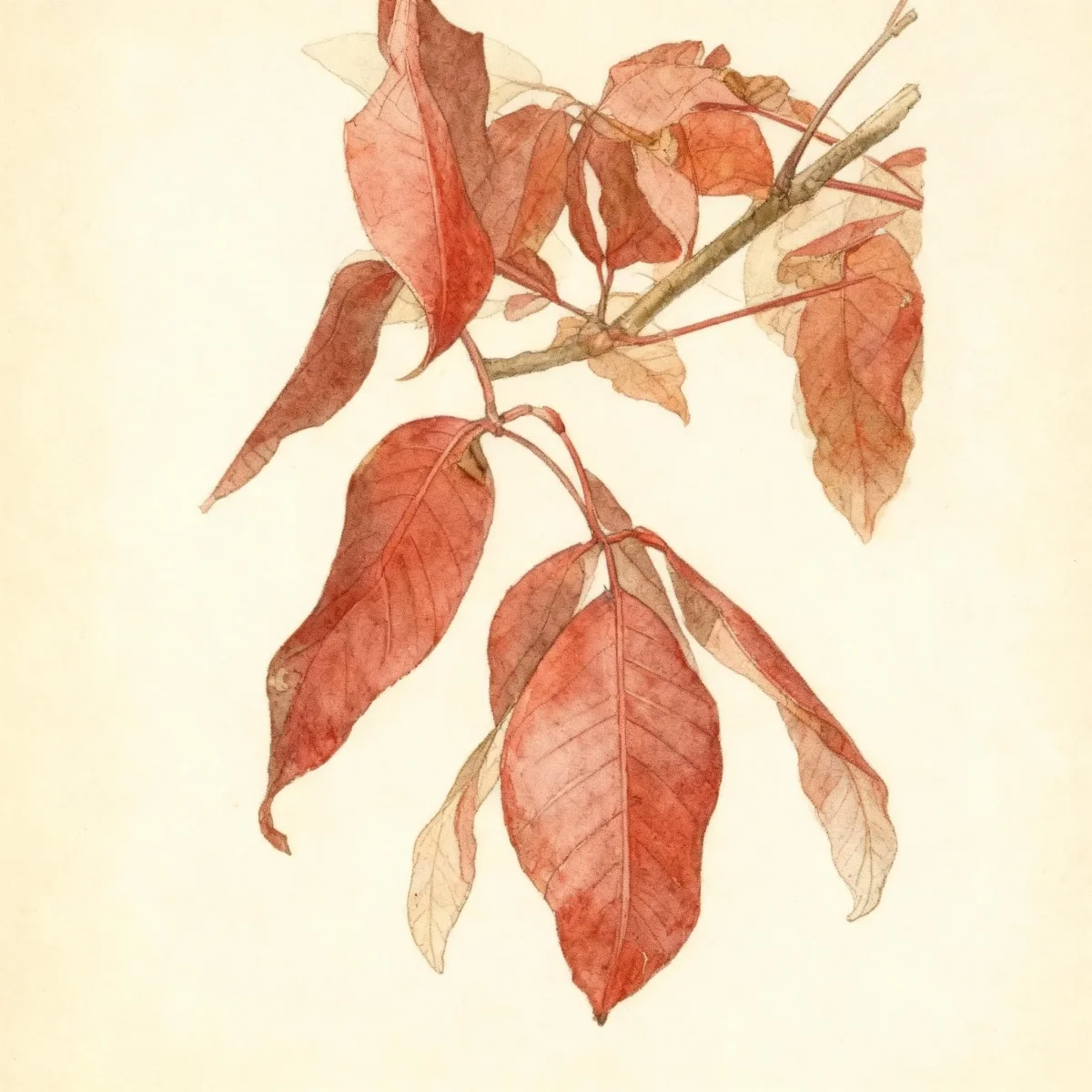
Spring is crucial for inspecting the prior year’s growth and applying preventative insecticide treatments targeting the Emerald Ash Borer before boring activity begins. Summer care focuses primarily on monitoring water needs, ensuring the medium moisture level is maintained, especially during extreme heat waves. As fall approaches, note the yellowing foliage; rake leaves away, as discarding them helps reduce overwintering sites for various fungal spores and insect pests that might affect the Green ash. Winter preparation is generally minimal, focusing on removing any dead or damaged branches that pose a safety risk due to potential ice loading.