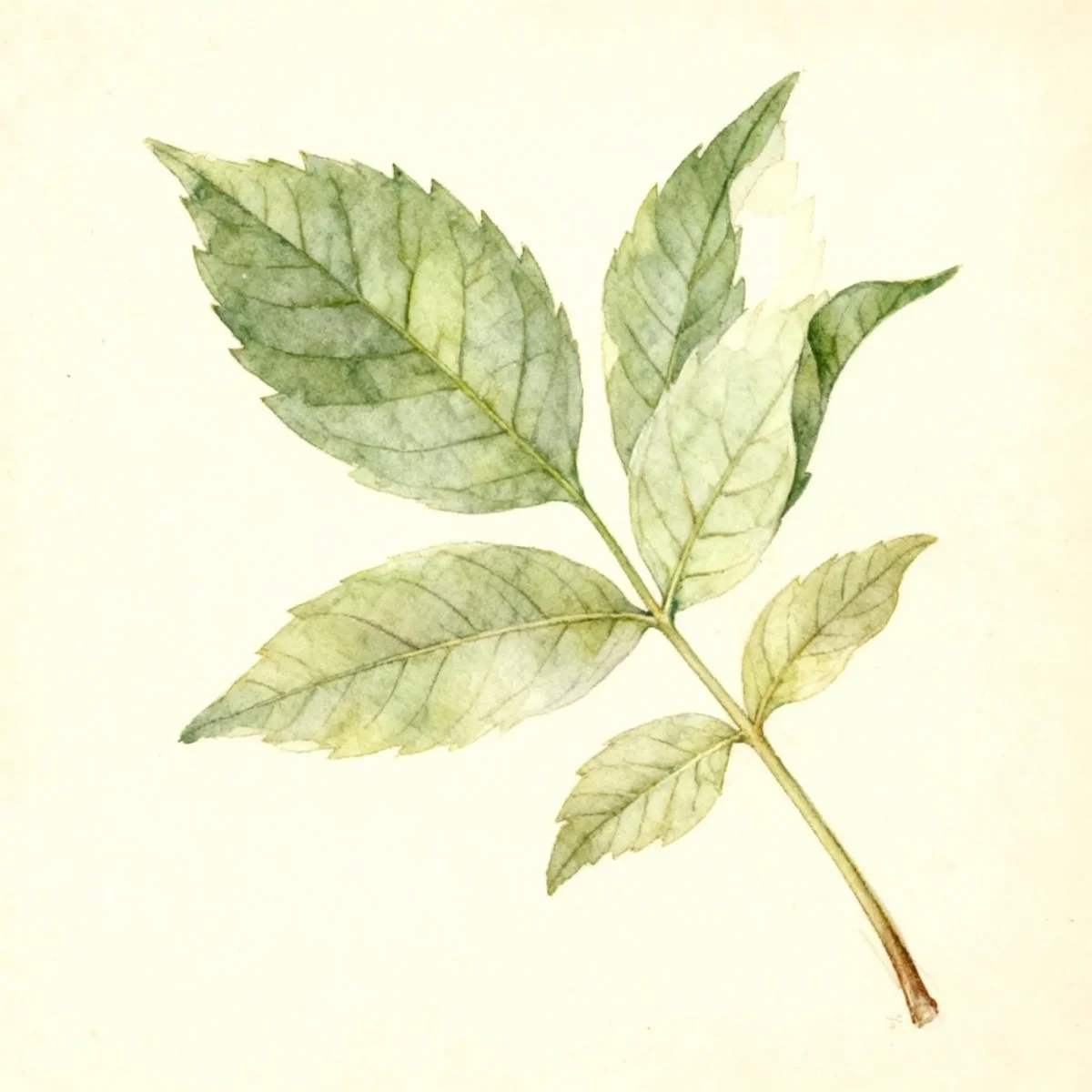
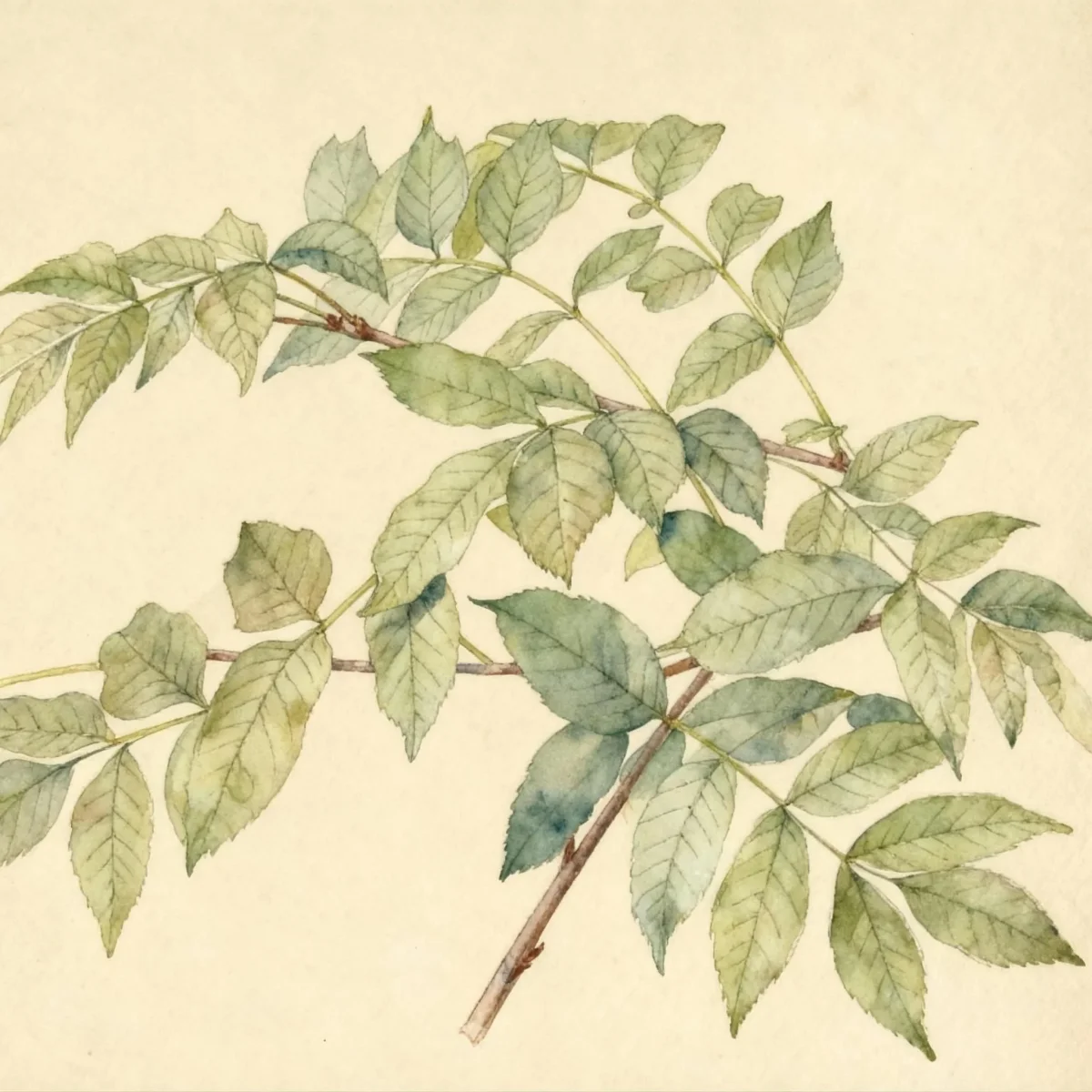
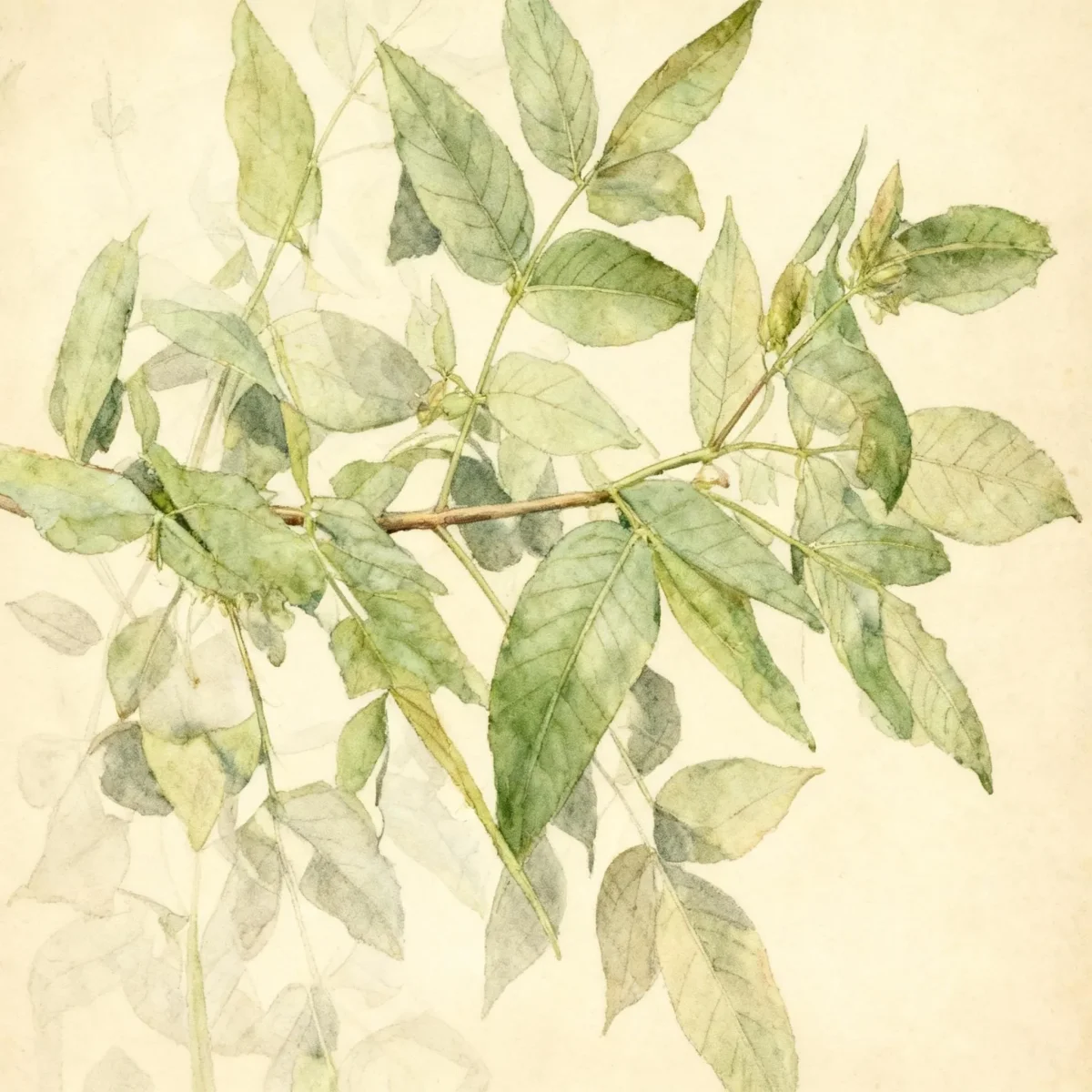
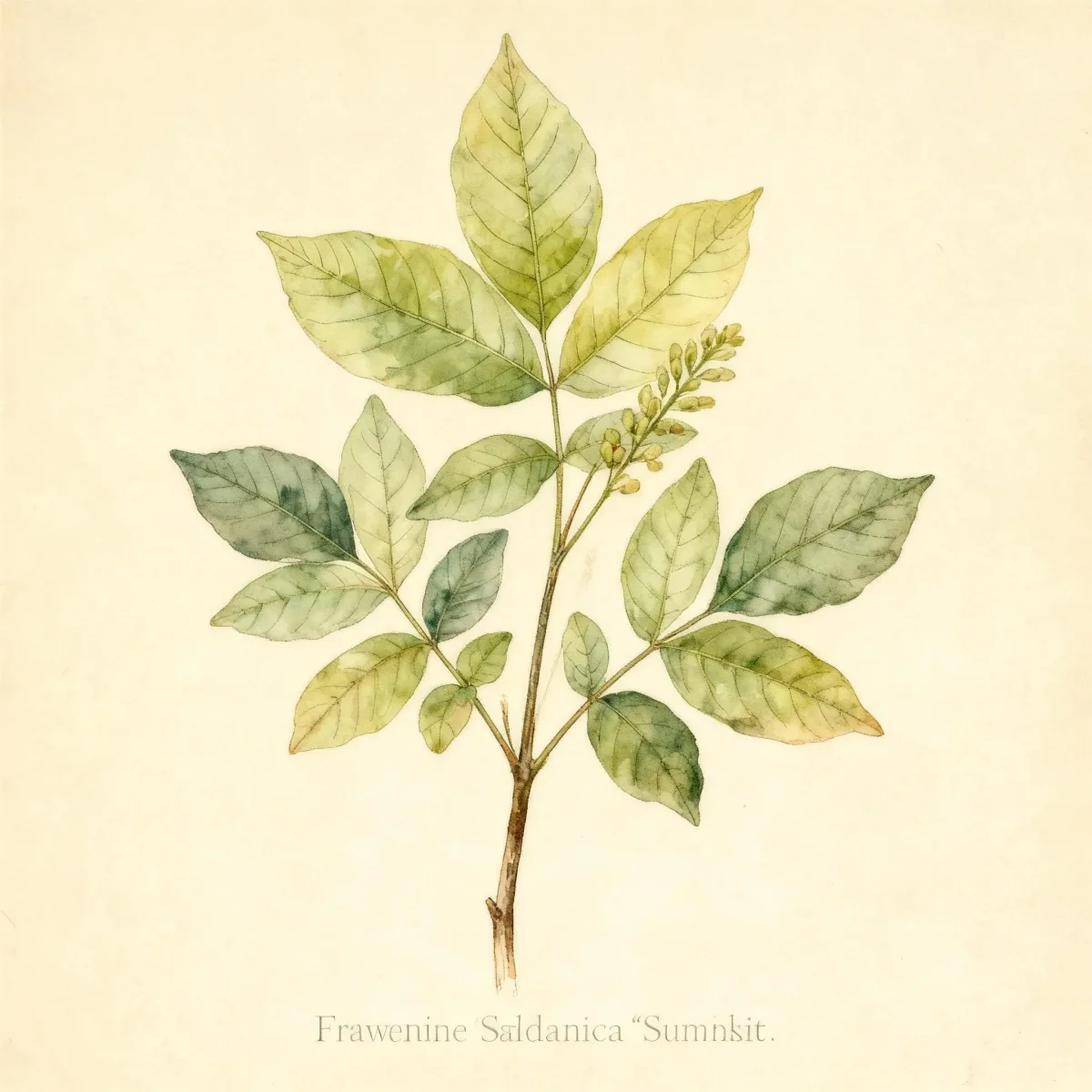
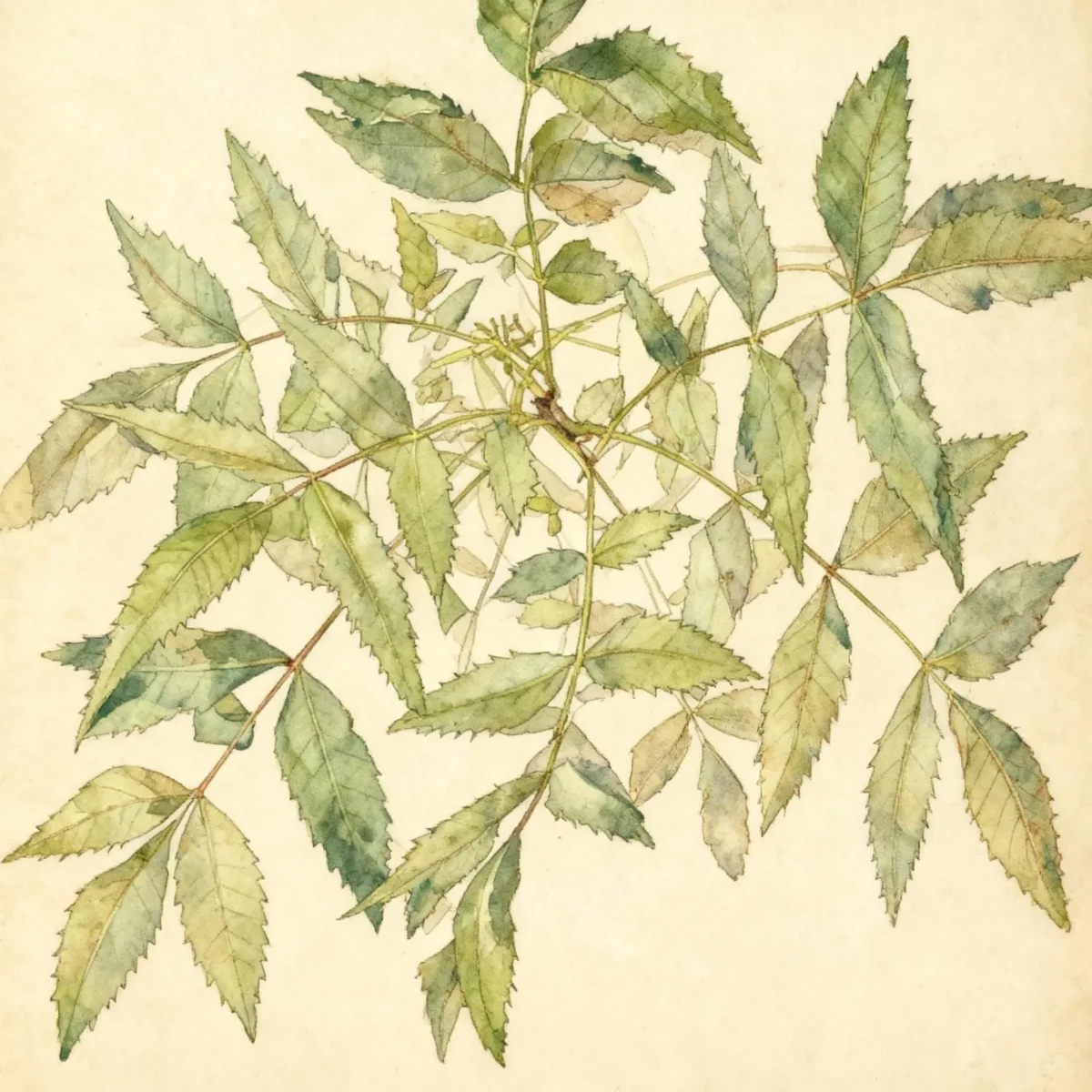
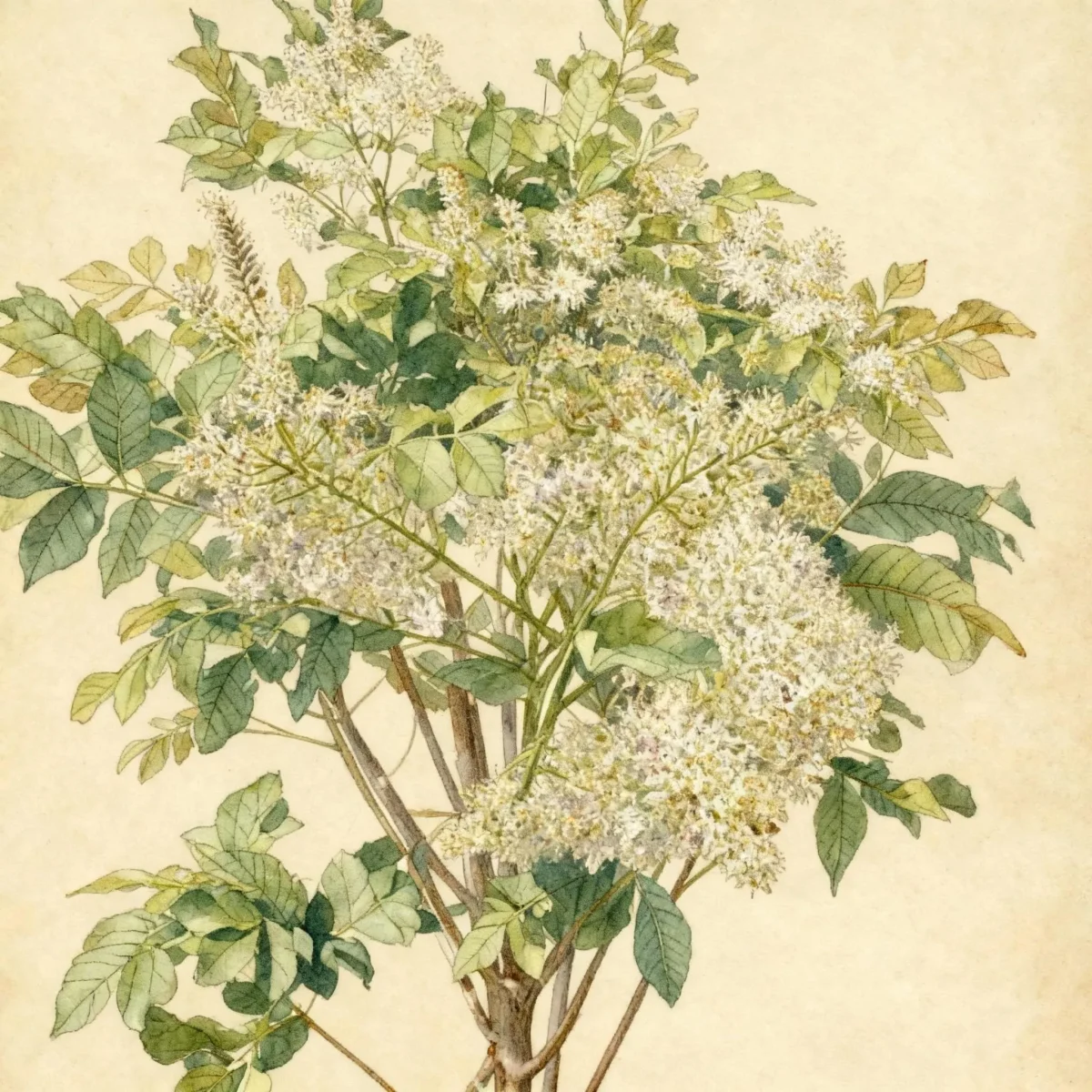
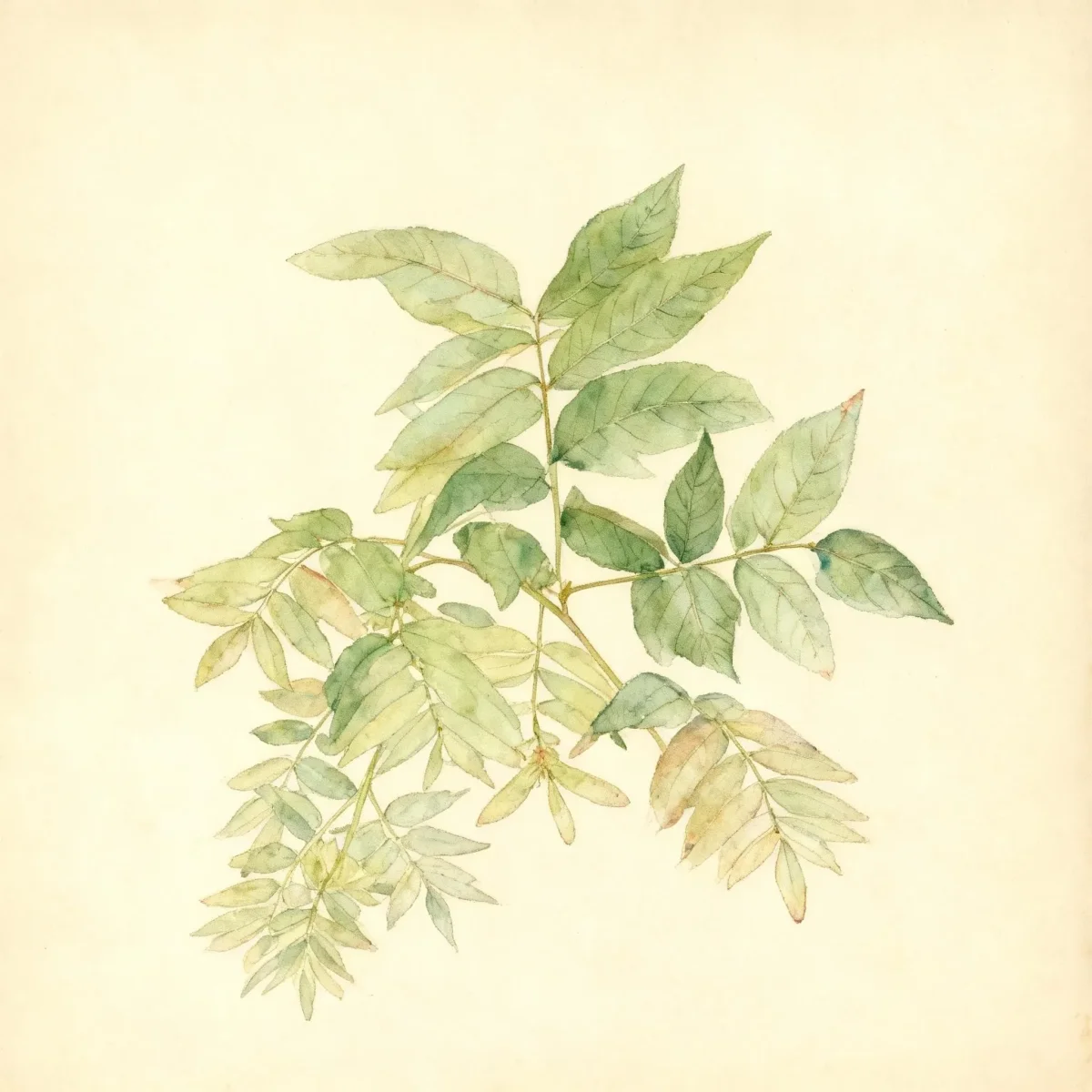
European ash (Fraxinus excelsior 'Pendula')
Weeping European ash has a broad, cascading crown, but serious ash pests make it a high-commitment tree. Learn where it fits and what to consider first.
Complete Plant Information
Interactive Detour
Keep exploring with a quick garden quiz
European ash is easier to remember when you mix reading with a quick challenge. Try a related quiz, then jump back into the care guide.

Can You Identify These Common Garden Plants? Test Your Plant Knowledge
Think you know your roses from your peonies? Test your plant identification skills with our comprehensive garden plant quiz featuring 10 challenging questions.
Start quiz
USDA Garden Zone Map Quiz
Use this USDA garden zone map quiz to check whether you can read hardiness zones and choose plants with more confidence.
Start quizBrowse the full quizzes section
Explore plant identification, zone strategy, and seasonal gardening challenges.
View all quizzesField Guide Continues
Ready for care notes, companion picks, and planting tips?
The map is just the start. The full guide below covers growth habits, seasonal performance, and landscape uses.
Think About the Risk Before the Shape
Weeping European ash (Fraxinus excelsior ‘Pendula’) forms a low, umbrella-like crown with branches that sweep toward the ground. It is an unusual silhouette, but it is not a small tree: a mature specimen may stand 10 to 25 feet tall and spread 20 to 50 feet. It needs the open space of a large lawn, park-like garden, or estate landscape—not a narrow tree lawn, foundation bed, or spot beneath utility lines.
The larger decision is whether to plant an ash at all. Emerald ash borer attacks trees in the genus Fraxinus and has caused widespread ash mortality in North America. Before buying this cultivar, ask your local extension office or municipal forester about current pressure and the long-term cost of monitoring or preventive treatment. In many areas, choosing a different genus is the sounder investment. A ‘Village Green’ Japanese zelkova offers a vase-shaped shade tree, while ‘Princeton’ American elm is another option for a substantial canopy. Neither copies the weeping form, but both avoid concentrating more of the landscape in ash.
A Site With Room in Every Direction
‘Pendula’ grows best in full sun and moist, well-drained soil. It is better suited to cooler climates than to sites with prolonged heat and drought. Use the mature spread—not the nursery width—when measuring from buildings, drives, sidewalks, and neighboring trees. Cascading branches also need clearance from paths and mowing routes.
Plant in spring or fall. Dig no deeper than the root ball, set the root flare at soil level, and make the hole wider than the roots so they can grow into loosened soil. Water deeply through the first growing seasons, letting the surface begin to dry between waterings rather than keeping the root zone saturated. A broad mulch ring helps conserve moisture and protects the trunk from mowers; keep mulch a few inches away from the bark.
Check the USDA hardiness zone map before evaluating a site. The listed range is Zones 5–8, but zone alone does not account for summer heat, soil drainage, or local pest conditions.
Managing an Existing Weeping Ash
An established tree deserves regular inspection. Look for thinning in the crown, dead upper branches, shoots emerging from the trunk, unusual woodpecker activity, bark splits, or D-shaped exit holes. Those symptoms need assessment by a qualified arborist; they are not a cue for a do-it-yourself pesticide schedule. Treatment choices depend on tree size, health, location, and local regulations.
Prune primarily for dead, damaged, rubbing, or hazardous branches. The hanging crown is the point of the cultivar, so repeated shearing works against its natural form. Clearance pruning may be necessary, but large cuts and work aloft belong to an arborist. Inspect after heavy snow, ice, or wind because spreading limbs can break.
Questions Gardeners Usually Ask
Is this a good street tree?
Its width, low branches, and pest vulnerability make it a poor fit for many modern street sites, despite the historical “street tree” use in its plant data.
Does it have showy flowers?
No. Small green, cream, or purplish flowers appear in April or May, but the cascading structure is the main ornamental feature.
Should I replace a healthy existing tree?
Not automatically. Have its condition and local emerald ash borer risk evaluated. A healthy, well-placed specimen may be worth managing, while a declining tree near a target may require prompt action.
For a wider comparison before planting a canopy tree, browse the plant collection by zone, mature size, and site conditions.