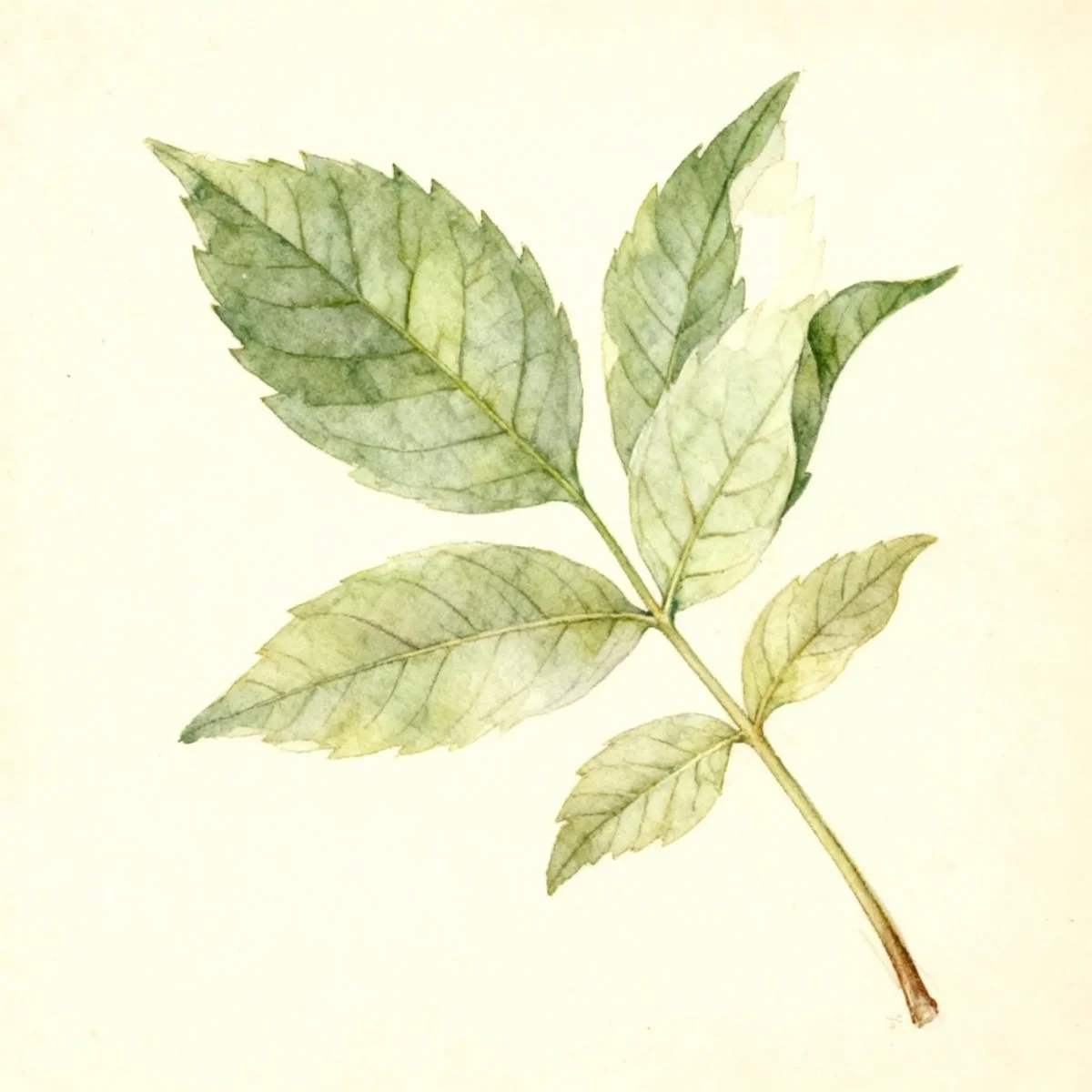
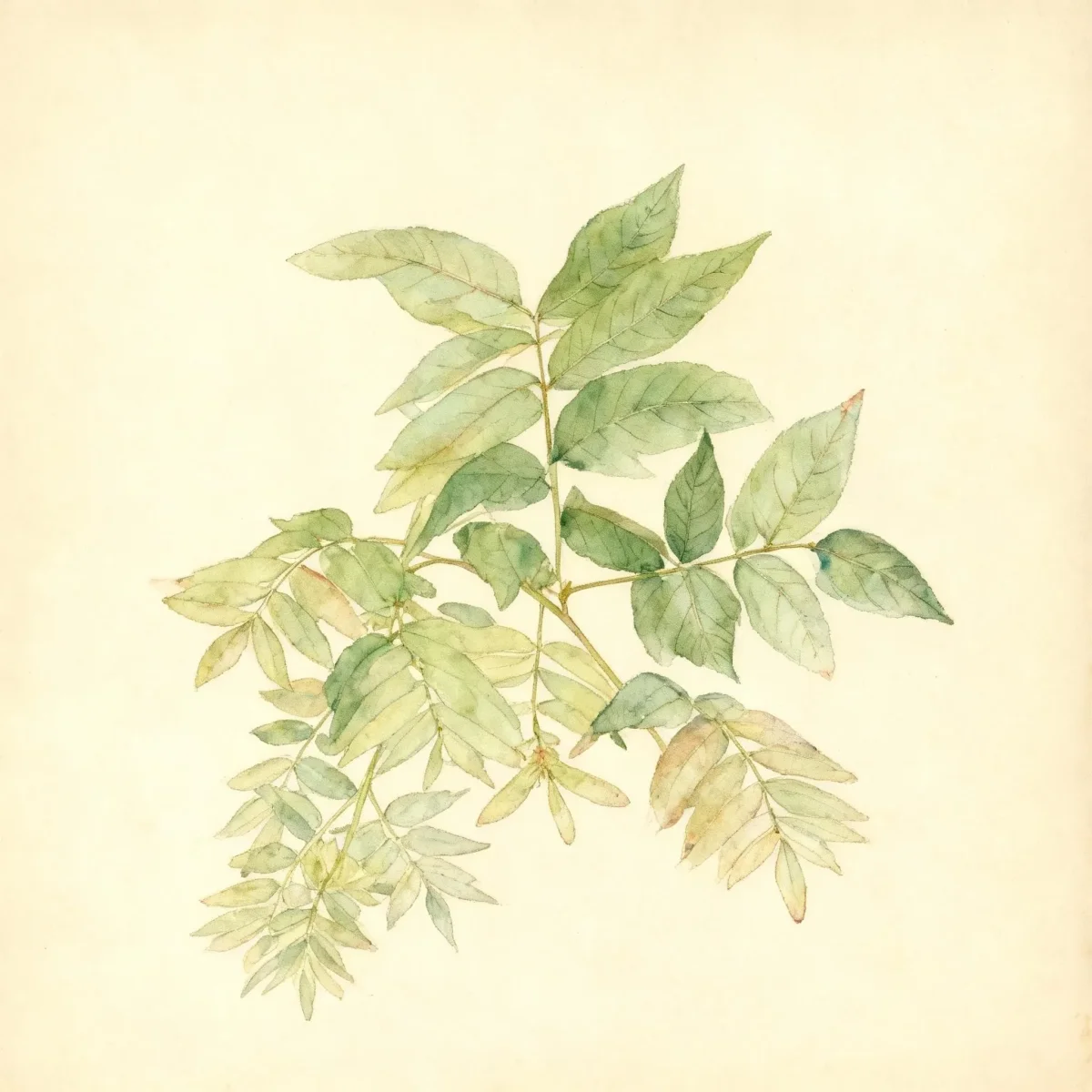
Green ash (Fraxinus pennsylvanica 'Summit')
Fraxinus pennsylvanica 'Summit' is a vigorous Green ash cultivar, reaching 50-70 ft tall, suited for USDA Zones 4-9 with full sun needs.
Scroll down to discover growing tips, care requirements, companion plants, and more
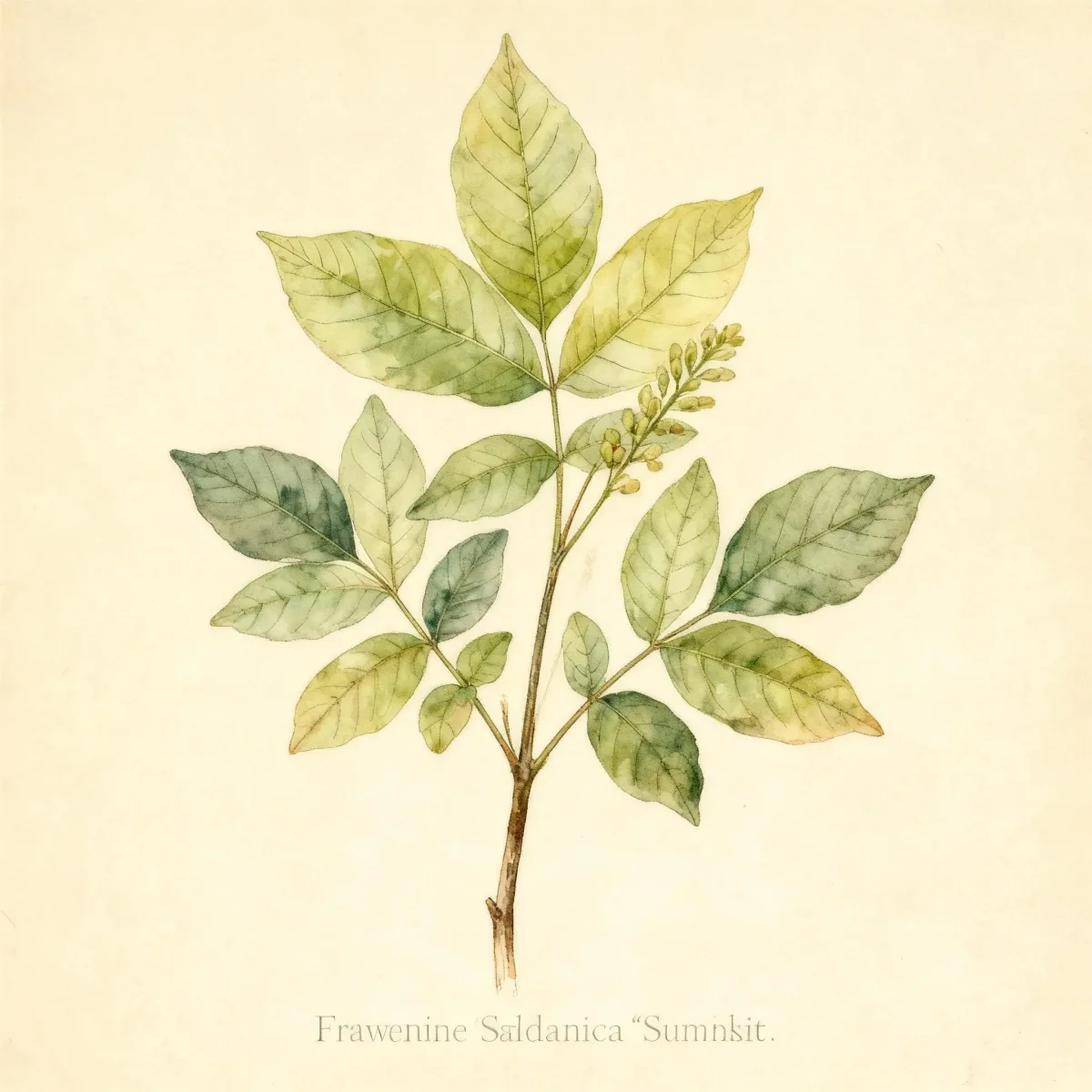
Complete Plant Information
Overview
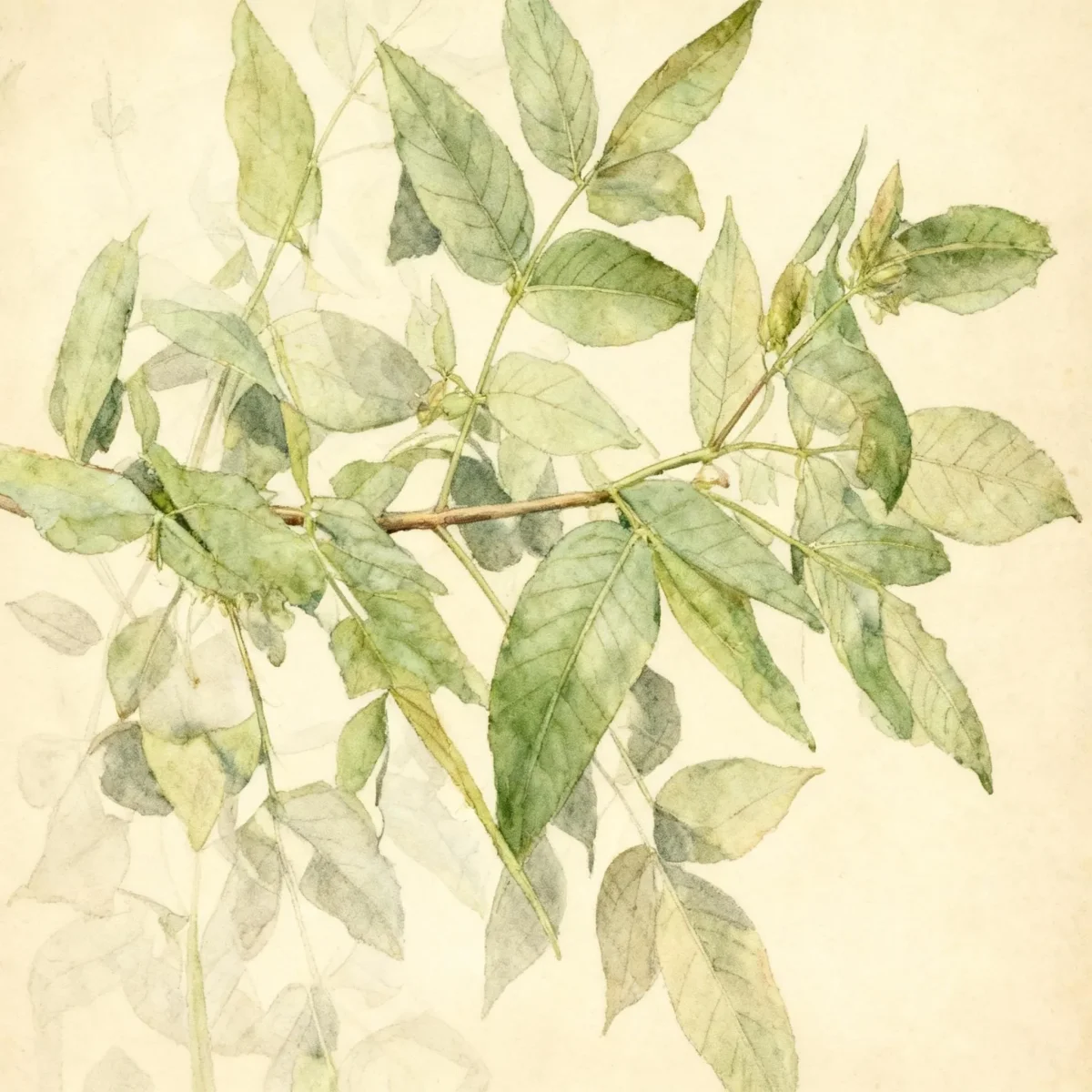
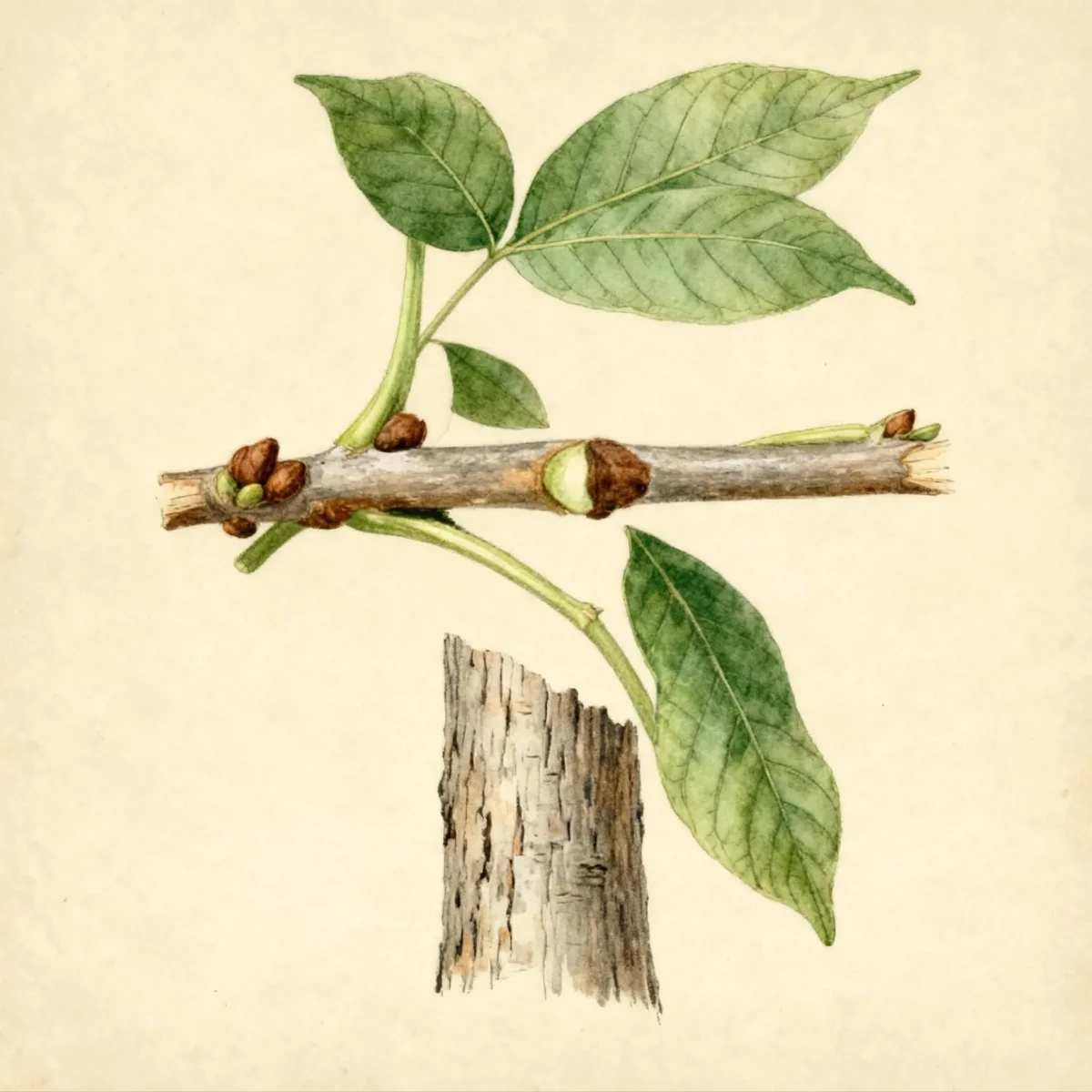
Fraxinus pennsylvanica ‘Summit’, commonly known as Green ash, is a notably adaptable medium to large deciduous tree renowned for its vigorous growth habit and suitability for wide climactic regions. This specific cultivar, Fraxinus pennsylvanica ‘Summit’, was introduced to provide a strong central leader and a reliably pyramidal shape when young, maturing toward a rounded but often irregular crown. Gardeners historically valued Green ash for its substantial size, offering excellent shade potential.
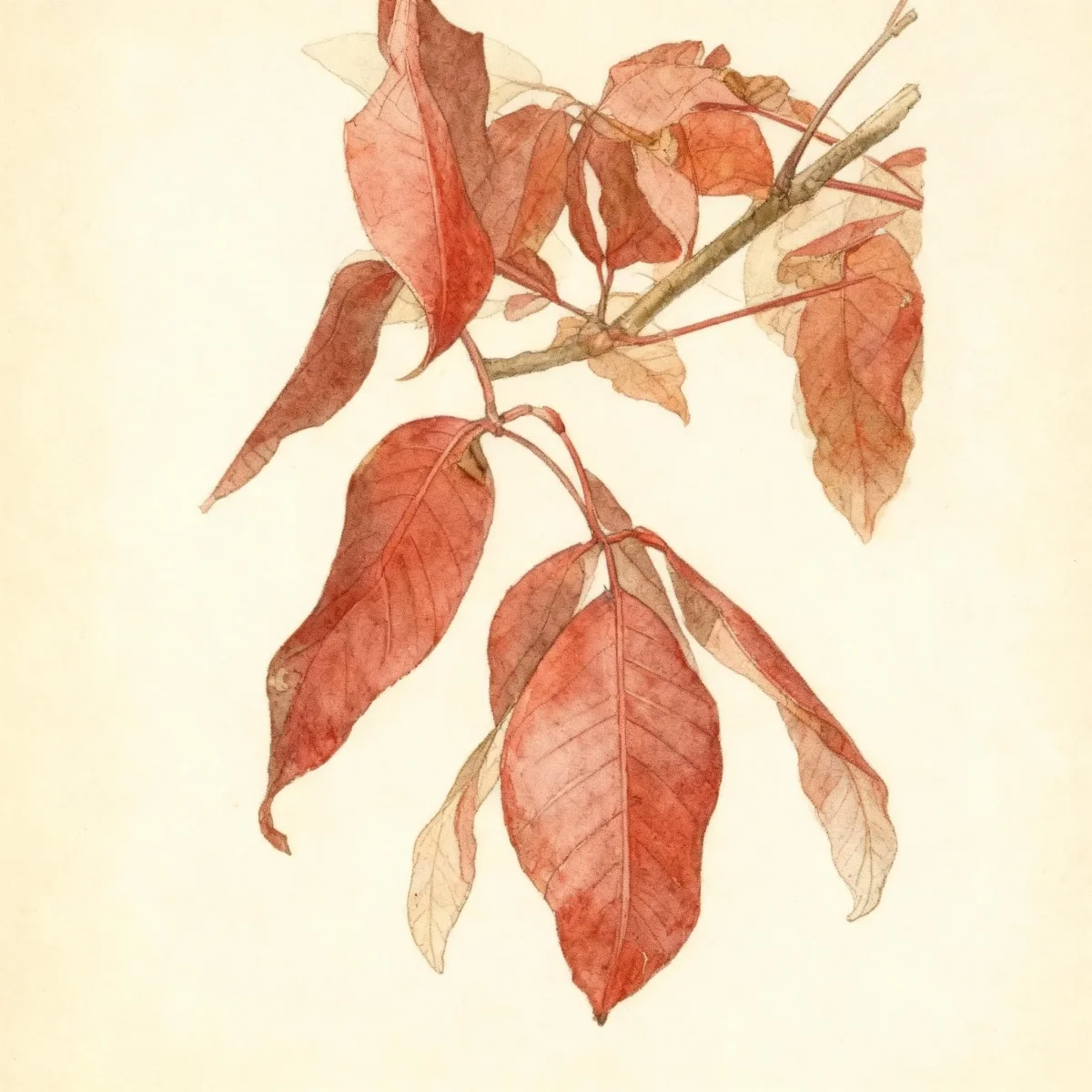
While historically an important specimen tree, growers must now consider the severe threats facing all members of the ash genus in North America. The Green ash possesses the largest native range of any ash species, thriving in conditions ranging from Nova Scotia down to Texas. It features classic compound leaves that turn a variable but often pleasing yellow in the autumn months.
Despite its past utility as a shade and street tree, current recommendations strongly advise against planting new ash species due to the devastating impact of the Emerald Ash Borer. The ‘Summit’ cultivar remains a large, stately specimen, but its susceptibility dictates careful consideration for any new landscape installation.
Fast Facts
- Plant Family: Oleaceae
- Plant Type: Tree
- Hardiness Zones: USDA Zones 4-9
- Size at Maturity:
- Height: 50-70 ft
- Spread: 40-60 ft
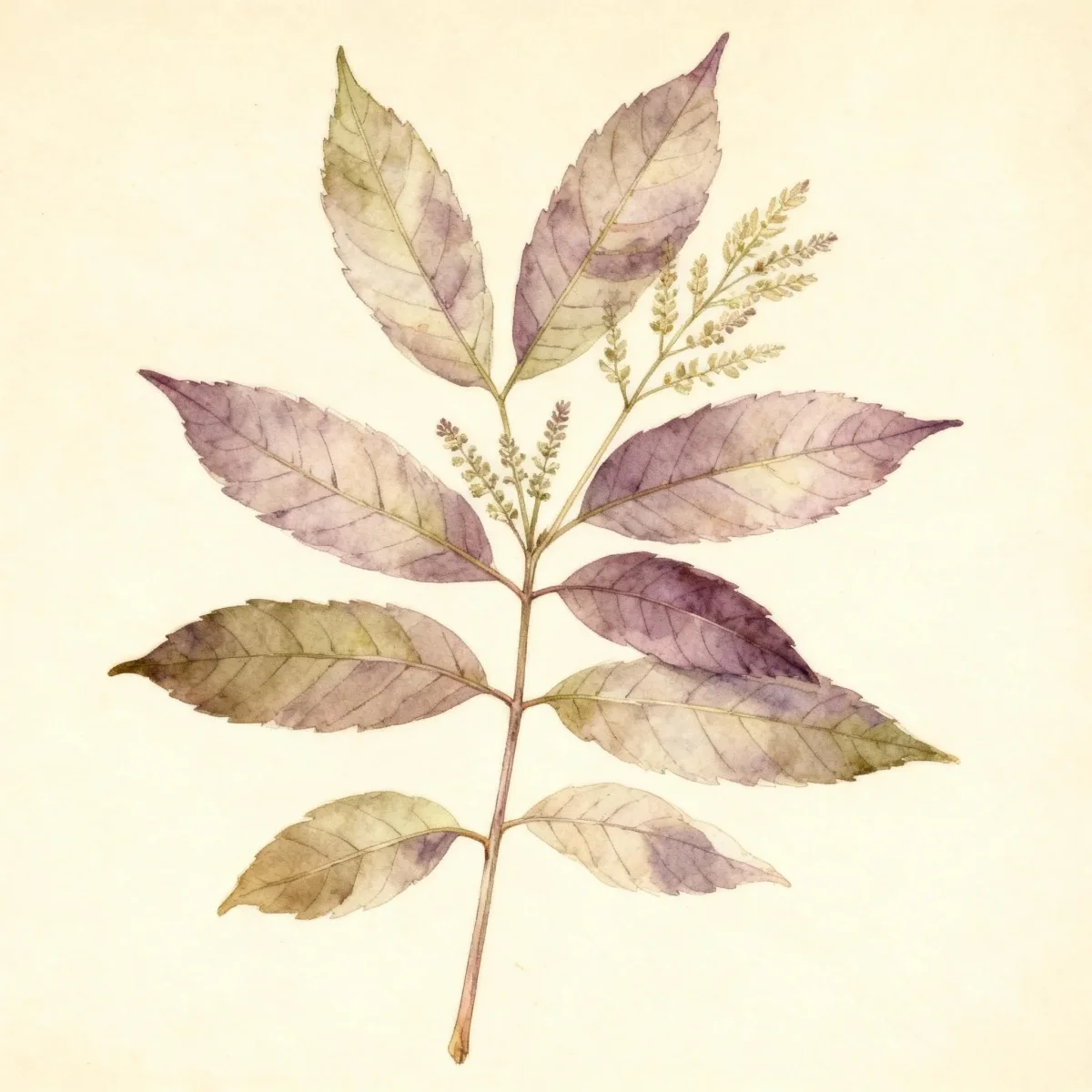
- Bloom Time: April to May
- Bloom Description: Greenish-purple
- Sun Exposure: Full sun
- Water Needs: Medium
- Maintenance Level: Medium
How to Grow
The Green ash adapts well to various soils, though it naturally favors consistently moist, humus-rich loams. When planting Fraxinus pennsylvanica ‘Summit’, select a site receiving full sun exposure, as shade will lead to thin development. While establishing, ensure consistent moisture, but once mature, the tree demonstrates remarkable tolerance toward drier spells and different soil types, provided drainage is adequate.
Maintenance for the Green ash is generally medium. Pruning should focus primarily on removing dead, diseased, or crossing branches to maintain structural integrity. Be aware that female Green ash trees can produce heavy crops of winged samaras which may lead to self-seeding in ideal conditions near the parent tree.
Established trees require medium watering, particularly during extended summer droughts, though the goal is consistency rather than saturation. Given the structural weight and height potential of this tree, regular inspection of the branch structure is advisable, as brittle limbs can pose a hazard during heavy wind or ice storms.
Landscape Uses
Historically, the Green ash and cultivars like Fraxinus pennsylvanica ‘Summit’ were primary choices for functional landscape applications. Their upright stature and dense canopy made them exceptional street trees, lining boulevards and providing necessary shade over paved areas and lawns. They were also utilized widely as expansive shade trees within large yards where significant overhead coverage was desired.
Due to the threat posed by the Emerald Ash Borer, incorporating new ash trees into modern designs is discouraged. If you are managing existing mature specimens, they perform best as solitary focal points or as key elements within mixed, open woodland borders where their height is maximized.
Companion planting should focus on resilient species that can handle the drip line of a mature tree and the sun requirements. Consider durable understory shrubs or late-blooming perennials that offer textural contrast—though current practices mean looking toward alternatives that will not face the same imminent threat as the Green ash.
Standout Features
Flower Qualities
- Insignificant
Noteworthy Characteristics
Fraxinus pennsylvanica, commonly called green ash, has the largest growing range of any of the native ashes, extending from Nova Scotia to Alberta south to Florida and Texas. It is a medium-sized tree, typically growing 50-70’ tall, with young trees being pyramidal before maturing to a more rounded crown. Foliage turns yellow in fall, and the male cultivar ‘Summit’ reliably maintains a vigorous, pyramidal shape due to its strong central leader.
Tolerances
- Deer
- Air Pollution
Potential Problems
The overwhelming potential problem for all ash species is the Emerald Ash Borer (EAB). This Asian native pest, discovered in the U.S. in 2002, bores under the bark and typically kills an ash tree within 3 to 5 years following initial infestation. Management is extremely difficult once EAB is established.
Beyond EAB, Green ash trees commonly face insect issues such as lilac borer and scale insects, alongside various diseases like fungal leaf spots, powdery mildew, and cankers. Furthermore, older or stressed specimens often develop brittle branches susceptible to wind and ice damage, necessitating careful monitoring. Immediate professional consultation is required if EAB is suspected.
Frequently Asked Questions
What hardiness zones is Green ash suitable for?
The Green ash and its ‘Summit’ cultivar are highly adaptable, suitable for USDA Zones 4 through 9.
How large does Fraxinus pennsylvanica ‘Summit’ grow?
This tree typically matures to a height between 50 and 70 feet, with a spread ranging from 40 to 60 feet.
What sun exposure does Green ash need?
Green ash requires full sun exposure to develop properly and maintain dense foliage.
When does Fraxinus pennsylvanica ‘Summit’ bloom?
Flowering occurs relatively early in the growing season, from April to May, producing inconspicuous greenish-purple flowers.
Conclusion
The Green ash, particularly the strong-growing Fraxinus pennsylvanica ‘Summit’ cultivar, has historically proven itself as a robust, adaptable shade provider across a vast range of North American climates. While its established form and hardiness are commendable, the pervasive threat of the Emerald Ash Borer means that existing trees require vigilant monitoring and proactive protective measures. Always check local extension guidelines regarding ash tree treatment plans before planting or maintaining this species.
Companion Planting
When including mature Green ash trees in a landscape design, choosing companion plantings that thrive in similar medium moisture and full sun conditions is key. Consider underplanting with resilient, lower-growing shrubs that can handle root competition, such as native Viburnums or Dogwood varieties that tolerate some filtered light cast by the large canopy of the ash.
For groundcover beneath areas where the mature canopy of Fraxinus pennsylvanica ‘Summit’ is established, focus on plants that do not mind soil drying out after the initial establishment period. Perennials like Hostas (if you can ensure adequate water) or hardy, shade-tolerant native wildflowers that don’t require heavy seasonal disturbance are good complements.
Seasonal Care Calendar
Spring cleanup involves removing any lingering persistent samaras from the previous year, though this is less critical for the male ‘Summit’ cultivar. Late spring is the critical time to scout for any signs of insect infestation, especially the initial entry points for borers.
Summer care centers around consistent watering during establishment, ensuring the tree is not stressed, thereby increasing its natural resistance to secondary pests. As established Green ash trees are medium water consumers, supplemental deep watering during extended regional dry spells is beneficial.
In fall, observe the yellow foliage coloration; be aware that fall color quality can fluctuate annually. If proactive EAB treatments are required, fall may be an appropriate time to administer systemic insecticides, depending on your certified arborist’s recommendation for your Green ash.