Chocolate mint (Mentha × piperita f. citrata 'Chocolate')
Discover Chocolate mint (Mentha × piperita f. citrata 'Chocolate'), a rhizomatous perennial with unique chocolate-scented leaves, ideal for moist gardens.
Scroll down to discover growing tips, care requirements, companion plants, and more
Complete Plant Information
Overview
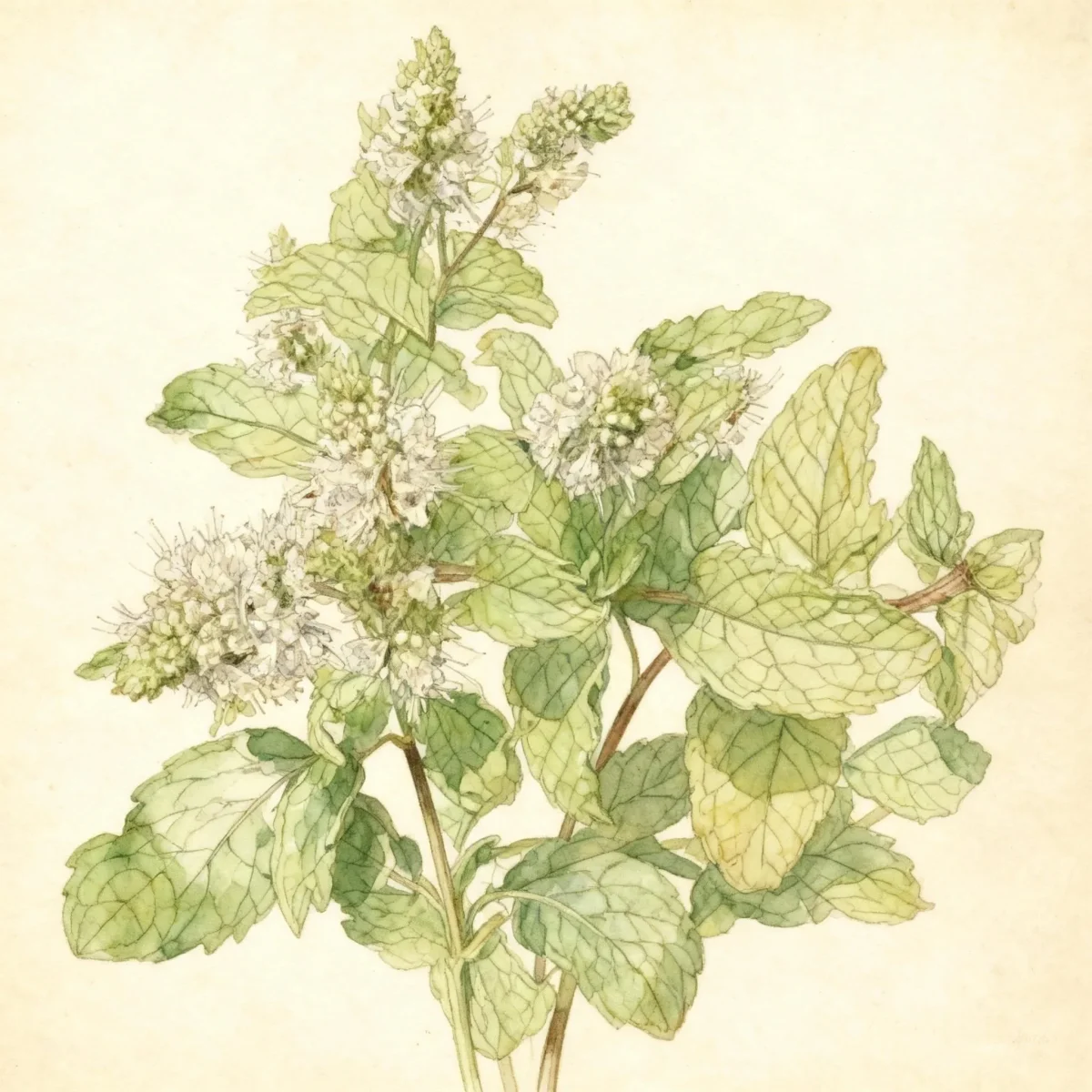
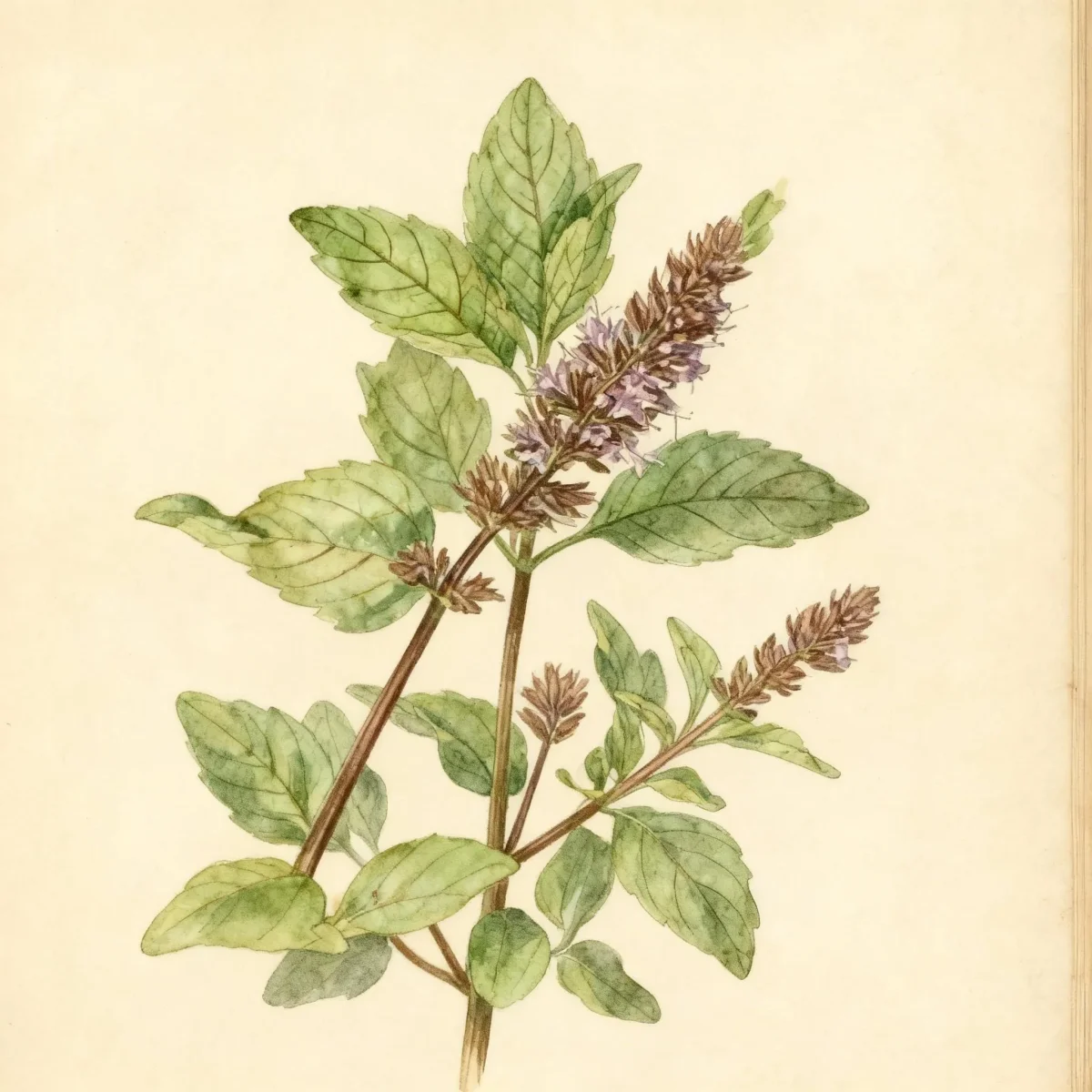
Chocolate mint, scientifically known as Mentha × piperita f. citrata ‘Chocolate’, offers an exciting aromatic twist on traditional mints. Gardeners highly value this cultivar for its dark green foliage that releases a distinct, rich chocolate fragrance when crushed, making it a delightful addition to herbal recipes and potpourris. This herbaceous perennial typically forms a vigorous ground cover, spreading via rhizomes, and exhibits upright growth reaching heights of one to two feet.
Belonging to the Lamiaceae family, Mentha × piperita f. Citrata ‘Chocolate’ thrives where moisture is consistently available, flourishing in full sun or partial shade conditions. While inherently easy to manage, its aggressive spreading nature means gardeners must employ strategic placement or physical barriers to maintain desired boundaries. The plant offers modest summer color with terminal spikes of lavender blooms, rewarding cultivation with both functional scent and reliable texture.
The value of Chocolate mint extends beyond the herb garden; it is excellent for naturalizing in moist settings or utilizing as a dense, fragrant ground cover. Understanding its preference for medium to wet soils is key to successfully incorporating this distinctive scented herb into your landscape scheme.
Fast Facts
- Plant Family: Lamiaceae
- Plant Type: Herbaceous perennial
- Hardiness Zones: USDA Zones 5-9
- Size at Maturity:
- Height: 1-2 ft
- Spread: 1-2 ft
- Bloom Time: July to August
- Bloom Description: Lavender
- Sun Exposure: Full sun to part shade
- Water Needs: Medium to wet
- Maintenance Level: Medium
How to Grow
The best time to establish Mentha × piperita f. citrata ‘Chocolate’ is in the spring after the danger of frost has passed, allowing it to establish roots before summer heat. This mint prefers rich, moist soils. Ensure the location receives full sun to part shade; while it tolerates many soil types, it strongly dislikes dry conditions, thriving near water features or in rain catchment areas.
Watering requirements for Chocolate mint are medium to wet; consistent moisture is essential for robust leaf production and maintaining that signature scent. As a general rule, avoid letting the soil dry out completely. Fertilization is rarely necessary if the soil proves rich, as excess nutrients can sometimes reduce essential oil concentration in the leaves.
Maintenance is rated as medium due to its vigor. To keep the patch tidy and encourage fresh, flavorful leaf growth, large plantings should be sheared back after the July to August bloom period to remove spent flower spikes. Remember that Mentha × piperita f. citrata ‘Chocolate’ is a rhizomatous spreader; plan ahead by installing root barriers around borders to prevent unwanted intrusion from this effective ground cover.
Landscape Uses
The recommended uses for Chocolate mint are diverse, spanning from functional herb gardens to ecological landscape solutions. Due to its love of moisture, it excels as a ground cover along pond margins, in rain gardens, or in low-lying areas of the landscape where soils naturally remain damp. Integrating Mentha × piperita f. citrata ‘Chocolate’ into informal woodland settings also capitalizes on its ability to naturalize effectively.
When planting in borders where spread must be controlled, utilize soil barriers to contain its rhizomes. This allows gardeners to enjoy the scent and flavor without sacrificing highly manicured beds. For a captivating sensory experience, plant it near pathways where brushing against the foliage releases the intense chocolate aroma.
Consider companions that share similar cultural needs for moisture and sun exposure, such as moisture-loving perennials or other culinary herbs that tolerate partial shade. Its compact size (1-2 ft tall and wide) makes it useful for filling open spaces or softening the edges of hardscaping features when managed appropriately.
Standout Features
Flower Qualities
- Showy
Noteworthy Characteristics
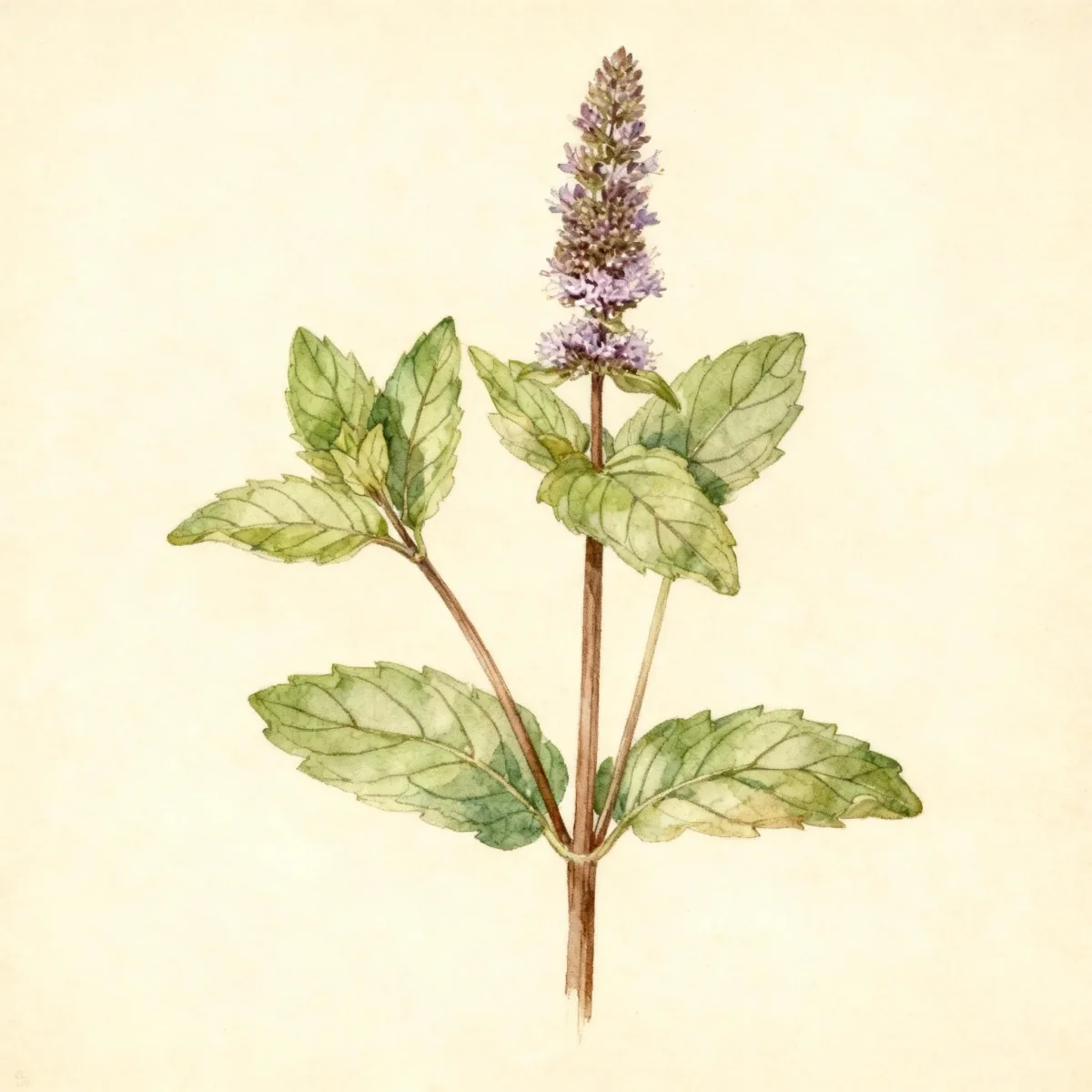
Mentha × piperita is a rhizomatous, upright perennial which is most commonly grown as a culinary herb and/or ground cover. Features rounded to lance-shaped dark green leaves (1-2” long) and terminal spikes of small lavender flowers in summer. The hybrid x piperita results from crosses between Mentha aquatica and Mentha spicata, while forma citrata lends citrus notes; however, the ‘Chocolate’ variety specifically possesses that distinctive chocolate fragrance and taste, making Mentha × piperita f. citrata ‘Chocolate’ highly sought after.
Tolerances
- Rabbit
- Deer
- Wet Soil
Potential Problems
Mentha × piperita f. citrata ‘Chocolate’ generally experiences no serious insect or disease problems, making it a relatively low-risk plant if environmental needs are met. The primary management concern is its aggressive nature; it spreads readily via underground rhizomes. If left unchecked, Chocolate mint can quickly overtake slower-growing border plants. Prevention involves diligent checking of the area surrounding established clumps or, proactively, installing physical root barriers during planting to restrict subterranean spread.
Frequently Asked Questions
What hardiness zones is Chocolate mint suitable for?
Mentha × piperita f. citrata ‘Chocolate’ is reliably hardy in USDA Zones 5 through 9.
How large does Chocolate mint grow?
This perennial typically matures to a height between 1 and 2 feet, with a similar spread of 1 to 2 feet unless constrained by barriers.
What sun exposure does Mentha × piperita f. citrata ‘Chocolate’ need?
For best growth and fragrance, provide full sun to part shade conditions.
When does Chocolate mint bloom?
It produces small spikes of lavender flowers most reliably during the mid-summer period, specifically from July to August.
Conclusion
The unique aromatic profile of Chocolate mint sets it apart, offering gardeners a flavorful and fragrant option perfect for moist areas of the landscape. Whether utilized as a culinary ingredient or as a vigorous, low-maintenance ground cover, Mentha × piperita f. citrata ‘Chocolate’ brings functional beauty wherever it is planted. Before adding this enthusiastic grower to your garden, confirm your soil consistency meets its medium to wet requirements and plan for spatial management.
Companion Planting
When selecting partners for Chocolate mint, prioritize plants that enjoy similar moisture levels and can handle its vigorous habit. Hostas and Astilbes thrive in the dappled light and moist conditions that benefit mint, making them excellent structural companions in a partially shaded area. Alternatively, in sunny, damp spots suitable for rain gardens, try pairing Mentha × piperita f. citrata ‘Chocolate’ with moisture-loving Iris varieties or sedges that won’t be overwhelmed by its spreading rhizomes.
Propagation Tips
Propagating Chocolate mint is straightforward, primarily achieved through division or stem cuttings, as seeds rarely produce true-to-type offspring for named cultivars. Division is best performed in early spring or fall when the soil is moist, involving carefully digging up sections of the established clump and transplanting divisions that include healthy root and stem segments. Stem cuttings, taken during the summer from non-flowering stems, root readily when placed in moist soil or water, providing an easy way to start new patches of this fragrant herb.