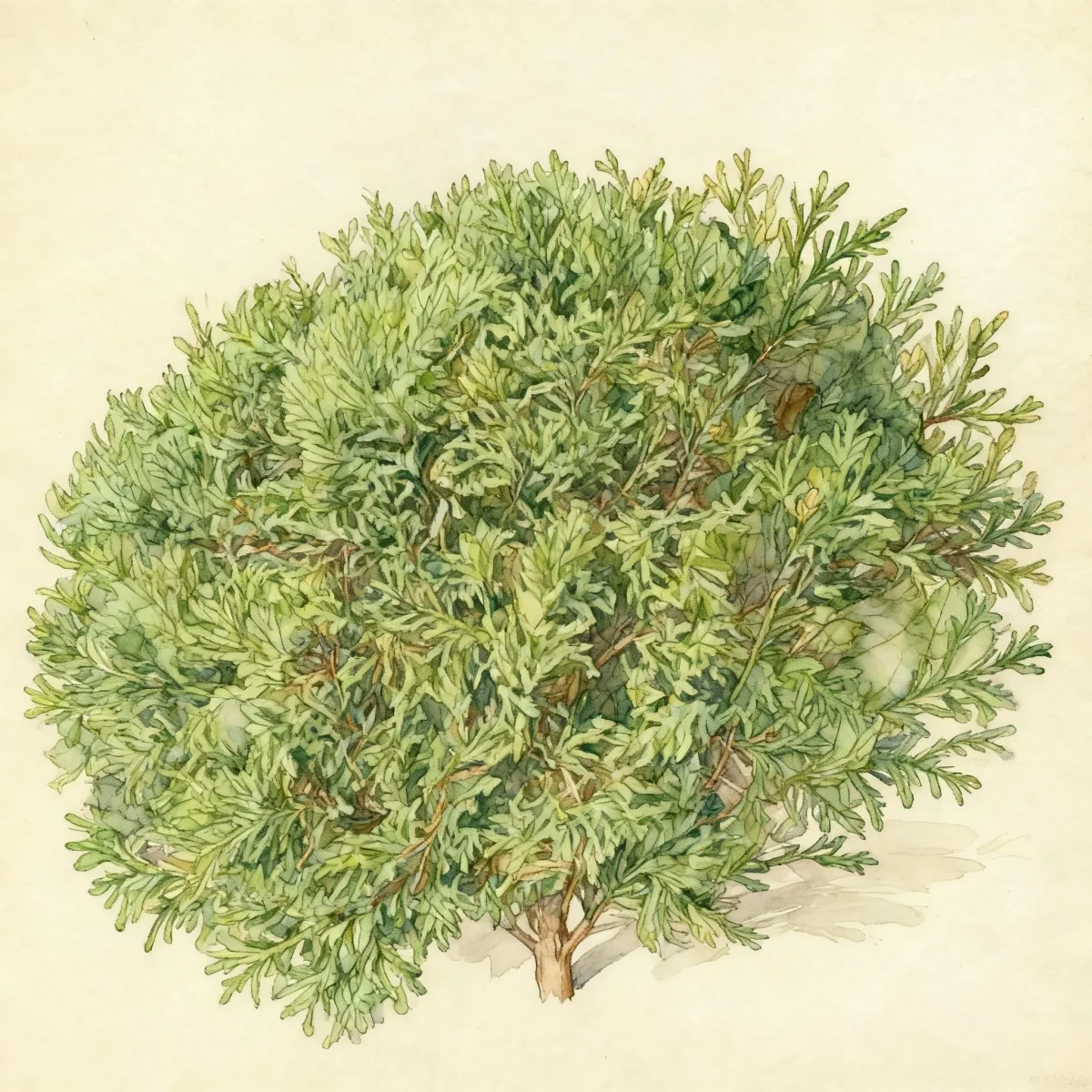
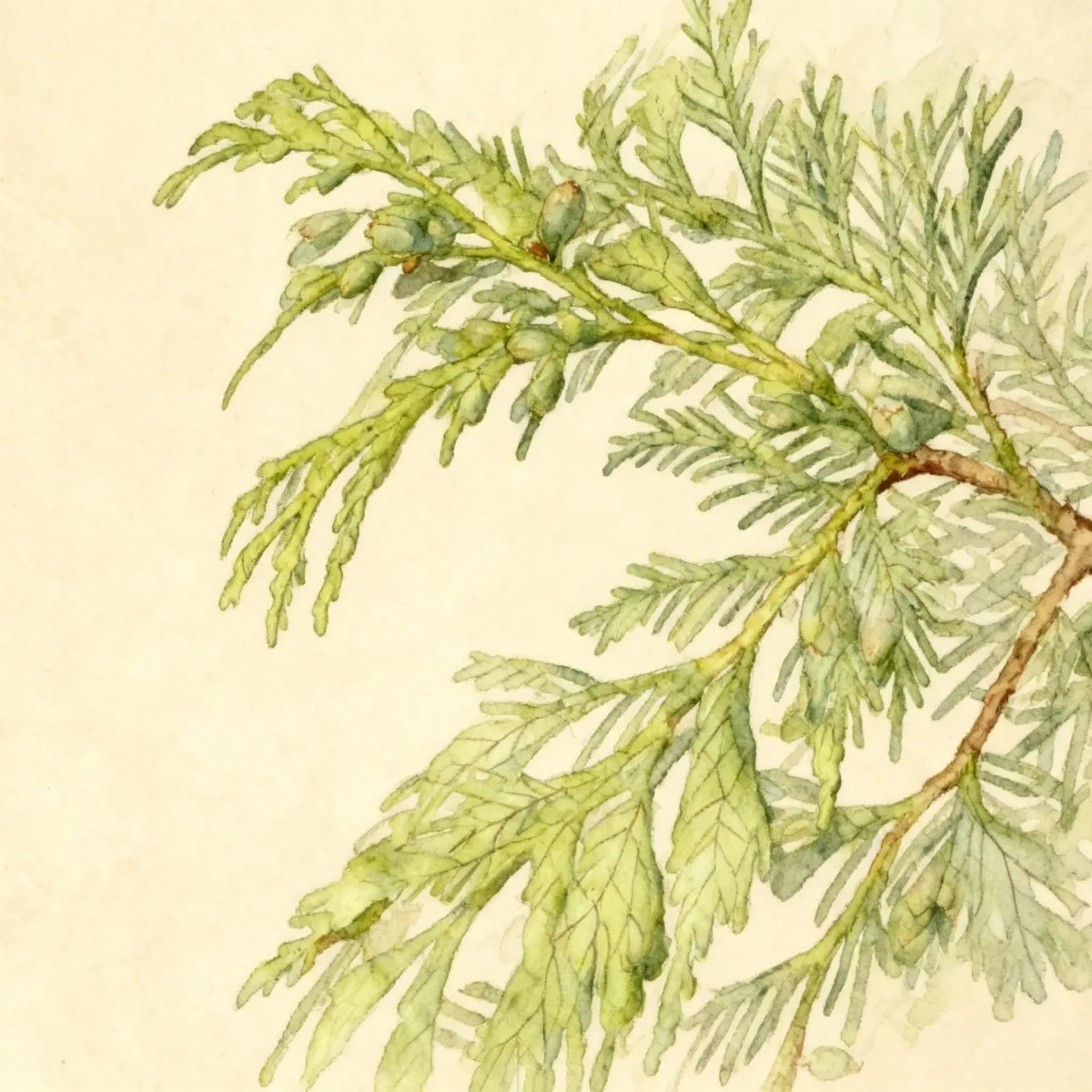
American arborvitae (Thuja occidentalis 'Filiformis')
The gracefully weeping Thuja occidentalis 'Filiformis' is a unique American arborvitae, perfect for adding texture in zones 2-7.
Scroll down to discover growing tips, care requirements, companion plants, and more
Complete Plant Information
Overview
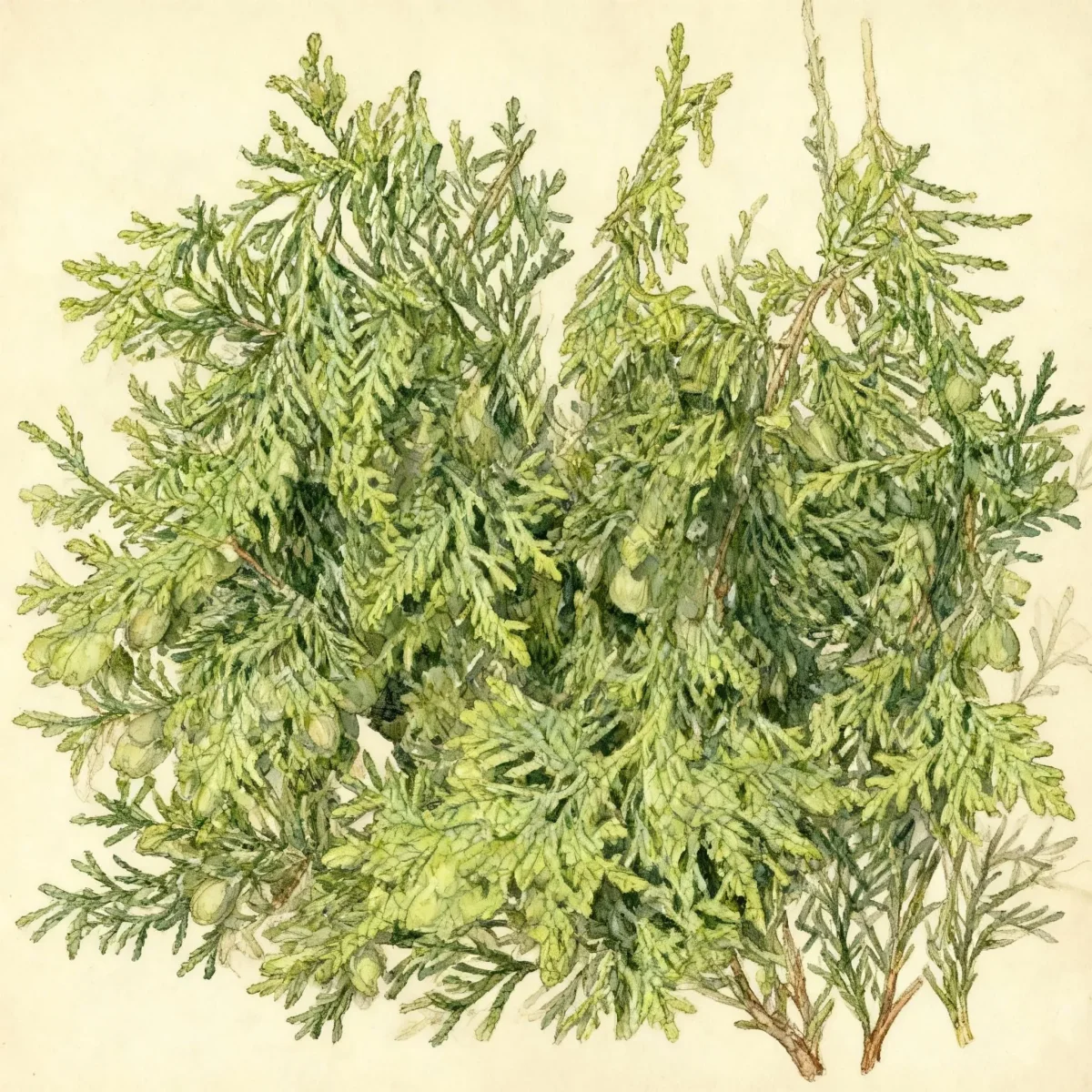
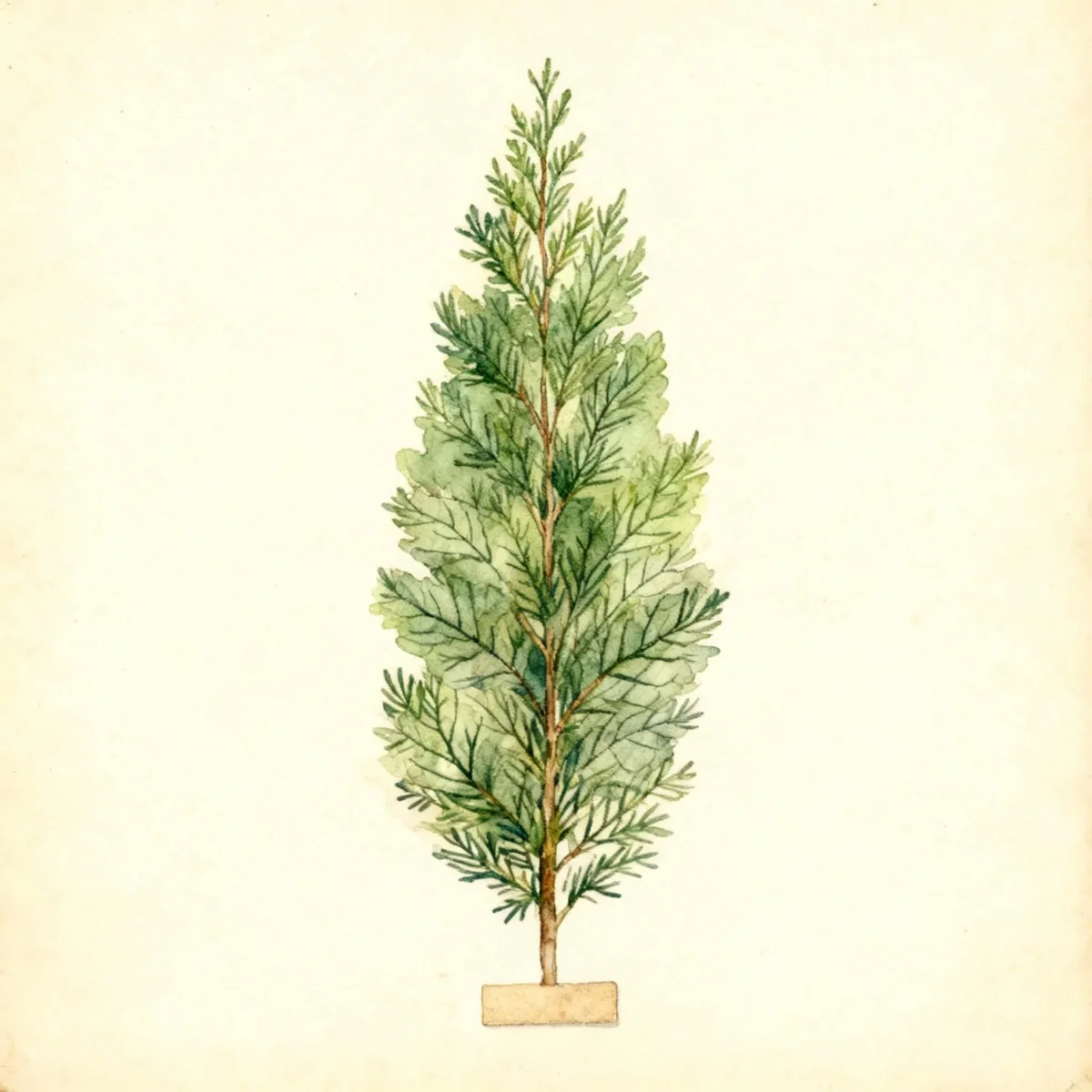
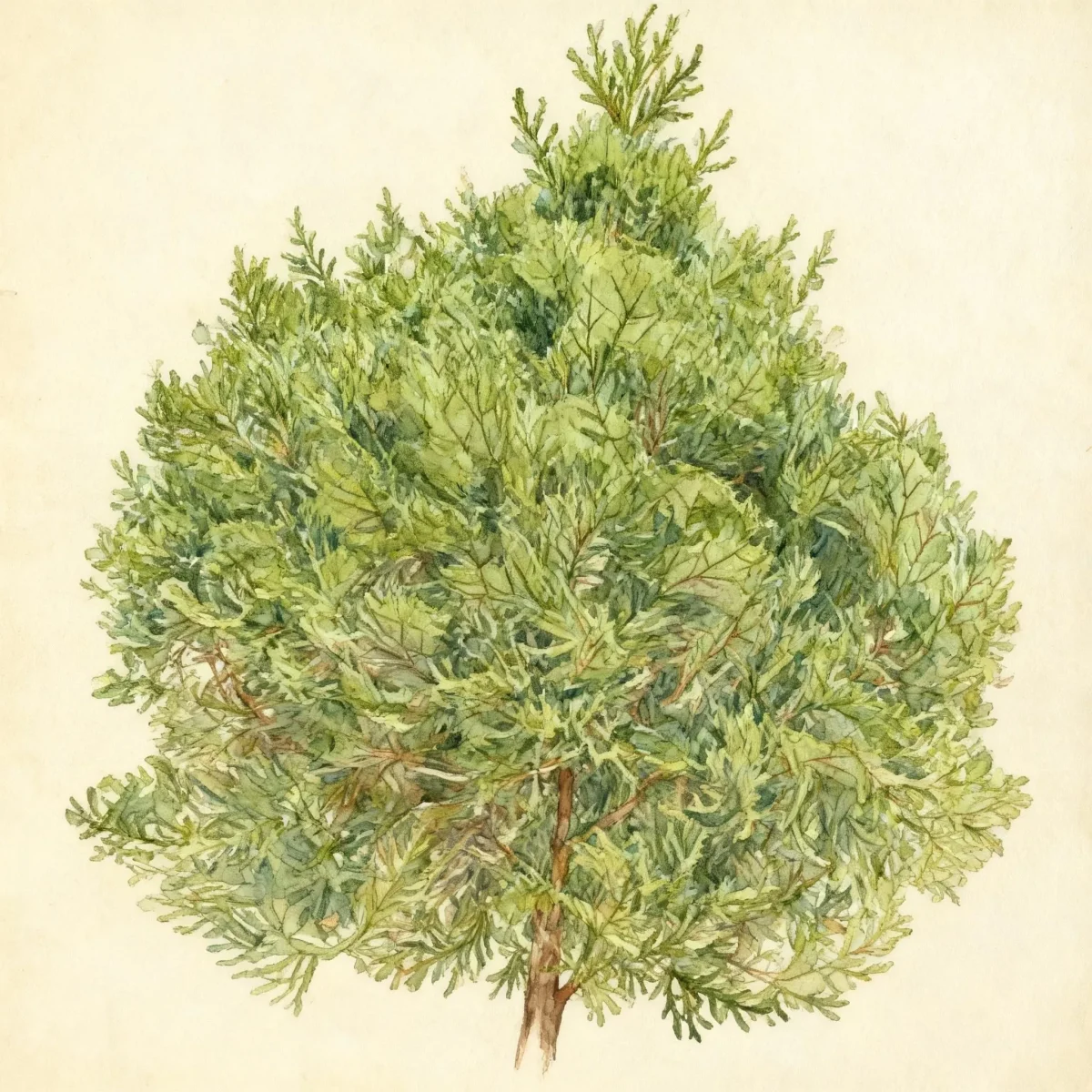
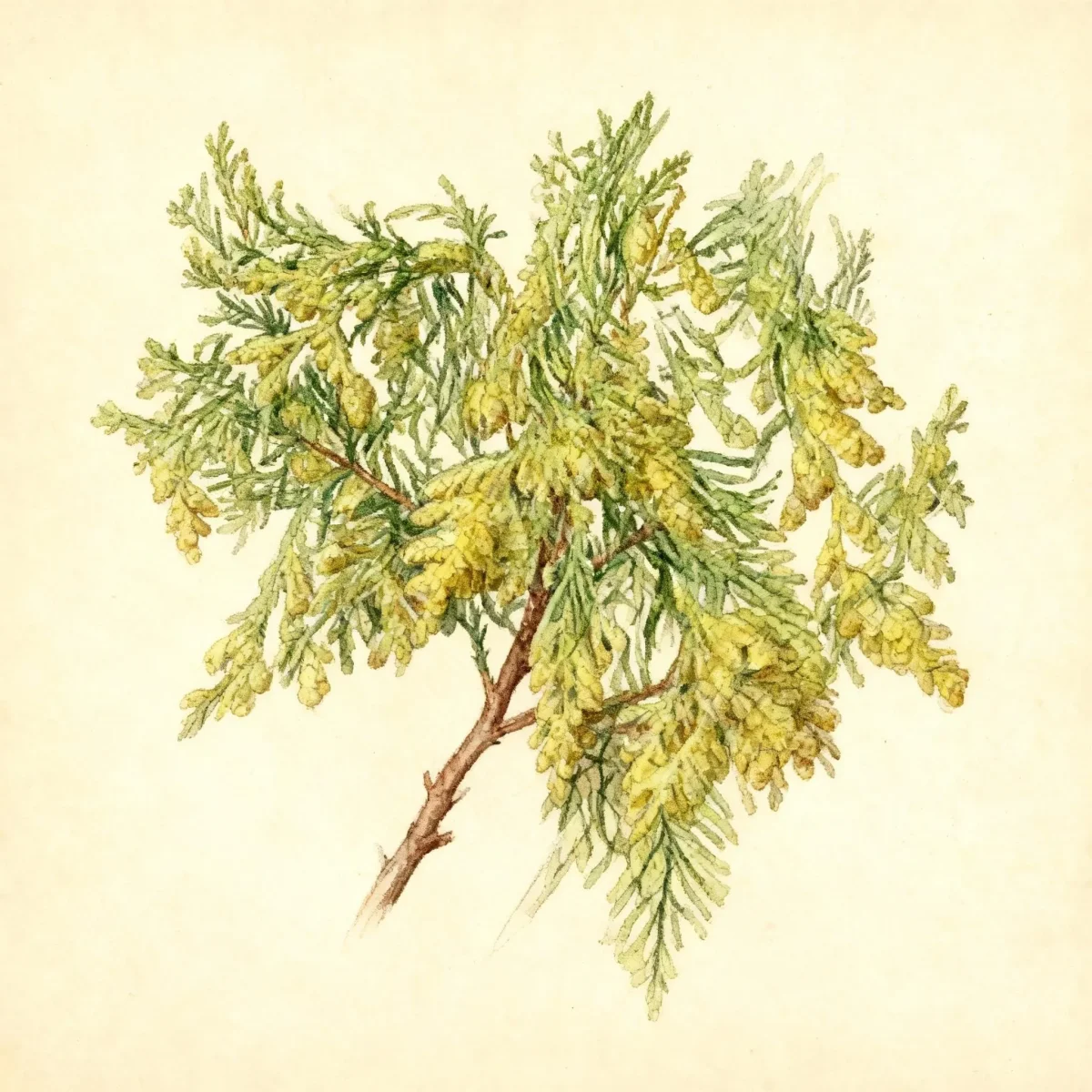
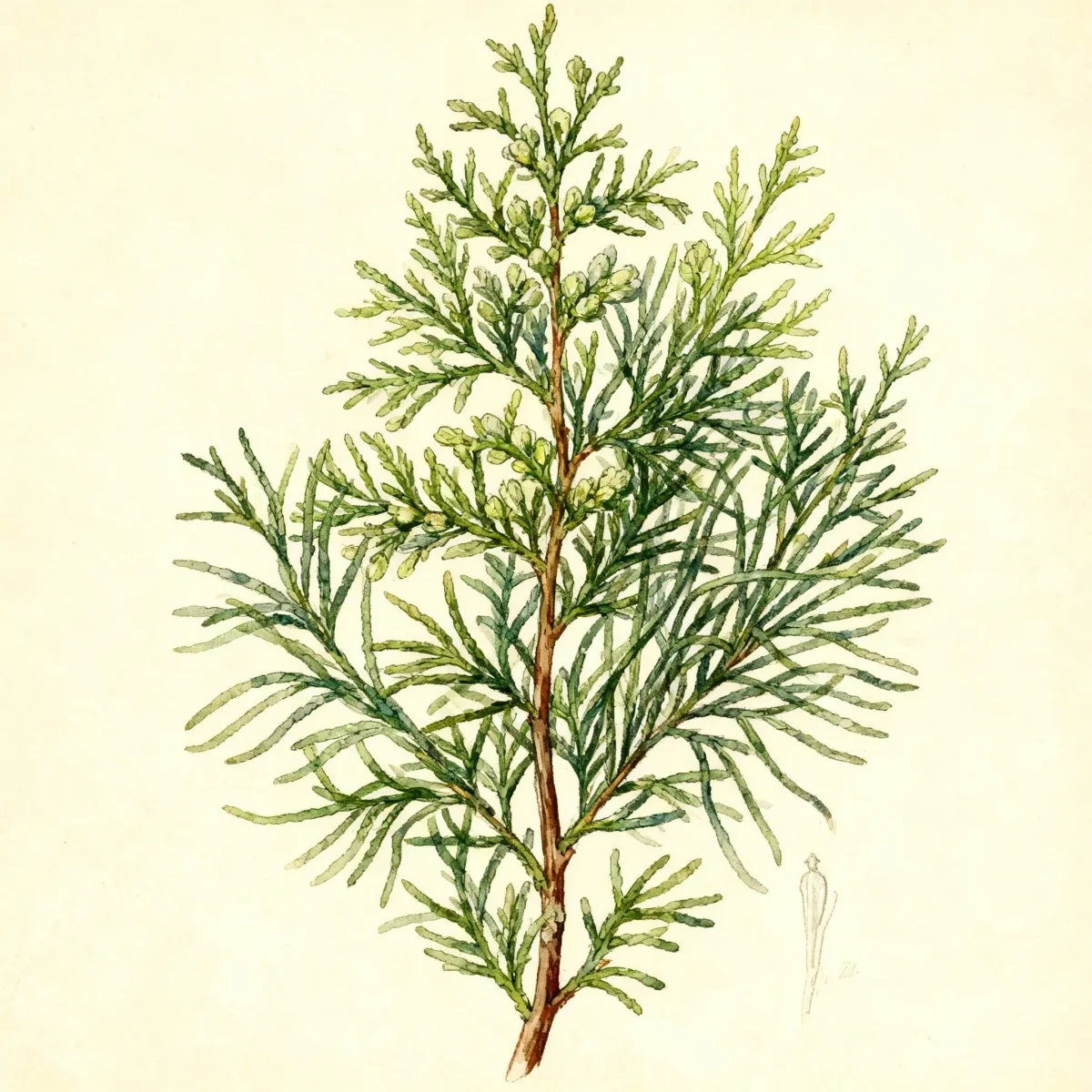
Thuja occidentalis ‘Filiformis’, often categorized generally as American arborvitae, provides exceptional texture for the landscape due to its distinctly weeping and thread-like branchlets. This cultivar offers a loose, upright-rounded to conical shape that matures gracefully, creating an unusually ornamental focal point when sited correctly. As a needled evergreen, it provides year-round structure and screening interest in garden designs.
This low-maintenance specimen thrives in locations receiving full sun to partial afternoon shade, making it versatile for various garden settings within its hardiness range. Its characteristic form distinguishes it from the denser, more traditional pyramidal habits often seen in other American arborvitae selections. Consider planting Thuja occidentalis ‘Filiformis’ where its pendulous foliage can contrast against formal plantings or brighter green foliage.
Gardeners appreciate the adaptability of this evergreen, as it handles challenging soil conditions better than many conifers. While requiring medium moisture, it settles into the landscape easily, demanding low input once established, solidifying its value as a reliable structural element.
Fast Facts
- Plant Family: Cupressaceae
- Plant Type: Needled evergreen
- Hardiness Zones: USDA Zones 2-7
- Size at Maturity:
- Height: 7-8 ft
- Spread: 3-4 ft
- Bloom Time: Non-flowering
- Bloom Description: Non-flowering
- Sun Exposure: Full sun to part shade
- Water Needs: Medium
- Maintenance Level: Low
How to Grow
Planting Thuja occidentalis ‘Filiformis’ should occur when soil conditions are moist, typically in spring or early fall, avoiding frozen ground. Select a site offering full sun, though light afternoon shade is appreciated in scorching summer climates. This American arborvitae exhibits a good range of soil tolerance but performs best in moist, well-drained loams that lean toward neutral or slightly alkaline pH.
Watering should remain consistent, ensuring medium moisture levels, especially during the establishment phase. This cultivar is intolerant of dry conditions, so regular irrigation is necessary until the root system is well-developed. Pruning is typically minimal; any shaping should be strategic to enhance the natural weeping habit rather than aggressive shearing.
Avoid planting Thuja occidentalis ‘Filiformis’ in overly exposed, windy locations, as this increases the risk of winter burn, which manifests as yellow-brown discoloration on the foliage. In winter, heavy snow and ice accumulation can cause stem breakage due to the dense, pendulous nature of the branchlets.
Landscape Uses
The compact, weeping habit of Thuja occidentalis ‘Filiformis’ makes it an excellent choice for specific architectural roles in the landscape. Due to its moderate size, it functions perfectly near foundations where a very large evergreen might overwhelm the structure, or placed as an accent specimen to draw the eye. It excels in shrub borders, providing a unique drooping texture that contrasts beautifully with upright or mounding perennials and shrubs.
When integrating this plant into design schemes, utilize light and dark foliage companions to emphasize the structure of the thread-like branchlets. Consider placing it near structural evergreens with stiffer needles, or use it to soften the edges of rock gardens. Its relatively small footprint at 3-4 feet wide allows it to be effectively used in smaller foundation plantings or as a unique, textured element in mixed evergreen groupings.
Standout Features
Noteworthy Characteristics
The parent species, Thuja occidentalis, is known commonly as American arborvitae, Eastern white cedar, or Northern white cedar, historically valued by early North American settlers. The cultivar ‘Filiformis’ displays a loose, upright-rounded to conical form characterized by an attractive weeping habit, with loose tufts of thread-like pendulous branchlets drooping toward the ground. It typically matures to 7-8 feet tall and 3-4 feet wide, offering unique seasonal interest that differs significantly from other cultivars.
Tolerances
- Clay Soil
- Black Walnut
- Air Pollution
Potential Problems
The foliage of Thuja occidentalis ‘Filiformis’ can occasionally be affected by leaf blight, leading to spotting and dropping of needles, while fungal canker is another potential concern requiring vigilance. Observation is key; look out for signs of leaf miner damaging the tips of the foliage. Periodically inspect this American arborvitae for common pests like bagworms, mealybugs, scales, and spider mites, treating isolated infestations promptly.
To mitigate winter appearance issues, site the plant away from harsh, exposed winds where foliage desiccation or winter burn (yellow-brown tipping) is common. Furthermore, due to its weeping structure, snow and ice load can lead to stem breakage; gently remove heavy accumulations if necessary to protect the branch structure. Ensuring proper soil moisture helps maintain overall plant vigor, offering better natural resistance to stress-related disorders.
Frequently Asked Questions
What hardiness zones is American arborvitae (Thuja occidentalis ‘Filiformis’) suitable for?
This valuable evergreen is suitable for USDA Hardiness Zones 2 through 7, offering reliable cold tolerance.
How large does American arborvitae (Thuja occidentalis ‘Filiformis’) grow?
It reaches a mature height between 7 and 8 feet tall with a relatively narrow spread of 3 to 4 feet wide.
What sun exposure does American arborvitae (Thuja occidentalis ‘Filiformis’) need?
It performs best when situated where it receives full sun, though it can tolerate part shade, especially in hotter summer locations.
When does American arborvitae (Thuja occidentalis ‘Filiformis’) bloom?
This plant is categorized as Non-flowering, meaning it does not produce noticeable flowers or decorative blooms.
Conclusion
The Thuja occidentalis ‘Filiformis’ stands out in any garden due to its uniquely weeping, thread-like foliage, offering year-round green texture with low maintenance demands. This specific form of American arborvitae is perfect for compact spaces needing year-round green structure. Ensure your planting site offers medium moisture and check your local USDA zone rating before purchasing to guarantee success with your new specimen.
Companion Planting
Selecting companions for Thuja occidentalis ‘Filiformis’ should focus on contrasting texture and form rather than competing for moisture. Pair this delicate evergreen with plants exhibiting bold, broad leaves, such as Hostas, especially those with chartreuse or blue foliage, which complement the green tones of the arborvitae. For year-round structure, cluster ‘Filiformis’ near plants with stiff, narrow needles or strongly upright growth habits, like certain narrow junipers or dwarf Alberta spruce varieties, enhancing the visual impact of its cascading branches.
Seasonal Care Calendar
Springtime care involves checking the soil moisture after winter thaw and applying a slow-release balanced fertilizer if growth seems sluggish, though heavy feeding is rarely required for this low-maintenance plant. Summer heat requires monitoring moisture levels, as this American arborvitae is intolerant of drought; supplemental watering may be crucial during dry spells. Autumn prepares the plant for winter dormancy; ensure it is adequately watered before the ground freezes solid to prevent winter burn caused by dry roots combined with wind exposure.