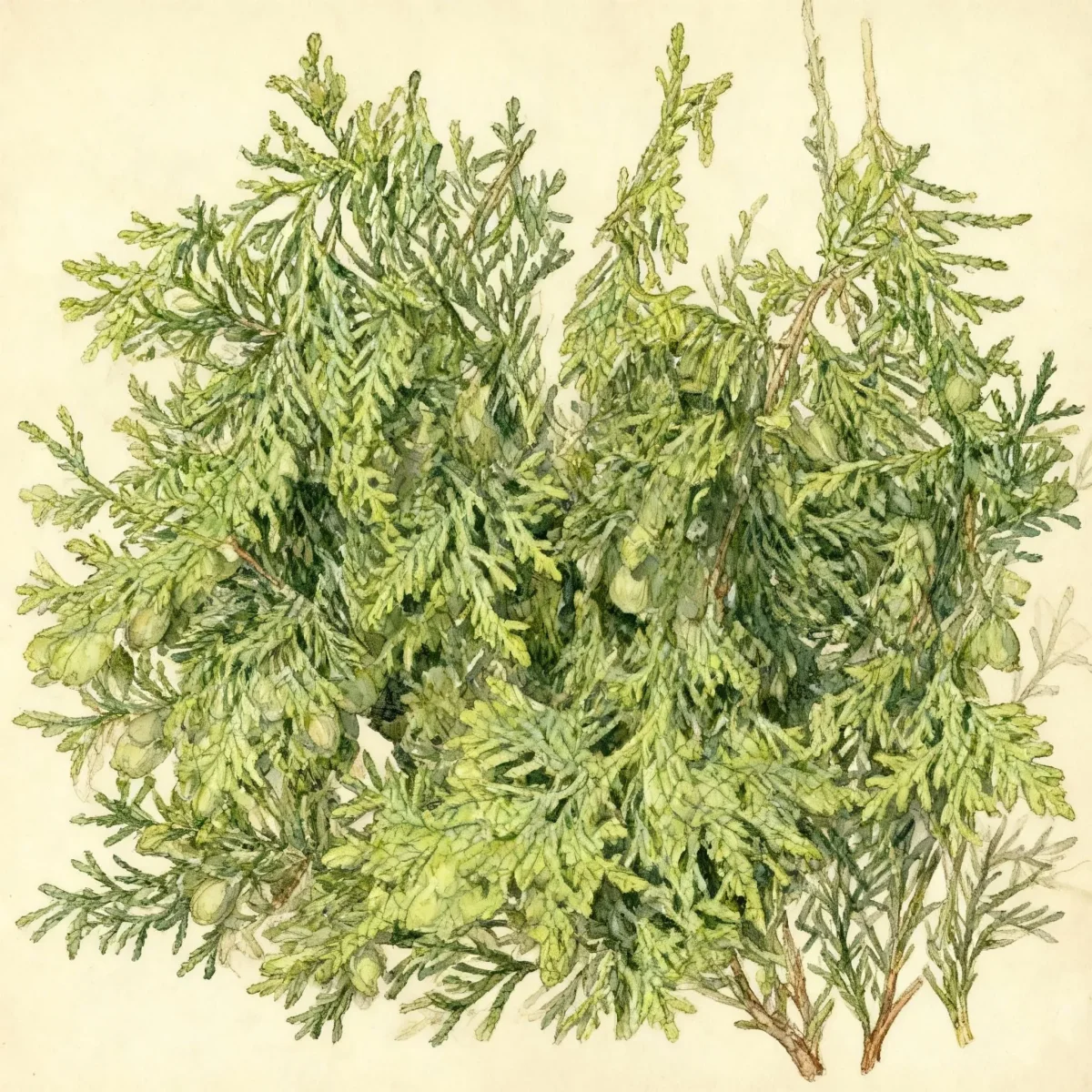
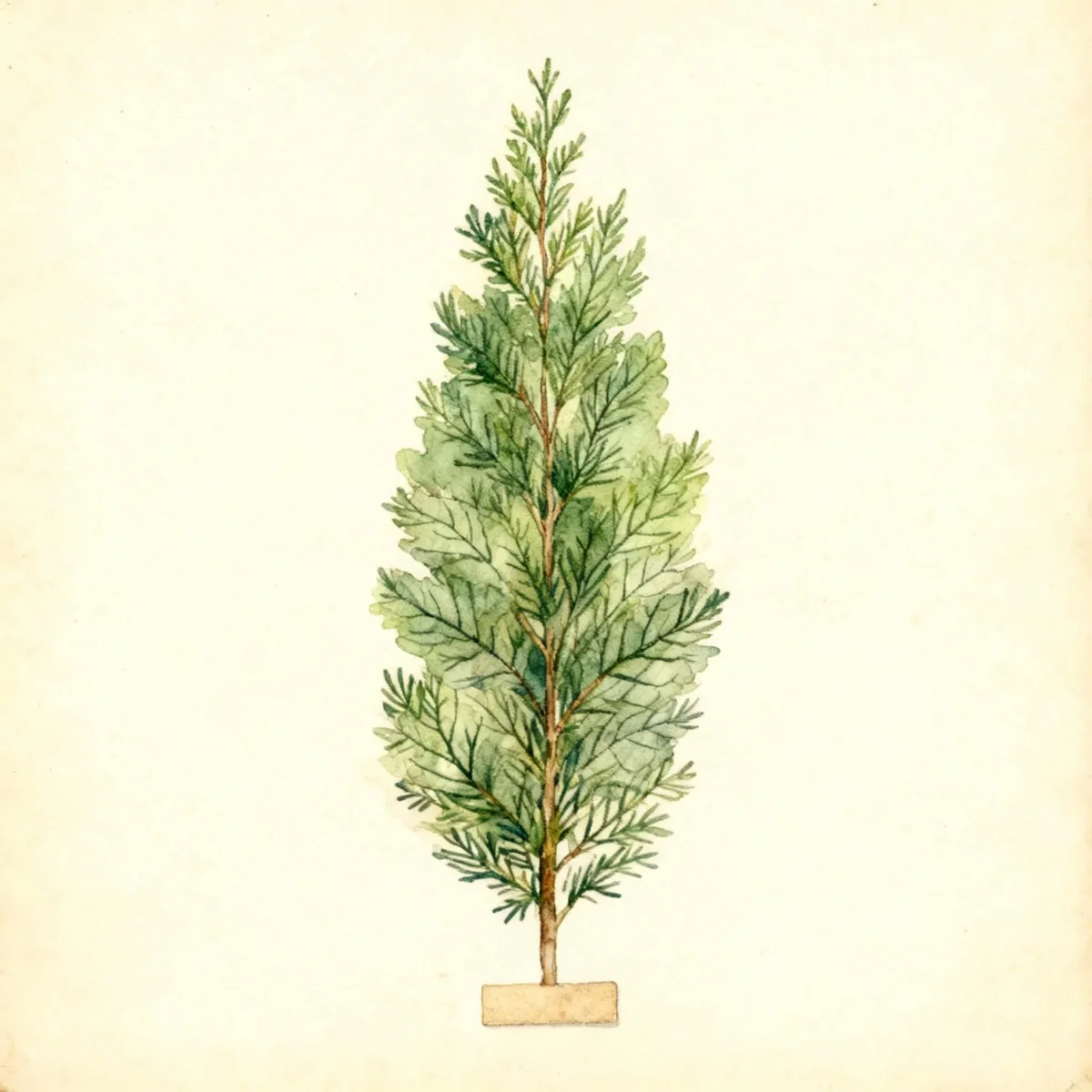
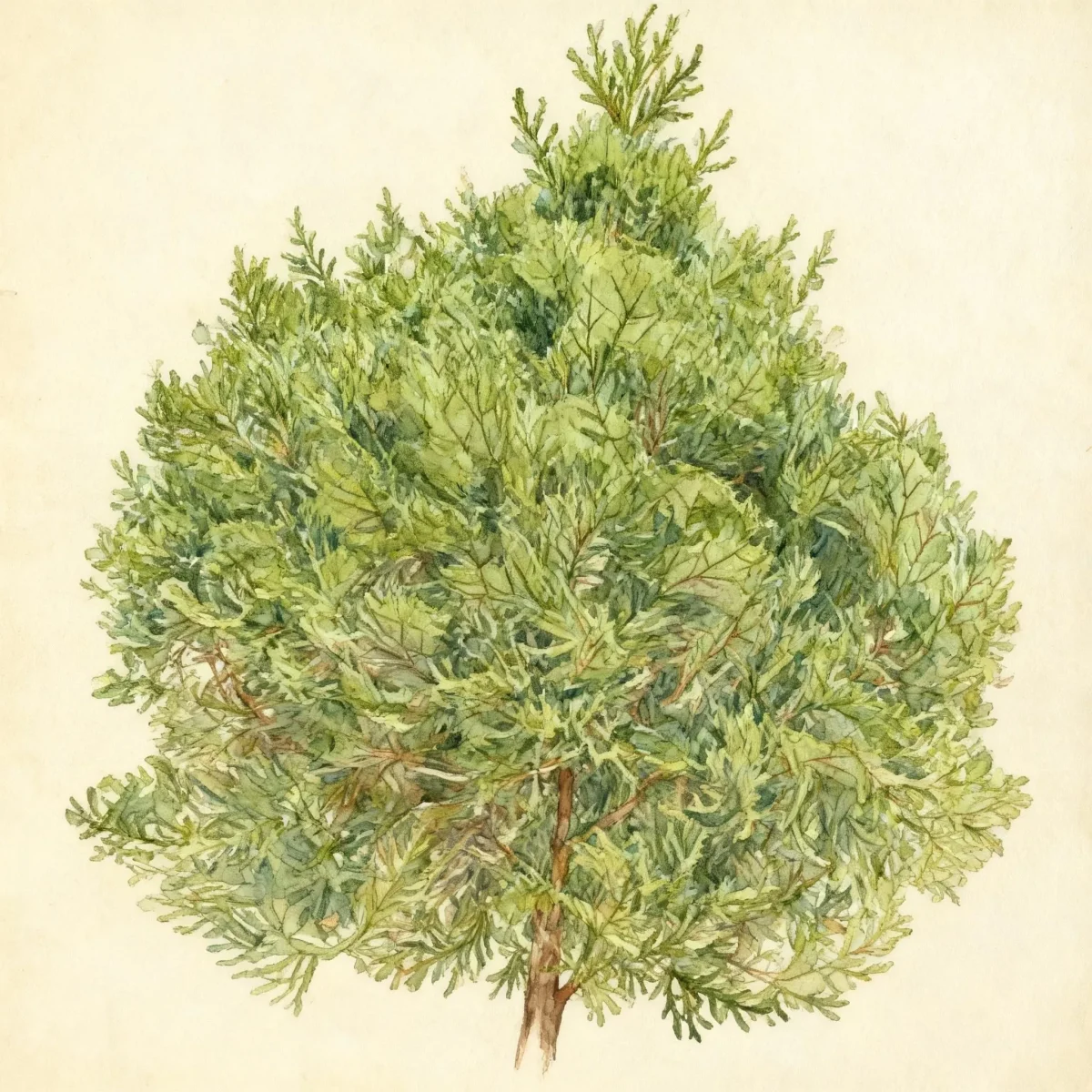
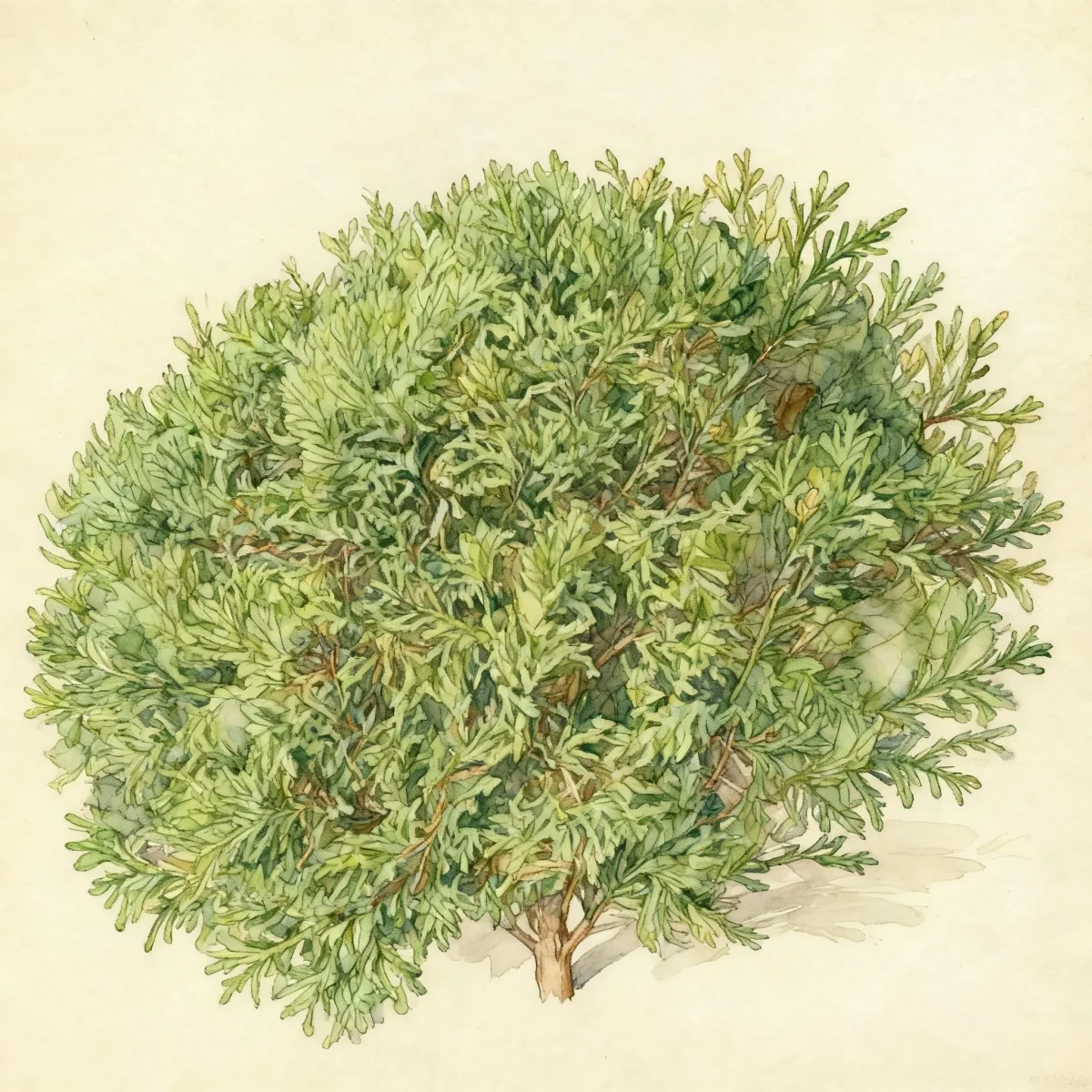
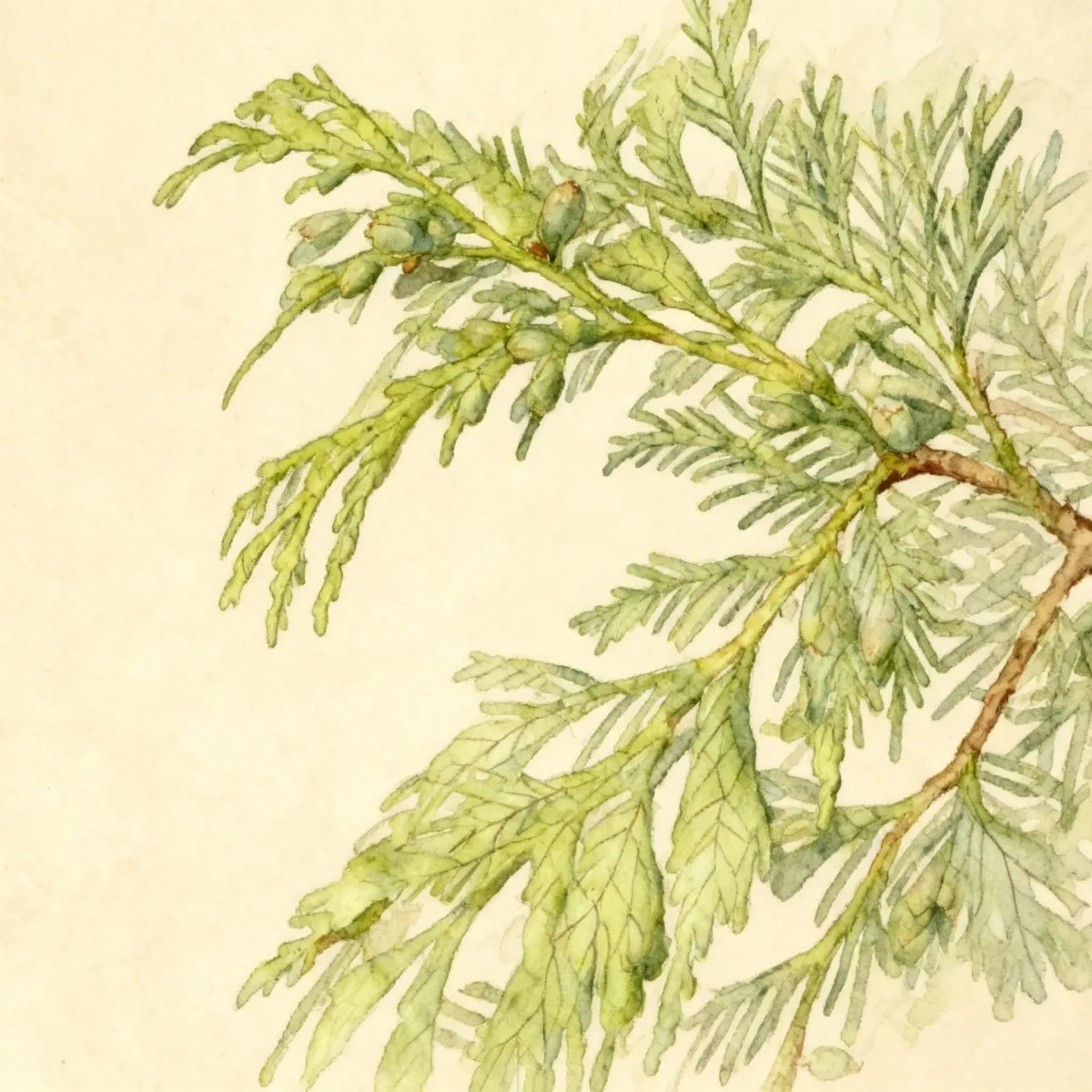
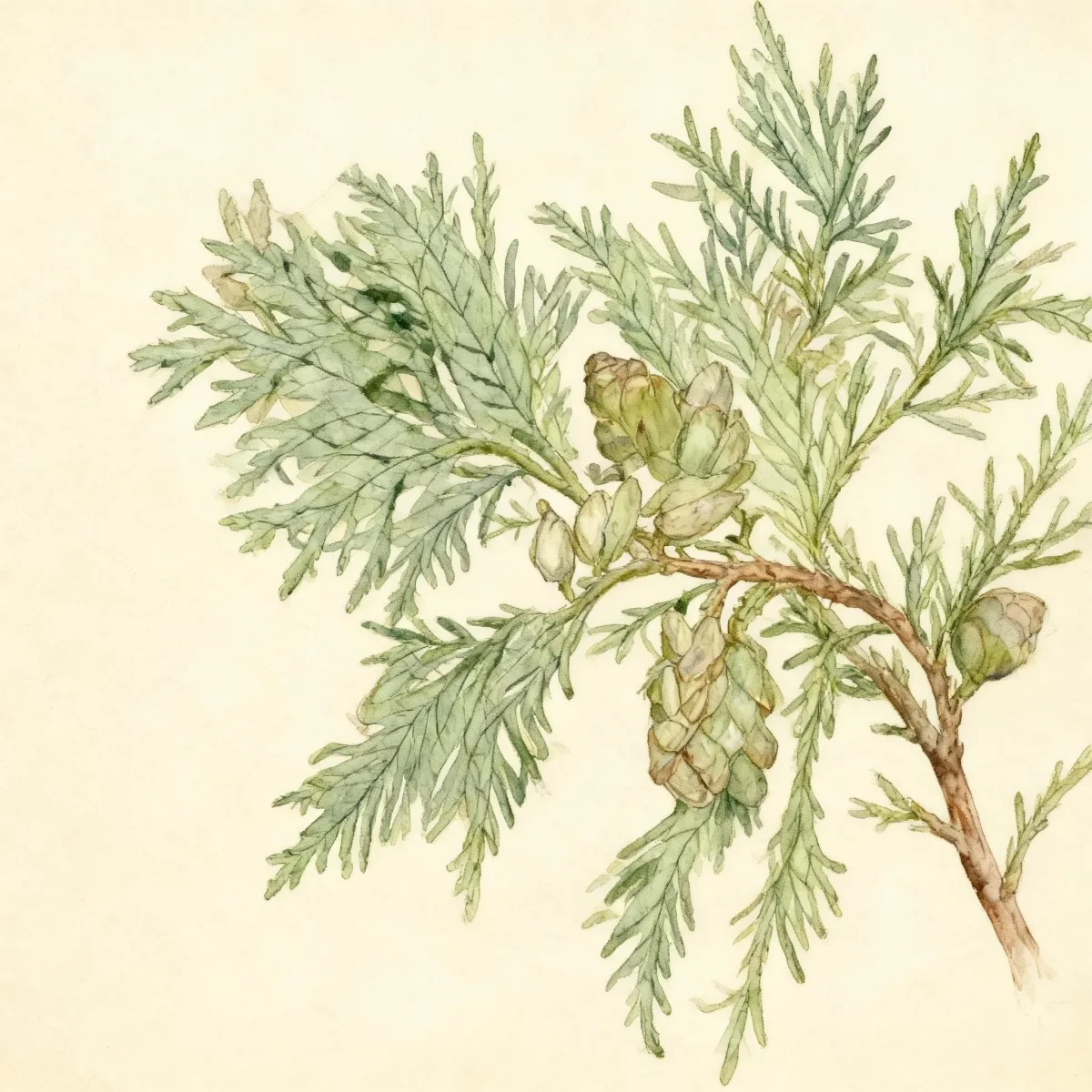
American arborvitae (Thuja occidentalis 'Golden Globe')
Thuja occidentalis 'Golden Globe' is a dense, dwarf American arborvitae offering soft yellow foliage and low maintenance needs.
Scroll down to discover growing tips, care requirements, companion plants, and more
Complete Plant Information
Overview
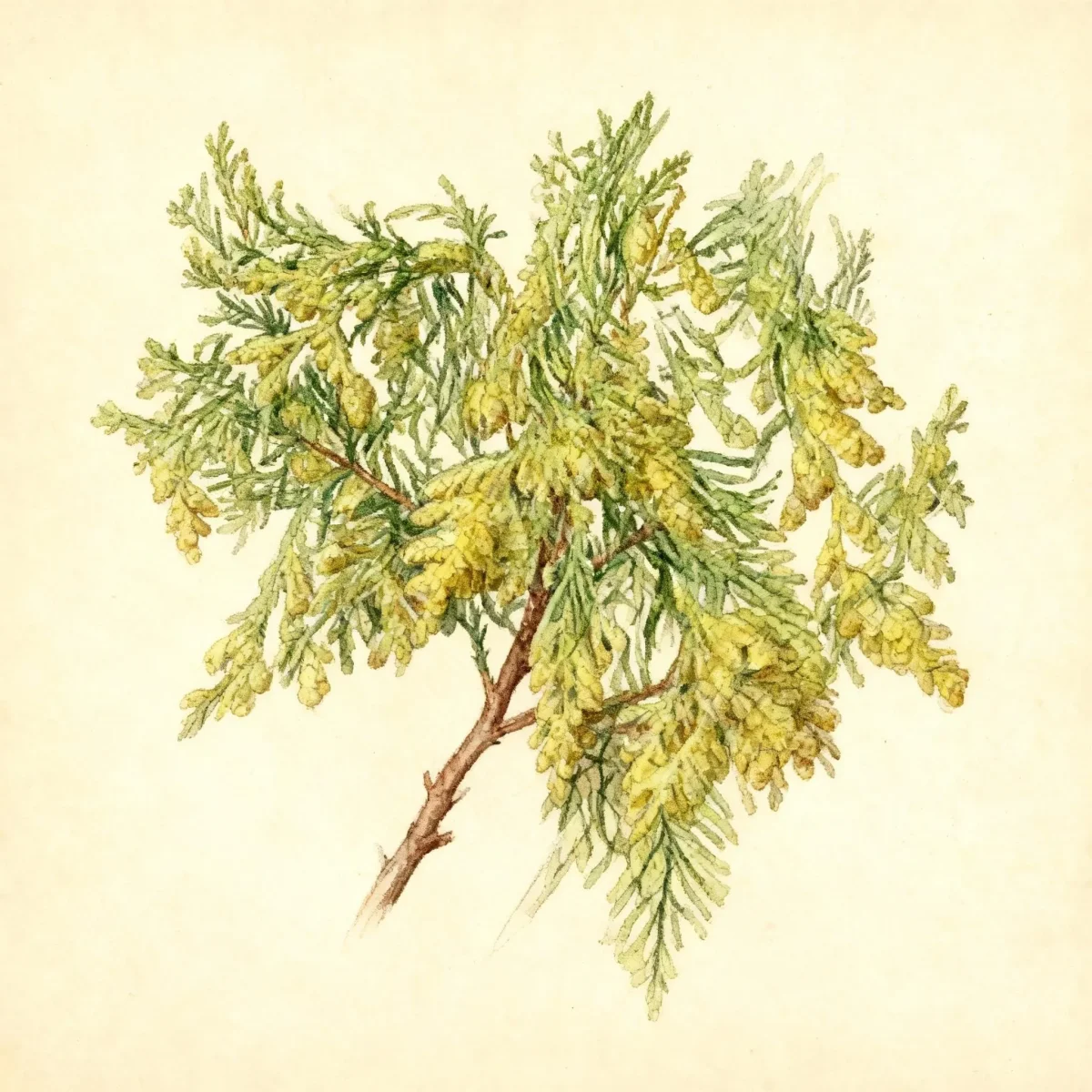
Thuja occidentalis ‘Golden Globe’, commonly known as the American arborvitae, is a highly valued dwarf cultivar perfect for adding bright, year-round color to smaller landscapes. This cultivar maintains a dense, rounded, globular form, distinguishing it from the naturally conical larger species. Its soft, scale-like foliage presents a distinct yellow hue, providing excellent contrast when placed near darker green shrubs.
This evergreen offers significant aesthetic appeal with minimal input from the gardener, boasting a low maintenance requirement. It is adaptable across a wide range of conditions, thriving best when provided with consistent moisture and protection from extreme dryness.
The compact sizing makes the Thuja occidentalis ‘Golden Globe’ exceptionally versatile, functioning well as defining accents, low borders, or foundation plantings where space is limited. Gardeners appreciate its proven hardiness and the consistent seasonal color provided by the classic American arborvitae lineage.
Fast Facts
- Plant Family: Cupressaceae
- Plant Type: Needled evergreen
- Hardiness Zones: USDA Zones 2-8
- Size at Maturity:
- Height: 2-4 ft
- Spread: 2-4 ft
- Bloom Time: Non-flowering
- Bloom Description: Non-flowering
- Sun Exposure: Full sun to part shade
- Water Needs: Medium
- Maintenance Level: Low
How to Grow
Planting should ideally occur in spring or fall when temperatures are moderate, allowing the Thuja occidentalis ‘Golden Globe’ to establish its root system before facing seasonal extremes. Select a location offering full sun, or accommodate light afternoon shade in intensely hot climates, ensuring the soil is well-drained. While tolerant of various soil types, this American arborvitae performs best in moist, neutral to alkaline, well-drained loams. Strongly avoid areas prone to dryness.
Water requirements are medium; ensure consistent moisture, especially during establishment and dry summer spells, as it is intolerant of drought conditions. Pruning is minimal due to its naturally neat, globular shape; only occasional light shaping is necessary. Avoid pruning too late in the season.
For seasonal care, ensure winter protection from heavy ice or snow accumulation, as the dense branches are susceptible to breakage. While the foliage can show some winter burn (turning yellow-brown) in highly exposed, windy sites, proper placement mitigates this risk. Minimize planting in full shade, as this significantly reduces foliage density.
Landscape Uses
The compact nature of Thuja occidentalis ‘Golden Globe’ makes it an ideal choice for creating low, formal hedging or informal, colorful borders along walkways and property lines. Its vibrant yellow color ensures it acts as a superb specimen or accent plant wherever a strong focal point is needed in foundation plantings.
This shrub pairs aesthetically with deep green or blue-toned evergreens, providing dynamic color contrast throughout the year. Consider planting beneath taller specimens, like upright pines, where the ‘Golden Globe’ can serve as a colorful foreground element. Its reliability in varied soil conditions, including clay, further solidifies its role as a foundation planting workhorse.
Standout Features
Noteworthy Characteristics
Thuja occidentalis, commonly known as American arborvitae, is typically an evergreen tree native to eastern North America, often reaching significant heights in the wild. The ‘Golden Globe’ is a dwarf, dense cultivar specifically bred for its rounded, globular form and brilliant soft yellow, scale-like foliage held in flat sprays. Urn-shaped cones maturing to reddish-brown appear in autumn, adding minor seasonal interest to this low-growing shrub.
Tolerances
- Clay Soil
- Black Walnut
- Air Pollution
Potential Problems
While generally robust, Thuja occidentalis ‘Golden Globe’ can occasionally suffer from several issues, primarily related to moisture and exposure. Leaf blight can lead to spotting and subsequent foliage drop, while canker requires monitoring, although pruning out affected limbs is often sufficient management. Pests like leaf miners, bagworms, scales, and spider mites may occasionally infest the plant tips. To mitigate winter burn, ensure the plant is protected from harsh, desiccating winter winds; choosing a slightly sheltered site is crucial for maintaining optimal yellow coloration.
Frequently Asked Questions
What hardiness zones is American arborvitae suitable for?
The Thuja occidentalis ‘Golden Globe’ is exceptionally hardy, suitable for USDA Zones 2 through 8.
How large does Thuja occidentalis ‘Golden Globe’ grow?
This cultivar typically matures into a compact shrub, reaching a height and spread between 2 to 4 feet.
What sun exposure does Thuja occidentalis ‘Golden Globe’ need?
For the best density and foliage color, this American arborvitae requires full sun, though it tolerates part shade.
When does Thuja occidentalis ‘Golden Globe’ bloom?
This species is non-flowering; it is cultivated primarily for its evergreen foliage and form rather than its blooms.
Conclusion
The Thuja occidentalis ‘Golden Globe’ offers gardeners a low-maintenance, vibrantly colored dwarf evergreen perfect for adding year-round structure and brightness. As a highly adaptable American arborvitae cultivar, its resistance to certain pollutants and soil types makes the selection of Thuja occidentalis ‘Golden Globe’ a highly practical landscaping choice. Before planting, always confirm your local hardiness zone suitability and aim for well-drained soil preparation.
Companion Planting
Due to its medium moisture needs and preference for sun, this dwarf American arborvitae pairs beautifully with plants requiring similar conditions but offering contrasting texture or color. Consider pairing it with darker green, fine-textured evergreens like Japanese Yew (Taxus cuspidata) cultivars for stunning visual depth. Low-growing, mounding groundcovers that prefer neutral to slightly alkaline soil, such as creeping Phlox or certain Sedums, make excellent textural companions beneath the globular foliage of Thuja occidentalis ‘Golden Globe’.
Container Growing
Although they naturally remain compact, Thuja occidentalis ‘Golden Globe’ can be successfully grown in containers for patio or deck accents, provided the vessel is large enough to accommodate its mature spread of 2-4 feet across multiple years. Choose a high-quality potting mix amended with compost for good drainage, and be meticulous about winter protection, as containerized roots are far more susceptible to freezing than those in the ground. Ensure the soil remains consistently medium in moisture throughout the growing season, monitoring containers more frequently than beds.