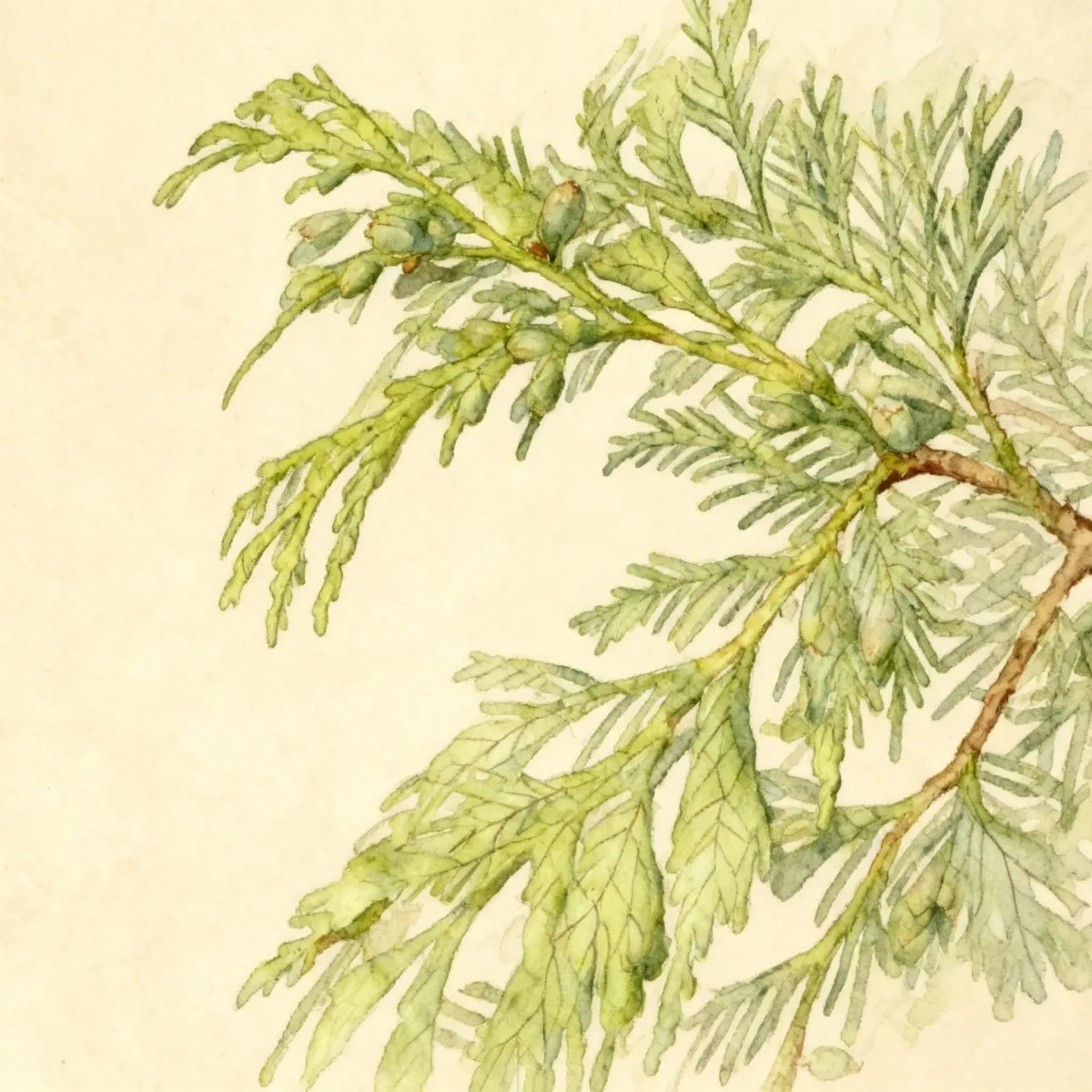
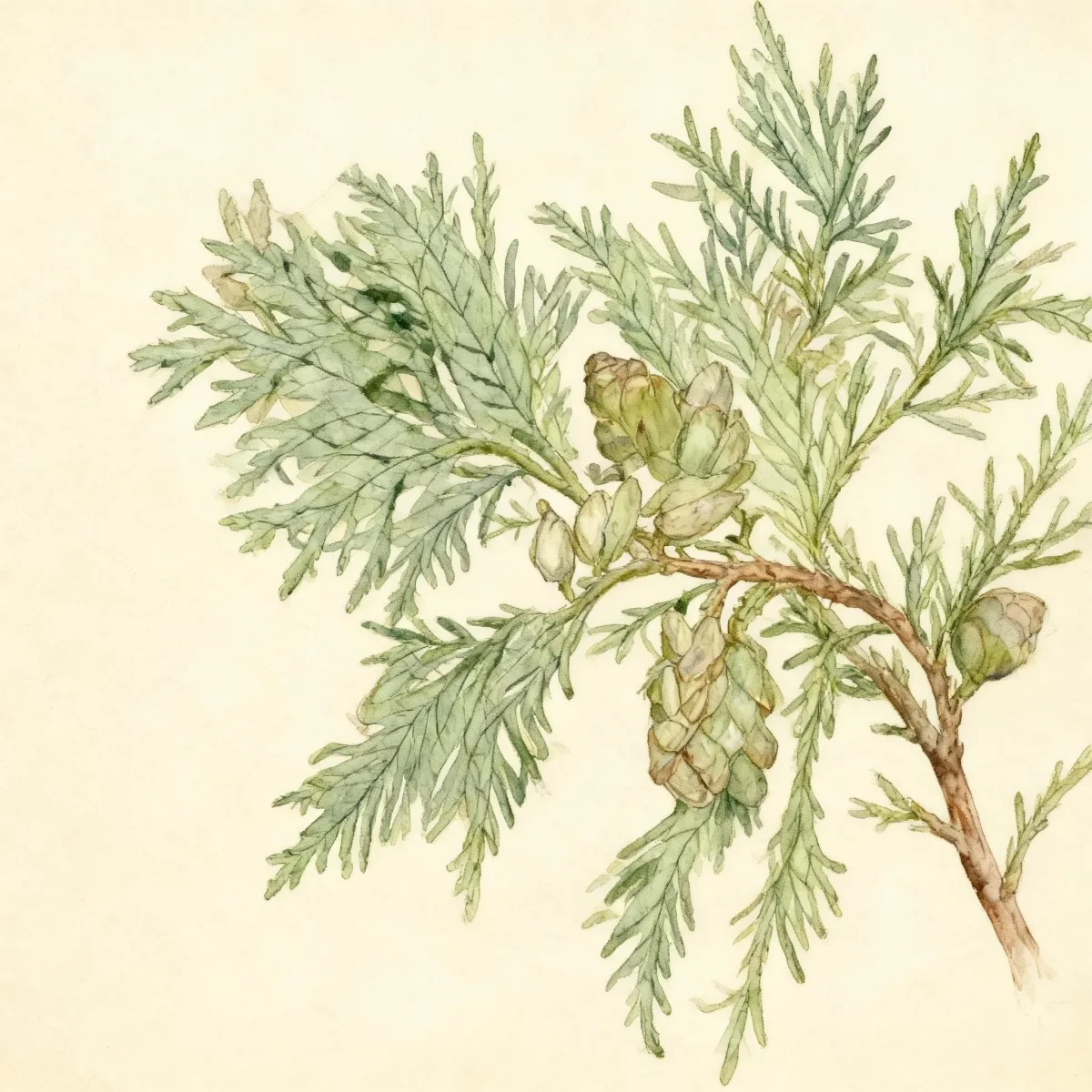
American arborvitae (Thuja occidentalis 'Hetz Midget')
Thuja occidentalis 'Hetz Midget' is a sturdy, globe-shaped dwarf American arborvitae perfect for small spaces. Low maintenance and shade tolerant.
Scroll down to discover growing tips, care requirements, companion plants, and more
Complete Plant Information
Overview
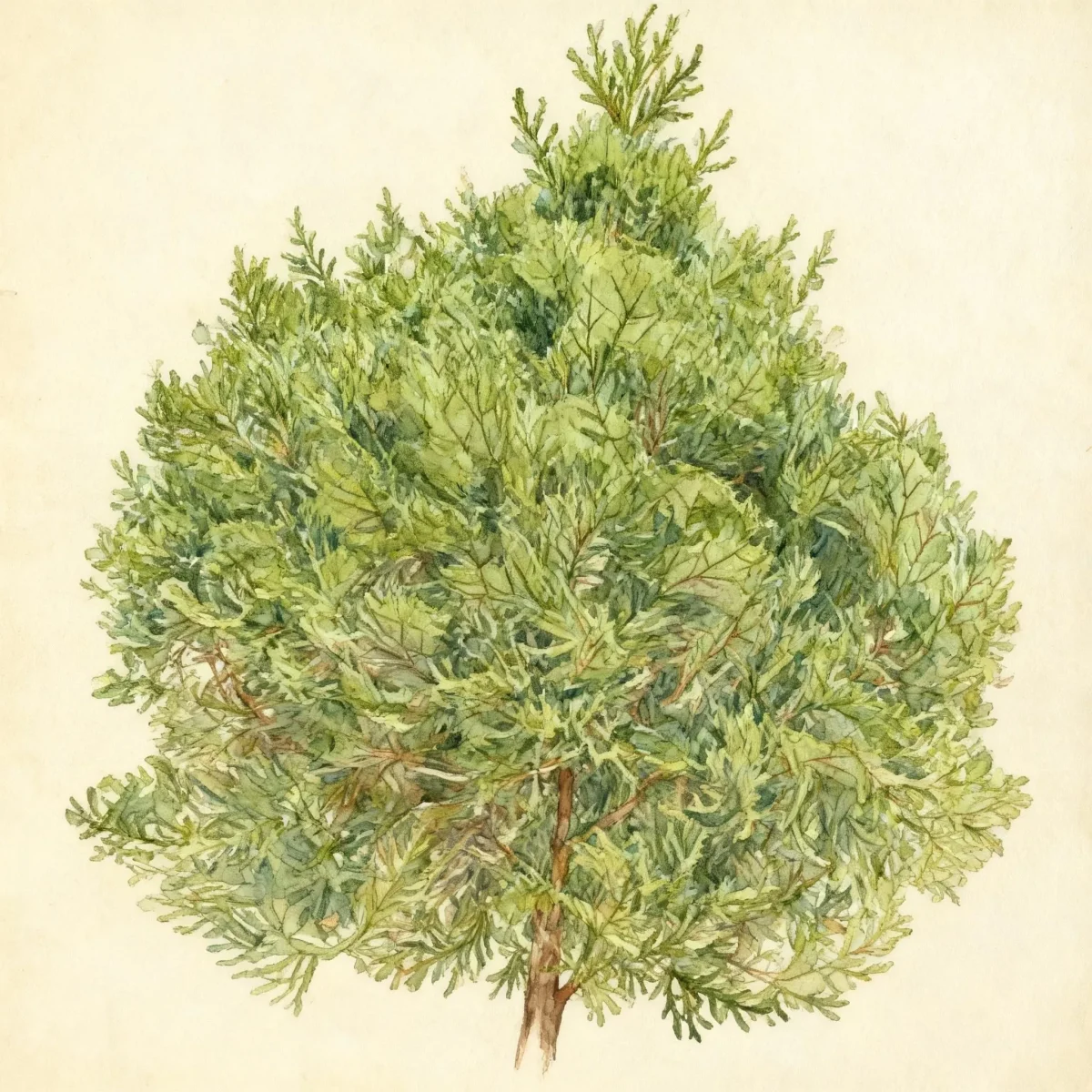
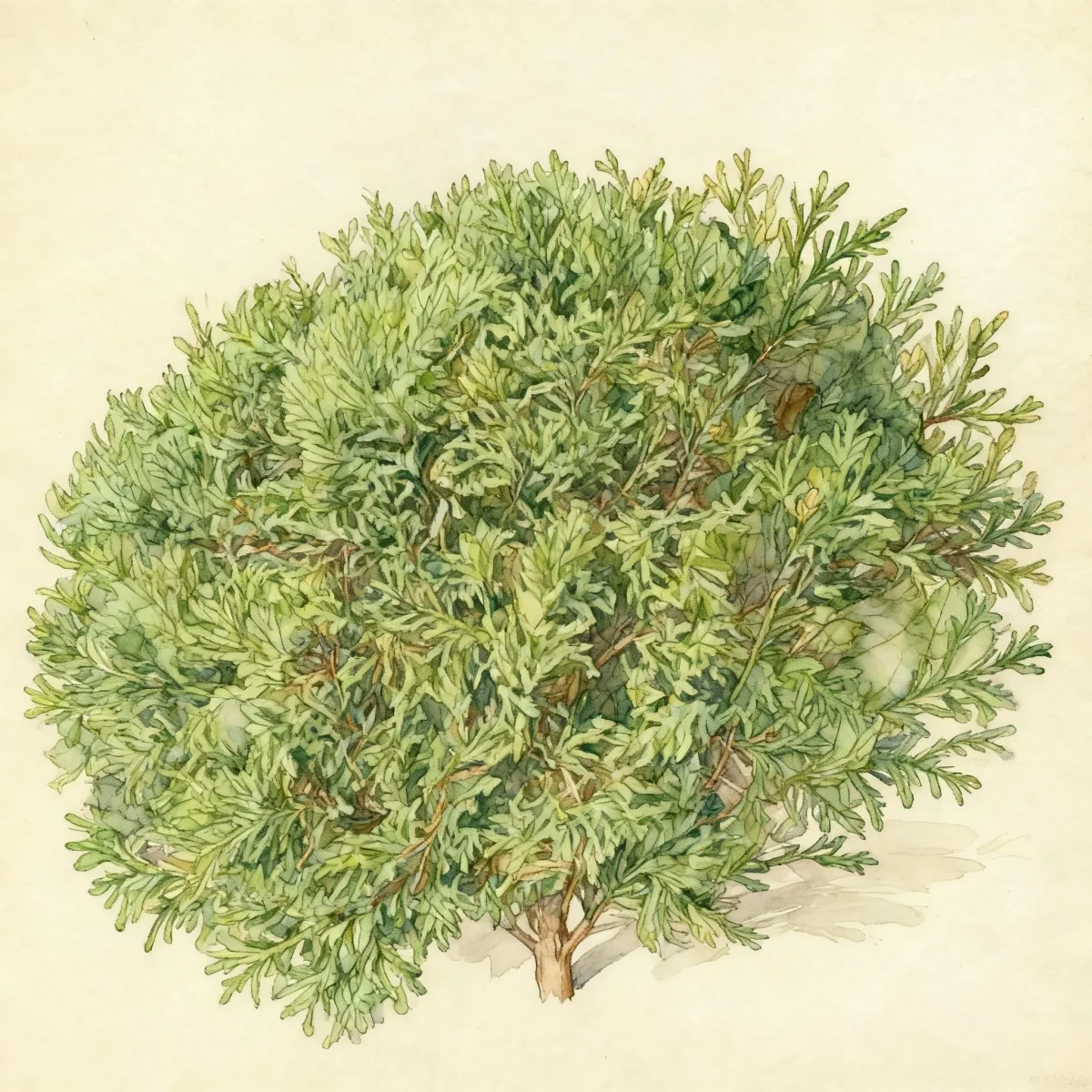
Thuja occidentalis ‘Hetz Midget’ offers exceptional year-round structure in a conveniently compact form, making it a premium choice among dwarf conifers. As a highly desirable cultivar of the American arborvitae, this selection maintains a dense, globe-shaped habit without the need for significant pruning. Its slow growth rate ensures it stays perfectly situated in foundation plantings or rock gardens for years to come.
This robust needled evergreen thrives across a remarkably wide range of conditions, exhibiting impressive toughness once established. While it prefers consistent moisture, its low maintenance level appeals to gardeners seeking reliable, long-term structure. The blue-green, scale-like foliage provides excellent texture contrast against broader-leaved perennials.
The practicality of Thuja occidentalis ‘Hetz Midget’ extends to its adaptability, tolerating poor soil and urban pollution better than many ornamentals. Gardeners value this specific American arborvitae for its ability to anchor small spaces, serving as an evergreen punctuation mark where formal evergreens would grow too large.
Fast Facts
- Plant Family: Cupressaceae
- Plant Type: Needled evergreen
- Hardiness Zones: USDA Zones 2-7
- Size at Maturity:
- Height: 3-4 ft
- Spread: 4-5 ft
- Bloom Time: Non-flowering
- Bloom Description: Non-flowering
- Sun Exposure: Full sun to part shade
- Water Needs: Medium
- Maintenance Level: Low
How to Grow
The best time to plant Thuja occidentalis ‘Hetz Midget’ is typically in the spring or early fall, allowing the roots time to establish before seasonal extremes. When siting this American arborvitae, ensure the spot gets full sun, although light afternoon shade is acceptable, particularly in hotter climates. While this cultivar shows some tolerance for various soils, it fares best when planted in average, medium-moisture, well-drained loams that are neutral to slightly alkaline.
Watering needs for the globe-shaped Thuja occidentalis ‘Hetz Midget’ are medium; consistency is key. Although established plants are somewhat drought-tolerant, they are intolerant of consistently dry conditions, so water deeply, especially during the first year or during dry spells. Fertilization is rarely necessary as the low maintenance requirement dictates minimal intervention; however, a balanced, slow-release feed in early spring can boost vigor if soil is exceptionally poor.
This cultivar generally requires minimal pruning to maintain its neat, globe shape. If shaping is desired, light trimming of the new growth in late winter or early spring is appropriate. Remember that heavy pruning, especially cutting into old wood, should be avoided as regrowth can be slow. Always avoid planting in exposed, windy sites, as this increases the risk of winter burn damaging the foliage.
Landscape Uses
The compact, dense form of Thuja occidentalis ‘Hetz Midget’ makes it an invaluable element in detailed landscape designs. Its slow growth and small stature are perfect for softening the corners of foundations without overpowering the architectural lines of the home. These plants excel when used in formal or semi-formal settings where symmetry is desired.
Beyond foundations, this dwarf American arborvitae is highly recommended for rock gardens, providing essential dark, year-round color contrast against stone and lighter-colored perennials. Groupings of three or five Thuja occidentalis ‘Hetz Midget’ create an effective low border or transition planting leading up to taller specimens. Since they provide evergreen screening where space is limited, they are excellent substitutes for larger screening shrubs.
Standout Features
Noteworthy Characteristics
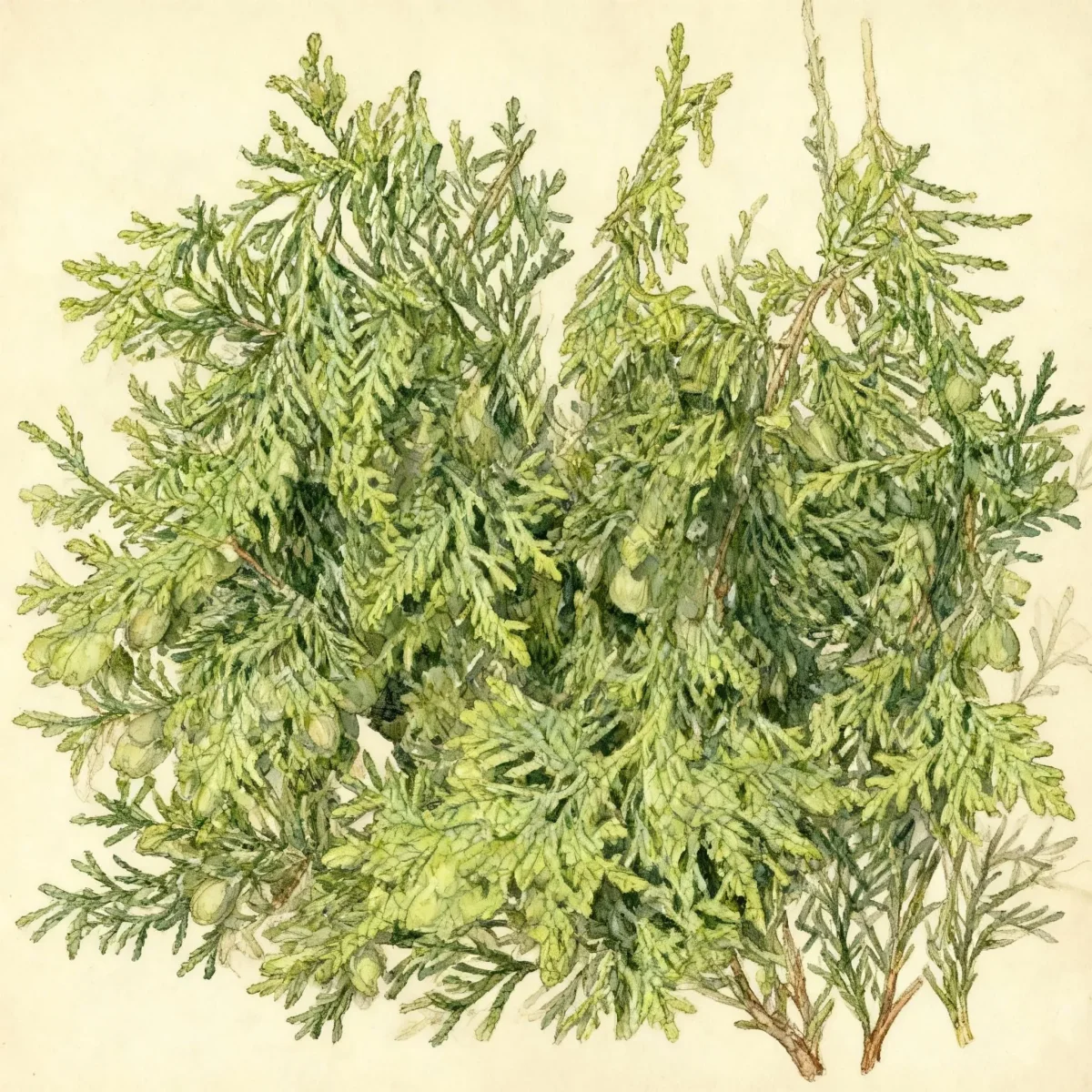
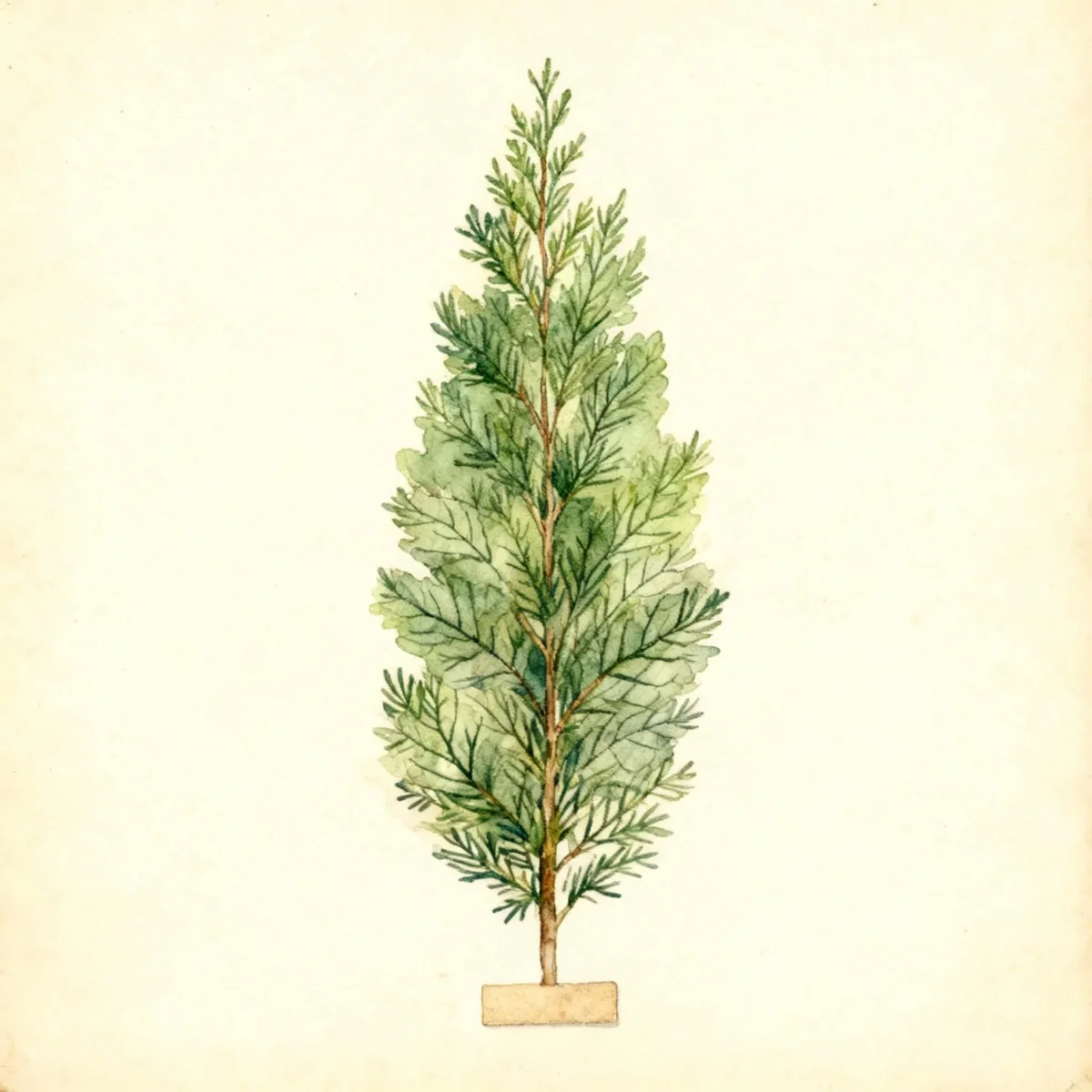
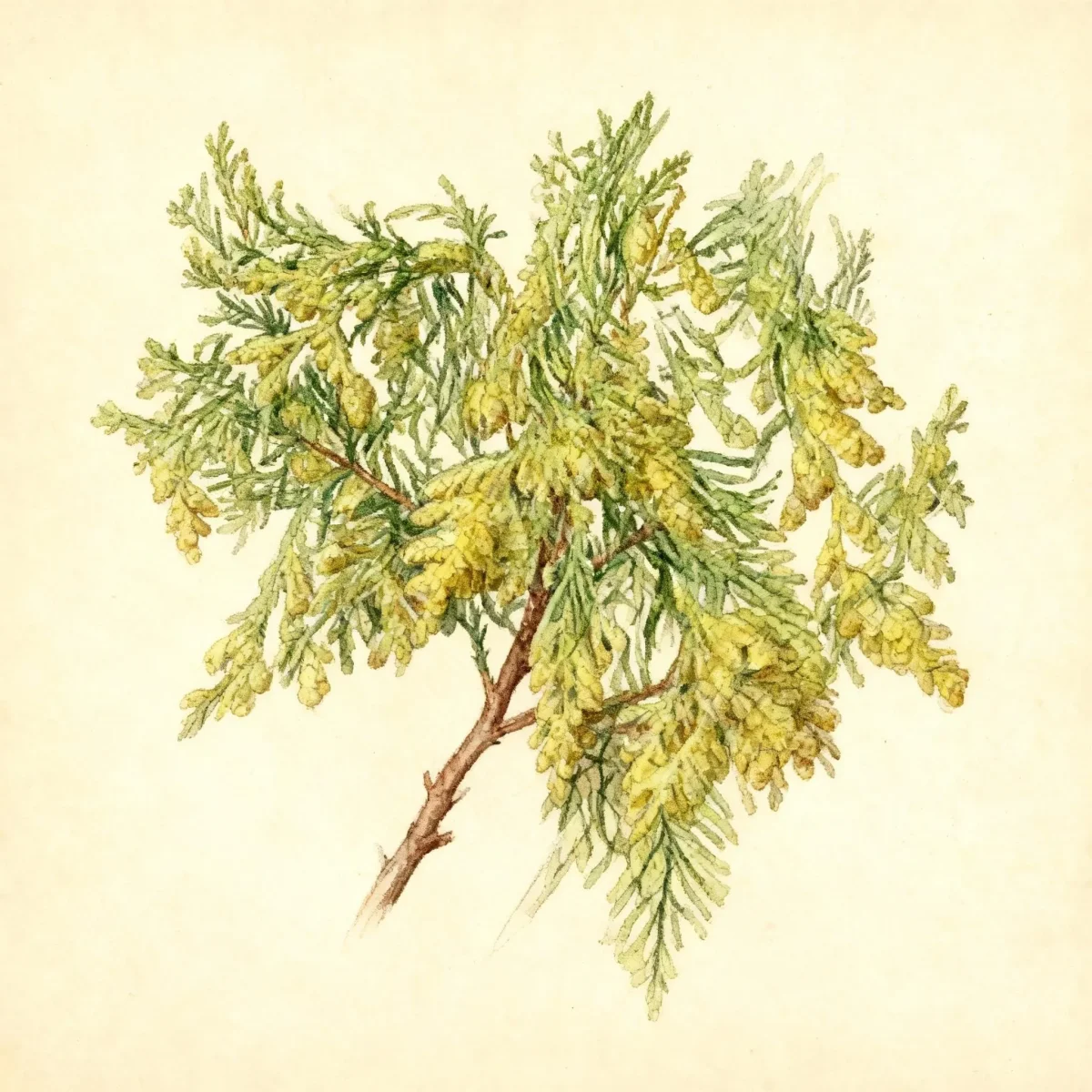
Thuja occidentalis, commonly known as American arborvitae, Eastern arborvitae, Eastern white cedar or Northern white cedar, is a dense, conical to narrow-pyramidal (sometimes maturing to broad-pyramidal), often single-trunked, evergreen tree that is native to eastern and central Canada south to northern Illinois, Ohio and New York with scattered populations further south in the Appalachians to North Carolina. The common name of arborvitae (tree of life) comes from early French settlers to North America who learned from Native Americans that the tree’s foliage could be used to treat scurvy. Specifically, ‘Hetz Midget’ is a slow-growing, globe-shaped, dwarf cultivar that typically matures to only 3-4’ tall, featuring attractive blue-green foliage appearing in flat, fan-shaped clusters.
Tolerances
- Clay Soil
- Black Walnut
- Air Pollution
Potential Problems
Leaf blight is a common issue that may cause foliage spots and subsequent dropping, often exacerbated by high humidity or poor air circulation; ensuring good spacing helps mitigate this. Watch also for canker, which can girdle stems, and leaf miners that damage the tips of the foliage. Occasionally, pests such as bagworms, mealybugs, scales, and spider mites may appear, requiring targeted insecticide treatments if infestations become severe. Foliage showing yellow-brown discoloration in winter indicates winter burn, usually resulting from placement in harsh, exposed, windy sites.
Frequently Asked Questions
What hardiness zones is American arborvitae suitable for?
This durable cultivar of American arborvitae, Thuja occidentalis ‘Hetz Midget’, thrives across a broad range, suitable for USDA Zones 2 through 7.
How large does Thuja occidentalis ‘Hetz Midget’ grow?
This plant is a dwarf, slow-growing variety, typically reaching a mature height of 3 to 4 feet tall and spreading between 4 to 5 feet wide.
What sun exposure does American arborvitae need?
For best density and color, Thuja occidentalis ‘Hetz Midget’ requires full sun, though it will tolerate part shade, especially midday shade in very hot summers.
When does Thuja occidentalis ‘Hetz Midget’ bloom?
This plant is classified as non-flowering, as is typical for conifers in the Cupressaceae family; it is grown exclusively for its evergreen foliage structure.
Conclusion
The Thuja occidentalis ‘Hetz Midget’ remains a superb foundational evergreen, offering dense texture and reliable low maintenance in a manageable dwarf package. Its ability to tolerate urban stresses and varied soils confirms its value as a staple for year-round interest. Before planting, confirm that your garden location falls within USDA Zones 2-7 and provides adequate sun exposure for this compact American arborvitae.
Companion Planting
When selecting companions for Thuja occidentalis ‘Hetz Midget’, focus on plants that share its need for medium moisture and tolerance for part shade. Broad-leaved hostas with contrasting bright green or variegated foliage create an excellent softening effect around the dark evergreen base. Dwarf ornamental grasses that remain upright in winter also pair well, providing movement against the static form of the American arborvitae. Ensure the companion plants do not demand sharper drainage, as this conifer prefers consistent moisture levels.
Seasonal Care Calendar
Spring cleanup involves clearing any winter debris and assessing plant health before active growth begins; this is the best time for any necessary light shaping of the Thuja occidentalis ‘Hetz Midget’. During the summer months, monitor soil moisture closely, especially during heat waves, as established plants still need deep watering to prevent foliage scorch. In late fall, before the ground freezes, ensure the plant receives one last deep watering to help prevent winter desiccation, which contributes to winter burn on the foliage of this American arborvitae.