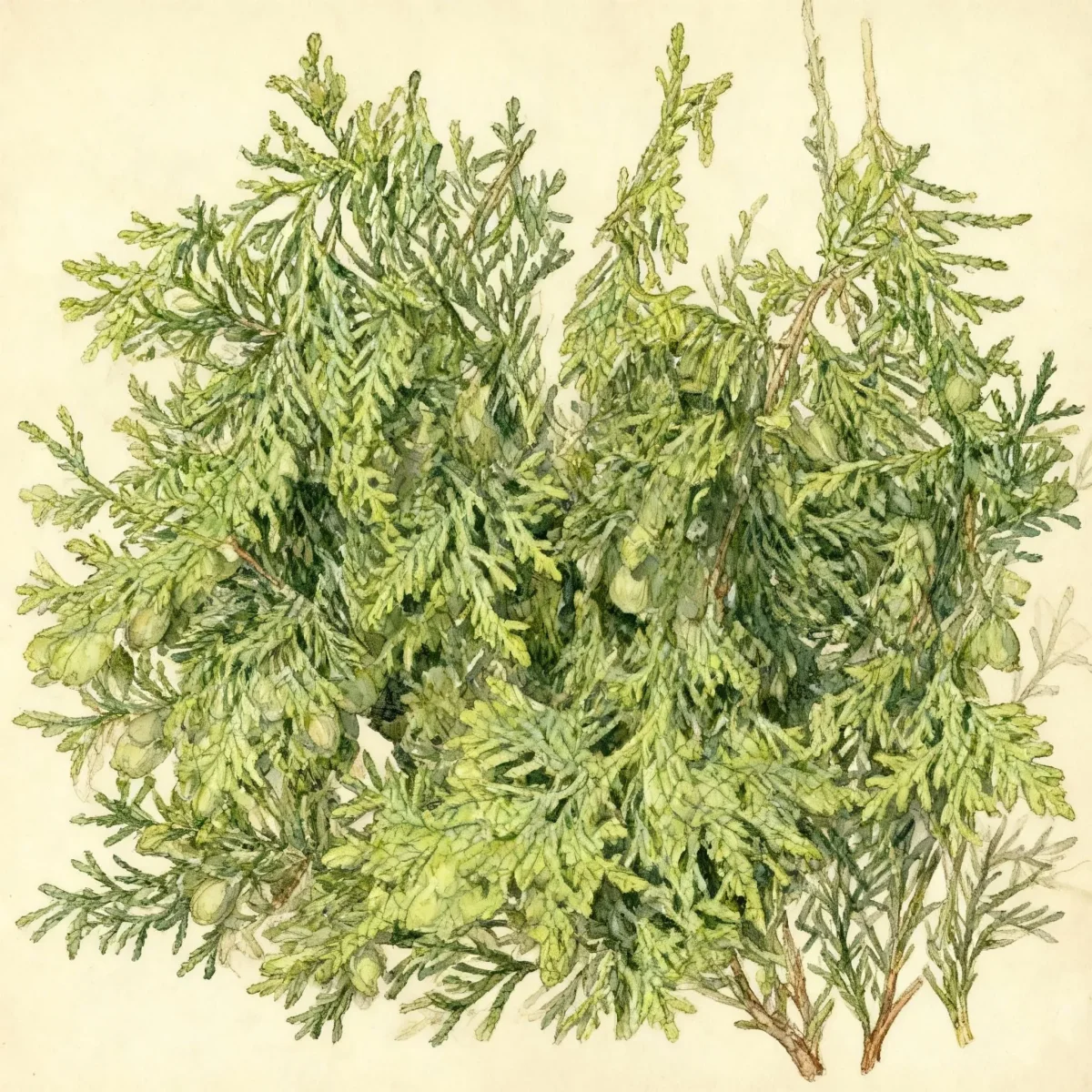
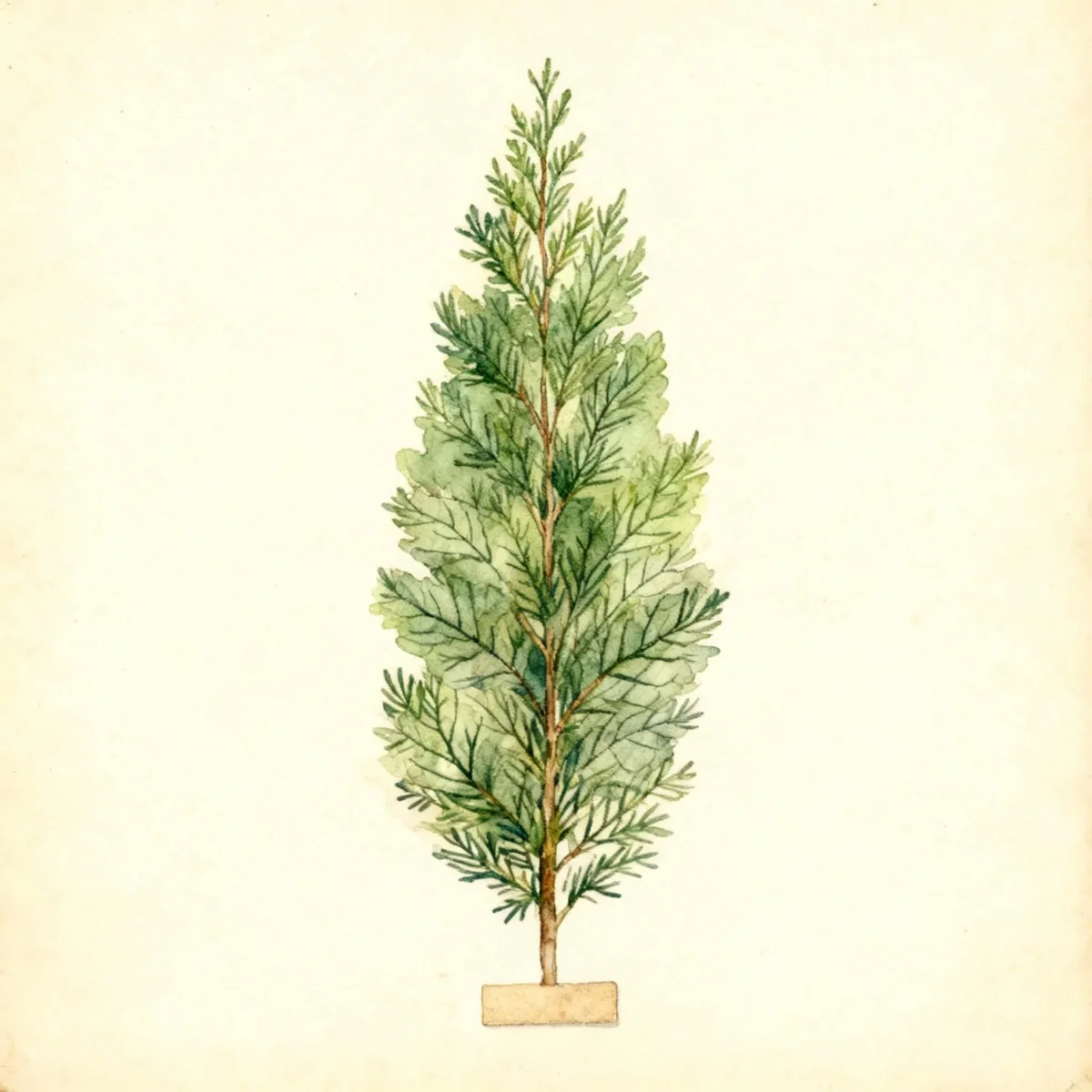
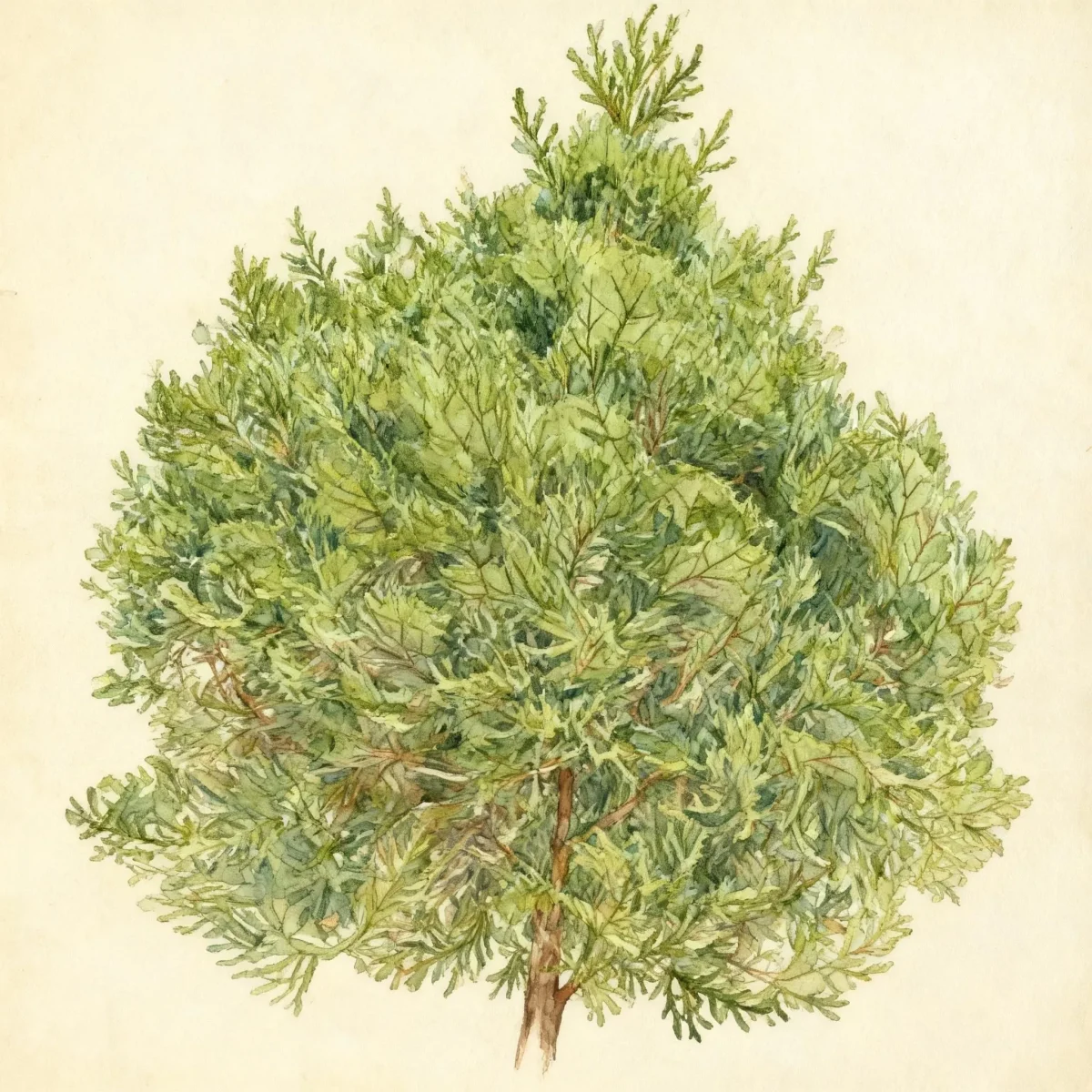
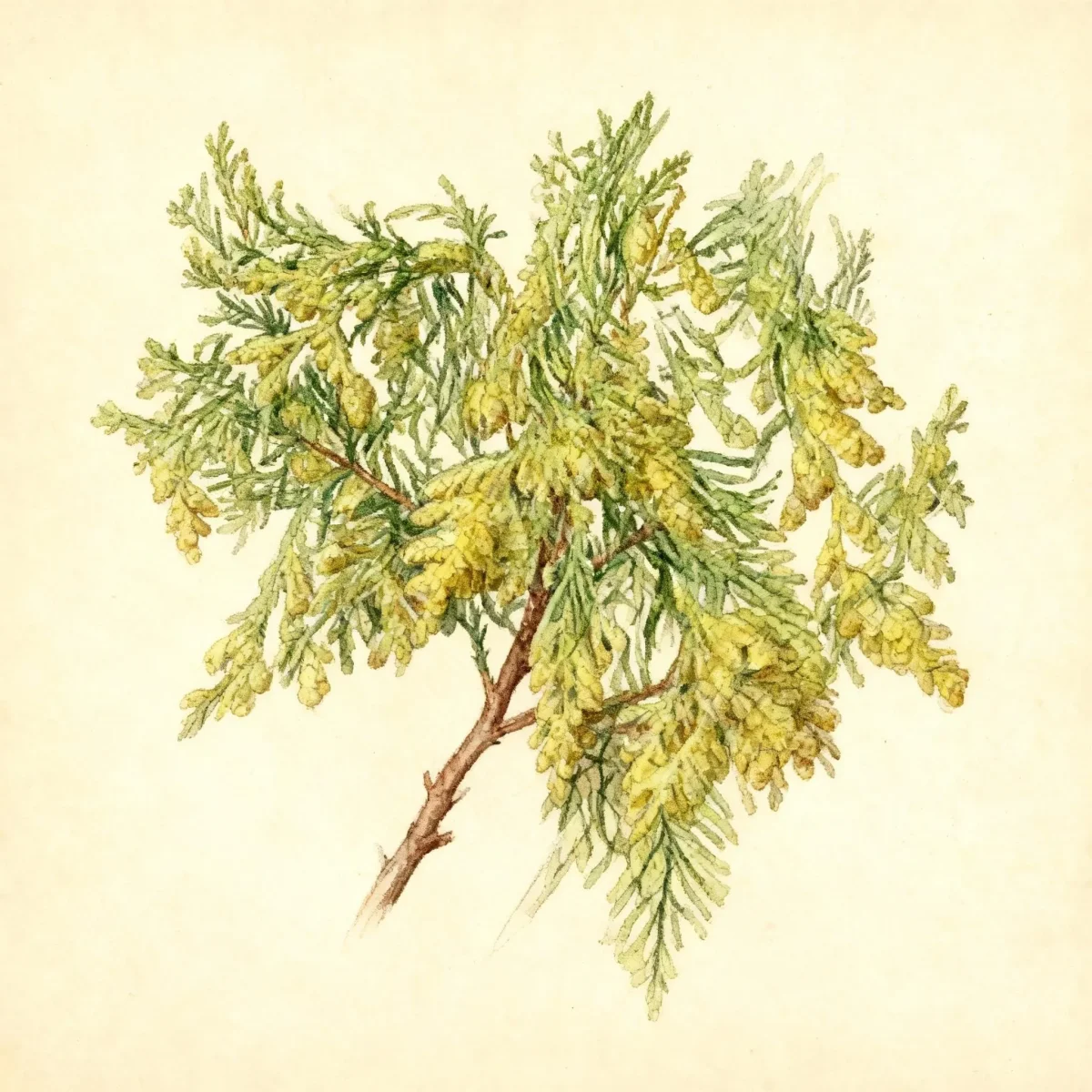
American arborvitae (Thuja occidentalis 'Sunkist')
Thuja occidentalis 'Sunkist' is a low-maintenance, lemon-yellow needled evergreen perfect for hedges and accents. This American arborvitae offers year-round color.
Scroll down to discover growing tips, care requirements, companion plants, and more
Complete Plant Information
Overview
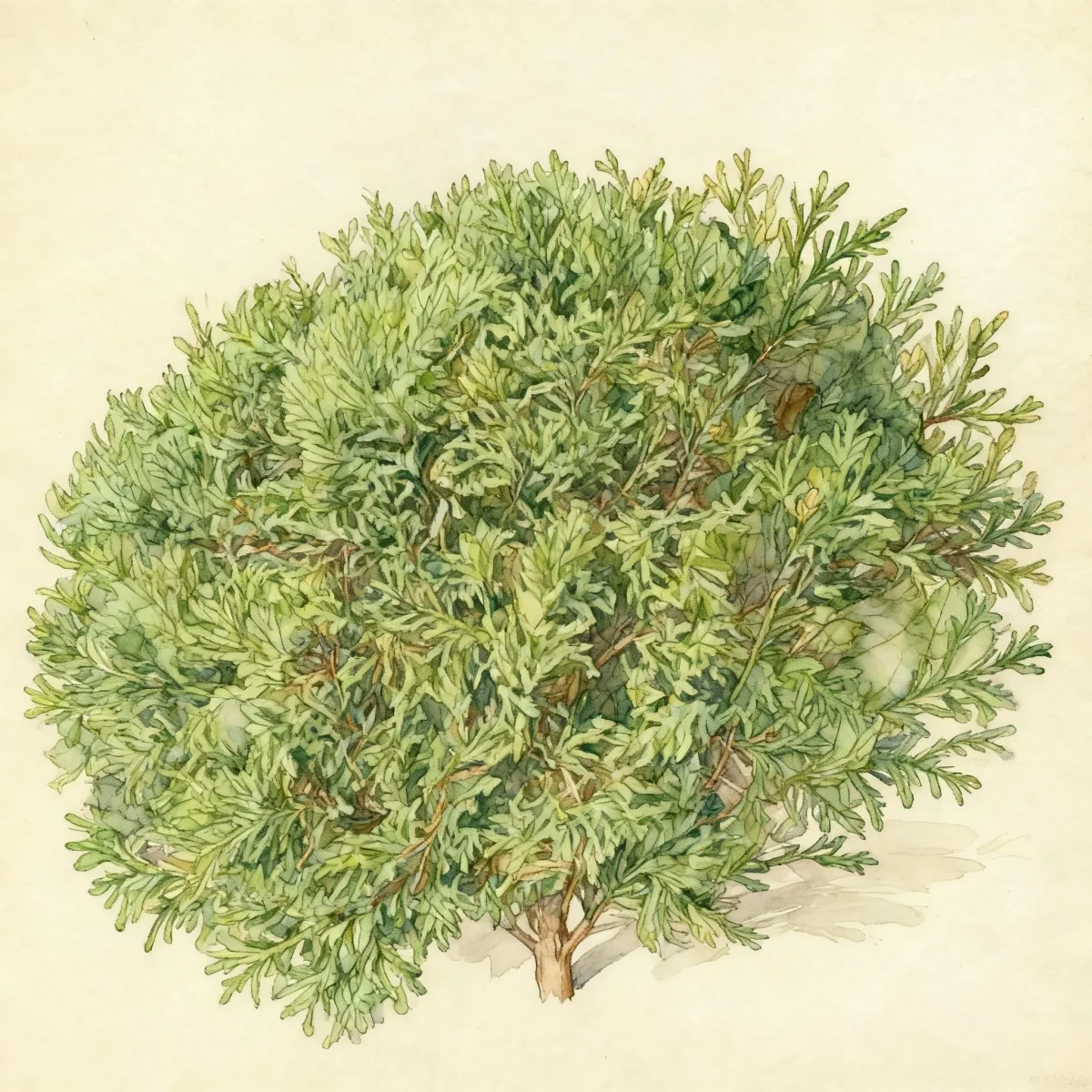
Thuja occidentalis ‘Sunkist’, commonly known as American arborvitae, stands out in the landscape due to its vibrant, year-round golden foliage. This cultivar provides excellent texture and seasonal contrast among other green plantings. Growing reliably across a wide range of climates, this needled evergreen offers structure without demanding excessive input from the grower.
The ‘Sunkist’ variety is valued for maintaining a manageable, broad-pyramidal shape, typically topping out between 6 to 10 feet tall. Its value extends beyond simple aesthetics; it functions beautifully as a dense screen or formal accent, living up to the historical “tree of life” reputation of the arborvitae genus.
This American arborvitae is incredibly adaptable, thriving where many other ornamentals struggle, particularly in challenging soil conditions. Its low maintenance profile and resilience make Thuja occidentalis ‘Sunkist’ a dependable choice for foundation plantings, borders, or specimen planting throughout USDA Zones 2 through 7.
Fast Facts
- Plant Family: Cupressaceae
- Plant Type: Needled evergreen
- Hardiness Zones: USDA Zones 2-7
- Size at Maturity:
- Height: 6-10 ft
- Spread: 5-8 ft
- Bloom Time: Non-flowering
- Bloom Description: Non-flowering
- Sun Exposure: Full sun to part shade
- Water Needs: Medium
- Maintenance Level: Low
How to Grow
Planting your Thuja occidentalis ‘Sunkist’ is best achieved in the spring or early fall when temperatures are moderate. Select a location that provides full sun for the best golden color, although these American arborvitae specimens will tolerate light afternoon shade, especially in hot summers. The soil should be average, medium moisture, and well-drained, ideally leaning toward moist, neutral to alkaline loams.
Watering is crucial, especially for new plantings, as this variety is intolerant of dry conditions. Maintain consistent, medium moisture levels throughout the growing season. While they possess a wide soil tolerance, ensuring good drainage prevents root issues. Fertilizing is rarely necessary if soil conditions are adequate, contributing to the low maintenance profile of Thuja occidentalis ‘Sunkist’.
Pruning is minimal; focus on removing any dead or damaged wood during late winter before new growth begins. Avoid planting in exposed, windy areas, as this can lead to foliage burn during harsh winters. In winter, be mindful that heavy ice and snow accumulation can cause branch breakage, so gentle removal of excessive snow may be necessary.
Landscape Uses
The compact yet upright habit of Thuja occidentalis ‘Sunkist’ makes it an exceptional choice for formal landscape designs. Often utilized as a hedge or screen, its dense growth provides effective privacy, with the bright yellow foliage offering a soft architectural feature year-round. For smaller gardens or rock gardens, use this American arborvitae as a standing accent near foundations or along shrub borders where its slow-to-moderate growth rate prevents overpowering nearby structures.
When planning companions, select plants that appreciate similar soil pH—moist, slightly alkaline conditions—and the full sun to part shade exposure noted for Thuja occidentalis ‘Sunkist’. Pairing it with deep purple or dark green evergreens will dramatically enhance the visual impact of its lemon-yellow spring hue, which deepens toward orange-yellow in winter. Its uniform shape also makes it ideal for repeating patterns in structured perennial beds.
Standout Features
Noteworthy Characteristics
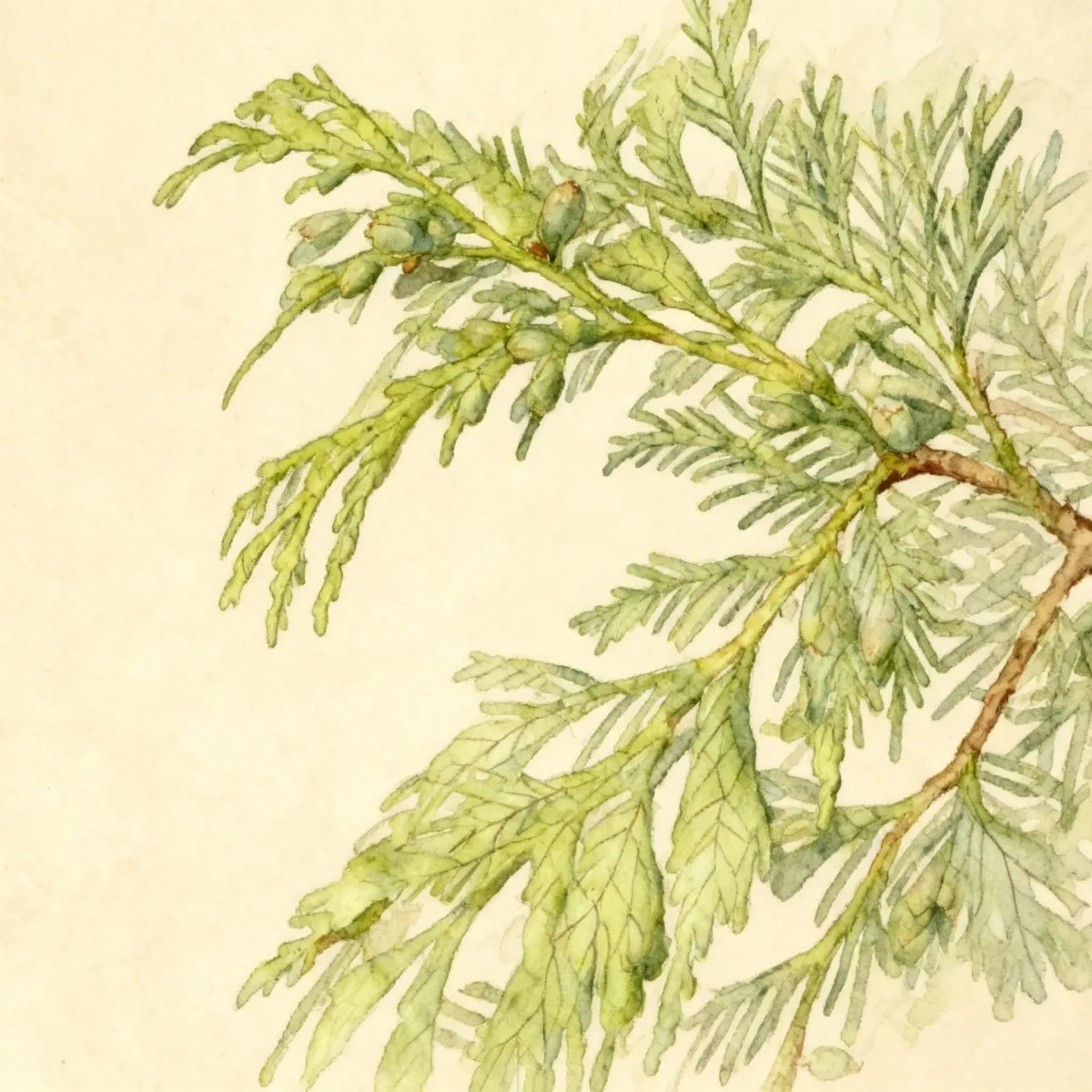
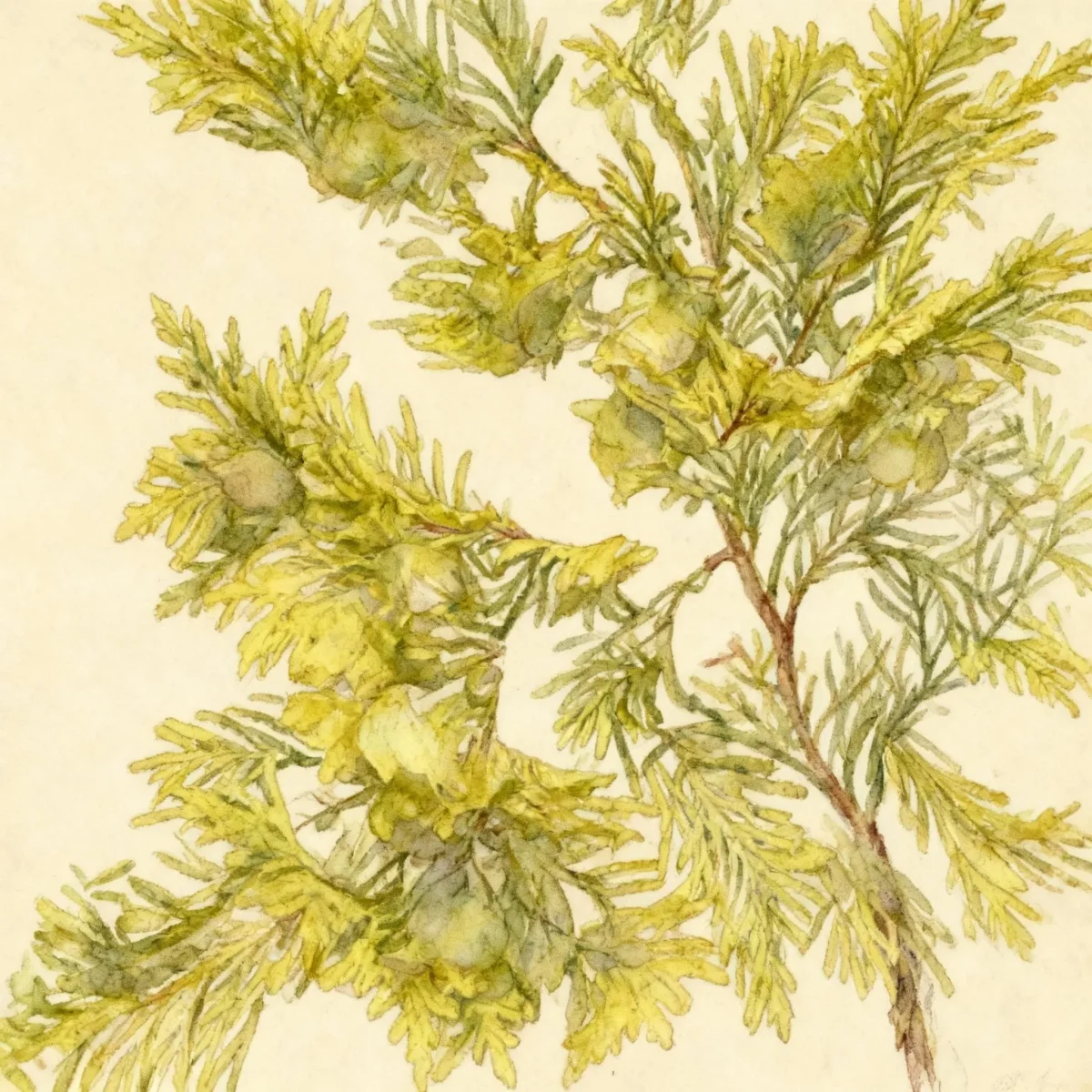
Thuja occidentalis, commonly known as American arborvitae, Eastern arborvitae, Eastern white cedar or Northern white cedar, is a dense, conical to narrow-pyramidal (sometimes maturing to broad-pyramidal), often single-trunked, evergreen tree that is native to eastern and central Canada south to northern Illinois, Ohio and New York with scattered populations further south in the Appalachians to North Carolina. ‘Sunkist’ is a broad-pyramidal form that features lemon yellow foliage in spring that deepens to orange yellow in winter. It typically matures to 6-10’ tall and to 5-8’ wide.
Tolerances
- Clay Soil
- Black Walnut
- Air Pollution
Potential Problems
The quality foliage of this American arborvitae may occasionally suffer from cosmetic issues. Leaf blight can manifest as spots, causing some foliage drop, while canker is another concern to watch for on branches and stems. In terms of pests, leaf miners may damage the tips of the needles, and occasional infestations of bagworms, mealybugs, scales, or spider mites can occur.
To maintain the best appearance, ensure proper air circulation, especially when using Thuja occidentalis ‘Sunkist’ in hedges, as damp foliage encourages fungal issues like blight. In extremely exposed winter locations, the foliage can develop winter burn, turning yellow-brown; selecting a slightly sheltered spot mitigates this risk. Furthermore, always remove heavy snow or ice loads promptly to prevent structural damage to the branches.
Frequently Asked Questions
What hardiness zones is American arborvitae suitable for?
Thuja occidentalis ‘Sunkist’ is exceptionally hardy, thriving in USDA Zones 2 through 7.
How large does Thuja occidentalis ‘Sunkist’ grow?
This cultivar typically reaches a mature height between 6 and 10 feet tall, with a spread of 5 to 8 feet wide.
What sun exposure does American arborvitae need?
For optimal color, plant Thuja occidentalis ‘Sunkist’ where it receives full sun, though it can tolerate some part shade exposure.
When does Thuja occidentalis ‘Sunkist’ bloom?
This plant is a needled evergreen and is non-flowering; it produces foliage rather than ornamental blooms or fruit.
Conclusion
The Thuja occidentalis ‘Sunkist’ offers low maintenance combined with outstanding year-round coloration, making it a superb architectural element for diverse landscape needs. Whether deployed as a small screen or a solitary specimen, this American arborvitae maintains its bright appearance with minimal fuss. Check your local climate suitability to USDA Zone 7 and plan your installation in spring or fall for the best establishment of your new Thuja occidentalis ‘Sunkist’.
Companion Planting
Choosing suitable neighbors helps highlight the bright gold tones of Thuja occidentalis ‘Sunkist’ while ensuring all plants share similar needs. Plants that prefer neutral to slightly alkaline, moist, well-drained soil will thrive alongside this American arborvitae. Consider pairing it with darker evergreens, such as Japanese Yews (Taxus cuspidata) or certain dwarf spruces, whose deep green or blue hues create a dramatic contrast.
For flowering accents, look toward perennials that tolerate partial shade or afternoon breaks from intense sun. Coral Bells (Heuchera) cultivars with deep burgundy or near-black leaves offer lovely textural contrast near the base of the golden foliage. Hostas, especially those with heavily variegated or dark blue-green leaves, also complement the upright structure of the ‘Sunkist’ cultivar well.
Ensure any companion planting allows for air circulation around the base of the arborvitae to help prevent fungal issues, which are sometimes a concern in overly crowded or damp conditions. Since this plant is favored for low maintenance, select companion perennials that also require minimal intervention, such as resilient groundcovers or low-feeding shrubs.
Seasonal Care Calendar
Spring is the optimal time for structural maintenance for Thuja occidentalis ‘Sunkist’. Use this period, just before active growth begins, for any necessary pruning to shape the plant or remove any winter-damaged tips. Applying a slow-release, balanced fertilizer early in spring can support dense foliage development throughout the growing season, although it is not strictly necessary if the native soil is rich.
During the summer months, focus primarily on consistent, medium watering, especially if rainfall is scarce, as this evergreen dislikes drying out completely. Monitor for early signs of pest activity, such as leaf miners or scale insects, and treat locally according to recommendations. Avoid heavy pruning during the heat of mid-summer, as this can stress the plant.
As fall approaches, reduce fertilization, allowing the plant to harden off before winter arrives. Prepare for winter by ensuring the plant is fully watered going into the freeze; hydration is critical for evergreens suffering winter desiccation. In areas prone to heavy snow and ice, consider wrapping young or vulnerable specimens or proactively clearing heavy accumulations from branches to protect the signature structure of your Thuja occidentalis ‘Sunkist’.