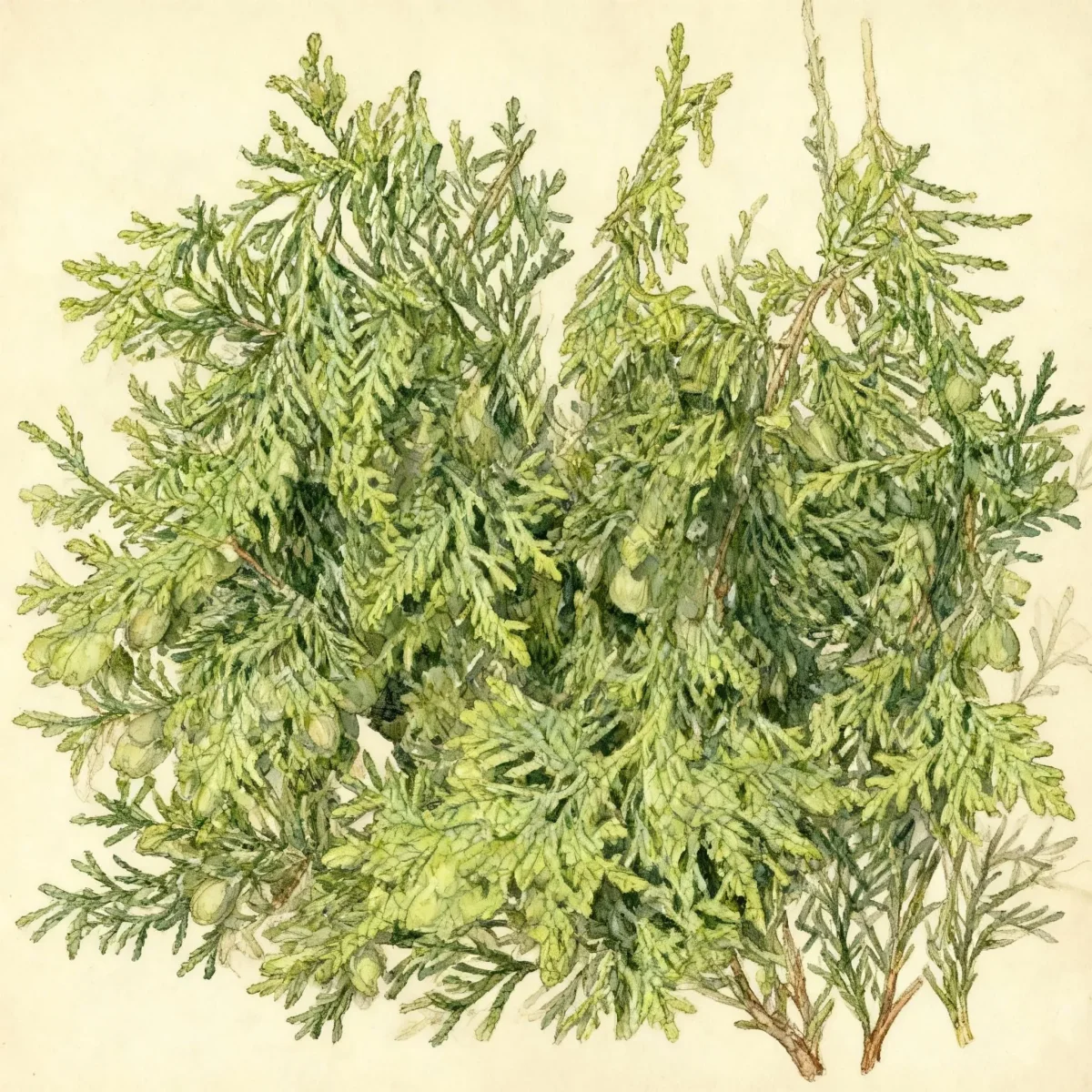
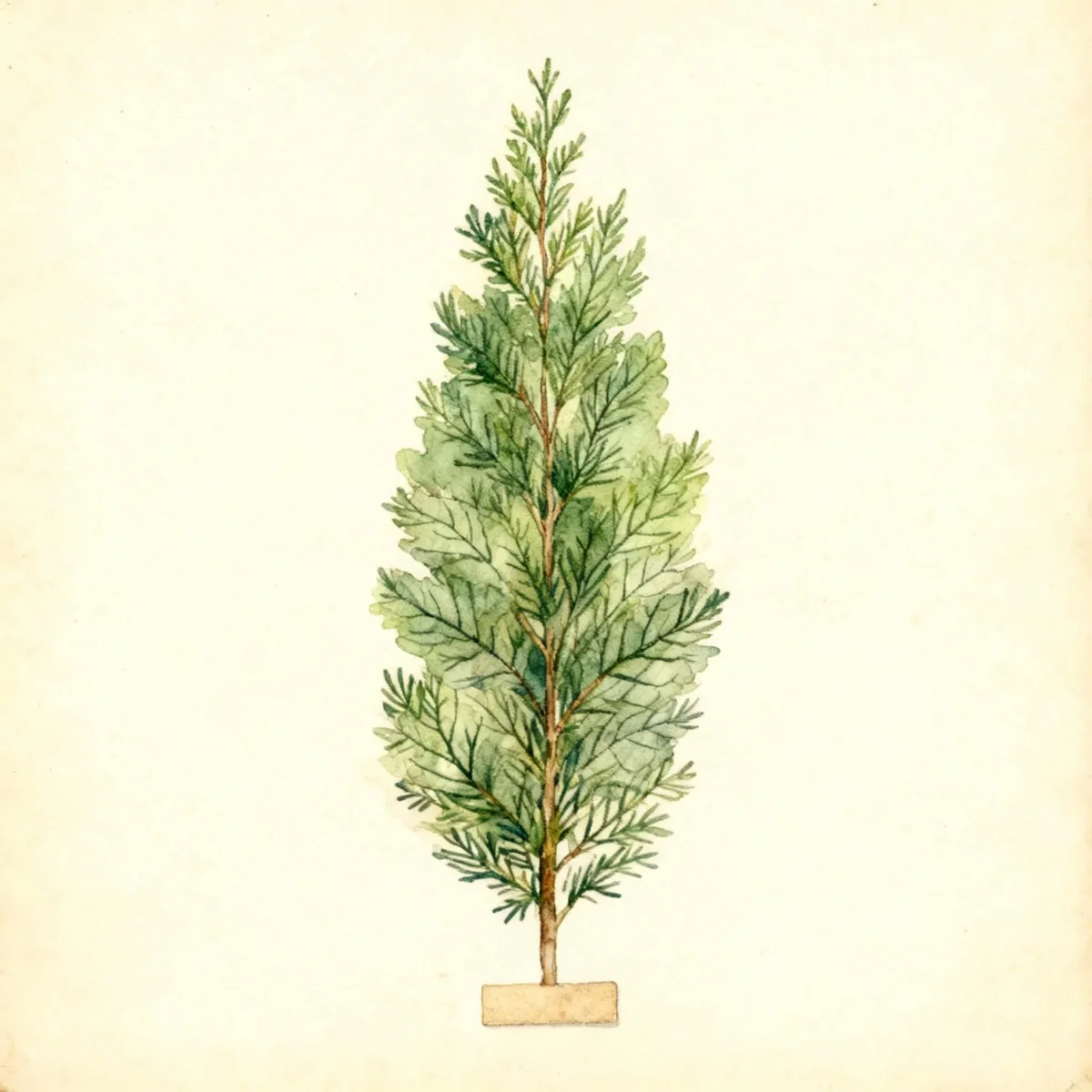
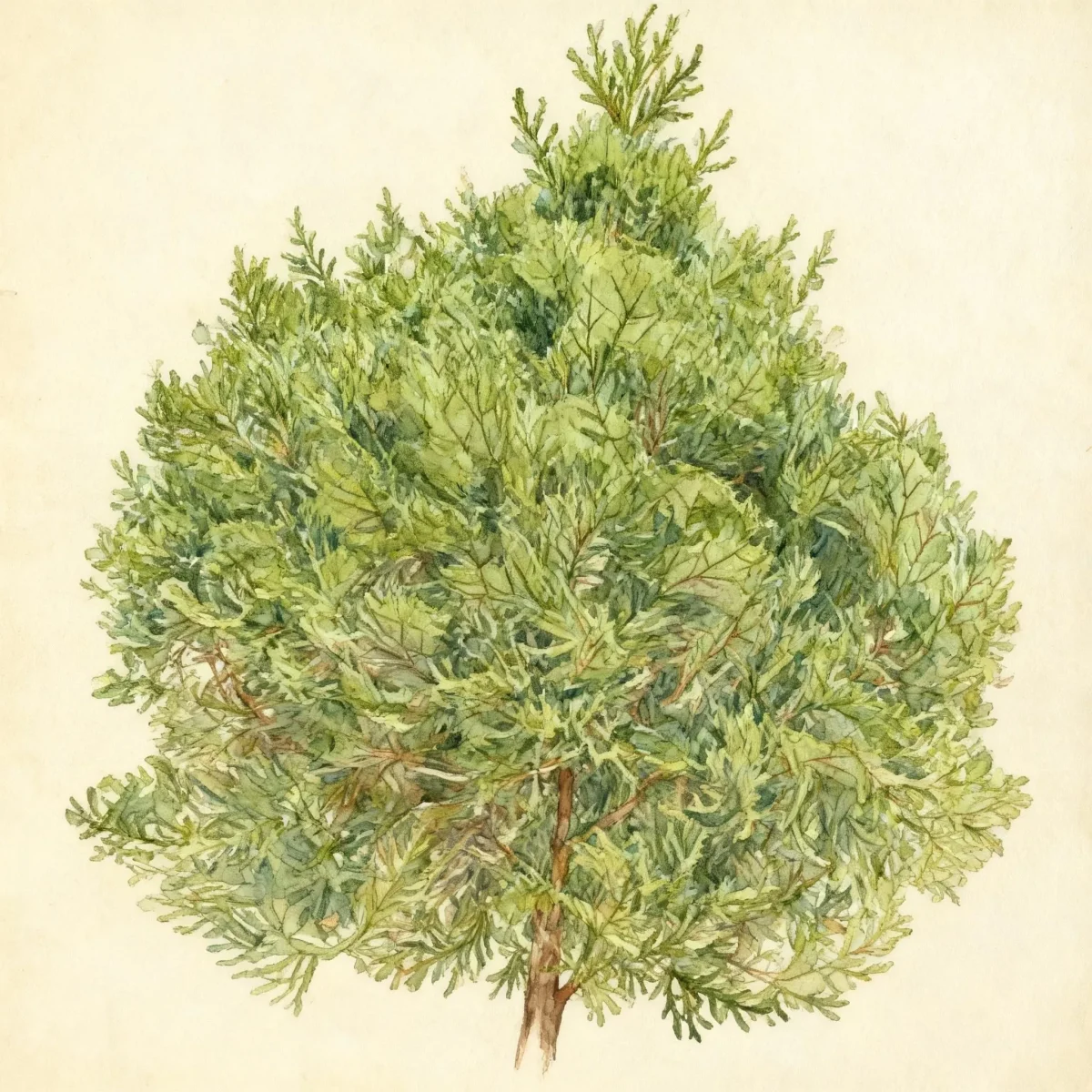
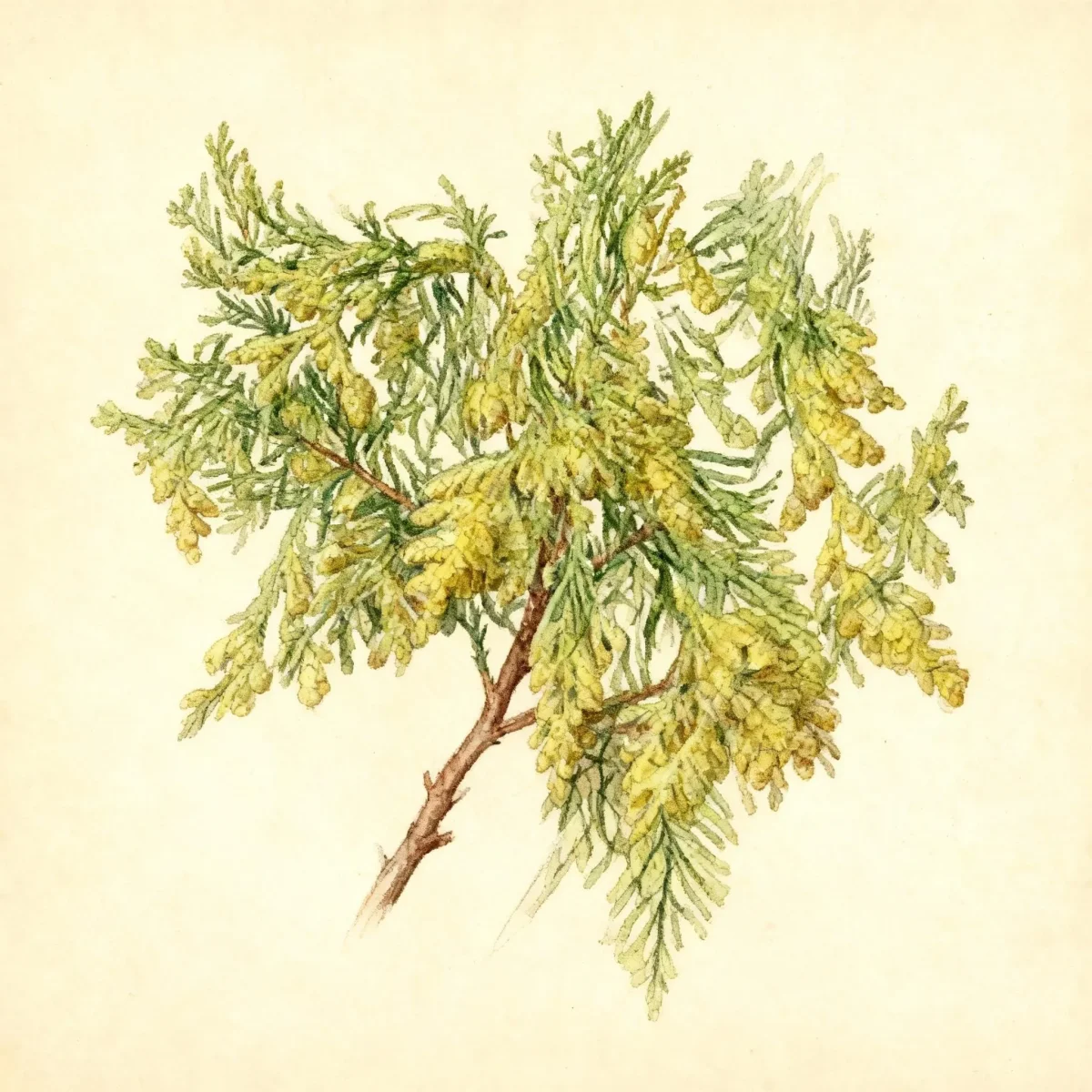
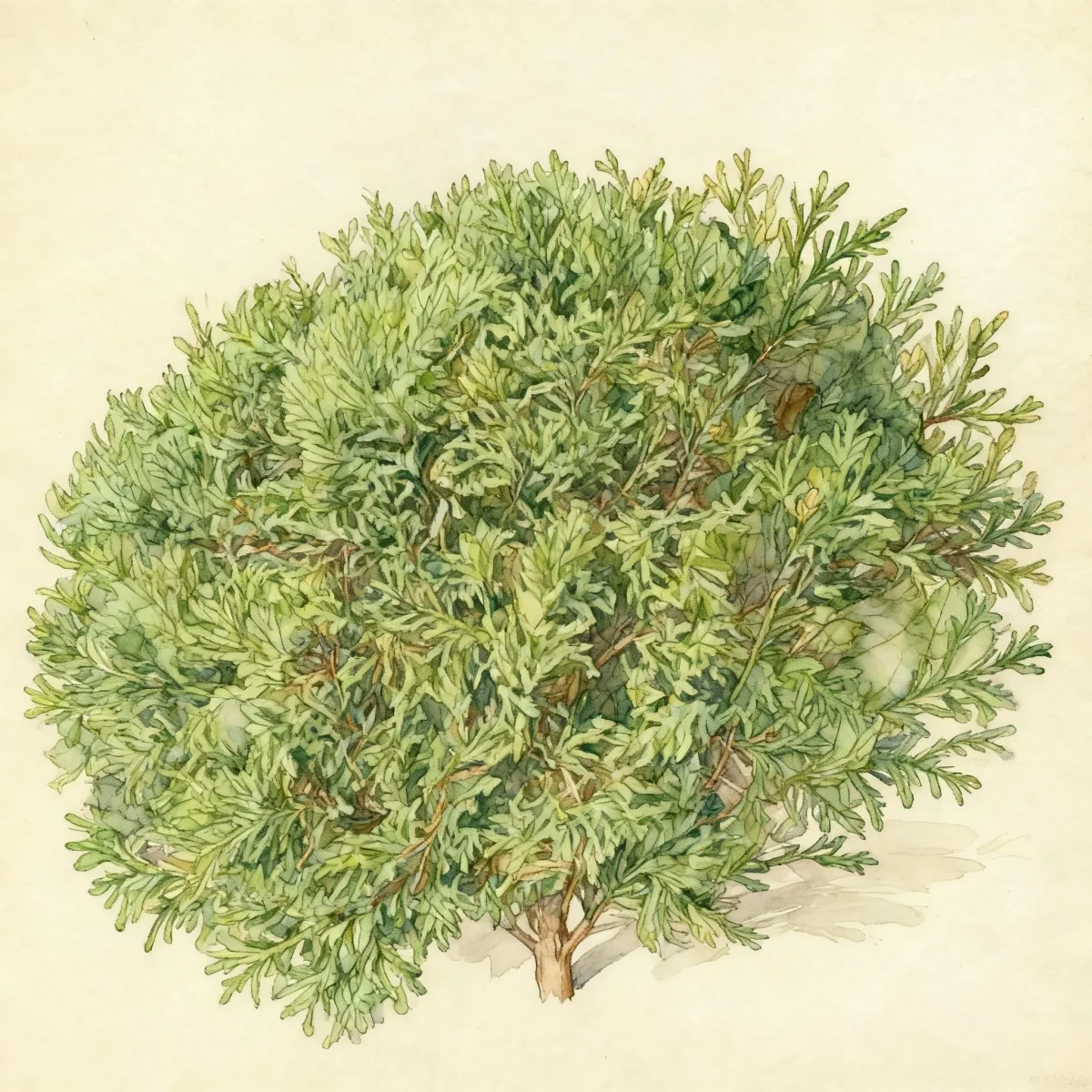
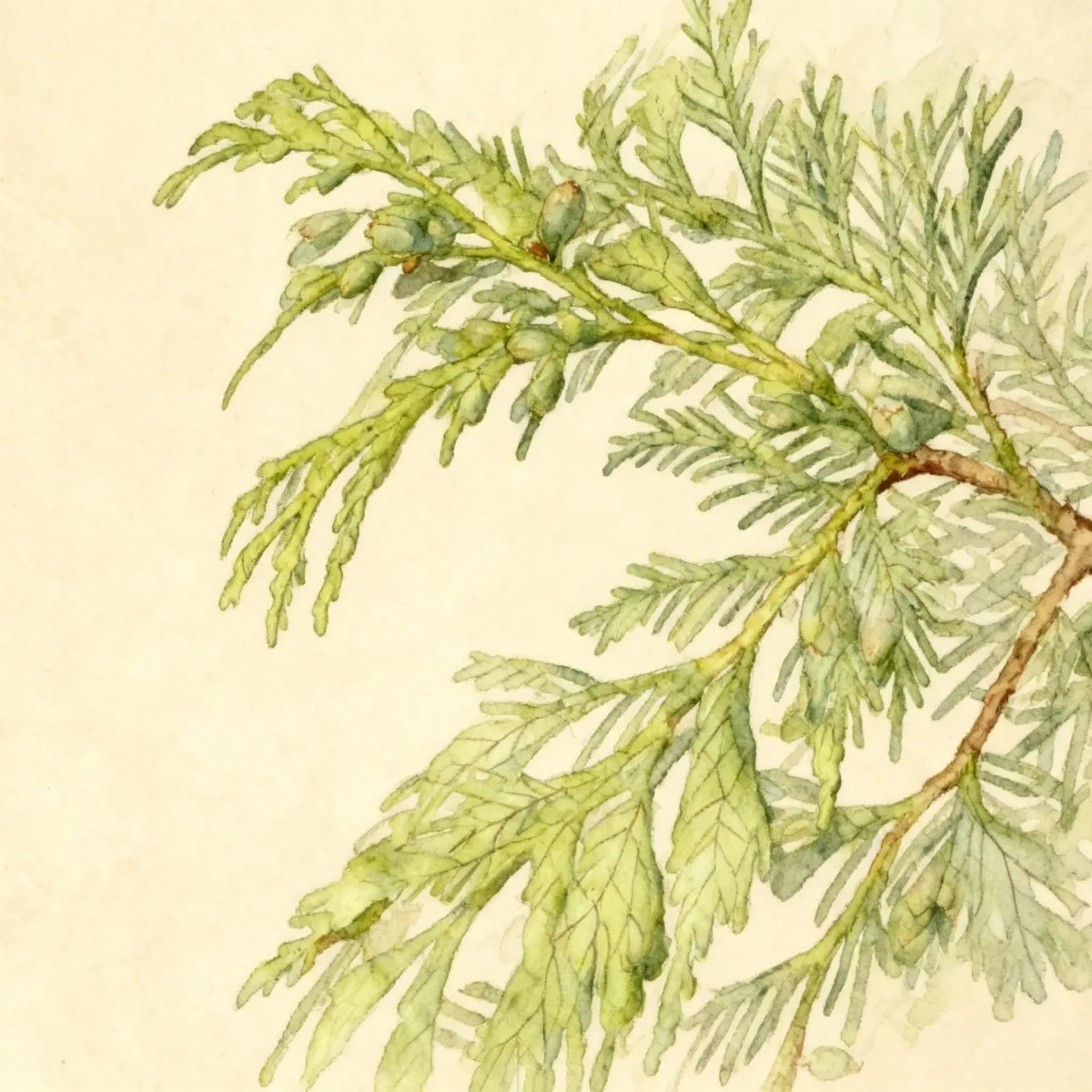
American arborvitae (Thuja occidentalis 'Tiny Tim')
Thuja occidentalis 'Tiny Tim' is a dwarf American arborvitae, ideal for small gardens needing low-maintenance, dense, evergreen structure.
Scroll down to discover growing tips, care requirements, companion plants, and more
Complete Plant Information
Overview
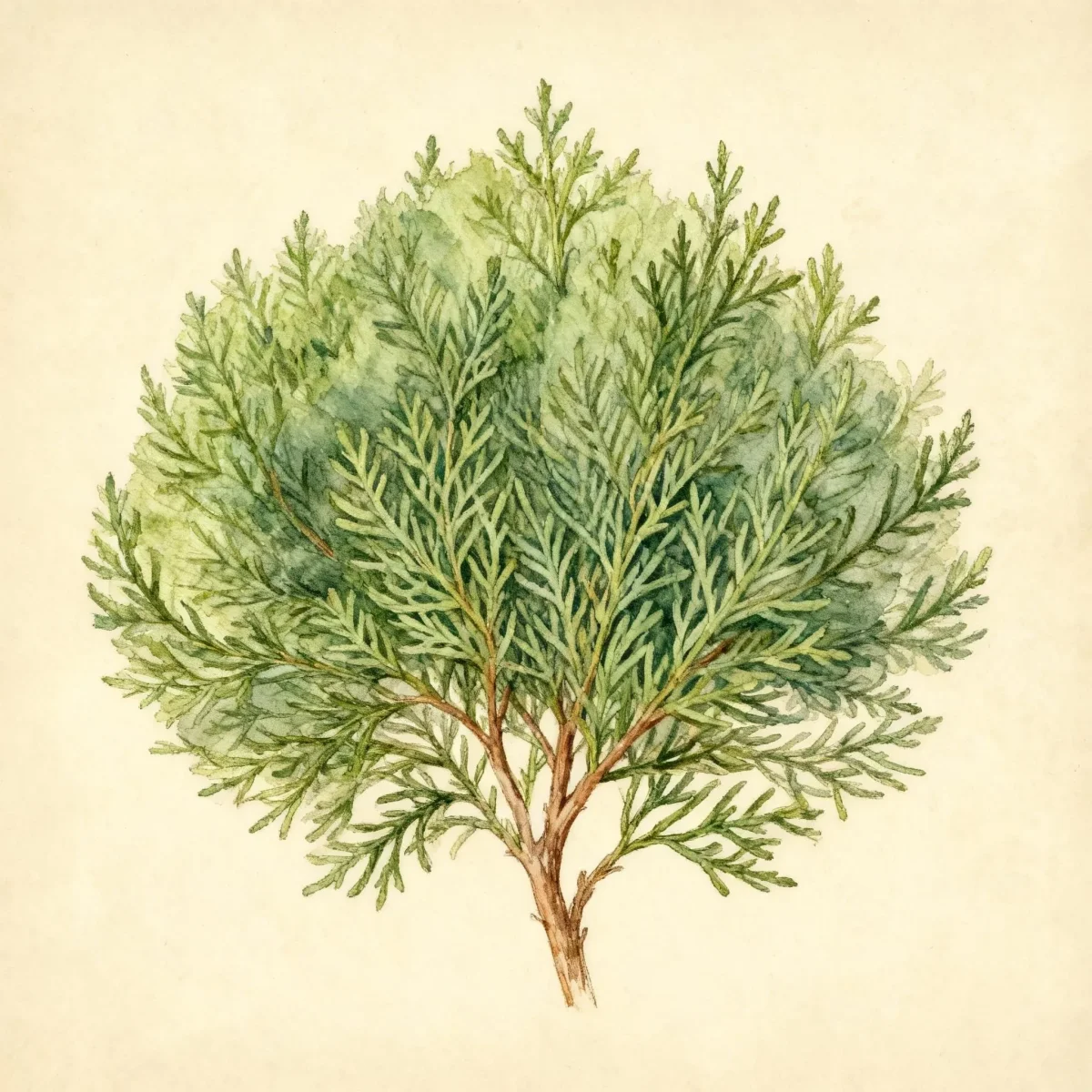
Thuja occidentalis ‘Tiny Tim’ offers exceptional value as an extremely compact, slow-growing needled evergreen perfect for defining small spaces. This cultivar of the American arborvitae maintains a dense, globular habit, rarely exceeding one foot in height, making it an indispensable choice for rock gardens or low foundation plantings. As an evergreen, it provides year-round structure and texture to the landscape, contrasting beautifully with deciduous plantings.
Gardeners will appreciate the low maintenance requirements of this cultivar, thriving with average attention once established. While its relatives can grow into towering specimens, Thuja occidentalis ‘Tiny Tim’ stays manageably petite, rarely exceeding 1.5 feet in width. Its scale-like, medium green foliage releases an aromatic scent when bruised, further enhancing its appeal as a functional specimen plant.
This tough little specimen comes from the robust American arborvitae species, granting it significant resilience across a wide range of conditions. Selecting Thuja occidentalis ‘Tiny Tim’ ensures excellent winter interest and reliable form without demanding constant pruning or upkeep, solidifying its status as a stalwart in mixed evergreen borders.
Fast Facts
- Plant Family: Cupressaceae
- Plant Type: Needled evergreen
- Hardiness Zones: USDA Zones 2-7
- Size at Maturity:
- Height: 0.5-1 ft
- Spread: 1-1.5 ft
- Bloom Time: Non-flowering
- Bloom Description: Non-flowering
- Sun Exposure: Full sun to part shade
- Water Needs: Medium
- Maintenance Level: Low
How to Grow
Plant Thuja occidentalis ‘Tiny Tim’ during the cooler months of spring or fall whenever possible, allowing it time to establish roots before facing extreme summer heat or winter cold. The ideal location offers full sun, though in very hot regions, light afternoon shade prevents scorching. This American arborvitae cultivar exhibits a somewhat wide range of soil tolerance but performs best in average, medium moisture, well-drained loams that lean towards neutral or slightly alkaline pH.
Watering should be consistent, aiming for medium moisture levels; this evergreen is intolerant of dry site conditions once established. While generally low maintenance, ensure the soil drains well, as standing water is detrimental to root health. Supplemental fertilization is rarely required for such a slow-growing dwarf, but if desired, use a balanced, slow-release fertilizer in early spring.
Pruning is minimal; the structure of Thuja occidentalis ‘Tiny Tim’ is naturally globular and neat. Avoid placement in exposed, windy sites, especially during winter, as this can lead to foliage burn. During heavy snow or ice accumulation, gently brush off heavy loads to prevent stem breakage, a common vulnerability for many western red cedars and their relatives.
Landscape Uses
The definitive small scale of Thuja occidentalis ‘Tiny Tim’ makes it unmatched for precise placement in detailed garden designs. It excels as a good dwarf specimen or accent, providing a solid green anchor point in mixed borders where larger shrubs would overwhelm the space. Due to its low profile and tight habit, incorporating this American arborvitae into the front of a foundation planting offers neat, year-round softness right against the structure.
Furthermore, consider using this cultivar in rock gardens, where its compact form mimics alpine growthHabits. Its formality contrasts beautifully with the textures of creeping groundcovers or the sharp shapes of succulents. Because it requires well-drained soil and handles some shade, it can also provide necessary evergreen texture along pathways or bordering walkways where human traffic might compact the soil slightly.
Standout Features
Noteworthy Characteristics
Thuja occidentalis, commonly known as American arborvitae, Eastern arborvitae, Eastern white cedar or Northern white cedar, is a dense, conical to narrow-pyramidal (sometimes maturing to broad-pyramidal), often single-trunked, evergreen tree that is native to eastern and central Canada south to northern Illinois, Ohio and New York with scattered populations further south in the Appalachians to North Carolina. ‘Tiny Tim’ is a very slow-growing cultivar with a globular, finely-branched habit, most often seen at maturity as a 1’ tall mound with a spread to 1.5’.
Tolerances
- Clay Soil
- Black Walnut
- Air Pollution
Potential Problems
Leaf blight is a common concern, manifesting as spotting and subsequent foliage drop, often aggravated by poor air circulation. Rake away fallen needles promptly to reduce fungal spore sources. Watch diligently for canker, which appears as sunken areas on branches, often necessitating the removal and destruction of affected limbs to prevent spread.
Pest pressure usually remains low for this tough plant, though vigilant monitoring is necessary. Leaf miner may damage leaf tips, creating silvery trails visible upon close inspection. Occasionally, sap-sucking insects like bagworms, mealybugs, scales, and spider mites may arrive; treat minor infestations by washing foliage with a strong spray of water or using horticultural oil for heavier outbreaks.
Winter conditions pose specific risks. The dense foliage of Thuja occidentalis ‘Tiny Tim’ can show winter burn, turning yellow-brown in exposed, windy sites where moisture is scarce. Furthermore, its dense structure makes it susceptible to damage or stem breakage from ice and snow accumulations, so prompt, careful removal of heavy winter precipitation is vital for preserving its globular shape.
Frequently Asked Questions
What hardiness zones is American arborvitae suitable for?
Thuja occidentalis ‘Tiny Tim’ is exceptionally resilient, thriving in USDA Zones 2 through 7.
How large does Thuja occidentalis ‘Tiny Tim’ grow?
This very slow-growing dwarf typically matures to a height between 0.5 and 1 foot tall, with a spread generally matching its height at 1 to 1.5 feet wide.
What sun exposure does Thuja occidentalis ‘Tiny Tim’ need?
This American arborvitae selection prefers full sun but handles part shade well, though performance declines significantly in deep shade.
When does Thuja occidentalis ‘Tiny Tim’ bloom?
This plant is a needled evergreen and is non-flowering.
Conclusion
The Thuja occidentalis ‘Tiny Tim’ offers unmatched, low-maintenance evergreen structure in a postage-stamp size, making it invaluable for tight spaces and detailed garden work. Its hardiness across Zones 2-7 and tolerance for less-than-perfect soil ensures reliability. Check your local hardiness zone compatibility and plan your planting during optimal spring or fall windows to enjoy this fantastic dwarf American arborvitae for years to come.
Companion Planting for Structure
When integrating Thuja occidentalis ‘Tiny Tim’ into the landscape, consider pairing it with plants that offer contrasting texture or color to maximize visual interest throughout the seasons. Because this cultivar appreciates well-drained to slightly alkaline conditions, look for companions that share these preferences. Low-growing Sedums, hardy ornamental grasses like Blue Fescue (Festuca glauca), or creeping Thymes thrive near the base of this arborvitae, enhancing the rock garden aesthetic.
For foundation plantings, placing smaller perennials with bright, mounding flowers near the base of the globular American arborvitae creates seasonal bursts of color without obscuring its shape. Hostas, especially those with chartreuse or heavily variegated leaves, pair well if the light levels are leaning towards part shade. Always ensure adequate spacing to maintain the air circulation critical for preventing potential blight issues later in the season.
Managing Winter Performance
Since winter burn and snow damage are specific considerations for this evergreen, proactive preparation is key to maintaining the pristine look of Thuja occidentalis ‘Tiny Tim’. In late fall, ensure the plant is deeply watered before the ground freezes solid; this reserves moisture in the needles, helping them resist desiccation from winter winds. If planted in an area subject to heavy snow accumulation, consider installing temporary, low stakes around the perimeter to support netting that can intercept heavy loads.
If you notice winter browning appearing in early spring, do not immediately prune it out. This foliage is often needed to protect the inner tissues from sunburn before the new season’s growth emerges. Wait until mid-spring, after the threat of hard frost has passed, before carefully trimming away any completely dead, yellow-brown foliage to encourage dense recovery in your American arborvitae.