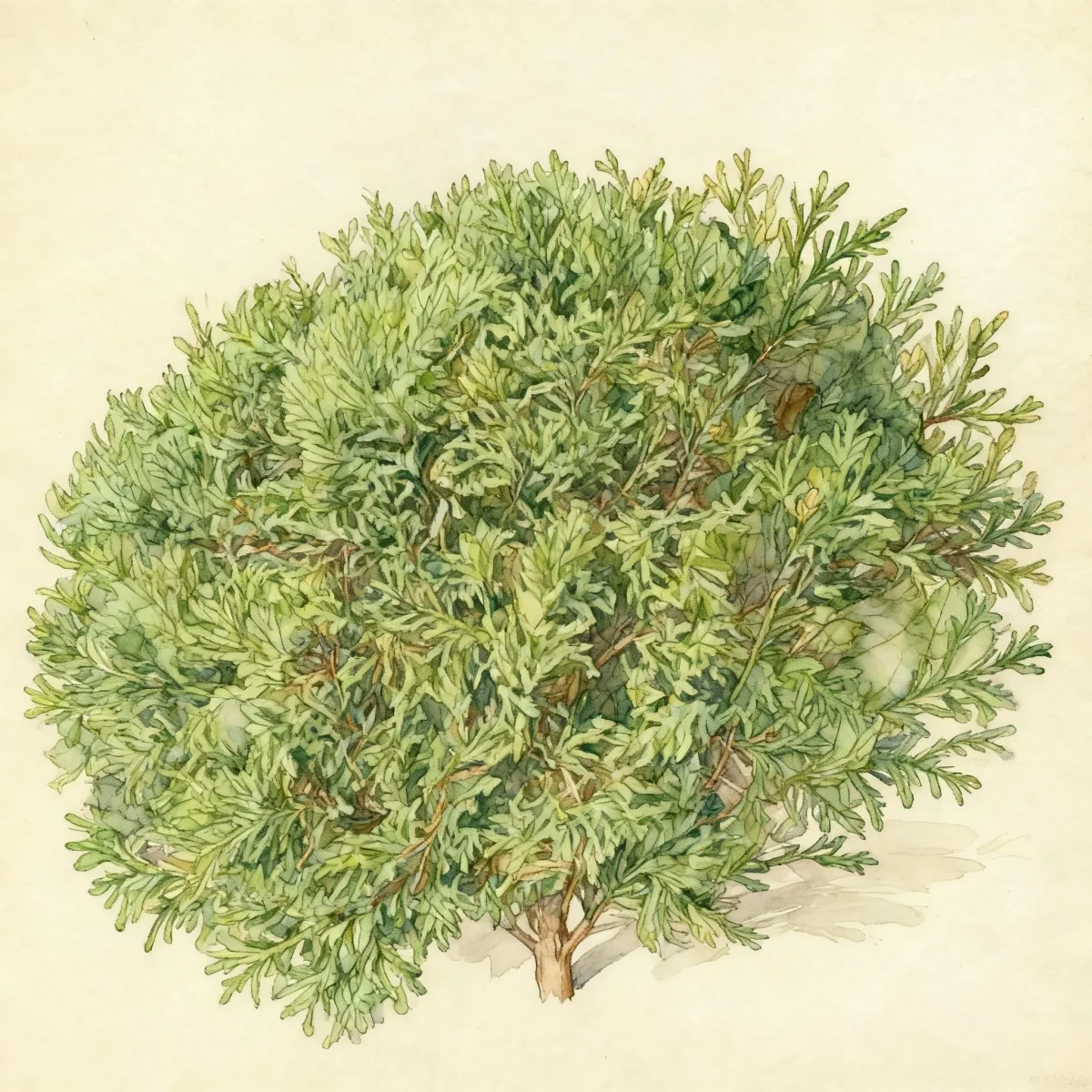
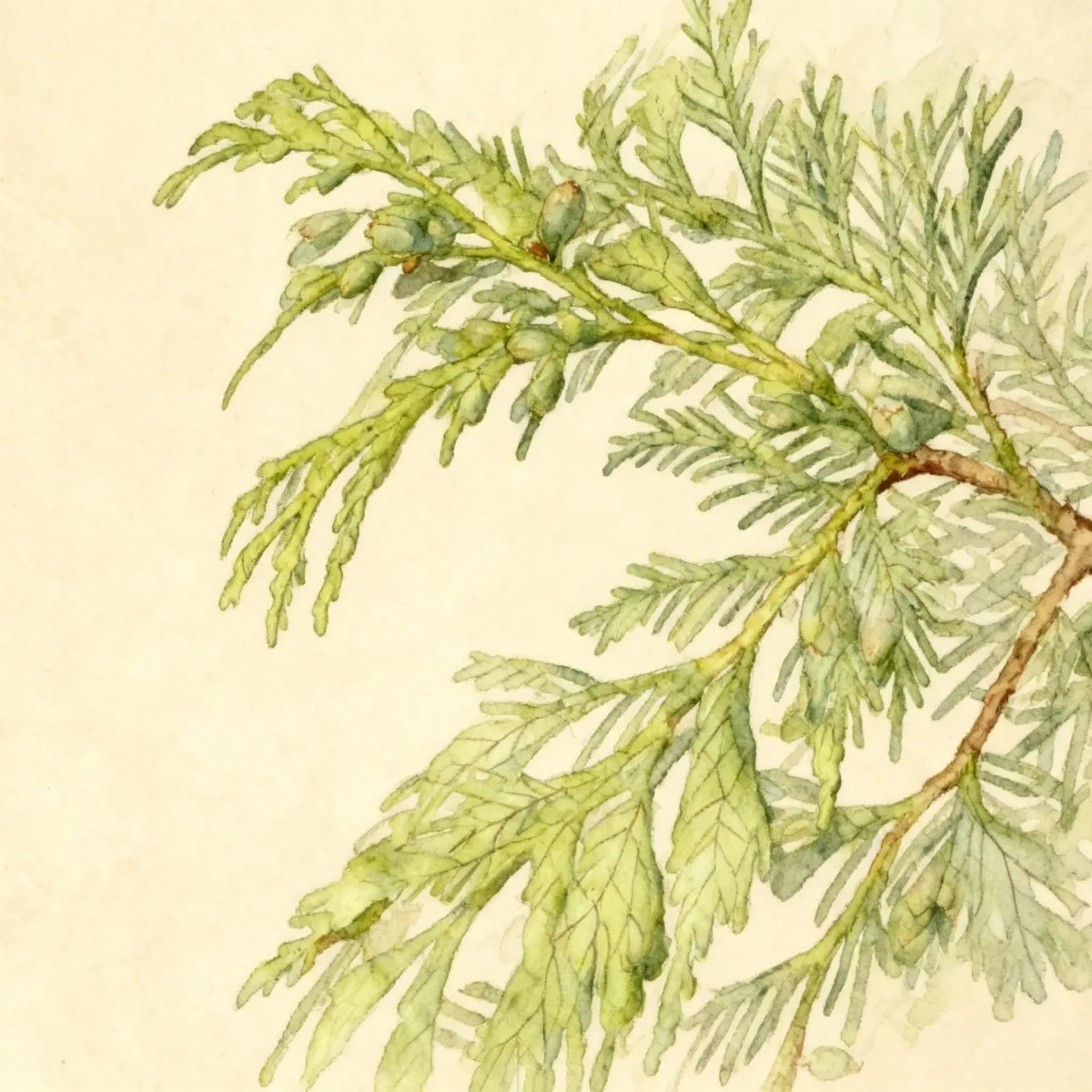
American arborvitae (Thuja occidentalis 'Yellow Ribbon')
Thuja occidentalis 'Yellow Ribbon' is a slow-growing, upright American arborvitae perfect for defined hedges and accents in zones 2-7.
Scroll down to discover growing tips, care requirements, companion plants, and more
Complete Plant Information
Overview
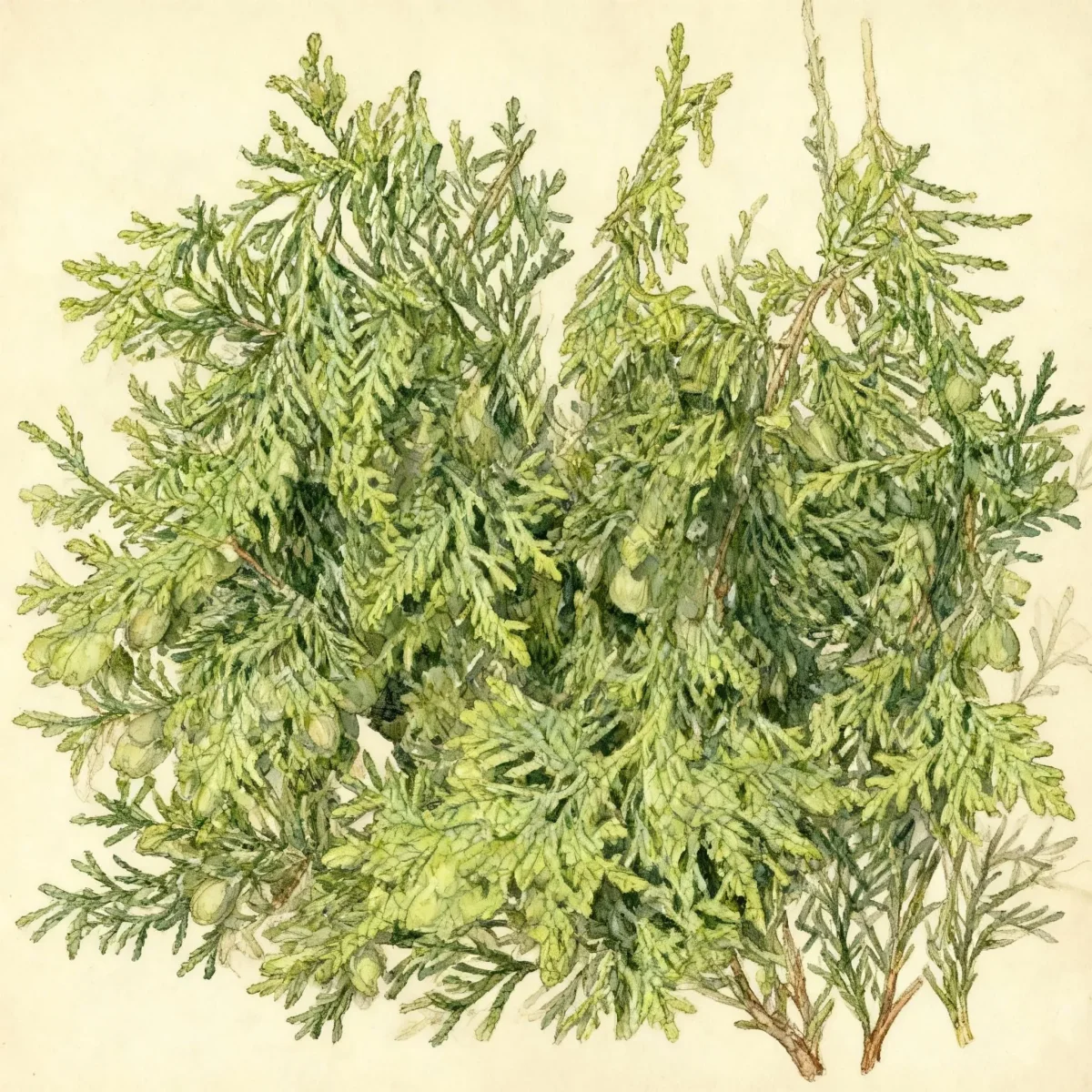
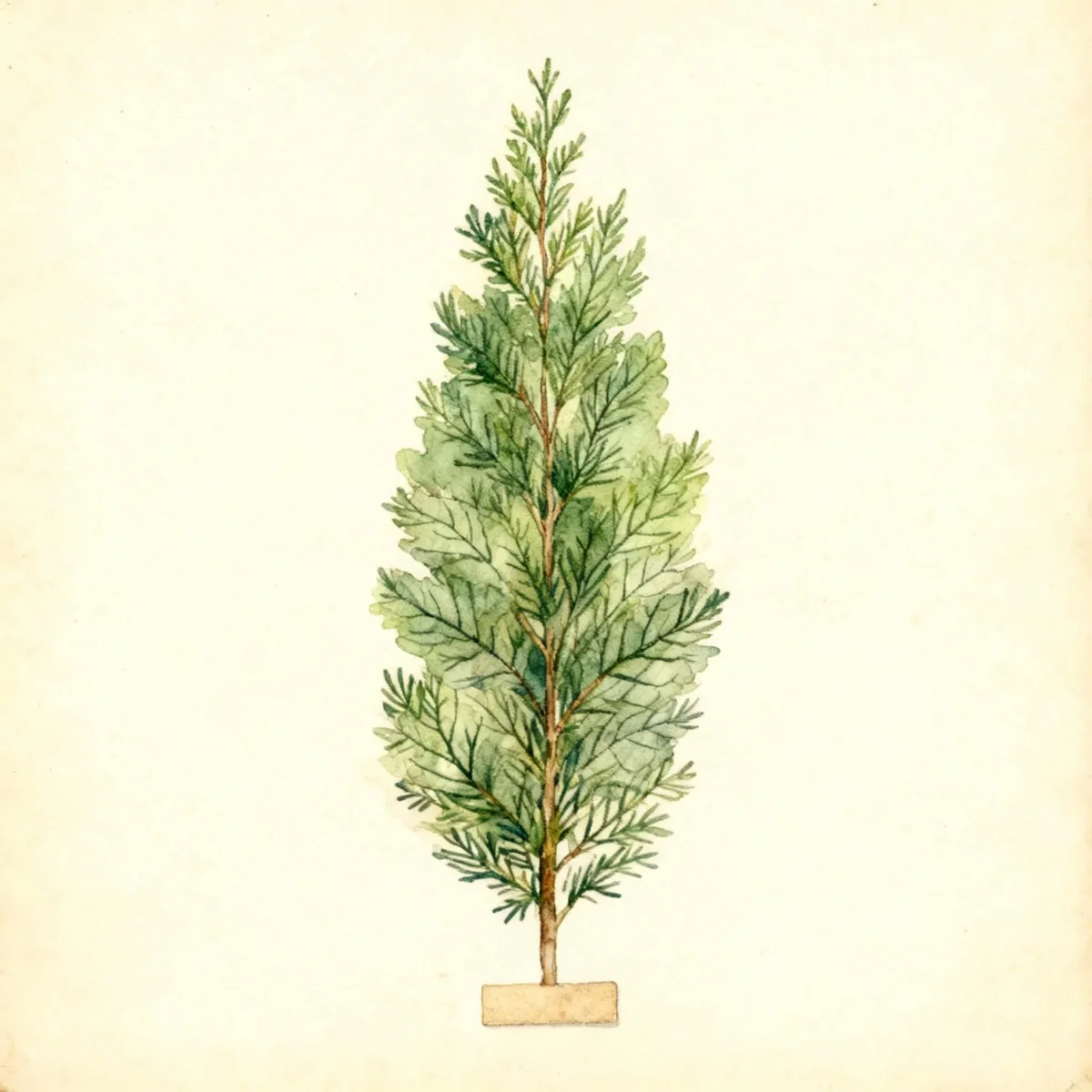
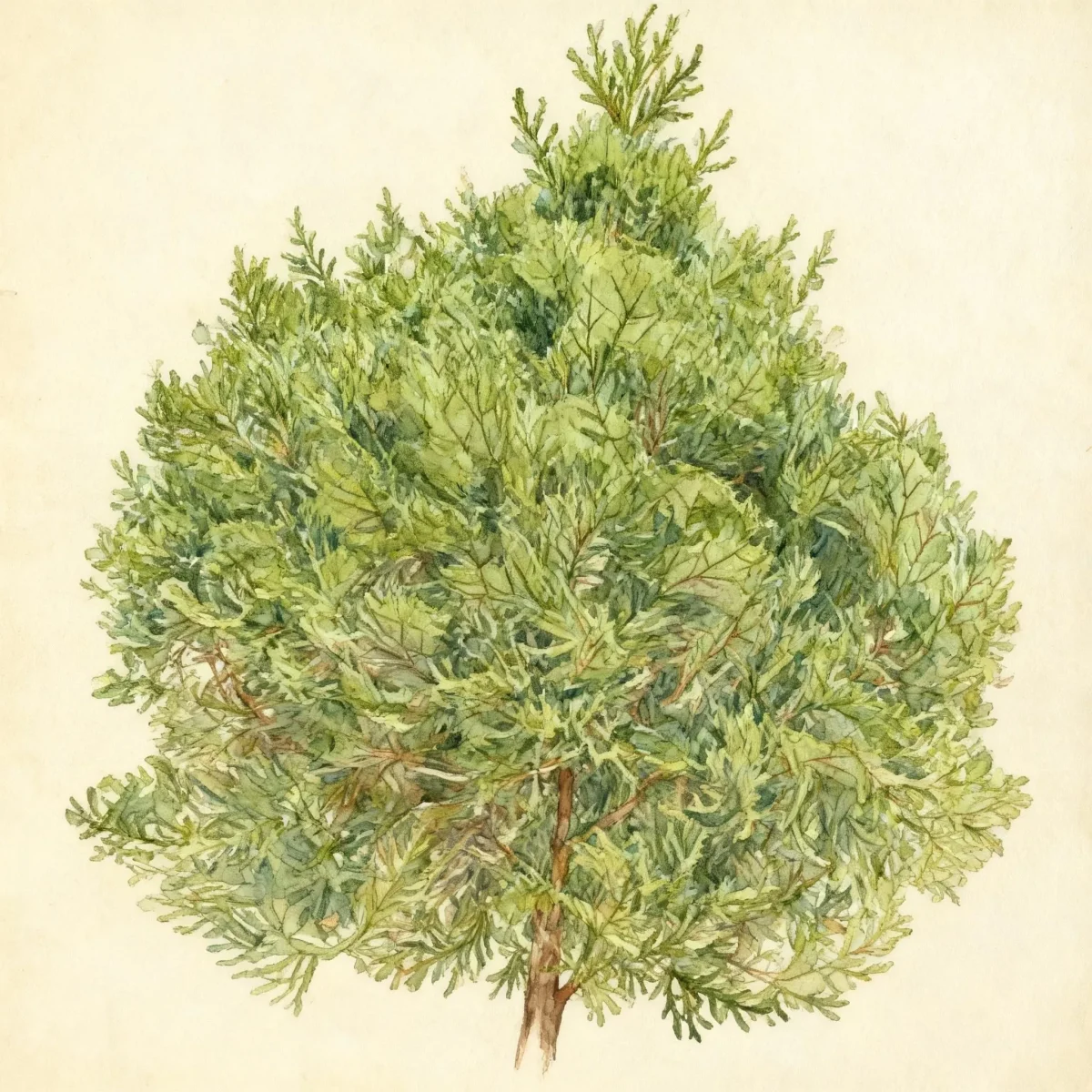
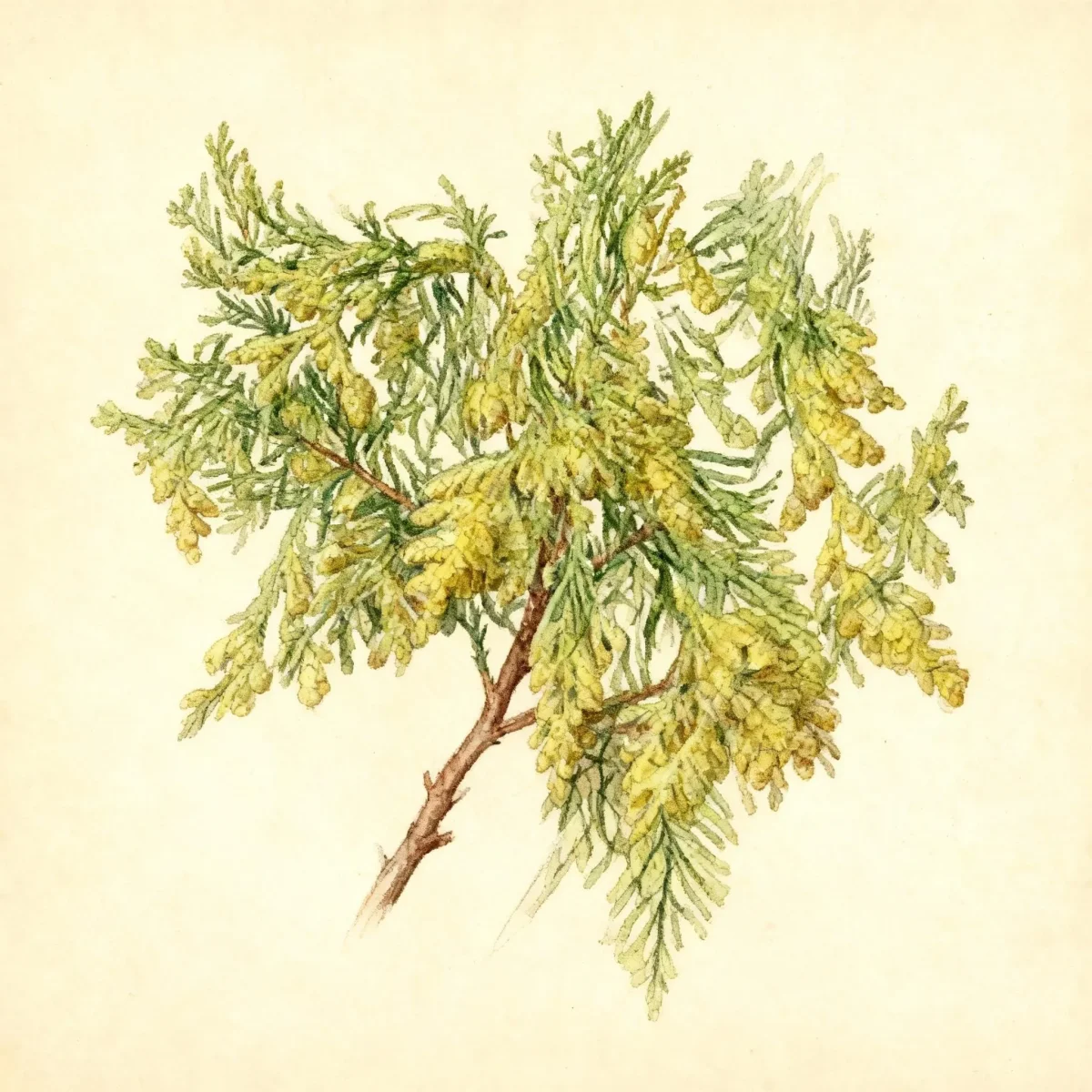
Thuja occidentalis ‘Yellow Ribbon’ is a highly valued cultivar of the American arborvitae, offering a dense, upright, pyramidal habit ideal for formal garden structures. This semi-dwarf needled evergreen is prized for its vibrant, scale-like foliage that emerges a striking yellowish-orange in spring before settling into a handsome medium green. Its relatively compact size, rarely exceeding 10 feet tall in cultivation, makes the American arborvitae a versatile choice where space is limited.
This slow-growing conifer brings year-round structure and color contrast to nearly any landscape design. Requiring low maintenance once established, Thuja occidentalis ‘Yellow Ribbon’ provides excellent screening or accent potential with minimal long-term effort. Gardeners appreciate its hardiness, thriving across wide temperature ranges, making it a reliable backbone plant.
The common name, arborvitae, meaning “tree of life,” speaks to the historical importance of this genus. For modern gardeners, planting Thuja occidentalis ‘Yellow Ribbon’ ensures a reliable vertical element with excellent textural interest throughout all four seasons.
Fast Facts
- Plant Family: Cupressaceae
- Plant Type: Needled evergreen
- Hardiness Zones: USDA Zones 2-7
- Size at Maturity:
- Height: 5-10 ft
- Spread: 2-3 ft
- Bloom Time: Non-flowering
- Bloom Description: Non-flowering
- Sun Exposure: Full sun to part shade
- Water Needs: Medium
- Maintenance Level: Low
How to Grow
Planting Thuja occidentalis ‘Yellow Ribbon’ is best achieved in spring or early fall, allowing the roots time to establish before extreme heat or cold sets in. Select a location offering full sun to partial shade; while it tolerates some afternoon shade, denser color and superior habit are achieved with more direct light exposure. American arborvitae prefers consistently moist, well-drained soil, though this cultivar shows good adaptability to heavier clay soils.
Watering should be consistent, especially during the first two growing seasons, to encourage deep root development. Aim for medium water needs, ensuring the soil does not become waterlogged. Generally, fertilizing is not required if the soil quality is adequate, but a slow-release evergreen fertilizer applied in early spring can boost vigor and color intensity if growth appears sluggish. Pruning is minimal; limit shaping to light trimming in early spring to maintain the desired narrow-pyramidal form of the Thuja occidentalis ‘Yellow Ribbon’.
Be aware that foliage in exposed winter sites may experience some winter burn, manifesting as a yellow-brown scorched appearance. To mitigate this potential issue, ensure the plant has adequate moisture heading into winter dormancy. Avoid planting in areas where heavy ice or snow accumulation is common, as the branches of this American arborvitae can be susceptible to breakage under excessive weight.
Landscape Uses
The dense, narrow form of Thuja occidentalis ‘Yellow Ribbon’ makes it an excellent choice for formal landscaping requirements. It performs exceptionally well when utilized as a defined, colorful hedge, providing a crisp, clean boundary without the aggressive spreading habits of some larger shrubs. Its upright stature also lends itself perfectly to being used as a specimen plant where a vertical accent is needed near entrances or corners of structures.
Use this cultivar as a background plant against lighter-colored walls to highlight the yellow tones in the spring foliage, or group several plants for a narrow, columnar screen. Because of its relatively small footprint (2-3 feet spread), it fits neatly into foundation plantings where space between the plant and the house is limited, unlike its much larger wild relatives.
Standout Features
Noteworthy Characteristics
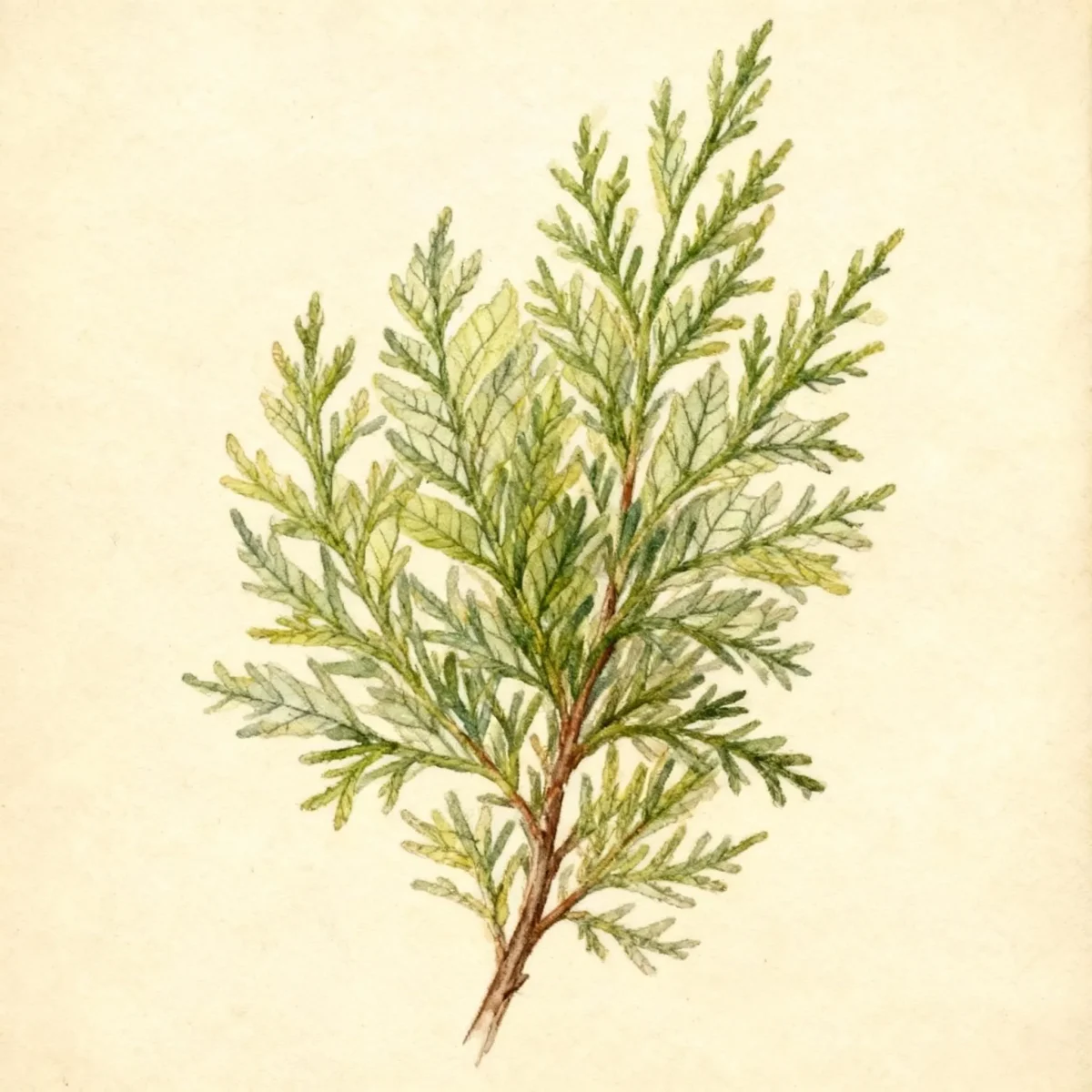
Thuja occidentalis, commonly known as American arborvitae, offers a dense, conical to narrow-pyramidal form. Its aromatic, scale-like foliage emerges yellowish-orange in spring, maturing to medium green, providing seasonal interest. This cultivar, Thuja occidentalis ‘Yellow Ribbon’, is slow-growing and typically reaches 8-10 feet tall with a 2-3 foot spread, making it manageable for residential landscapes.
Tolerances
- Clay Soil
- Black Walnut
- Air Pollution
Potential Problems
While generally hardy, Thuja occidentalis ‘Yellow Ribbon’ can face cosmetic issues primarily related to moisture management or environmental stress. Leaf blight is a fungal concern that can cause minor spotting and needle drop, which is often managed by ensuring good air circulation around the dense foliage and avoiding overhead watering late in the day. Canker is another potential issue requiring pruning out affected branches immediately to prevent spread.
Pests are occasional, particularly bagworms, mealybugs, scales, and spider mites, which can be monitored for, especially during dry periods which favor mites. In high-wind or extremely exposed winter sites, the foliage may suffer from winter burn, appearing yellow-brown; ensuring the plant is well-hydrated before the ground freezes is the best defense for the American arborvitae. The narrow branches may also break under heavy snow or ice loads, so gentle pre-winter shaking can help prevent structural damage.
Frequently Asked Questions
What hardiness zones is American arborvitae (Thuja occidentalis ‘Yellow Ribbon’) suitable for?
This cultivar is very resilient, suitable for USDA Zones 2 through 7.
How large does Thuja occidentalis ‘Yellow Ribbon’ grow?
At maturity, this semi-dwarf plant typically reaches heights between 5 and 10 feet, maintaining a narrow spread of 2 to 3 feet wide.
What sun exposure does Thuja occidentalis ‘Yellow Ribbon’ need?
It thrives best in locations receiving full sun, although it will tolerate partial shade.
When does American arborvitae bloom?
This plant is a needled evergreen and is non-flowering; it produces small, urn-shaped cones instead.
Conclusion
Thuja occidentalis ‘Yellow Ribbon’ provides exceptional evergreen structure and seasonal color contrast in a reliably small package, making it a staple for modern, low-maintenance gardening. This distinctive American arborvitae cultivar excels as a formal hedge or architectural accent. Before purchasing, verify that your site offers adequate sun exposure and check your local USDA hardiness zone compatibility.
Companion Planting
When selecting neighbors for your Thuja occidentalis ‘Yellow Ribbon’, focus on plants that complement its upright texture or share similar cultural needs. Consider pairing it with broadleaf evergreens like rhododendrons or azaleas, which thrive in similar acidic soil conditions, although they will need more shade than the arbrovitae in its preferred full sun location. For dynamic contrast in the shrub border, utilize the fine texture of astilbes or ferns beneath the specimen, provided enough shade is cast to keep these shade-lovers happy.
Since this plant develops into a relatively dense screen, companion plants should be shorter or positioned well in front to layer the planting scheme effectively. Perennials with contrasting dark green or blue foliage, such as Hostas (in shaded spots) or ornamental grasses like Blue Oat Grass, help make the spring yellow tones of the Thuja occidentalis ‘Yellow Ribbon’ truly pop.
Seasonal Care Calendar
Early spring is the ideal time to check your Thuja occidentalis ‘Yellow Ribbon’ for any winter damage or snow breakage before new growth commences. This is also the best time for any light shaping or pruning needed to maintain its tight pyramidal habit. Apply a slow-release fertilizer, if necessary, just as the plant begins to break dormancy.
Summer maintenance focuses primarily on consistent watering, especially during periods of drought, to support the medium water needs and reduce stress that attracts pests like spider mites. Avoid heavy fertilization during the peak heat of mid-summer, focusing instead on water replenishment to maintain the striking yellow color of the American arborvitae.
Fall preparation involves ensuring the plant is well-watered going into dormancy; this hydration is crucial to preventing winter desiccation and minimizing the following year’s winter burn potential on the foliage. Protect newly planted specimens from high winds and monitor for developing bagworms before they become established for the winter.