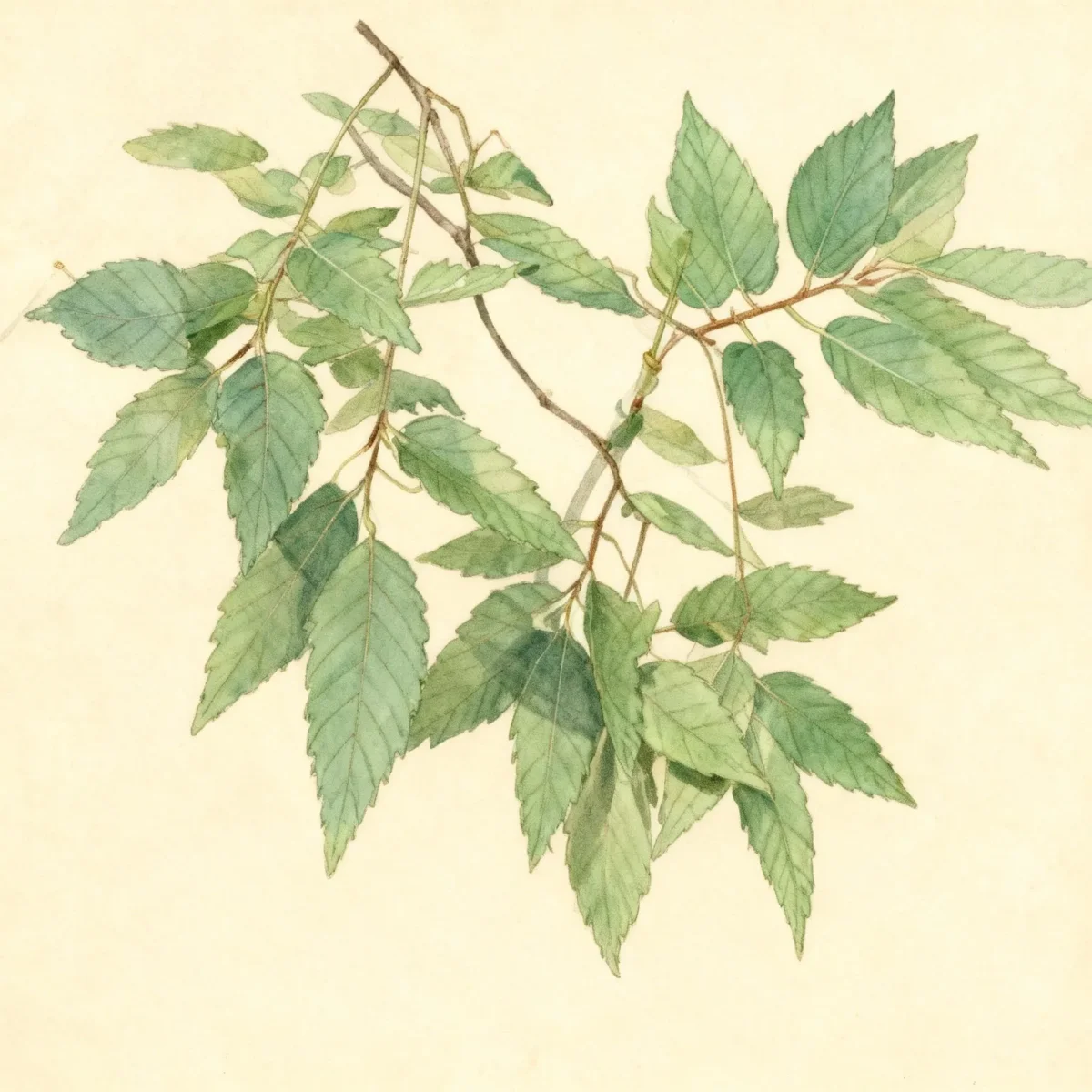
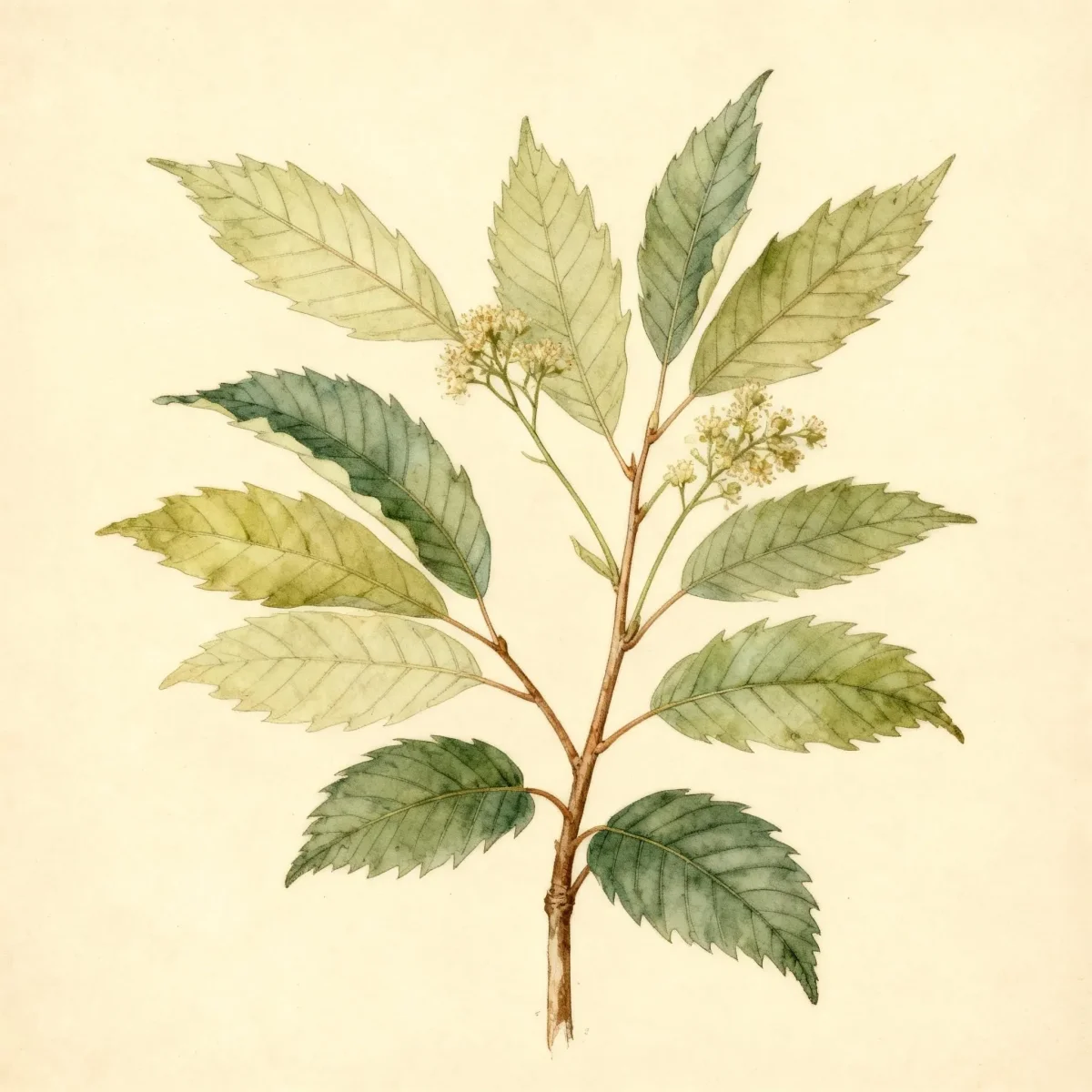
Elm (Ulmus 'Morton' ACCOLADE)
ACCOLADE Elm is a highly disease-resistant, vase-shaped tree growing 50-60 ft tall, ideal for shade and streetside planting in zones 4-9.
Scroll down to discover growing tips, care requirements, companion plants, and more
Complete Plant Information
Overview
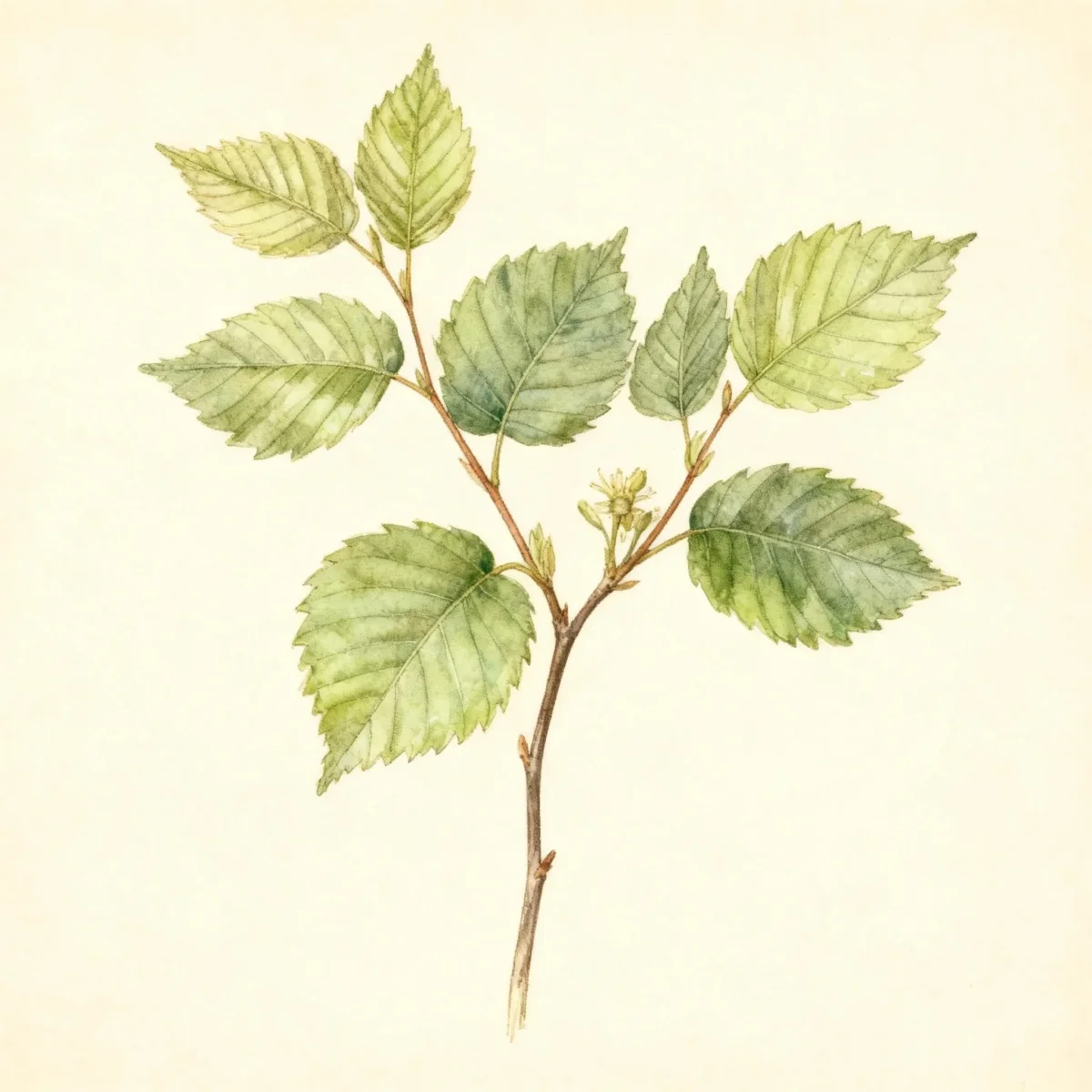
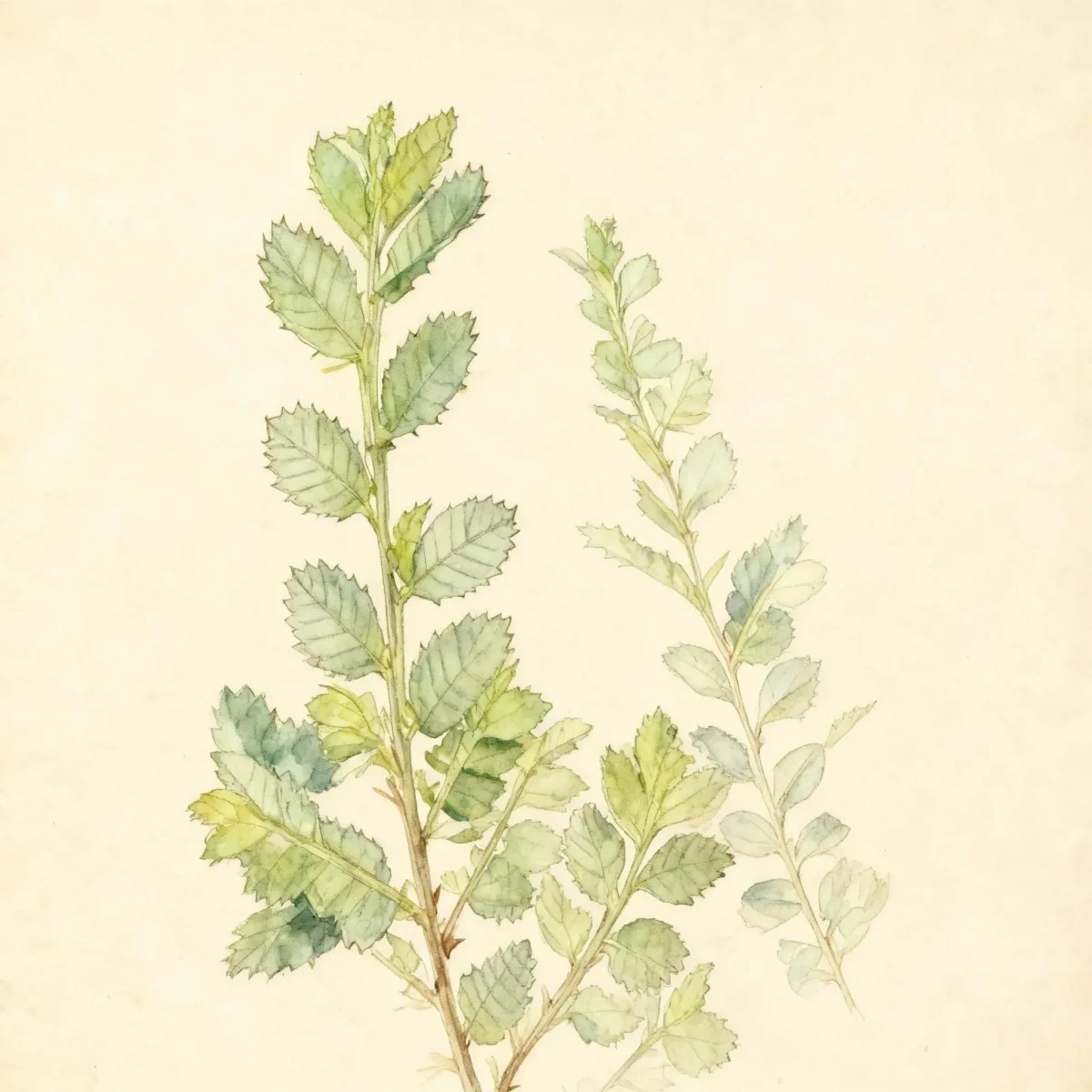
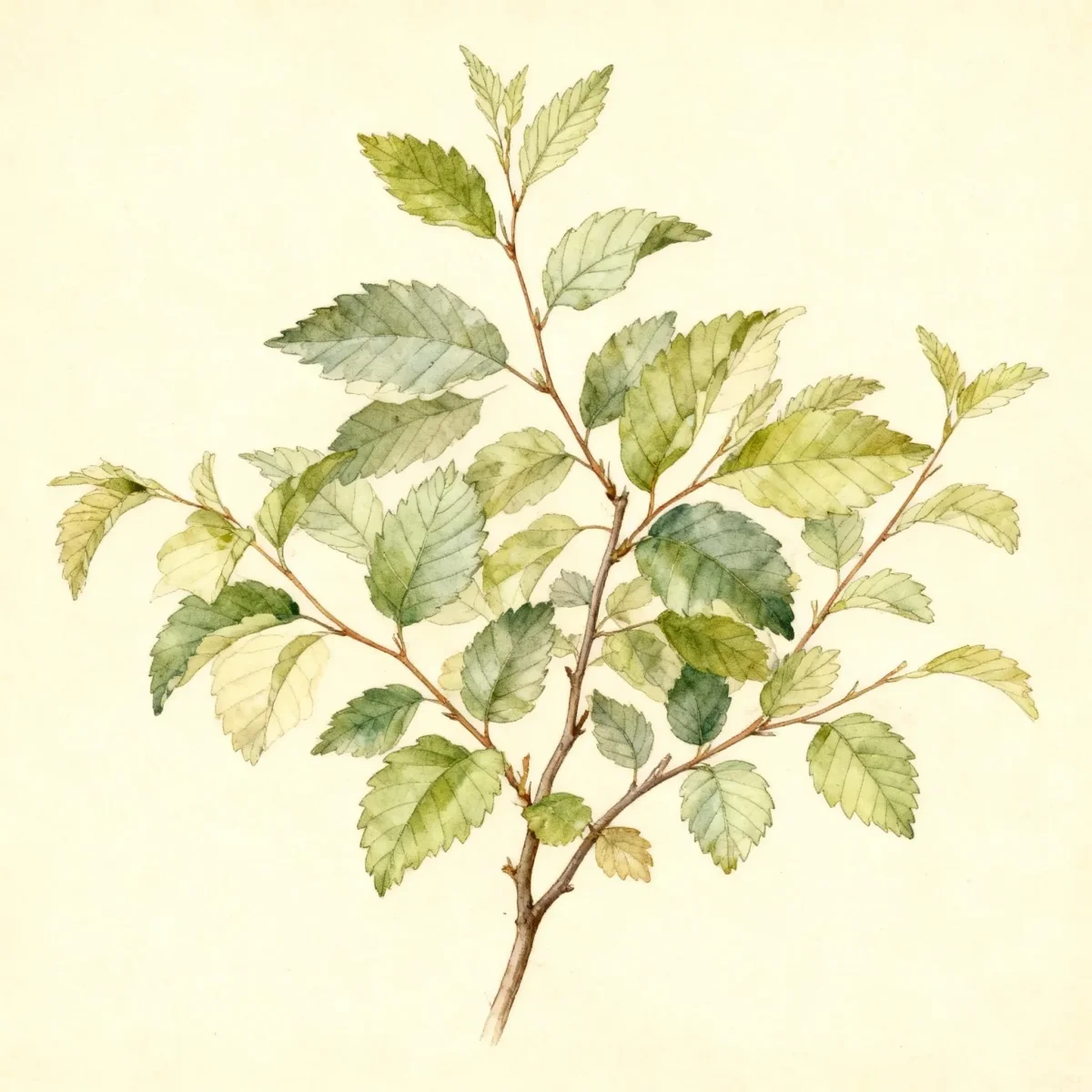
The Ulmus ‘Morton’ ACCOLADE is a vital landscape addition, particularly significant as a disease-resistant replacement for traditional elms. This medium to large, deciduous Elm variety establishes a handsome, vase-shaped silhouette, making it an exceptional choice where high canopy shade is needed. Gardeners value the ACCOLADE for its vigorous growth and its glossy, dark green foliage that offers good yellow color in the autumn.
Originating from a hybrid cross planted at the Morton Arboretum, Ulmus ‘Morton’ ACCOLADE carries a legacy of resilience against common problems devastating other Elm varieties. It is celebrated for carrying excellent resistance to Dutch elm disease, elm leaf miner, and elm leaf beetle, ensuring its longevity in urban and suburban settings.
Functionally, this Elm excels as a stately shade tree or a robust street tree, adapting well to challenging urban environments. Its overall low maintenance profile, combined with structural beauty, makes the ACCOLADE Elm a practical and enduring feature in large landscape designs.
Fast Facts
- Plant Family: Ulmaceae
- Plant Type: Tree
- Hardiness Zones: USDA Zones 4-9
- Size at Maturity:
- Height: 50-60 ft
- Spread: 25-40 ft
- Bloom Time: March to April
- Bloom Description: Green
- Sun Exposure: Full sun
- Water Needs: Medium
- Maintenance Level: Low
How to Grow
Planting the Ulmus ‘Morton’ ACCOLADE is best achieved in spring or early fall when the tree is dormant or semi-dormant. Choose a location that provides full sun, although it tolerates light shade well. Successful establishment requires average, medium moisture, well-drained soils. If possible, aim for rich, moist loams, though this Elm shows commendable flexibility, adapting to both temporary wet sites and drier periods once established.
Watering should be consistent throughout the first few growing seasons to help the root system develop deeply. Although the plant is relatively low maintenance, especially concerning disease pressure, regular pruning is advisable. Focus pruning efforts after flowering, removing any crossing or damaged limbs to maintain the desirable vase shape characteristic of the ACCOLADE Elm.
This cultivar is noted for its adaptability to urban conditions, meaning it handles the stresses of city life better than many traditional shade trees. While it tolerates various soil conditions, ensure excellent drainage remains a priority to prevent root issues. Be aware of the potential for bacterial diseases like wetwood, which may require monitoring during stressful growth phases.
Landscape Uses
The recommended uses for the Ulmus ‘Morton’ ACCOLADE fully leverage its mature size and stately form. It stands as a premier choice for a large-scale shade tree, creating significant cooling shade over lawns or patio areas. Its proven tolerance for urban stress makes the ACCOLADE Elm an ideal street tree option where resilience and overhead canopy are required.
Due to its strong vertical habit before crown broadening, this Elm can anchor substantial garden areas or serve as a dramatic specimen tree in large open spaces. Consider contrasting its dark green summer foliage with understory plantings that prefer partial shade or feature brilliant fall color, as the Elm’s yellow transition is best appreciated when not obscured by taller neighbors. Plant it far enough away from structures to accommodate its mature spread of 25 to 40 feet.
Standout Features
Flower Qualities
- Insignificant
Noteworthy Characteristics
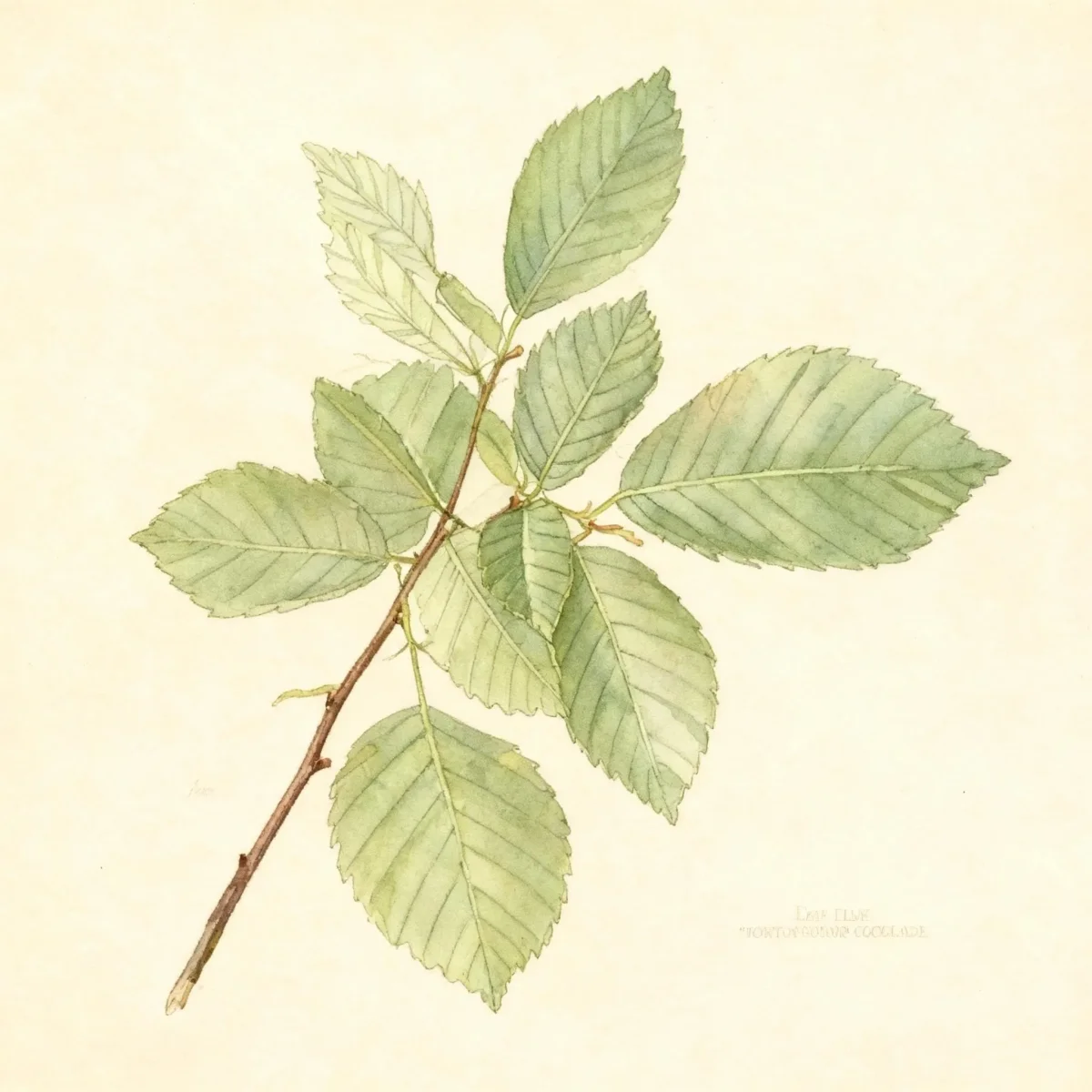
Ulmus is a genus of about 45 species of mainly trees and a few shrubs from found in the North Temperate regions. Plants are usually deciduous but some species are semi-evergreen.Genus name comes from the Latin name.ACCOLADE is a vase shaped, medium to large, deciduous elm that typically grows to 50-60’ tall and to 25-40’ wide. It reportedly has excellent resistance to Dutch elm disease, elm leaf miner and elm leaf beetle. In addition to its excellent disease and pest resistance, it is also noted for its vigorous growth, glossy dark green foliage and good yellow fall color. Leaves typically turn a quality shade of yellow in fall.
Tolerances
- Air Pollution
Potential Problems
While the Ulmus ‘Morton’ ACCOLADE shines with excellent resistance to the devastating Dutch elm disease, gardeners must remain vigilant for other potential health issues. It is susceptible to phloem necrosis, a serious phytoplasma disease that compromises the tree’s food-conducting tissues, leading to bark loosening, defoliation, and eventual death if unchecked.
The tree can also contract wetwood, a bacterial infection that manifests as wilting and dieback in branches. Furthermore, typical shade tree issues like various wilts, cankers, and leaf spots may occur depending on environmental stress factors. Proactive insect management should focus on scouting for borers, leaf miners, and scale insects, requiring timely applications of dormant oils or targeted sprays if infestations become significant.
Maintaining tree health through proper watering and avoiding root disturbance is the best defense against these secondary problems. If wetwood is suspected, consult an arborist, as its presence can signal underlying stress in the established Elm planting.
Frequently Asked Questions
What hardiness zones is Elm suitable for?
The Ulmus ‘Morton’ ACCOLADE Elm is highly adaptable, thriving in USDA Hardiness Zones 4 through 9.
How large does Ulmus ‘Morton’ ACCOLADE grow?
This robust tree typically reaches a mature height between 50 and 60 feet, with a corresponding spread of 25 to 40 feet, requiring adequate space for its full canopy.
What sun exposure does ACCOLADE Elm need?
For optimal growth and structure, the ACCOLADE Elm requires full sun exposure, although it demonstrates tolerance for light shade conditions.
When does Elm bloom?
Flowering occurs relatively early in the season, typically from March to April, producing non-showy, small green blooms before the signature foliage emerges.
Conclusion
The Ulmus ‘Morton’ ACCOLADE stands out in modern horticulture as a beautiful, reliable replacement for its predecessors, offering superior pest and disease resistance. This versatile Elm is perfect for providing lasting structure and shade, making it a worthy investment for large properties. Before planting, confirm that your location falls within USDA Zones 4-9 and ensure good soil drainage to maximize the longevity of your new shade tree.
Companion Planting
Selecting appropriate neighbors for the ACCOLADE Elm enhances the overall health and aesthetic of the landscape bed. Since the Elm prefers well-drained medium moisture soils and full sun, companion plants should share these needs while avoiding competition immediately around the base. Consider planting low-growing, drought-tolerant perennials like Daylilies (Hemerocallis) or ornamental grasses that won’t aggressively compete with the developing root system of the mature tree.
When planning for seasonal interest beneath this deciduous tree, select bulbs like Daffodils (Narcissus) or Crocus which bloom early before the Elm’s canopy fully develops, taking advantage of the spring sunlight penetration. As the Ulmus ‘Morton’ ACCOLADE leafs out, the shade created benefits woodland edge plants that thrive in filtered light later in the summer.
Seasonal Care Calendar
Spring cleanup following bud break is crucial for monitoring the condition of your Elm. Inspect new growth for pests like the elm leaf miner; early detection allows for targeted, low-impact treatments before the season advances. If necessary, apply fertilizer in early spring before rapid growth begins, focusing on slow-release formulas to support long-term vigor.
Summer care primarily involves ensuring consistent medium moisture, especially during periods of drought, as improper watering can stress the tree and invite potential problems like wetwood. Monitor the canopy for excessive leaf drop, which may indicate underlying stress or the beginning stages of less common diseases. Minimal pruning is best reserved for major structural corrections during the dormant season.
Fall preparation involves encouraging good hardening off before winter. Allow the leaves of the Ulmus ‘Morton’ ACCOLADE to drop naturally to ensure nutrients are returned to the root system. Avoid heavy fertilization late in the season, instead focusing on ensuring the soil retains adequate moisture heading into winter dormancy in zones 4-6.