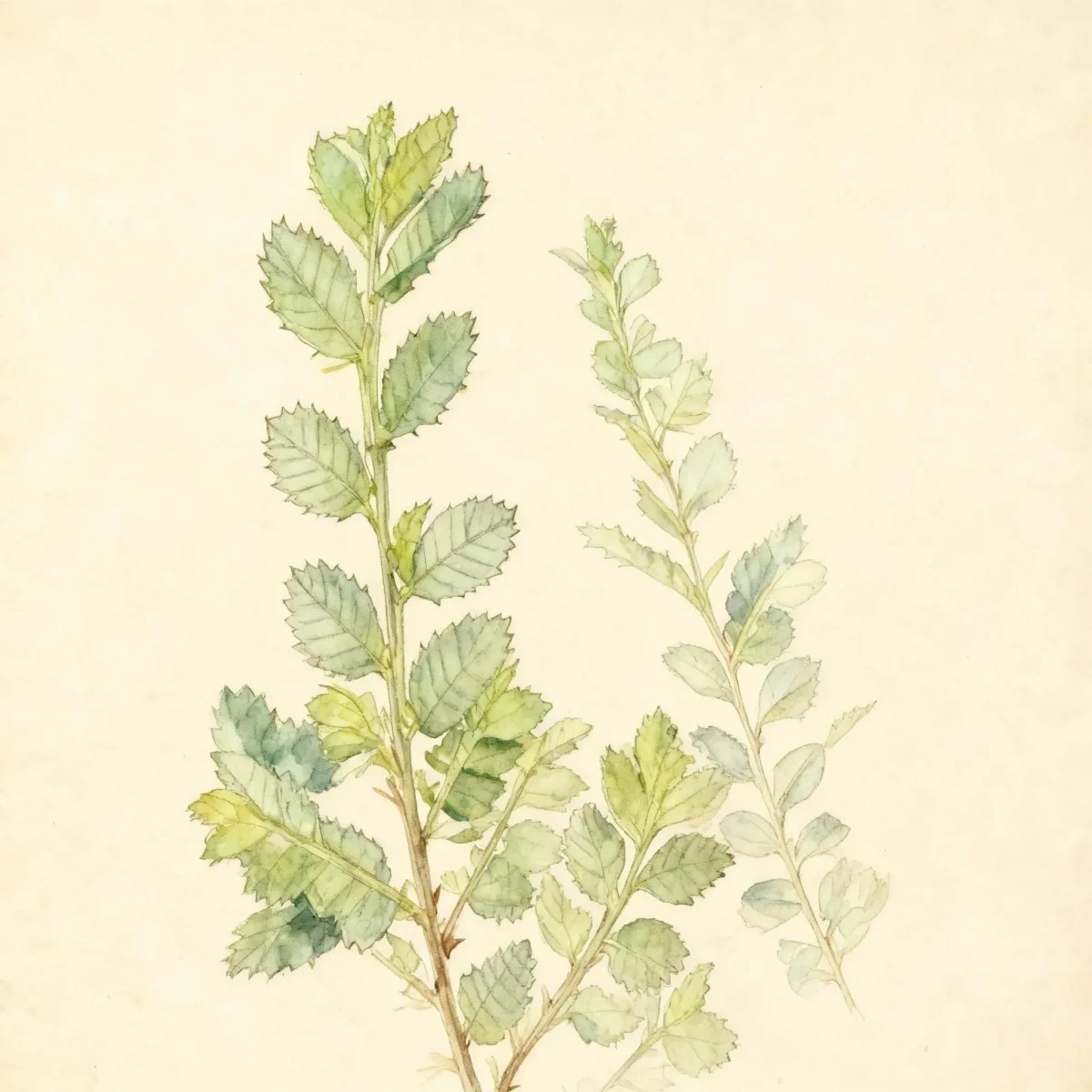
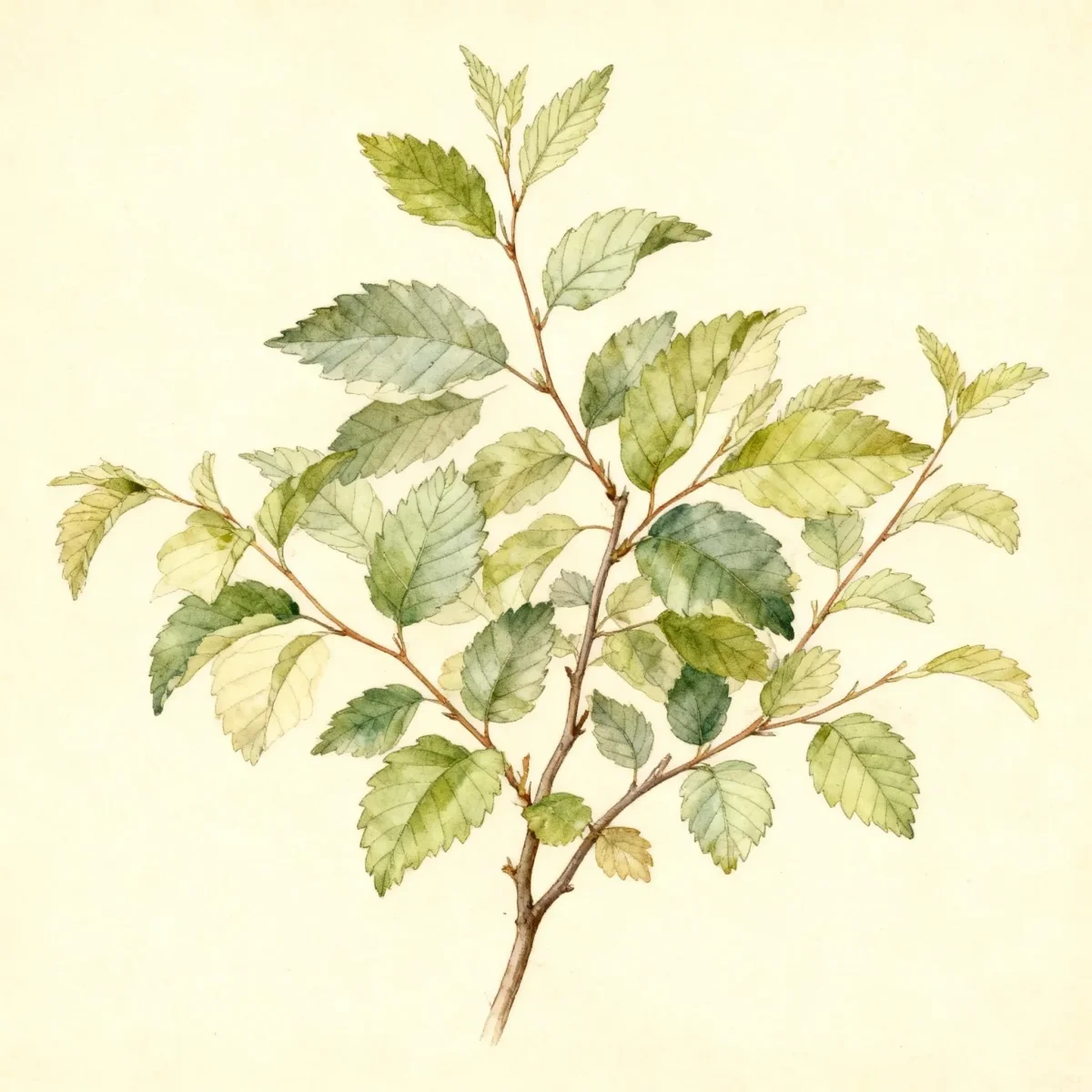
Japanese zelkova (Zelkova serrata 'Green Vase')
Zelkova serrata 'Green Vase' is a majestic, low-maintenance shade tree, offering resistance to Dutch elm disease and graceful vase-shaped growth.
Scroll down to discover growing tips, care requirements, companion plants, and more
Complete Plant Information
Overview
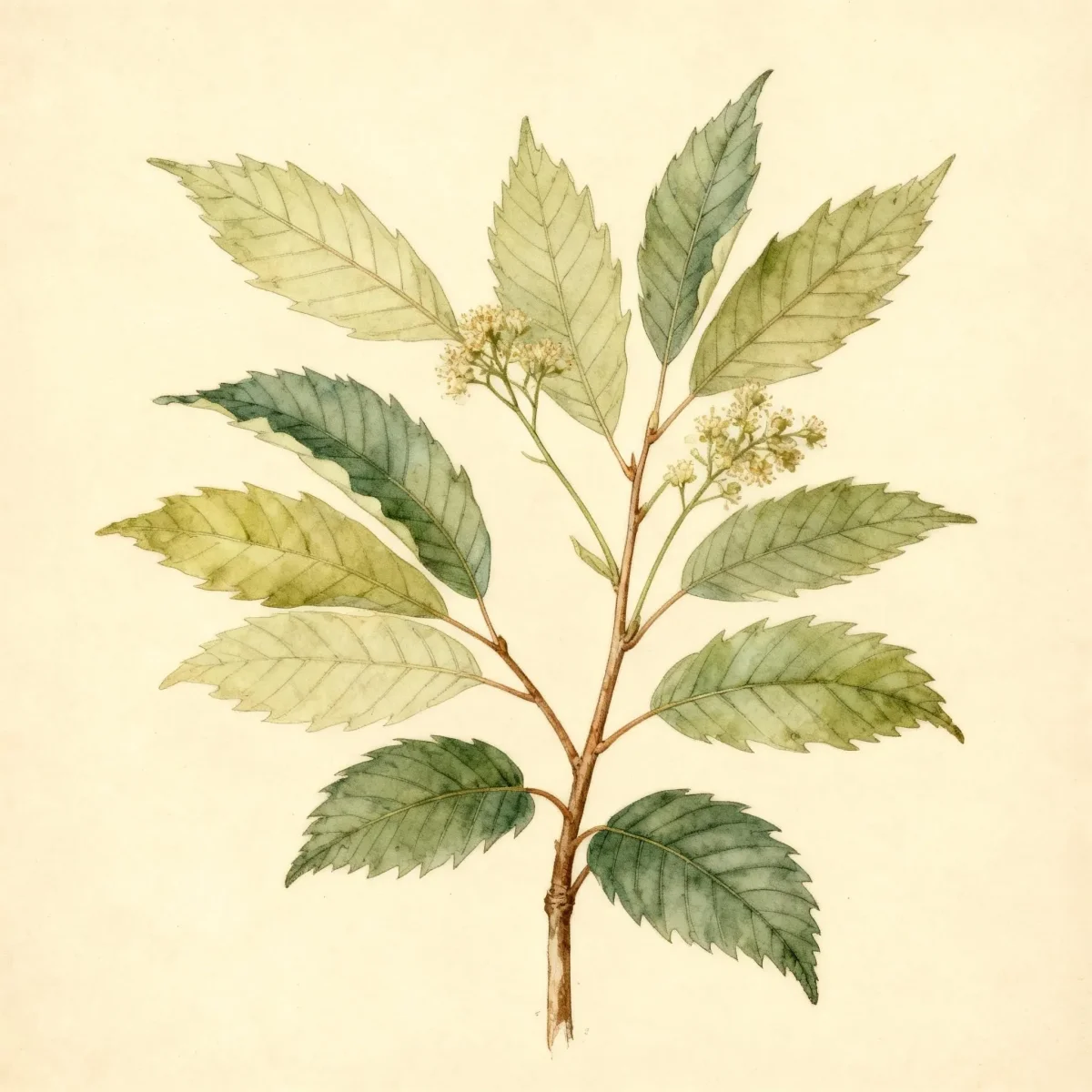
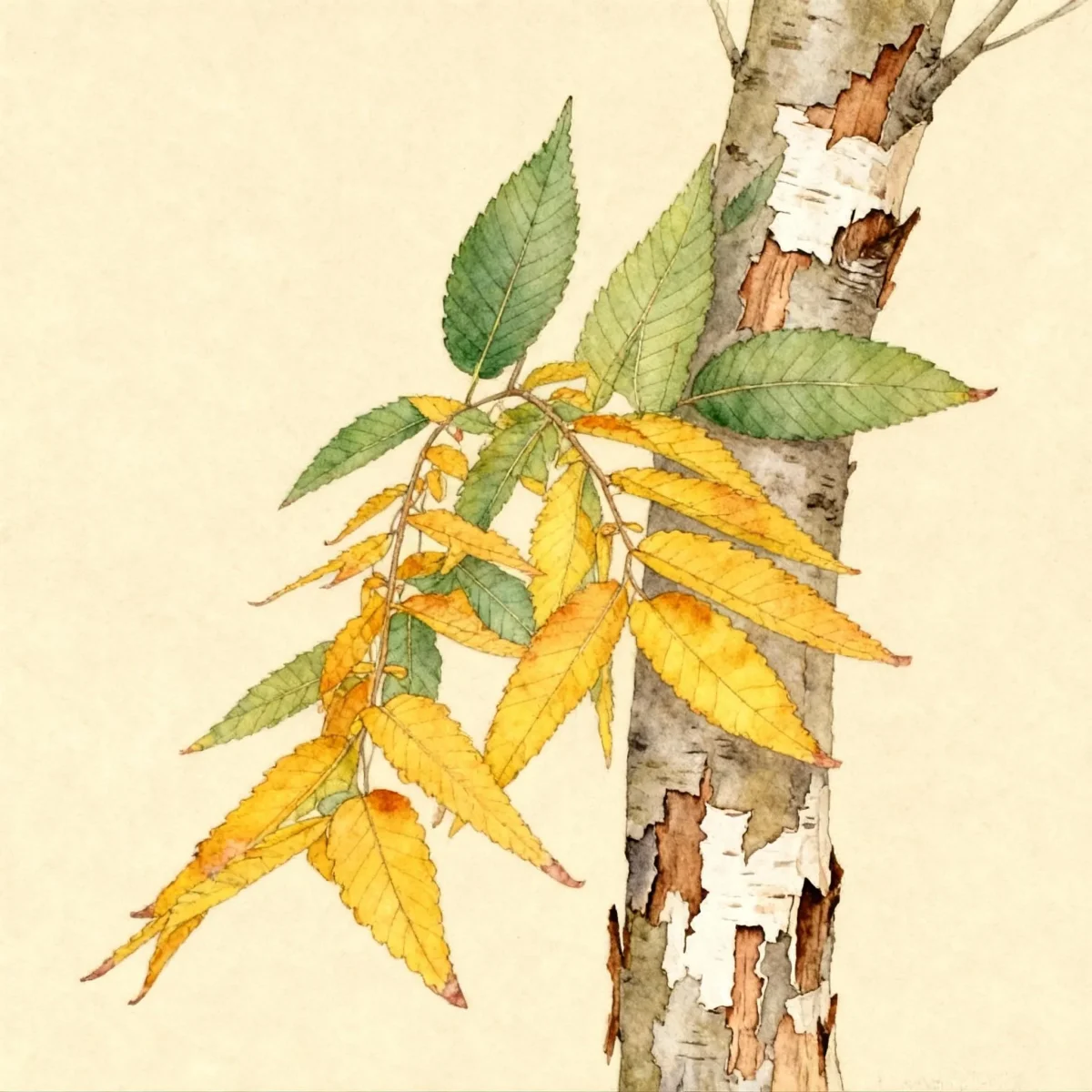
The Zelkova serrata ‘Green Vase’ is a highly prized deciduous tree celebrated for its stately, upright vase-shaped canopy, making it an exceptional specimen tree for large landscapes. As a member of the Ulmaceae family, this cultivar offers the elegance long associated with elms but with the significant advantage of complete resistance to Dutch elm disease. Gardeners value the Japanese zelkova for its low maintenance needs and its distinctive, attractive gray bark that exfoliates with age.
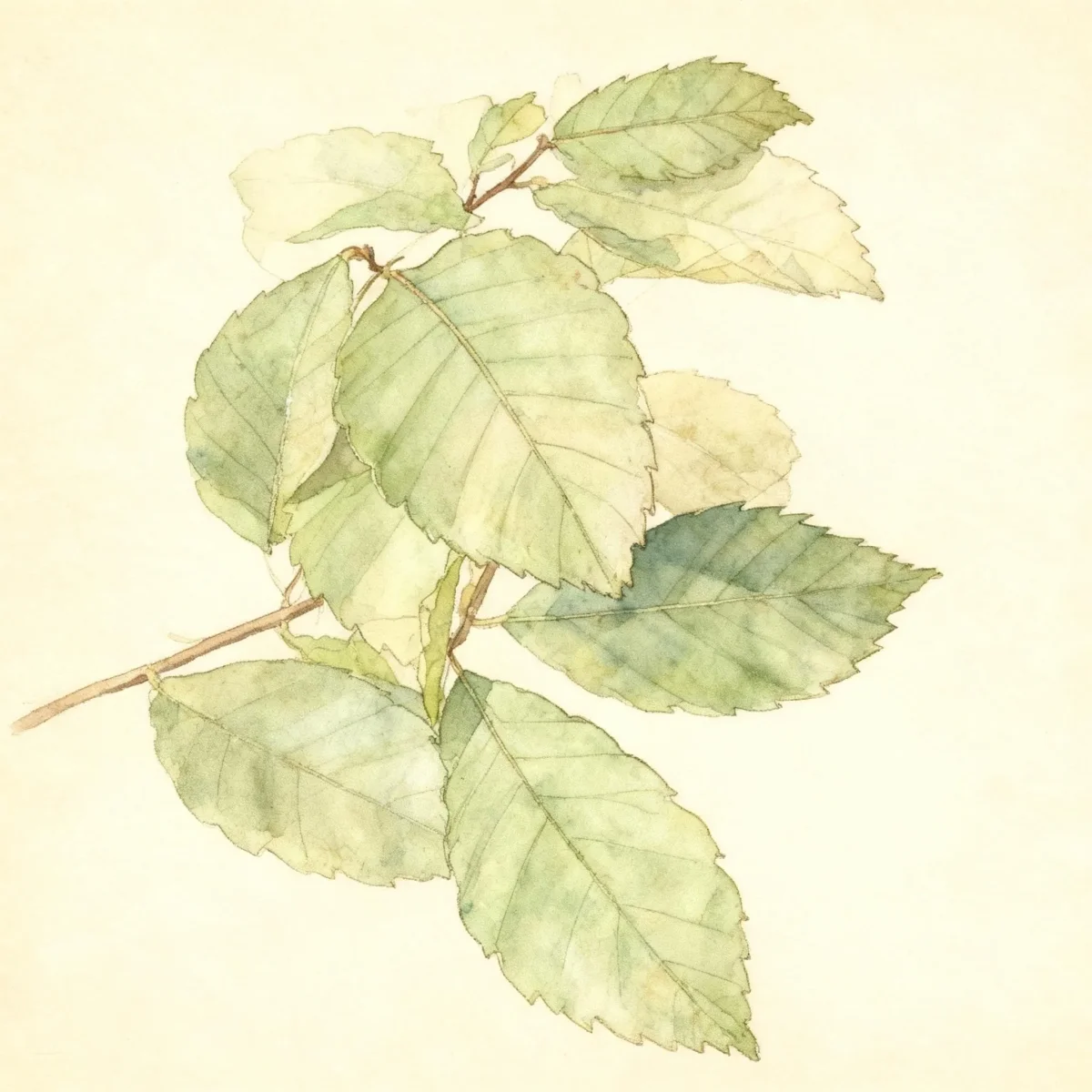
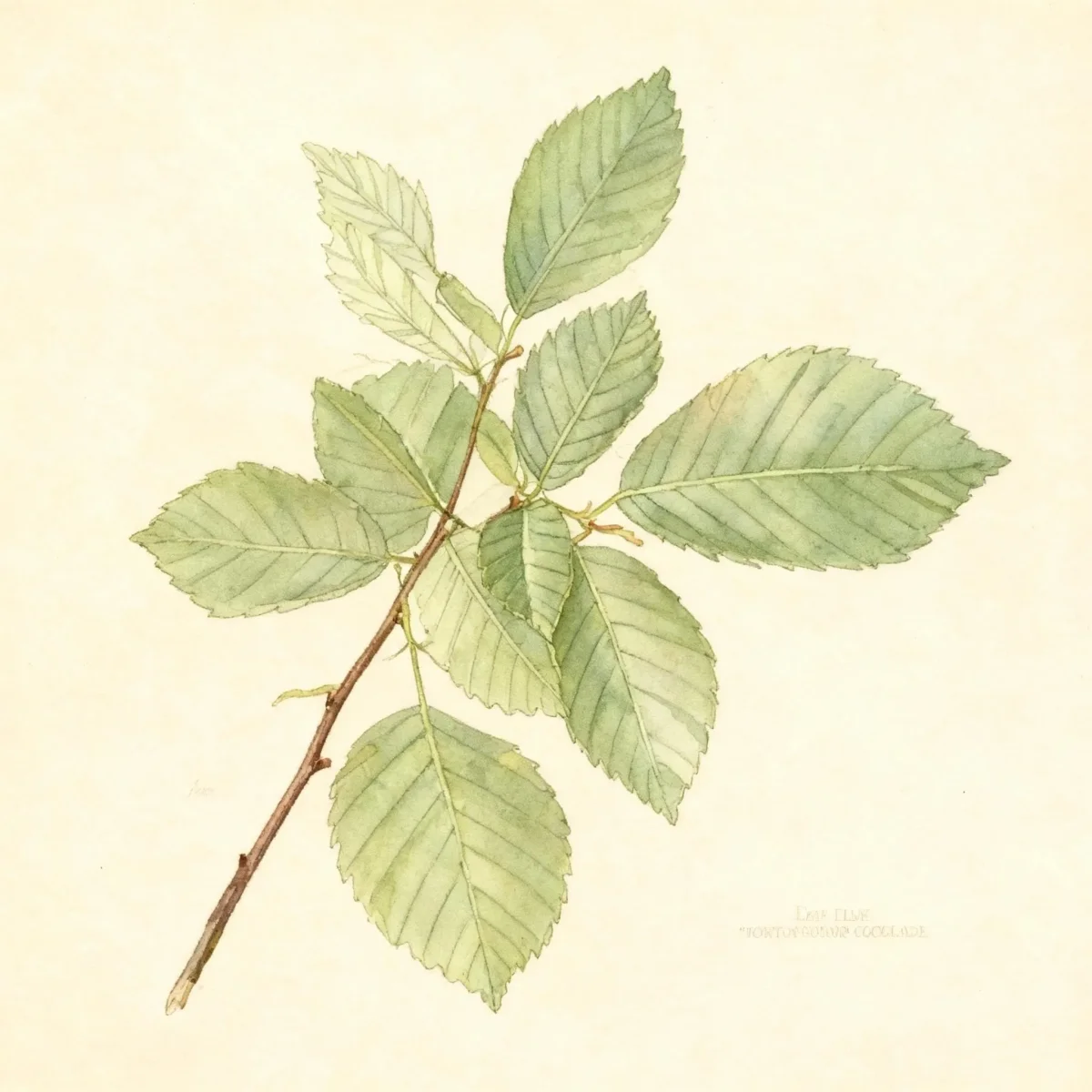
This cultivar, Zelkova serrata ‘Green Vase’, matures into a substantial presence, often reaching 60 to 80 feet tall, providing expansive shade as it matures. It grows best in full sun and is notably tolerant of demanding urban environments, including air pollution. Its clean foliage, which emerges with small green flowers in spring, transitions into variable but often attractive fall coloration.
For those seeking to replace aging elms or needing a towering focal point, Japanese zelkova provides a strong, disease-resistant solution. The structure of Zelkova serrata ‘Green Vase’ is generally narrower and more upright than the species, which enhances its utility as a street tree while maintaining a graceful presence in open park settings.
Fast Facts
- Plant Family: Ulmaceae
- Plant Type: Tree
- Hardiness Zones: USDA Zones 5-8
- Size at Maturity:
- Height: 60-80 ft
- Spread: 40-50 ft
- Bloom Time: March to April
- Bloom Description: Green
- Sun Exposure: Full sun
- Water Needs: Medium
- Maintenance Level: Low
How to Grow
Planting Zelkova serrata ‘Green Vase’ should occur in the spring or fall while the weather is moderate, allowing the large root ball to establish before temperature extremes. Ensure selection of a location that accommodates its mature 60 to 80-foot height and 40 to 50-foot spread. This Japanese zelkova performs best in average, medium-wet, well-drained soils, though it tolerates urban conditions well.
Establishment requires consistency; provide medium water irrigation, especially during dry spells in the first few years. Once mature, established trees show good drought resistance, particularly in heavy clay soils—a noted improvement of this cultivar. Generally, this is a low-maintenance tree; fertilizing is rarely necessary if the soil is reasonably rich, and significant pruning is usually limited to removing hazardous branches or correcting structural issues early in its life.
While the species can sometimes suffer from minor issues like scale or spider mites in severe summer heat, Zelkova serrata ‘Green Vase’ is prized for its general lack of serious insect or disease issues. Avoid planting in overly protected or heavily shaded spots, as it thrives best when exposed to full sun throughout the day.
Landscape Uses
The impressive size and excellent structural integrity of the Japanese zelkova make it an elite choice for functional landscape roles. Its recommended uses strongly feature its capacity as a primary shade provider. Due to its upright, vase shape and proven tolerance to urban stressors, it excels as a premium street tree, lining boulevards and large avenues where overhead clearance is important.
In a park setting or large yard, Zelkova serrata ‘Green Vase’ functions perfectly as a specimen lawn tree, anchoring open spaces with its high canopy and spreading crown. When used in mass plantings or as a backdrop, it offers excellent screening potential while maintaining clean lines. Consider pairing the vibrant green summer foliage with masses of late-blooming perennials or low, mounding shrubs that complement its vertical lift.
Because it is a robust grower, avoid planting too close to structures or utilities. The need for high overhead space means this tree is best situated where its mature spread can be accommodated without constant, restrictive pruning.
Standout Features
Flower Qualities
- Insignificant
Noteworthy Characteristics
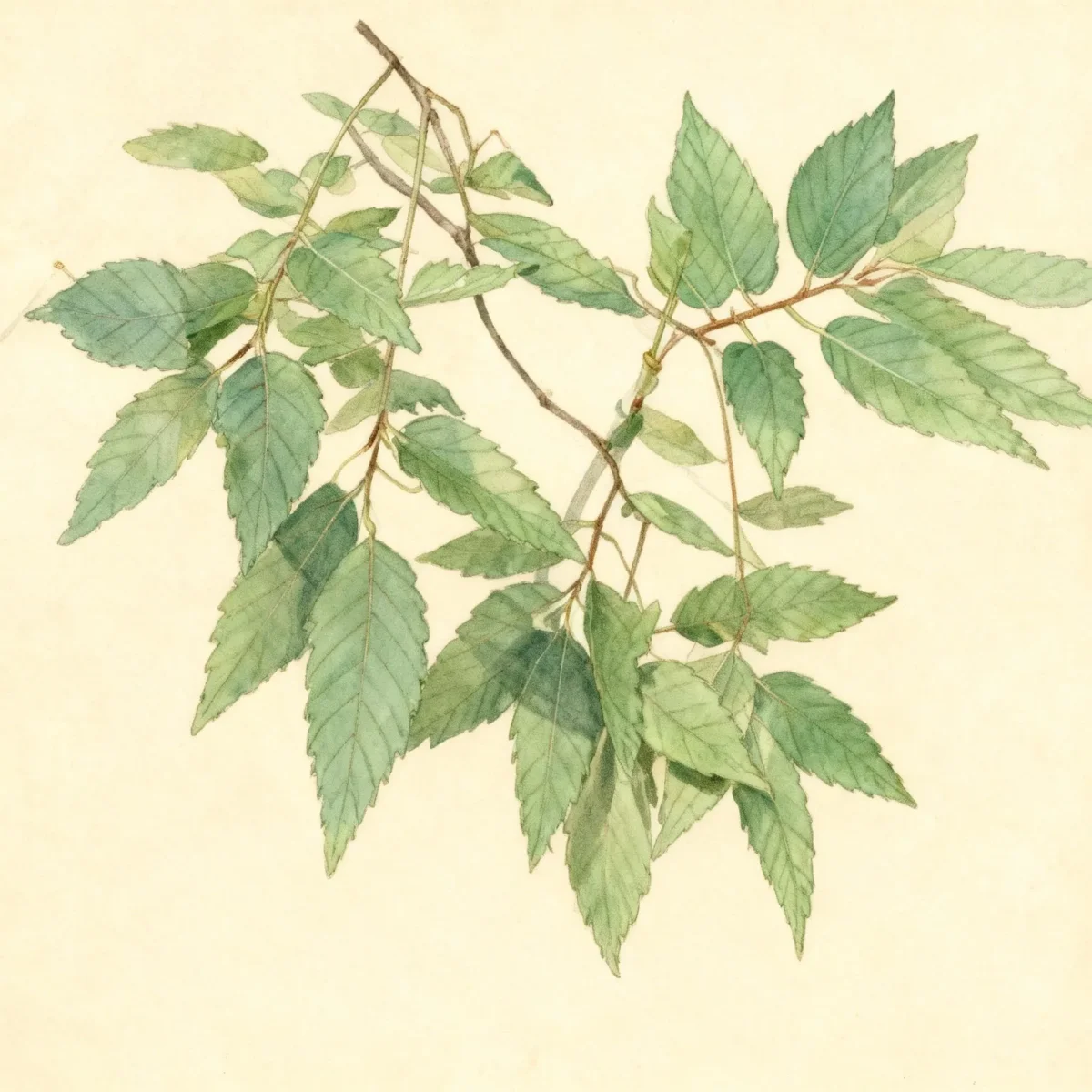
Zelkova serrata, commonly called Japanese zelkova, is a medium to large deciduous tree, typically growing to 50-80’ tall with a spreading, generally upward-branching, vase-shaped crown. It is native to Japan, Taiwan and eastern China and is noted for its graceful shape, clean foliage, attractive bark and resistance to Dutch elm disease. The specific cultivar ‘Green Vase’ is recognized for its narrower upright growth, better drought resistance, and good foliar resistance to air borne pollutants compared to older varieties.
Tolerances
- Air Pollution
Potential Problems
This tree boasts an excellent disease and pest resistance record, being highly resistant to the devastating Dutch elm disease. Watch for minor issues like phloem necrosis, wilts, or cankers, though these are less common. Insect visitors can occasionally include leaf miner, various beetles, and scale; spider mites may appear when conditions become hot and dry. Early detection and management of minor pests usually resolve any outbreaks without impacting the overall health of the Zelkova serrata ‘Green Vase’.
Frequently Asked Questions
What hardiness zones is Japanese zelkova suitable for?
The Japanese zelkova, including the ‘Green Vase’ cultivar, is ideally suited for USDA Hardiness Zones 5 through 8. Ensure your planting location falls within this range for best success.
How large does Zelkova serrata ‘Green Vase’ grow?
This magnificent shade tree typically reaches mature heights of 60 to 80 feet tall, with a canopy spread ranging between 40 and 50 feet wide.
What sun exposure does Zelkova serrata ‘Green Vase’ need?
The Zelkova serrata ‘Green Vase’ requires full sun exposure to develop its strongest form and best foliage density.
When does Japanese zelkova bloom?
Blooming occurs relatively early, usually between March and April, characterized by small, insignificant green flowers as the foliage begins to emerge.
Conclusion
The Zelkova serrata ‘Green Vase’ offers a fantastic blend of formal structure, significant shade potential, and superior disease resistance, making it a premier choice for long-term landscape investment. Its low maintenance profile and urban tolerance simplify its care, even at its impressive mature size. Before purchasing, confirm that your intended site can accommodate the full height and spread of the Japanese zelkova and that your region falls within USDA Zones 5-8.
Companion Planting
Selecting appropriate companions for the Japanese zelkova involves choosing plants that thrive in similar full sun conditions and prefer medium moisture. For foundational plantings beneath the high canopy, consider using shade-tolerant shrubs that enjoy rich soil, such as Hydrangeas (H. quercifolia for texture contrast) or perhaps Viburnums, provided they are kept pruned so as not to compete heavily for root space early on.
When placing smaller ornamental trees or large shrubs nearby, ensure adequate spacing is maintained to allow the vase shape of the Zelkova serrata ‘Green Vase’ to develop unimpeded. Groundcovers that are drought-tolerant once established, like Pachysandra or Vinca minor, can serve well as living mulches once the moisture needs of the large tree are balanced.
Seasonal Care Calendar
Spring is the ideal time to apply a slow-release fertilizer if soil tests warrant it, and to monitor for early emergence of any minor pests on the developing leaves of your Japanese zelkova. Summer care is primarily focused on confirming adequate water intake, especially during peak heat waves, supporting the tree’s drought resistance systems.
Fall is crucial for observing the seasonal change in the foliage of Zelkova serrata ‘Green Vase’, noting its variable fall color ranging from yellow to deep red-brown. Minimal cleanup is required, as the leaves drop cleanly. Winter care involves inspecting the bark and lower branches for physical damage from ice or heavy snow, particularly when the tree is young.