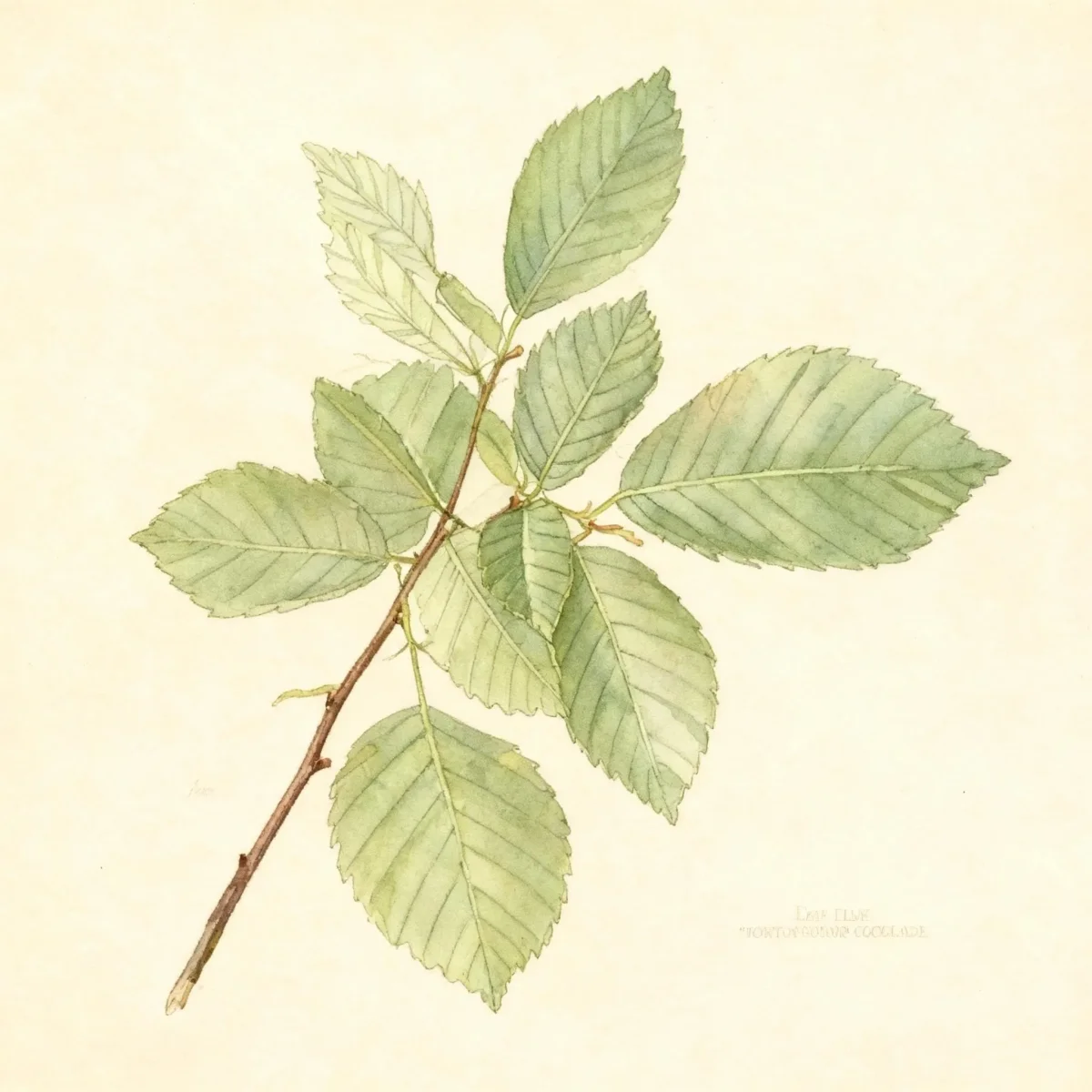
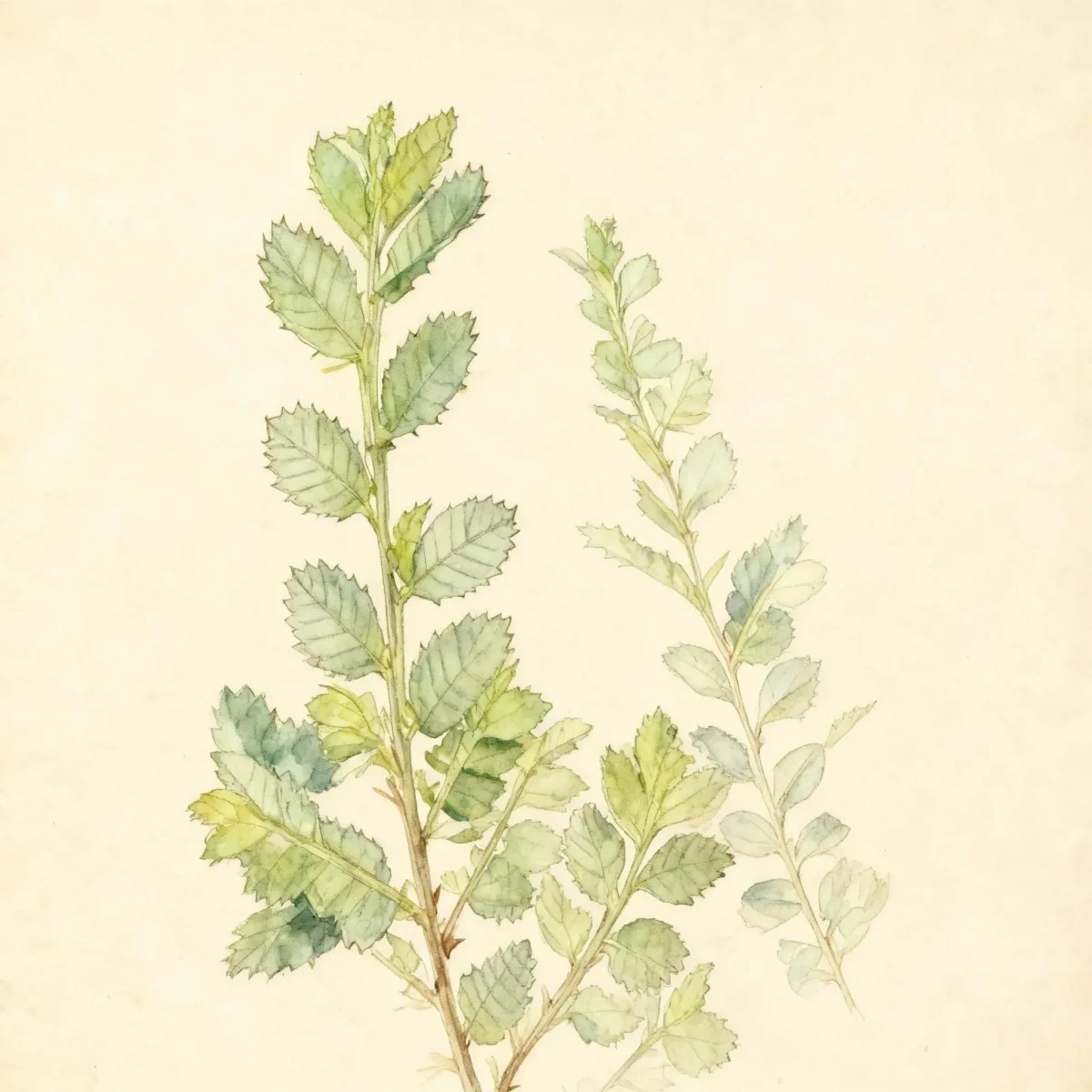
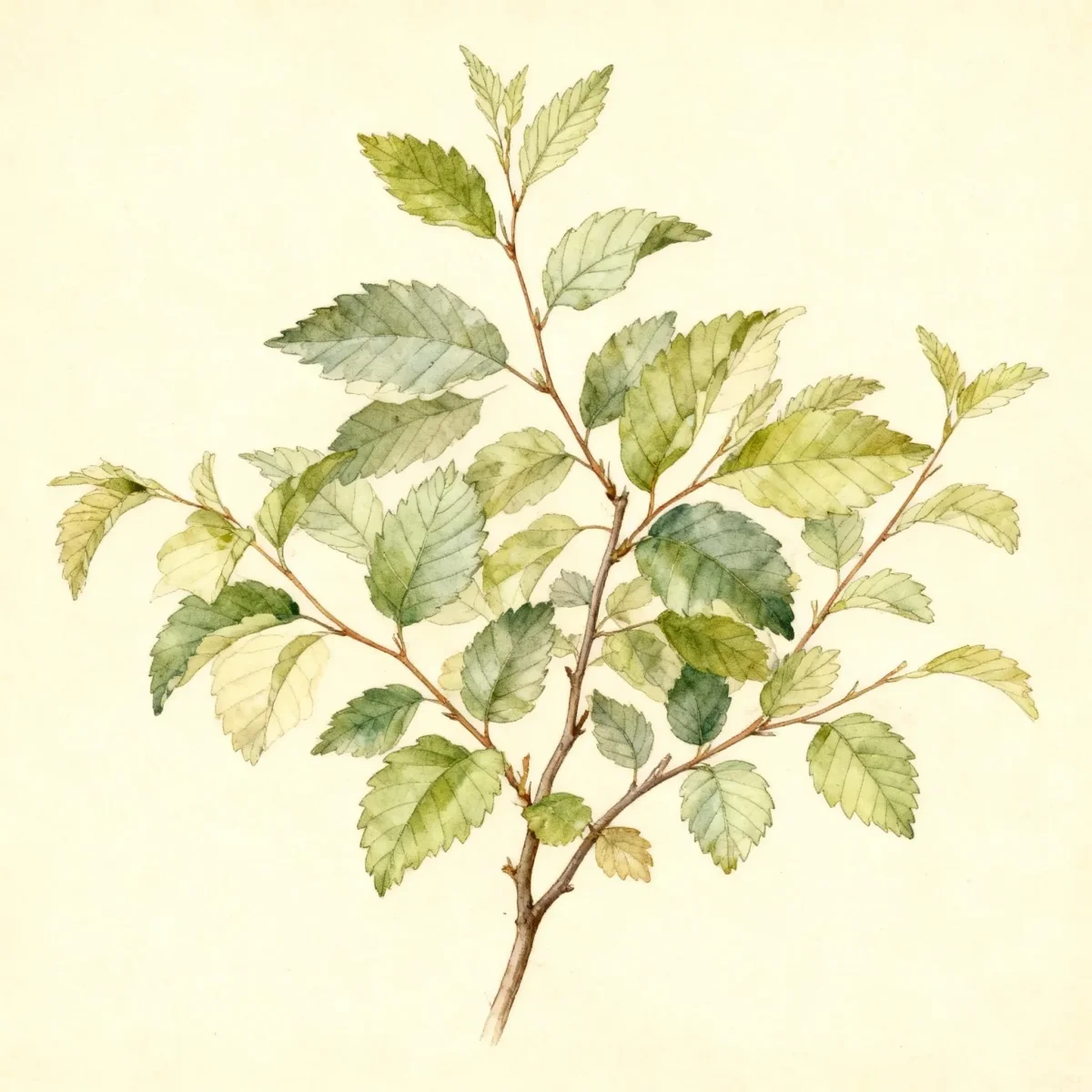
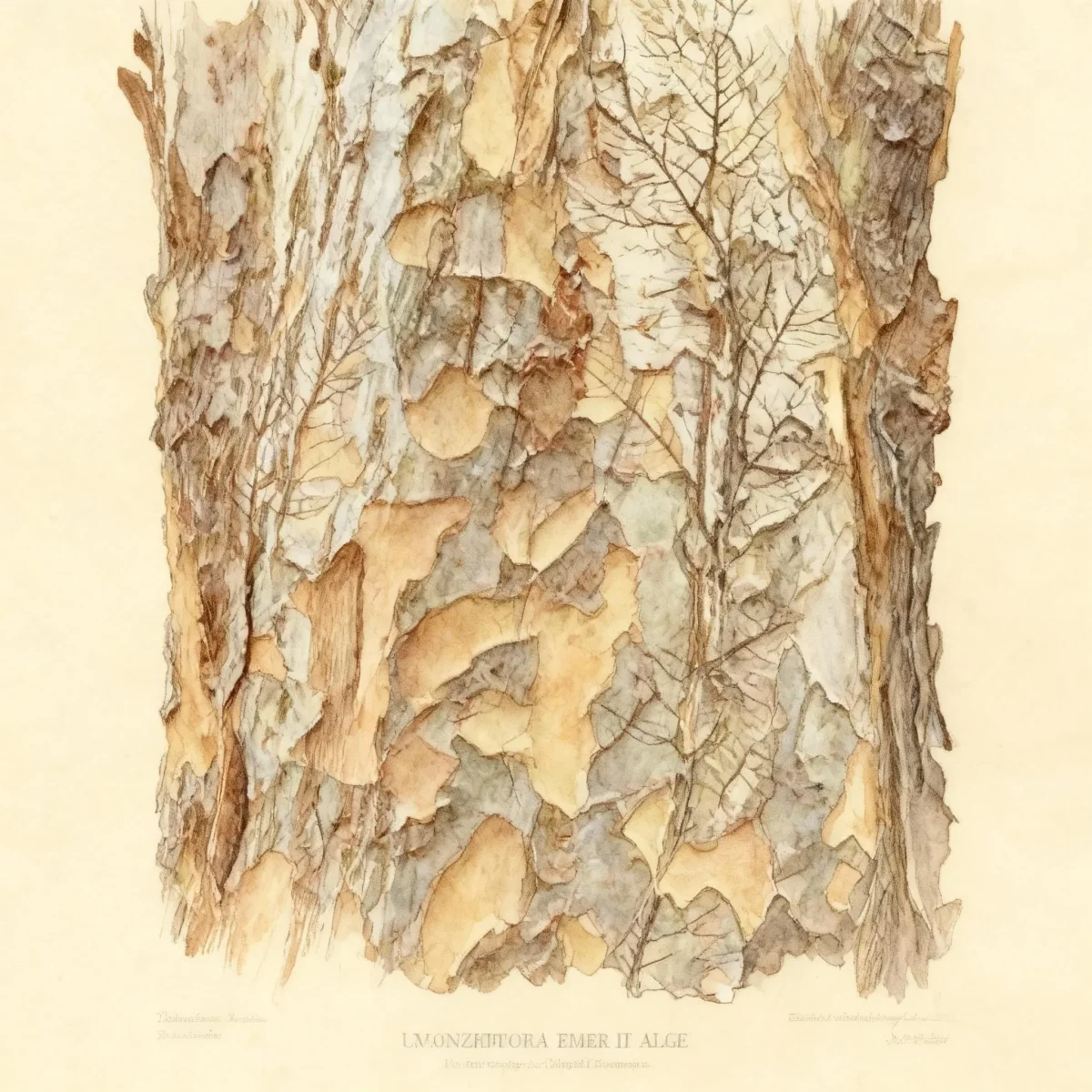
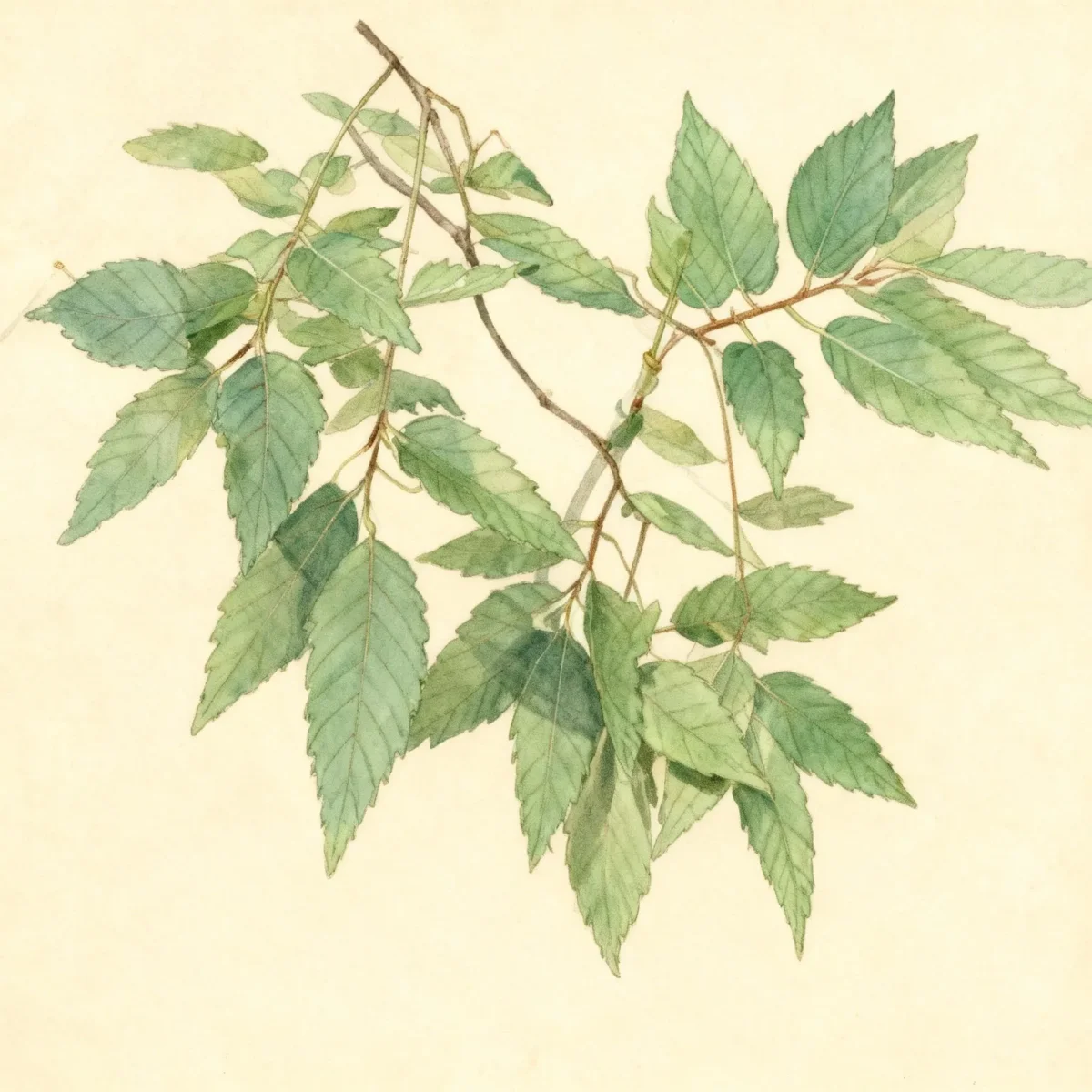
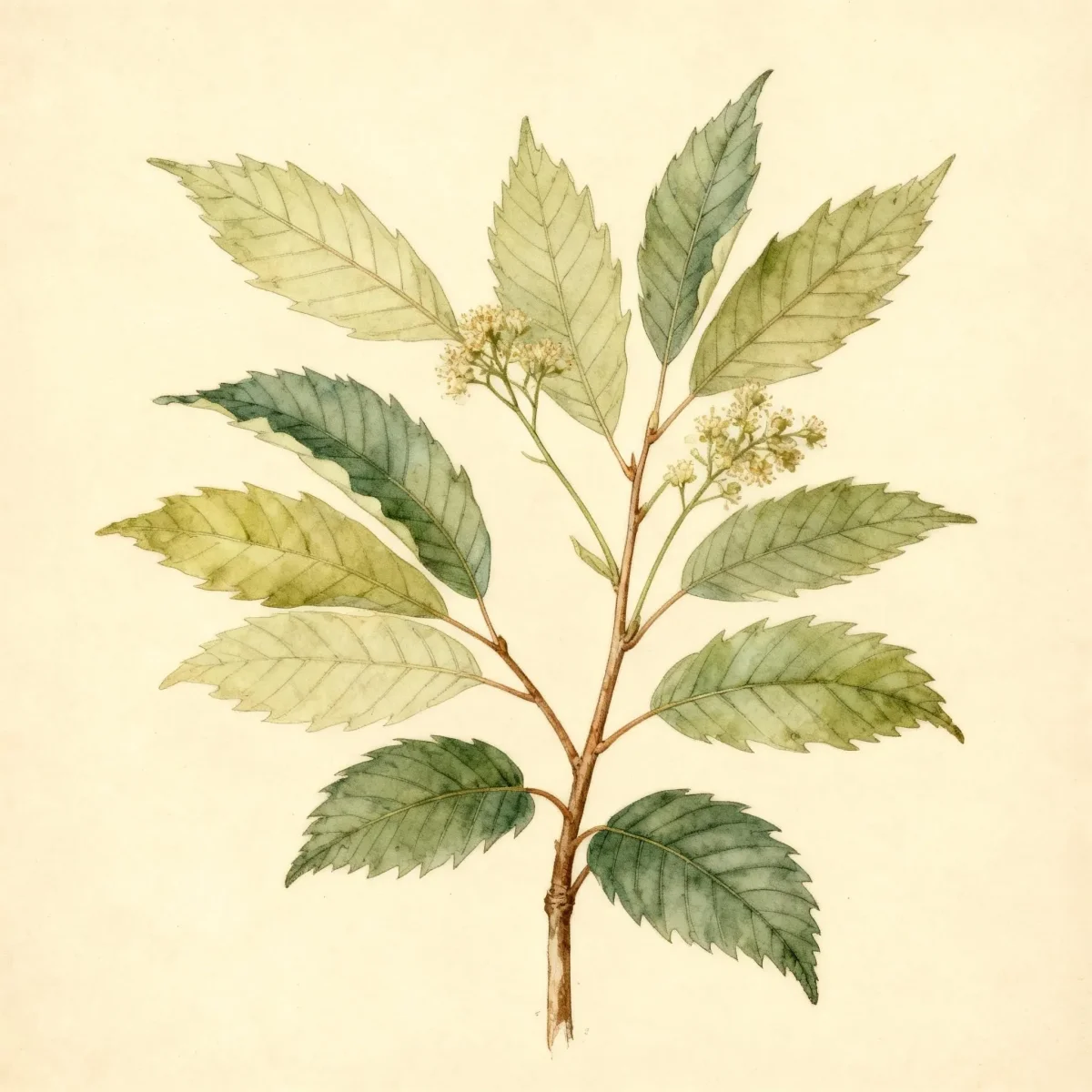
Dutch elm (Ulmus × hollandica 'Jacqueline Hillier')
Ulmus × hollandica 'Jacqueline Hillier' is a dwarf, slow-growing Dutch elm cultivar perfect for small gardens and hedges.
Scroll down to discover growing tips, care requirements, companion plants, and more
Complete Plant Information
Overview
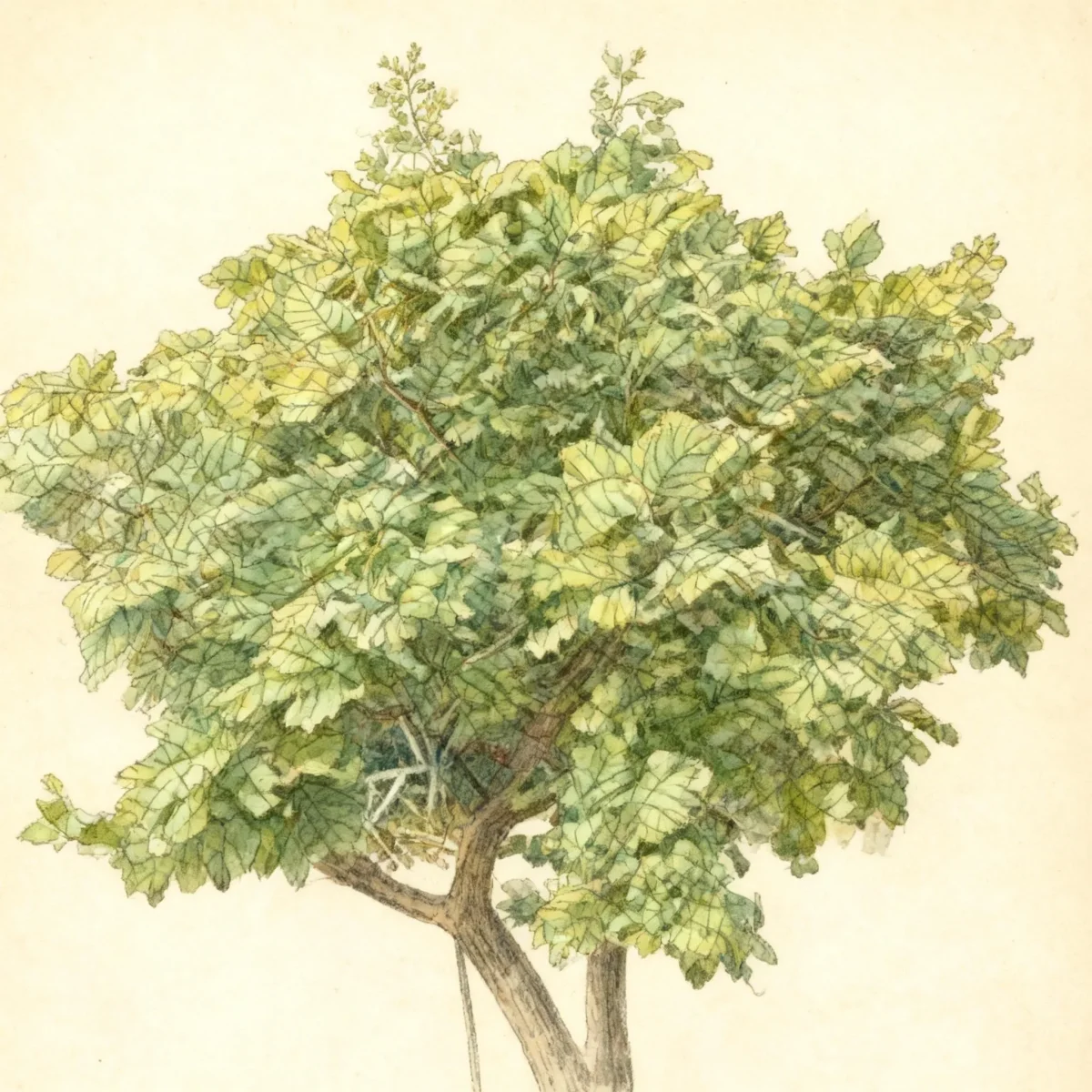
The Ulmus × hollandica ‘Jacqueline Hillier’ is a highly valued, compact cultivar derived from the broader group of Dutch elm trees. This variety excels in landscapes where space is limited, offering the classic elm look in a manageable dwarf habit. Its dense branching structure and fine texture make it an excellent architectural element in smaller settings.
Discovered in England in the early 1960s, this specific hybrid is renowned for its slow growth rate, typically reaching only 10 to 12 feet tall at maturity if allowed to grow naturally. Gardeners appreciate the Dutch elm for its attractive foliage, which features small, finely-toothed, dark green leaves that offer a pleasant contrast to larger shrubs.
A significant benefit of selecting Ulmus × hollandica ‘Jacqueline Hillier’ is its reported excellent resistance to devastating Dutch elm disease, a trait that makes it a responsible and long-lasting choice for modern ornamental planting. It serves beautifully as an accent, border edging, or even a unique container specimen.
Fast Facts
- Plant Family: Ulmaceae
- Plant Type: Tree
- Hardiness Zones: USDA Zones 5-8
- Size at Maturity:
- Height: 8-12 ft
- Spread: 8-12 ft
- Bloom Time: March to April
- Bloom Description: Green
- Sun Exposure: Full sun
- Water Needs: Medium
- Maintenance Level: Low
How to Grow
Plant Ulmus × hollandica ‘Jacqueline Hillier’ in the spring, ensuring it is positioned where it receives consistently bright light, ideally full sun, though it tolerates light shade. This cultivar prefers rich, moist loams and requires well-drained soil to thrive; avoid areas where water pools or stays completely dry.
Establish a regular watering schedule, ensuring the soil remains medium in moisture content. Providing consistent, even moisture is crucial, especially during establishment or periods of drought, as prolonged dryness can lead to leaf scorch or premature leaf drop. Because this specific hybrid will not grow from seed, propagation is best achieved through rooted cuttings.
Maintenance for this low-care Dutch elm is minimal. Prune only as necessary to shape the plant or remove crossing branches, though if left unpruned, it naturally assumes a shrubby form. Its slow growth reduces the frequency of pruning required compared to larger elm varieties.
During winter, established plants require little specific protection, provided they are in the correct hardiness zone. In late winter or early spring, conduct structural pruning before the new growth begins to ensure good air circulation and shaping for the coming season.
Landscape Uses
The compact nature of Ulmus × hollandica ‘Jacqueline Hillier’ makes it incredibly versatile in landscape design. It is exceptionally well-suited for use as formal border edging due to its dense structure, or massed to create a low, neat hedge that offers year-round texture.
For smaller residential gardens, this dwarf cultivar functions perfectly as a specimen or accent plant where traditional elms would overwhelm the scale. It can also be successfully cultivated as a standard small tree by training it onto a single stem, or utilized in large containers to add vertical interest to patios.
Consider pairing this slow-growing Dutch elm with contrasting foliage, such as deeper purple dwarf conifers or light-colored perennials that bloom later in the season, allowing the textured leaves of the elm to take center stage throughout spring and summer.
Standout Features
Flower Qualities
- Insignificant
Noteworthy Characteristics
Ulmus × hollandica, commonly called Holland elm, is believed to be a hybrid of Ulmus glabra and Ulmus plottii or Ulmus minor. ‘Jacqueline Hillier’ is a dwarf, slow-growing, densely-branched, cultivar that was discovered growing in a garden in Birmingham, England in the early 1960s. If left unpruned, it will typically grow in a shrubby form to 6-8’ tall by 6-8’ wide over the first 10-15 years, with an ultimate height of 10-12’ tall, featuring miniature, dark green leaves in a distinctive herringbone pattern.
Tolerances
Potential Problems
Reportedly, Ulmus × hollandica ‘Jacqueline Hillier’ possesses excellent resistance to Dutch elm disease, which is a major benefit for elm enthusiasts. However, like many ornamental trees, it can still be susceptible to various other afflictions including fungal wilts, root rots, and canker diseases, especially if cultural needs regarding drainage are ignored.
Insect visitors may include common garden pests such as aphids, borers, leafhoppers, beetles, mealybugs, caterpillars, and scale insects. Regular inspection, particularly of new growth in spring, allows for early intervention, often manageable with horticultural oils or insecticidal soaps if infestations become severe. Avoid over-fertilizing, which can encourage overly soft growth attractive to borers.
Frequently Asked Questions
What hardiness zones is Dutch elm suitable for?
The Dutch elm cultivar Ulmus × hollandica ‘Jacqueline Hillier’ performs reliably in USDA Hardiness Zones 5 through 8.
How large does Ulmus × hollandica ‘Jacqueline Hillier’ grow?
This dwarf cultivar typically matures between 8 to 12 feet in height with a similar spread of 8 to 12 feet, maintaining a manageable size for smaller yards.
What sun exposure does Dutch elm need?
Ulmus × hollandica ‘Jacqueline Hillier’ thrives best when positioned in full sun, though it can adapt to locations receiving light shade.
When does Ulmus × hollandica ‘Jacqueline Hillier’ bloom?
This tree produces its small, green flowers early in the season, usually blooming between March and April.
Conclusion
The dwarf stature combined with low maintenance and superior disease resistance confirms the Ulmus × hollandica ‘Jacqueline Hillier’ as an outstanding specimen for contemporary landscaping. By offering the grace of a traditional elm in a scaled-down package, this Dutch elm provides superb texture and structure wherever it is utilized. Ensure you confirm its suitability for your specific USDA zone before planning your spring or fall planting time.
Companion Planting
When selecting plants to accompany Ulmus × hollandica ‘Jacqueline Hillier’, focus on species that share the preference for full sun and medium, well-drained moisture. Low-growing, spreading perennials that do not compete heavily for surface nutrients work well beneath its canopy.
Consider pairing it with plants like ornamental grasses, such as Japanese Forest Grass (Hakonechloa), which offers fine texture contrast while tolerating partial shade if the tree casts light shade. In full sun locations, low-growing Sedums or hardy Geraniums can provide season-long groundcover beneath the dwarf elm.
Because the finest foliage display occurs during the growing season, incorporating spring-flowering bulbs like Daffodils or early Tulips near specimen plantings of the Dutch elm will provide vibrant color before the elm’s own small blooms appear.
Seasonal Care Calendar
For optimum health, monitor moisture levels closely during the first two seasons of growth for your Ulmus × hollandica ‘Jacqueline Hillier’. Water deeply and infrequently once established, emphasizing thorough soaking rather than frequent light sprinkles to encourage deep root development.
Mid-spring is the ideal time to assess the tree for any winter damage or crossing branches requiring removal, utilizing light pruning to define the naturally bushy shape. Avoid heavy fertilization, as excessive nitrogen can encourage weak, succulent growth that is more prone to pest damage.
Fall colors on this cultivar are noted as attractive shades of orange. Once leaves drop, ensure the area around the trunk is clear of debris that could harbor pests or fungi over the winter months. No special winter wrapping is usually needed in zones 5-8.