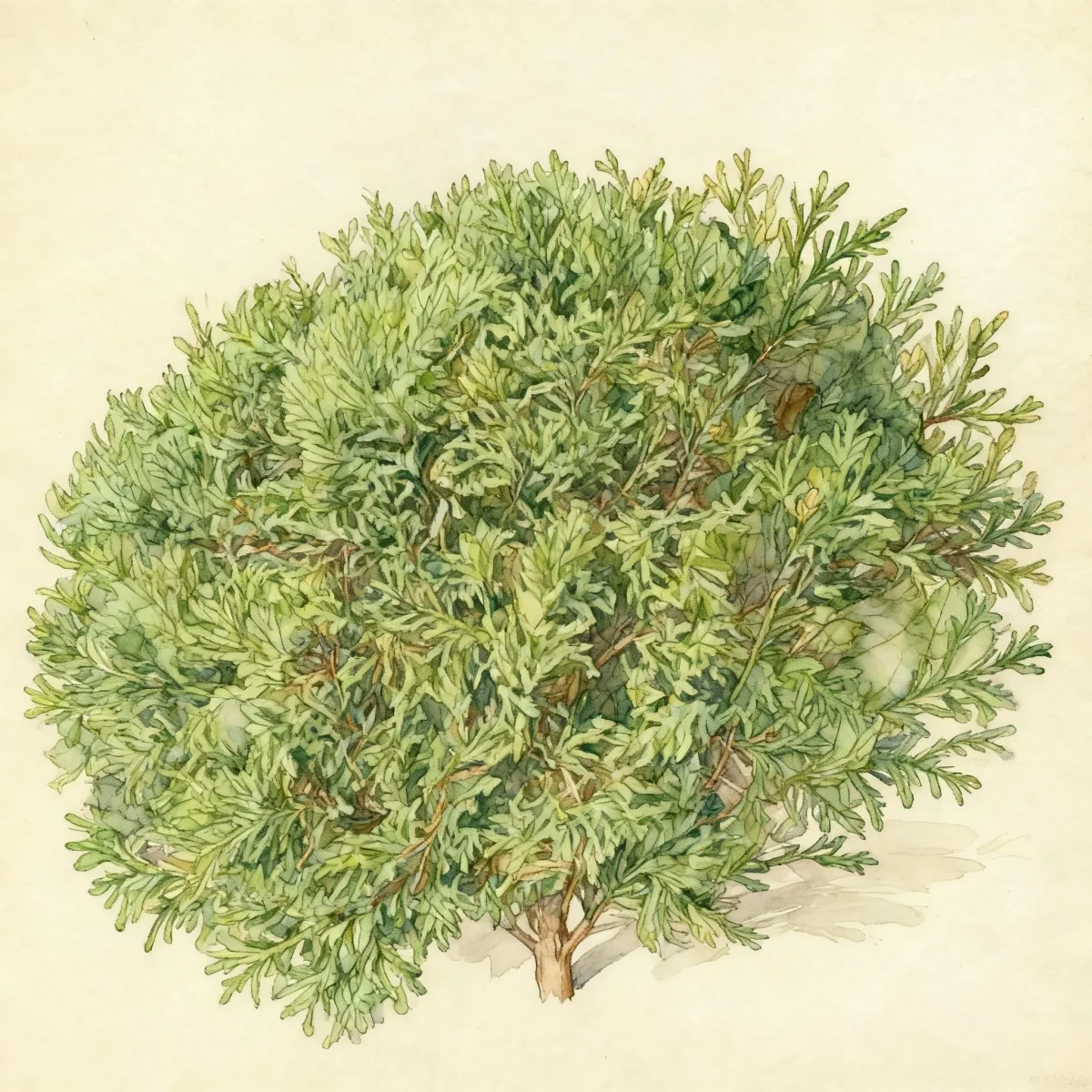
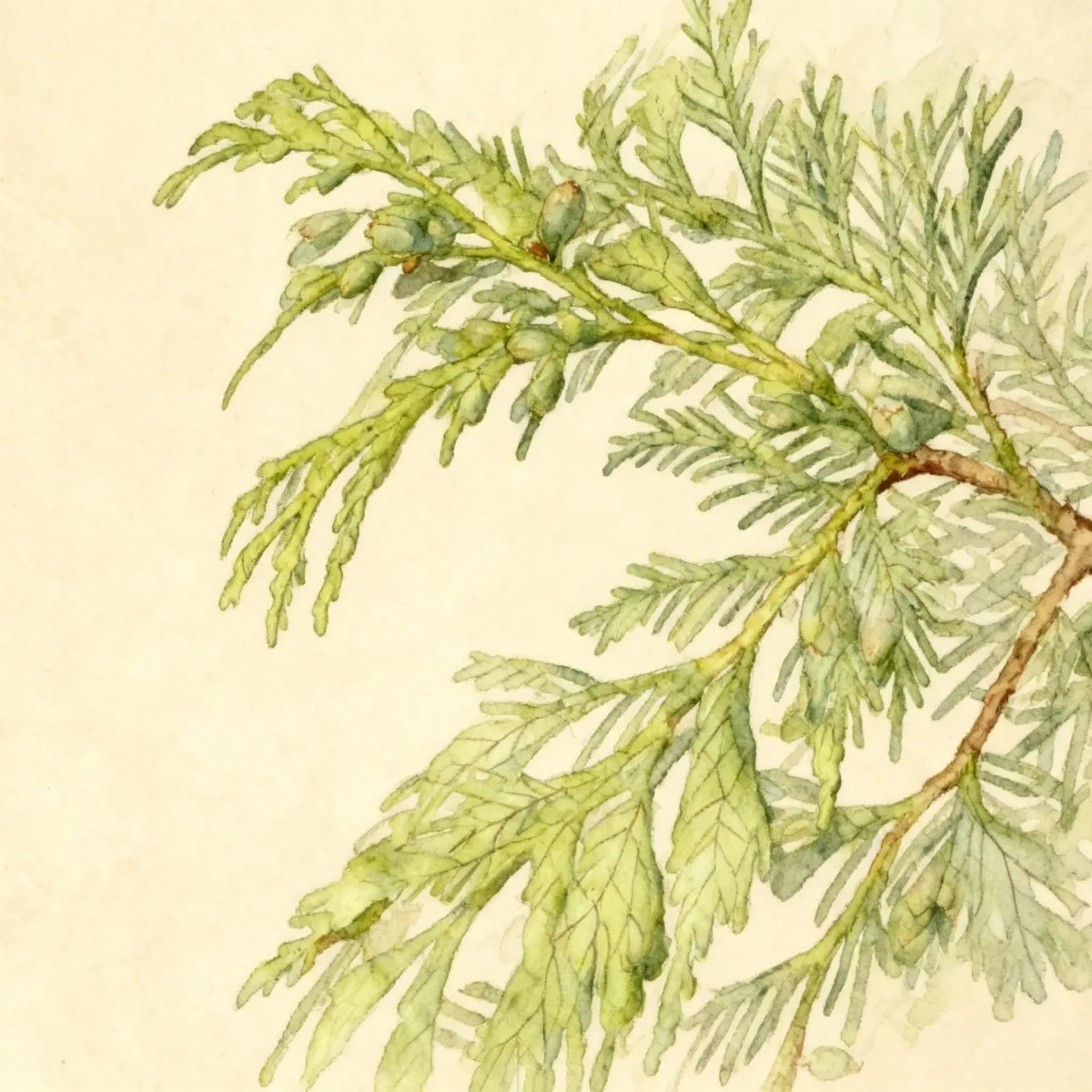
American arborvitae (Thuja occidentalis 'Little Gem')
Thuja occidentalis 'Little Gem' is a dwarf, dense American arborvitae ideal for rock gardens, offering low maintenance and attractive foliage.
Scroll down to discover growing tips, care requirements, companion plants, and more
Complete Plant Information
Overview
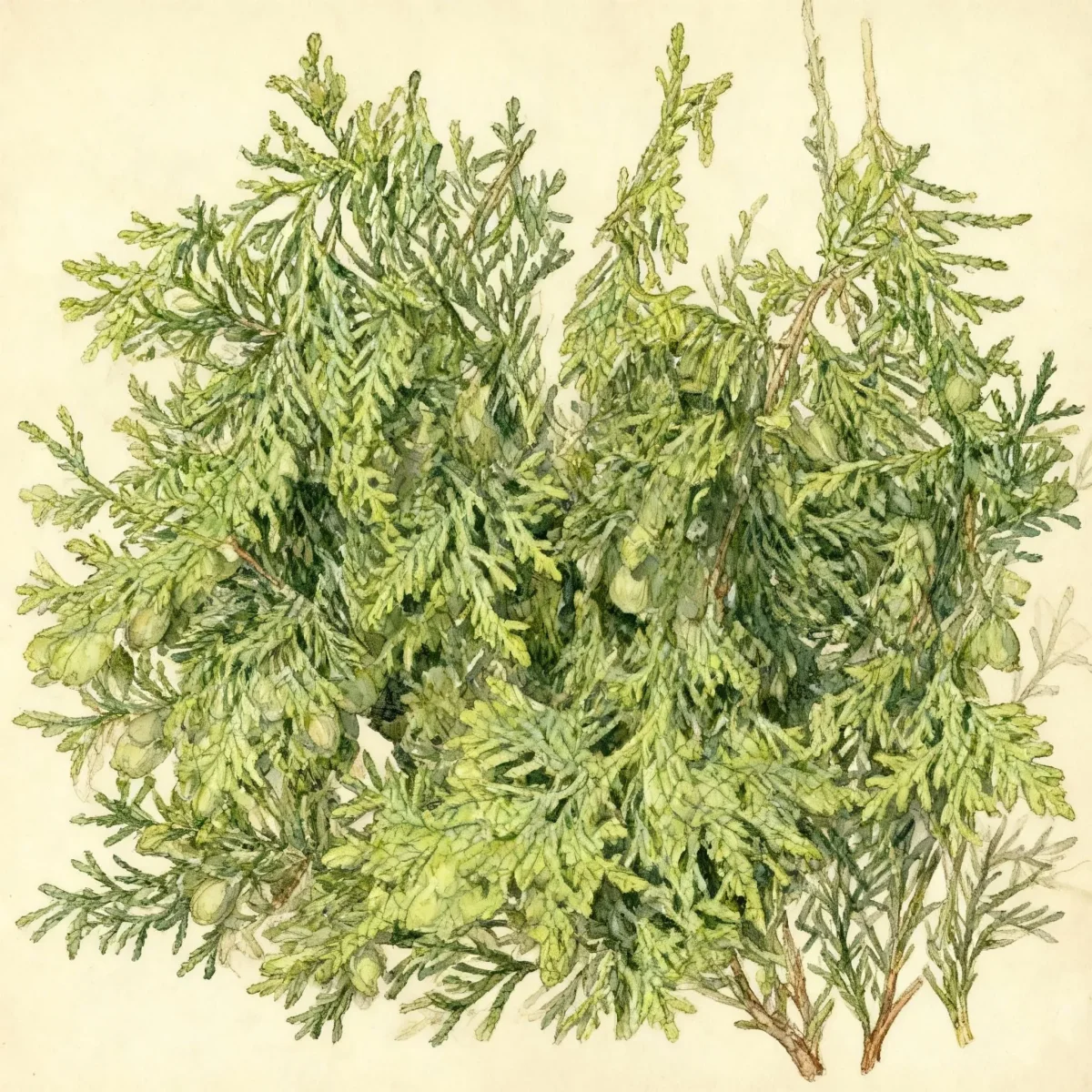
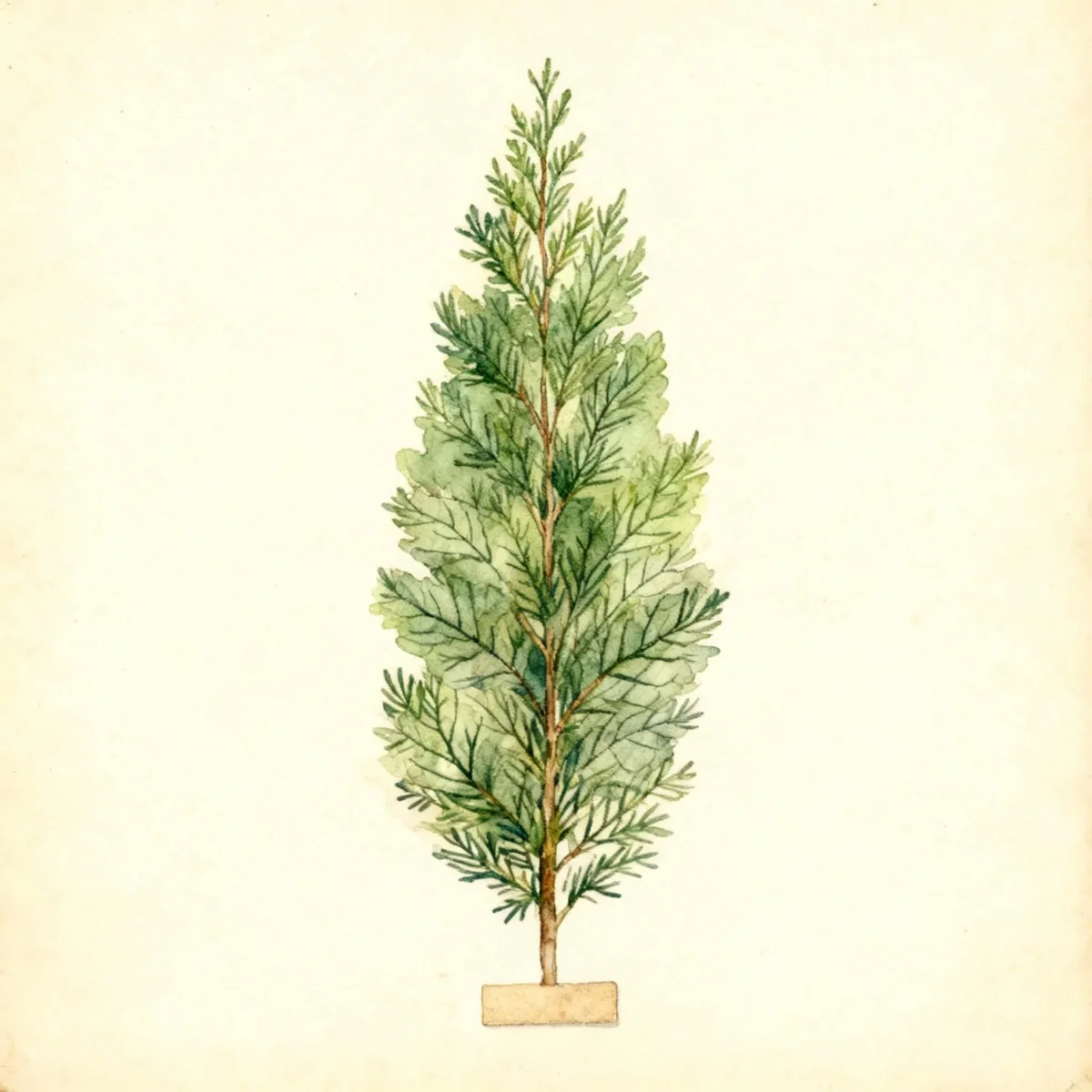
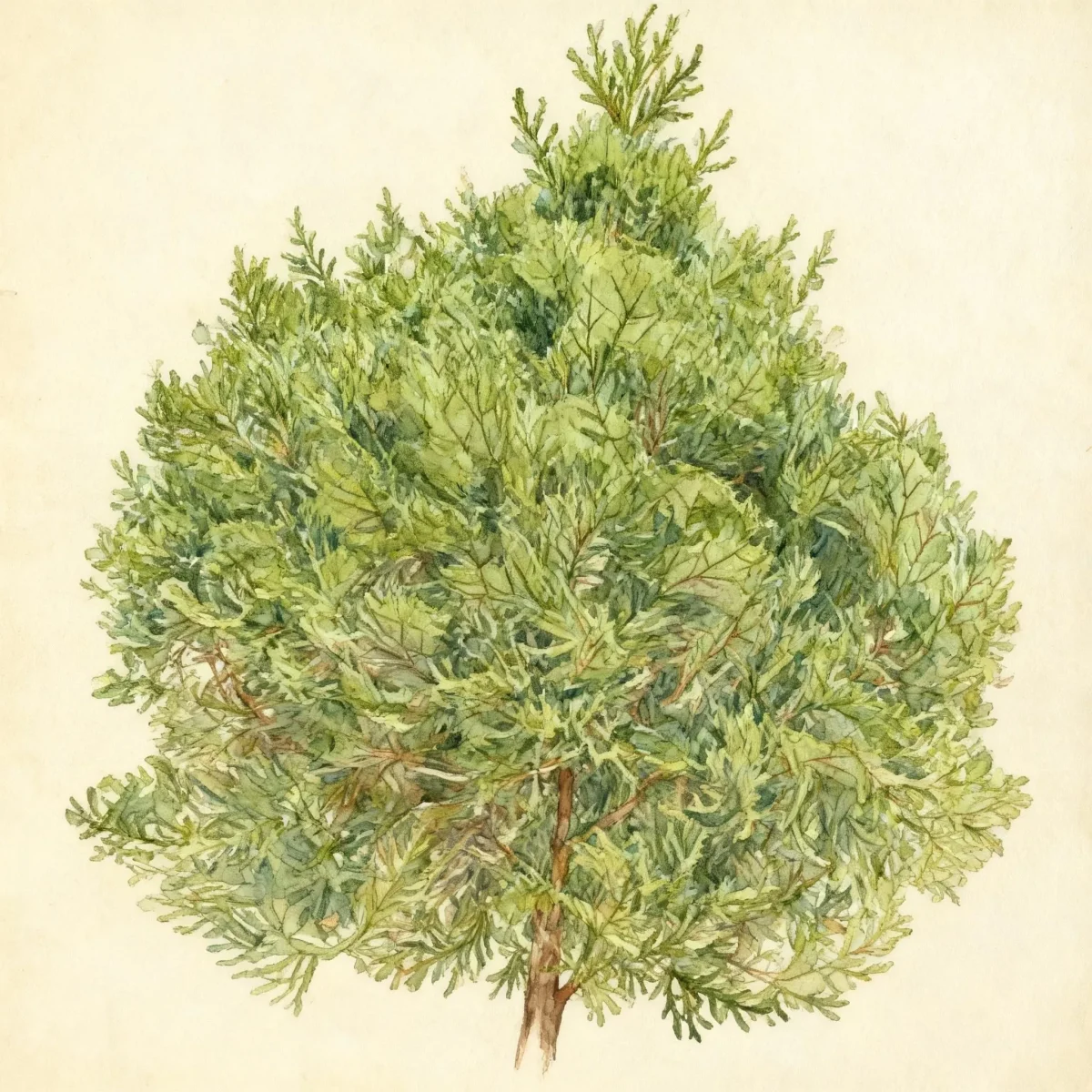
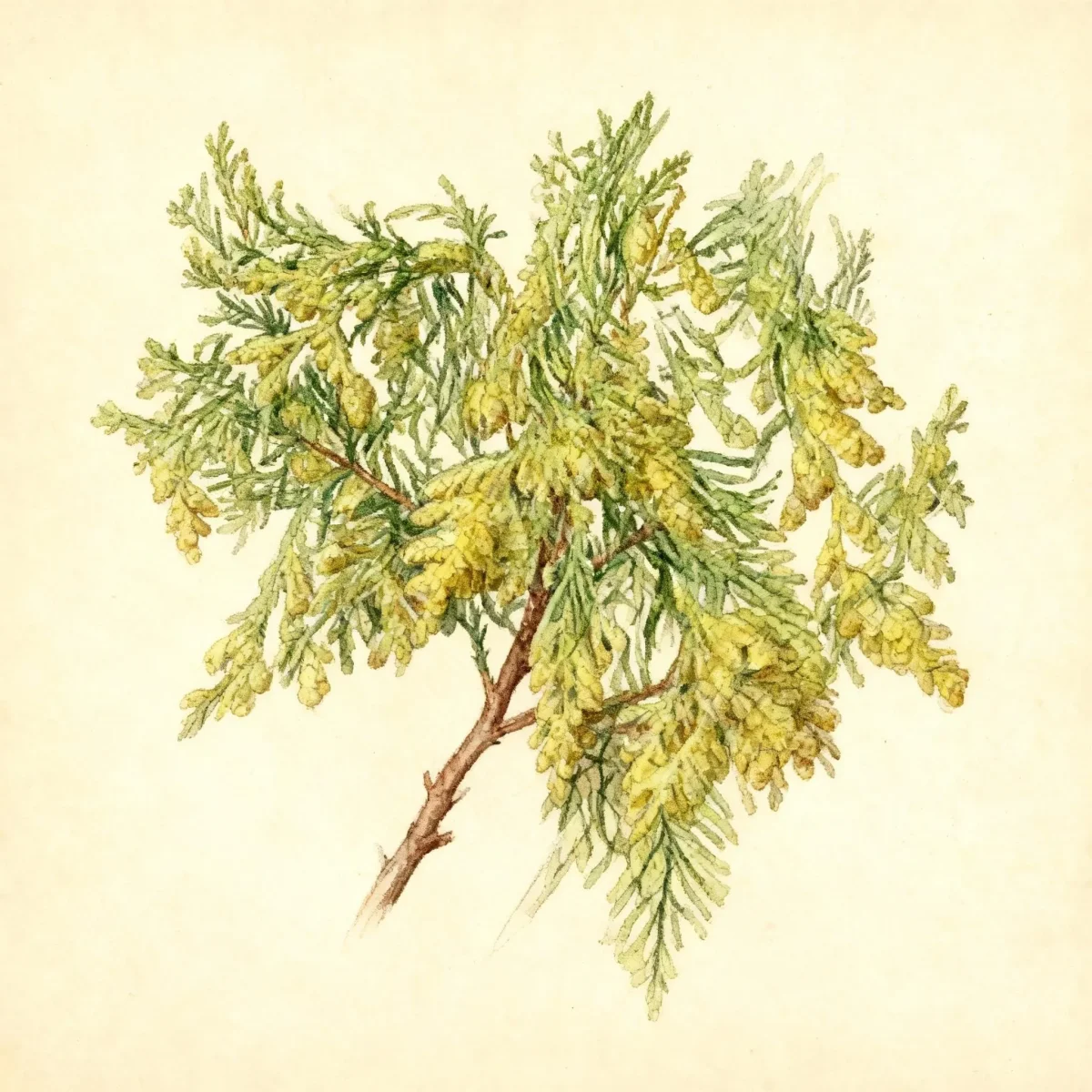
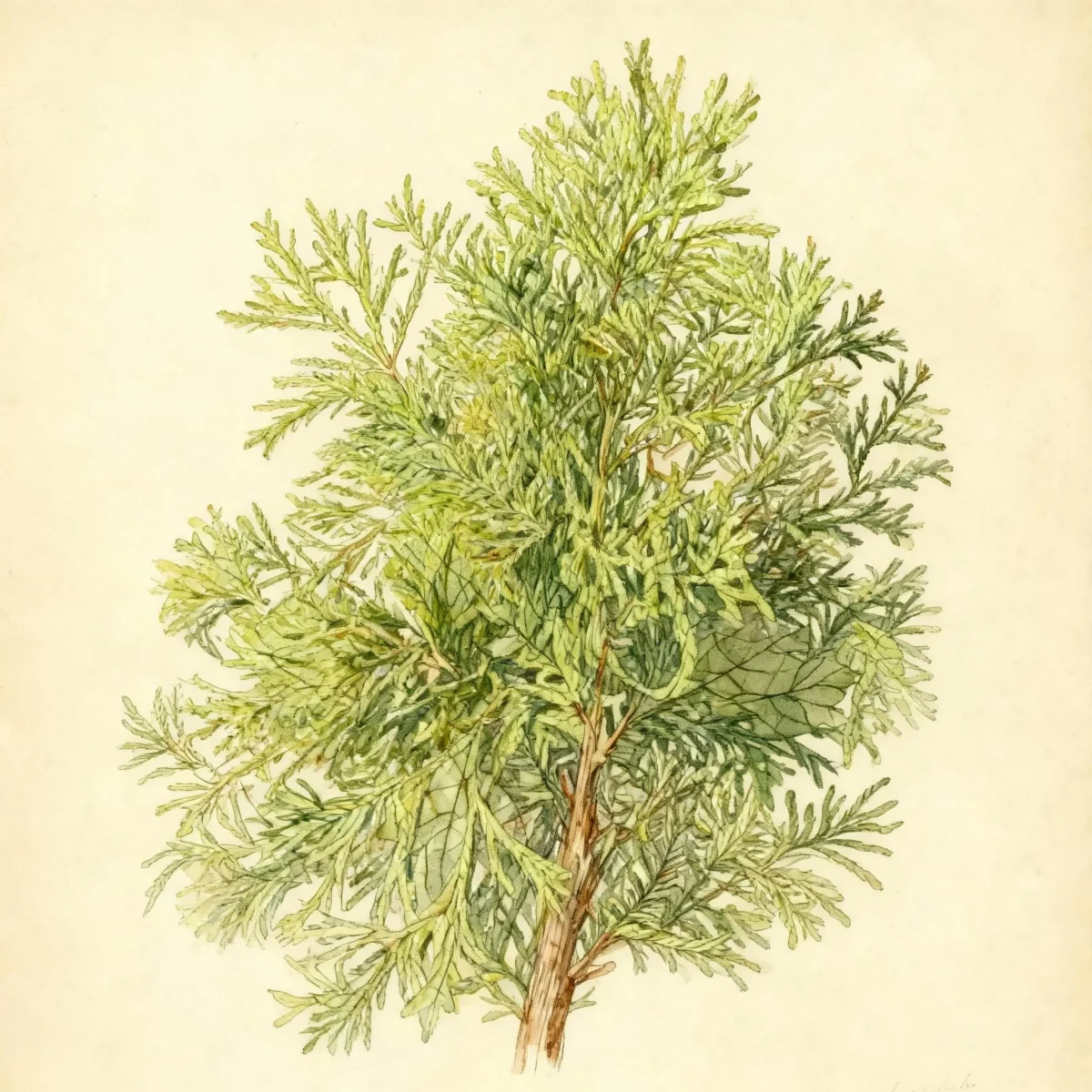
Thuja occidentalis ‘Little Gem’, commonly known as American arborvitae, is prized for its exceptionally dense, dwarf, and flattened globular habit, making it a standout in compact landscaping. This slow-growing cultivar offers year-round color with dark green, scale-like foliage held in flat sprays. It delivers the classic texture of the American arborvitae in a size appropriate for small gardens and foundation plantings.
This conifer is exceptionally valuable because it requires generally low maintenance once established, fitting seamlessly into busy gardening schedules. Its manageable size ensures it won’t overwhelm small spaces, unlike its larger cousins. The dense nature of Thuja occidentalis ‘Little Gem’ provides excellent year-round structure and visual weight.
As a needled evergreen, the reliable presence of Thuja occidentalis ‘Little Gem’ contrasts beautifully with deciduous shrubs and perennials. Gardeners appreciate its versatility, as this specific cultivar of American arborvitae tolerates challenging conditions, broadening its usability across various site challenges.
Fast Facts
- Plant Family: Cupressaceae
- Plant Type: Needled evergreen
- Hardiness Zones: USDA Zones 3-7
- Size at Maturity:
- Height: 1-3 ft
- Spread: 2-6 ft
- Bloom Time: Non-flowering
- Bloom Description: Non-flowering
- Sun Exposure: Full sun to part shade
- Water Needs: Medium
- Maintenance Level: Low
How to Grow
Planting Thuja occidentalis ‘Little Gem’ should ideally occur in spring or fall, allowing the roots time to establish before temperature extremes. Locate this American arborvitae variety where it receives full sun for the best density, though light afternoon shade is appreciated in very hot summer climates. It performs best in average, well-drained loams that are neutral to alkaline, favoring moist conditions but proving intolerant of drought.
Establishment requires consistent watering; aim for medium moisture levels, ensuring the soil drains well, as standing water is detrimental. Pruning is minimal due to its inherent dwarf shape; light shearing in spring can maintain a tight form if desired. Avoid placing this cultivar in highly exposed, windy sites where winter foliage burn or physical stem breakage from snow/ice accumulation is more likely.
When sites are particularly shady, the foliage density of Thuja occidentalis ‘Little Gem’ will noticeably decrease, so site selection emphasizing adequate light is crucial for maintaining its ornamental attraction. Ensure good air circulation to further minimize potential low-level foliage issues.
Landscape Uses
The primary appeal of Thuja occidentalis ‘Little Gem’ lies in its dwarf stature and attractive foliage, making it an excellent accent specimen. Its compact, flattened globular form is perfect for defining edges in rock gardens or softening the transition between hardscaping and lawn areas. Use several plants to create a low, textural border along foundation plantings where taller evergreens might feel overwhelming.
Because this American arborvitae is slow-growing and tightly held, it serves as an outstanding permanent anchor in mixed perennial beds. Pair its dark green needles with the bright foliage of golden heucheras or chartreuse hostas, which both share similar sun and moisture preferences. Consider planting Thuja occidentalis ‘Little Gem’ in decorative containers on patios, ensuring the container provides superior drainage.
This cultivar brings year-round interest, which is vital for winter structure when many other garden elements have faded. Its robust tolerance profile allows it to thrive where other ornamentals fail due to poor soil or atmospheric stress.
Standout Features
Noteworthy Characteristics
Thuja occidentalis, commonly known as American arborvitae, is typically a large evergreen tree, but the ‘Little Gem’ cultivar provides a dense, flattened, broad-globular shrub maturing slowly over many years to only about 3 feet tall and up to 6 feet wide. Its scale-like, dark green leaves are arranged in attractive flat sprays, and the foliage may develop a slight bronze tint during harsh winter weather. This dwarf form allows gardeners to include traditional arborvitae texture in smaller spaces reliably.
Tolerances
- Clay Soil
- Black Walnut
- Air Pollution
Potential Problems
Fungal diseases are a primary concern for the American arborvitae family, especially leaf blight, which appears as spotting followed by foliage drop. Inspecting the plant regularly for the early signs of blight or canker is recommended. Good air circulation is the best preventative measure against dense fungal outbreaks.
Pest management focuses typically on the occasional presence of common arborvitae pests. Keep monitoring for spider mites, bagworms, mealybugs, and scales, especially if the plant is stressed by drought one of its main intolerances. Leaf miners can also cause cosmetic damage to the tips of the foliage.
Winter damage is another consideration; avoid placing this otherwise hardy shrub in areas subject to heavy ice or snow loads, which can cause stem breakage in this dense cultivar. Exposure can also lead to winter burn, causing noticeable yellow-brown discoloration on the foliage facing prevailing winter winds.
Frequently Asked Questions
What hardiness zones is American arborvitae (Thuja occidentalis ‘Little Gem’) suitable for?
Thuja occidentalis ‘Little Gem’ is well-suited for USDA Hardiness Zones 3 through 7.
How large does American arborvitae grow?
This dwarf cultivar typically reaches a mature height between 1 and 3 feet, with a spread of 2 to 6 feet wide.
What sun exposure does Thuja occidentalis ‘Little Gem’ need?
For optimal performance and foliage density, this shrub requires full sun to part shade conditions.
When does Thuja occidentalis ‘Little Gem’ bloom?
This needled evergreen is non-flowering and does not produce noticeable blooms or fruit.
Conclusion
The dwarf, symmetrical structure and low-maintenance needs make Thuja occidentalis ‘Little Gem’ an invaluable asset for modern, space-conscious gardening designs. This excellent cultivar of the American arborvitae reliably delivers evergreen texture and year-round appeal. Before planting, verify that your site offers the moist, well-drained soil required to ensure the success of your new Thuja occidentalis ‘Little Gem’.
Companion Planting
Selecting appropriate companions enhances the visual appeal and health of your Thuja occidentalis ‘Little Gem’. Because this plant prefers moist, neutral to alkaline soil and thrives with sun protection during the hottest part of the summer day, choose plants with similar cultural requirements. Low-growing perennials or groundcovers such as creeping thyme or ornamental grasses that soften the base without creating excessive root competition are ideal partners.
Consider pairing the dark green foliage of the American arborvitae with plants that offer contrasting leaf color or texture. Silver-leaved plants, like certain varieties of Lambs Ears (Stachys byzantina), provide a striking monochromatic contrast, especially visible during the winter months when the evergreen structure of ‘Little Gem’ is most prominent.
Avoid planting deep-shade lovers directly underneath or too close to the base, as poor light penetration will reduce the desirable density of the arborvitae’s foliage. Focus on plants that enjoy the bright to partial sun exposure that this conifer tolerates well.
Seasonal Care Calendar
Spring is the prime time for assessing damage accumulated over winter, such as any winter burn on the foliage of your Thuja occidentalis ‘Little Gem’. Apply a balanced, slow-release fertilizer if growth seems lackluster, though often fertilization is unnecessary due to the low maintenance requirement. Begin implementing a consistent watering schedule as temperatures rise.
Summer care is focused primarily on consistent moisture, particularly important during dry spells, as this evergreen is intolerant of dry conditions. While it tolerates afternoon shade, monitor sunny spots closely to ensure adequate hydration. Light shearing to maintain shape can be performed early in the season.
In autumn, taper off heavy watering as the plant prepares for dormancy, adhering to a medium moisture level into the cooler months. Prepare for winter by ensuring the soil is adequately moist going into the freeze. This preemptive watering helps reduce the risk of winter burn when moisture becomes unavailable to the roots.