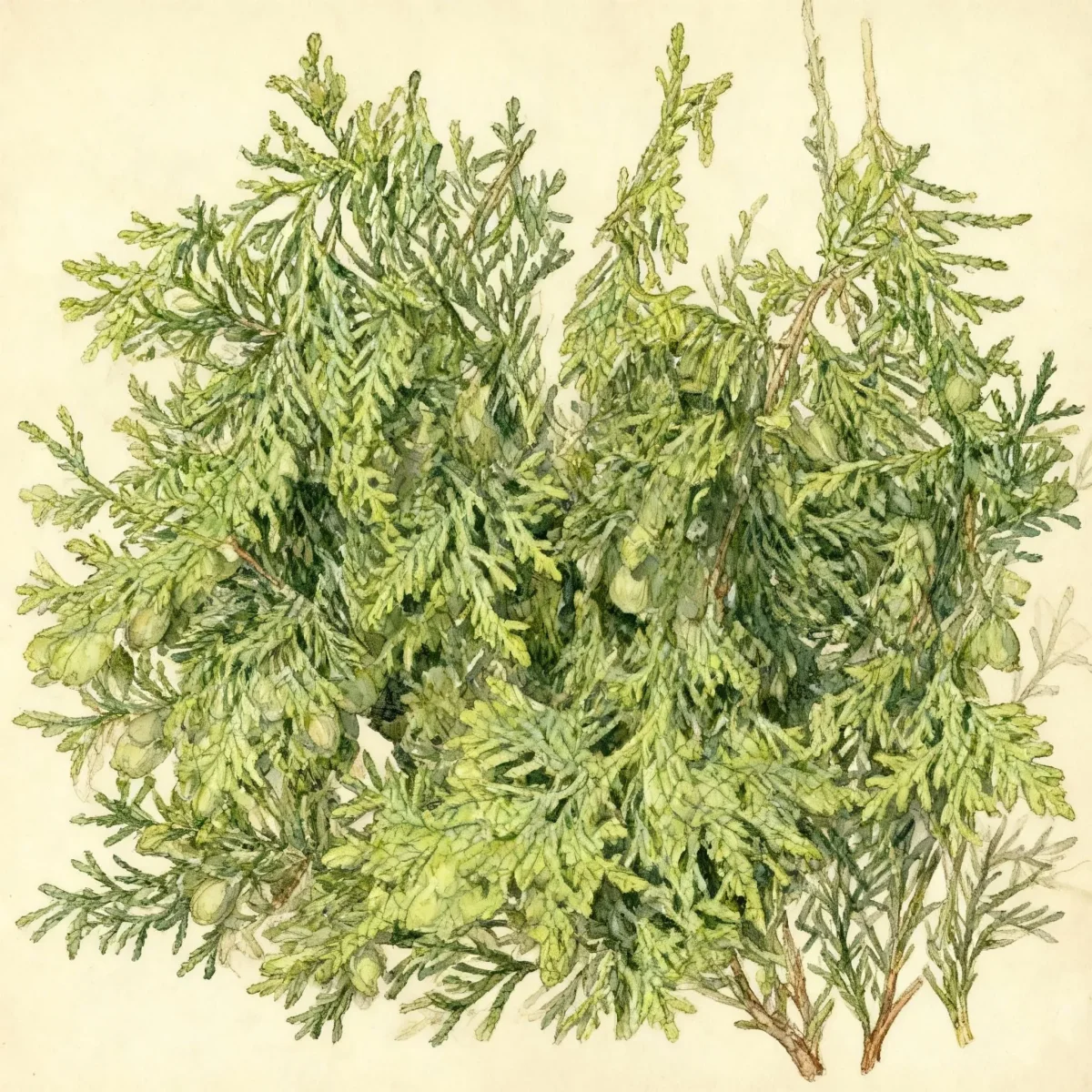
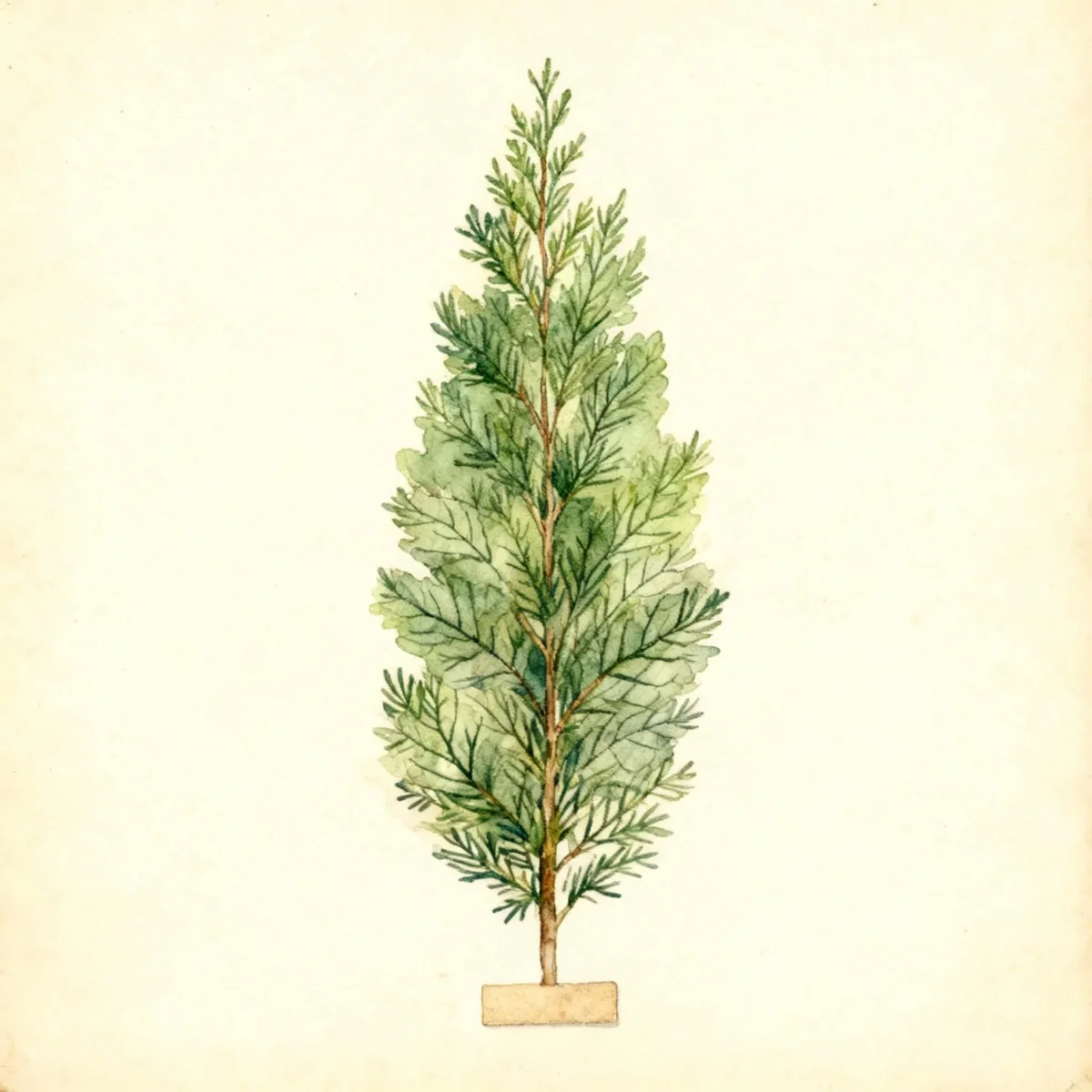
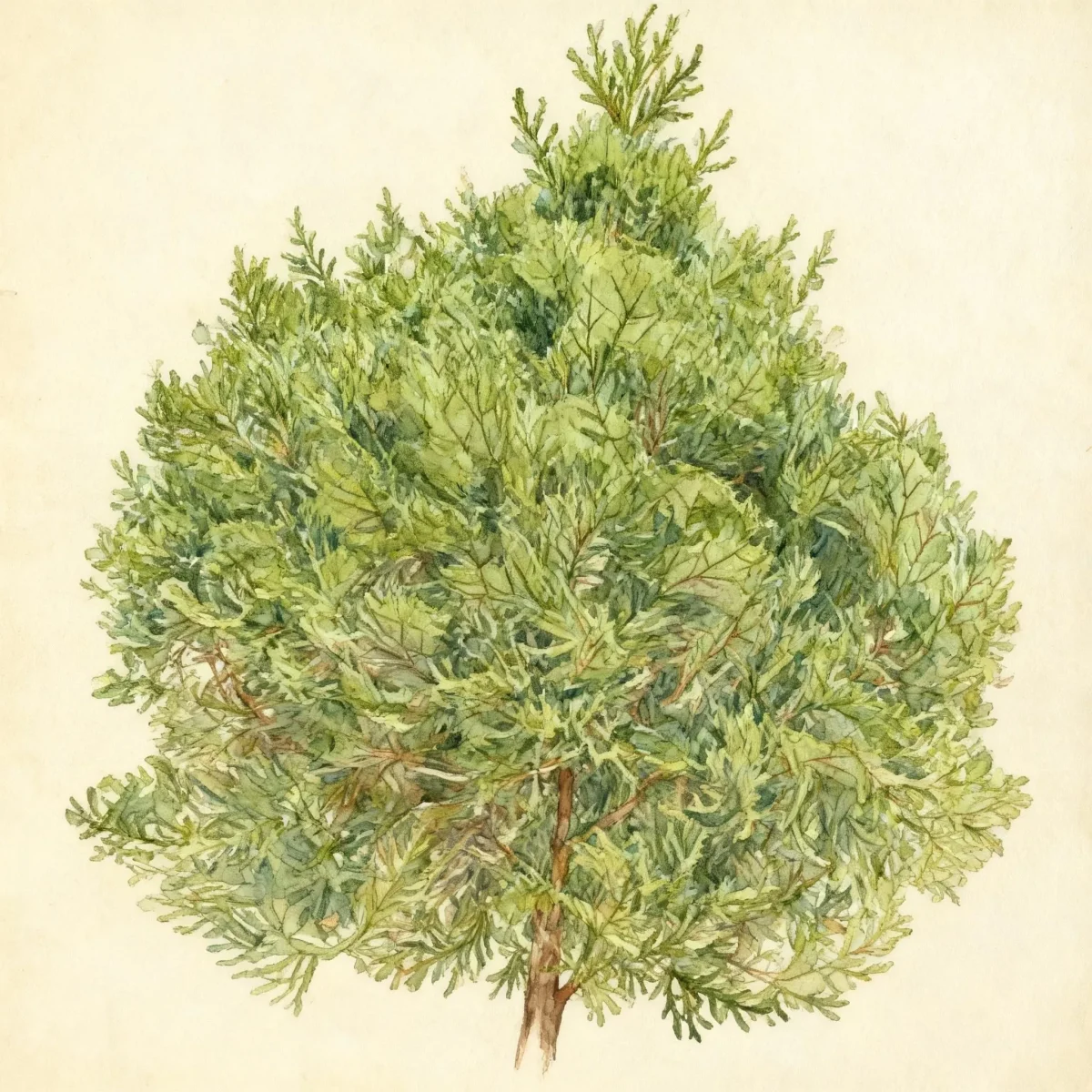
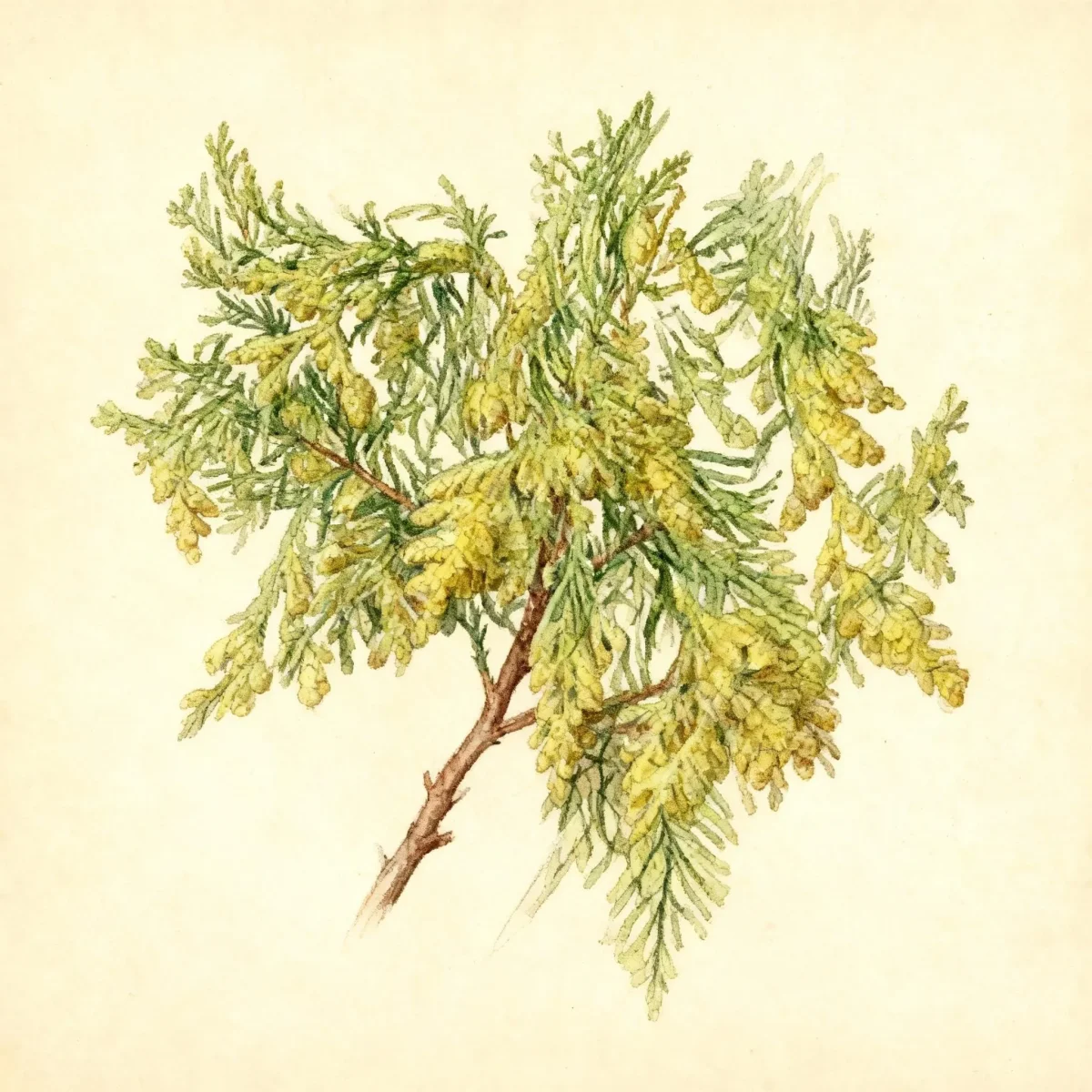
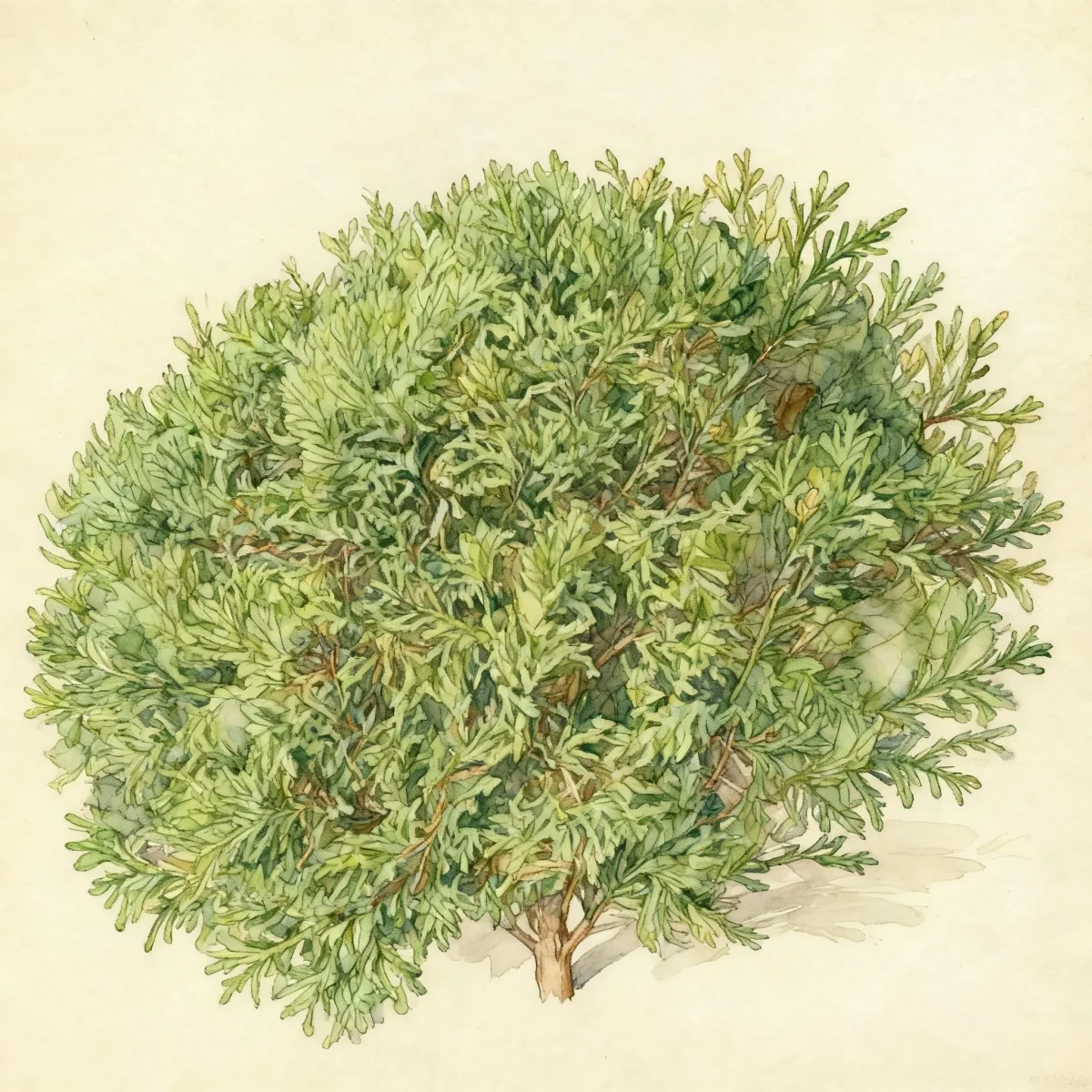
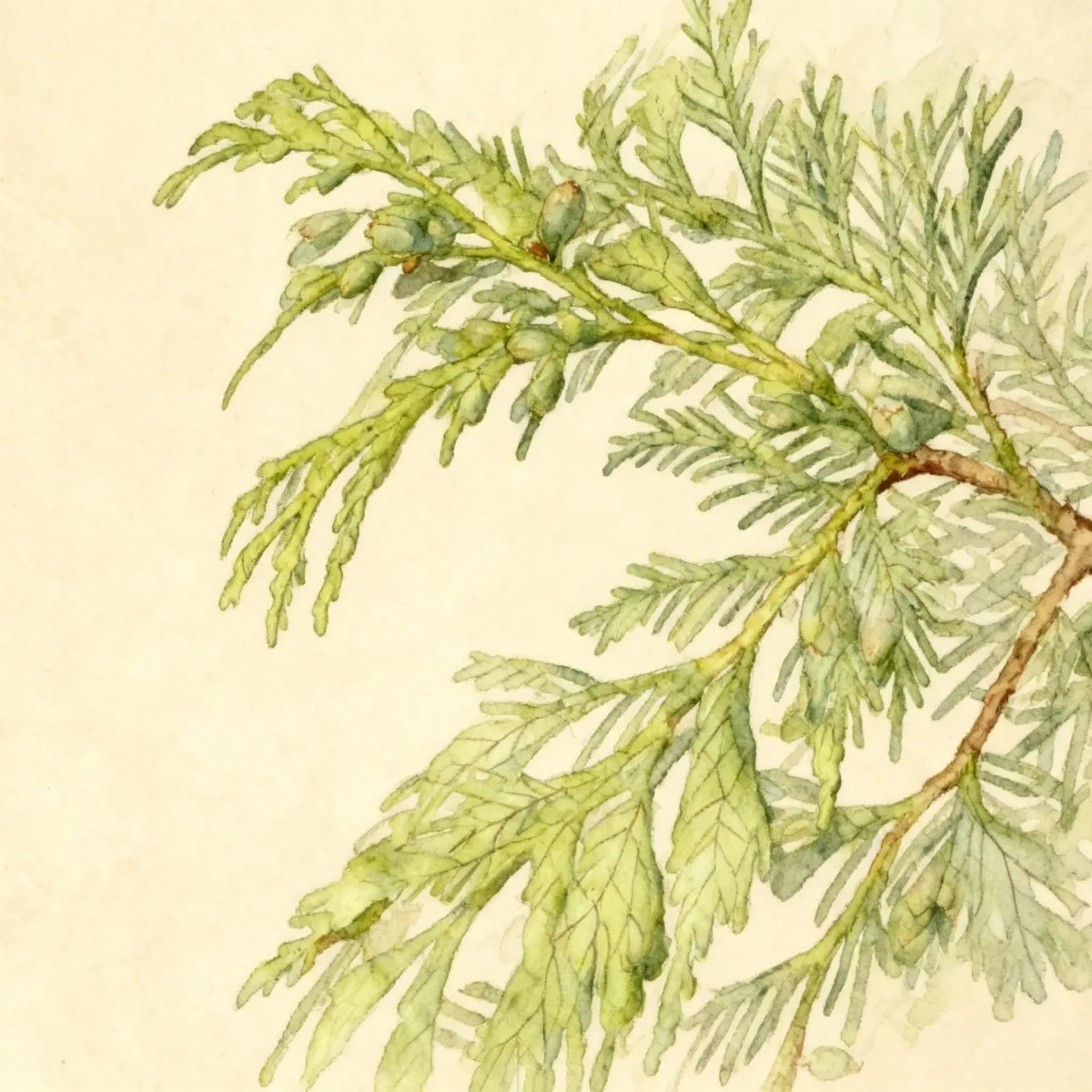
American arborvitae (Thuja occidentalis 'Woodwardii')
Thuja occidentalis 'Woodwardii' is a compact needled evergreen, ideal for low hedges and foundations, requiring low maintenance.
Scroll down to discover growing tips, care requirements, companion plants, and more
Complete Plant Information
Overview
Thuja occidentalis ‘Woodwardii’, commonly known as American arborvitae, offers excellent texture and year-round structure for the landscape. This cultivar is highly valued for naturally maintaining a dense, somewhat globular shape as it matures, often requiring little to no formal pruning. As a dependable needled evergreen, it provides essential screening and foundation planting appeal throughout all four seasons.
This specific variety of American arborvitae is celebrated for its compact spread, making it highly adaptable to smaller garden spaces where the larger species might overwhelm the site. It tolerates a wide range of conditions once established, though consistent moisture is key to retaining its dark green color. The low maintenance needs of Thuja occidentalis ‘Woodwardii’ make it a practical choice for both novice and experienced gardeners seeking reliable evergreen structure.
Fast Facts
- Plant Family: Cupressaceae
- Plant Type: Needled evergreen
- Hardiness Zones: USDA Zones 3-7
- Size at Maturity:
- Height: 4-10 ft
- Spread: 8-15 ft
- Bloom Time: Non-flowering
- Bloom Description: Non-flowering
- Sun Exposure: Full sun to part shade
- Water Needs: Medium
- Maintenance Level: Low
How to Grow
Plant Thuja occidentalis ‘Woodwardii’ in the spring or fall when soil temperatures are moderate, ensuring excellent drainage. While this American arborvitae exhibits some soil tolerance, it performs best in moist, well-drained loams that are neutral to slightly alkaline. Proper siting involves placing it where it receives full sun, though some afternoon shade is beneficial in excessively hot summer climates, preventing potential scorch.
Water needs are medium; maintain consistent moisture, especially for newly planted specimens, as this cultivar is intolerant of dry conditions once established. Fertilization is rarely necessary unless the soil is extremely poor. A key advantage of the ‘Woodwardii’ selection is its tendency to retain its natural globose form, meaning shearing or heavy pruning for shape is generally avoided.
If pruning is required for size management, light trimming is best done in late winter or early spring before new growth starts. Be mindful of site selection, as exposed, windy locations can lead to winter burn, causing the attractive green foliage to turn yellow-brown. Avoid planting in dense shade, which significantly reduces the enviable density of the foliage sprays.
Landscape Uses
The compact, dense habit of Thuja occidentalis ‘Woodwardii’ makes it an outstanding selection for formal and informal landscape applications. It excels when used near home foundations, softening harsh lines without growing too tall or wide over time. Furthermore, its uniform shape is utilized effectively for creating low, neat boundaries or tightly clipped, modest hedges where space constraints prevent the use of larger arborvitae cultivars.
Beyond hedging, the distinct globular form of this American arborvitae lends itself well as an accent specimen in rock gardens or near entryways where year-round color interest is desired. Consider pairing it with contrasting textures, such as broadleaf deciduous shrubs or variegated perennials, to highlight the fine texture of the scale-like foliage during the growing season.
Standout Features
Noteworthy Characteristics
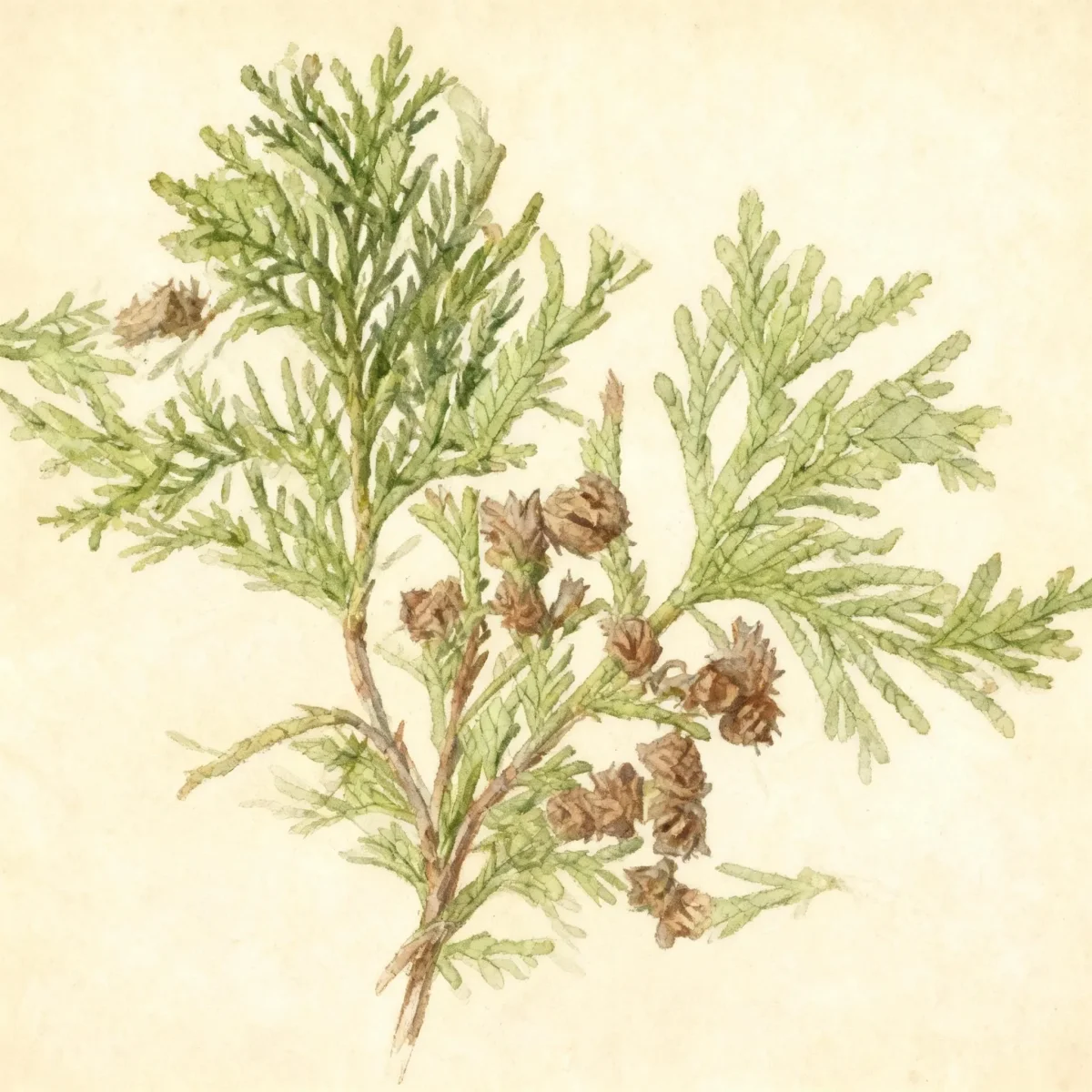
Thuja occidentalis, commonly known as American arborvitae, is a dense evergreen typically maturing to a narrow-pyramidal shape in the wild, although cultivated forms are much smaller. The foliage consists of scale-like, aromatic sprays that are yellow-green to green. The specific cultivar, ‘Woodwardii’, is particularly noted for its compact globular habit, usually staying between 4-10 feet tall with a spread up to 15 feet, maintaining its shape naturally.
Tolerances
- Clay Soil
- Black Walnut
- Air Pollution
Potential Problems
Japanese and American arborvitae can occasionally face aesthetic issues, with leaf blight possibly leading to spotting and dropping of older foliage. Vigilantly inspect plants for signs of canker, which affects stems, and leaf miners, which can damage foliage tips. Over the growing season, common insect visitors include bagworms, mealybugs, scales, and spider mites; treat infestations promptly with appropriate horticultural oils or targeted insecticides as needed.
In exposed areas, winter burn is a common complaint where strong winter winds dry out the foliage, turning it an unsightly yellow-brown. Furthermore, the dense structure of Thuja occidentalis ‘Woodwardii’ can accumulate heavy ice and snow loads, leading to structural damage or stem breakage. Proper site selection away from persistent, high winds mitigates winter burn effectively.
Frequently Asked Questions
What hardiness zones is Thuja occidentalis ‘Woodwardii’ suitable for?
This attractive needled evergreen, the American arborvitae, performs well across USDA Zones 3-7.
How large does American arborvitae grow?
Thuja occidentalis ‘Woodwardii’ is a compact selection, typically maturing to a height between 4 and 10 feet tall, with a spread ranging from 8 to 15 feet wide.
What sun exposure does American arborvitae need?
This plant thrives in conditions ranging from full sun to part shade; however, deep shade will severely reduce its desirable foliage density.
When does Thuja occidentalis ‘Woodwardii’ bloom?
This species is non-flowering; it is grown exclusively for its evergreen foliage and reliable structure.
Conclusion
The Thuja occidentalis ‘Woodwardii’ remains a powerhouse for low-maintenance structure, offering consistent, dense green foliage year-round without demanding constant shaping. Its tolerance for clay soil and air pollution adds to its versatility across various urban and suburban settings. Ensure you check your USDA zone compatibility (3-7) before planting this exceptional American arborvitae in its ideal spot this coming season.
Companion Planting
Selecting compatible partners enhances the visual appeal of Thuja occidentalis ‘Woodwardii’. Because this plant prefers moist, well-drained, slightly alkaline soil, pair it with other robust, low-maintenance evergreens or flowering shrubs that share similar cultural needs. Consider planting contrasting textures nearby, such as hostas (Hosta spp.) in shadier edges, or dwarf ornamental grasses that enjoy full sun near the bases of established specimens.
For foundation plantings, use smaller, seasonal bloomers beneath the canopy of the established American arborvitae to add seasonal color without competing heavily for root space. Native ferns or groundcovers that tolerate dappled light beneath taller specimens can help suppress weeds while maintaining the required soil coolness and moisture around the root zone of this valuable conifer.
Seasonal Care Calendar
Spring is the ideal time for a light application of balanced, slow-release fertilizer if soil fertility is questionable, focusing application just outside the immediate drip line. Inspect foliage closely in early spring for any signs of winter burn damage from the previous season and prune out any affected branches cleanly to encourage new growth. Summer watering must be consistent; deep root watering deeply once or twice a week is preferable to light, frequent sprinklings, maximizing drought resistance.
In the fall, ensure adequate water uptake before the ground freezes, as evergreens continue to transpire moisture through the winter months. Avoid heavy pruning late in the season, as new growth stimulated then lacks winter hardiness and will likely sustain frost damage. Winter preparation centers on protecting the plant from heavy snow or ice loads by gently brushing heavy accumulations off branches to prevent breakage to the structure of your Thuja occidentalis ‘Woodwardii’.