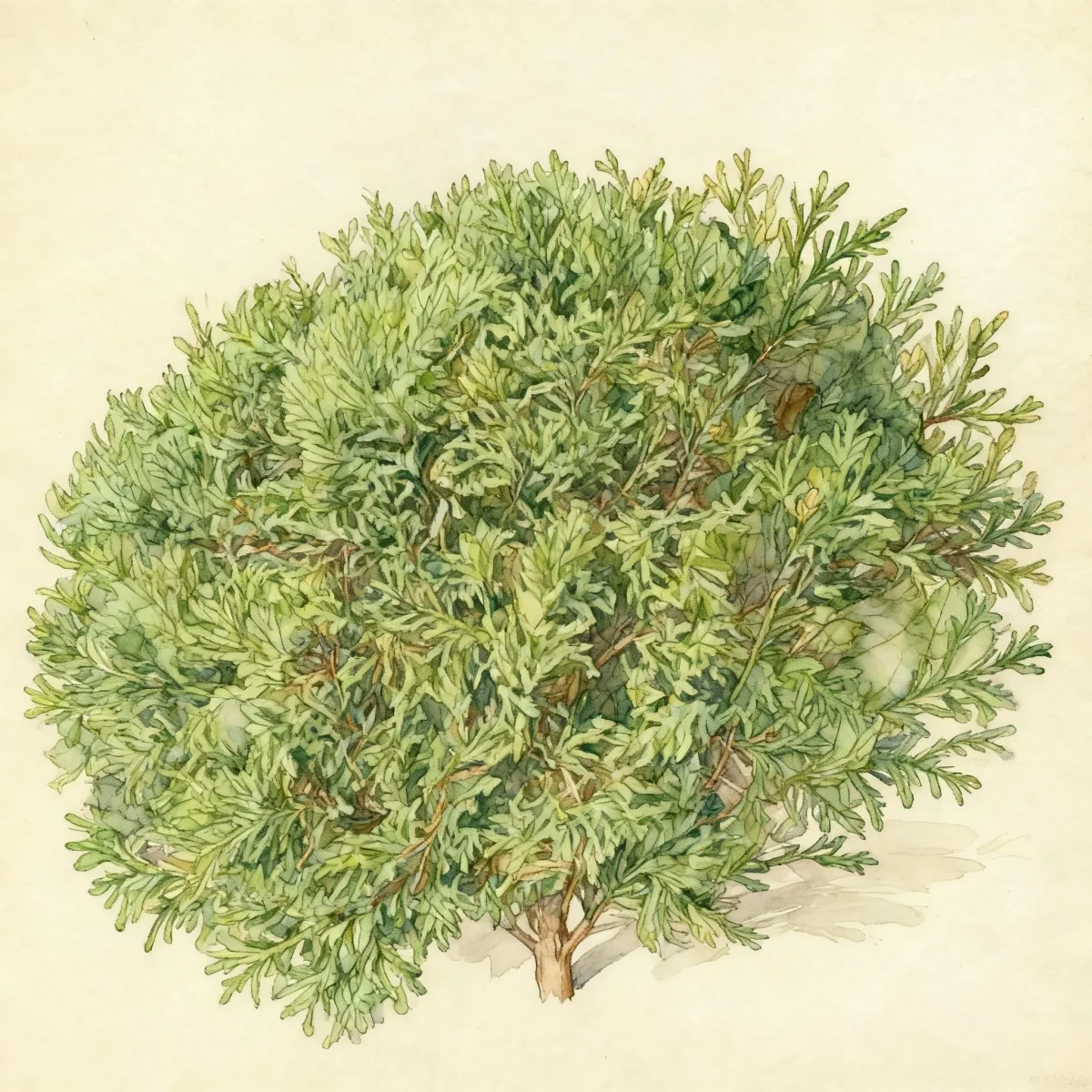
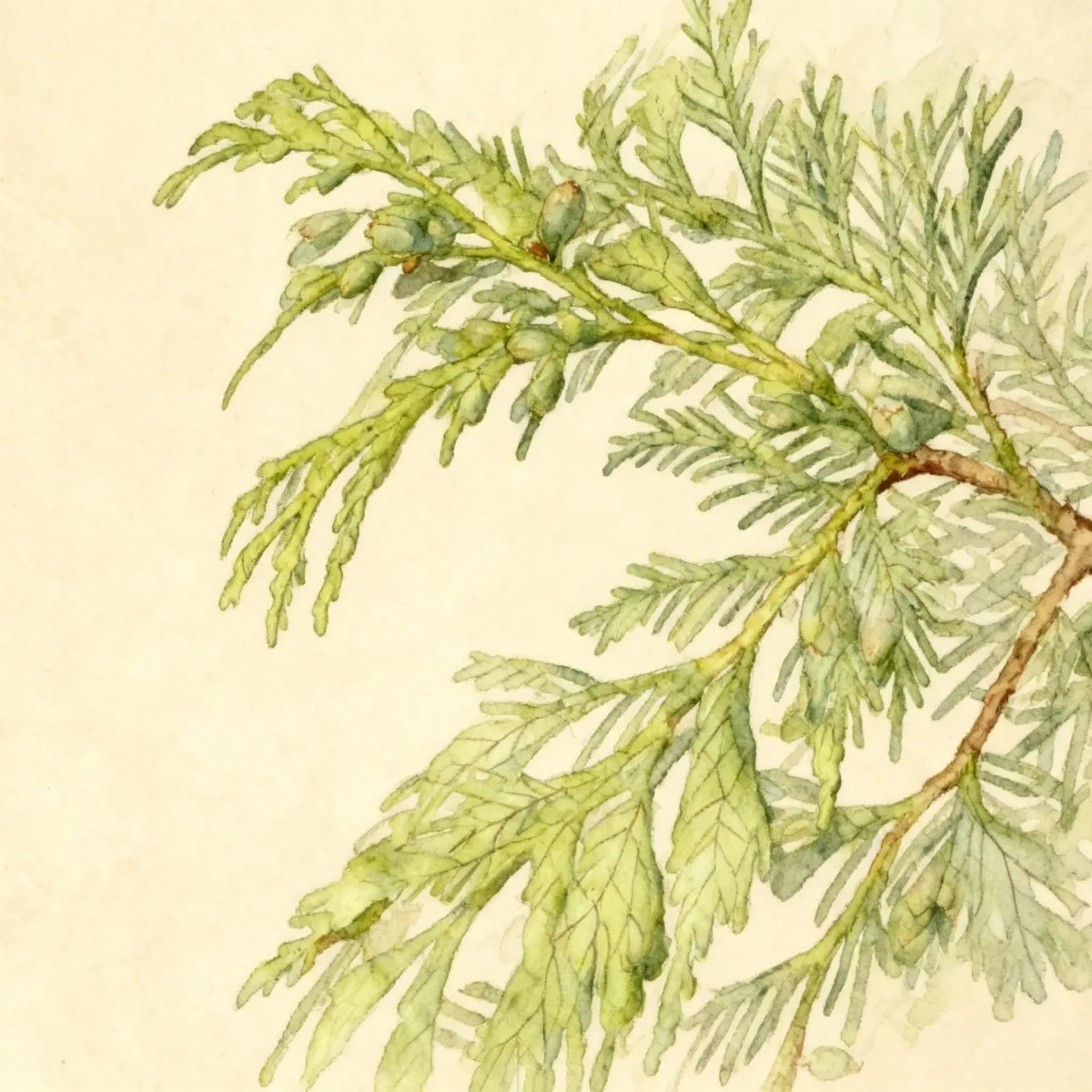
American arborvitae (Thuja occidentalis 'Holmstrup')
Thuja occidentalis 'Holmstrup' is a compact, low-maintenance American arborvitae ideal for screens and hedges in zones 3-7.
Scroll down to discover growing tips, care requirements, companion plants, and more
Complete Plant Information
Overview
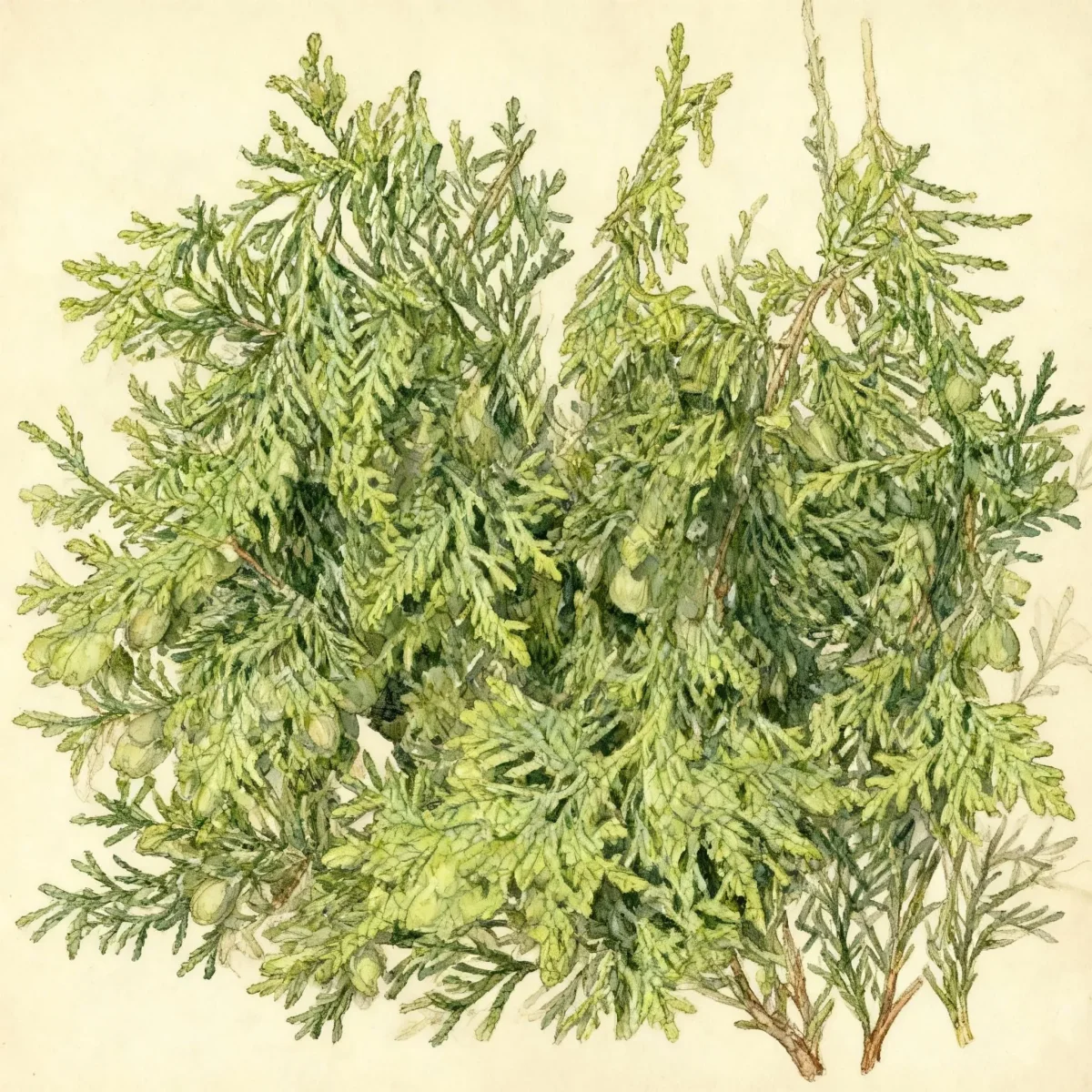
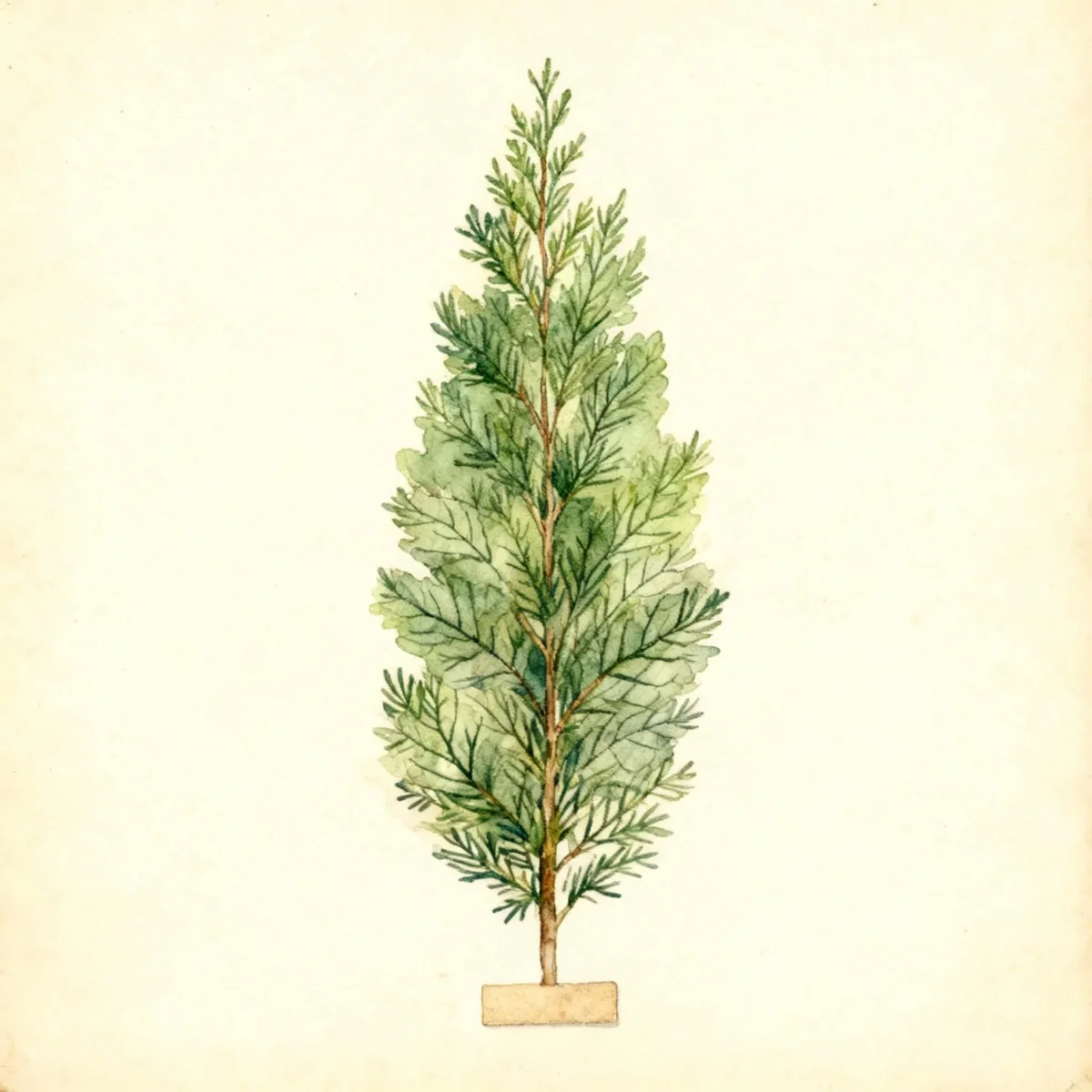
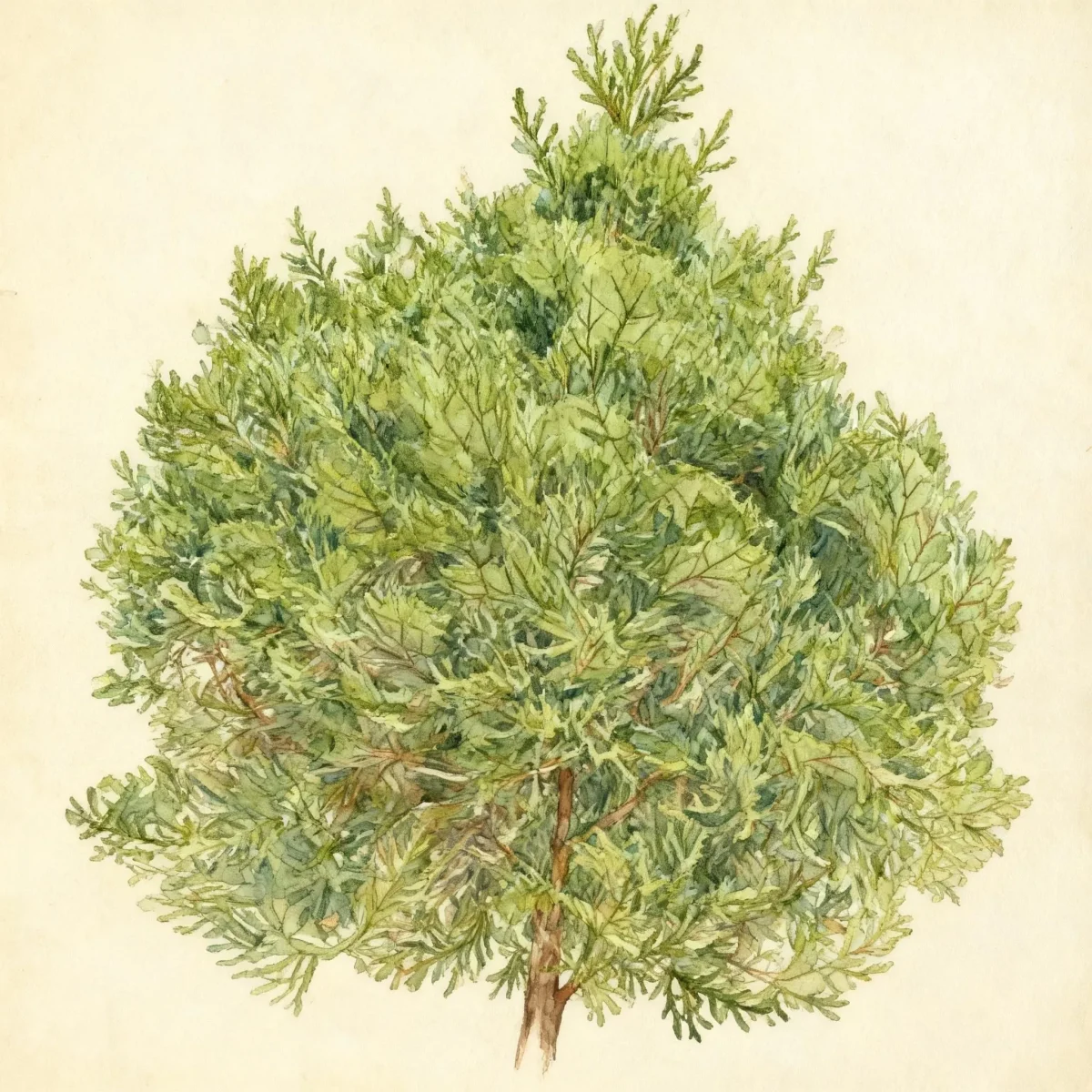
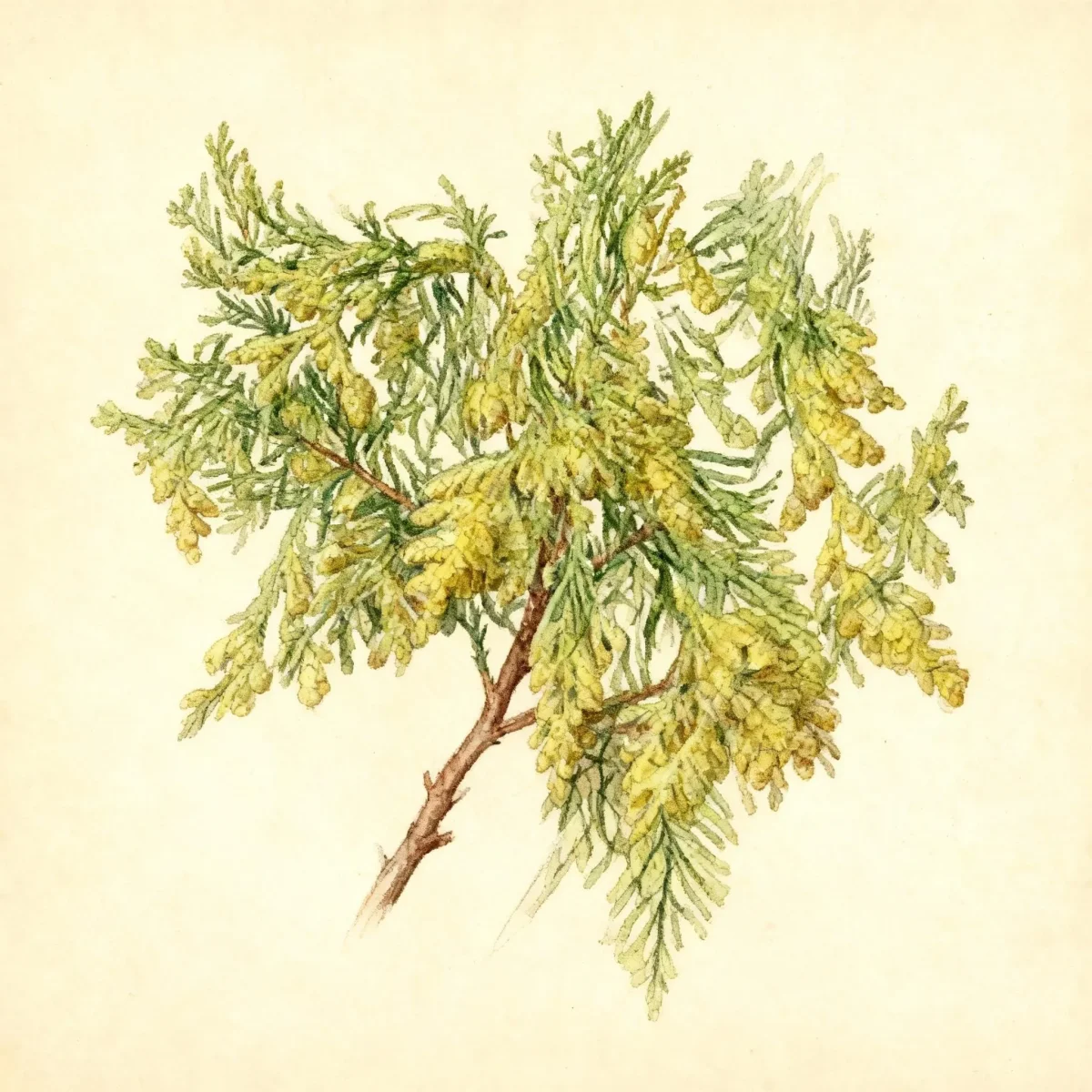
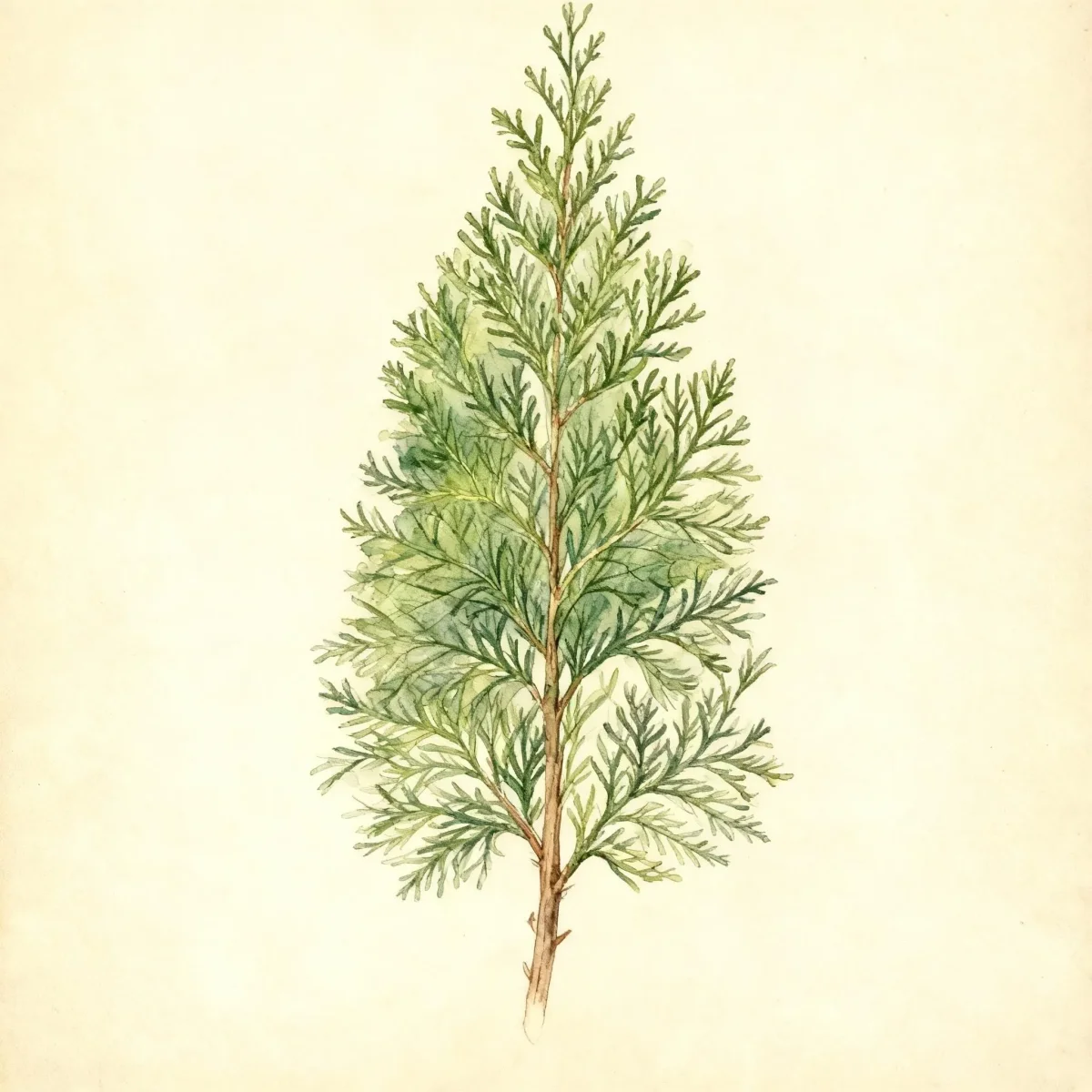
Thuja occidentalis ‘Holmstrup’, a prized cultivar of the American arborvitae, offers gardeners a dense, narrow-pyramidal form ideal for structured landscape designs. This variation stands out due to its slow growth rate and its ability to maintain a tight, attractive shape with minimal pruning, making it a highly reliable choice for formal settings. Its scale-like, aromatic foliage retains a rich green color well into the winter months, providing year-round structure.
As a needled evergreen, the ‘Holmstrup’ variety of American arborvitae performs best when placed where it receives adequate moisture and protection from harsh elements. While it is valued for its manageable size—reaching only 10 to 15 feet tall—it offers the screening benefits of larger conifers. Gardeners appreciate the low maintenance level associated with Thuja occidentalis ‘Holmstrup’, as it establishes easily and provides dependable vertical accent or boundary definition.
Discovered in Denmark, this cultivar is a testament to the enduring usefulness of the native American arborvitae across varying North American climates. Whether used as a foundational planting or as the backbone of a privacy screen, Thuja occidentalis ‘Holmstrup’ delivers dense coverage and reliable texture when planted in its preferred sunny locations.
Fast Facts
- Plant Family: Cupressaceae
- Plant Type: Needled evergreen
- Hardiness Zones: USDA Zones 3-7
- Size at Maturity:
- Height: 10-15 ft
- Spread: 3-5 ft
- Bloom Time: Non-flowering
- Bloom Description: Non-flowering
- Sun Exposure: Full sun to part shade
- Water Needs: Medium
- Maintenance Level: Low
How to Grow
Planting your Thuja occidentalis ‘Holmstrup’ should ideally occur in spring or fall when temperatures are mild, allowing the roots to establish before summer heat or winter cold sets in. This American arborvitae thrives in average, medium moisture, well-drained soils. While it exhibits a wide soil tolerance, it performs optimally in moist, neutral to slightly alkaline loams.
Ensure placement in full sun for the best density; however, these evergreens benefit from some light afternoon shade in intensely hot summer climates. Avoid planting in deep shade, as this will cause foliage density to decrease significantly. Furthermore, avoid exposed, windy sites, which can lead to foliage burn and physical damage to branches.
Watering should remain consistent, aiming for medium moisture, especially during the first few growing seasons as the root system develops. Thuja occidentalis ‘Holmstrup’ is intolerant of dry conditions, so monitor soil moisture regularly. Pruning should be minimal; significant shearing is usually unnecessary due to its naturally compact, narrow-pyramidal habit, though light shaping can be done after the initial spring growth flush.
Landscape Uses
The primary role for Thuja occidentalis ‘Holmstrup’ in landscape design is to provide strong vertical elements, screens, and hedges. Its naturally upright form matures into a dense screen that requires less ongoing maintenance than many fast-growing hedges. For property lines or to soften harsh architectural elements, planting several American arborvitae specimens in a row creates a classic, enduring boundary.
This cultivar also shines as a specimen plant when tight spacing prevents wider pyramidal types from dominating a small space. In rock gardens, its controlled size allows it to offer essential evergreen contrast against stone or lower-growing perennials. When used near foundations, the relatively narrow spread of 3 to 5 feet ensures it does not overwhelm the building structure over time.
Consider pairing Thuja occidentalis ‘Holmstrup’ with deciduous shrubs that offer contrasting fall color or lighter green spring foliage. The deep green of the foliage provides an excellent backdrop for flowering plants that require full sun, framing seasonal color beautifully throughout the growing year.
Noteworthy Characteristics
Thuja occidentalis, commonly known as American arborvitae, is a dense, conical to narrow-pyramidal evergreen tree native to eastern and central North America. The specific cultivar ‘Holmstrup’, discovered in Denmark, is a slow-growing gem maturing to 10-15 feet, displaying attractive rich green scale-like foliage in dense, vertical sprays. A key benefit is that the foliage of this American arborvitae line is noted for retaining good green color throughout winter, offering structure when other plants are dormant.
Tolerances
- Clay Soil
- Black Walnut
- Air Pollution
Potential Problems
The primary potential issues for Thuja occidentalis ‘Holmstrup’ relate to foliage health and physical stress. Watch for leaf blight, which can manifest as spotting followed by leaf drop, often indicating fungal issues exacerbated by poor air circulation. Canker is another disease to monitor on woody stems.
Pest management should focus on common arborvitae visitors. Leaf miner may damage the tips of the foliage, creating a visible browning effect. Occasionally, insect pests like bagworms, mealybugs, scales, and spider mites can appear, requiring targeted treatment, particularly if the plant is already stressed by dry conditions.
Winter weather poses a physical threat; foliage experiencing exposure can suffer from winter burn, turning yellow-brown. Furthermore, the dense structure makes the tree susceptible to physical damage or stem breakage from heavy ice and snow accumulations, so site selection away from severe wind is crucial for the long-term health of your American arborvitae.
Frequently Asked Questions
What hardiness zones is American arborvitae suitable for?
This Thuja occidentalis ‘Holmstrup’ cultivar is winter hardy across USDA Zones 3 through 7, allowing for broad applicability across many regions.
How large does Thuja occidentalis ‘Holmstrup’ grow?
This compact selection typically reaches a mature height between 10 and 15 feet tall, with a relatively narrow spread of 3 to 5 feet wide.
What sun exposure does Thuja occidentalis ‘Holmstrup’ need?
For optimal density and color retention, the American arborvitae requires full sun, though it can tolerate part shade, especially in hotter summer zones.
When does Thuja occidentalis ‘Holmstrup’ bloom?
This needled evergreen is classified as non-flowering, meaning it does not produce ornamental flowers or showy bloom displays during the growing season.
Conclusion
Thuja occidentalis ‘Holmstrup’ provides irreplaceable structure and low-maintenance privacy, making it a highly valuable asset for gardeners seeking year-round evergreen interest. Its compact stature ensures this American arborvitae fits well into tighter spaces while resisting the often-overwhelming spread of its relatives. Before purchasing, confirm your site falls within USDA Zones 3-7 and ensure the soil offers the medium moisture and drainage this specimen requires.
Companion Planting
When selecting plants to sit near your Thuja occidentalis ‘Holmstrup’, focus on species that share similar cultural needs, particularly regarding moisture and soil pH preference. Since this American arborvitae prefers moist, neutral to alkaline soils, partner it with acid-loving plants only if you are careful to amend the soil around the partners specifically.
Consider planting low-mounding, summer-flowering perennials near the base, such as Astilbe (which tolerates partial shade) or certain varieties of Hydrangea that prefer consistent moisture. These companions provide seasonal interest that contrasts nicely with the static texture of the Thuja foliage throughout the year.
For year-round structure, pair the upright form of Thuja occidentalis ‘Holmstrup’ with broadleaf evergreens that occupy different visual layers. Low-growing Juniper varieties or compact boxwoods can offer textural diversity without competing heavily for vertical space, creating a layered, multi-season planting bed.
Seasonal Care Calendar
Spring is the ideal time for any minor pruning to clean up winter debris or shape the hedge. Address any potential pest issues, such as leaf miner activity, early in the season before summer growth fully emerges. Perform a light, balanced fertilization now if your soil is determined to be poor, though Thuja occidentalis ‘Holmstrup’ often requires little supplemental feeding.
During the summer, focus intently on consistent moisture management, as this variety is intolerant of drought. Deep, infrequent watering is better than shallow, frequent sprinkling. Ensure good airflow around the base of the plants to help mitigate fungal risks like leaf blight, especially in humid conditions.
In the fall, begin reducing fertilizer applications to encourage hardening off before winter sets in. While established Thuja occidentalis ‘Holmstrup’ is tough, protecting against winter burn involves ensuring adequate moisture before the ground freezes. If planting is done in the fall, water thoroughly until the ground freezes.