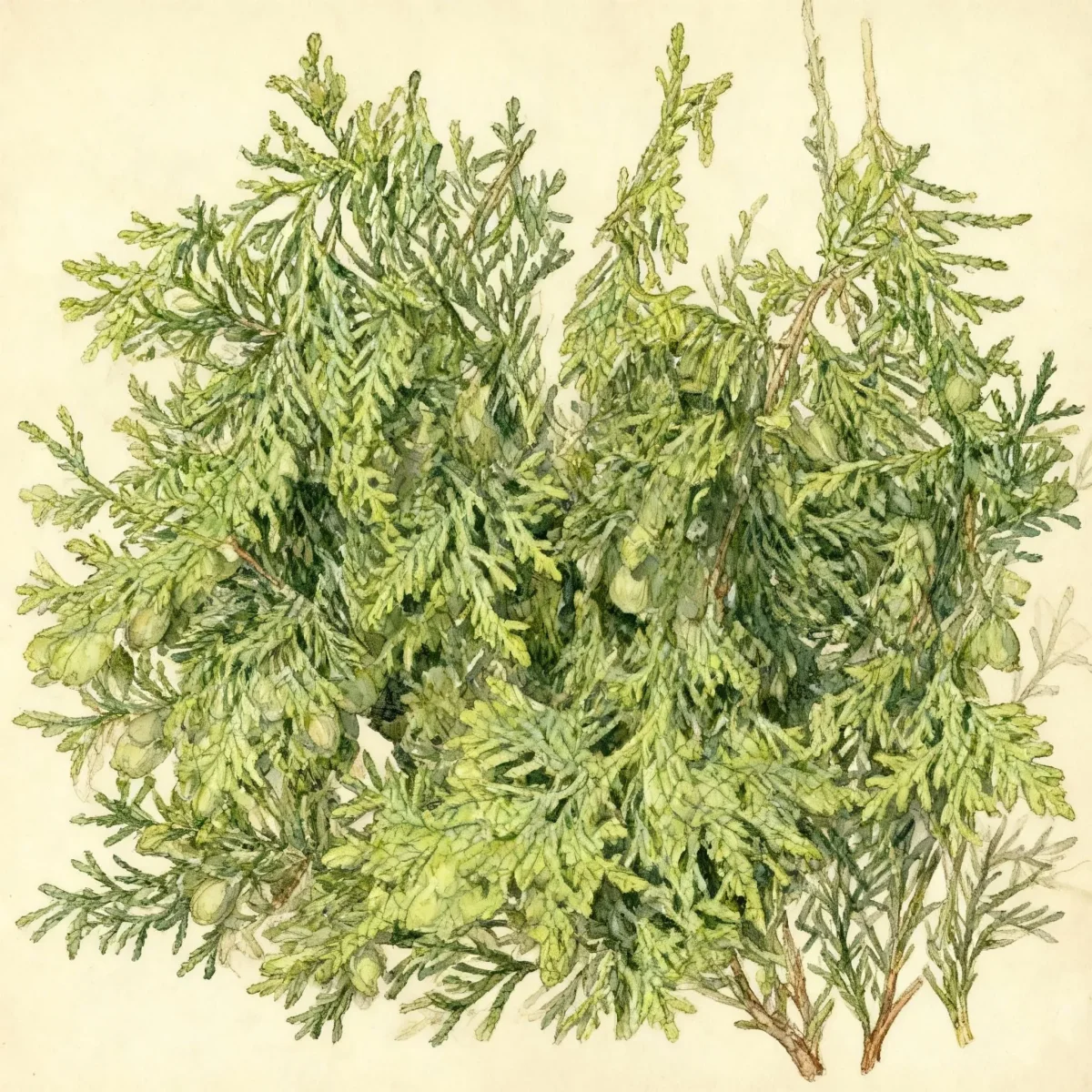
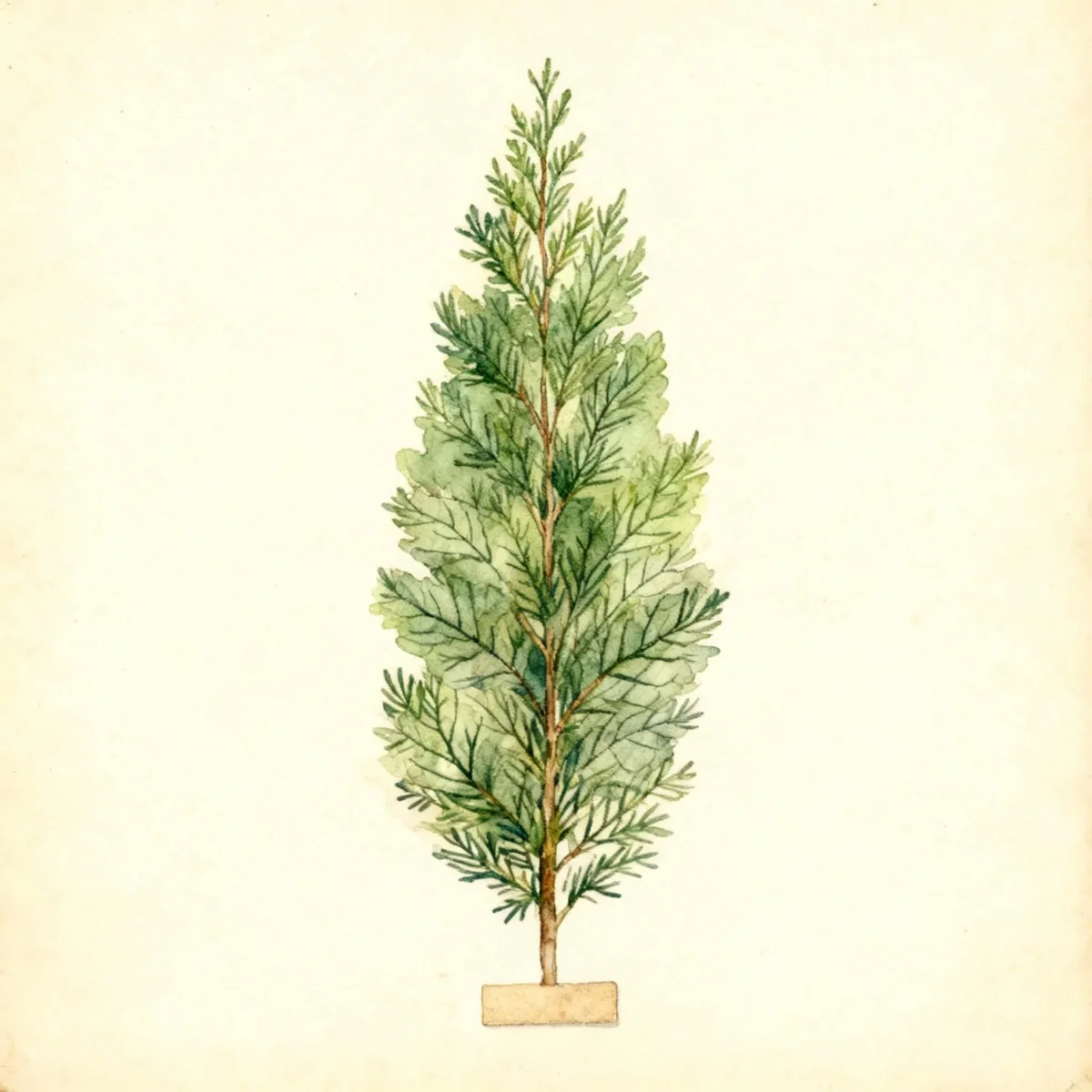
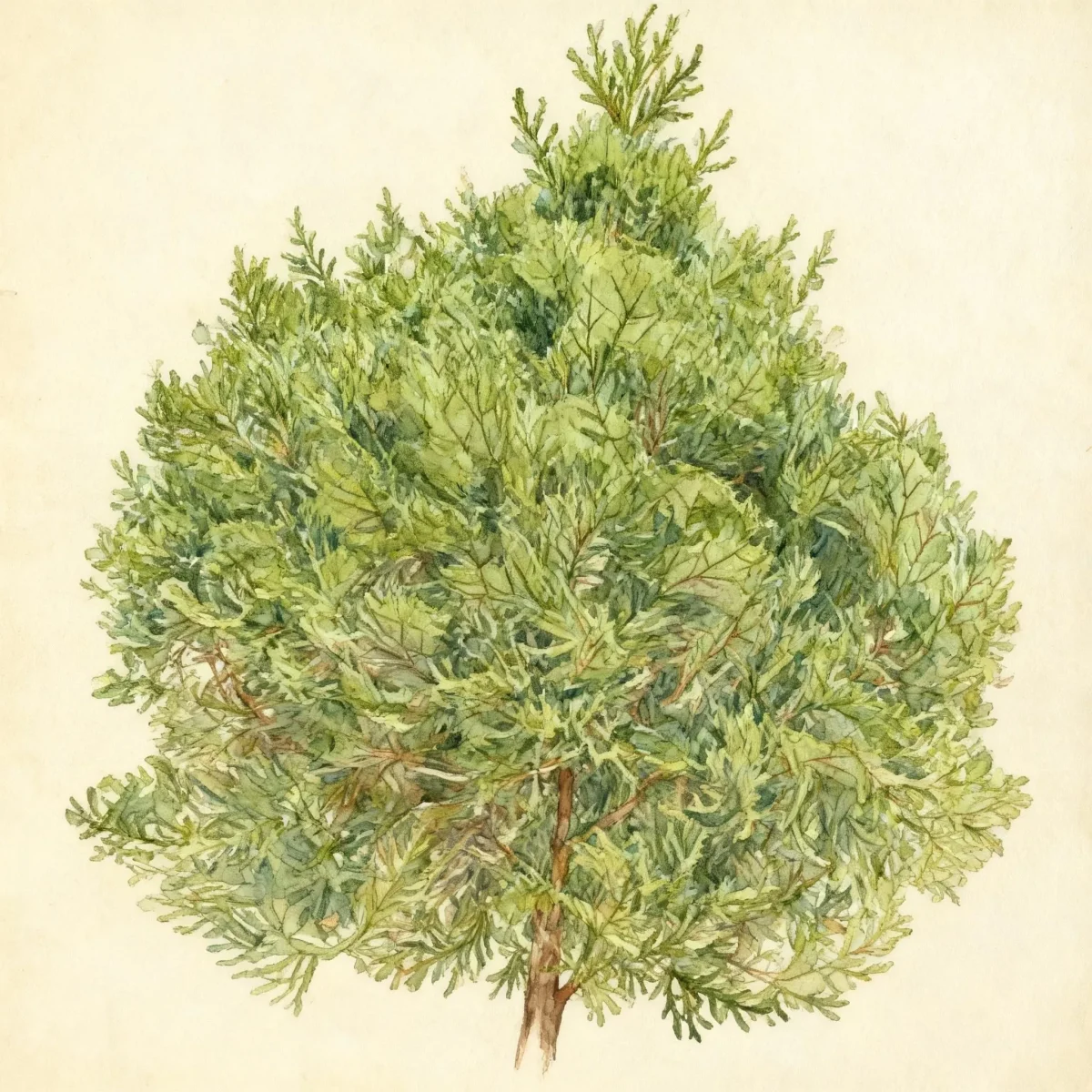
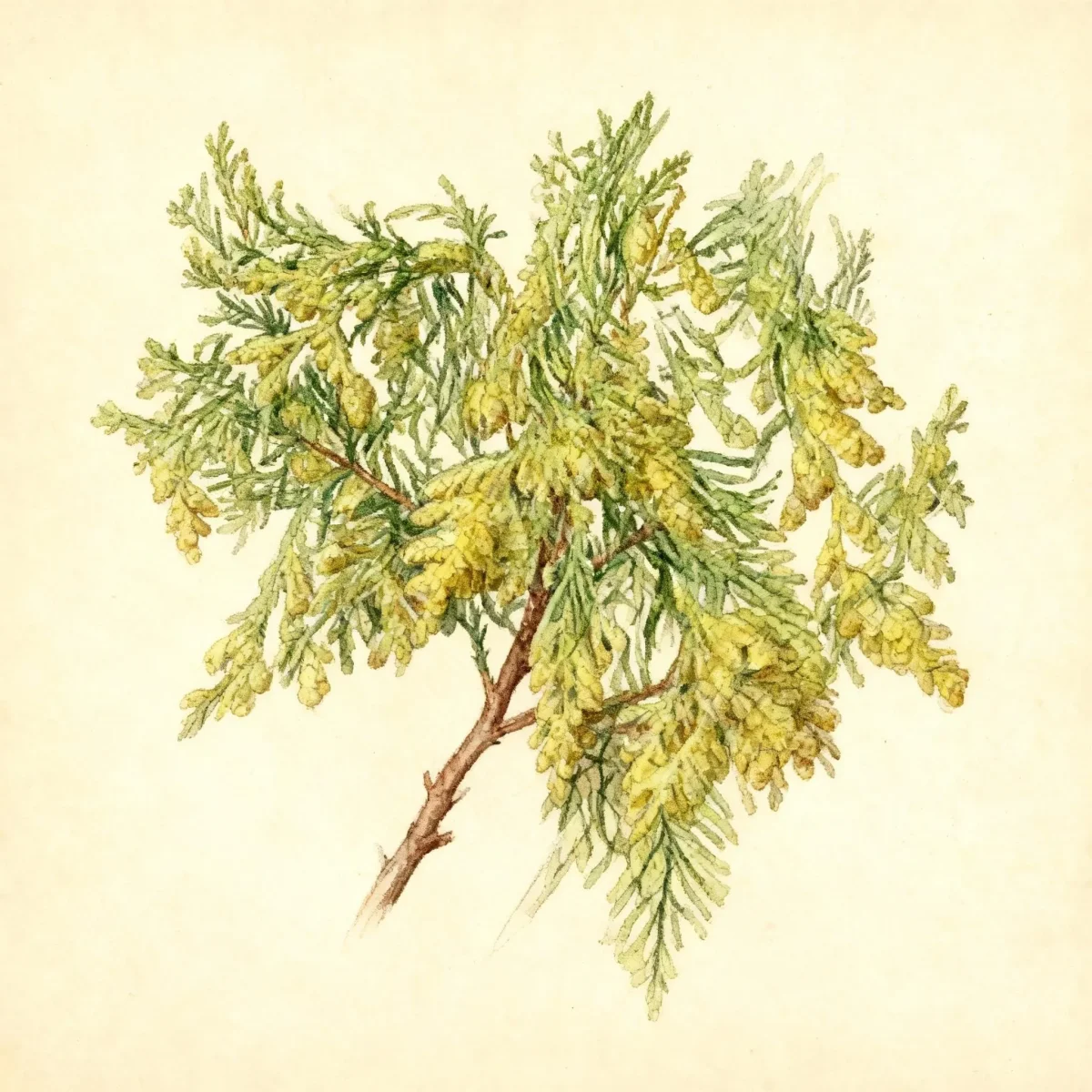
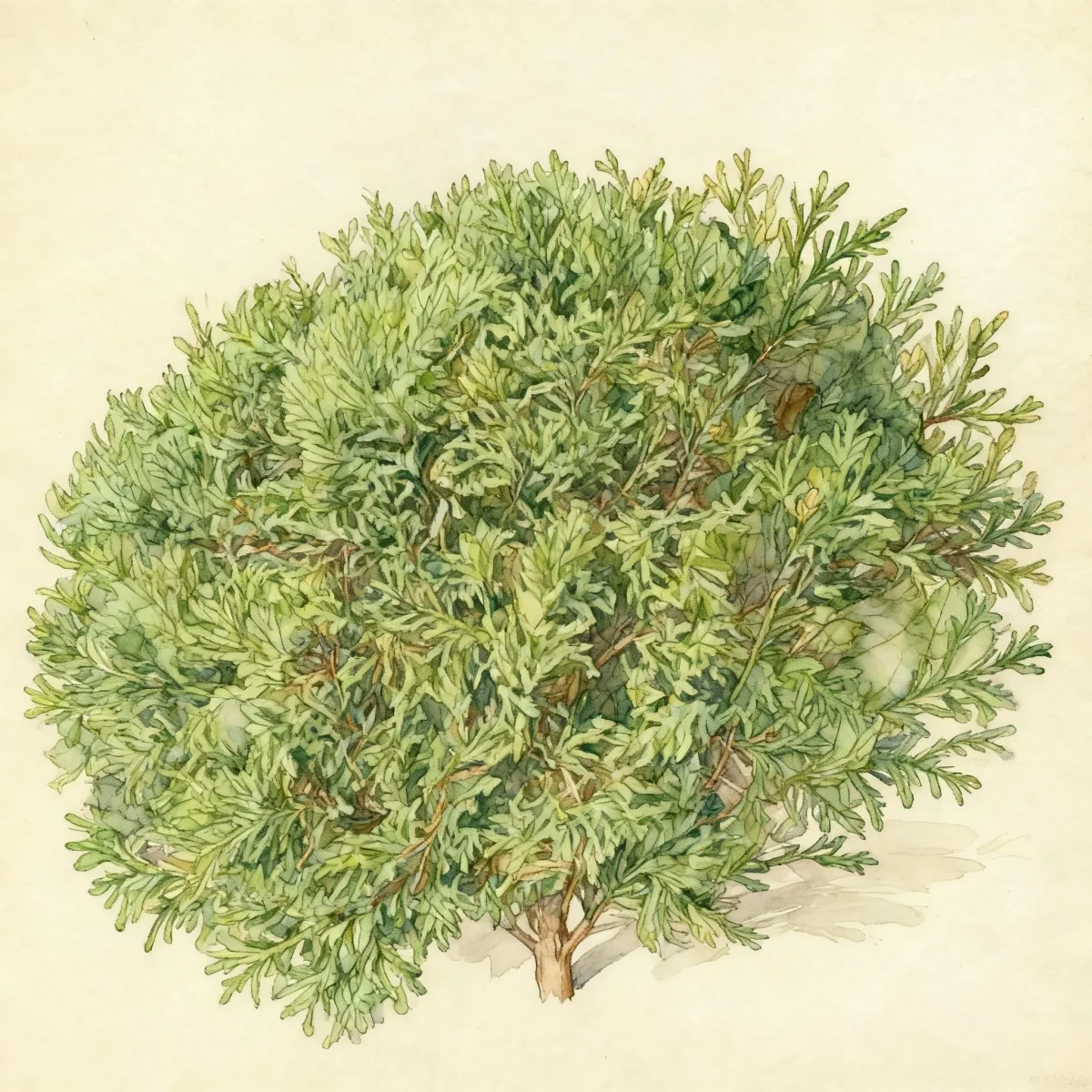
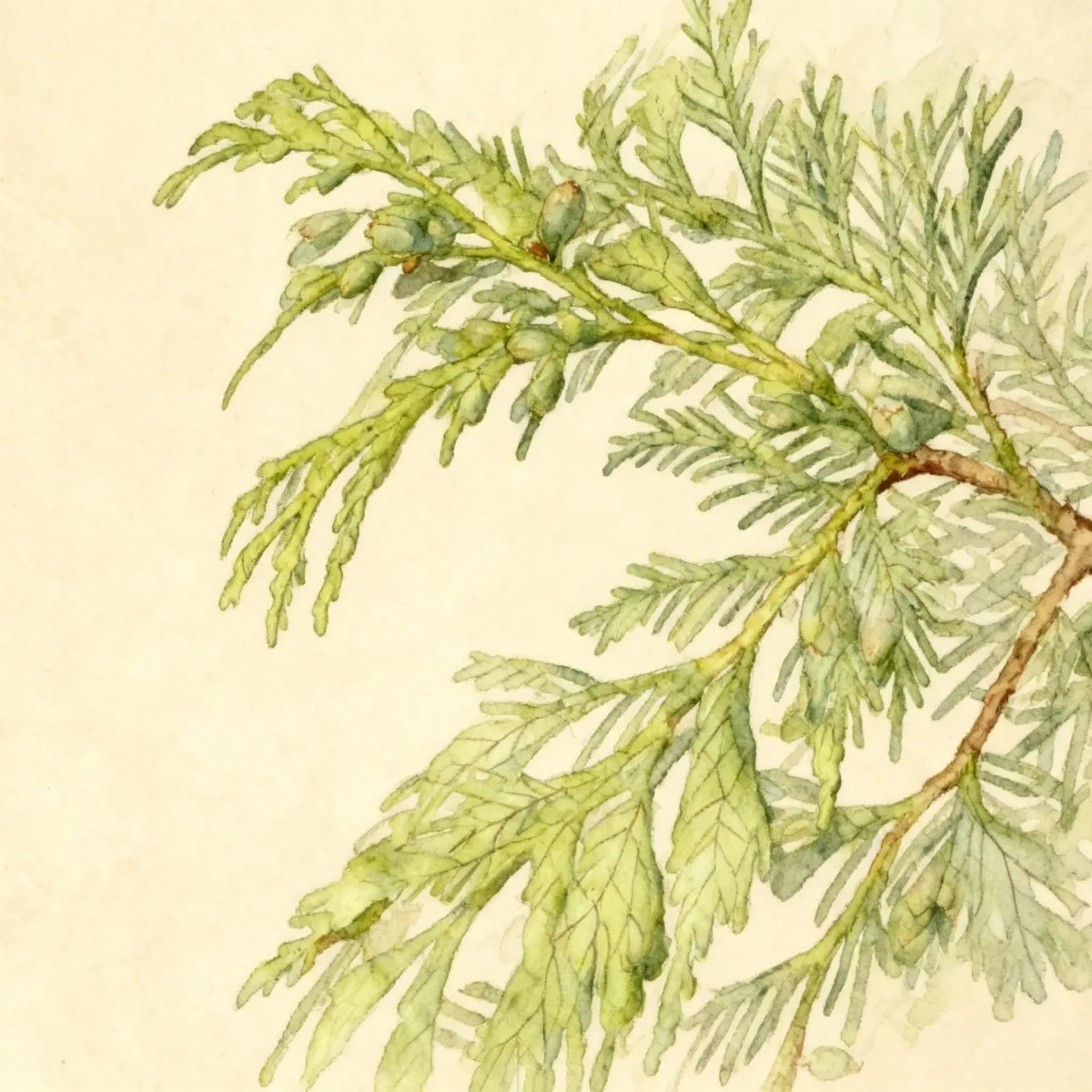
American arborvitae (Thuja occidentalis 'Sudwelli')
Thuja occidentalis 'Sudwelli' offers dense, yellowish summer foliage on an upright pyramidal form. This low-maintenance American arborvitae excels in hedges.
Scroll down to discover growing tips, care requirements, companion plants, and more
Complete Plant Information
Overview
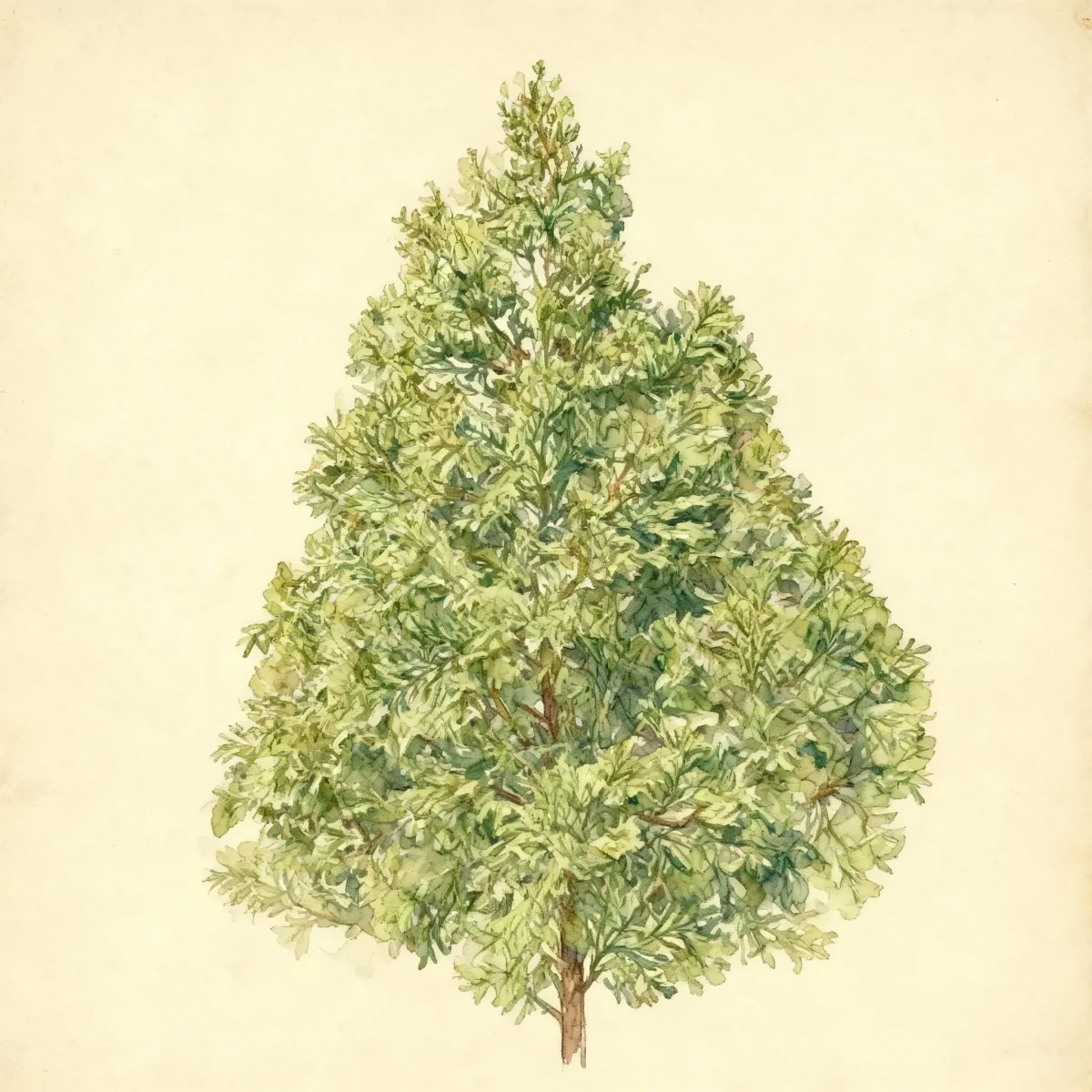
The Thuja occidentalis ‘Sudwelli’, commonly known as American arborvitae, is a valued conifer prized for its upright, irregular pyramidal shape and distinctive foliage color. This cultivar stands out due to its yellowish summer coloration, providing excellent contrast in evergreen plantings. It offers gardeners a reliable, low-maintenance solution for structure and screening throughout the year.
As a dense, slow-to-moderate growing evergreen, the American arborvitae is reliably hardy across a wide range of cold climates. It provides year-round visual interest, thriving best when provided consistent moisture and adequate sunlight. The robust nature of Thuja occidentalis ‘Sudwelli’ makes it an increasingly popular screening plant.
This particular cultivar adapts well to various landscape roles, though it is most frequently selected for formal hedging or as a specimen accent where its compact stature can be best appreciated. Successful cultivation relies on positioning it where it receives protection from intense, drying winter winds.
Fast Facts
- Plant Family: Cupressaceae
- Plant Type: Needled evergreen
- Hardiness Zones: USDA Zones 2-8
- Size at Maturity:
- Height: 15-30 ft
- Spread: 10-15 ft
- Bloom Time: Non-flowering
- Bloom Description: Non-flowering
- Sun Exposure: Full sun to part shade
- Water Needs: Medium
- Maintenance Level: Low
How to Grow
Planting Thuja occidentalis ‘Sudwelli’ is best accomplished in the spring or early fall, allowing the root system time to establish before the stress of summer heat or deep winter freezes. Ensure the planting site offers average, well-drained soils. While this cultivar shows some tolerance for clay, it crucially prefers moist, neutral to alkaline loam conditions.
Watering is critical, especially during establishment; this American arborvitae is intolerant of dry conditions once established, requiring medium moisture inputs. Avoid overly exposed, windy sites, as these conditions increase the risk of foliage scorch, particularly in winter. Full sun yields the densest growth, but planting where it receives light afternoon shade is beneficial in scorching climates.
Pruning needs are generally minimal due to the cultivar’s naturally neat form, but light shaping can be done in early spring before new growth begins. Avoid planting in deep shade, as this will cause the foliage density to thin out considerably, negating the aesthetic appeal of the Thuja occidentalis ‘Sudwelli’.
Landscape Uses
The compact and upright habit of Thuja occidentalis ‘Sudwelli’ makes it an ideal choice for creating formal structure within the garden. It excels when trained as a hedge, forming a dense, relatively narrow screen that offers privacy without demanding excessive horizontal space. Alternatively, using the American arborvitae as a specimen plant allows the unique yellowish summer foliage to become a focal point.
When using Thuja occidentalis ‘Sudwelli’ in linear plantings, ensure spacing allows for the 10 to 15-foot mature spread, even if used for hedging. Consider pairing it with contrasting textures or deeper green conifers for visual depth until the planting matures. Its tolerance for urban pollution also makes it a reliable choice for foundation plantings near streets or pathways.
For an elegant screen, plant groups of three or five together, allowing them to grow into one another slightly to form a sturdy barrier. This medium-sized evergreen provides excellent vertical accents against lighter-colored architecture or alongside perennial borders that die back in winter.
Standout Features
Noteworthy Characteristics
Thuja occidentalis, commonly known as American arborvitae, Eastern arborvitae, Eastern white cedar or Northern white cedar, is a dense, conical to narrow-pyramidal (sometimes maturing to broad-pyramidal), often single-trunked, evergreen tree that is native to eastern and central Canada south to northern Illinois, Ohio and New York with scattered populations further south in the Appalachians to North Carolina. The cultivar ‘Sudwelli’ is particularly noted for its brighter yellowish summer foliage, growing to a manageable 15-30 feet tall in cultivation. The foliage remains scale-like and appears in flat, fan-shaped sprays, offering year-round evergreen appeal typical of Eastern white cedar.
Tolerances
- Clay Soil
- Black Walnut
- Air Pollution
Potential Problems
One key management concern for the American arborvitae involves moisture. While thirsty, poorly draining soils can lead to root issues, while drought stress can cause foliage to dry out and brown. Ensure consistent, medium watering, particularly during hot summers.
Pests like bagworms, mealybugs, scales, and spider mites can occasionally be an issue; regular inspection is the best defense. If you notice leaf tips damaged, check for leaf miner activity. Fungus issues like leaf blight can cause spotting and dropping, often exacerbated by humidity or poor air circulation; pruning interior branches can help reduce this risk.
Winter presentation requires attention; foliage may develop a yellow-brown tint (“winter burn”) if planted in overly exposed, sunny, windy sites. Furthermore, the branches of Thuja occidentalis ‘Sudwelli’ can be susceptible to breakage from heavy ice and snow accumulation, so gently brushing heavy snow loads off can prevent structural damage.
Frequently Asked Questions
What hardiness zones is American arborvitae suitable for?
Thuja occidentalis ‘Sudwelli’ is hardy across a broad range, thriving in USDA Zones 2 through 8.
How large does Thuja occidentalis ‘Sudwelli’ grow?
This upright pyramidal cultivar typically reaches a mature height between 15 and 30 feet, with a spread of 10 to 15 feet wide.
What sun exposure does Thuja occidentalis ‘Sudwelli’ need?
For best density and color, this American arborvitae requires full sun, though it can tolerate part shade, especially where summer heat is intense.
When does Thuja occidentalis ‘Sudwelli’ bloom?
This is a non-flowering needled evergreen, valued instead for its year-round foliage.
Conclusion
The Thuja occidentalis ‘Sudwelli’ provides outstanding architectural structure and dependable year-round interest, highlighted by its attractive yellowish summer tones. Its low maintenance demands and suitability for hedging make this American arborvitae a practical powerhouse for structure. Before purchasing, confirm that your site offers the required medium moisture and protection from harsh winter winds.
Companion Planting
Choosing companions for Thuja occidentalis ‘Sudwelli’ should focus on plants that share similar moisture and sun requirements—namely medium water needs and tolerance for full sun to partial shade. Consider pairing it with deciduous shrubs that offer bright fall color, such as Dogwood varieties (Cornus) or Smokebush (Cotinus), to create dynamic seasonal contrast against the evergreen backdrop of the American arborvitae.
For foundation plantings near the base of the Thuja occidentalis ‘Sudwelli’, utilize low-growing groundcovers that do not aggressively compete for surface moisture. Creeping Phlox or low-mounding sedums are excellent choices, provided they don’t spread so thickly as to smother the base of the upright conifer. Ensure any companion plants do not require excessive amounts of fertilizer, as fertilizing evergreens too heavily can sometimes induce softer, more susceptible growth.
Design Ideas
Utilize the inherent formality of this cultivar by planting it in repeating rows to define property lines or create structured garden “rooms.” Because the Thuja occidentalis ‘Sudwelli’ retains its density, it functions beautifully as a backdrop element, allowing flowering perennials or smaller ornamental grasses to stand forward during the growing season. When mass planting for screening, stagger rows slightly rather than planting in a perfect straight line to produce a more natural, yet still dense, visual barrier over time.