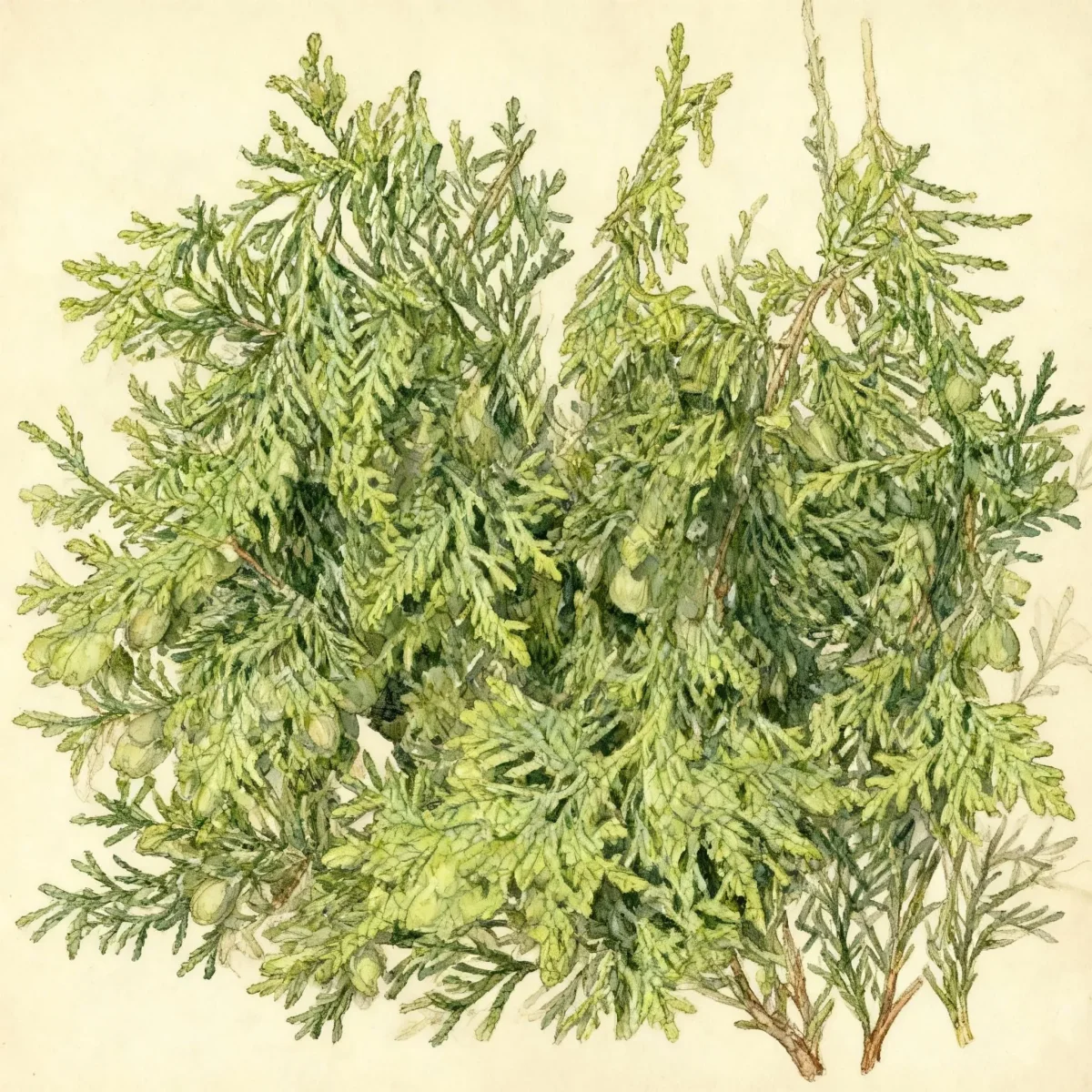
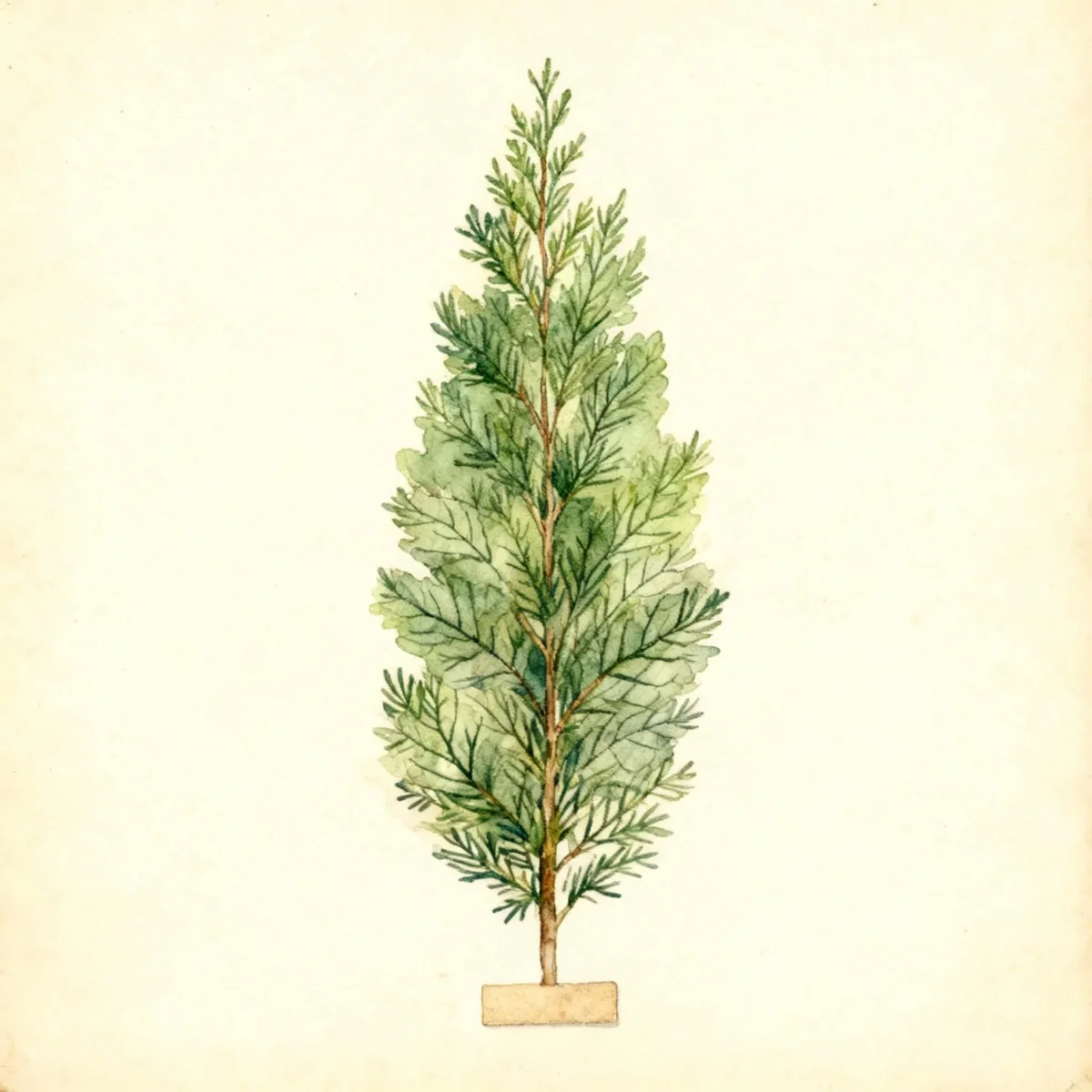
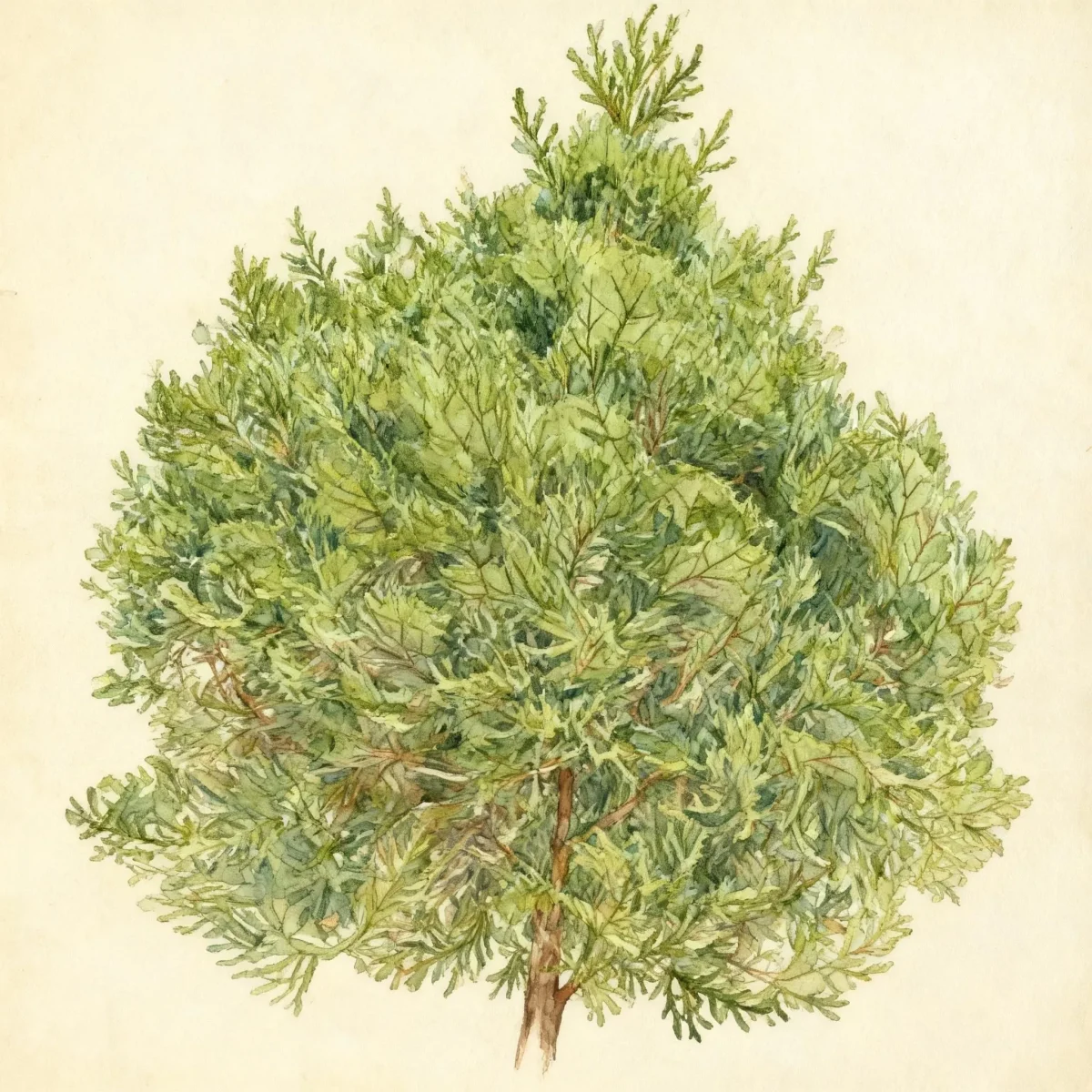
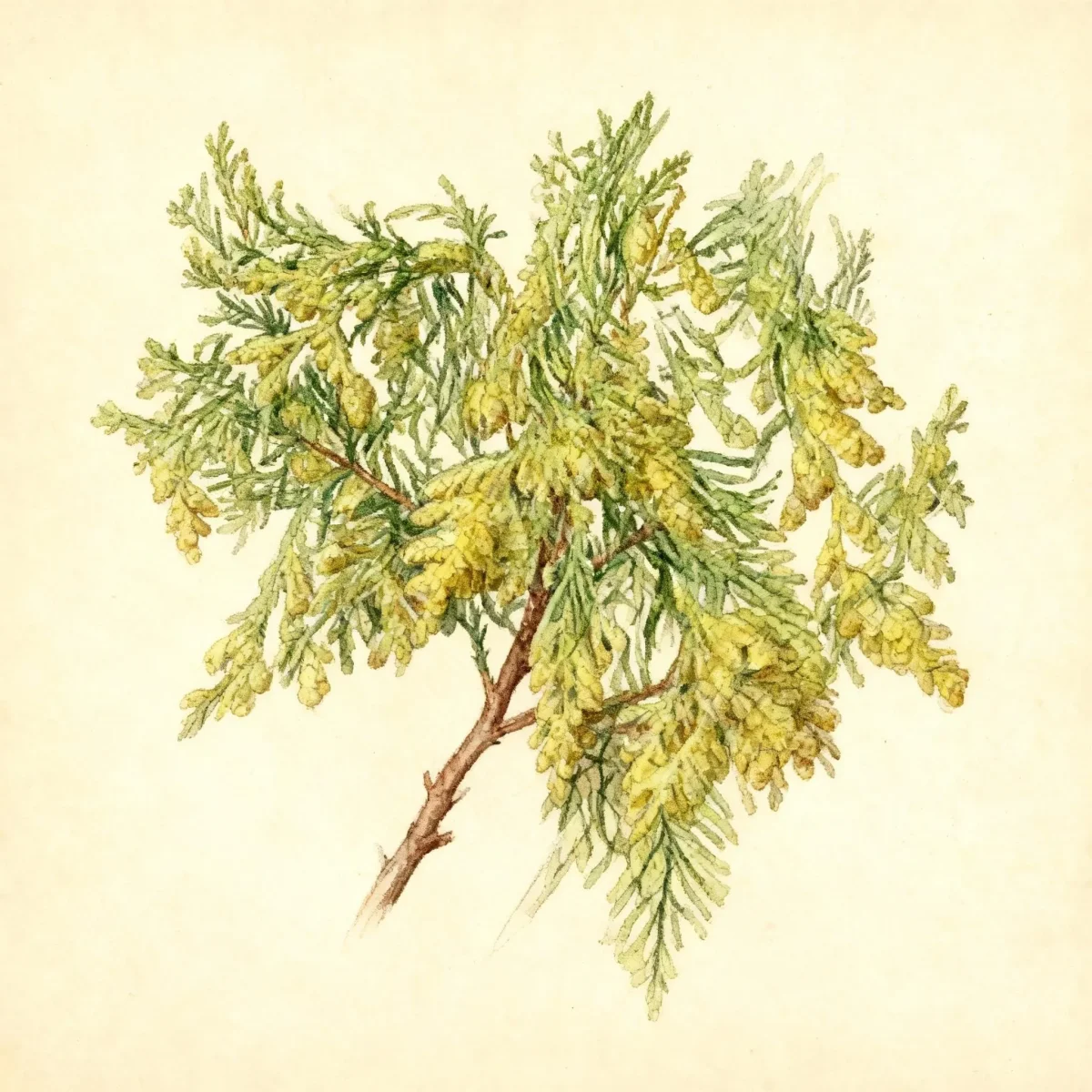
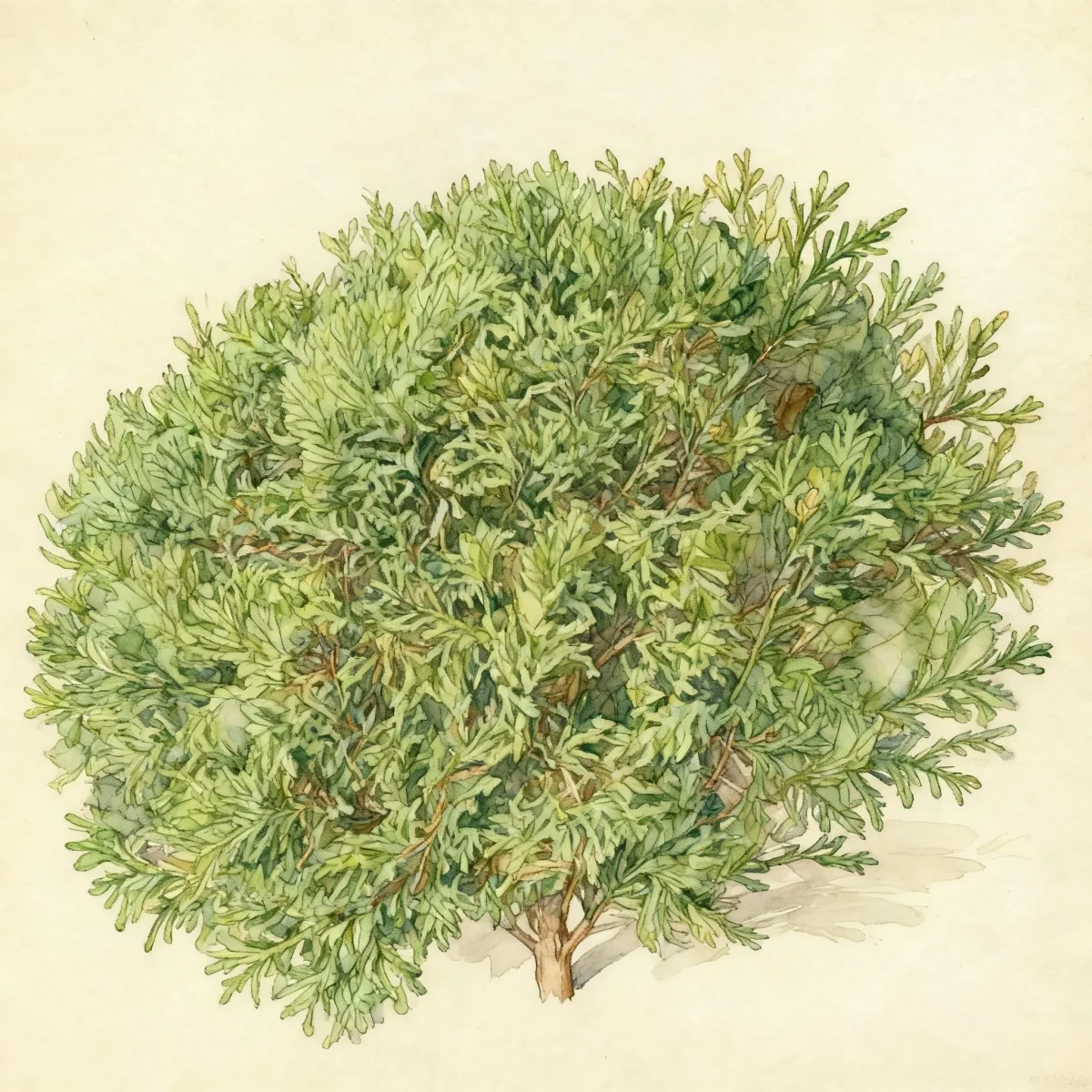
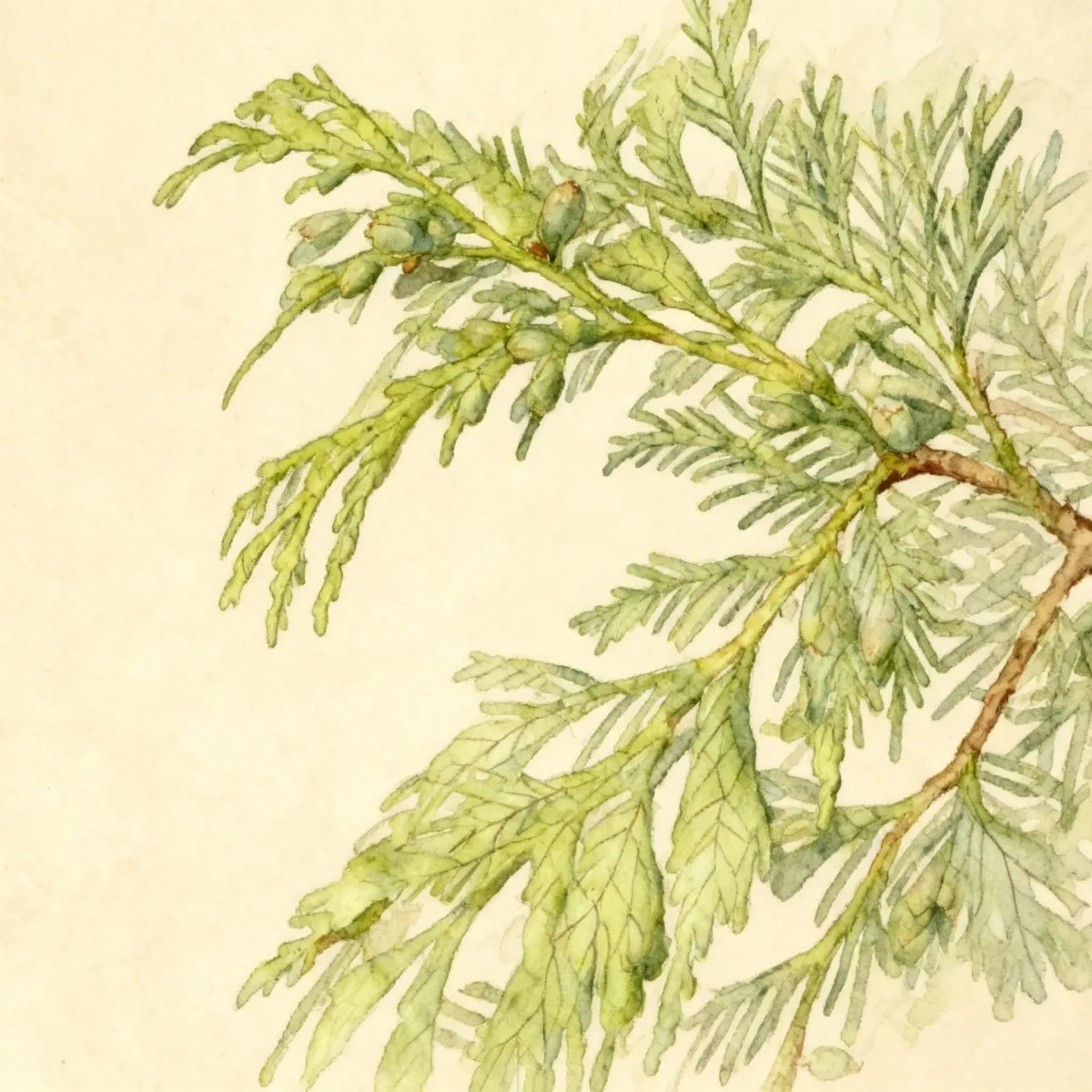
American arborvitae (Thuja occidentalis 'Gold Drop')
Thuja occidentalis 'Gold Drop' is a dwarf American arborvitae offering year-round golden foliage. Low maintenance evergreen for zones 2-7.
Scroll down to discover growing tips, care requirements, companion plants, and more
Complete Plant Information
Overview
Thuja occidentalis ‘Gold Drop’, a cultivar of the classic American arborvitae, provides essential year-round structure with its striking golden coloration. This dwarf, dense, evergreen stands out in the landscape due to its attractive, bright foliage that holds its color well across seasons. Gardeners prize this variety for its manageable size, making it ideal for smaller properties or as a low accent specimen.
As a member of the Cupressaceae family, this conifer offers robust performance across a wide range of conditions. It is remarkably adaptable, thriving in USDA Zones 2 through 7, suggesting excellent cold hardiness for many regions. The pyramidal shape of Thuja occidentalis ‘Gold Drop’ lends itself well to formal designs or as a textural contrast against broader-leafed plants.
The low maintenance requirements further enhance the appeal of this American arborvitae. Requiring medium water input and thriving best with proper placement regarding sun exposure, it establishes quickly and offers lasting visual impact without demanding constant attention or heavy pruning. Its dense growth provides excellent foreground screening or foundation planting options.
Fast Facts
- Plant Family: Cupressaceae
- Plant Type: Needled evergreen
- Hardiness Zones: USDA Zones 2-7
- Size at Maturity:
- Height: 4-6 ft
- Spread: 2-3 ft
- Bloom Time: Non-flowering
- Bloom Description: Non-flowering
- Sun Exposure: Full sun to part shade
- Water Needs: Medium
- Maintenance Level: Low
How to Grow
For optimal growth, plant Thuja occidentalis ‘Gold Drop’ during the spring or fall when temperatures are moderate. Ensure planting occurs in average, medium moisture, well-drained soils. While this American arborvitae shows a somewhat wide range of soil tolerance, it performs best in moist, neutral to alkaline, well-drained loams, indicating that heavy, poorly draining sites should be avoided.
Care throughout the growing season centers on consistent moisture, especially until the root system is established. Water deeply when the soil surface begins to dry; it is intolerant of overly dry conditions. Fertilization is generally unnecessary if the soil is adequate, but a slow-release evergreen fertilizer in spring can boost color intensity if required. Pruning is rarely needed for shape, but errant branches can be selectively trimmed in late winter or early spring.
Sun exposure is critical for maintaining the golden hue. Best results are achieved in full sun, although it usually appreciates some light afternoon shade in areas experiencing very hot summers. Avoid planting in full shade, as this will substantially decrease foliage density, resulting in a sparse appearance for your Thuja occidentalis ‘Gold Drop’.
Be mindful of site selection, as this species does not perform well in exposed, windy sites, which can exacerbate winter burn potential. Prepare the soil deeply to ensure excellent drainage, which is the most crucial cultural factor for the long-term health of this evergreen conifer.
Landscape Uses
The compact, golden presence of Thuja occidentalis ‘Gold Drop’ makes it incredibly versatile for modern landscape designs. Its neat, low-growing pyramidal habit makes it an excellent choice for defining edges, such as low shrub borders where year-round color is desired. Use it to anchor the corners of foundation plantings, providing a consistent splash of yellow against neutral siding.
As an evergreen conifer with yellow foliage, it functions perfectly in specimen or accent roles, drawing the eye to specific points in the garden structure. It can also be massed together to create a low, effective screen that provides visual separation without obscuring views entirely. The dwarf nature of Thuja occidentalis ‘Gold Drop’ ensures it will not quickly outgrow its assigned space.
When pairing this plant, consider contrasting textures and colors. Dark green, broad-leafed shrubs or perennial dark green groundcovers offer a striking backdrop that makes the golden needles pop. Its adaptability also means it can feature prominently in formal mixed borders or simply function as robust, low-maintenance edging.
Standout Features
Noteworthy Characteristics
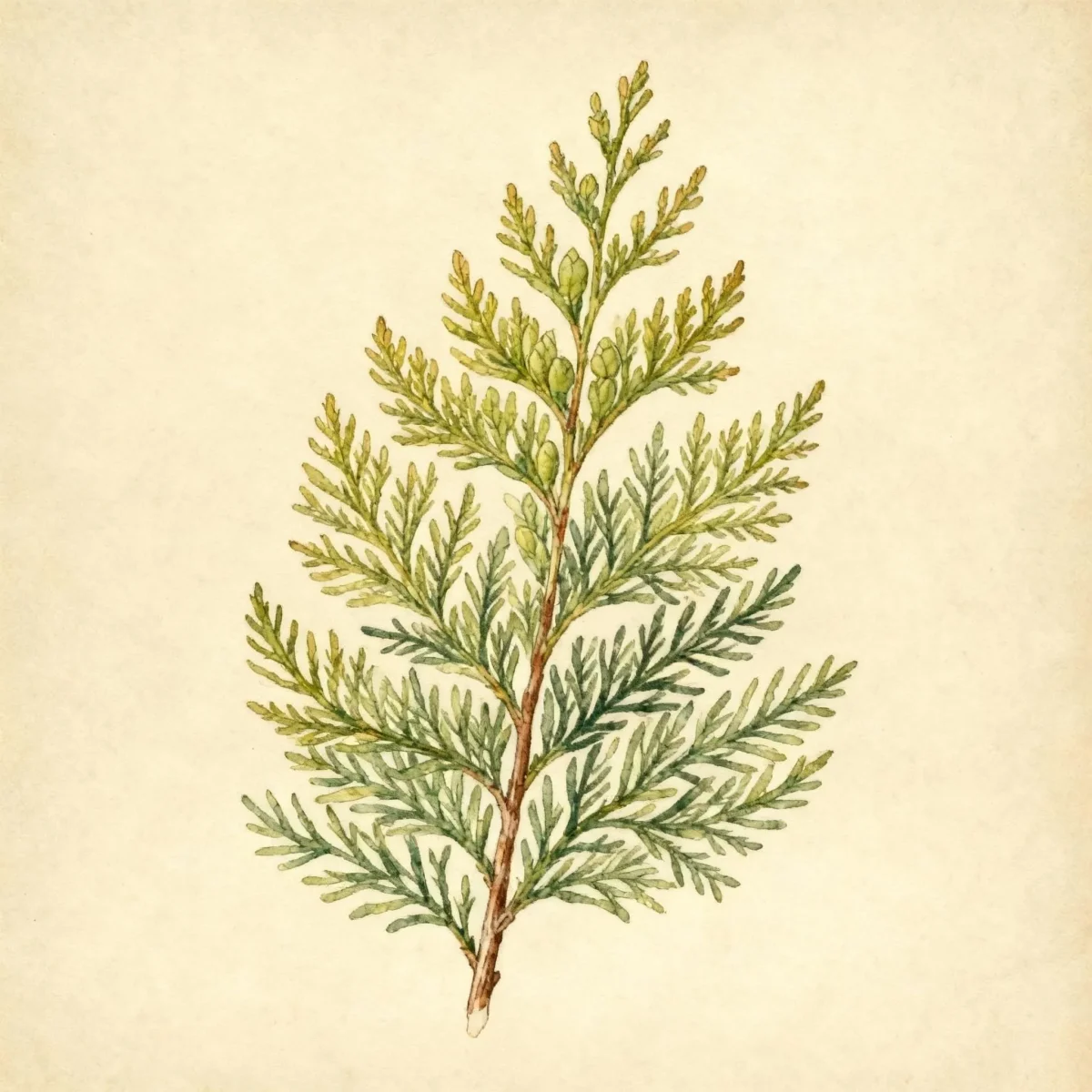
Thuja occidentalis, commonly known as American arborvitae, is valued for its dense, pyramidal form and aromatic, scale-like foliage. The ‘Gold Drop’ cultivar specifically features attractive golden foliage that remains vivid year-round, maturing to a manageable 4-6 feet tall. This evergreen offers enduring color and texture, harking back to the historic use of arborvitae foliage by early settlers to treat scurvy.
Tolerances
- Clay Soil
- Black Walnut
- Air Pollution
Potential Problems
Leaf blight is a common minor issue that can cause some foliage to spot and drop, often exacerbated by excessive humidity or poor air circulation. Ensuring proper spacing and avoiding overhead watering can mitigate this fungal risk. Gardeners should also watch for signs of canker, which affects woody stems, and promptly prune out any infected areas.
Pest pressure, though usually manageable, can include leaf miners, which damage leaf tips, and occasional infestations of bagworms, mealybugs, scales, or spider mites. Inspecting the foliage regularly, particularly the undersides of sprays, allows for early intervention with horticultural oils or insecticidal soap if pests are detected.
Winter weather presents another challenge; the foliage is susceptible to winter burn, presenting as yellow-brown discoloration on exposed sides. Furthermore, heavy ice and snow accumulation can cause stem breakage; site Thuja occidentalis ‘Gold Drop’ away from heavy overhead snow-loading areas when possible to prevent physical damage.
Frequently Asked Questions
What hardiness zones is American arborvitae suitable for?
Thuja occidentalis ‘Gold Drop’ is suitable for a wide range of climates, thriving in USDA Zones 2-7.
How large does Thuja occidentalis ‘Gold Drop’ grow?
At maturity, this dwarf variety generally reaches a height between 4 to 6 feet, with a spread between 2 to 3 feet.
What sun exposure does Thuja occidentalis ‘Gold Drop’ need?
This evergreen performs best in full sun, though it appreciates some light afternoon shade when planted in the hottest summer climates.
When does American arborvitae bloom?
Thuja occidentalis ‘Gold Drop’ is a non-flowering conifer; its ornamental value lies entirely in its foliage structure and color.
Conclusion
The combination of manageable dwarf size, striking year-round golden color, and low maintenance makes Thuja occidentalis ‘Gold Drop’ an outstanding choice for modern and traditional landscapes. This resilient American arborvitae handles various soil challenges, provided drainage is adequate. Before planting, confirm the sun exposure requirements of your chosen site to ensure the best possible golden performance from your new Thuja occidentalis ‘Gold Drop’.
Companion Planting
Selecting the right companions enhances the visual impact of the golden foliage of Thuja occidentalis ‘Gold Drop’. Pair it with deep burgundy or deep green shrubs, such as certain varieties of Japanese Maple (Acer palmatum) or contrasting evergreen hollies, to maximize color separation and visual drama during all four seasons. Its fine texture contrasts beautifully with plants that have large, coarse leaves.
Consider groundcovers that benefit from similar medium moisture requirements without needing the full sun that the arborvitae prefers. Hostas or Heucheras planted at the base can thrive in the light afternoon shade cast by the cedar, adding floral interest during the summer months while complementing the evergreen structure of the Thuja occidentalis ‘Gold Drop’.
Seasonal Care Calendar
In late winter or very early spring, perform a protective inspection, looking for any branches damaged by ice or snow and pruning them back cleanly to encourage healthy new growth. This is also the best time for any corrective pruning before the active growing season begins for the American arborvitae.
Throughout the active growing season (spring and summer), focus on maintaining consistent medium moisture levels, especially during dry spells, as this conifer is intolerant of drought. Check regularly for early signs of pest activity, such as tiny webbing (spider mites) or sticky residue (scales), and address immediately before infestations become severe.
As autumn approaches, ensure the plant is well-hydrated going into winter dormancy. While Thuja occidentalis ‘Gold Drop’ is quite cold-hardy, providing adequate moisture before the ground freezes helps minimize dehydration stress and reduces the chance of winter burn discoloration on the golden foliage.