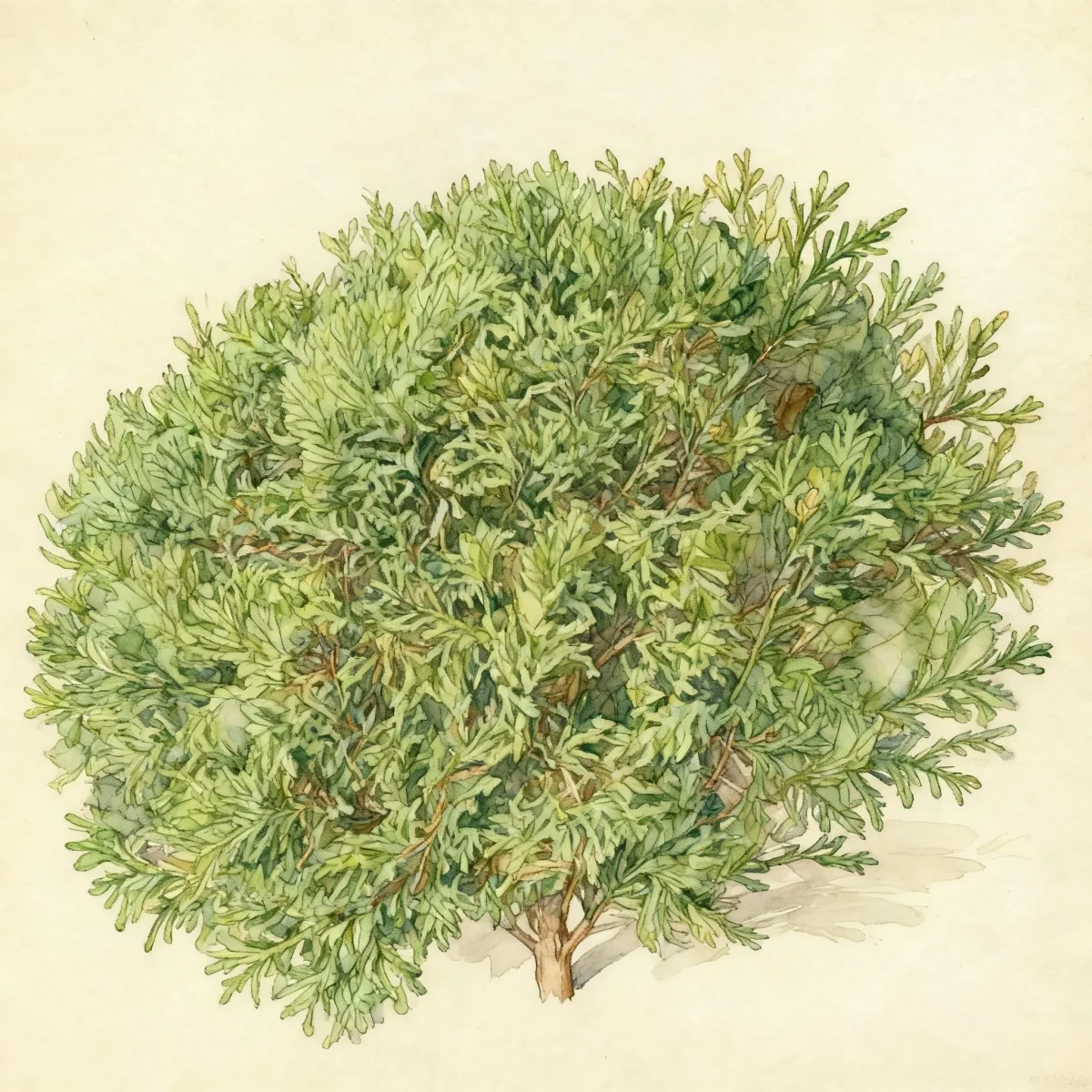
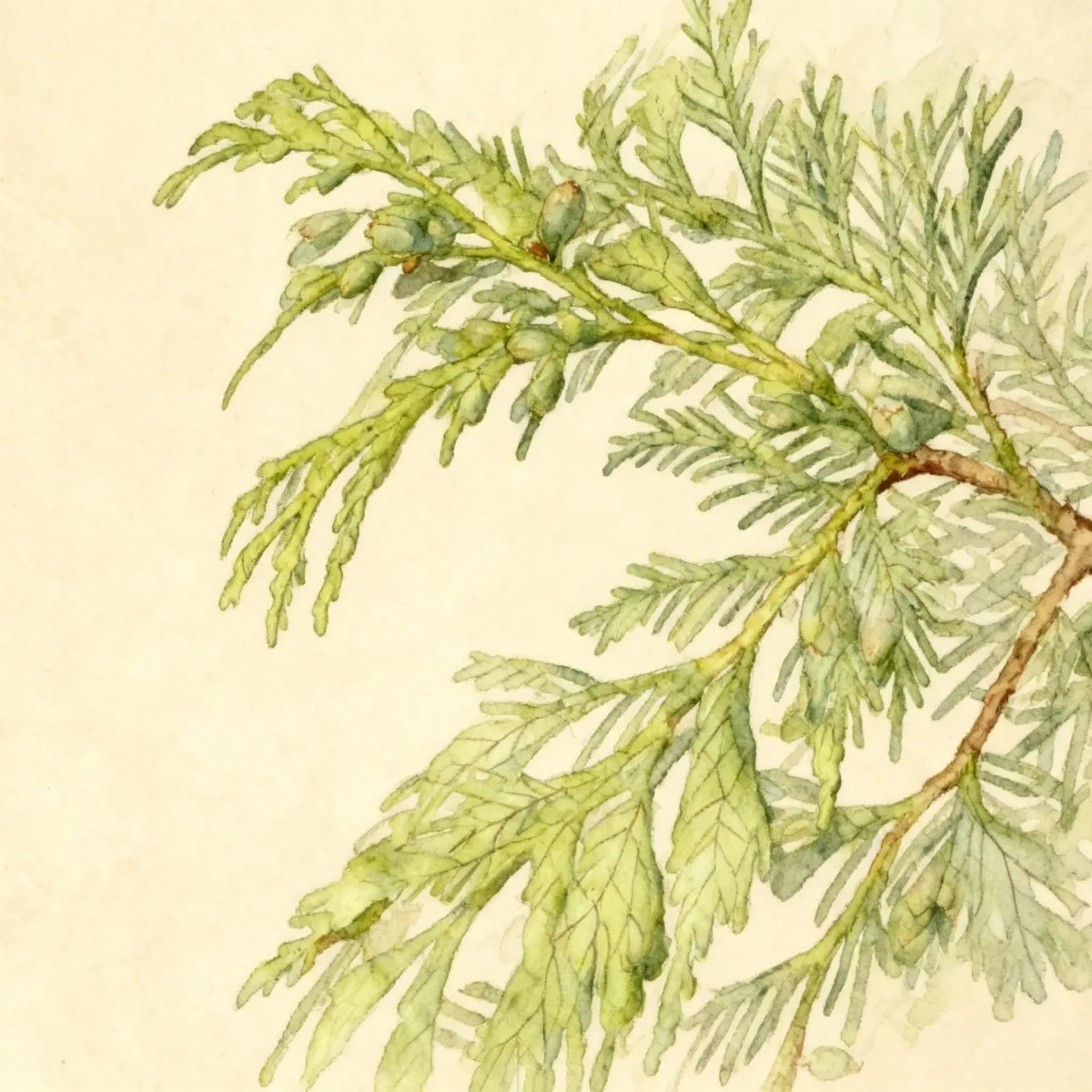
American arborvitae (Thuja occidentalis 'Wansdyke Silver')
Thuja occidentalis 'Wansdyke Silver' is a striking American arborvitae prized for its silver-splashed, upright pyramidal form, perfect for hedges.
Scroll down to discover growing tips, care requirements, companion plants, and more
Complete Plant Information
Overview
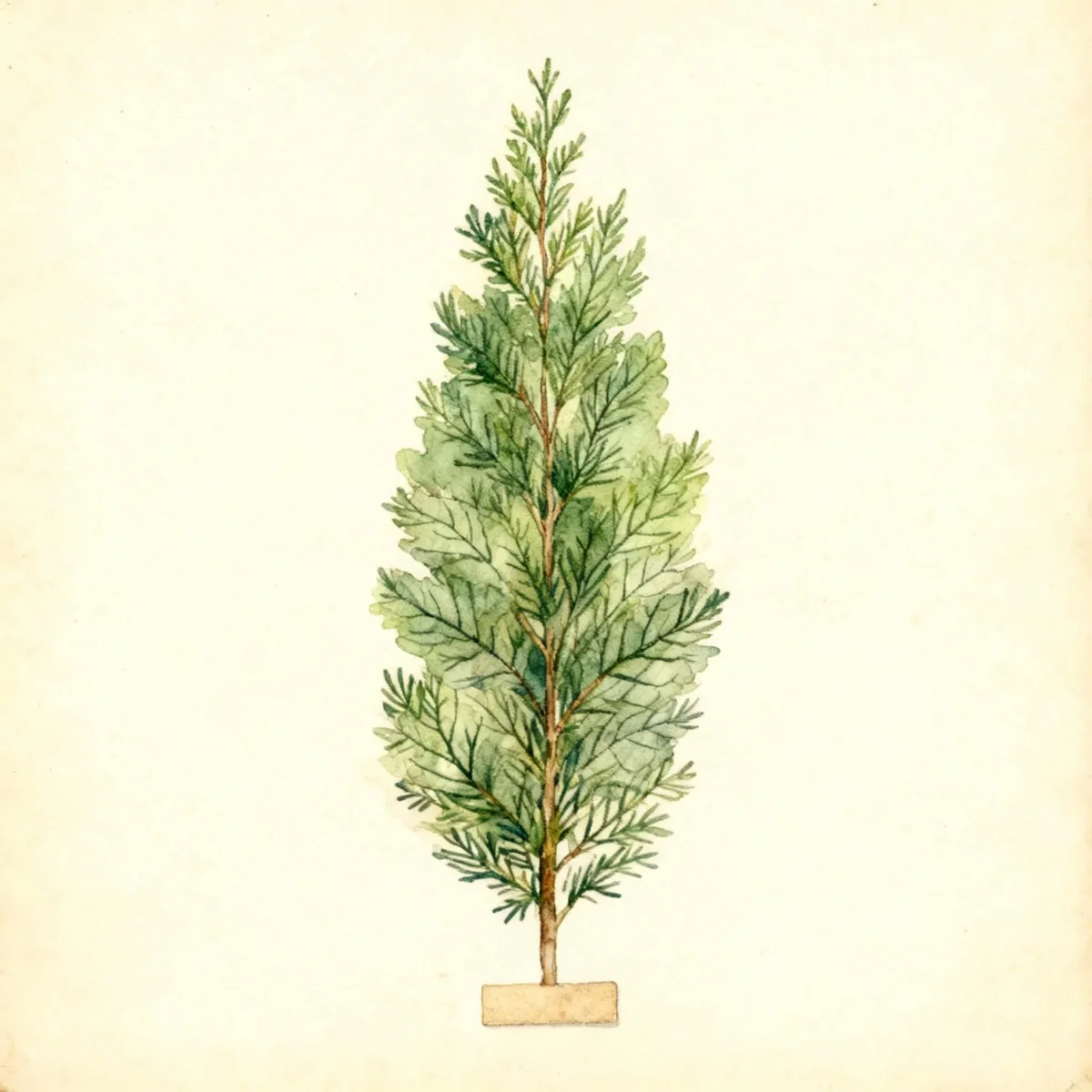
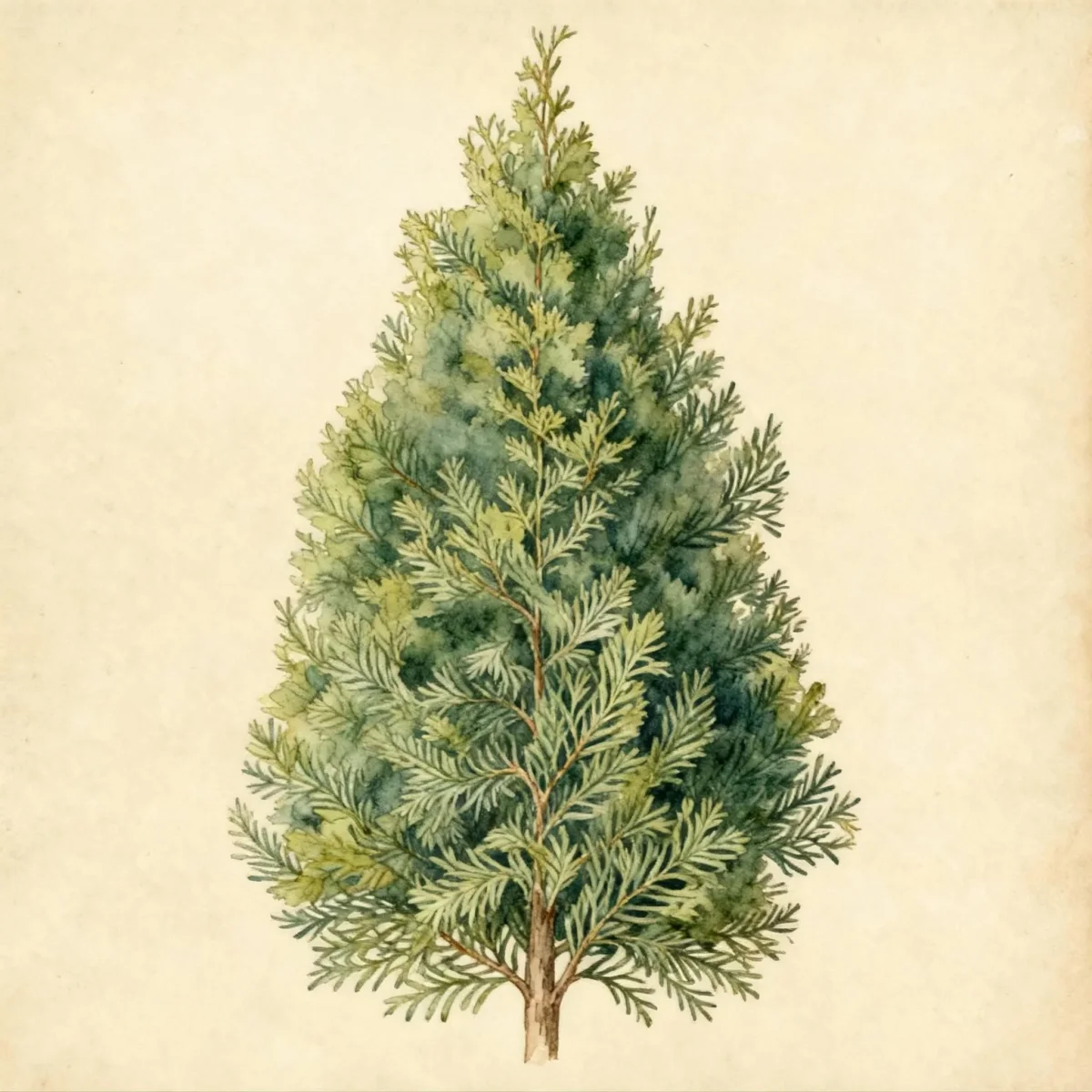
The Thuja occidentalis ‘Wansdyke Silver’ is a distinctive cultivar of the American arborvitae, valued by gardeners for its compact, upright pyramidal habit combined with captivating foliage. This cultivar showcases deep green leaves intricately splashed with cream, silver, and white variegation, offering year-round visual interest in the landscape. It is a slow-growing, low-maintenance evergreen ideal for structure and formal planting schemes.
As a tough needled evergreen, Thuja occidentalis ‘Wansdyke Silver’ thrives across a broad range of conditions, though it performs best when protected from extreme wind. Its manageable size, rarely exceeding 7 feet tall, makes it far more suitable for residential gardens than the towering wild forms of American arborvitae. Its evergreen nature ensures that foundational plantings or screens retain structure throughout the winter months.
Gardeners seeking reliable, dense texture with a touch of bright contrast will find the ‘Wansdyke Silver’ invaluable. Whether used as a formal accent or grouped for a striking hedge, this Arborvitae offers longevity and adaptable growth, provided it receives adequate moisture and sunlight.
Fast Facts
- Plant Family: Cupressaceae
- Plant Type: Needled evergreen
- Hardiness Zones: USDA Zones 2-7
- Size at Maturity:
- Height: 5-7 ft
- Spread: 4-5 ft
- Bloom Time: Non-flowering
- Bloom Description: Non-flowering
- Sun Exposure: Full sun to part shade
- Water Needs: Medium
- Maintenance Level: Low
How to Grow
Planting the Thuja occidentalis ‘Wansdyke Silver’ should ideally occur in spring or early fall to minimize transplant shock. Choose a location that provides average, well-drained soils, acknowledging that while this particular variety has some tolerance, it prefers moist, neutral to alkaline loams. Ensure the site receives full sun, as moving this American arborvitae into full shade will substantially decrease foliage density.
Care throughout the growing season centers on consistent watering; this evergreen is intolerant of dry conditions. A medium water schedule is required, especially when establishing the root system. While fertilizers are rarely necessary in rich soils, apply a balanced slow-release product in early spring if growth seems stunted. Pruning is minimal due to the natural conical shape, usually limited to removing any dead or damaged wood.
Protect your Thuja occidentalis ‘Wansdyke Silver’ from harsh weather elements. Avoid exposed, windy sites, as these areas increase the risk of winter burn, which causes the foliage to turn yellow-brown. Heavy accumulated ice or snow can cause stem breakage, so gently brush off excessive winter precipitation if necessary to preserve its desirable upright form.
Landscape Uses
The tight, upright pyramidal habit of Thuja occidentalis ‘Wansdyke Silver’ makes it an outstanding choice for creating formal structure in the landscape. Its modest height (5 to 7 feet) is perfect for use in dense, low-to-medium height shrub borders or as anchors near property foundations where space is limited. This cultivar excels when employed as a specimen plant, allowing the subtle silver variegation to contrast against darker green background plantings.
For functional applications, the dense nature of American arborvitae lends well to use as a formal hedge or screen, providing year-round privacy. When planting in a row for screening, space them according to their mature spread (4-5 feet) to allow sufficient air circulation. The unique coloration ensures that even singular specimens used as accents draw the eye without overpowering smaller perennial gardens nearby.
Consider pairing Thuja occidentalis ‘Wansdyke Silver’ with broadleaf evergreens or plants that offer complementary textures, such as ornamental grasses or deciduous shrubs with bright winter bark, to maximize visual impact during all seasons.
Standout Features
Noteworthy Characteristics
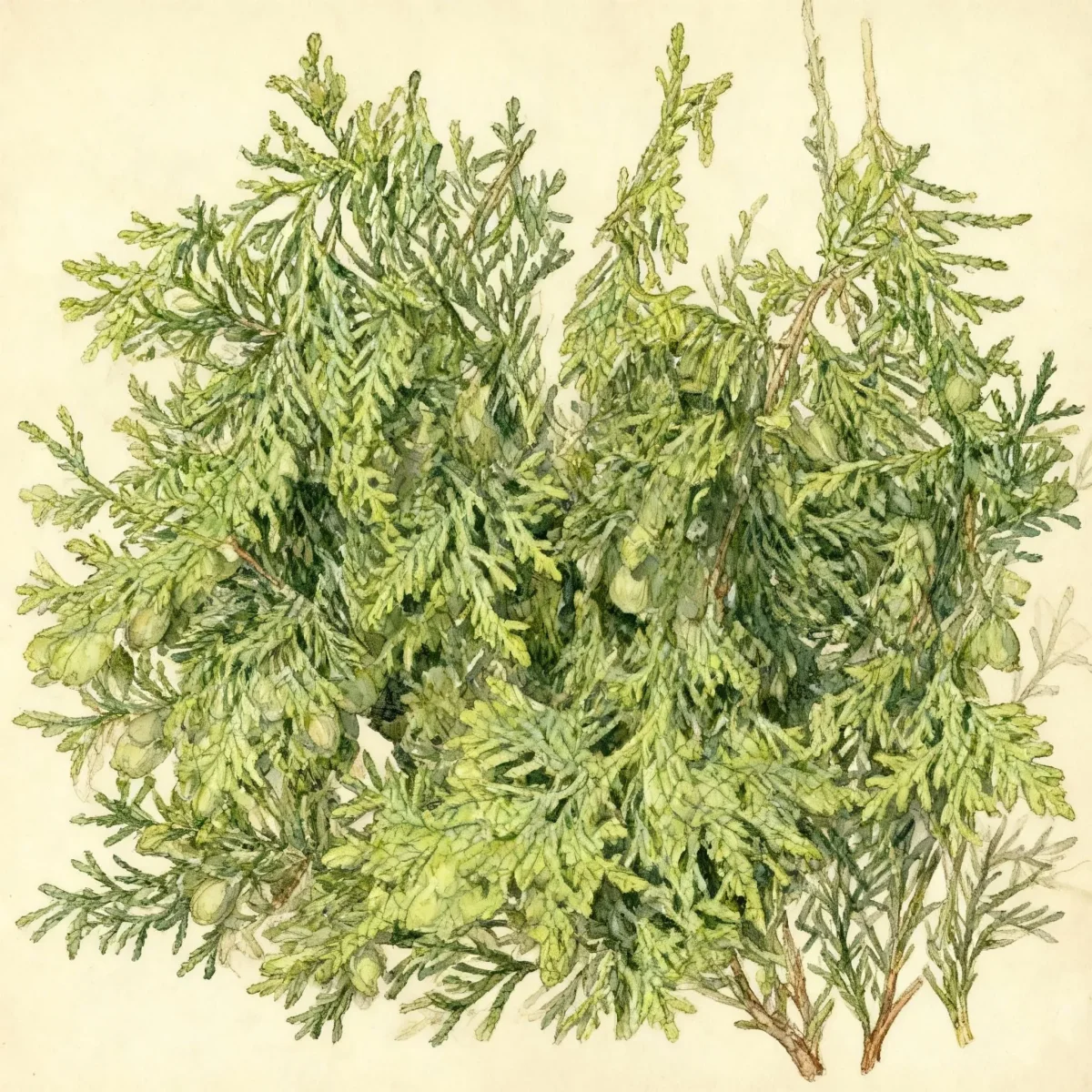
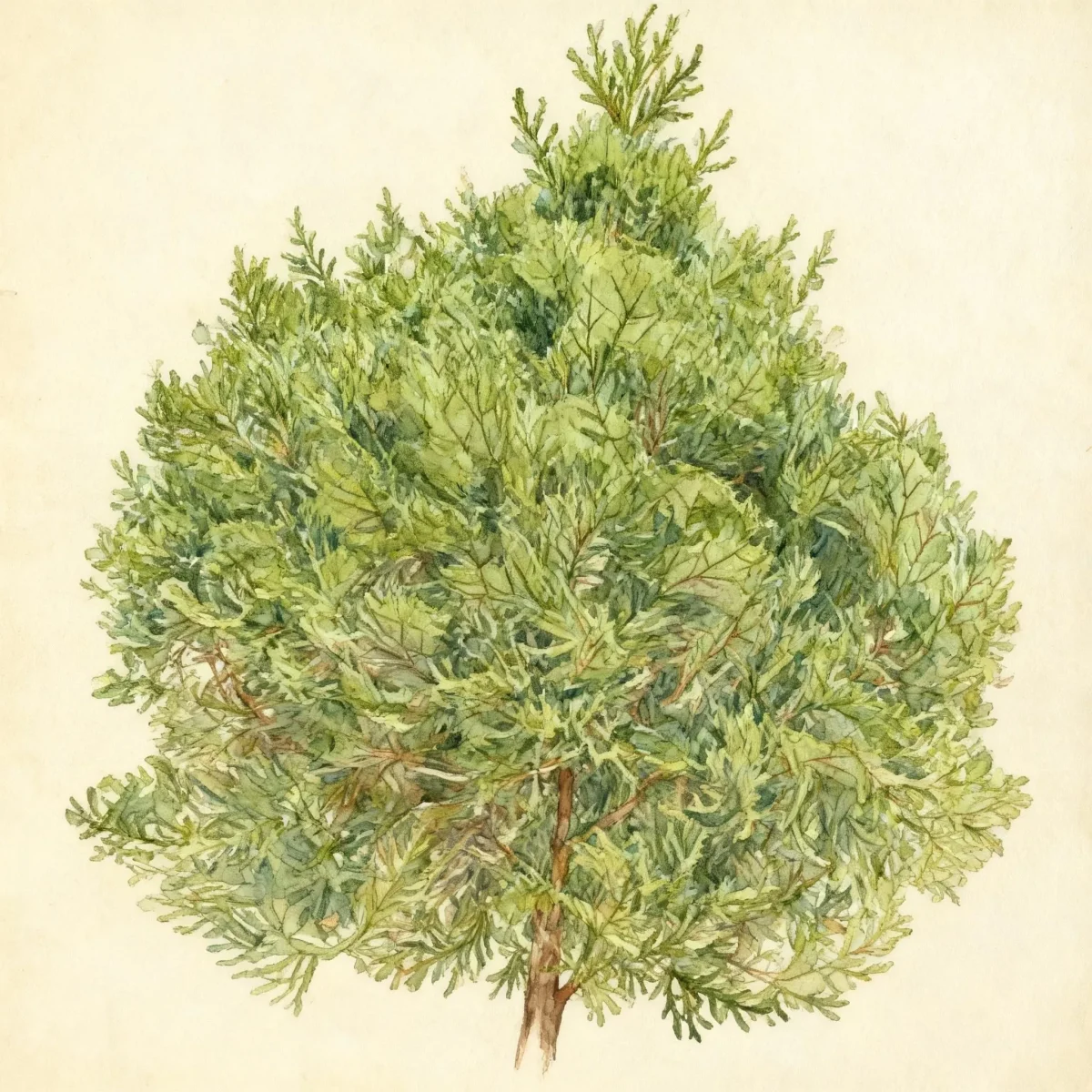
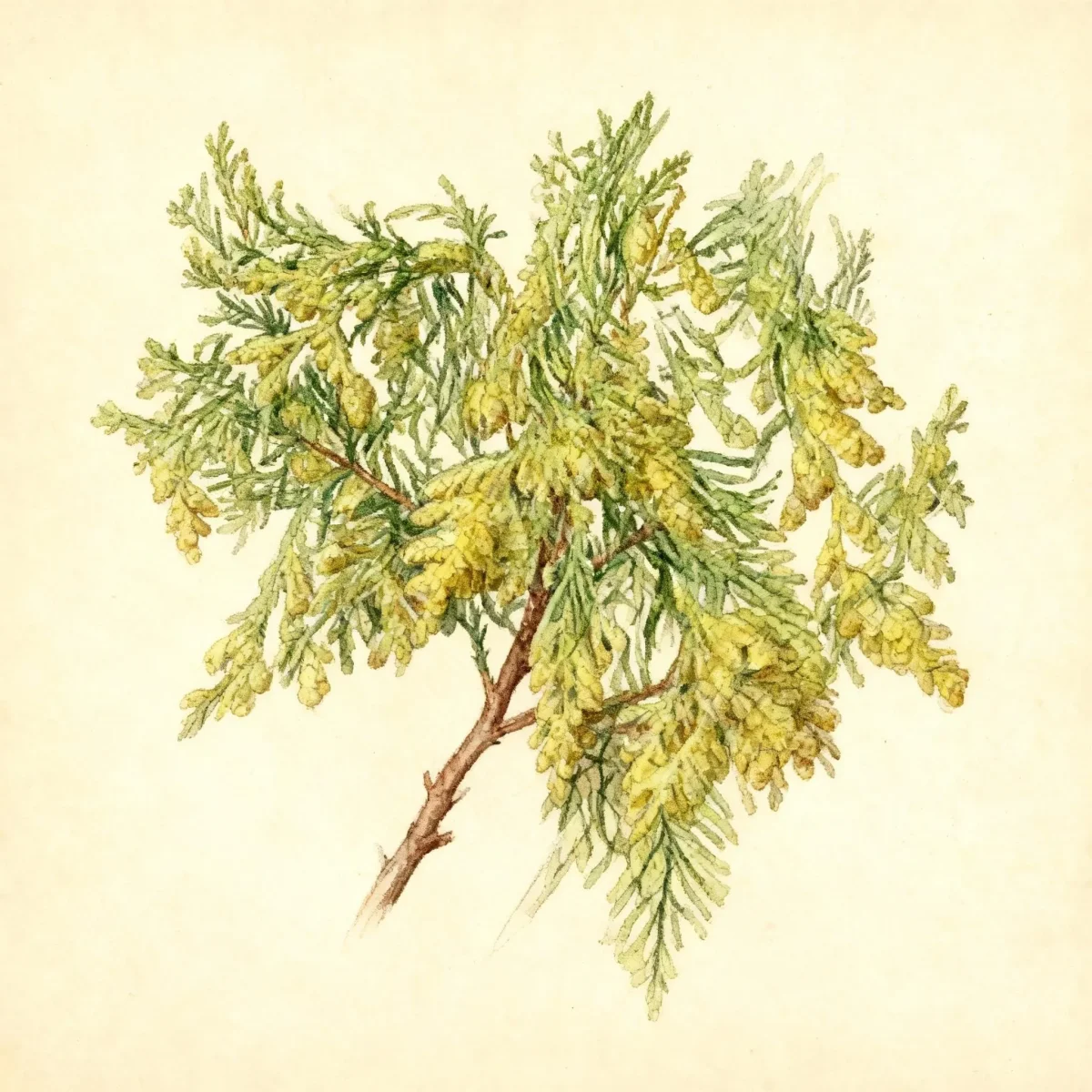
Thuja occidentalis, commonly known as American arborvitae, is traditionally a dense, conical evergreen tree native to eastern Canada and the US. While wild specimens mature much taller, the ‘Wansdyke Silver’ cultivar is an upright pyramidal form that typically reaches only 5-7 feet tall and 4-5 feet wide. Its standout feature is the scale-like, aromatic foliage, which presents in flattened sprays marked distinctively with cream, silver, and white variegation over a deep green base.
Tolerances
- Clay Soil
- Black Walnut
- Air Pollution
Potential Problems
Leaf blight is a threat that can cause some foliage to spot and eventually drop from your American arborvitae. Regular inspection, particularly during humid spells, is recommended to catch early signs. Equally important is monitoring for fungal canker, which affects the woody stems. Prune out any infected wood immediately when found, cutting well back into healthy tissue to prevent spread.
Several occasional pests may target the foliage of Thuja occidentalis ‘Wansdyke Silver’. Watch for damage from leaf miners, which tend to damage the leaf tips, or infestations by bagworms, mealybugs, scales, and spider mites. Maintaining good air circulation, as noted in care requirements, helps deter many of these issues, and targeted treatments can halt outbreaks before they seriously disfigure the plant.
Winter conditions pose structural risks; the tendency of the foliage to accumulate ice and snow means stems can suffer damage or breakage. Furthermore, if the plant is situated in an exposed, windy location, the foliage may exhibit winter burn, manifesting as an unsightly yellow-brown discoloration after the thaw. Site selection is crucial for maintaining year-round aesthetic appeal.
Frequently Asked Questions
What hardiness zones is American arborvitae suitable for?
Thuja occidentalis ‘Wansdyke Silver’ performs reliably across USDA Zones 2 through 7, offering excellent cold tolerance for northern gardeners.
How large does American arborvitae grow?
This specific cultivar is notably compact, typically maturing to a size between 5 to 7 feet in height and spreading 4 to 5 feet wide.
What sun exposure does Thuja occidentalis ‘Wansdyke Silver’ need?
It requires full sun to achieve optimal density, though it appreciates a bit of light afternoon shade in very hot summer climates.
When does American arborvitae bloom?
As a member of the Cupressaceae family, this needled evergreen is non-flowering and does not produce noticeable blooms.
Conclusion
The Thuja occidentalis ‘Wansdyke Silver’ offers a fantastic combination of low maintenance, excellent structural form, and captivating silver-splashed foliage. This versatile American arborvitae is perfectly scaled for modern landscapes demanding year-round color and texture without excessive upkeep. Before planting, confirm your local USDA zone falls within its hardy range of 2 through 7 and prepare well-drained soil for the best results.
Companion Planting
Selecting suitable neighbors complements the cultural needs and aesthetic features of Thuja occidentalis ‘Wansdyke Silver’. Because this plant thrives in medium moisture and tolerates varying soil pH, pair it with other acid-tolerant evergreens like dwarf Blue Spruce cultivars or Japanese Holly (Ilex crenata) for textural contrast. When using it in shrub borders, choose deciduous plants with contrasting fall color, such as Japanese Maples or Dwarf Burning Bushes, to enhance the silver highlights of the Arborvitae before winter sets in.
Design Ideas
The formalized shape of the ‘Wansdyke Silver’ makes it an excellent choice for formal entryway plantings where symmetry is desired. Use triplets of these evergreens flanking a doorway or gate to create a stately welcome. In contemporary settings, group several together at slightly staggered depths to emphasize the mass effect of the silver variegation, creating a low, shimmering screen. For a mixed border, ensure the lighter foliage is placed where it receives morning sun to truly bring out the cream and silver tones.