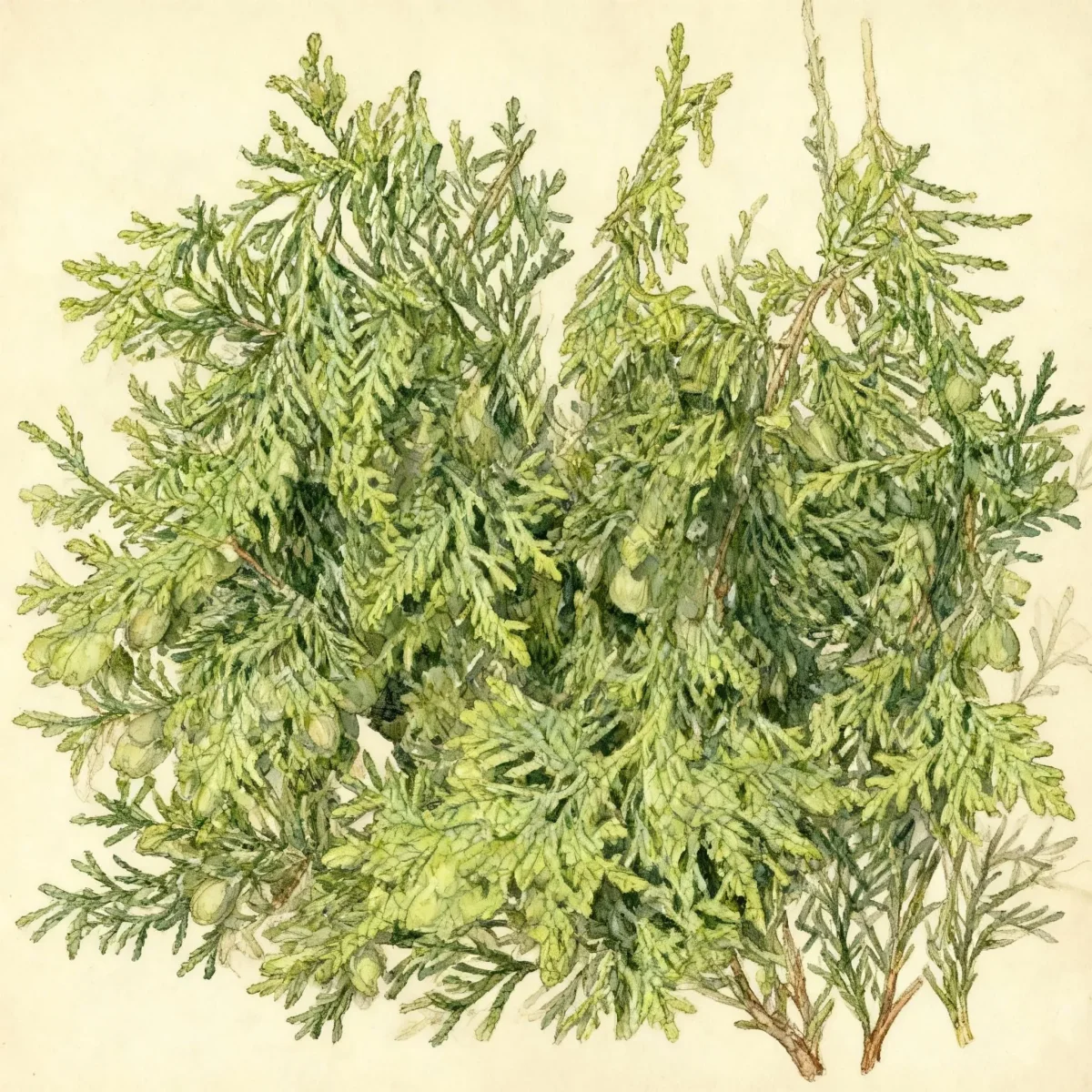
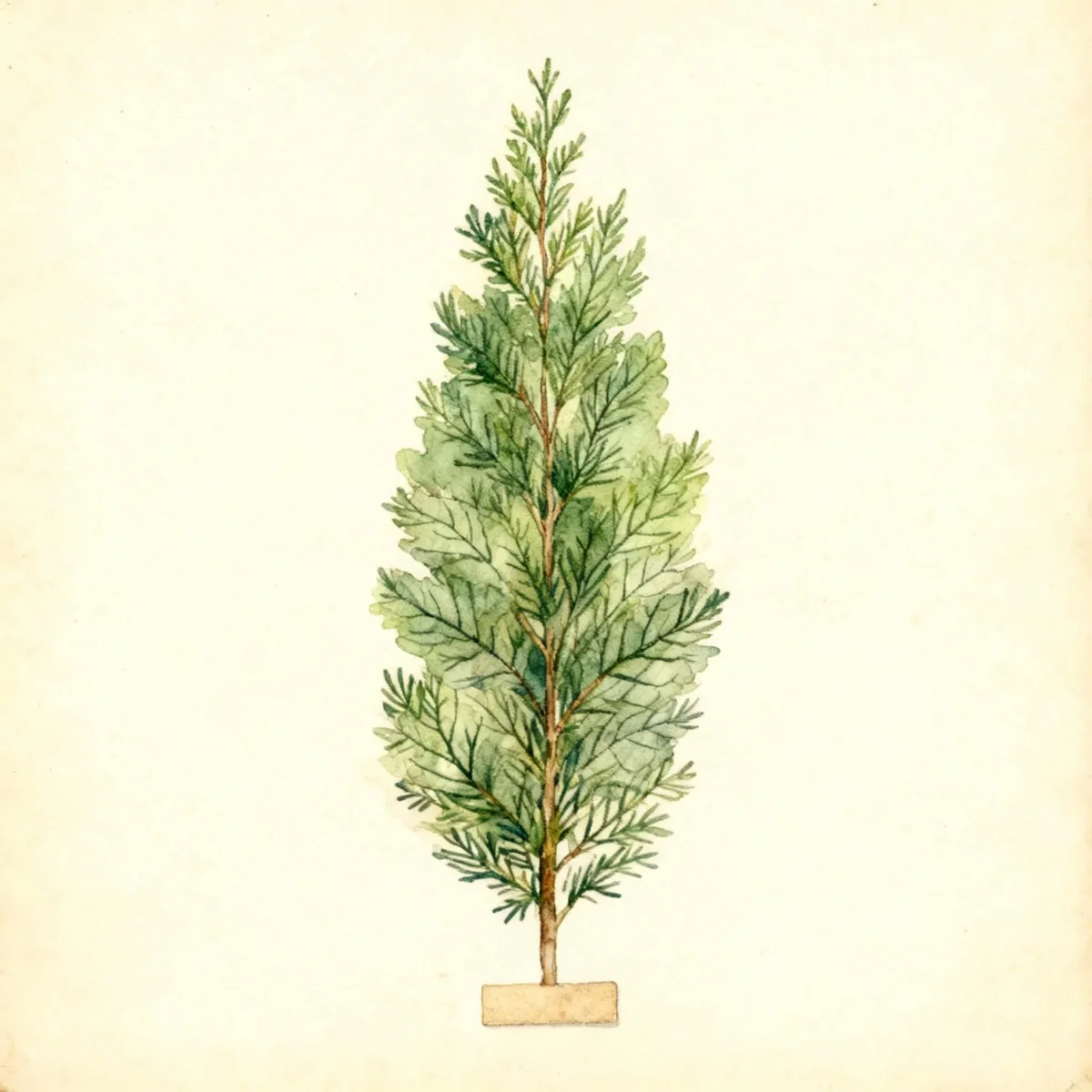
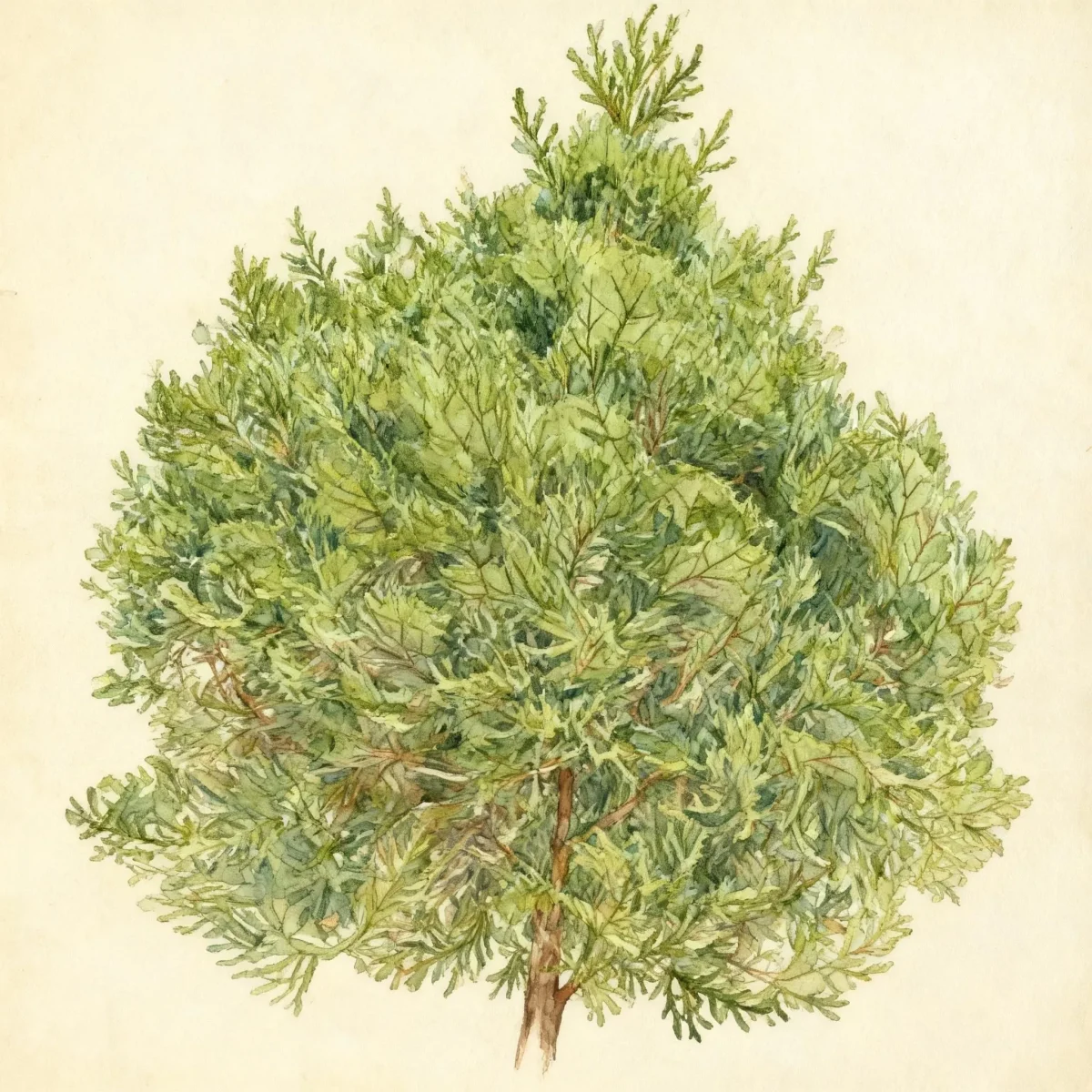
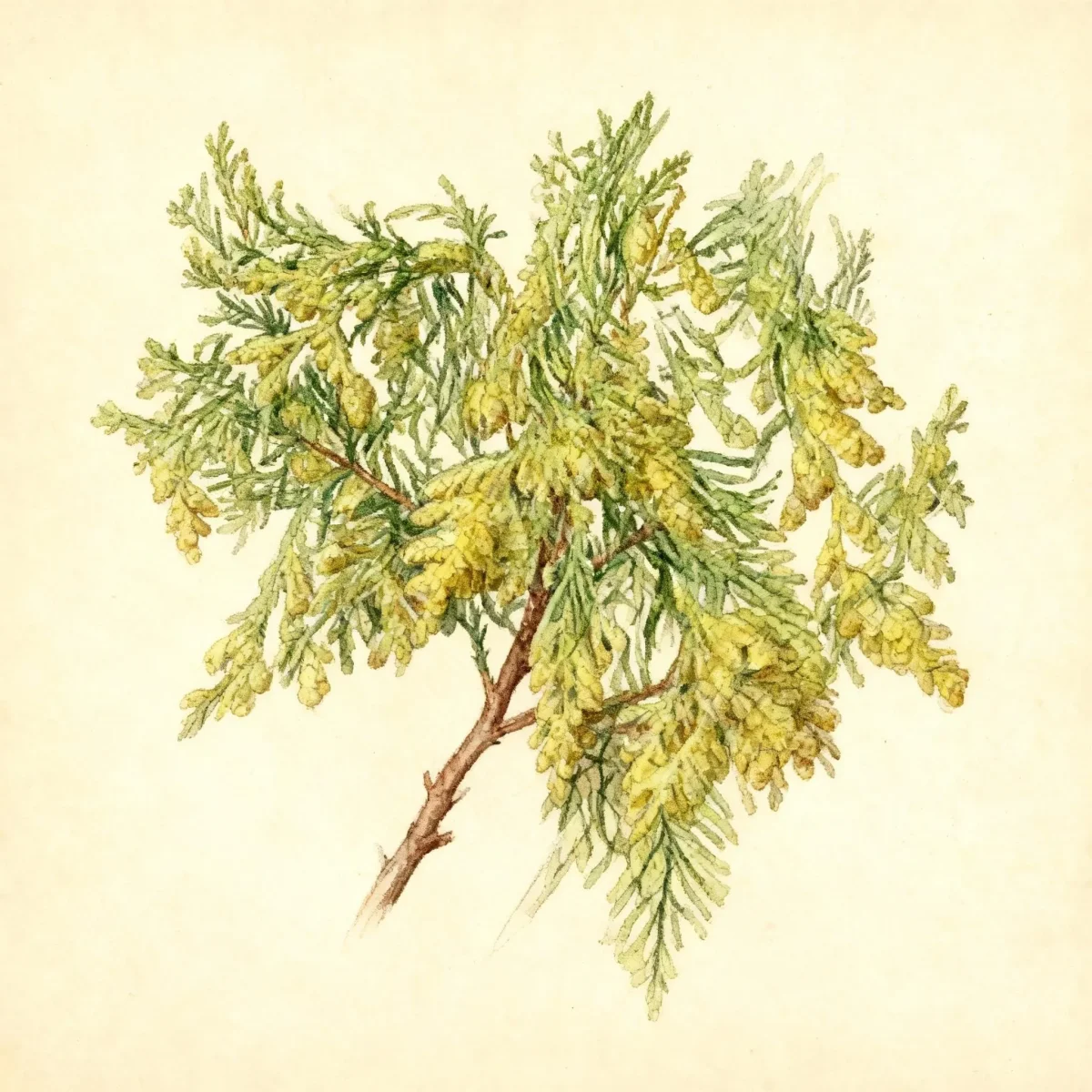
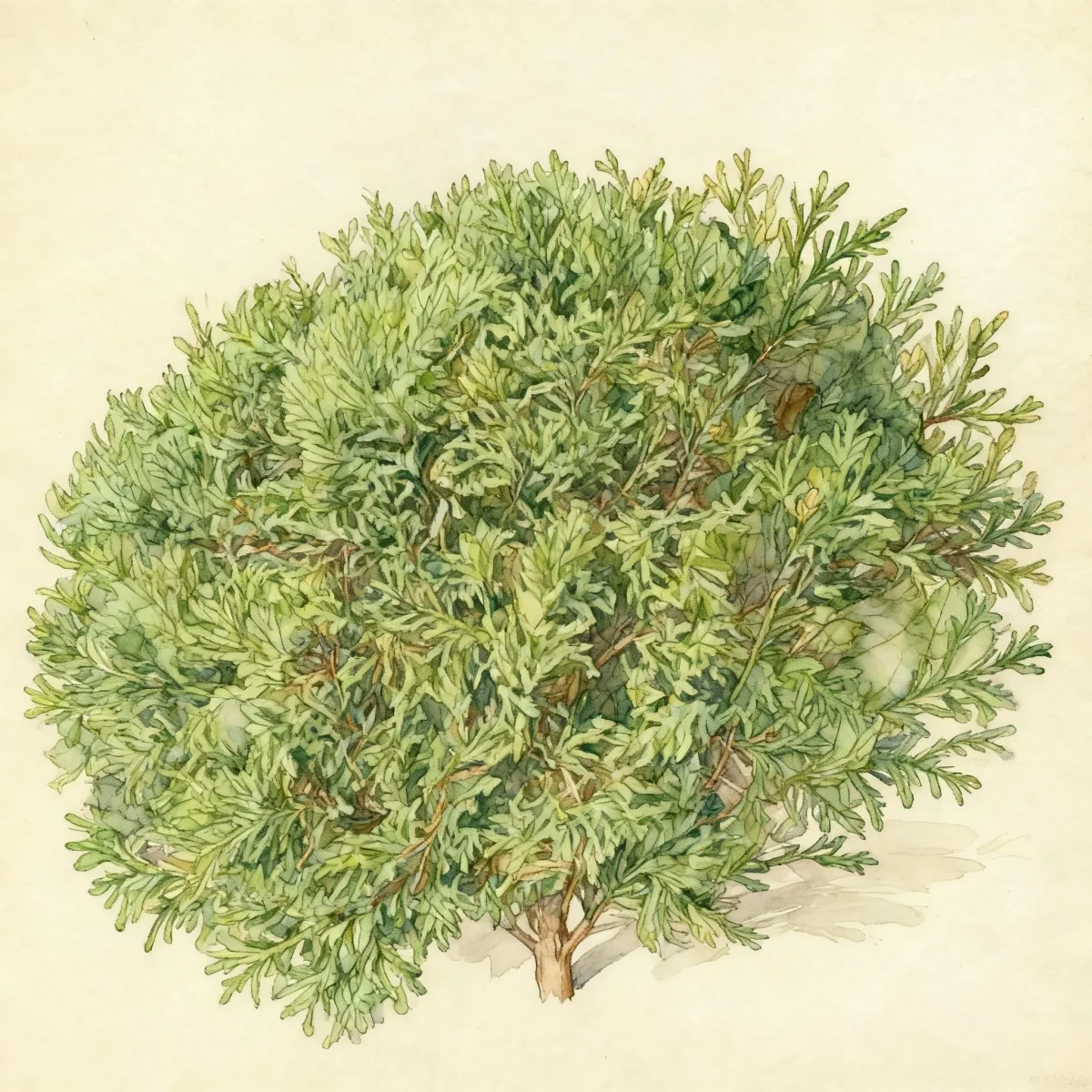
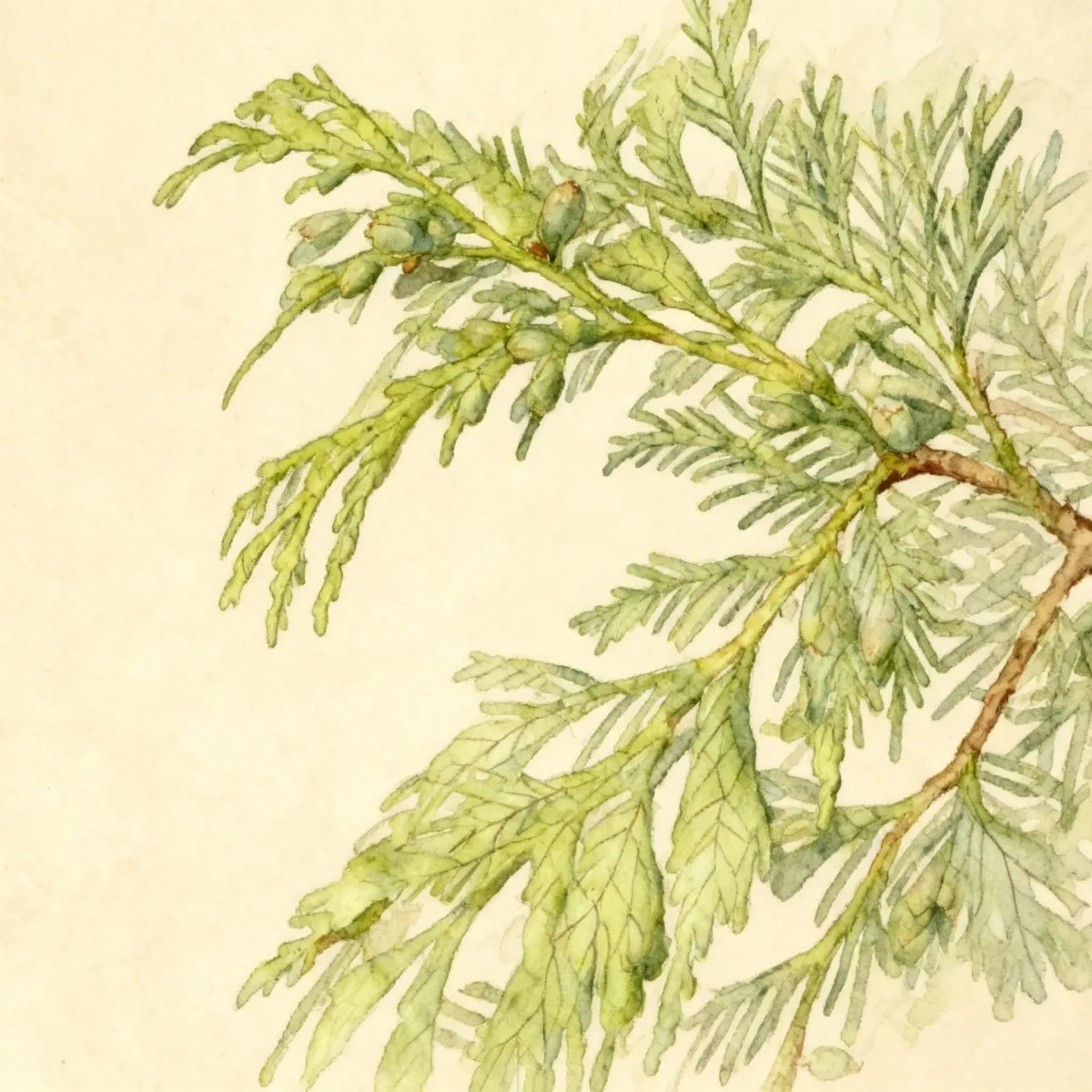
American arborvitae (Thuja occidentalis 'Wareana Lutescens')
Thuja occidentalis 'Wareana Lutescens' is a low-maintenance, pale yellow evergreen prized as an accent or hedge, offering year-round structure.
Scroll down to discover growing tips, care requirements, companion plants, and more
Complete Plant Information
Overview
Thuja occidentalis ‘Wareana Lutescens’, a distinguished cultivar of the American arborvitae, brings striking color and formal structure to the landscape. This needled evergreen maintains pale, greenish-yellow foliage throughout the growing season, providing excellent year-round visual appeal. Gardeners value this selection for its compact, pyramidal to columnar growth habit, which requires minimal fuss once established.
The Thuja occidentalis ‘Wareana Lutescens’ is adaptable across a wide range of challenging conditions, yet performs best when provided consistent moisture. Its low maintenance profile makes it an ideal choice for foundational plantings or tight shrub borders where consistent shape and color are desired without constant intervention. The foliage of this American arborvitae may also take on attractive bronze tints during the colder winter months.
As a resilient specimen, the appeal of the Thuja occidentalis ‘Wareana Lutescens’ lies in its ability to offer dense screening or attractive accent points in the garden. Its relatively modest mature size, typically reaching just 5 to 7 feet tall, allows it to fit well into smaller yards or formal evergreen collections where larger arborvitae varieties would be overwhelming.
Fast Facts
- Plant Family: Cupressaceae
- Plant Type: Needled evergreen
- Hardiness Zones: USDA Zones 2-7
- Size at Maturity:
- Height: 5-7 ft
- Spread: 3-5 ft
- Bloom Time: Non-flowering
- Bloom Description: Non-flowering
- Sun Exposure: Full sun to part shade
- Water Needs: Medium
- Maintenance Level: Low
How to Grow
The best time to plant your Thuja occidentalis ‘Wareana Lutescens’ is in the spring or fall when temperatures are moderate, allowing the roots to establish before summer heat or deep winter freezes. While adaptable, this American arborvitae thrives in average, medium-moisture, well-drained loams that are neutral to slightly alkaline. Ensure the planting site offers full sun for the best density, though light afternoon shade is beneficial in very hot climates.
Watering should be consistent, especially during the first few growing seasons. Although it handles a range of soils, Thuja occidentalis ‘Wareana Lutescens’ is known to be intolerant of dry conditions, so ensure medium water availability to maintain its vibrant color and health. Avoid planting in areas prone to frost pockets or heavy winds, as exposed sites can lead to noticeable winter burn where the foliage turns yellow-brown.
Maintenance for this cultivar remains low, fitting its use as a reliable landscape specimen. Pruning, if necessary, should focus only on shaping or removing errant branches, typically done in late winter or early spring before new growth hardens off. Avoid heavy shearing, which can damage the flattened foliage sprays inherent to the American arborvitae.
Landscape Uses
The compact structure and bright foliage color make the Thuja occidentalis ‘Wareana Lutescens’ an exceptional choice where formal, defined shapes are needed. It excels as a specimen or accent plant, drawing the eye without dominating a small space. Its pyramidal habit lends itself particularly well to foundation plantings where a disciplined, narrow silhouette is preferred near structures.
Consider using these plants in closely spaced shrub borders to create a vibrant, narrow screen that offers year-round privacy. Because of its tolerance to clay soil and air pollution, it is a reliable choice for urban or polluted sites where other ornamental evergreens may struggle. This consistency in coloring and form makes grouping several Thuja occidentalis ‘Wareana Lutescens’ together highly effective.
Standout Features
Noteworthy Characteristics
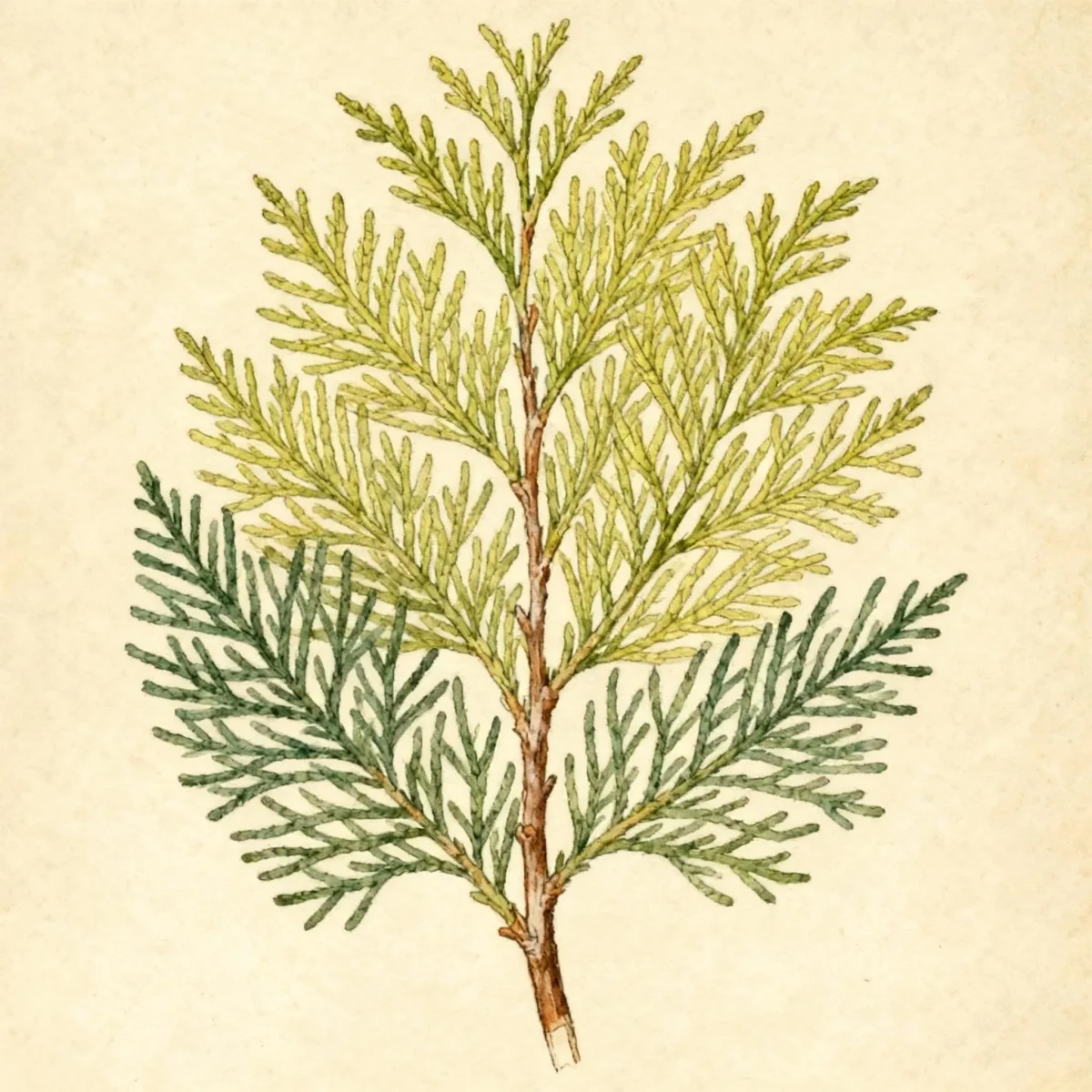
Thuja occidentalis, commonly known as American arborvitae, is a dense, conical evergreen tree native to eastern and central Canada. The specific cultivar ‘Wareana Lutescens’ is recognized by its strikingly pale, greenish-yellow foliage that is held in flattened sprays, turning bronze tints when winter arrives. This small evergreen typically matures to 7 feet tall and 5 feet wide, making it a manageable feature in controlled garden settings.
Tolerances
- Clay Soil
- Black Walnut
- Air Pollution
Potential Problems
The foliage of the American arborvitae can be susceptible to several minor issues, though overall management remains easy. Watch for leaf blight, which may cause spotting and subsequent leaf drop, and canker, which affects the woody stems. For aesthetic damage, leaf miners occasionally target the tips of the foliage, while occasional pests like bagworms, mealybugs, scales, and spider mites should be monitored.
In exposed locations, the pale foliage of the Thuja occidentalis ‘Wareana Lutescens’ may exhibit winter burn, appearing yellow-brown after harsh winter conditions. Furthermore, due to its density, heavy accumulations of ice and snow can cause branch breakage; use preventative measures like tying bunches of branches together loosely in severe weather forecasts. Good air circulation helps mitigate fungal issues like blight.
Frequently Asked Questions
What hardiness zones is Thuja occidentalis ‘Wareana Lutescens’ suitable for?
This robust evergreen is suitable for USDA Zones 2 through 7, offering excellent cold tolerance for northern gardeners.
How large does American arborvitae grow?
The Thuja occidentalis ‘Wareana Lutescens’ cultivar typically matures to a height between 5 and 7 feet, with a spread between 3 and 5 feet wide.
What sun exposure does Thuja occidentalis ‘Wareana Lutescens’ need?
This plant performs best in full sun but will tolerate some light part shade, especially avoiding intense afternoon sun in the hottest summer climates.
When does American arborvitae bloom?
The Thuja occidentalis ‘Wareana Lutescens’ is a non-flowering needled evergreen, meaning it produces no conspicuous blooms or fruit, focusing its energy on foliage display.
Conclusion
The Thuja occidentalis ‘Wareana Lutescens’ is a uniquely colored, low-maintenance evergreen that brings reliable structure and bright yellow-green tones to the garden design. Providing excellent resilience against common urban stresses, this American arborvitae deserves consideration for structured borders or accent plantings throughout USDA Zones 2 to 7. Before planting, ensure your location offers medium moisture and well-drained soil to maximize the stunning performance of this excellent cultivar.
Companion Planting Ideas
When planning a border featuring the Thuja occidentalis ‘Wareana Lutescens’, focus on companions that contrast well with its pale yellow-green hue and benefit from similar moisture needs. Darker green, fine-textured evergreens like various Japanese Yews (Taxus) can provide a deep backdrop that makes the Lutescens pop. For seasonal color, consider pairing it with low-growing Hosta varieties that feature deep purple or cobalt-blue foliage, as the contrasting cool tones will highlight the warmth of the arborvitae.
Mid-border perennials that enjoy consistent moisture, such as Astilbe or Japanese Iris, thrive alongside the moderate water requirements of this Thuja. These companions offer textural and color differences without competing aggressively for space or nutrients, creating a layered, sustainable planting scheme around your Pyramidal American arborvitae.
Container Growing Tips
While generally planted in the ground, Thuja occidentalis ‘Wareana Lutescens’ adapts reasonably well to container culture, provided limitations are respected. The key challenge is moisture management, as containers dry out much faster than garden beds, risking the “intolerant of dry conditions” vulnerability of this plant. Use a high-quality potting mix amended with compost and ensure the container has ample drainage holes.
For winter protection in colder zones (especially below Zone 4), containers should be moved close to a foundation wall or even placed in an unheated garage. The roots of containerized evergreens are far more exposed to freezing than those in the ground. Avoid fertilizing heavily during fall or winter, focusing feeding only during the active spring and early summer growth period to encourage a dense, manageable form for your Thuja occidentalis ‘Wareana Lutescens’.